Ban Khop Dong
Ban Khop Dong
Moo.11, Tambon Mon Pin, Amphoe Fang, Chiang Mai, 50110, อำเภอ ฝาง เชียงใหม่ 50110, Thaïlande
Highland Lahu village in the Doi Ang Khang massif, north of Chiang Mai. Animist culture, mountain agriculture and history linked to the Royal Project.
Perched at 1,428 meters elevation in the Doi Ang Khang massif, Ban Khop Dong is a Lahu minority village located north of Chiang Mai, near the Burmese border. Agricultural lifestyle, animist beliefs and history tied to former opium cultivation make it a cultural stopover away from mainstream tourist circuits.
Why visit Ban Khop Dong
The village offers three main interests for travelers in Northern Thailand:
An encounter with Lahu culture, an animist people settled in the highland border regions.
A refreshingly cool climate unusual for Thailand, thanks to the altitude.
A location off the beaten path, making it a rarely visited destination by foreign tourists.
The village lends itself equally to a few-hour stop or an overnight stay in a local guesthouse, for those wishing to observe the daily rhythm of Lahu life.
History of Ban Khop Dong
Like several Lahu communities settled in northern Thailand, Ban Khop Dong long drew part of its livelihood from opium poppy cultivation, whose resin fed a clandestine opium trade between Yunnan China and Burma. This activity persisted throughout the 20th century in the Golden Triangle border zone, amid regional instability.
The turning point came in 1969, when King Rama IX launched the Royal Doi Ang Khang Project. The goal: replace poppy cultivation with higher-value-added productions — temperate vegetables, fruits, flowers — suited to the highland climate. The project profoundly transformed the local economy and Lahu villages, including Ban Khop Dong, progressively reoriented their activities toward market gardening and tree cultivation.
What to see and do
The village and its architecture
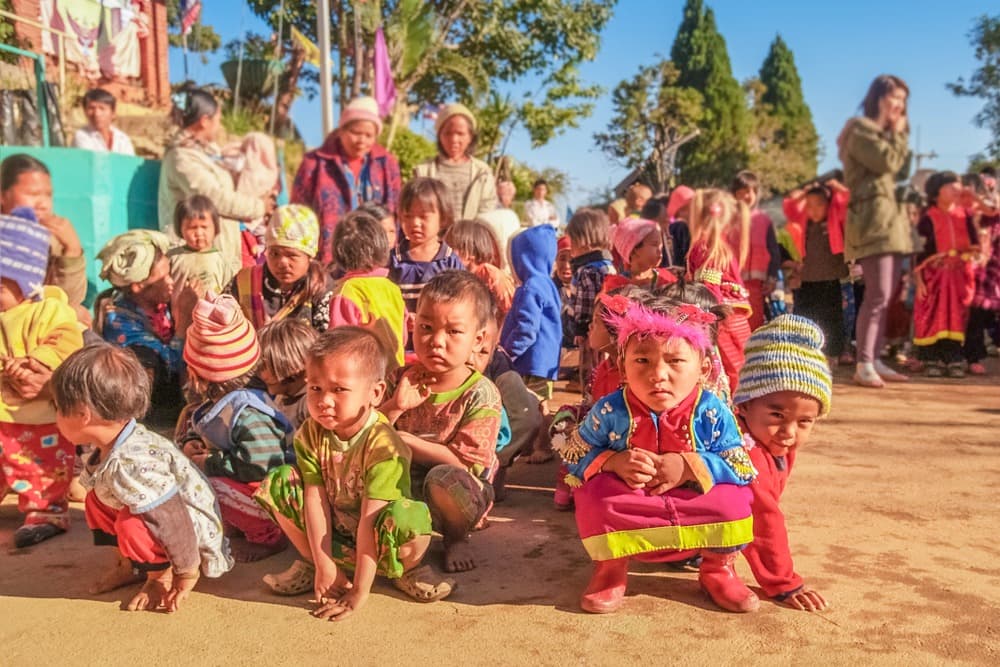
Wooden houses line the main path. Some residents, especially older generations, still wear traditional Lahu dress for family occasions. The village also houses the main school for the Doi Ang Khang sector, welcoming children from several surrounding communities.
Agricultural life and crafts
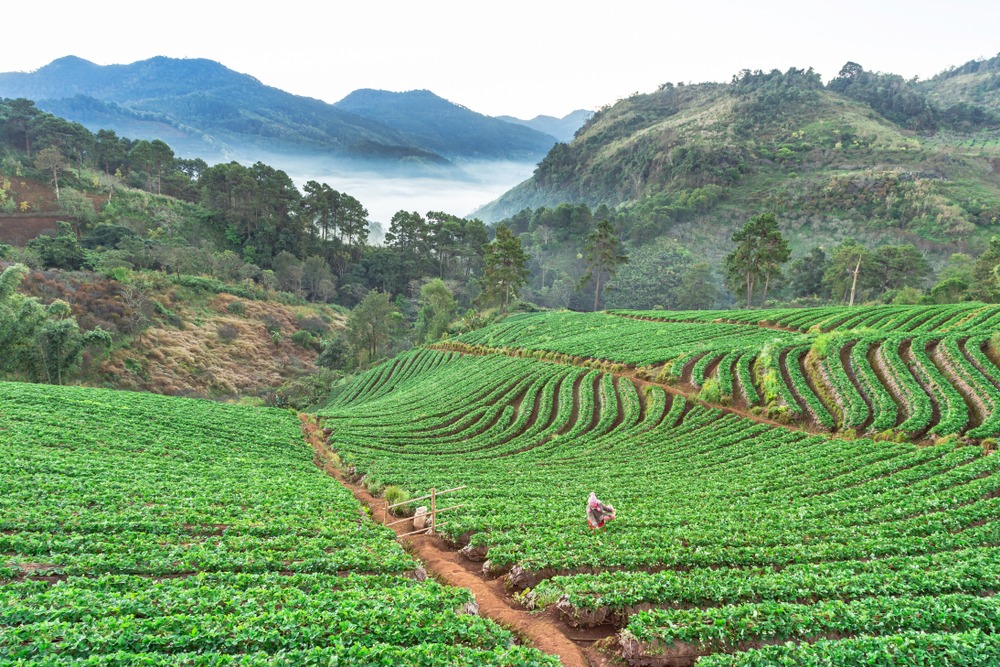
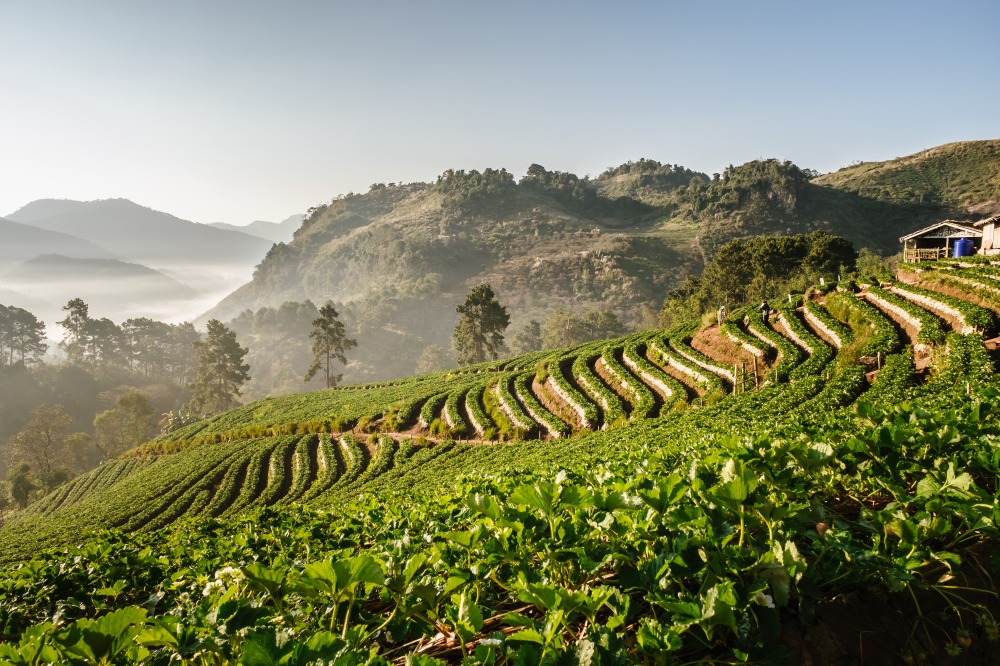
The Lahu practice diversified agriculture: vegetables, strawberries, corn, mountain rice. Forest honey collection supplements these incomes. In the afternoons, women dedicate themselves to basketry and weaving: wicker bags, baskets, braided bracelets and textile pieces are sometimes offered to visitors.
Animist beliefs and rituals
Lahu spirituality rests on animism: nature spirits, ancestral spirits and shamanism hold a central place. Ceremonies mark births, planting and harvests. Depending on when you visit, you may witness a shamanic rite, but these moments remain private and require discretion and respect.
Panoramas
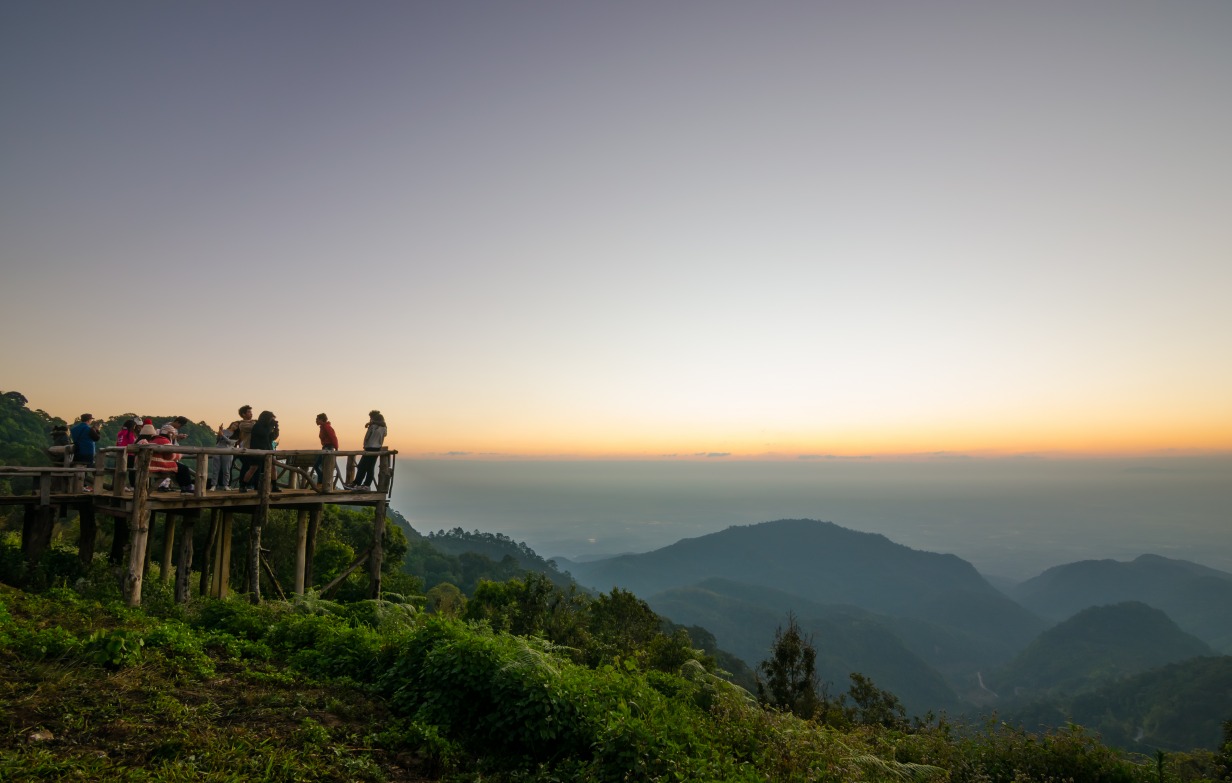
From the village, the view plunges over the valleys below and terraced rice paddies. The landscapes recall southern Yunnan or northern Vietnam, with their stepped reliefs and morning mists.
Practical information
Before entering the Doi Ang Khang zone, a military checkpoint conducts identity verification. Bring your passport. The village is located north of Ban Khum, the massif's main settlement, on the road leading to Ban Nor Lae.
Allow a few hours for a simple visit, or a full night for a homestay experience. Accommodation rates with local families remain moderate and typically include meals. Booking is advised during peak season.
A few guidelines to follow: always ask permission before photographing people, do not enter ritual areas without invitation, and keep noise to a minimum.
When to visit
The altitude gives Ban Khop Dong's climate notably cooler conditions than Thai lowlands. The dry season, from November to April, offers the best visiting conditions, with clear skies and cool temperatures, sometimes cold at night in December-January. The harvest season (year-end) is conducive to observing animist festivities linked to the agricultural cycle. The rainy season, from May to October, can complicate access to secondary paths.
How to get there
No public transport serves Ban Khop Dong directly. A private vehicle — rental car, taxi with driver or organized excursion from Chiang Mai or Fang — is essential.
Main route: from Highway 107 (Chiang Mai – Fang axis), turn onto Highway 1249 which climbs directly to Doi Ang Khang, then continue beyond Ban Khum.
Alternative route: pass through Arunothai via Highway 1178, then reach Ban Khop Dong via mountain paths.
The main road is paved and passable, but features tight curves and steep grades; cautious driving recommended.
Nearby attractions
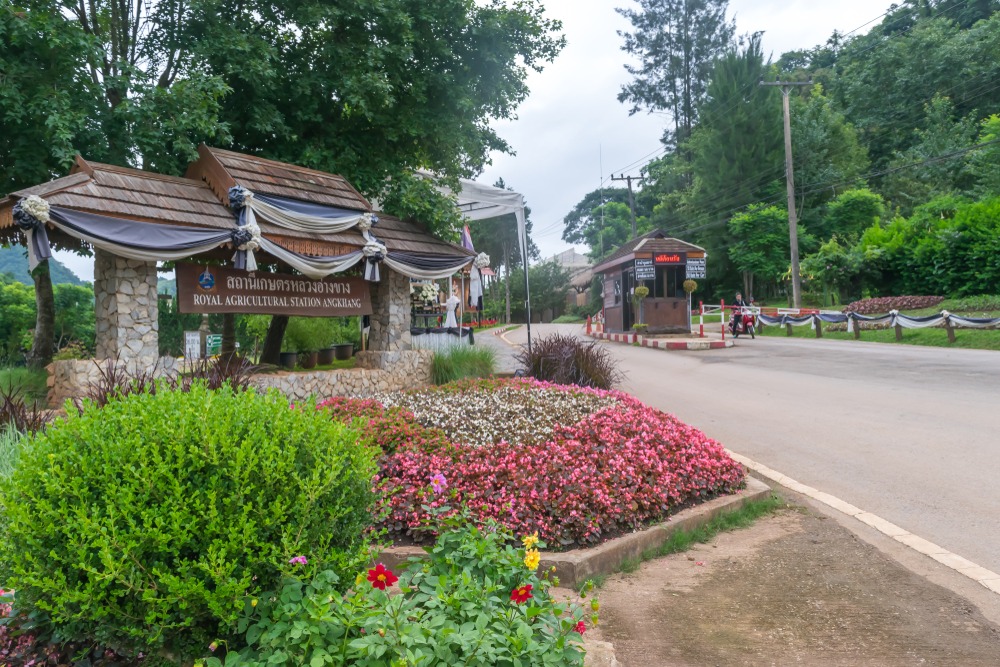
The Doi Ang Khang massif and its royal agricultural station, with horticultural gardens and greenhouses.
Ban Khum, the massif's main settlement and gateway to the zone.
Ban Nor Lae, another ethnic village on the edge of the Burmese border.
Doi Mae Salong, former stronghold of Chinese Nationalist troops, accessible from the same mountainous region.
Frequently asked questions
Yes, several Lahu families offer simple accommodation, usually with meals included. Rates remain moderate. It is advisable to book in advance, particularly during the dry season.
Independent visits are possible, but an English-speaking local guide facilitates communication with residents and helps understand Lahu cultural codes.
Always ask permission before taking photos, especially of elderly people and during ceremonies. Some rituals may be off-limits to cameras.
Ceremonies are linked to the agricultural calendar: planting, harvests, births. The November-February period, corresponding to harvests, is generally most favorable.
This is a Thai internal control post, not a passage to Burma. Simple identity verification is sufficient to access the massif.
To incorporate Ban Khop Dong into a wider itinerary in northern Thailand, consult our custom-made Thailand journeys.
Photos
Also discover
Interested in this visit?
We can include it in your personalised itinerary.