Kaeo Surakan Cave
Kaeo Surakan Cave
9Q6P+G36, Lan Saka, Lan Saka District, Nakhon Si Thammarat 80230, Thaïlande
Limestone cave and Buddhist meditation site in Lan Saka district, near Khao Luang National Park, in Nakhon Si Thammarat Province.
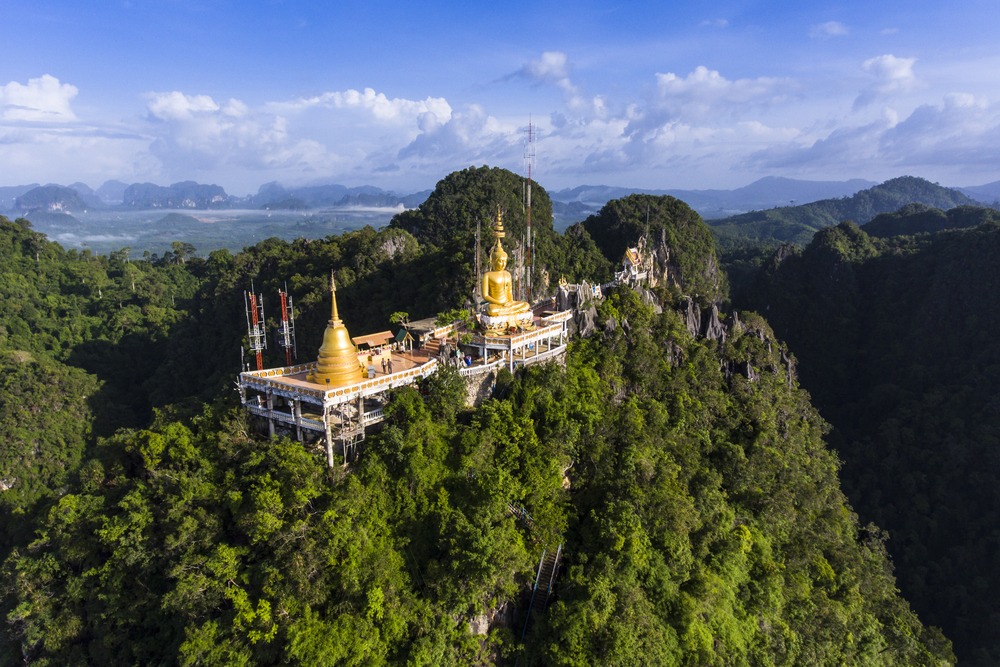
Kaeo Surakan Cave lies in Lan Saka district, Nakhon Si Thammarat Province, in southern Thailand. This limestone cavity brings together geology and Buddhist spirituality: an ancient Buddha statue is venerated here, and visitors follow in the footsteps of the revered Phra Ajahn Yantra Amaro, who made it a meditation sanctuary. Its modest visitor numbers make it a serene stop to add to an itinerary exploring the Khao Luang National Park region.
Why Visit Kaeo Surakan Cave
Three main reasons make this cave worth a detour:
- An active Buddhist site, frequented by pilgrims paying homage to a revered Buddha statue.
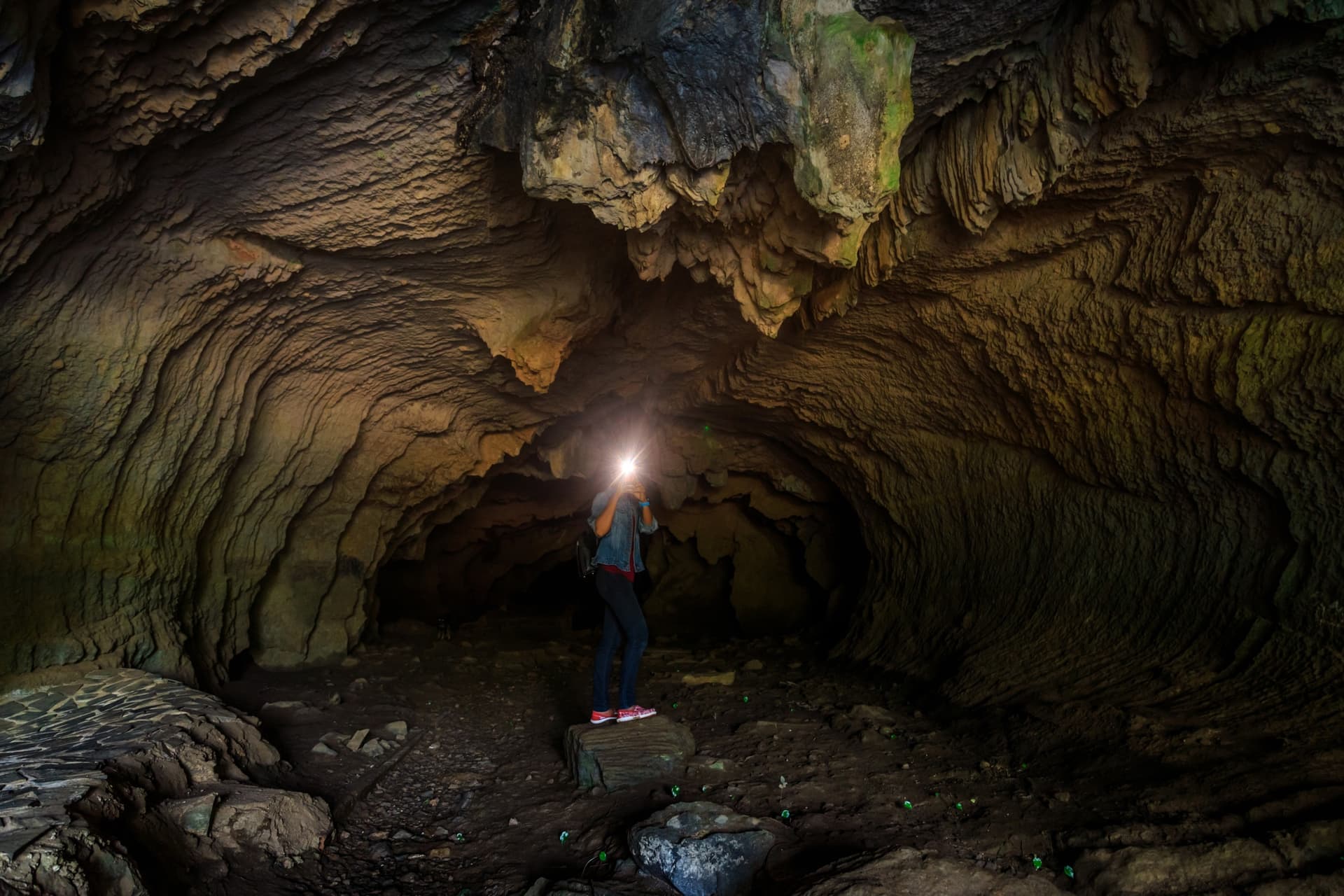
- A limestone cavity adorned with stalactites and stalagmites, complemented by Buddhist imagery painted on the walls.
- Free entry and a wooded setting ideal for picnicking, away from mainstream southern Thailand tourist circuits.
The atmosphere, hovering between sacred worship space and natural curiosity, makes for a brief yet distinctive visit (plan around 1 to 1.5 hours on-site).
History and the Tradition of Cave Meditation
The cave's reputation stems from its connection to the revered Phra Ajahn Yantra Amaro, a monk of the Thai Forest Tradition, who stayed here to meditate. This practice of cave retreat is rooted in a long tradition of Southeast Asian Theravāda Buddhism: cool, silent cavities are regarded as spaces conducive to concentration and detachment from the outside world.
Over time, the cave became a local pilgrimage destination. The faithful come to pray, leave offerings before the Buddha statue installed inside, and observe Buddhist imagery adorning the walls. The site maintains this dual status today—an active spiritual center and a geological wonder.
What to See Inside
The cavity stretches roughly 700 meters and can be explored without particular technical difficulty, provided you remain mindful of the occasionally damp floor.
- The Sacred Pond: visible at the entrance, it marks the threshold between the outer space and the venerated zone.
- The Buddha Statue: the focal point of the site, concentrating the devotion of visitors and pilgrims.
- Ornate Walls: paintings and representations linked to Buddhism blend into the limestone relief.
- Concretions: stalactites and stalagmites have formed over millennia, testament to the underground hydrological activity.
- The Interior Stream: during heavy rainfall, a watercourse flows along the cave floor, evidence that the site remains geologically active.
Practical Information
Access to the cave is free. The site is generally open in the morning through early afternoon; it's best to arrive early for cooler temperatures and better natural light at the entrance. Bring:
- Closed-toe shoes with good grip (floor is damp in places).
- A headlamp or flashlight, as interior lighting is limited.
- Clothing covering shoulders and knees, out of respect for the site's sacred nature.
- Water and, if desired, snacks for the wooded picnic areas near the entrance.
Parking for motorcycles and small vehicles is available near the entrance.
When to Go
The recommended period runs from February through May, when rainfall is low and access is secure. The cave closes during the rainy season, typically October through December, due to flooding risk from the interior stream. In January, conditions vary depending on the tail end of monsoon activity.
How to Get There
The cave is located in Lan Saka district, approximately 3 km east of the Khao Luang National Park headquarters, along route 4015 connecting Nakhon Si Thammarat to the inland areas.
- By Air: Nakhon Si Thammarat Airport, served by flights from Bangkok, is roughly thirty kilometers away.
- By Car: this is the most convenient option. From central Nakhon Si Thammarat, follow route 4015 toward Lan Saka.
- By Songthaew: blue songthaews heading to Lan Saka and Khao Kaew serve the area.
Nearby Attractions
- Krung Ching Waterfall, among the tallest in southern Thailand, accessible from the national park.
- Khao Luang Mountain, the region's highest peak.
- Ban Khiri Wong Village, a community renowned for its craftsmanship and mountain setting.
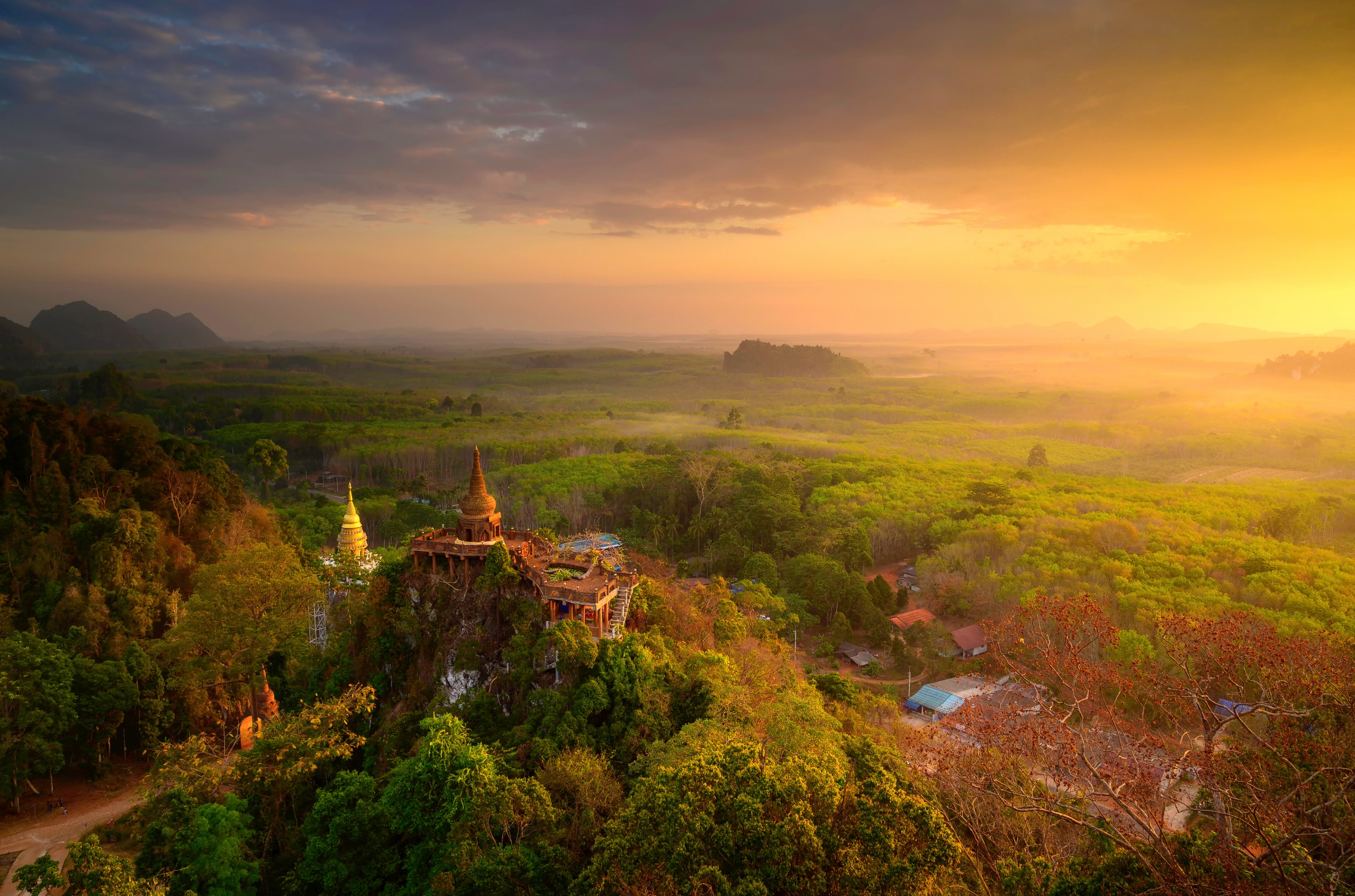
- Wat Khao Khun Phanom, a hilltop temple offering panoramic views across the province.
Frequently asked questions
Plan for 1 to 1.5 hours on-site, covering the time needed to explore the cavity, observe the concretions, and pay respects to the Buddha statue inside.
No. Access is closed during the rainy season, typically October through December, for safety reasons (a stream flows through the cave during heavy rainfall). The best period extends from February through May.
As a Buddhist place of worship, it's recommended to wear clothing covering shoulders and knees. Also bring closed-toe shoes and a light source for inside the cave.
No, access to Kaeo Surakan Cave is free. A donation to the temple is appreciated if you wish to support the site's upkeep.
Looking to weave this sacred cave into your southern Thailand itinerary? Discover our Thailand travel suggestions to combine spirituality, nature, and local culture.
Nearby
Also discover
Khao Luang National Park
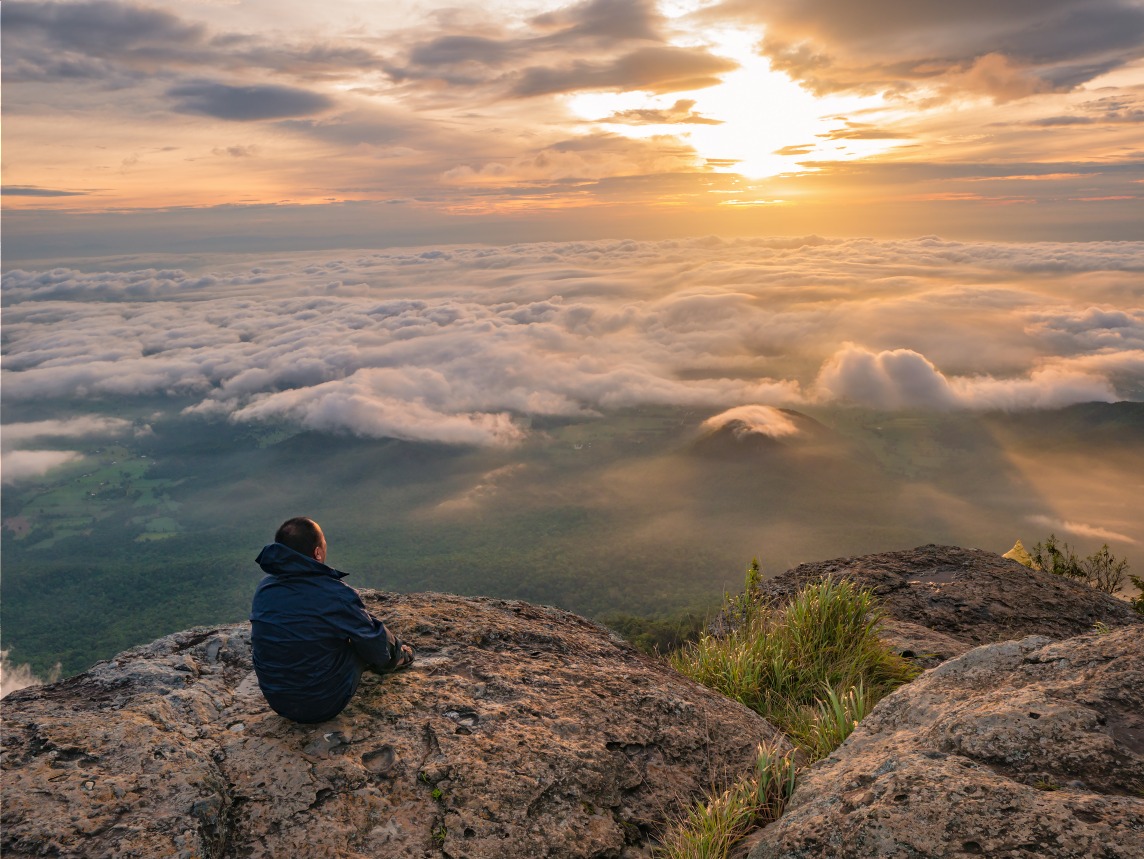
West of Nakhon Si Thammarat, Khao Luang National Park protects 570 km² of jungle, tiered waterfalls, and rare orchids—an off-the-beaten-path trekking destination.
Nakhon Si Thammarat
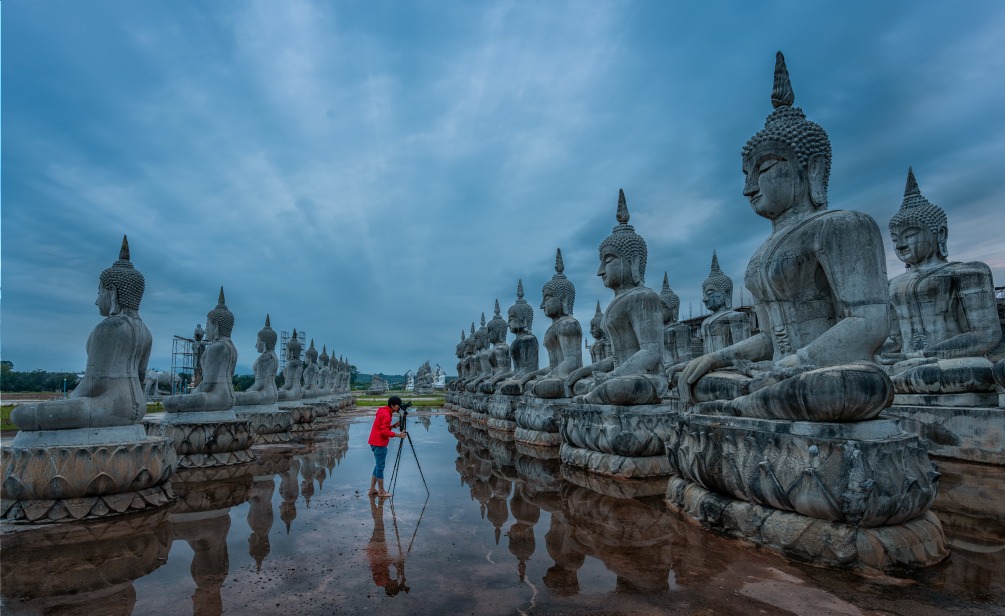
Once the capital of the Tambralinga Kingdom, Nakhon Si Thammarat blends ancient temples, shadow puppet theatre, and authenticity, 780 km south of Bangkok.
Interested in this visit?
We can include it in your personalised itinerary.