Vientiane
Vientiane
Vientiane, Laos's capital on the Mekong, blends gilded Buddhist temples, French colonial architecture, and vibrant markets within an atmosphere more laid-back than any other Southeast Asian capital.
Vientiane stretches along the left bank of the Mekong, facing Thailand. Southeast Asia's smallest capital, it mingles golden Buddhist temples, boulevards laid out during the French period and bustling markets. Its unhurried pace sets it apart from other regional capitals, making it a destination in its own right rather than merely a transit point.
Practical Information at a Glance
Access: Wattay International Airport a few kilometres from the centre; tuk-tuks and taxis available at the exit.
Dress code: Shoulders and knees covered to enter temples.
Currency: Laotian kip (LAK); Thai baht and US dollars widely accepted.
Recommended duration: Two to three days to cover the main sites.
Language: Laotian; English understood in tourist areas.
What to See
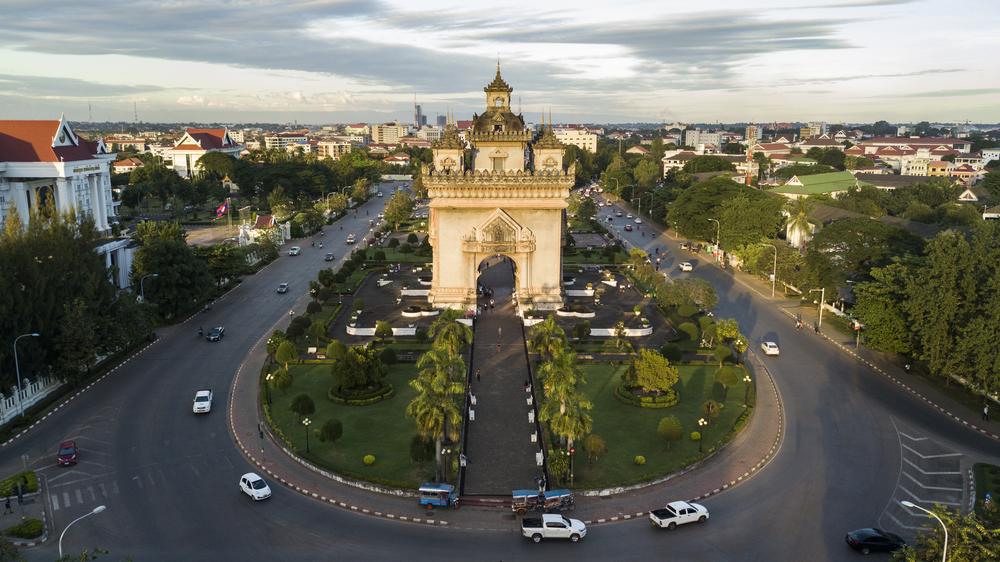
The historic centre concentrates the essentials: the That Luang national stupa, symbol of the country, Patuxai (a triumphal arch inspired by Paris), Wat Si Saket temple with its thousands of Buddha statuettes in niches, and Haw Phra Kaew, a former royal temple now converted into a museum. The Mekong riverfront offers a pleasant promenade at sunset.
History and Context
Vientiane became the capital of the Lane Xang kingdom in the 16th century. Devastated by the Siamese in 1828, it was rebuilt under French protectorate from the late 19th century onward. This colonial past explains the grid-plan layout, Art Deco buildings and old-style cafés that coexist with pagodas. The country achieved independence in 1953.
Highlights of Your Visit
That Luang
A grand Buddhist stupa covered in gold leaf, That Luang is the most sacred monument in Laos. Built in the 16th century on the foundations of a Khmer temple, it is surrounded by a cloister and two annexe temples. Late afternoon light makes the gold shine with particular brilliance.
Wat Si Saket
The only temple to survive the sacking of 1828, Wat Si Saket houses more than 6,800 Buddha statuettes set in niches along the galleries. It is Vientiane's oldest standing temple, built in 1818 in Siamese style.
Patuxai
Built in the 1960s with American cement originally intended for airport construction, this triumphal arch blends French architecture with Laotian motifs. You can climb to the top for a panoramic view over Lane Xang boulevard and the city.
Morning Market (Talat Sao)
A large covered market where you can buy textiles, handicrafts, silver jewellery and local products. Lively from dawn, it gives a concrete picture of daily commerce in the capital.
Mekong Riverside Walk
The riverfront, refurbished in recent years, is where locals gather at dusk. Street vendors offer grilled dishes and fresh fruit juices with views across the Mekong to the lights of the Thai bank.
Etiquette and Temple Visiting Rules
Remove your shoes before entering any temple building.
Dress modestly: shoulders and knees must be covered.
Avoid pointing your feet towards Buddha statues or monks.
Ask permission before photographing monks or worshippers in prayer.
Speak softly inside sanctuaries.
Photography Tips
That Luang is at its best in late afternoon, when raking light makes the gold stupa glow. Patuxai photographs well from Lane Xang boulevard, early in the morning before traffic builds. At Wat Si Saket, the niche galleries offer striking repetitive compositions in soft light.
Location and Access
Vientiane is situated in the centre-west of Laos, on the left bank of the Mekong. Wattay International Airport serves the city from several Asian capitals. The Friendship Bridge links Vientiane to Nong Khai, Thailand, with bus and train crossings. The city centre is compact and can be explored on foot or by tuk-tuk. The main temples are grouped within easy reach from the centre.
Nearby
Buddha Park (Xieng Khuan) — about twenty kilometres to the south-east, this park of concrete Buddhist and Hindu sculptures, created in the 1950s, is one of the most distinctive sites in the country.
Nong Khai (Thailand) — Thai town accessible via the Friendship Bridge, gateway to north-east Thailand.
Vang Vieng — mountain and river town a few hours to the north, prized for its karst landscapes and outdoor activities.
Frequently Asked Questions
Frequently asked questions
The dry season, from November to February, offers pleasant temperatures and little rain. It's the ideal time to visit temples and explore the city without the intense heat of March-April.
Most European nationalities can obtain a visa on arrival at the Friendship Bridge or Wattay Airport. Check the conditions specific to your passport before departure.
Two days are enough for the main sites (That Luang, Wat Si Saket, Patuxai, Mekong riverfront). A third day allows you to add Buddha Park and stroll through the markets.
Yes. Vang Vieng to the north and Luang Prabang (UNESCO-listed) are the most frequent stops. Buses and minivans connect these towns regularly.
Photography is generally permitted in courtyards and exterior galleries. Inside prayer halls, check signage on site and avoid photographing ceremonies without permission.
Tuk-tuks remain the most common means of transport. Bicycle and scooter rentals are available and well-suited to the flat city centre. Ride-hailing apps are beginning to develop but remain less widespread than in Thailand.
Also discover
Vang Vieng
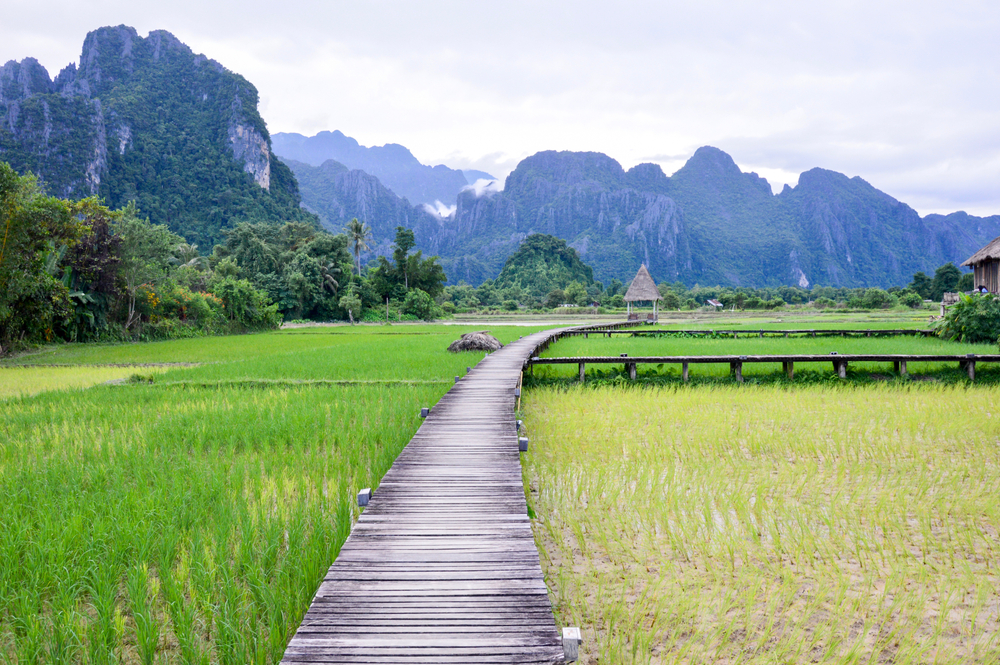
Vang Vieng, nestled between dramatic limestone karsts and the Nam Song River, blends outdoor adventure, spectacular caves and rural villages. A key stopover between Vientiane and Luang Prabang, now accessible by train since 2021.
Luang Prabang
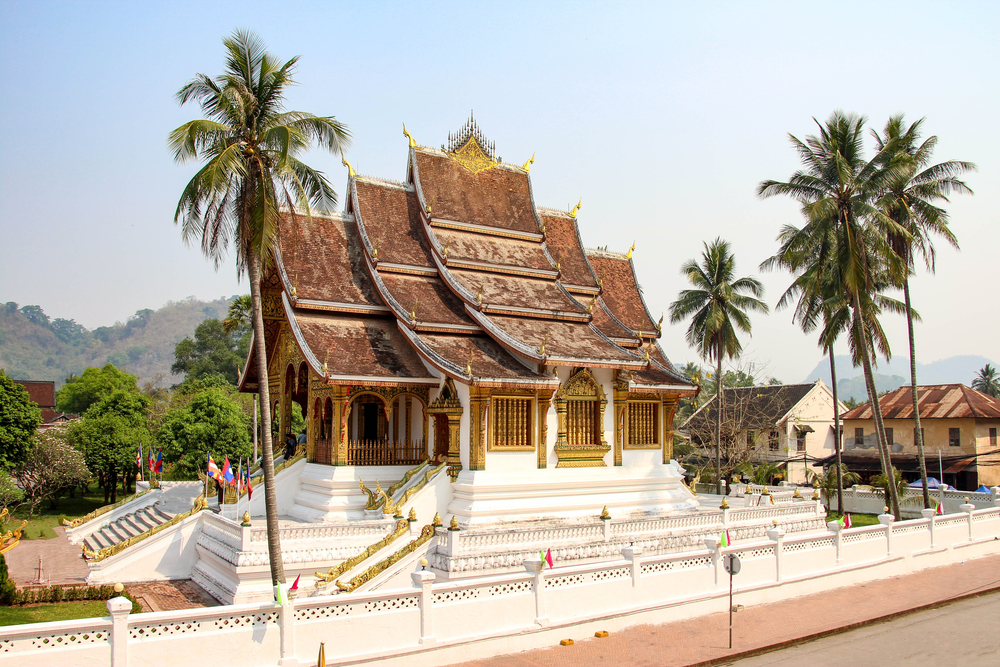
A former royal capital of Laos and UNESCO World Heritage site, Luang Prabang brings together gilded temples, daily monastic life and French colonial architecture on a peninsula between the Mekong and Nam Khan rivers.
Want to discover this destination?
Our local advisors design your tailor-made trip.