Kamphaeng Phet
Kamphaeng Phet
Third capital of the Sukhothai kingdom, Kamphaeng Phet preserves a little-known UNESCO archaeological park to explore by bicycle among ruined temples and the Arannyik forest.
Kamphaeng Phet is a historic Thai city ranked third after Ayutthaya, the ancient capital of the Siamese kingdom, and Sukhothai. It sits on the Ping River in the country's north. This charming small city lies close to Burma and halfway between the central plains of the Chao Phraya and the Lanna kingdom. To its east stretch alluvial plains, while its western zones are formed by towering mountains and forests.
Kamphaeng Phet, also called the "Diamond Rampart," is the ideal destination for discovering Thailand's historical heritage. Beyond its lush greenery, the city offers a historical landscape of ruins.
History
Kamphaeng Phet is the third capital of the Sukhothai kingdom alongside Sukhothai and Phitsanulok. It experienced its golden age in the 14th century under King Li Thaï, grandson of King Ramkhamhaeng. Its location between central and northern Thailand, as well as its proximity to Burma, enabled artistic and religious development until 1350.
In the mid-14th century, the Sukhothai kingdom was absorbed by the new kingdom of Ayutthaya, and Kamphaeng Phet city became merely an advanced military garrison.
In the 18th century, most of the city was destroyed by Burmese enemies before they attacked Ayutthaya. Consequently, inhabitants abandoned the site. Kamphaeng Phet's population returned only a century later.
In 1991, the historical park of the province was designated a UNESCO World Heritage site.
Discovering Kamphaeng Phet
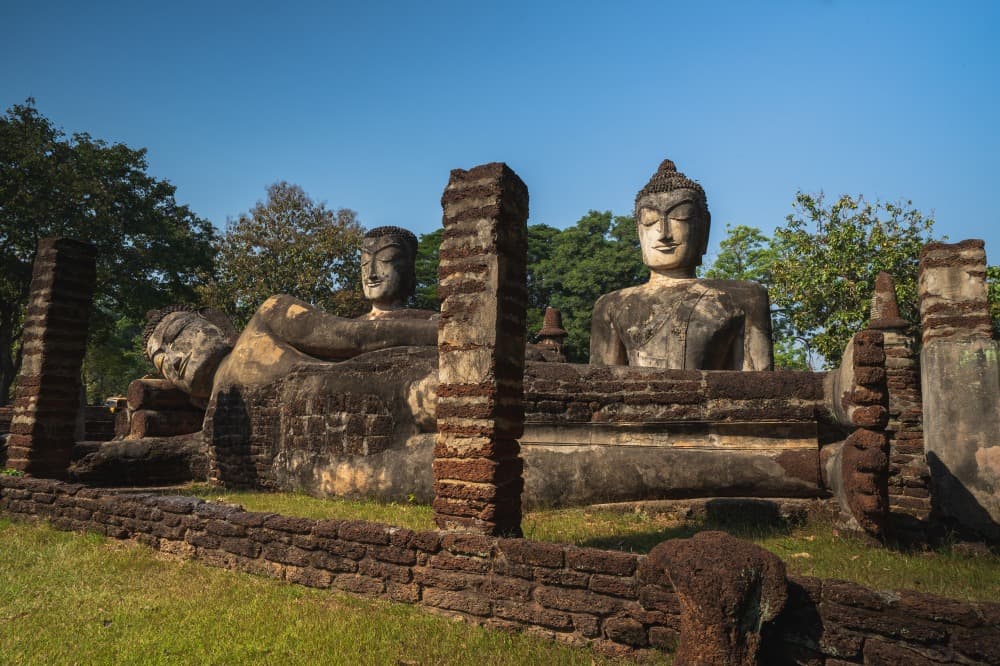
The historical park, recognized as a world heritage site since 1991, contains 80 temples, most of which have fallen to ruin. They are distributed between the fortified city and the Arannyik to the northeast.
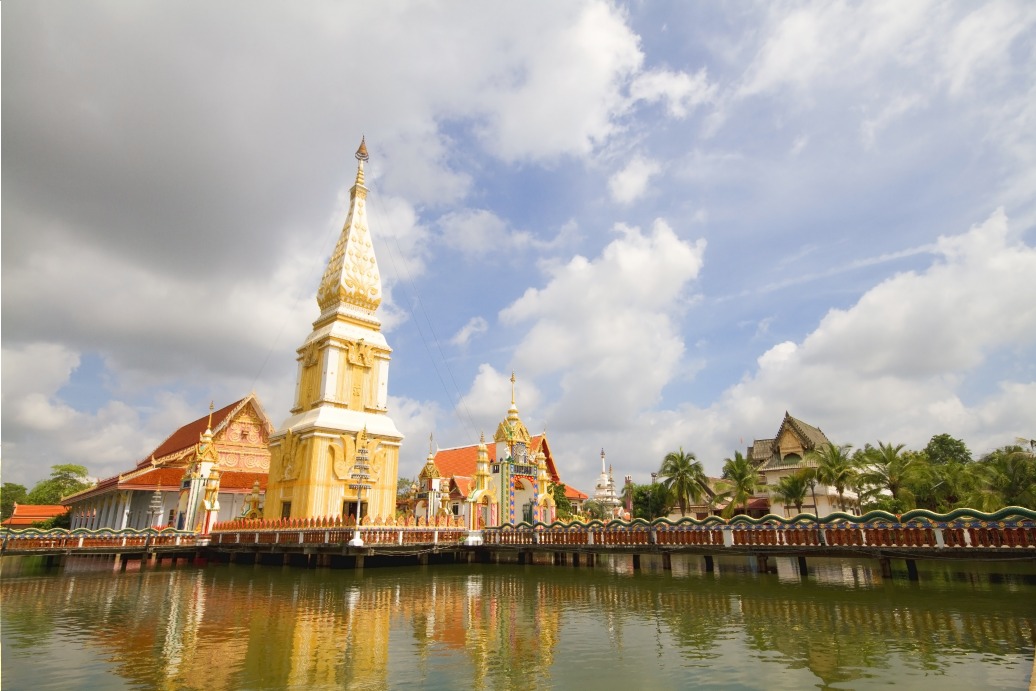
To discover the treasures of the fortified city, visit Wat Phra Kaeo and Wat Phra That. These two 15th-century temples are among the city's must-sees, as much for their beauty as for their history.
In the old city, you can visit the National Museum, filled with Thai art objects, as well as the Regional Museum, constructed of teak in traditional style.
The streets of the old city are serene. They harbor old wooden houses, witnesses to the city's antiquity, serving as typical shops, jewelry stores, small restaurants, and more.
Bananas being important to the city—representing 30% of local agriculture—a pavilion has been dedicated to celebrating them. Another is devoted to the region's ethnic groups, displaying their way of life and traditional dress.
You can also explore the ruins of the northern zone and the Arannyik forest to enrich your knowledge and enjoy nature. The visit is most pleasant by bicycle through the forest.
As you tour the city's surroundings along the Ping River, you'll discover the old fort built for the garrison and some ancient ruins of small temples. Notable among them are Wat Mong Ka Le and Wat Nong Phikun.
It's also pleasant to find respite along the Ping River, the same river that flows through Chiang Mai slightly further north. There, you'll find a park where you can stretch your legs and chat with locals.
The city of Kamphaeng Phet has everything to appeal to history buffs and ruin enthusiasts.
Climate
Savanna climate dominates Kamphaeng Phet. It's nearly warm year-round, though summers are rainy while winters are dry. Throughout the year, the average temperature is 26.8°C and average rainfall is 1,491.4 mm.
If you dream of a rainless stay while enjoying sunshine, the best time to visit Kamphaeng Phet is during the dry season from November to March. During this period, rainfall weakens to an average of 8.2 mm in the driest month, and the lowest average temperature is 22°C.
How to Get to Kamphaeng Phet?
If you're traveling from Thailand's capital, the most convenient way is to take Bus 94 from the Mo Chit station. It connects Bangkok directly to Kamphaeng Phet.
However, you can fly or take a train to Phitsanulok and complete the journey by bus. Phitsanulok is only 109 km from Kamphaeng Phet.
If you're departing from Sukhothai, the journey will be quite long, but you can take a songthaeo to reach the city.
When traveling in Thailand with Sawa Discovery, you'll be able to move about easily with your private vehicle and driver.
How to Get Around the City?
The city has local buses to facilitate getting around. Strategic stops include the bus terminal, the clock tower square, the market, and Big C. However, the most common way is to take a tuk-tuk or rent a bicycle.
Photos
Also discover
Thailand's Off-the-Beaten-Path Destinations
Between peaceful towns, lesser-known islands, and wild regions, discover 6 off-the-beaten-path destinations to explore a more authentic and less touristy Thailand.
Ban Chiang Archaeological Site
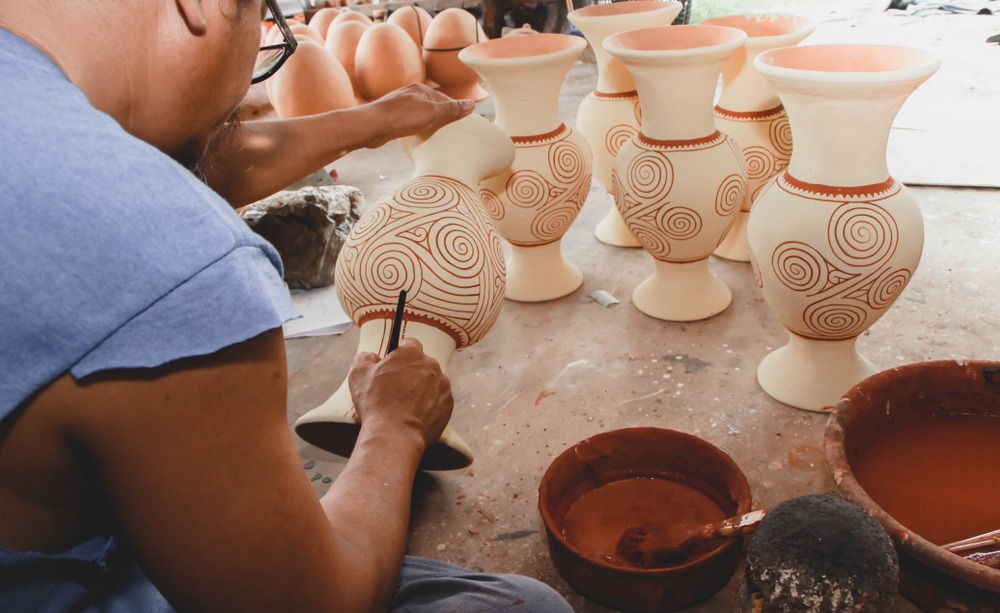
East of Udon Thani, the UNESCO site of Ban Chiang documents an agro-pastoral civilization dating back 4,000 years through its distinctive pottery and burial sites.
Chiang Mai
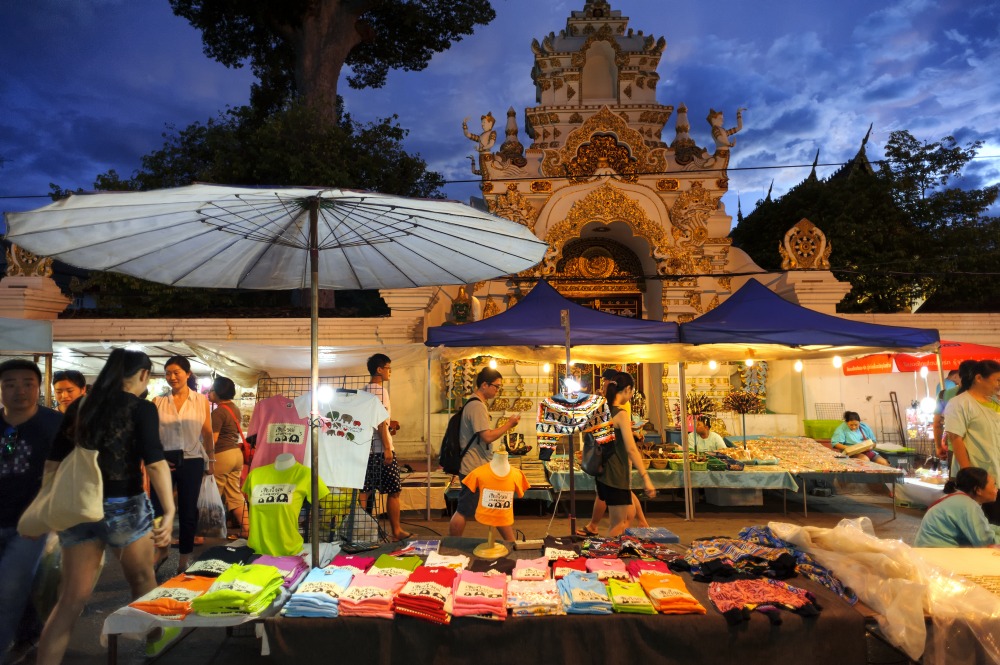
Chiang Mai is an unmissable destination during a Thailand trip. With its historic monuments, rich culture and natural attractions, the Rose of the North will captivate you.
Want to discover this destination?
Our local advisors design your tailor-made trip.