Ko Phra Thong
Ko Phra Thong
Just 3 hours from Phuket, Ko Phra Thong embraces slow tourism: 14 km of pristine beaches, mangrove forests, savanna and Moken villages, far from the bustle of Andaman.
In southern Thailand, the paradisiacal island of Ko Phra Thong will delight divers and reward those seeking tranquil seaside getaways.
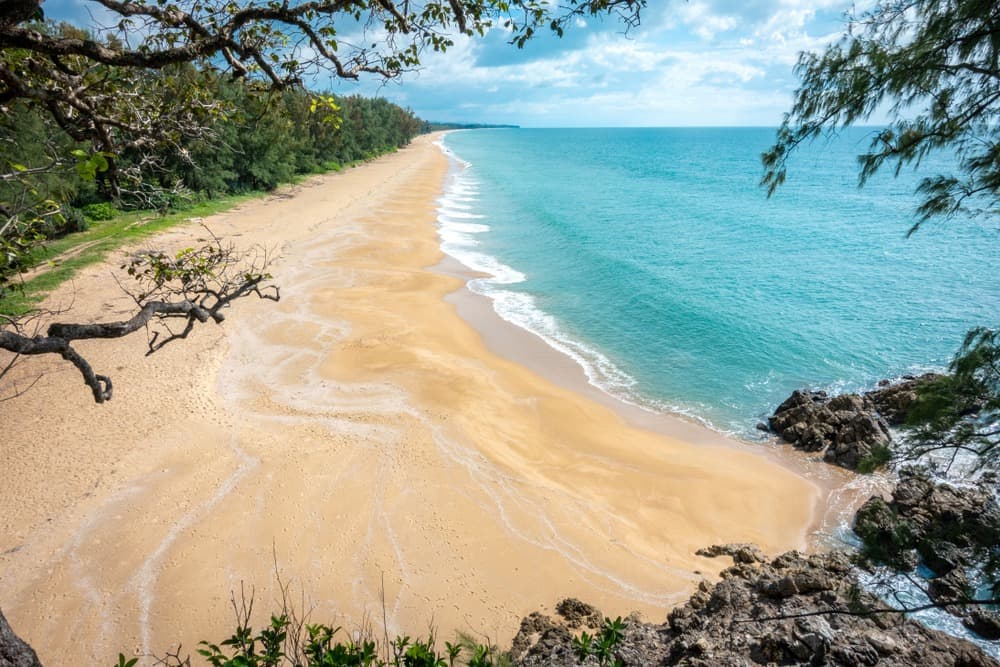
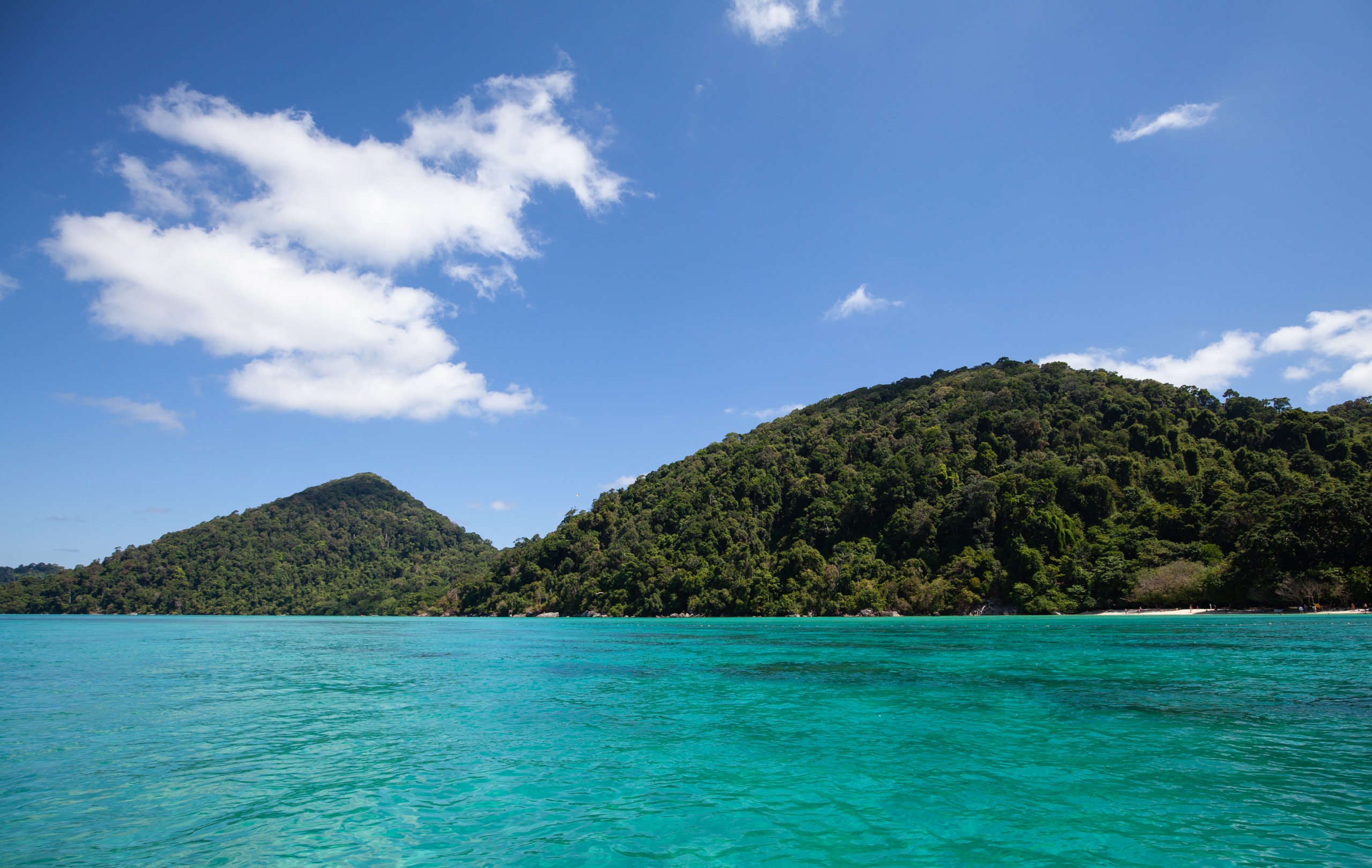
Fourteen kilometres of sandy shores attract boaters to this modest fishing retreat. Phuket is just three hours by bus from Ko Phra Thong, yet the atmosphere shifts the moment you arrive at Thapayoi, the island's main village. The beaches, fringed with coconut palms, remain empty. Few swimmers venture here—instead, crabs, baby sea turtles and hermit crabs roam the white sand. Sunbathing, building sandcastles, exploring the magnificent mangrove by boat, watching the sunset from the beach with neighbouring islets Ko Ra and Ko Rang Nok melting into the horizon… Ko Phra Thong is a dream island for those seeking unspoilt, peaceful paradise cut off from the world. Its blessing is that it has escaped the grasp of tourism moguls.
A Touch of History
Island of the Golden Buddha—such is the meaning of Ko Phra Thong in English. The name originates from a popular legend. Long ago, a band of pirates stopped on the island and buried treasure here: a golden Buddha statue.
In 2004, the tsunami struck the village with devastating consequences. Many perished in the catastrophe or were evacuated. The population plummeted from 1,200 to 300 inhabitants. At the time of writing, the local economy has yet to fully recover. There is no school, no shopping centre, no nightclub. Only a single basic health clinic operates.
The succession of stilt houses, however, proves that Ko Phra Thong is far from uninhabited. Fishing families have settled around the mangrove areas. They are the Moken, proud sea gypsies who were once hunter-gatherers but now sustain themselves by fishing and farming oysters or shrimp. The Moken share the territory with a handful of hotels.
Ko Phra Thong Today
Ko Phra Thong has retained its identity: a village renowned for aquaculture and fishing. Beach tourism offers hope for growth. With the spectacular beauty of the coastline—white sand, rocky coves and pine forests—such ambitions are far from unrealistic. Far removed from Phuket's exoticism, nature reclaims its place here. If you're after wild parties, look elsewhere. But if you seek a quiet, isolated island for memorable seaside vacations, Ko Phra Thong delivers.
The island covers an area of 488 km². A channel divides it cleanly in two: the western section features immaculate sandy beaches; the eastern side gives way to mangrove, where traditional fishermen's houses sway joyfully over the water. Administratively, the island comprises three districts. The main village entrance lies 8 km from the landing port.
What to See and Do at Koh Phra Thong
Viewers of the TV show Koh Lanta will have no trouble imagining the setting. The same golden sand, the same lush vegetation… nature in its raw state, untouched by civilisation.
Golden Buddha Beach is the island's most impressive. Shaded by coconut palms, it stretches some 10 km and hosts a hotel complex as well as charming restaurants. It's worth stopping here to satisfy your appetite and admire the cliff views before moving on.
The island's second beach extends just over a kilometre. Bars, restaurants and a large beach resort: the Moken Eco Village.
After your beach stroll, prepare to climb a rocky promontory dotted with abandoned old houses. Local belief holds that ghosts haunt this famous hill day and night. They are the spirits of tsunami victims—restless shadows that continue to torment the living.
To blend beach leisure with ecotourism, venture into the mangrove forest on the island's eastern side. An amphibious environment where freshwater, lagoons and sea converge. From a wooden boat, you'll encounter animal species adapted to salinity, such as crabs, shrimp, sea cucumbers and oysters.
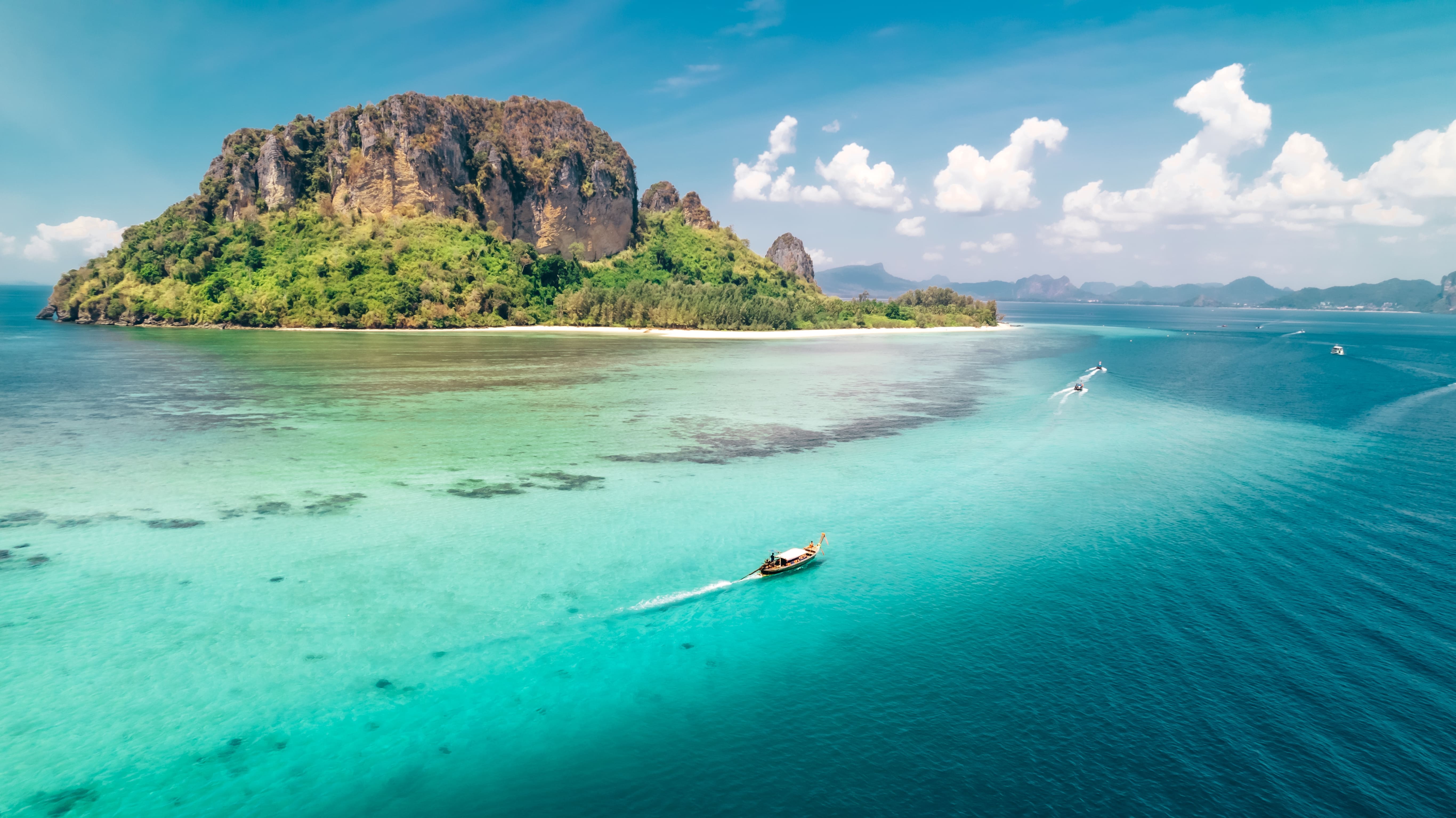
If you have more time, treat yourself to a diving experience. Neighbouring islands Ko Ra and Ko Rang Nok are well-known diving spots. Armed with a mask and snorkel, you'll discover a myriad of marine creatures, including anemones, corals and manta rays.
When to Visit Ko Phra Thong?
Ko Phra Thong experiences two distinct seasons: wet and dry. The monsoon period is not recommended for tourism. Instead, travel between December and April. Weather is dry, and temperatures are more pleasant during this time.
How to Get to Ko Phra Thong?
There are no direct buses connecting Ko Phra Thong to other islands in the Gulf of Thailand. Unless you arrange private transport, you'll need to go through Khuri Buri. Several public buses serve Khuri Buri from Phuket, Ranong and Bangkok.
- From Phuket: 3 hours by road; buses depart from 7 am. Ticket price: around 160 baht or €4.48;
- From Ranong: 3 hours by road; buses run between 9 am and 9:30 pm. Ticket price: approximately 100 baht or €2.80;
- From Bangkok: head to Mo Chit bus terminal north of the capital and take the local bus to Khuri Buri. A VIP ticket costs 492 baht, while a standard public bus ticket is 380 baht. Of the two options, the first is not only more comfortable but also faster, saving 3 hours on the journey.
You'll Love…
- Observing the rich marine life;
- Taking a canoe trip through the mangrove;
- Discovering shrimp farming;
- Tasting excellent seafood;
- Strolling along the beaches;
- Collecting stunning views of the Andaman Sea.
Photos
Also discover
Want to discover this destination?
Our local advisors design your tailor-made trip.