Storm Pabuk Assessment: Impact on Western Thailand
Storm Pabuk struck southern Thailand causing evacuations, power cuts, and disruptions to popular island destinations. A look back at this significant weather event.
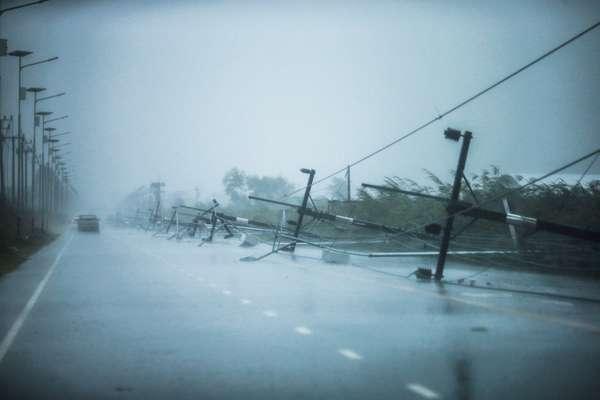
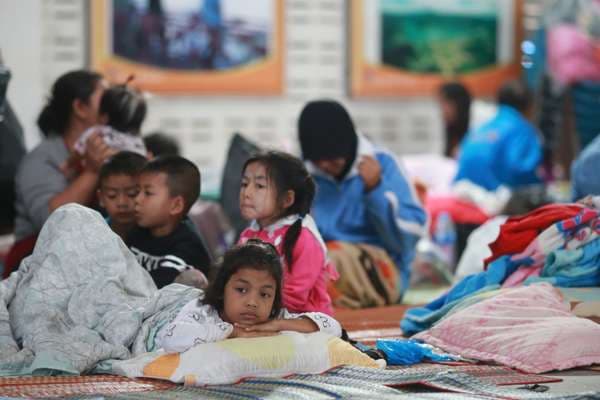
Storm Pabuk, which has since weakened into a simple depression and moved westward, claimed four lives and forced the evacuation of 30,000 people to shelters. Despite this tragic toll, the worst was likely avoided. Several islands in southern Thailand, hugely popular with tourists, narrowly escaped disaster.
Ports and airports have reopened in major cities across southern Thailand. Many tourists remained stranded just days ago at ferry terminals on the islands of Koh Samui and Koh Tao. The storm affected eight provinces in the south and left 200,000 homes without electricity in four of them, including Nakhon Si Thammarat and Surat Thani. By Saturday morning, it had been downgraded to a depression and ended its violent path in the northern Andaman Sea near Phuket.
Electrical poles bore the full brunt of the storm. ©REUTERS
Severe Impact, But Not the Worst
Pabuk continues to impact the country significantly since its passage. Beyond the homes left without power, extensive flooding caused massive material damage across the south. This climate event, striking this ultra-touristy region, drew intense media coverage in Western countries. Thai meteorological services went further, classifying this tropical storm as the worst outside monsoon season in 30 years. The previous one, GAY, struck the country on November 4, 1989, as detailed by the specialized website www.cycloneoi.com. "Although the consequences of PABUK are substantial, this phenomenon remains far removed from what Typhoon GAY was in 1989. It is likely the worst cyclone in the country's history. This system was devastating, causing the deaths of over 800 people along the Gulf of Thailand, particularly due to a murderous storm surge."
Frequently asked questions
Ports and airports have reopened in southern Thailand. However, check local conditions before traveling to affected islands.
Koh Samui and Koh Tao were particularly impacted, with interrupted ferry services and tourist evacuations.
The last comparable storm was Typhoon GAY in November 1989, which was far more destructive with over 800 deaths.
Images restored from source site — reposition manually if necessary.