Journey Through Thailand's Golden Triangle
932M+W6X, 370 ถนน ท่าแพ, Tambon Wiang, Amphoe Chiang Saen, Chang Wat Chiang Rai 57150, Thailand
Thailand's Golden Triangle: history, landscapes, villages, opium museum and practical advice for discovering this mythical region of the north.
The Golden Triangle fascinates as much as it intrigues. This mythical region in northern Thailand harbors a tumultuous history and breathtaking landscapes. Discover this territory where three countries meet and where the history of opium has left an indelible mark on people's minds.
What is the Golden Triangle?
Geography and Location
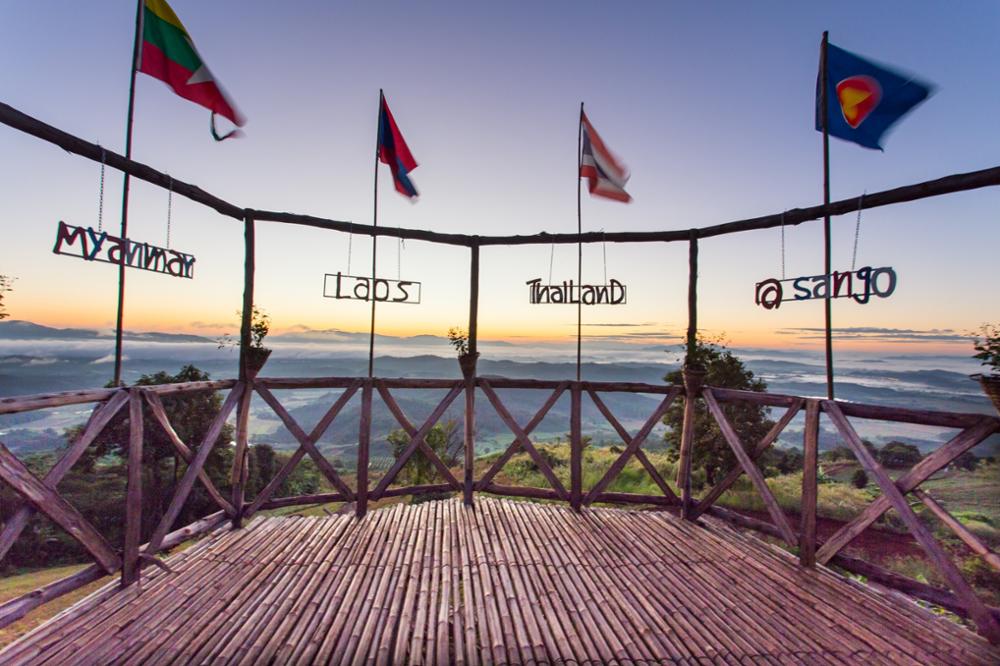
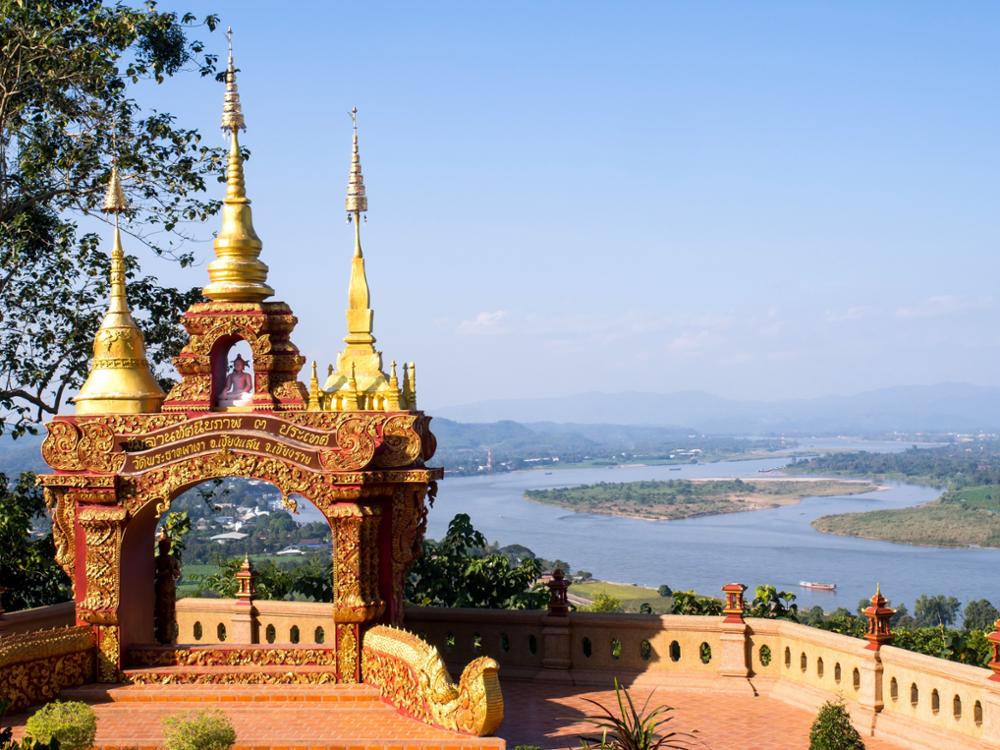
The Golden Triangle refers to the border area where Thailand, Myanmar (Burma) and Laos meet. This region takes its name from the confluence between the Mekong and the Ruak River, forming a natural triangle.
The main observation point is found at Sop Ruak, a small Thai village from which you can admire all three countries simultaneously. The view from this strategic point offers a unique panorama of this natural border.
The History of Opium
But why "Golden Triangle"? The name comes from the era when this mountainous region was the kingdom of poppy cultivation. Local ethnic groups like the Hmong, who arrived from China, were encouraged to grow this plant.
The exchange system was simple: opium for gold or weapons. This practice intensified during the Vietnam War, with American support. Today, although the Thai government has strengthened its anti-drug policy since 1965, the region remains one of the world's main centers of opium production.
The old poppy fields have been replaced by plantations of coffee, orchids and other legal crops as part of alternative development programs.
What to See and Do in the Golden Triangle

Sop Ruak: The Heart of the Triangle
Sop Ruak is the ideal starting point for your exploration. Here are the must-sees:
The Golden Triangle Park and its panoramic viewpoint overlooking the three countries
The Wat Phra That Doi Pu Khao, an 8th-century temple among the oldest in the country
Local markets to discover the craftsmanship of ethnic tribes
The great golden Buddha facing the Mekong
Chiang Saen and Its Treasures
Just 20 kilometers from Sop Ruak, Chiang Saen absolutely deserves a detour. This former capital of the Lanna kingdom is home to:
The 15-meter-tall seated Buddha that majestically dominates the Mekong
Embarkation points for river excursions to Laos and Myanmar
The Opium Museum, essential for understanding the region's history
The Opium Museum traces in detail the culture of the poppy and explains the geopolitical stakes of this trade before the 1960s. Allow 2-3 hours for a complete immersion.
Authentic Villages in the Surrounding Area
Take advantage of your stay to explore the authentic villages in the region:
Chiang Khong: gateway to Laos, peaceful atmosphere on the banks of the Mekong
Mae Salong: endless tea plantations and Chinese ethnic communities
Tha Ton: close to the Burmese border, starting point for river expeditions
These villages offer an authentic immersion into the life of local communities, far from mass tourism.
Practical Information for Your Trip
How to Get There
From Bangkok, several options are available:
Airplane: Bangkok-Chiang Rai flight (1h30), then bus or taxi to Sop Ruak (1h)
Bus: Direct Bangkok-Chiang Rai route (12h), economical but long
Car Rental: Flexible, allows you to stop in Chiang Mai on the way
From Chiang Mai, expect 3h30 of driving by car or local bus to Sop Ruak.
Best Time to Visit
The cool season from November to February offers ideal conditions: pleasant temperatures (15-25°C), little rain and excellent visibility. Avoid the rainy season (June to October) which makes roads difficult to access.
Budget and Costs
Here is an estimate of the main expenses:
Accommodation: 300-1,500 baht/night depending on comfort level
Meals: 50-200 baht depending on the type of restaurant
Local transport: 100-300 baht for tuk-tuk rides
Opium Museum entrance: 300 baht
Mekong River excursion: 500-1,500 baht depending on duration
Safety Tips
The Golden Triangle is generally safe for tourists, but a few precautions should be taken:
Stay on official tourist trails
Avoid isolated border areas
Do not photograph control posts
Respect local restrictions
Formalities and Visas
To visit only the Thai part, your passport is sufficient (standard tourist visa). To explore the Laotian and Burmese parts, specific visas are mandatory. Check with consulates before your departure.
Some organized excursions offer temporary passages to neighboring countries with simplified formalities, ideal for a glimpse without administrative constraints.
Frequently asked questions
Take a Bangkok-Chiang Rai flight (1h30) then a bus or taxi to Sop Ruak (1 hour drive). Alternative: direct Bangkok-Chiang Rai bus (12h) more economical.
The ideal period extends from November to February, during the cool season, with pleasant temperatures (15-25°C) and little rain.
Yes, specific visas are required for Laos and Myanmar. Check with consulates before your trip or opt for organized excursions.
The region is generally safe for tourists. Stay on official tourist trails and avoid isolated border areas.
Budget 1,000-2,500 baht per day depending on your comfort level (accommodation, meals, transport and activities included).
Photos
Also discover
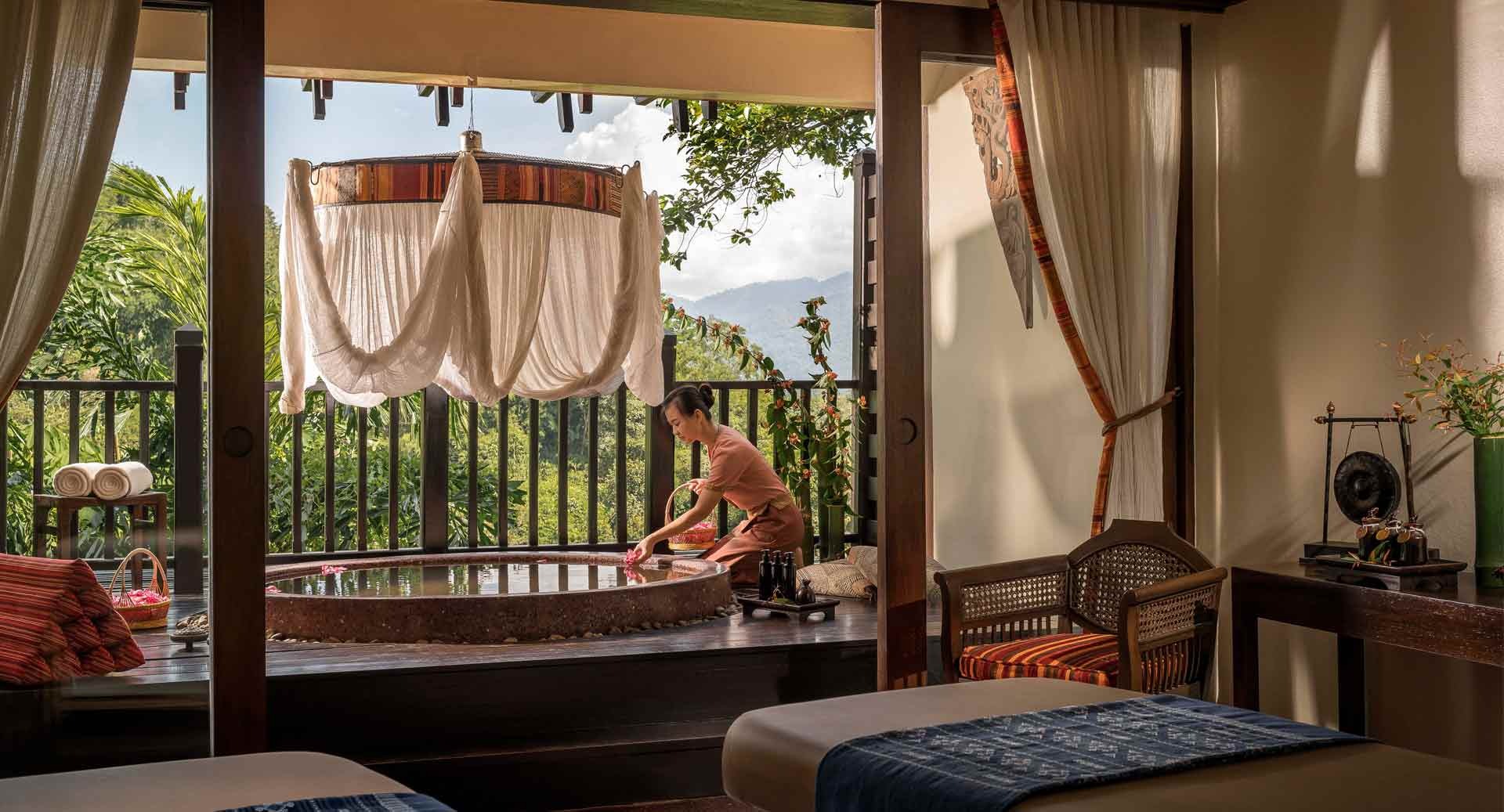
Anantara Golden Triangle Elephant Camp & Resort
Jungle resort at the heart of the Golden Triangle, with elephant camp, conservation program, spa, and views of the Mekong, Myanmar, and Laos.
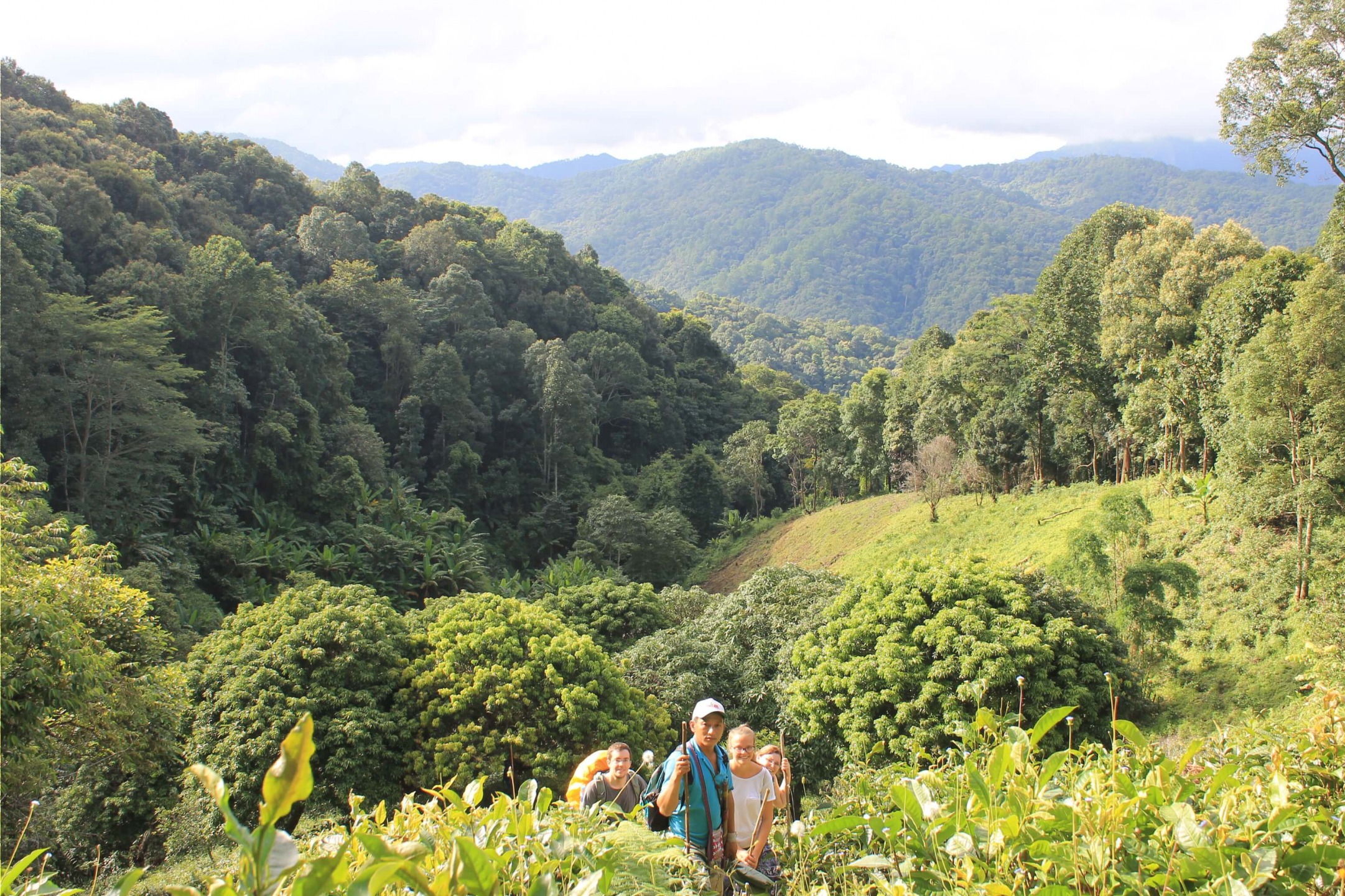
3 Hiking Destinations Near Chiang Mai
Around Chiang Mai, hiking possibilities are abundant. Explore 3 unmissable destinations to trek through jungle, waterfalls, summits and ethnic villages.