Coffee Plantations of Mondulkiri
Coffee Plantations of Mondulkiri
Around Sen Monorom, the coffee plantations of Mondulkiri welcome visitors to discover the local supply chain and taste robusta grown on Cambodia's eastern plateau.
Around Sen Monorom, capital of Mondulkiri Province, several coffee plantations spread across the hills of Cambodia's eastern plateau. This coffee cultivation, more recent than in the major neighbouring producing countries, developed throughout the 20th century thanks to a cool climate and favourable altitude. Family-run estates open to visitors offer concrete insight into the production stages, from cherry on the tree to cup served on-site.
Why Visit a Coffee Plantation in Mondulkiri
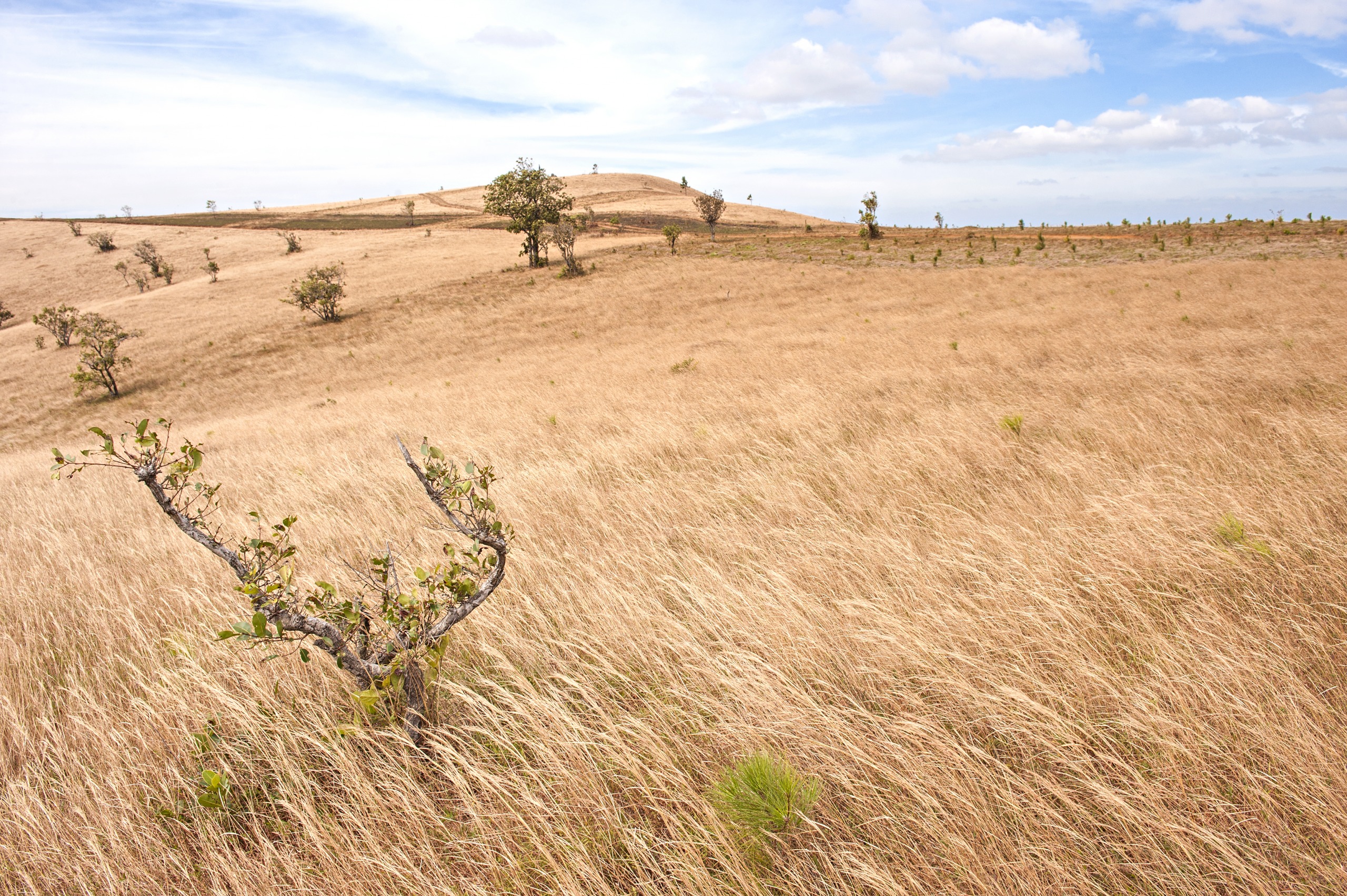
Mondulkiri stands apart from the rest of Cambodia through its plateau terrain situated between 600 and 800 metres altitude, a more temperate climate, and red volcanic soil conducive to several tree crops. Coffee finds favourable ground here, primarily robusta varieties, better suited to local conditions than arabica.
Visiting a plantation extends beyond tasting. It's an opportunity to understand a modest yet structurally important agricultural supply chain for the province's rural economy, home notably to the Bunong communities, Cambodia's indigenous people. Several estates combine coffee cultivation with pepper, fruit, or rubber, following a diversified farming approach.
What You'll See On-Site
The Coffee Plant Cycle
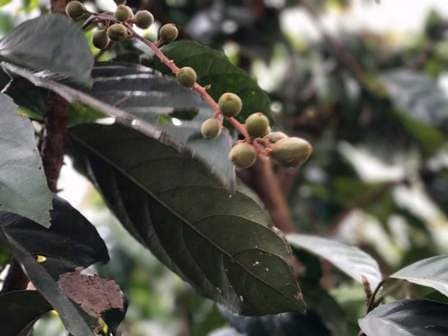
The coffee plant is a shrub with a long growth cycle. Expect 3 to 5 years after planting to achieve a first significant harvest. Flowering, brief in duration, produces green cherries that ripen to red, typically between November and February depending on the plots.
Drying and Processing
After picking, cherries are spread across large open-air drying grounds. Depending on the method used, sun-drying lasts roughly two weeks, sometimes longer in humid conditions. Producers regularly turn the beans to ensure uniform results. This is followed by hulling, sorting, and roasting, often done in small quantities for local sales.
Tasting by the Lake
Several plantations feature terraces overlooking a small body of water, where freshly roasted coffee is served to visitors. This is among the visit's most cherished moments: locally sourced coffee, short or long, savoured against the backdrop of Mondulkiri's characteristic wooded hillsides.
When to Visit
The dry season, from November to March, remains the most comfortable time to travel Mondulkiri's tracks, often muddy during the monsoon. This window partly coincides with the harvest period, allowing you to observe plantation activity at its busiest moment.
December to February further offer cooler temperatures than elsewhere in Cambodge, sometimes dropping below 15°C at night at higher elevations. Remember to bring a light jacket if travelling in the evening or early morning.
Practical Information
- Duration: allow 1 to 2 hours depending on the format offered (guided plantation tour, roasting demonstration, tasting).
- Cost: generally modest, sometimes included in a full-day excursion organised from Sen Monorom.
- Language: explanations are most often in Khmer or English; engaging an English-speaking local guide facilitates technical discussion.
- To bring: closed shoes for walking between rows, hat, water, and a camera for plateau landscapes.
How to Get There
The most visited plantations lie a few kilometres from Sen Monorom, within easy reach by tuk-tuk, motorbike, or private vehicle from the town centre. Sen Monorom connects to Phnom Penh via National Road 76, approximately 370 km and 6 to 7 hours by bus or private vehicle. Shorter links also exist from Kratie or Kampong Cham.
On the ground, most plantations are visited as part of an organised circuit including waterfalls, forests, and Bunong villages, as the latérite track network isn't always straightforward to navigate alone.
What to See Nearby
- Sen Monorom, the departure point for Mondulkiri's natural sites.
- Bou Sra and Romanea waterfalls, busy during the dry season.
- Elephant sanctuaries run by Bunong communities, in the surrounding valley.
- The Cambodia-Vietnam Friendship Monument, worth adding to your route if heading back to Phnom Penh.
Planning Your Trip
A visit to the coffee plantations fits naturally into an itinerary across eastern Cambodge, alongside Angkor temples and the coast. To build a cohesive journey, explore our suggestions for travel to Cambodge.
Interested in this visit?
We can include it in your personalised itinerary.