Mae Wang Hill Tribes Trek
Mae Wang Hill Tribes Trek
In the hills south of Chiang Mai, the Mae Wang trek connects Karen, Hmong and Lahu villages through forests and terraced rice fields. A 2 to 3-day immersion away from standard circuits.
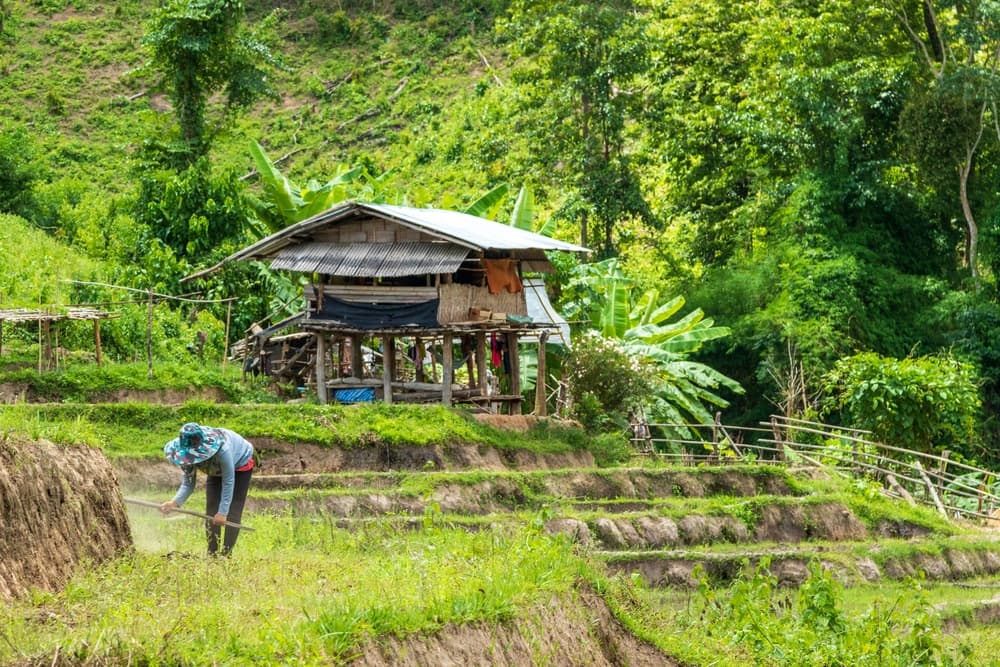
An hour south of Chiang Mai, Mae Wang district opens onto a landscape of forested hills where several hill tribe communities live — primarily Karen, Hmong and Lahu. The trek allows you to connect villages on foot, traverse forests and terraced rice fields, and spend a night in a local home. It's a tangible immersion into ways of life distinct from lowland Thailand.
Quick reference
- Access: departure from Chiang Mai by minibus or private songthaew to Mae Wang; most treks are organized by local agencies based in Chiang Mai.
- Recommended duration: 2 to 3 days for a circuit with village accommodation; one-day options exist but limit immersion.
- Clothing: respectful covering clothes, closed walking shoes, insect protection.
- Season: November to February (dry season) offers the most practicable trails and open vegetation.
- Local guide mandatory: a local guide is essential — trails are unmarked and communication with villagers requires an interpreter.
What you'll see
The trek crosses mixed forests, coffee plantations and terraced rice fields. Karen villages are distinguished by their bamboo stilt houses. Some circuits follow the Mae Wang river, with fording passages on foot. Wildlife remains discreet but forest birds are plentiful. Morning village markets, when they coincide with your passage, offer a glimpse of local exchange.
History and context
The hill tribes of northern Thailand — grouped under the term chao khao — are populations of diverse origin, most of whom arrived during the 19th and 20th centuries from Yunnan, Myanmar and Laos. The Karen are the largest community in the Mae Wang region. Their integration into Thai territory remains a complex issue: legal status, access to citizenship and preservation of cultural practices are still current challenges.
Highlights of the visit
A night in the village
Sleeping in a local home — on mats in a community house or with a family — is the heart of the experience. The evening meal, prepared collectively, leads to informal exchanges. The absence of electricity in some villages heightens the sense of escape.
Terraced rice fields
Between July and October, the terraces are flooded and deep green. In the dry season, golden reflections of ripe grain dominate. Walking between the small dikes requires balance but remains accessible to an ordinary hiker.
Karen craftsmanship
Karen women weave fabrics with geometric patterns on hand looms. Some villages offer demonstrations and sell their productions directly — bags, belts, clothing. Buying on-site directly supports the artisans.
Etiquette and visiting rules
- Always ask permission before photographing people, particularly elders and children.
- Remove your shoes before entering a home if residents do so.
- Avoid distributing candy or money to children — this creates harmful dynamics documented in many tourist villages.
- Respect sacred spaces (altars, marked trees) without touching them or photographing without consent.
- Choose an agency that returns a share of revenue to visited communities — inquire before booking.
Photography tips
Morning light, between 7 and 9 a.m., is ideal on rice terraces and thatched roofs. Portraits require explicit agreement. In forest, filtered light mid-morning works better than at midday. Avoid flashes in living spaces.
Location and access
Mae Wang is located approximately 50 km southwest of Chiang Mai. Most trekking agencies organize transport from Chiang Mai. There is no direct and regular public transport to the villages where trails begin. Circuits generally depart from a collection point in the city early in the morning. Accessibility for people with reduced mobility is non-existent on forest trails and in villages.
Nearby
- Doi Inthanon — Thailand's highest point, west of Mae Wang, with its waterfalls and summit temples.
- Old City of Chiang Mai — the historic walled center, the natural starting point for organizing the trek.
- Doi Suthep — Buddhist temple on the heights of Chiang Mai, accessible in half a day from the city.
Frequently asked questions
The dry season, from November to February, offers practicable trails and manageable heat. The rainy season (June-October) makes some passages slippery but rice fields are then at their most beautiful.
An ordinary level of hiking is sufficient for standard 2-3 day circuits. Elevation gains remain moderate. Specify your fitness level to the agency so it can adapt the itinerary.
Not recommended: trails are unmarked, communication with villagers is difficult without an interpreter, and some villages only accept visitors with a local guide they know.
Only with their explicit consent. Your guide can facilitate the request. Some people refuse — respect this choice without insisting.
Favor agencies that employ guides from the communities visited and that return a share of revenue to the villages. Ask for this information directly before booking.
Also discover
3 Hiking Destinations Near Chiang Mai
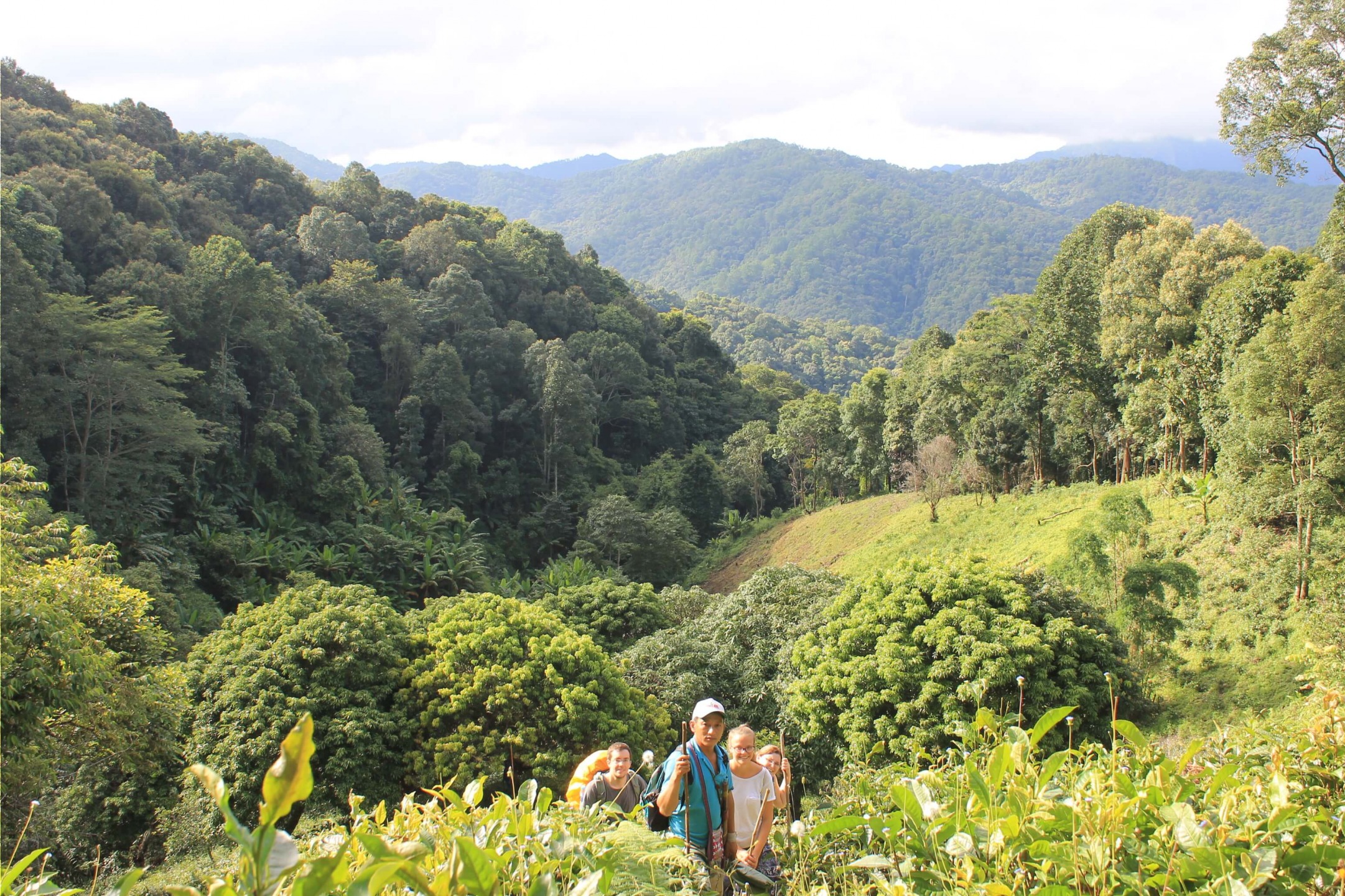
Around Chiang Mai, hiking possibilities are abundant. Explore 3 unmissable destinations to trek through jungle, waterfalls, summits and ethnic villages.
Blessing ceremonies at Sawa Discovery agency
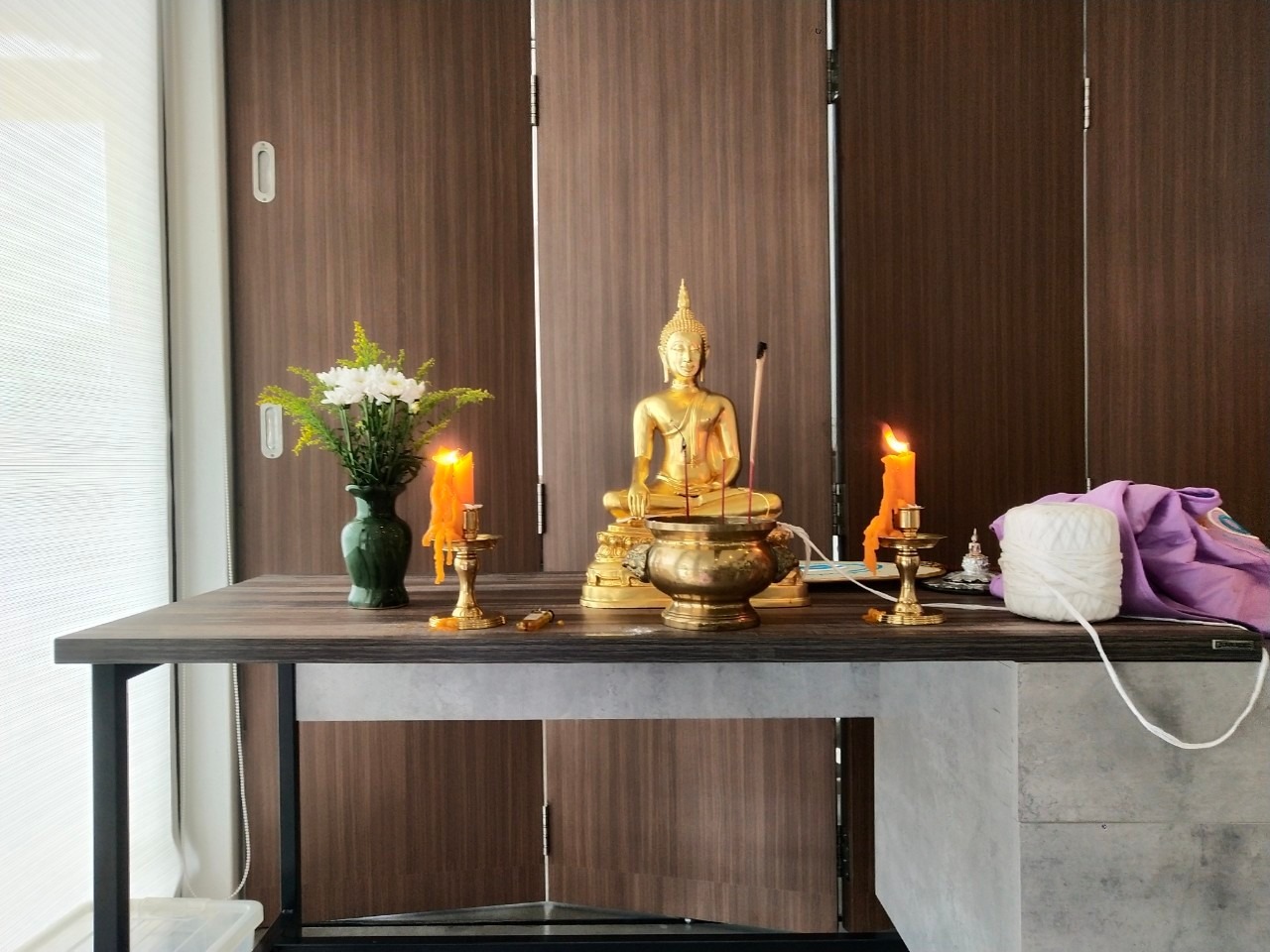
In Thailand, moving to a new office is far more than a simple relocation. Discover the two rituals that accompanied Sawa Discovery's installation in its new premises.
Chiang Mai
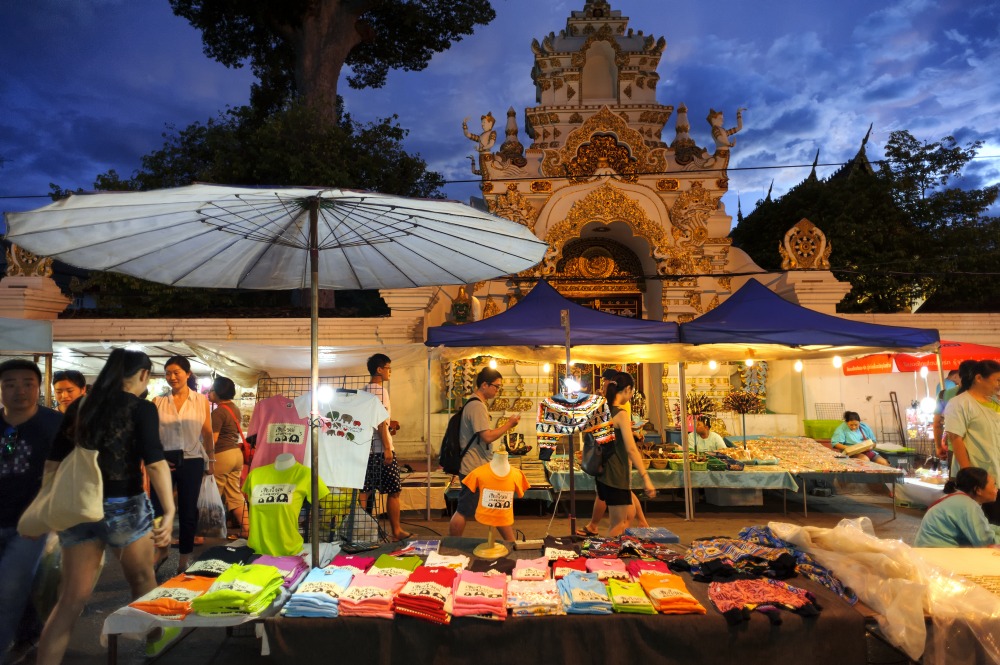
Chiang Mai is an unmissable destination during a Thailand trip. With its historic monuments, rich culture and natural attractions, the Rose of the North will captivate you.
Give it a go!
Our local experts arrange this activity for you.