Ban Khiri Wong Village
Ban Khiri Wong Village
Khiri Wong, Nakhon Si Thammarat 80230, Thaïlande
At the foot of the Khao Luang massif, Ban Khiri Wong is an agricultural village recognized for its community ecotourism: trekking, textile crafts and homestays.
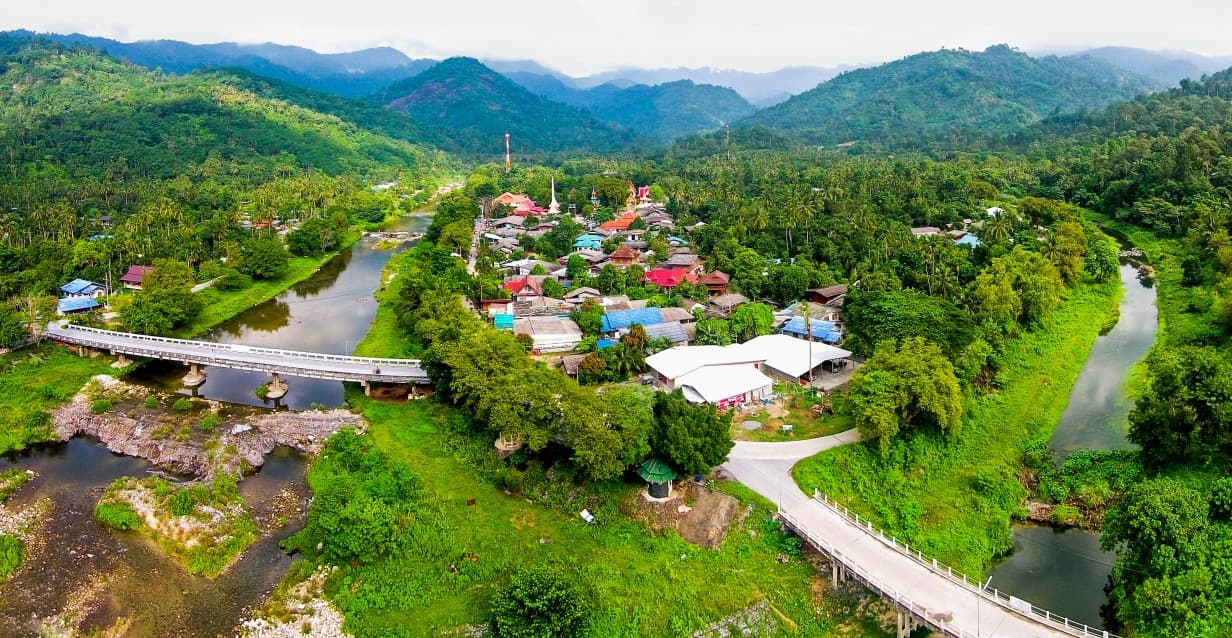
About 25 km southwest of Nakhon Si Thammarat, the village of Ban Khiri Wong stretches across a narrow valley at the foot of the Khao Luang massif. Its name, which literally translates to "dwelling in the circle of mountains," captures its geography perfectly: an agricultural community nestled along a watercourse, surrounded by forested slopes and terraced orchards. It is today one of southern Thailand's leading community ecotourism destinations.
Why visit Ban Khiri Wong
The village offers a rare combination: a pristine natural setting within Khao Luang National Park, a local economy built on fruit agroforestry, and recognized artisanal expertise (batik and tie-dye). It also serves as the classic starting point for climbing Khao Luang, southern Thailand's highest peak at 1,835 meters.
Travelers come for three things: mountain hiking, staying with a local family, and witnessing a village organization that has turned community tourism into a sustainable complement to agriculture.
A history marked by resilience
Ban Khiri Wong is administratively part of Kamlon, in the Lan Saka tambon of Nakhon Si Thammarat's central district. The first farming families settled here roughly 200 years ago, initially under the name Bann Khun.
The village lies within the boundaries of Khao Luang National Park, established in 1974. In 1988, a devastating flood destroyed the monastery and part of the dwellings. Reconstruction prompted the community to rethink its economic model: alongside subsistence crops came fruit cultivation, textile crafts, and—from the 1990s onward—tourism.
In 1998, Thailand's Tourism Authority (TAT) recognized Ban Khiri Wong for the quality of its cultural and community circuits, an accolade that still shapes what is offered today.
What to see and do
Trekking to Khao Luang
The ascent to the summit typically takes 3 days and 2 nights, with accommodation in guesthouses or basic shelters managed by the community. The trail crosses dense tropical forest, several streams, and tree fern zones. The elevation gain and humidity make it demanding: good fitness is essential, and a local guide is required to enter the park.
Orchards and integrated agriculture
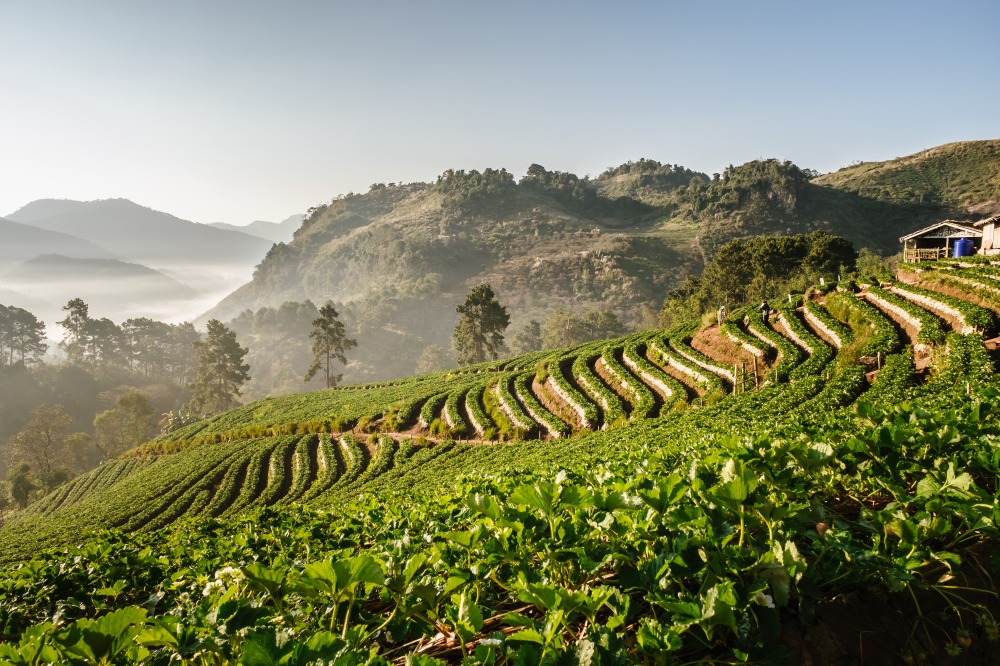
The slopes around the village are dotted with rambutan, mangosteen, durian, and pakria orchards, often combined with vegetable farming and rice paddies. This integrated agricultural system, which layers multiple crops on the same plot, is one of the most interesting aspects to explore. Bicycle or walking routes lead through the farms, especially during harvest season (July to September depending on the fruit).
Wild orchids and biodiversity
The national park is home to over 300 wild orchid species, several endemic to Khao Luang's slopes. Humid slopes and forest understory concentrate most of them. Observation happens during guided walks led by village guides.
Craft workshops: batik and tie-dye
Two techniques anchor local textile production. Batik, imported from Indonesia, involves applying wax to reserve patterns before dyeing. Tie-dye (mat-mi in Thai) relies on knotting fabric to create contrasts through color baths. The village workshops use plant-based dyes from local vegetation. Visits and demonstrations are available, typically with purchases on-site.
Homestays
Staying with a local family is one of three ecotourism options offered by the community, alongside trekking and craft workshops. It allows you to share family meals (southern Thai cuisine made with garden produce) and observe daily life in a mountain farming village.
Practical information
Allow half a day for a basic village visit with workshops, two days for a homestay immersion with walks, and at least three days for the trek to Khao Luang. Temperatures vary significantly by elevation, ranging between 15 and 30 °C: bring a fleece if you climb higher, even in warm seasons.
Bookings for trekking and accommodation are made through the village's community reception office or local agencies based in Nakhon Si Thammarat. Local guides are mandatory to enter the national park.
When to go
The region receives rain year-round, but the relative dry season runs from November to February. This is the best period for trekking and village visits, with cooler temperatures and less slippery trails. The monsoon, particularly strong from October through early November, can close paths and cause flooding in the valley.
How to get there
The village is roughly 25 km from Nakhon Si Thammarat's center—about one to one and a half hours by vehicle, depending on transport method and road conditions. Three options:
- Songthaew (red shared van) from Talat Yao bazaar, opposite the Yak stupa. Most economical, frequent morning departures.
- Private taxi or tuk-tuk from the city center—more flexible but pricier.
- Rental car, convenient if combining this visit with other provincial sites.
Nearby
Several sites naturally extend a Ban Khiri Wong visit:
- Khao Luang: the park's iconic peak, accessible from the village.
- Wat Khao Khun Phanom: a Buddhist site of archaeological interest in the province.
- Krung Ching Waterfall: one of southern Thailand's longest waterfalls, in the same massif.
- Kaeo Surakan Cave: a karst formation in the province.
Frequently asked questions
No. The village offers activities for all levels: walks or bike rides through orchards, workshop visits, homestays. Only the trek to Khao Luang's summit (3 days) requires good fitness and a local guide.
November to February, during the relative dry season. Temperatures are cooler at altitude and trails are passable. The fruit harvest period (July to September) is interesting but more humid.
Book through the village's community reception office or a local agency in Nakhon Si Thammarat. Rates typically include accommodation, meals, and guided activities.
Half a day is enough for a quick village and workshop visit. Plan two days for an immersion with a homestay night, and at least three days if you include the trek to Khao Luang.
Ban Khiri Wong fits naturally into a southern Thailand circuit, between inland mountains and the gulf coast. To build your full itinerary, explore our Thailand trips.
Photos
Nearby
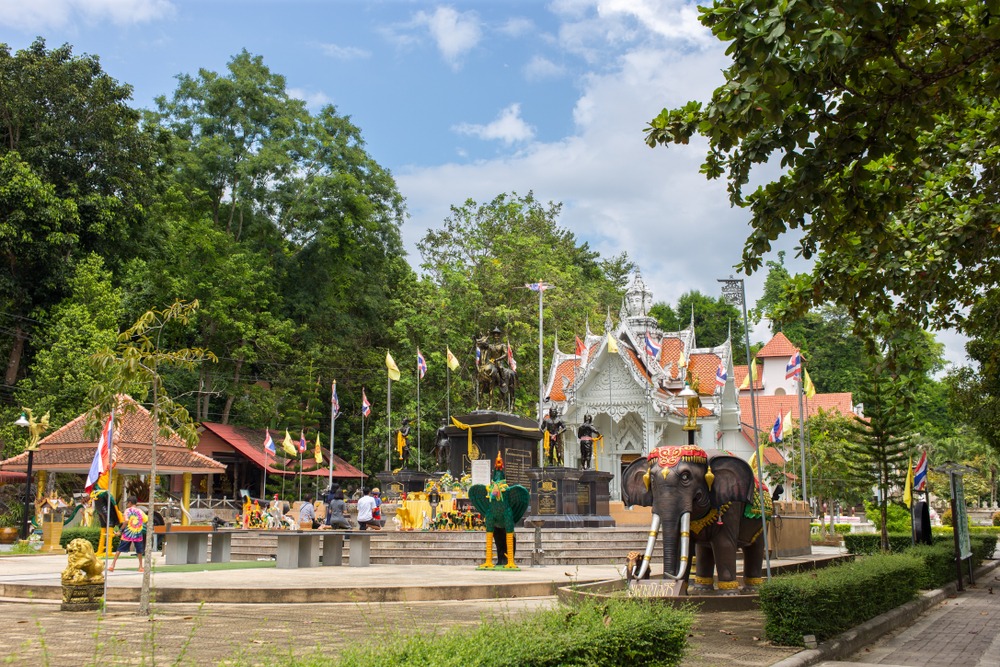
Also discover
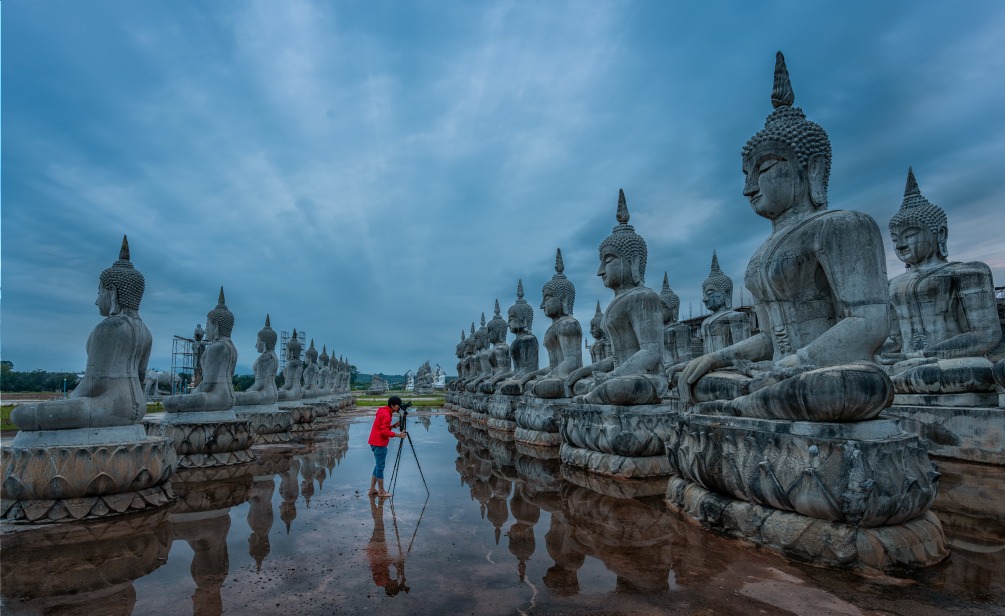
Nakhon Si Thammarat
Once the capital of the Tambralinga Kingdom, Nakhon Si Thammarat blends ancient temples, shadow puppet theatre, and authenticity, 780 km south of Bangkok.
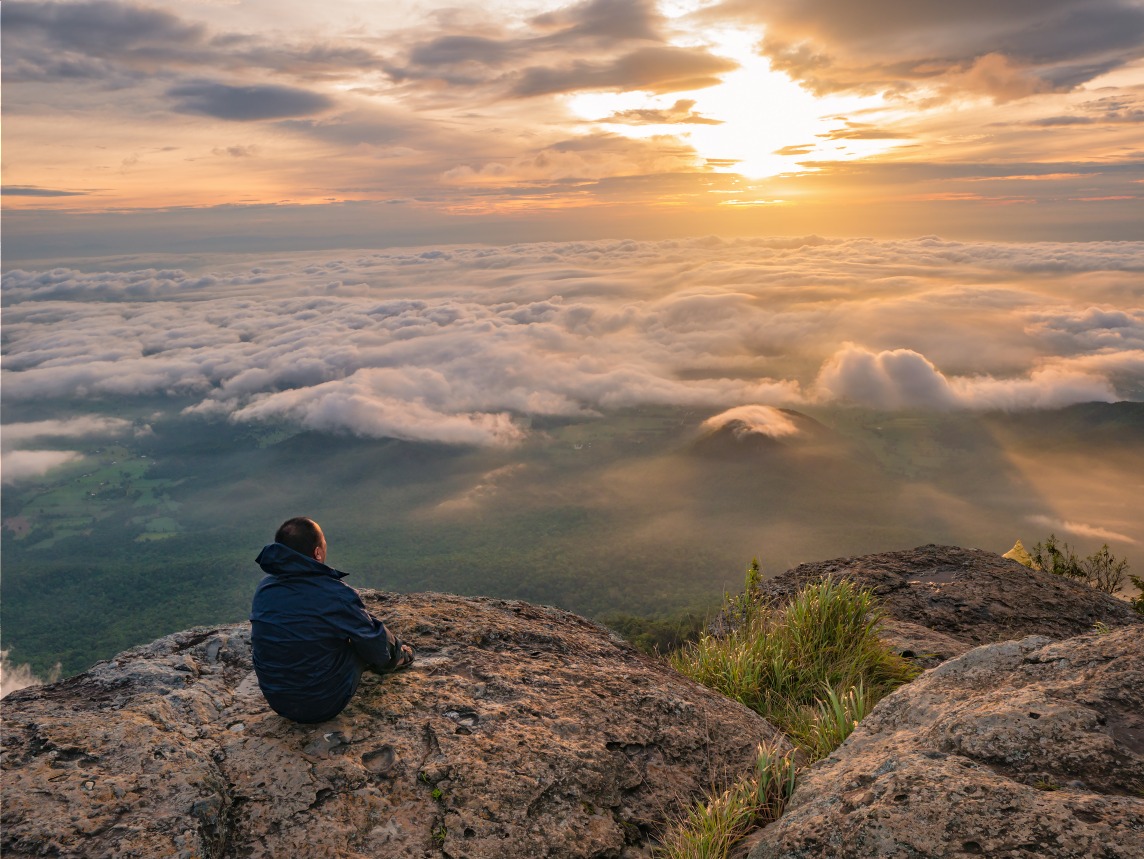
Khao Luang National Park
West of Nakhon Si Thammarat, Khao Luang National Park protects 570 km² of jungle, tiered waterfalls, and rare orchids—an off-the-beaten-path trekking destination.
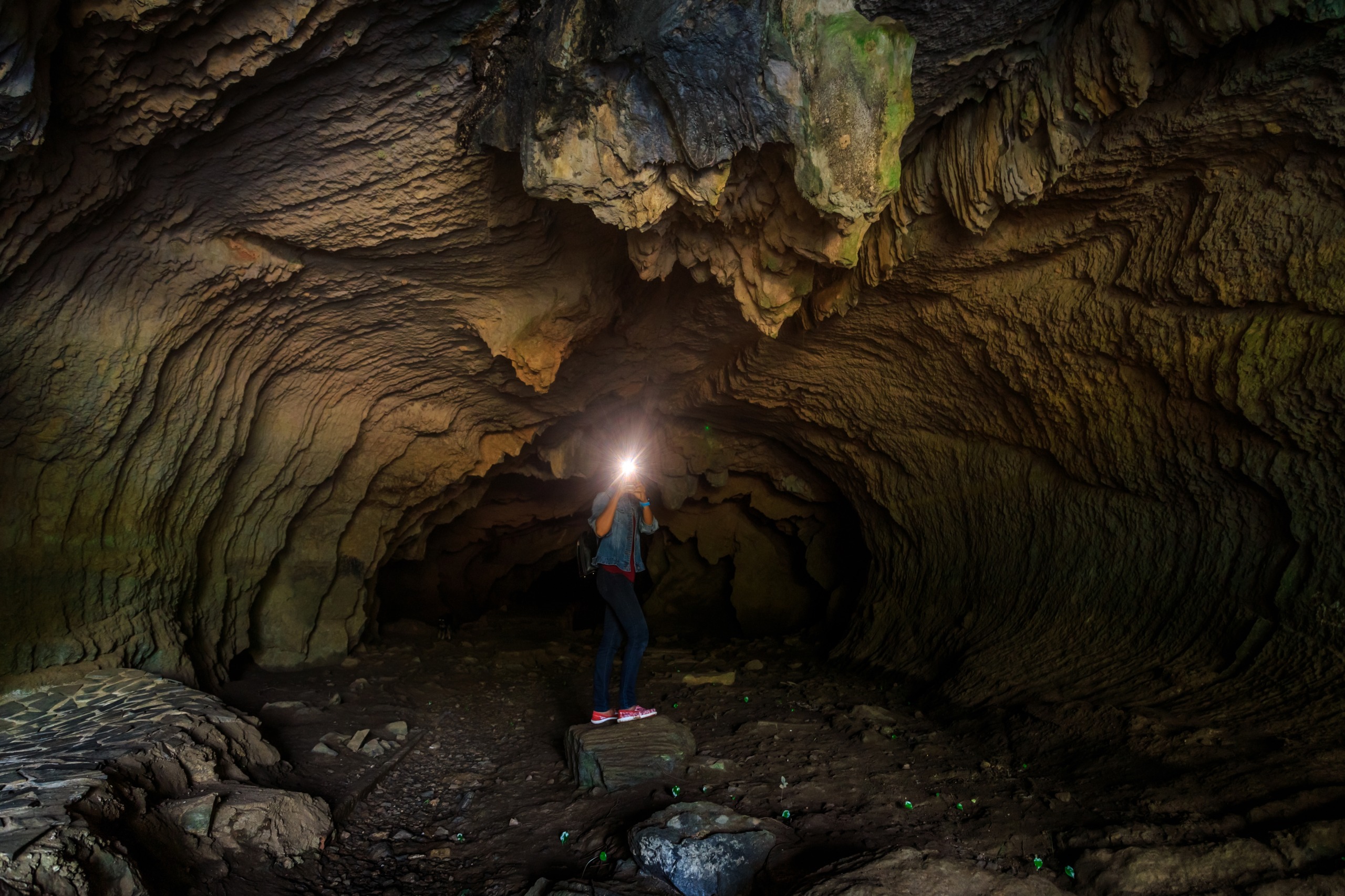
Kaeo Surakan Cave
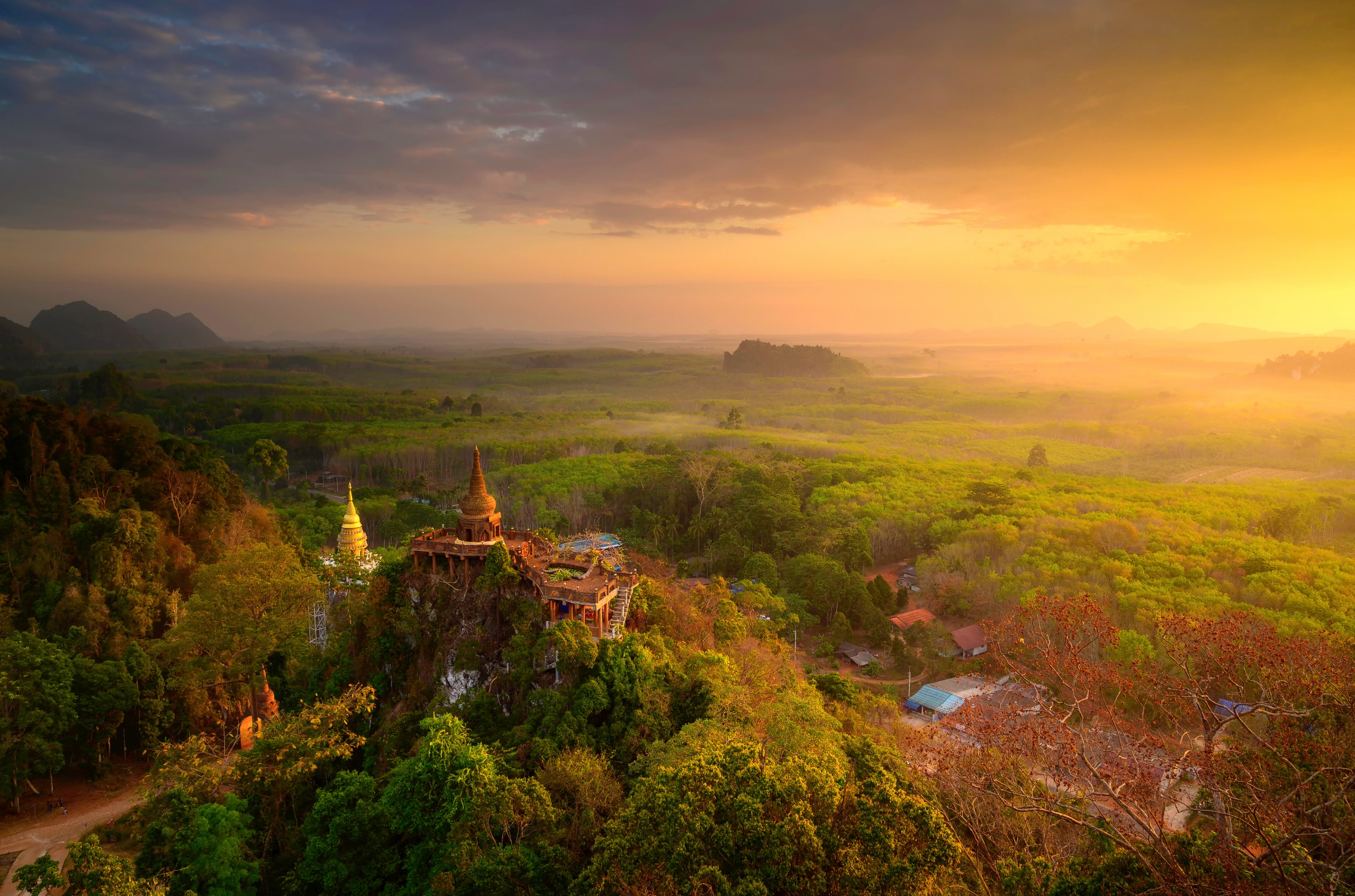
Limestone cave and Buddhist meditation site in Lan Saka district, near Khao Luang National Park, in Nakhon Si Thammarat Province.
Interested in this visit?
We can include it in your personalised itinerary.