Koh Lanta
Koh Lanta
A preserved archipelago in southern Thailand, Koh Lanta captivates with its coconut-fringed beaches, mythic dive spots, and Muslim authenticity.

Nestled in the heart of the Andaman Sea, in southern Thailand, Koh Lanta is a small archipelago that has remained apart from mass tourism. Two main islands, beaches fringed with coconut palms, a silent mangrove, and seabeds among the richest in the country make up this jewel of southern Thailand. Far from the hustle of Phuket, Koh Lanta cultivates a slow way of life, between fishing villages, Chao-Lay communities, and rubber plantations.
At a glance
- Location: southern Thailand, Krabi province, Andaman Sea
- Composition: archipelago of 52 islands, including Koh Lanta Yai (30 km × 6 km) and Koh Lanta Noi
- Access: ferry or speedboat from Krabi, Phuket, or Trang
- Best season: November to April (dry season)
- Ideal duration: 4 to 7 days
- Key highlights: wild beaches, diving at Hin Daeng, Mu Ko Lanta National Park, Old Town
An identity forged by the sea
Before becoming Koh Lanta, the archipelago was known by the Malay name Pulau Satak, meaning "the island of the long beach." The current name was only officially adopted in 1917. Two origins coexist: the Javanese "lanta," a tool for grilling fish, and the Thai "lan taa" which, combined with "Koh," forms the expression "the island of a million eyes." Archaeological remains attest to human presence dating back to prehistoric times.
To the east of Koh Lanta Yai lies Lanta Old Town, a former port of call for Arab and Chinese merchant sailors en route to Phuket and Malaysia. Its traditional wooden houses on stilts still line the main street, testament to an era when the archipelago served as a crossroads between cultures. Today you'll meet a cosmopolitan population: Thai Muslims, Sino-Thais, and especially the Chao-Lay, commonly known as "sea gypsies," a semi-nomadic people who have lived from fishing for generations.
The majority of residents practice Islam, a legacy of maritime trade, while others follow Buddhism or Chinese traditions. This cultural mosaic gives Koh Lanta a singular character: here, the call to prayer mingles with Buddhist temples, and the festivals of three communities mark the year.
Geography: two islands, a thousand faces
The archipelago comprises 52 islands, with two main ones connected by a bridge since 2016. Koh Lanta Yai, the largest (30 km long by 6 km wide), concentrates most accommodations, restaurants, and tourist beaches on its west coast. This is where Mu Ko Lanta National Park is located, at the southern tip, with its iconic lighthouse and jungle trails.
Koh Lanta Noi, smaller and remaining discreet, is home to Muslim fishing villages, rubber plantations, and oil palm groves. You'll find few tourist facilities here, but genuine local immersion. The two islands are separated by a dense mangrove that can be explored by kayak.
What to do in Koh Lanta?
West coast beaches
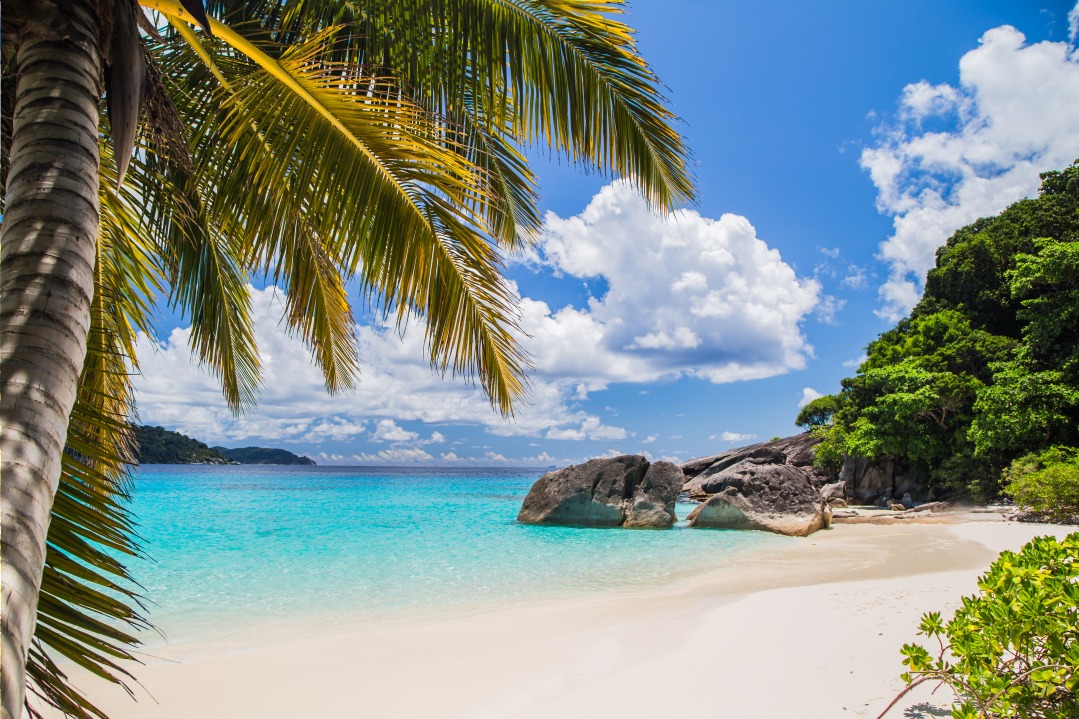
The west coast of Koh Lanta Yai features four main beaches from north to south, each with its own atmosphere.
Klong Dao
The most well-known and lively. Three kilometers of white sand, shallow waters ideal for families, and all accommodation levels along the shore. A relaxed atmosphere with no noisy parties.
Pra-Ae (Long Beach)
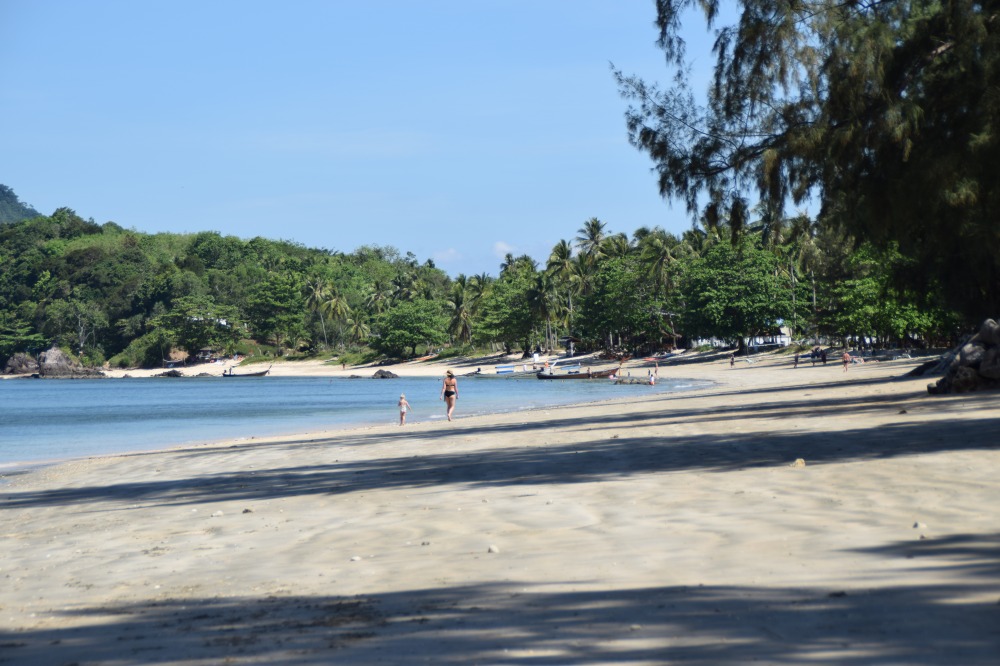
Four kilometers of crescent-shaped beach to the north of the island. Fine sand, clear water, beachfront restaurants. Very busy between November and April, it remains wide enough never to feel crowded.
Klong Nin
Central beach, divided in two by a river. The northern section, less rocky, is better suited for swimming. Bohemian atmosphere, small bamboo beach bars, and striking sunsets.
Kan Tiang
A small cove barely one kilometer long to the south, sparsely built. You come here for the peace, sunset swimming, and the feeling of having found a preserved spot.
Khao Mai Kaew Cave
In the center of the island, this cave with stalactites and stalagmites walls must be explored with a local guide (approximately 200 baht per person). Allow two hours of jungle trekking, with slippery terrain: wear good shoes and bring a headlamp.
Mu Ko Lanta National Park
At the southern tip of Koh Lanta Yai, the national park is home to the white lighthouse of Koh Lanta, a panoramic viewpoint over the Andaman Sea, as well as deserted beaches and a jungle trail where you'll spot monkeys and monitor lizards. Entrance 200 baht. Accessible by scooter from any beach on the island.
Diving and snorkeling
Koh Lanta is one of the best diving bases in southern Thailand. The major sites are offshore.
Hin Daeng and Hin Muang
These two underwater pinnacles, about fifty kilometers to the south, rank among the world's most acclaimed dive sites. Two hours by boat to reach Hin Daeng, where you'll observe manta rays, reef sharks, leopard sharks, and with some luck, whale sharks. Hin Muang, its neighbor, is famous for its purple coral, fusiliers, yellow-tailed snappers, and the regular presence of whale sharks between February and April.
Koh Haa
Five small islands with crystalline waters, ideal for snorkeling and beginner diving. You'll encounter sea turtles, clownfish, and schools of barracudas in sun-dappled submerged caves bathed in blue light. Day trip departing from Saladan.
Excursions to neighboring islands
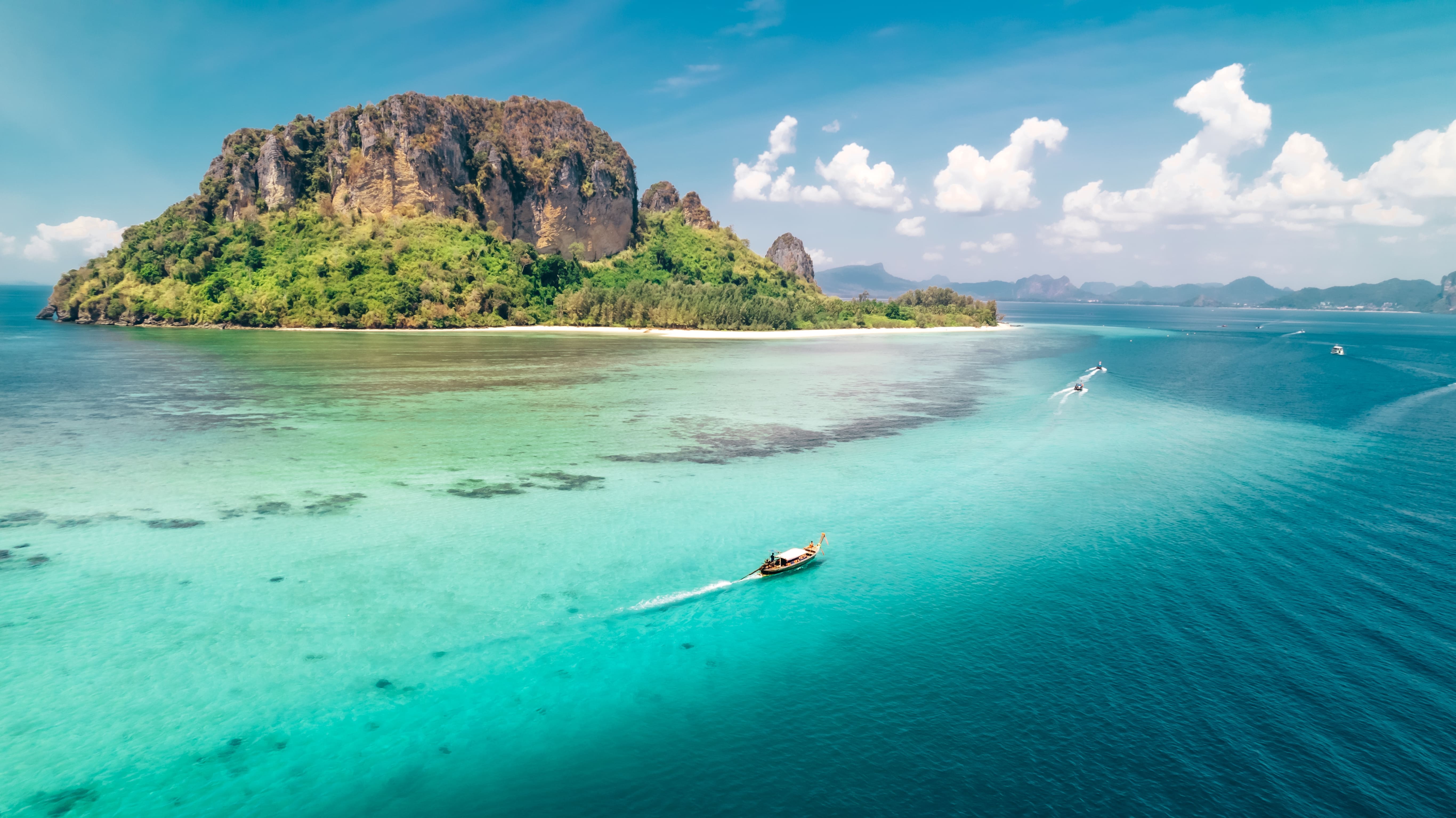
The famous "4 islands" (Koh Mook, Koh Kradan, Koh Cheuk, Koh Ngai) can be visited on a day trip from Koh Lanta. The Emerald Cave (Tham Morakot) on Koh Mook remains a must-see: you swim through an 80-meter tunnel to emerge in a hidden lagoon. Koh Rok, further south, offers exceptional snorkeling on pristine coral.
Saladan night market
In the north of the island, Saladan port hosts a small night market on Fridays and Saturdays: Muslim and Thai street food, grilled seafood, satay, banana roti. Dine for 100 to 150 baht in a local atmosphere.
Where to stay in Koh Lanta?
Accommodations concentrate on the west coast of Koh Lanta Yai, from north (Klong Dao) to south (Kan Tiang).
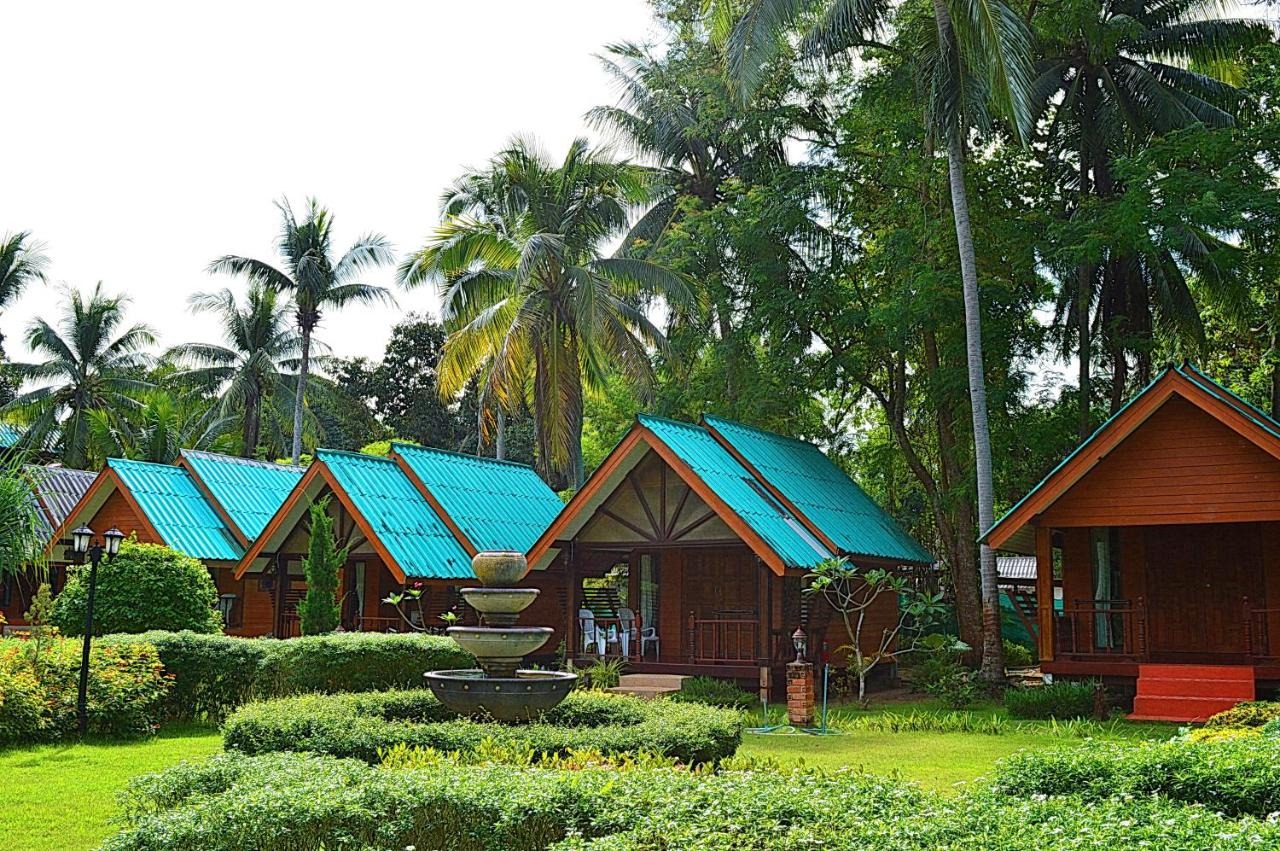
- Bungalows and guesthouses (€15-30/night): numerous along Klong Nin and Pra-Ae. Bamboo or wooden bungalows facing the sea, fan or basic air-conditioning. Friendly backpacker atmosphere.
- Boutique hotels and mid-range resorts (€60-120/night): mostly in Klong Dao and Pra-Ae. Pool, restaurant, direct beach access, refined amenities without ostentatious luxury.
- High-end lodges and villas (€150+/night): concentrated in the south, toward Kan Tiang and Bamboo Bay. Jungle-integrated architecture, panoramic views, premium services. Ideal for a honeymoon or quiet retreat.
In high season (December-February), book several weeks in advance. In low season (May-October), many establishments close or offer reduced rates.
Insider tips
- Rent a scooter upon arrival (200-250 baht/day). It's by far the most convenient way to explore the island. Helmet mandatory, international driving permit requested at checkpoints.
- Avoid tuk-tuks for long trips: prices escalate quickly. Prefer scooter or shared minivan.
- Mu Ko Lanta National Park is best visited early morning to avoid crowds and heat.
- For diving, favor February-April: maximum visibility and regular whale shark sightings at Hin Daeng.
- The east coast (Lanta Old Town, Koh Lanta Noi) remains authentic: spend a day discovering it, away from tourist beaches.
- Respect Muslim culture in the villages: cover-up attire away from beaches, no alcohol around mosques.
Climate and best season
Koh Lanta follows a two-season tropical climate.
- Dry season (November to April): this is high season. Clear skies, calm seas, temperatures between 26 and 32 °C. Ideal for diving, boat excursions, and swimming. Crowds and rates peak between December and February.
- Rainy season (May to October): frequent but often short showers. June to September see the heaviest rainfall. The sea can be rough and boat trips sometimes canceled. Lowest rates, island nearly empty.
Sea temperature remains around 29 °C year-round.
How to get there?
Koh Lanta is accessible only by land and sea. Three airports serve the region: Krabi (closest, 1h30 transfer), Trang (2h30), and Phuket (3h to 4h depending on transport mode).
- From Krabi: minivan + ferry combined, approximately 350-450 baht per person, 2h30 total travel time. Multiple departures daily.
- From Phuket: direct speedboat in high season (1h30, 600-900 baht) or longer ferry (3h30, 400-500 baht). In low season, minivan via bridge is the most reliable option.
- From Trang: direct minivan + short ferry crossing, approximately 300 baht.
- From Bangkok: flight to Krabi (1h20), then transfer. Allow 5 to 7 hours door-to-door.
In low season, some ferries are suspended: check schedules the day before departure.
Getting around
Scooter (200-250 baht/day) remains your best option. Tuk-tuks function as shared taxis: always negotiate the price before boarding (100-300 baht depending on distance). Some resorts offer free shuttle services to main attractions. Bicycle rental (100 baht/day) suffices for short distances.
For whom?
- Families: calm beaches of Klong Dao and Pra-Ae, shallow waters, family-friendly accommodations, and welcoming restaurants.
- Couples: southern part of island (Kan Tiang, Bamboo Bay) for peace, sunsets, and intimate lodges.
- Divers: Hin Daeng, Hin Muang, and Koh Haa make Koh Lanta an ideal base for exploring the Andaman Sea's finest sites.
- Authenticity-seekers: Lanta Old Town, Koh Lanta Noi, and Chao-Lay villages offer rare encounters with local communities.
- Slow travelers: 7 to 10 days to savor island rhythm, alternating beaches, diving, and trips to neighboring islands.
Also worth discovering
Koh Lanta is part of a chain of islands and destinations deserving a stop:
- Koh Jum, an even quieter neighboring island, 13 km to the north
- Ko Ngai, postcard-perfect beach and turquoise waters, 40 km away
- Koh Yao Yai, authentic Muslim island in the heart of Phang Nga Bay
- Trang, stopover town and gateway to southern islands
- Koh Yao Noi, its peaceful little sister
- Phang Nga Bay, mythical limestone landscapes
Our local expert can design an itinerary combining Koh Lanta with these destinations based on your timeframe and preferences.
Frequently asked questions
The dry season, November to April, offers the best conditions: clear skies, calm sea, and temperatures between 26 and 32 °C. February to April is ideal for diving at Hin Daeng, with regular whale shark sightings. December-February sees peak crowds and highest rates.
Take a flight from Bangkok to Krabi (1h20, quickest), Trang, or Phuket. From Krabi, a combined minivan + ferry transfer (350-450 baht) gets you there in 2h30. Allow 5 to 7 hours total travel, door-to-door.
Four to five days are enough to enjoy the main beaches and take an excursion. To include diving at Hin Daeng, the national park, Lanta Old Town, and a 4-island trip, plan 7 to 10 days. It's also an excellent base for exploring neighboring islands.
Yes. Klong Dao and Pra-Ae offer calm, shallow beaches lined with family accommodations. The overall island atmosphere is relaxed, without noisy parties. Children will enjoy snorkeling at Koh Haa and kayaking through the mangrove.
It's by far the most practical solution. Budget 200 to 250 baht per day. The island is long (30 km) and distances between beaches, Old Town, and national park make tuk-tuks costly. Helmet mandatory and international driving permit requested at checkpoints.
No. Diving season runs from mid-October to end of April. From May to mid-October, the sea is rough and most dive centers close or suspend trips to Hin Daeng and Hin Muang. Best visibility is between February and April.
Koh Phi Phi is more visually spectacular but crowded and party-focused. Koh Lanta is longer, quieter, with real local life and less-frequented beaches. For a relaxing stay or family trip, Koh Lanta wins. Both can be combined over 10-12 days.
Photos
Accommodation in Koh Lanta
See all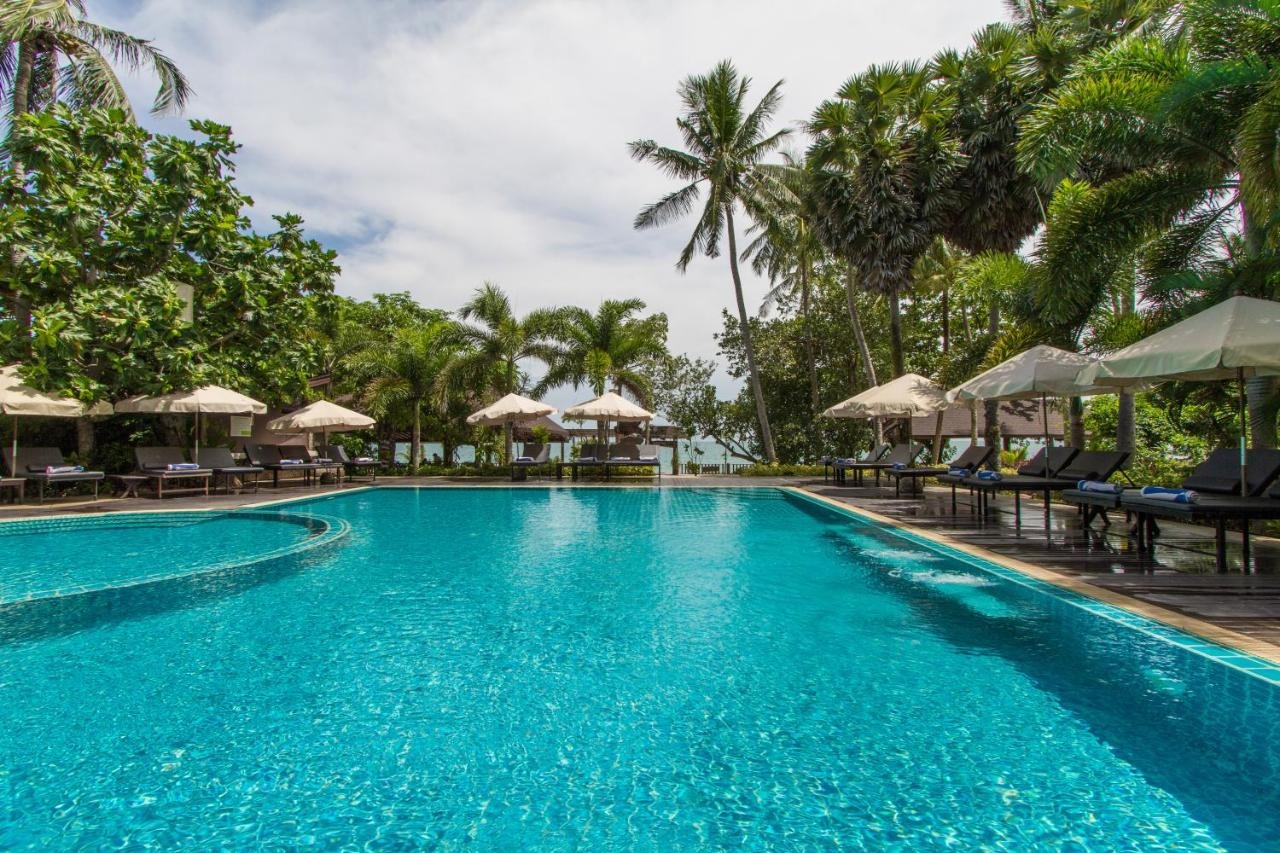
Anda Lanta Resort
Resort 4 étoiles au sud de Koh Lanta, sur une plage quasi privée. Idéal pour se reposer, avec villas familiales et accès direct à la mer.
Sayang Beach Resort
Resort 3 étoiles à Koh Lanta : bungalows en bois de teck, plage privée Long Beach, restaurant et cours de cuisine, à l'écart de Saladan.

Lanta Sand Resort
Resort balnéaire sur la côte ouest de Koh Lanta, en accès direct sur Long Beach, avec trois piscines, spa et plusieurs catégories de chambres et villas.
Also discover
Want to discover this destination?
Our local advisors design your tailor-made trip.