Koh Jum
Koh Jum
Between Krabi and Koh Lanta, Koh Jum is a small 12 km² island untouched by mass tourism. Beaches, trekking, and stunning sunsets guaranteed.

Nestled between Krabi and Koh Lanta in the Andaman Sea, Koh Jum remains one of Thailand's last small islands spared from mass tourism. Across its 12 km² of tropical jungle and pristine sandy beaches, you'll discover an authentic way of life, punctuated by sunsets over the sea and the warm smiles of residents from three villages. Here, there are no night parties or shopping malls—just untouched nature, simple beachfront bungalows, and the desire to slow down.
At a Glance
- Area: 12 km²
- Population: 1,500 inhabitants spread across 3 villages
- Location: Andaman Sea, between Krabi and Koh Lanta
- Highest point: 422 m elevation (Khao Koh Pu)
- Best time to visit: January–February (dry season, calm seas)
- Access: Ferry from Laem Kruat Pier (Krabi) or Koh Lanta
- Ideal for: Couples, slow travelers, families seeking tranquility
- Avoid: May–October (rainy season, boats suspended)
Island History and Identity
Koh Jum is a small island covering nearly 12 km², situated between the town of Krabi and Koh Lanta. Though much of its land remains wild, Koh Jum is well inhabited. The island is home to about 1,500 residents spread across three villages: Ban Ko Pu, Ban Ting Rai, and Ban Koh Jum. The latter is the island's main village, located in the southeast.
The residents are predominantly Muslim and live in rhythm with the tides. The island's economy centers on fishing, rubber plantations (for latex), and traditional crafts. This rural identity explains why Koh Jum has retained its charm: tourism developed slowly, respecting local customs. In Ban Ting Rai, perched on a hillside, you'll still encounter artisans hand-crafting fish traps and nets.
Must-See Attractions on Koh Jum
Golden Pearl Beach and Western Shoreline
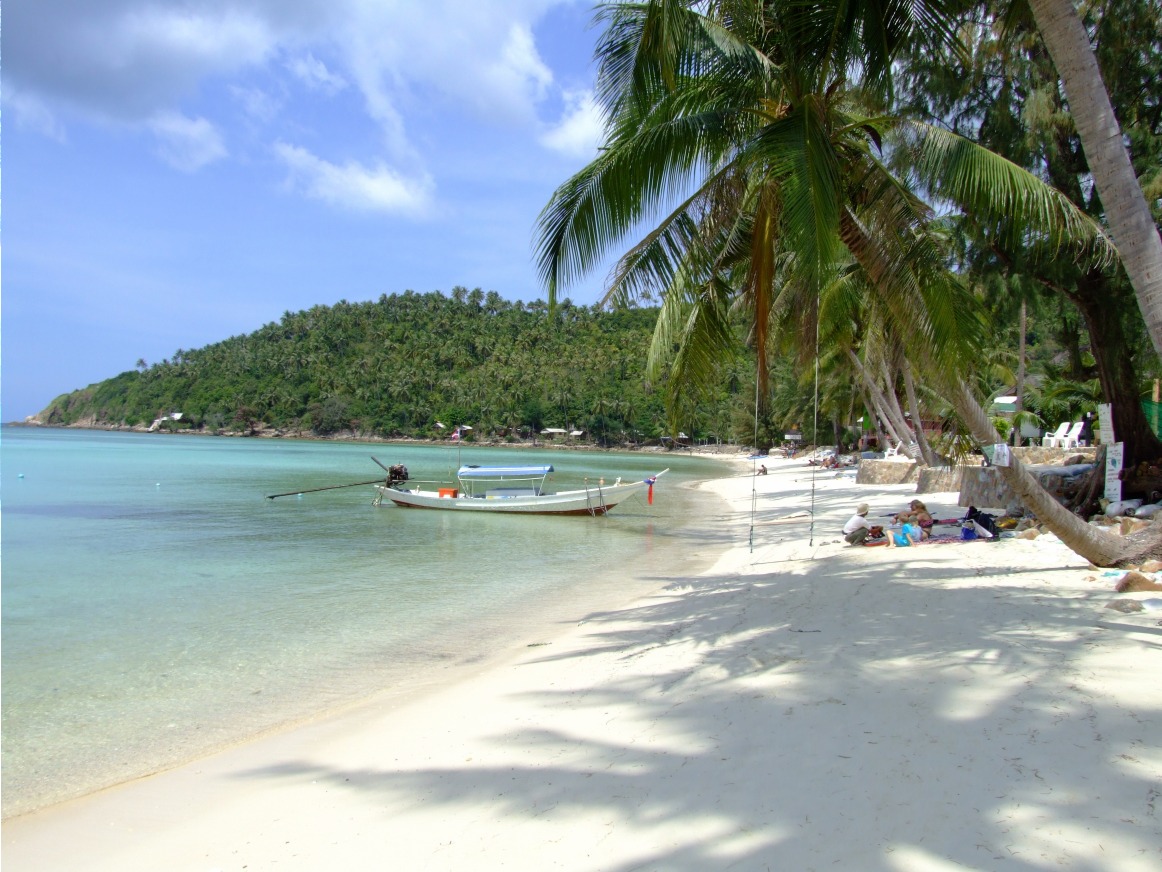
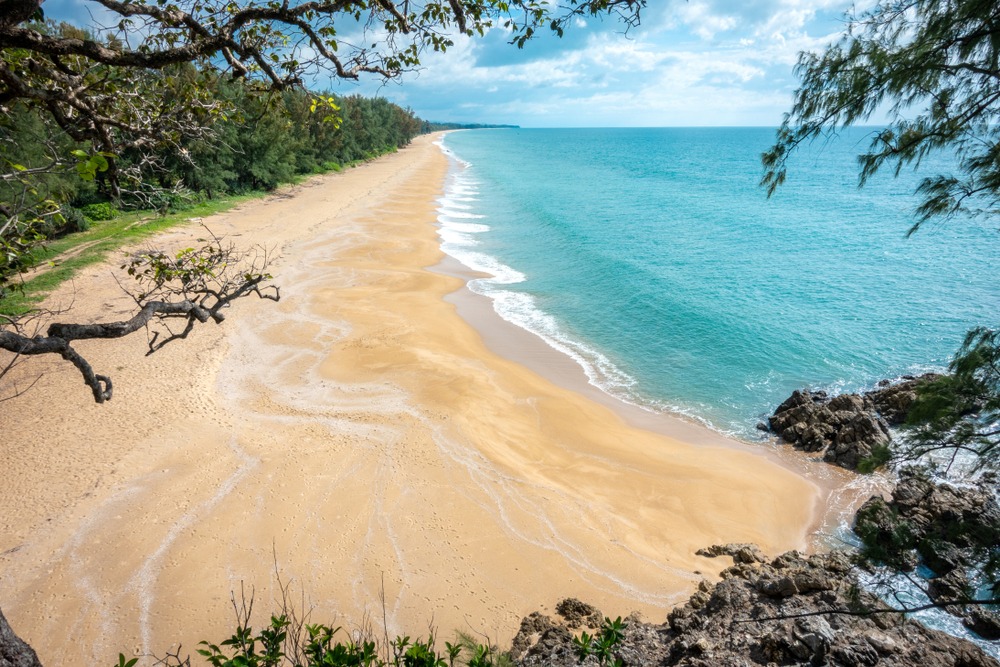
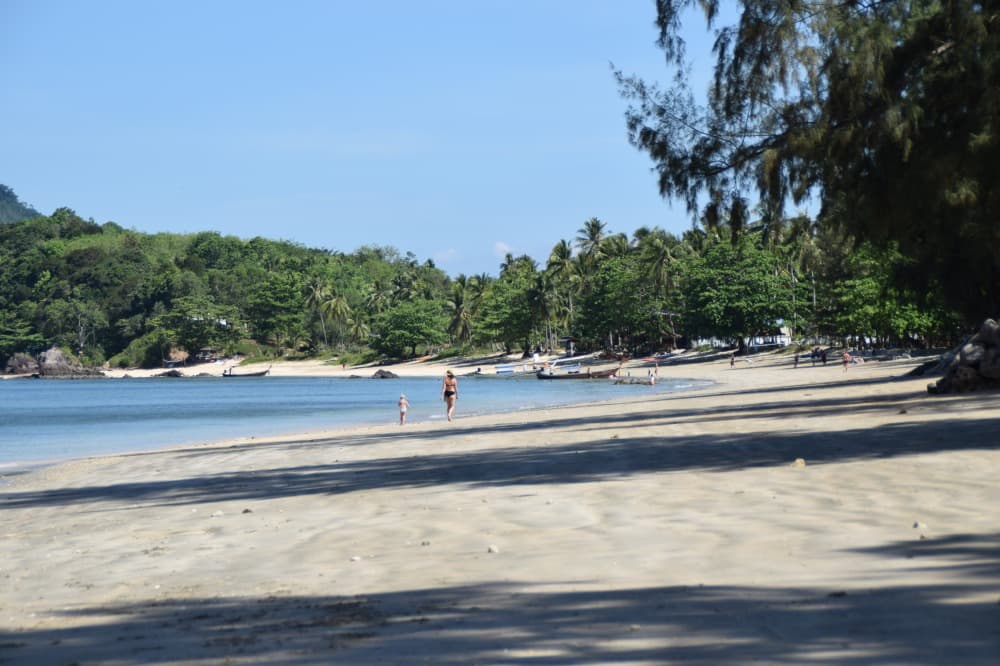
The western coast concentrates the island's most beautiful beaches. Golden Pearl Beach, a long stretch of golden sand in the south, remains the most beloved: crystal-clear water, leaning palms, and hardly a soul in sight. Further north, Magic Beach and Andaman Beach offer more intimate coves, perfect for late-afternoon swimming. The sunset from these beaches is a spectacle not to be missed, with the silhouette of Phi Phi as your backdrop.
Trek to Khao Koh Pu Summit (422 m)
Koh Jum's highest point rises to approximately 422 m elevation. You can undertake a short trek that must be accompanied by a local guide. Since the trek passes through private property, a fee of 1,000 baht per person is required. Plan for 3–4 hours round-trip through the jungle, with panoramic views of the Andaman Sea at the summit. Departures begin early in the morning to avoid the heat.
Snorkeling at Bamboo Island and Surrounding Waters
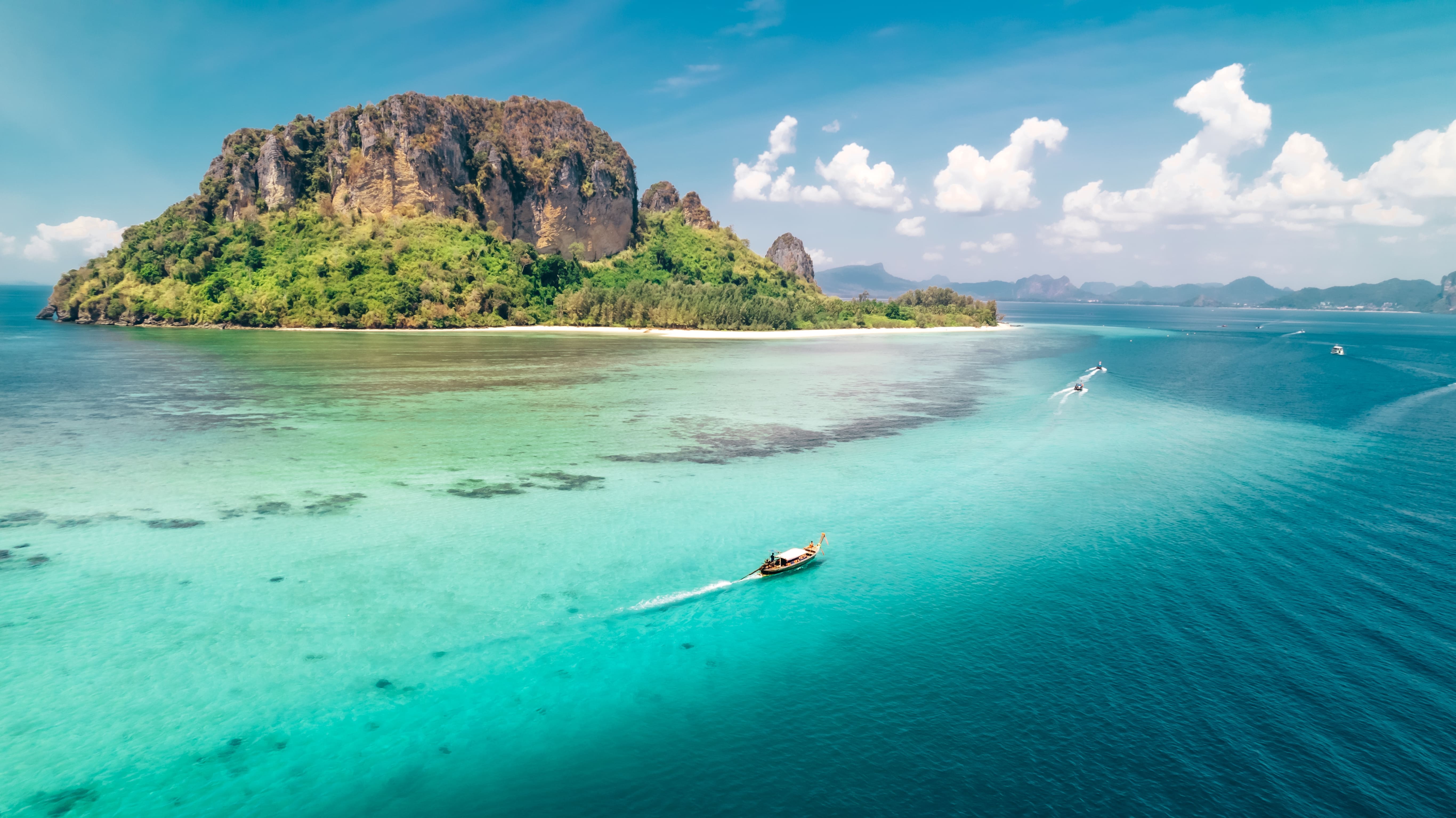
The waters surrounding Koh Jum are part of Mu Koh Lanta National Park: parrotfish, rays, soft corals. Several longtail boat excursions depart each morning toward Bamboo Island, Koh Pu, and southern coves. Expect 800–1,200 baht per person for a half-day outing, mask and snorkel included.
Ting Rai Bay and the Hilltop Village
On the eastern shore, Ting Rai Bay opens toward Koh Lanta. The beach here sees fewer visitors, making it ideal for sunrise kayaking. The village of Ban Ting Rai, a 10-minute scooter ride away, is worth visiting for its traditional atmosphere and views overlooking the bay.
Kayaking, Swimming, and Jungle Trails
In the south, the landscape blends vast tropical jungle with various plantations: rubber, coconut, and cashew. Several trails cross these plantations and lead to secret beaches. Most accommodations lend kayaks free of charge for exploring the coastline.
Climate and Best Time to Visit
Koh Jum experiences a tropical savanna climate with a rainy season lasting roughly six months, often between May and October. The best time of year to plan a getaway is between January and February, when weather conditions are optimal: low humidity and pleasantly warm temperatures.
- November–December: Early dry season, mild temperatures, moderate crowds
- January–February: Ideal conditions, calm seas, daily sunshine
- March–April: Hot and dry, water temperature 29°C, end of peak season
- May–October: Monsoon, frequent rain, many accommodations close
During the monsoon, crossing to the island is discouraged due to strong swells. Boat operators generally refuse to travel to Koh Jum during this period, as docking becomes hazardous.
How to Reach Koh Jum
From Krabi
To reach Koh Jum, you can take a ferry or speedboat from Laem Kruat Pier. Generally, there is one daily departure from this port, and the crossing costs approximately 500 baht (about €13). During high season (November–April), ferries depart from Kongkra Port. Note that there is no pier on Koh Jum, and boats must anchor directly near the beach. Expect to get your feet wet when disembarking.
From Koh Lanta
If departing from Koh Lanta, you have a choice between express boat and ferry service. For the ferry, the crossing cost remains roughly the same as from Krabi, approximately €10. If you opt for the express boat, budget around €42, equivalent to approximately 1,500 baht. The crossing takes about 30 minutes.
From Bangkok
Simplest option: direct flight Bangkok–Krabi (1h20, from €40), then taxi or minivan to Laem Kruat Pier (45 minutes). Several airlines operate multiple daily flights between the two cities.
Getting Around the Island
Locals typically use motorcycles or bicycles for daily travel around the island. Some residents offer bike rentals: 250–300 baht per day for a scooter, 100 baht for a bicycle. Roads are in good condition on the main route but become sandy near the beaches.
Where to Stay on Koh Jum
Accommodations concentrate on the western coast, facing sunsets. The selection remains deliberately modest: no large resorts, mostly wooden or bamboo bungalows.
Simple Bungalows (€15–30/night)
Bamboo or wooden huts, cold shower, fan, sometimes without hot water. Backpacker atmosphere, direct beach access. Ideal for travelers seeking authenticity and a tight budget. Many close during the monsoon.
Boutique Hotels and Mid-Range Resorts (€60–120/night)
Better-equipped bungalows (air-conditioning, hot water, on-site restaurant), often set in a tropical garden facing the sea. This is the most common option at Golden Pearl Beach and Long Beach.
Upscale Lodges (€150+/night)
A few properties offer private villas with pools and personalized service. Much in demand during high season; book several months in advance.
Note: Some accommodations have Wi-Fi, but don't expect high-speed connections. Mobile networks function adequately across most of the island.
Insider Tips
- Cash: Only one ATM operates on the island, and it frequently breaks down. Withdraw baht in Krabi or Koh Lanta before crossing.
- Water and Electricity: Tap water is not potable. Electricity may be cut at night in the simplest bungalows.
- Dining: The best options are small family-run restaurants in Ban Koh Jum village. Try the grilled fish of the day and massaman curry.
- Boat Reservations: In high season, book your crossing the day before through your accommodation. Boats fill quickly.
- Gear: Bring a headlamp (poorly lit paths at night) and water sandals for disembarkation.
- Local Respect: Since the population is predominantly Muslim, avoid overly revealing clothing outside beaches and resorts.
Who Is It For?
- Couples seeking tranquility: Sunsets, waterfront dining, guaranteed escape.
- Slow travelers: Ideal for 3–5 nights with no fixed agenda.
- Families with children: Shallow, calm beaches, though an intermediate accommodation category is recommended for comfort.
- Nature enthusiasts: Trekking, snorkeling, kayaking, bird-watching in the jungle.
- Not suitable for: Those seeking nightlife, shopping, or developed tourist infrastructure.
Also Worth Exploring
Koh Jum fits easily into a broader itinerary across southern Thailand:
- Koh Lanta (13 km) — neighboring island, more developed, perfect as a complement
- Koh Yao Yai (47 km) — another preserved island in Phang Nga Bay
- Ko Ngai (51 km) — small island with white-sand beaches, further south
- Koh Yao Noi (54 km) — village atmosphere and rice paddies
- Phang Nga Bay (66 km) — iconic limestone karsts
- Trang (76 km) — gateway to southern islands
Plan Your Trip
Our local agency Voyage Thaïlande helps integrate Koh Jum into a custom-made itinerary across southern Thailand, combining it with Krabi, Koh Lanta, or Phang Nga Bay. Discover for example our Discovery and Relaxation in the Land of Smiles circuit (16 days, from €1,490). Discover the agency.
Frequently asked questions
The best period is January–February, with less humid weather and pleasant temperatures. It's advisable to avoid May–October, the rainy season, when many accommodations close and boats suspend service.
Take a Bangkok–Krabi flight (1h20), then a ferry from Laem Kruat Pier or Kongkra Pier depending on the season. Budget approximately 500 baht for the crossing, about €13.
Yes, the peaceful island with its fine sandy beaches and calm waters is ideal for families. Opt for a mid-range accommodation category (€60–120/night) for air-conditioning and hot water; the most basic bungalows may lack comfort amenities.
Yes, several locals offer scooter rentals (250–300 baht/day) and bicycles (100 baht/day) to explore the 12 km² island. Your accommodation can usually arrange a rental.
Only one ATM operates on Koh Jum, and it regularly breaks down. It's strongly recommended to withdraw baht in Krabi or Koh Lanta before boarding, and plan for sufficient cash throughout your stay.
3–5 nights are ideal to fully enjoy the island's slow pace, alternating beaches, snorkeling, and the trek to Khao Koh Pu summit. Beyond that, the island appeals mainly to those seeking complete disconnection.
Yes, the island borders Mu Koh Lanta National Park. Longtail boat excursions depart each morning toward Bamboo Island and neighboring coves (800–1,200 baht per person for a half-day).
Photos
Accommodation in Koh Jum
See all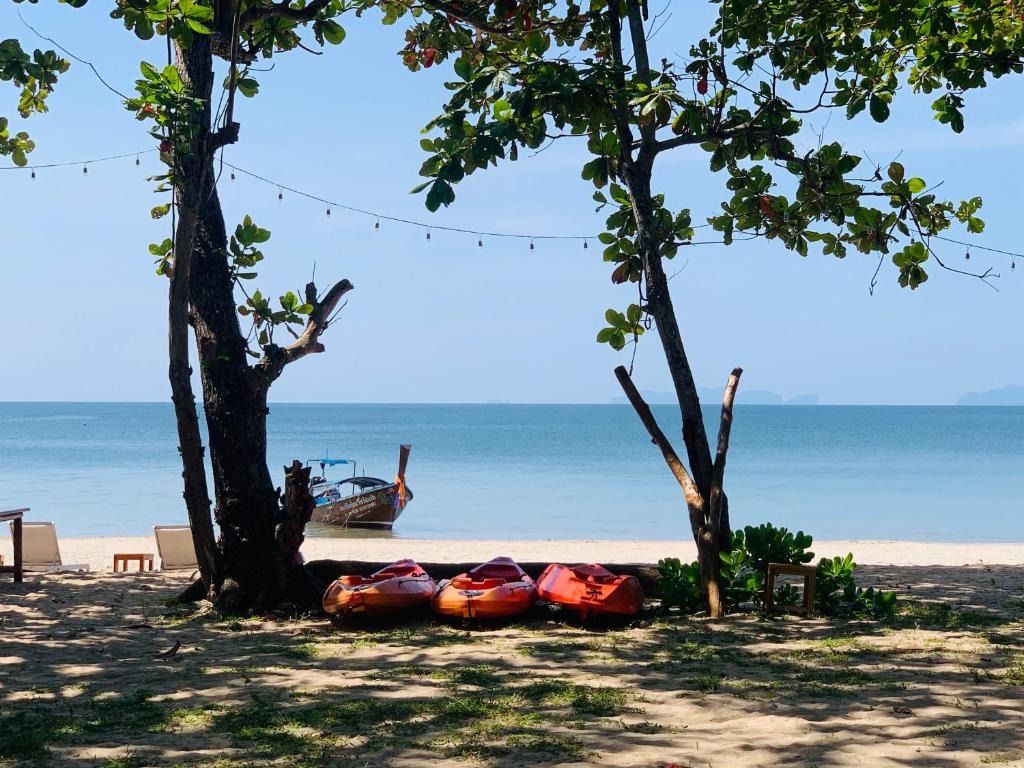
Want to discover this destination?
Our local advisors design your tailor-made trip.