Koh Phangan
Koh Phangan
Koh Phangan, a tropical island in the Gulf of Thailand, where Full Moon Party, yoga retreats in Srithanu and unspoiled coves coexist in still very wild nature.
Koh Phangan in brief: a tropical island in the Gulf of Thailand, located between Koh Samui and Koh Tao, famous for its Full Moon Party but also for its yoga retreats, jungle waterfalls and pristine beaches. Over half its area is protected by Than Sadet National Park, which explains its still very natural character.
Koh Phangan in brief
- Country: Thailand, Gulf of Thailand
- Access: by boat only (no airport)
- Ideal duration: 4 to 7 days, depending on your pace
- Best time to visit: January to early April, then mid-June to September
- Must-see: Bottle Beach, Than Sadet waterfalls, snorkeling at Koh Ma, yoga retreat in Srithanu
- Average budget: €30 to €80 per day per person
- Atmosphere: balance between party (south), wellness (west) and wild nature (east and north)
Why Koh Phangan?
People come to Koh Phangan for the Full Moon Party and return for everything else. The island is home to approximately 13,500 residents year-round, a figure that doubles during high season. Yet as soon as you move away from Haad Rin, you'll find a still-tranquil Thailand: fishing villages, coves accessible on foot through the jungle, yoga retreats overlooking the sea.
An adage circulates among expats and island regulars: "Once you've set foot on Phangan, you always come back". It captures the blend of freedom, nature and community energy you rarely find elsewhere in Thailand.
Than Sadet National Park covers more than half the island and has blocked several projects, including an airport on the east coast. The result: dense jungle remains, the north and east coasts are sparsely developed, and the seabed around Koh Ma still ranks among the richest in the gulf.
A bit of history
The name Koh Phangan comes from the word "Ngan", which literally translates in the southern dialect as "sandbank". The first known visitors were Malay sailors from the Malay Peninsula.
The island's first structure was a temple built by monks approximately 600 years ago. Later, Chinese immigrants arrived and settled permanently. They launched tin mining and coconut trading, two activities that sustained the island for many years.
Koh Phangan also left its mark on Thai royal history. King Rama V visited more than a dozen times and made a habit of venturing to the Than Sadet falls, where royal inscriptions remain visible today.
Koh Phangan today
The island can be read in three distinct zones, each with its own atmosphere:
The south, party side
Haad Rin concentrates the nocturnal energy. This is where the Full Moon Party takes place, along with Half Moon, Black Moon and other themed nights that punctuate the month. During the day, both beaches of Haad Rin (Sunrise and Sunset) maintain an unapologetic backpacker vibe.
The west, wellness side
Srithanu and Haad Yao form the epicenter of yoga and wellbeing in Southeast Asia. Yoga retreats, meditation workshops, raw food cuisine, Ayurvedic treatments: visitors come here for a week or a month, sometimes longer. Centers like Agama Yoga, The Sanctuary and Orion have built the island's reputation among travelers seeking respite.
The north and east, nature side
Chaloklum, a former fishing village in the north, maintains a family-oriented pace. Further east, Thong Nai Pan and Bottle Beach are accessible only by winding roads or boat, which has allowed them to remain virtually untouched. The national park jungle descends to the sea.
What to do in Koh Phangan
Beaches worth knowing
Haad Mae Had — Located on the west side of the island, not far from the islet of Koh Ma. At low tide, a stretch of sand reveals itself and connects the beach to the islet, allowing you to walk there. Haad Mae Had is also renowned for its rich seabed: snorkeling or diving near Koh Ma, you can observe coral and tropical fish.
Haad Khuad or Bottle Beach — On the north of the island, accessible by water taxi from Chaloklum. For the more adventurous, a hidden trail through the jungle leads there on foot: allow 1 hour of hiking, wear proper shoes. Along the way, you'll likely encounter a monkey family, lizards and geckos.
Thong Nai Pan Yai and Thong Nai Pan Noi — On the east coast, these twin bays adjoin the national park. The jungle extends in the background as far as the eye can see. Their remoteness explains the calm that prevails there, even in high season.
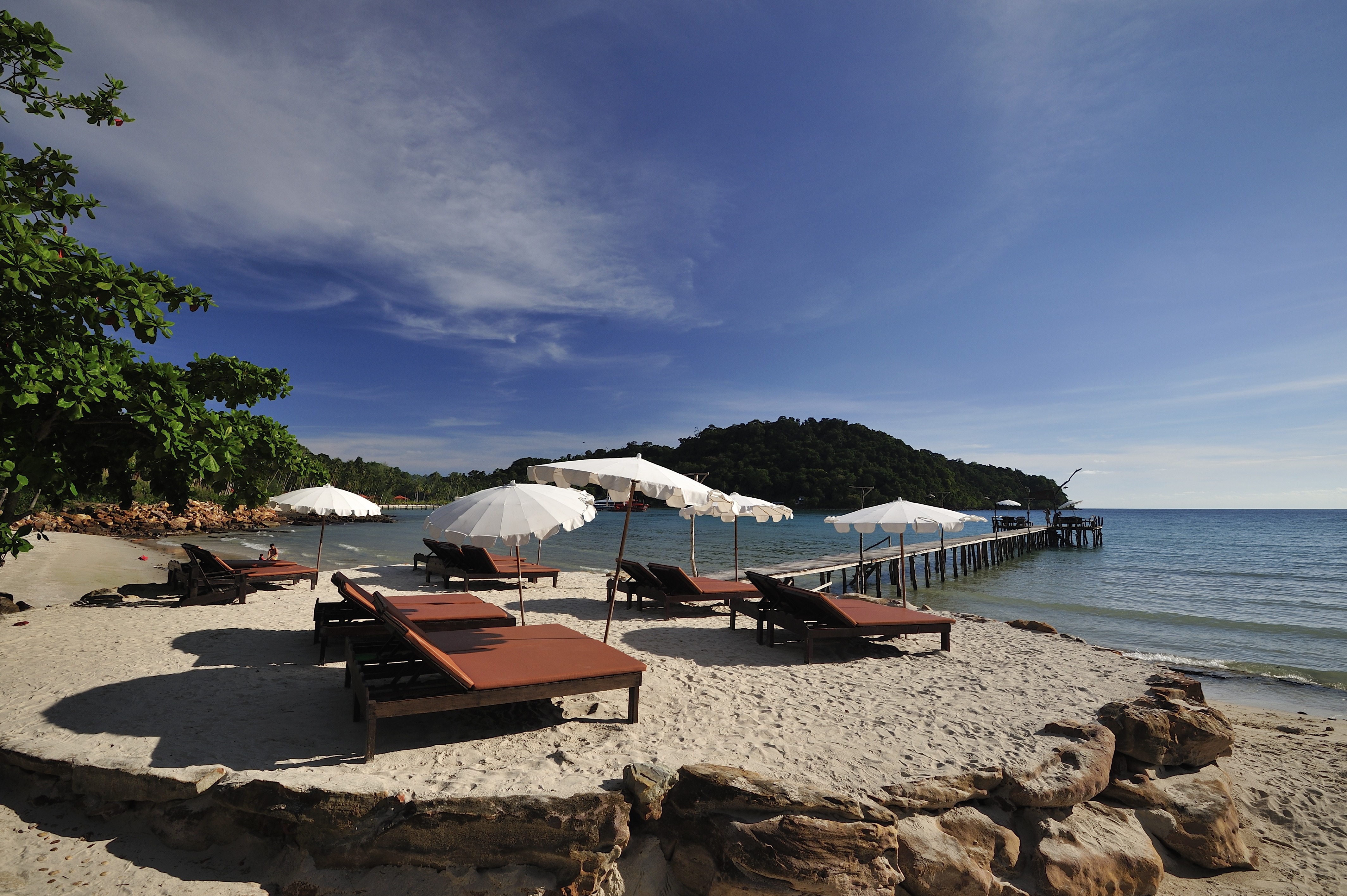
Haad Salad — In the northwest. White and fine sand, coconut palms, emerald green water, and a lovely coral reef to discover with snorkel and mask. Very popular with families.
Haad Tian — A small cove in the southeast, accessible by boat or a demanding trail. Ideal for those wanting to play Robinson Crusoe for a day.
Jungle waterfalls
Than Sadet — On the east coast, formed by a succession of pools and streams extending approximately 3 km. It's arguably the most famous waterfall on the island, and where Rama V ventured.
Paradise Waterfall — Its beauty reveals itself especially after the rainy season, between October and March. You can swim there, taking care on slippery rocks. In the dry season, the fall dries up: use the opportunity to follow the trail leading to a fine viewpoint over the island.
Wang Sai — In the northwest, near Haad Mae Had beach, surrounded by tropical vegetation. Best visited after the rainy season.
The Full Moon Party (and its cousins)
The Full Moon Party is an internationally recognized event. Travelers from around the world gather to dance all night to the music served by all the bars lining Haad Rin beach.
It takes place once a month, during the full moon. The village transforms into a party venue: temporary tattoo stands with fluorescent ink, improvised bars, stages set up on the sand. Entry costs 100 baht, and the money collected is used to thoroughly clean the beach after each evening.
For those wanting to extend the party spirit without the crowds, the island also organizes Half Moon Parties in the jungle of Ban Tai and Black Moon Parties on moonless nights. More intimate, more electronic, often judged more authentic by regulars.
Practical tip: get there by taxi (songthaew) and don't ride a scooter home at the end of the evening. If partying isn't on your agenda, avoid the south coast that night — the rest of the island keeps its calm.
Yoga, meditation and retreats
Over twenty years, Koh Phangan has become one of the world's hubs for yoga and wellness. The village of Srithanu, on the west coast, concentrates most centers: Vinyasa, Hatha, Yin, Ashtanga, as well as Vipassana meditation, breathwork, ecstatic dance and cacao ceremonies.
Retreats typically last 3 to 28 days. Budget €40 to €80 per day in full board depending on the center. Many travelers combine a week of partying in the south with a week of retreat in the west — the island lends itself well to this contrast.
Snorkeling, diving and trekking
Snorkeling around Koh Ma remains the most accessible experience: 30 minutes on foot from Haad Mae Had, snorkel and mask in hand. For diving, the sites around Sail Rock (between Koh Phangan and Koh Tao) rank among the gulf's best.
For trekking, the trail connecting Chaloklum to Bottle Beach (1 hour each way) and the climb to Khao Ra, the island's highest point at 627 m, are worth the detour for the 360° panorama.
When to visit Koh Phangan
The island is subject to a tropical humid climate almost year-round. Three seasons can be distinguished:
- Cool season (December to March): 24 to 30 °C, calm sea, maximum sunshine. High tourist season. December and January still see occasional showers, mainly at night.
- Hot season (April to June): temperatures potentially reaching 35 to 40 °C, sea sometimes receding and very warm.
- Rainy season (September to November): frequent rain, sometimes intense in October and November, with possible flooding.
The best times to visit are therefore January to early April and mid-June to September. If the Full Moon is your priority, check the lunar calendar before booking.
How many days in Koh Phangan
The right balance depends on your plan:
- 3-4 days: sufficient for a Full Moon and two beaches. Short format.
- 5-7 days: allows you to explore the island's three atmospheres — festive south, wellness west, wild east.
- 10 days and more: ideal for a yoga retreat, or to combine Koh Phangan with Koh Tao (diving) and Koh Samui (comfort).
How to get to Koh Phangan
Koh Phangan has no airport and is only accessible by boat.
From Koh Samui
The simplest: fly to Koh Samui airport, then take a boat to Thong Sala, Koh Phangan's main port. For the Full Moon, you can also head directly to Haad Rin port.
The crossing takes approximately 30 minutes and costs 300 baht. Several companies operate: Lomprayah, Seatran, Raja Ferry.
From Bangkok
Three routes are possible from Bangkok:
- Flight Bangkok–Surat Thani, then bus to Donsak port, then Raja Ferry to Thong Sala.
- Overnight bus Bangkok–Chumphon, then boat to Thong Sala with stopover at Koh Tao.
- Flight Bangkok–Nakhon Si Thammarat, then bus to Donsak port, then Lomprayah catamaran to Thong Sala via Koh Samui.
How to get around the island
Scooter and motorbike
Nothing beats a scooter for exploring Koh Phangan. Rentals are on every street corner. Expect 200 baht per day, sometimes more in high season or during the Full Moon.
A few common-sense rules: wear a helmet (roads are sometimes sandy or potholed), check brakes, lights and turn signals before leaving, photograph existing scratches to avoid disputes on return.
Car
For families or groups, a car is sometimes more economical and safer. Sedan, jeep or pickup: we recommend the jeep, more maneuverable on small winding roads. Budget 800 to 2,000 baht per day depending on the model.
Songthaew
These shared taxis (converted vans) wait at the port exit and serve the most frequented areas. Prices are fixed in advance for standard routes and Full Moon evenings. Otherwise, negotiate. Practical for getting home after a night of partying.
Motorbike taxi and water taxi
Motorbike taxis are less developed but useful if traveling alone, especially around Thong Sala and Ban Tai. Water taxis serve secluded beaches like Bottle Beach and Haad Tian — look for "Taxi boat" signs in the sand and negotiate the price.
Where to stay in Koh Phangan
The accommodation offering is broad and varies greatly depending on the area:
- Guesthouses and bungalows (€15-30): found everywhere, particularly in Haad Rin, Ban Tai and Chaloklum. Backpacker vibe, shared or private facilities depending on the place.
- Boutique hotels and charming resorts (€60-120): very present on the west coast (Haad Yao, Haad Salad, Haad Mae Had) and Thong Nai Pan. Often beachfront, with pool, restaurant and direct beach access.
- Lodges and upscale villas (€150 and up): concentrated in Thong Nai Pan Noi and a few isolated spots. Personalized service, careful design, sometimes with integrated spa and yoga shala.
- Retreat centers (€40-80 in full board): around Srithanu, packages including accommodation, yoga classes, vegetarian meals.
Tip: if you're coming for the Full Moon, book in Haad Rin or Ban Tai. For quiet, aim for west or east. For wellness, Srithanu without hesitation.
Who is Koh Phangan for
- Party-goers and young travelers: Full Moon, Half Moon, Black Moon — the island remains a world reference.
- Wellness enthusiasts: yoga retreats, meditation, treatments, healthy cuisine. Srithanu is a recognized hub.
- Couples: the north and east coasts offer charming isolated resorts, perfect for a honeymoon.
- Families: Haad Salad, Haad Yao and Thong Nai Pan combine calm beaches and suitable facilities.
- Nature travelers: trekking in the national park, waterfalls, snorkeling at Koh Ma.
Insider tips
- Book your Full Moon in advance: accommodations in Haad Rin fill up 1 to 2 months before the date.
- Avoid the southeast roads on a scooter: the coast toward Thong Nai Pan has very steep grades, slippery in rain. Better to rent a jeep or take a songthaew.
- Withdraw cash at Thong Sala: ATMs are rare in remote villages, and some guesthouses accept cash only.
- For snorkeling at Koh Ma, go at low tide, early morning, before tour boats arrive.
- If you're planning a yoga retreat, book 2 to 3 months in advance for reputable centers (The Sanctuary, Agama, Orion).
- Beware of sketchy scooter contracts: photograph the vehicle from all angles before leaving.
Build your Koh Phangan trip with our local agency
Our local expert at Sawa Discovery knows Koh Phangan inside and out, from the secret beaches of the north to the best yoga retreats in Srithanu. Whether you're looking to combine partying and nature, organize a tailor-made wellness retreat or island-hop around the Gulf of Thailand, we build your itinerary at your pace and to your taste. All our trips are customizable, and our local partners are handpicked.
Also discover
- Koh Nang Yuan — small twin archipelago near Koh Tao, known for its iconic viewpoint.
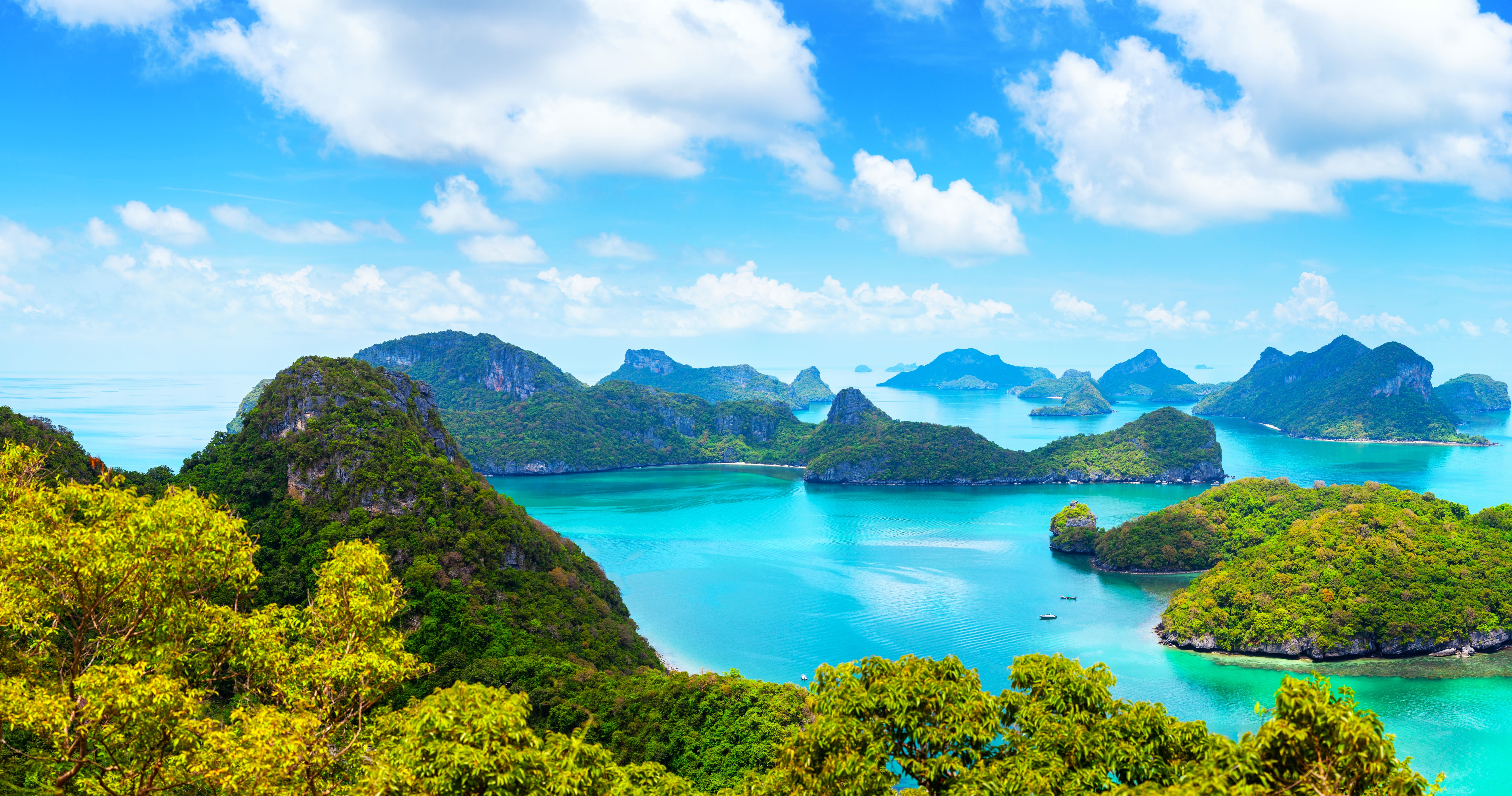
- Ko Phaluai — pristine island in Ang Thong marine park, 43 km to the west.
- Nakhon Si Thammarat — historic city to the south, cultural stopover on the way to the island.
- Chumphon Province — northern gateway to the gulf islands.
- Surat Thani — transport hub to Koh Phangan and gateway to the southern islands.
- Khao Sok National Park — primary jungle to combine with a beach stay.
Our trips passing through Koh Phangan
- Relaxation & Immersion in Thailand — 14 days, from €1,490
- The Duo: Bangkok & Koh Samui — 14 days
- A Summer in Thailand — 14 days, from €1,590
- The Great Discovery of Southern Thailand — 18 days
- Thailand's Islands in Summer — 14 days, from €1,190
- Thailand in Summer — 15 days, from €2,090
- Thailand from North to South — 19 days
Frequently asked questions
January to early April and mid-June to September. Avoid October and November, when rain is frequent and sometimes accompanied by flooding. December and January remain very touristy but can experience nighttime showers.
No airport on the island: you always reach it by boat. Three options from Bangkok: flight to Surat Thani then bus + ferry, overnight bus to Chumphon then boat, or flight to Nakhon Si Thammarat then bus + catamaran. Allow one day for transit.
About 200 baht per day, sometimes more in high season or around the Full Moon. Check the vehicle's condition before leaving, photograph scratches and always wear a helmet — roads can be sandy or steep.
Yes. Simply avoid the south coast (Haad Rin) on the night of the full moon. The rest of the island — Srithanu, Chaloklum, Thong Nai Pan — keeps its calm, relaxed atmosphere even during the event.
Allow 3 to 4 days for a short visit centered on a Full Moon, 5 to 7 days to explore the island's three zones (festive south, wellness west, wild east), and 10 days or more if you're planning a yoga retreat or combining with Koh Tao and Koh Samui.
Absolutely, provided you choose your area carefully. Haad Salad, Haad Yao and Thong Nai Pan offer calm beaches, shallow waters and family-friendly resorts. Avoid Haad Rin, especially during full moon evenings.
The village of Srithanu, on the west coast, concentrates most of the island's wellness offerings: centers like The Sanctuary, Agama Yoga and Orion offer 3 to 28-day retreats, often in full board, starting from €40 per day.
As a backpacker, budget €30 to €40 per day (guesthouse, local meals, scooter). In comfort, €60 to €80 gets you a boutique hotel and good restaurants. Beyond €150, you access upscale Thong Nai Pan resorts or premium retreats.
Photos
Accommodation in Koh Phangan
See all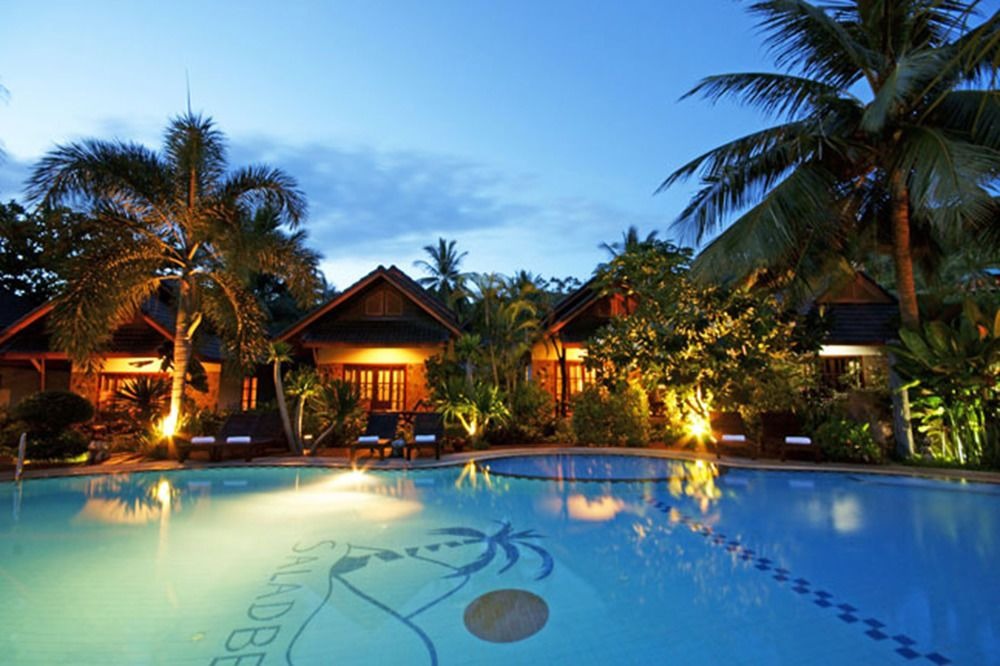
Salad beach resort
Resort 3 étoiles sur la plage de Haad Salad, au nord-ouest de Koh Phangan. Chambres et bungalows avec vues jardin, piscine ou mer, restaurant Cuttaleeya en bord de plage.
Chantaramas Resort
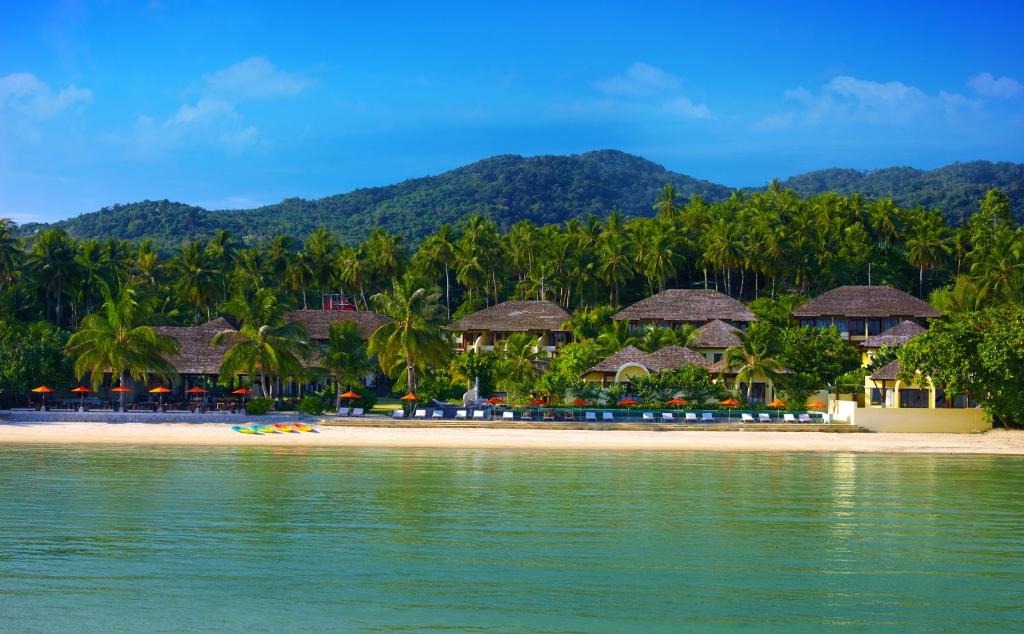
Resort en bord de plage au sud-ouest de Koh Phangan, structuré autour du concept Chantaramas (« lune dorée ») : 4 villas, 46 chambres, restaurant face mer.
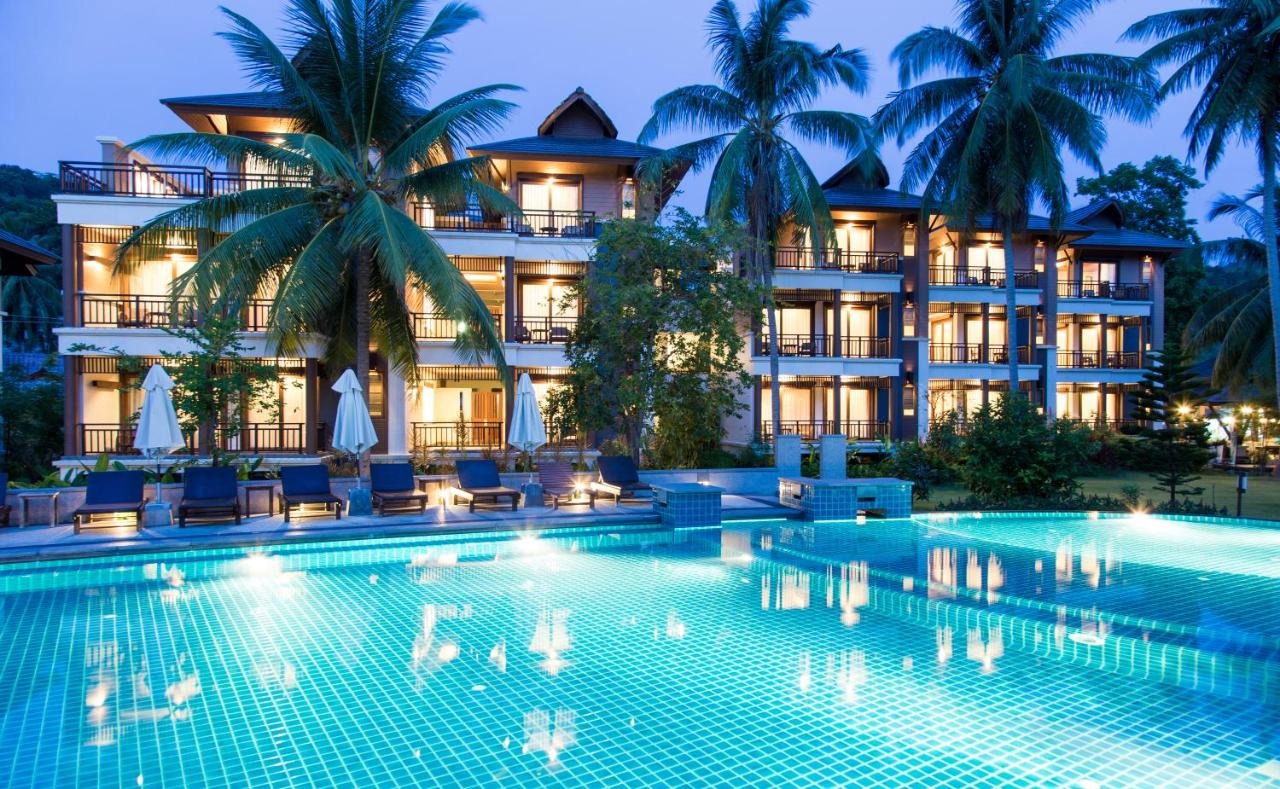
Maehaad Bay Resort
Resort balnéaire au nord-ouest de Koh Phangan, à 10 min à pied de la plage de Mae Haad. 48 chambres, piscine de 700 m² et accès à Ko Maa à marée basse.
Also discover
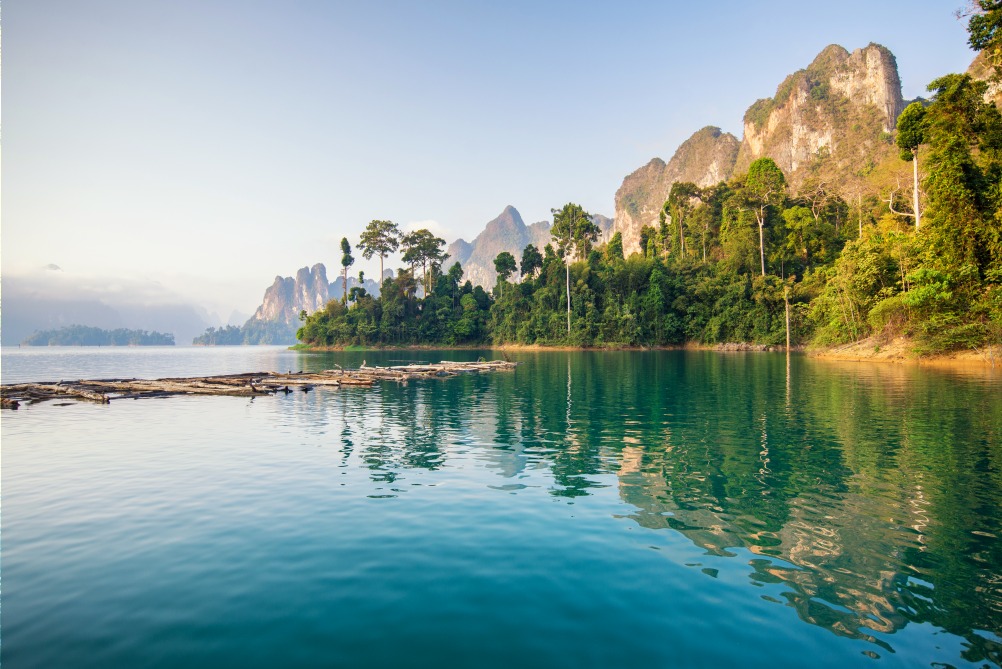
Khao Sok National Park: Expeditions Deep into Thai Jungle
Visiting Khao Sok? Discover the park's highlights from jungle trekking and nocturnal safaris to caves, waterfalls, canoeing, and nights on Cheow Lan Lake.
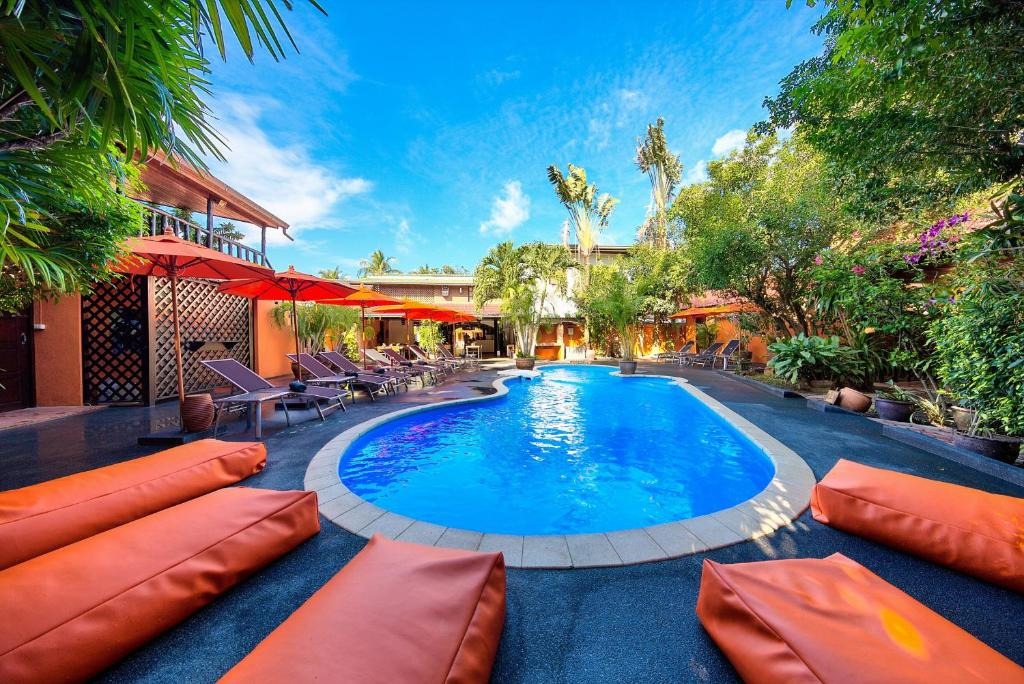
Eden Bungalows
English-speaking 3-star hotel in Fisherman's Village, Bophut, just twenty metres from Koh Samui's beach: bungalows and apartments in traditional Thai wood.
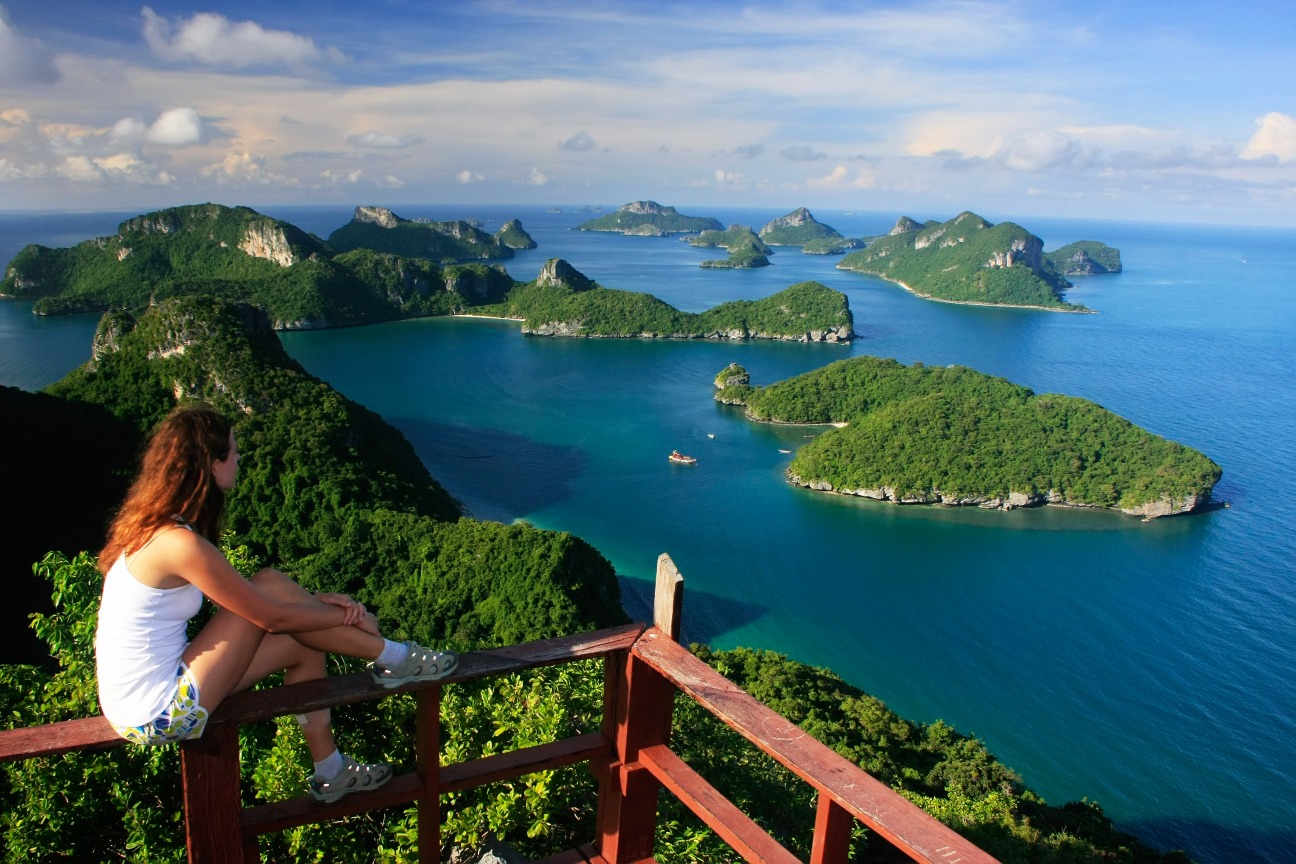
Ang Thong Marine National Park
An archipelago of 42 protected islands in the Gulf of Thailand, accessible by day trip from Koh Samui, Koh Phangan, or Koh Tao. Lagoons, beaches, and viewpoints.
Want to discover this destination?
Our local advisors design your tailor-made trip.