Koh Samui Island
Koh Samui Island
Thailand's third largest island, Koh Samui blends turquoise beaches, Buddhist temples and distinctive island culture. The complete guide to planning your stay.
At a glance
Size: 247 km², Thailand's third largest island
Location: Gulf of Thailand, archipelago of 80 islands
Access: flight from Bangkok (1h20) or ferry from Surat Thani (1h30 to 2h30)
Main beaches: Chaweng, Lamai, Bo Phut, Mae Nam
Ideal period: February to June (dry season)
Currency: Thai baht (THB)
Must-sees: Big Buddha, Wat Kunaram, Ang Thong National Park, Fisherman's Village
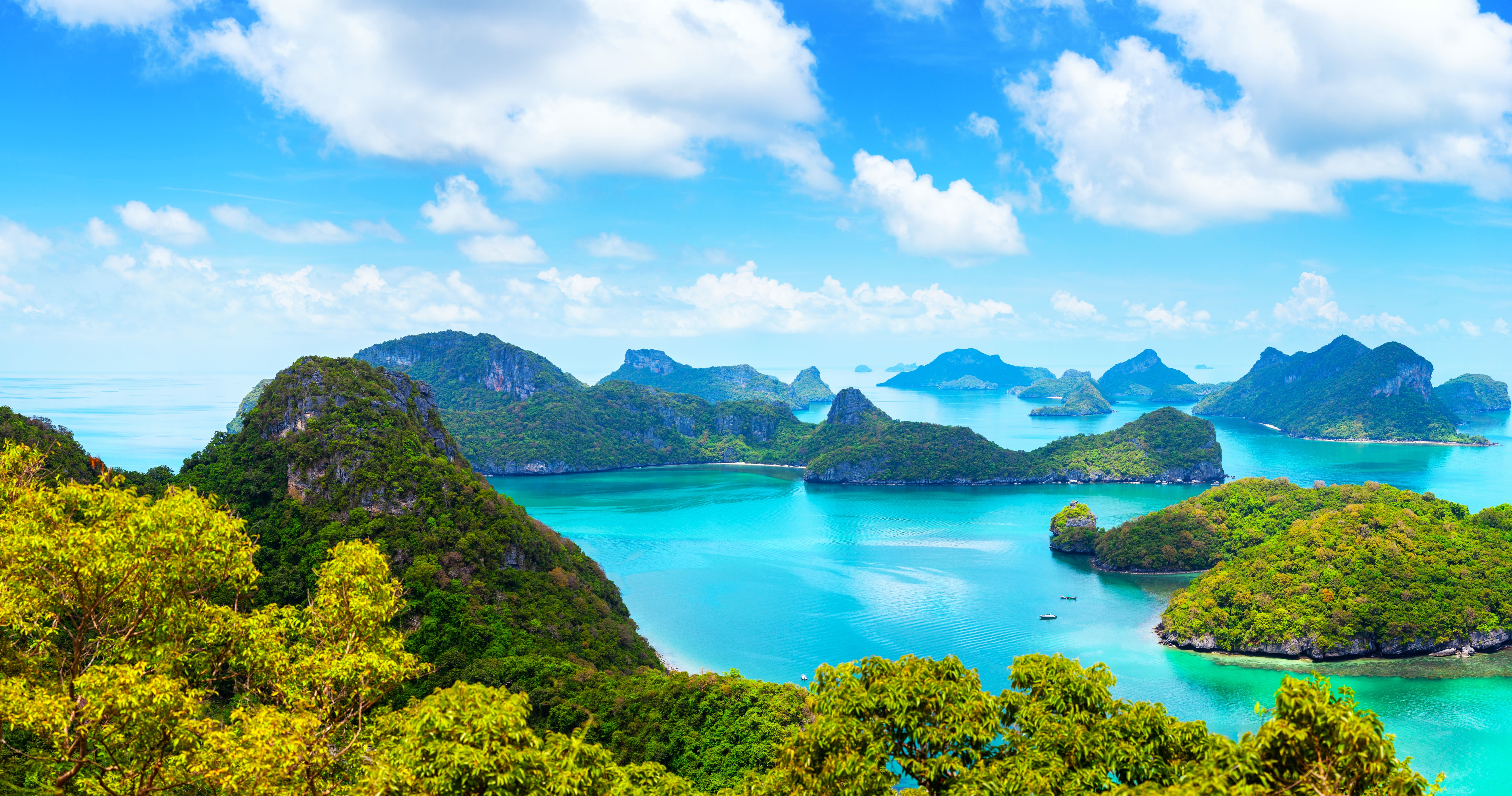
Thailand's third largest island by area, with 247 km², Ko Samui is surrounded by 80 smaller islands, six of which are also inhabited: Pha-Ngan, Ta Loy, Tao, Taen, Ma Ko and Ta Pao. Turquoise beaches, secluded temples, marine parks and distinctive island culture: Samui unfolds as a condensed slice of tropical Thailand, at a deliberately slow pace.
History and cultural identity of Koh Samui
The first inhabitants of Samui were islanders from Hainan Island in China, whose main resource for 150 years was coconut plantations. The Chinese sanctuary, or saan jao, near Siam City Bank in Na Thon, the island's oldest settlement, still displays a map of Hainan.
This heritage explains Samui's cultural difference from other southern islands. Its inhabitants consider themselves Chao Samui (people of Samui), rather than Thai. Today, most hotels, restaurants and bars are run by Thais from Bangkok or by Europeans. To meet genuine Chao Samui, you must venture beyond the beaches into the interior villages.
The island also boasts a distinctive gastronomy based on the ubiquitous coconut, which remains the primary resource for Chao Samui, largely displaced from coconut plantations bordering the beaches. Other fruits are also cultivated: durian, rambutan and langsat. The population is concentrated mainly in Na Thon, on the west coast facing the mainland, but around a dozen villages are scattered inland.
Beaches of Koh Samui
Samui abounds in beaches to explore, each bay sheltering its share of bungalows. The road network circles the island, making travel from one beach to another straightforward. The TAT lists over 250 accommodations. Here are the bays worth knowing.
Chaweng and Lamai (east coast)
Chaweng is the island's longest beach, twice the length of Lamai, with the small Mat Lang island opposite. Clear waters, white sand, coral reefs accessible by snorkeling: it's also the heart of Samui's nightlife, with its bars, restaurants and night market in season.
Hat Lamai holds marked cultural interest thanks to its proximity to two villages. At Ban Lamai stands the Ban Lamai Cultural Hall, a sort of museum of popular arts and traditions. The beach is quieter than Chaweng, with some emblematic granite rocks (Hin Ta and Hin Yai). Chaweng and northern Lamai are the only areas offering water deep enough for swimming from October to April.
Bo Phut, Mae Nam and Big Buddha (north coast)
For more tranquility, head north. Mae Nam, Bo Phut and Big Buddha line the northern tip. Bo Phut and Big Buddha are part of a bay that encloses Ko Faan, the Great Buddha island. The water is less clear than at Chaweng, but the atmosphere is more secluded and accommodation more affordable.
The Bo Phut Fisherman's Village deserves an evening: cobbled streets, old wooden Chinese houses, waterfront restaurants and its Friday Walking Street, a lively night market.
Hidden beaches (west and south coasts)
Hat Thong Yang, on the west coast, is even more secluded but the beach isn't the most beautiful. At Hat Ang Thong, just north of Na Thon, sand gives way to pebbles, but the setting remains picturesque. To the south, the bays of Bang Kao and Taling Ngam offer sunsets over the archipelago.
Temples and spiritual heritage
Beyond natural wonders, a stay in Koh Samui is an opportunity to experience Buddhist spirituality through its temples.
Wat Phra Yai (Big Buddha)
As its English name suggests, this temple houses a 12-meter-high golden Buddha statue, built in 1972. Devotees come daily to leave offerings. The site experiences peak attendance during cultural and religious festivals such as Songkran (Thai New Year) and Loy Krathong.
Wat Kunaram and the mummified monk
This is probably the temple that intrigues travelers most: it houses a mummified monk. His name was Luong Pondaeng and he died in 1973 in lotus position. Before his death, he is said to have asked his disciples to cremate his body if it began to decompose; otherwise, he wished to be displayed to remind the faithful of Buddha's teachings. His remains are now visible in a glass case, sunglasses on his face. Entry is free, a donation is appreciated.
Khao Chedi (Rattanakosin Chedi)
This temple, also called Rattanakosin Chedi, sits on the island's southern side. Perched on a hill, it offers sweeping views of Bang Kao Bay and Koh Matsum and Koh Tan islands. Its charm lies in its white chedi and the many white Buddhas it houses.
Waterfalls and interior nature
Samui is more than just coastline. The island's mountainous, jungle-covered interior is home to two accessible waterfalls.
The Hin Lat waterfall, 3 km from Na Thon, is worth the detour. You can reach it on foot: walk 3 km on the main road south of town, turn left at the hospital, follow that road for 2 km to the entrance. From there, allow half an hour's walk to reach the summit. Free access.
The Na Muang waterfall, in the island's center 10 km south of Na Thon, is higher and less crowded. Two successive falls (Na Muang 1 and 2), natural pools for swimming, jungle trail between the two. Access is by songthaew from Na Thon, Chaweng or Lamai. Free access, paid parking. Allow 2 to 3 hours for a visit.
Ang Thong Marine National Park
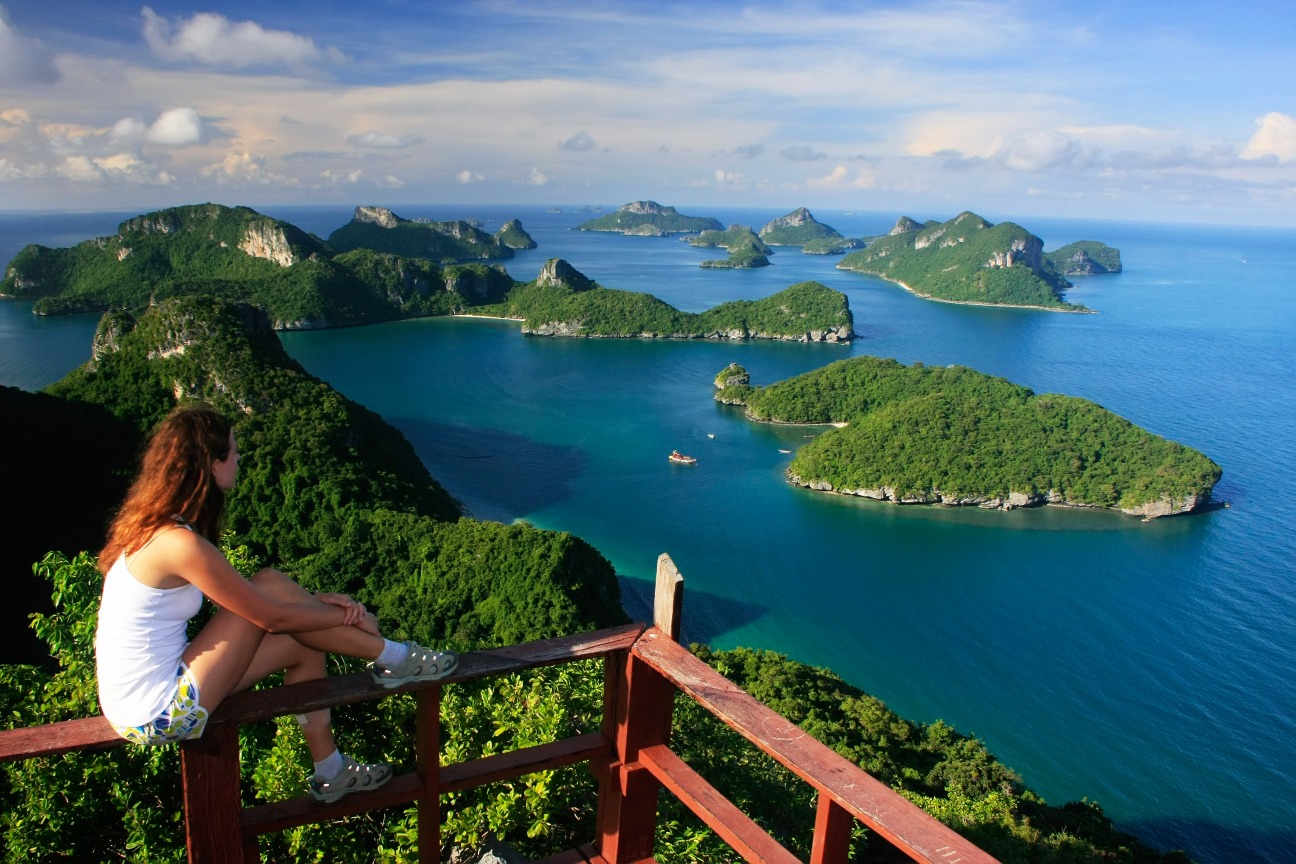
The park itself covers 18 km² of islands, with an additional 84 km² of marine habitat, 31 km northwest of Samui. From Ko Samui, day excursions combine navigation between limestone islets, swimming in the emerald lagoon (Talay Nai) and hiking to the viewpoint.
You can also visit Tham Bua Bok, a cave with lotus-shaped formations. At least once a month, a two-day stay is organized with a night in a bungalow on Ko Wua Ta Lap, where the park offices are located. Snorkeling, sea kayaking in the waterways between islands: Ang Thong remains one of the most memorable excursions of your trip.
Top activities in Koh Samui
Snorkeling and diving: coral reefs at Chaweng, Lamai and around the Mat Lang islet. To venture further, Koh Tao remains one of Asia's best diving destinations.
Sea kayaking: around Ang Thong islands, through mangroves on the south coast.
Thai cooking classes: numerous schools at Bo Phut and Lamai, half-day sessions with market visit and preparation of 4 dishes.
Spa and massage: from traditional Thai massage beachside (300-500 baht per hour) to wellness retreats in Lamai and Choeng Mon.
Night markets: Bo Phut's Walking Street on Friday for atmosphere, Lamai's market on Sunday for authentic street food.
Excursion to Koh Phangan: 30 minutes by ferry from Bo Phut, ideal for the famous Full Moon Party or the island's secluded northern beaches.
Where to stay in Koh Samui
The island covers the full spectrum, from family-run guesthouses to luxury villas with private pools. A few pointers to guide your choice.
Guesthouses and bungalows (€15-30/night): mainly at Lamai, Mae Nam and secondary beaches. Simple setting, family-friendly service, often just steps from the sea.
Boutique hotels and mid-range resorts (€60-120/night): well-represented at Bo Phut and Choeng Mon, often beachfront with pools, ideal for comfortable stays without excess.
Upscale lodges and villas (€150+/night): concentrated on Chaweng Noi, Taling Ngam and Bophut hillsides, with sea views, spa services and refined dining.
For a first visit, Bo Phut offers the best balance: quick airport access, village atmosphere, varied restaurants. Chaweng suits you if you seek nightlife, Mae Nam or Lamai for tranquility.
When to visit Koh Samui
The dry and warm season, from February to late June, is the best time to visit Samui. Calm seas, clear skies, temperatures of 28 to 32 °C.
From July to October, passing showers cool the atmosphere without spoiling your stay. From October to January, winds can be strong and seas rough. In November, the island receives the monsoon that also drenches Malaysia's east coast: it's the wettest month. Prices soar from December to February, peak tourist season despite temperamental weather.
How to get there
By air
Koh Samui Airport (USM), operated by Bangkok Airways, welcomes about a dozen daily flights from Bangkok (1h20 flight time). Connections also exist from Phuket, Chiang Mai and several Asian capitals. While fares are steep, it's possible to reach Surat Thani with Thai Airways or AirAsia, then finish by combined bus and ferry.
By ferry
Several companies connect the mainland to Samui from Don Sak port (Surat Thani province): Raja Ferry and Seatran (1h30 crossing, around 200 baht). From Surat Thani town, combined bus and ferry tickets are available. To reach neighboring islands, the Lomprayah catamaran serves Koh Phangan (30 min) and Koh Tao (1h30) several times daily.
By train
State Railway of Thailand offers combined train-bus-boat tickets from Bangkok to Samui. Allow one night in a sleeper train to Surat Thani, then bus and ferry. An economical but lengthy option (14 to 16 hours door-to-door).
Getting around the island
Songthaew
These converted pick-ups ply Koh Samui's main roads as shared taxis. No fixed stops: you board and alight where you wish. Price negotiated before boarding (20 to 100 baht depending on distance).
Scooter
Rental at around 200 baht per day. International driving permit recommended and minimum riding experience essential: traffic around Chaweng is dense and interior roads winding. Helmet mandatory.
Car
For family travel or bad weather, renting a private car remains most comfortable. Expect around 800 baht per day for a compact.
Taxi
Official taxis exist but drivers rarely turn on the meter. Negotiate the fare beforehand or use the ride-hailing apps available on the island.
Insider tips
Money: no trouble changing currency at Na Thon, Chaweng or Lamai, where banks offer daily service. ATMs ubiquitous (around 220 baht fee per withdrawal for foreign cards).
Avoid November if you can: the wettest month and ferries are sometimes suspended.
Book Ang Thong early: the best excursions (small groups, kayak included) sell out fast in high season.
Night markets: prefer Bo Phut's Walking Street on Friday for the vibe, Lamai's market on Sunday for authentic street food.
Temple etiquette: shoulders and knees covered, shoes removed before entering the main hall.
Coral protection: use reef-safe sunscreen for snorkeling at Chaweng, Lamai or Ang Thong.
Who is Koh Samui right for?
Couples seeking relaxation: Bo Phut, Choeng Mon and Taling Ngam for their villas with pools and spas.
Families: Mae Nam and Choeng Mon offer calm, shallow, child-safe beaches.
Nature travelers: excursions to Ang Thong, waterfall hikes, kayaking in mangroves.
Party-goers: Chaweng for its bars and clubs, neighboring Koh Phangan for the Full Moon Party.
Divers: base yourself in Samui or Bo Phut, day trips to Koh Tao and Sail Rock.
Extend your journey
Koh Samui is also an excellent gateway to the rest of Thailand's Gulf: Koh Phangan 30 minutes by ferry from Bo Phut for the Full Moon Party and wild beaches, Koh Tao 1h30 away for diving among Asia's finest, and Surat Thani on the mainland as a stepping stone south.
Organize your trip to Koh Samui
Our local expert from the agency helps you incorporate Koh Samui into a custom-made Thailand journey, whether a beach escape or a combination with Bangkok and the north. A few inspiring itineraries:
The Duo: Bangkok & Koh Samui — 14 days, capital and island leisure.
Relaxation & Immersion in Thailand — 14 days from €1490, balancing culture and beaches.
Thailand's islands in summer — 14 days from €1190, hopping between Samui, Phangan and Tao.
Summer escape in Thailand — 18 days, full kingdom itinerary.
Discover the agency and connect with an advisor to craft your itinerary.
Frequently asked questions
The best period runs from February to June, during the dry season, with calm seas and clear skies. Avoid November, the wettest month, and December to February if you wish to escape high-season prices.
Two main options: direct flight with Bangkok Airways (1h20 flight, a dozen daily flights), or a combination of train or flight to Surat Thani followed by bus and ferry from Don Sak (1h30 crossing).
The songthaew (20-100 baht) remains the most economical option. For more freedom, rent a scooter (200 baht/day) or car (800 baht/day). Taxis are rarely used as drivers seldom activate the meter.
Chaweng and Lamai (east coast) for turquoise waters and activity, Mae Nam and Bo Phut (north) for tranquility and sunsets, Choeng Mon for families.
The Big Buddha (Wat Phra Yai), Wat Kunaram and its mummified monk, the Na Muang and Hin Lat waterfalls, Bo Phut's Fisherman's Village and a day excursion to Ang Thong National Marine Park.
Four to five days allow you to enjoy the beaches, visit two or three temples and dedicate a day to Ang Thong. A week is ideal for adding an escape to Koh Phangan or Koh Tao.
Yes. Koh Phangan is reached in 30 minutes by ferry from Bo Phut, Koh Tao in 1h30 by Lomprayah catamaran. A combination of all three islands is a very popular formula for exploring Thailand's Gulf.
Yes, particularly Mae Nam, Choeng Mon and northern Lamai beaches, with shallow, calm waters. Excursions to Ang Thong (kayaking, snorkeling) appeal to children from age 6-7 onwards.
Photos
Also discover
Koh Tao
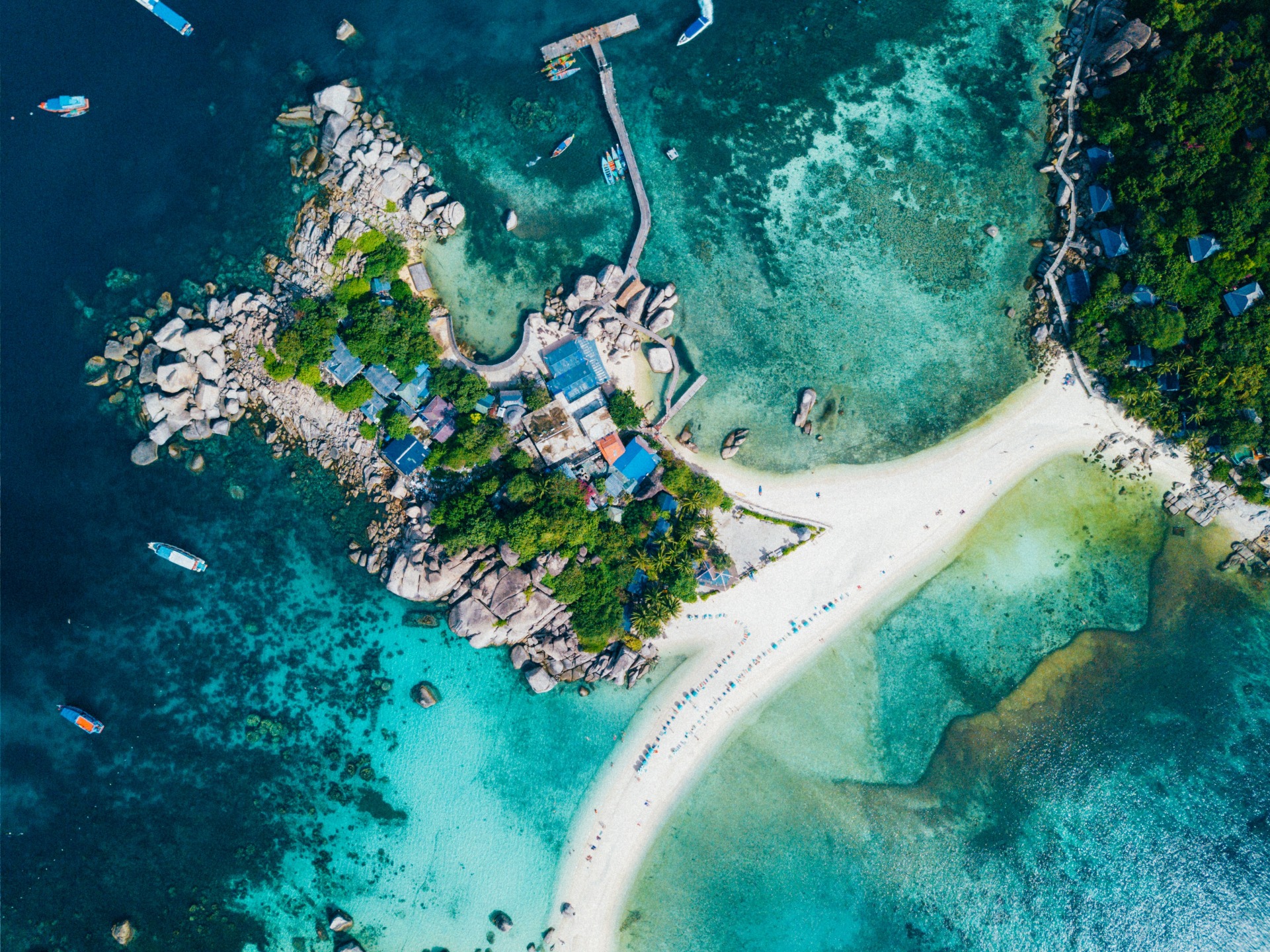
World capital of recreational diving, Koh Tao concentrates on 21 km² tropical jungle, coral bays and the iconic Nang Yuan islet.
Koh Phangan
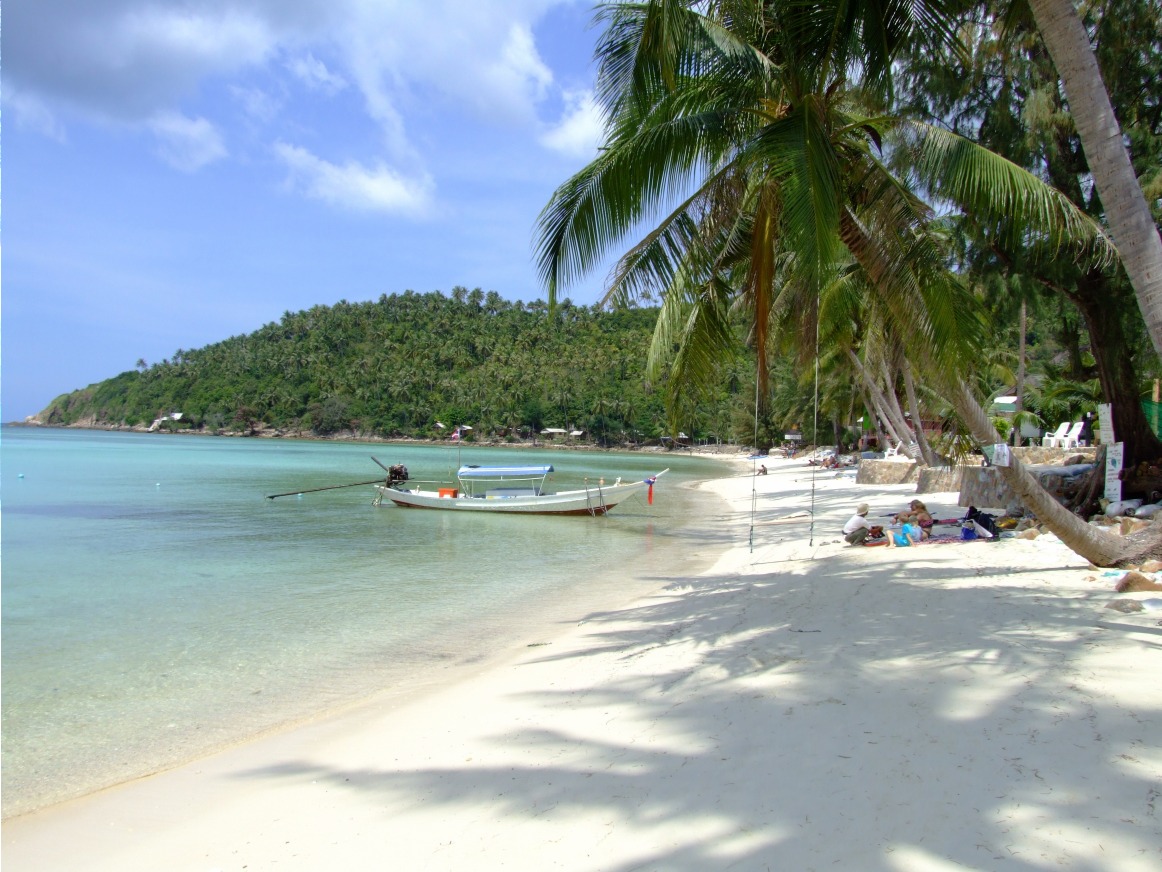
Koh Phangan, a tropical island in the Gulf of Thailand, where Full Moon Party, yoga retreats in Srithanu and unspoiled coves coexist in still very wild nature.
Surat Thani
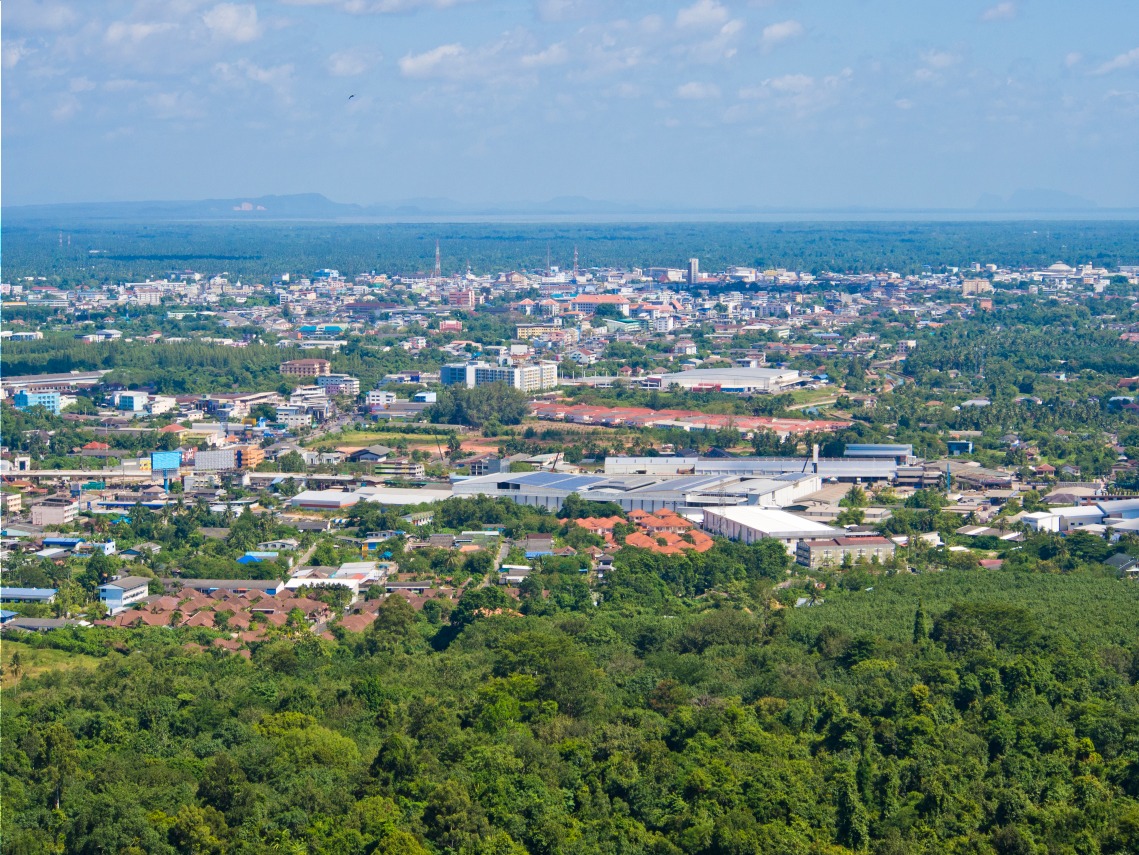
Surat Thani, the provincial capital of southern Thailand, is far more than a gateway to Koh Samui: Srivijaya temples, Bandon Bay and a living Buddhist heritage.
Want to discover this destination?
Our local advisors design your tailor-made trip.