Songkhla Lake (Thale Sap Songkhla)
Songkhla Lake, Thailand's largest natural lake, unfolds stilt fishing villages, fan-shaped nets and wetlands teeming with migratory birds between Songkhla and Phatthalung.
Songkhla Lake — Thale Sap Songkhla in Thai — is Thailand's largest natural lake, spanning the provinces of Songkhla, Phatthalung and Nakhon Si Thammarat. Connected to the Andaman Sea and the Gulf of Thailand, this lagoon system is home to stilt fishing villages, migratory birds and unique aquatic wildlife. It forms the economic and ecological heart of southern Thailand.
Quick reference
- Access: from Songkhla town or Hat Yai by songthaew or taxi; Hat Yai is the main regional gateway.
- Recommended duration: half-day to full day for a boat excursion.
- Dress code: no particular clothing restrictions; bring sun protection for time on the water.
What to see
The lake is divided into three distinct basins: the Thale Luang (freshwater), the Thale Sap (brackish water) and the Thale Noi to the north. Stilt fishing villages dot the shorelines, with their characteristic web-like nets typical of the south. Water buffalo occasionally traverse the marshy areas along the edges.
History and context
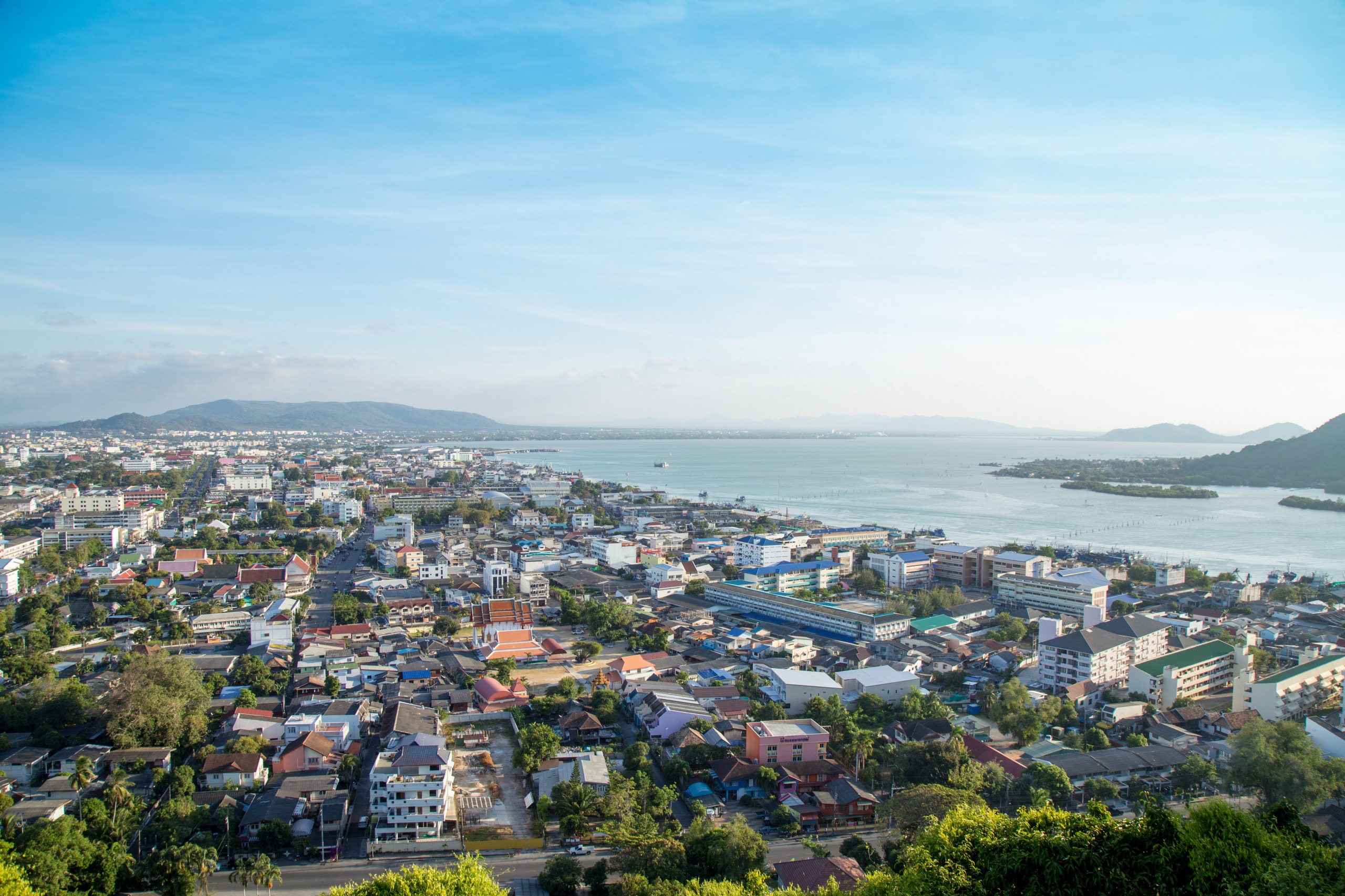
The lake has shaped the region's history for centuries. Trade exchanges between Malay and Siamese kingdoms relied on its navigable waterways. The city of Songkhla, founded on its eastern shore, owes its development to this aquatic crossroads. Today, fishing remains the primary activity of riverside communities, passed down through generations.
Highlights of your visit
Thale Noi and its migratory birds
The Thale Noi Waterfowl Reserve, at the northern tip of the lake, is one of Southeast Asia's most important wetlands. Between November and April, thousands of migratory birds — jacanas, purple herons, egrets — colonise the lotus marshes. A motorised boat trip allows you to approach the colonies without disturbing them.
Stilt fishing villages
Villages like Ko Yo, an island linked by bridge to the middle of the lake, epitomise traditional lacustrine life. Ko Yo is also renowned for its hand-woven cotton fabric, sold in local craft shops. The island's early morning market offers dried fish and southern specialities.
Fan-shaped fishing nets
The web-shaped nets (yor) hoisted on bamboo structures are emblematic of Songkhla Lake. Visible from the banks or by boat, they remain actively in use and offer a striking photographic subject, especially at dawn.
Photography tips
The golden morning light, between 6 am and 8 am, enhances the fishing nets and reflections on calm water. At Thale Noi, prioritise the early hours to photograph birds before the heat sets in. A telephoto lens is useful for birdlife. Sunsets from Songkhla's shores offer silhouettes of fishing boats against an orange backdrop.
Location and access
The lake borders the town of Songkhla to the east and extends northward to Phatthalung. Hat Yai, roughly 30 km to the west, is the most accessible transport hub with an international airport and railway station. Songthaews regularly connect Hat Yai to Songkhla. For Thale Noi, you'll need to reach Kwian Nai district in Phatthalung province.
In the surrounding area
- Old Town Songkhla — Sino-Portuguese architecture and Buddhist temples within walking distance of the lake.
- Ko Yo — lacustrine island renowned for its artisanal fabric and local products market.
- Hat Yai — bustling regional capital, an ideal starting point for exploring the lake.
- Thale Noi Waterfowl Reserve — protected wetland, a paradise for migratory birds in the dry season.
Frequently asked questions
The dry season, from November to April, is ideal: migratory birds are present at Thale Noi and weather is mild. Avoid the monsoon (May-October) which can make boat excursions difficult.
Motorised boats can be hired from Songkhla and Thale Noi landing points. Local agencies in Hat Yai offer guided excursions combining the lake with a visit to Ko Yo.
Yes, easily. Old Town can be explored on foot in two to three hours. A full day allows you to combine a morning on the lake with an afternoon exploring the Sino-Portuguese alleyways.
No official restrictions, but it's courteous to ask locals' permission before photographing them closely. Nets and landscapes are freely photographable.
Songthaews (shared minivans) regularly connect Hat Yai to Songkhla. For Thale Noi, a private vehicle or organised excursion is more convenient, as direct public transport is limited.
Interested in this visit?
We can include it in your personalised itinerary.