Wat Phrathat Doi Phra Chan
A mountain Buddhist temple in Lampang province, Wat Phrathat Doi Phra Chan enshrines a venerated golden chedi and offers an authentic pilgrimage experience away from mass tourism circuits.
Perched on Doi Phra Chan in Lampang province, northern Thailand, Wat Phrathat Doi Phra Chan is a revered mountain Buddhist temple known for its sacred relics. The ascent requires physical effort, giving it a contemplative atmosphere far removed from mainstream tourist routes. The panorama of forested hills beyond and the genuine devotion of Thai pilgrims make it an authentic experience of Northern Buddhism.
What to See
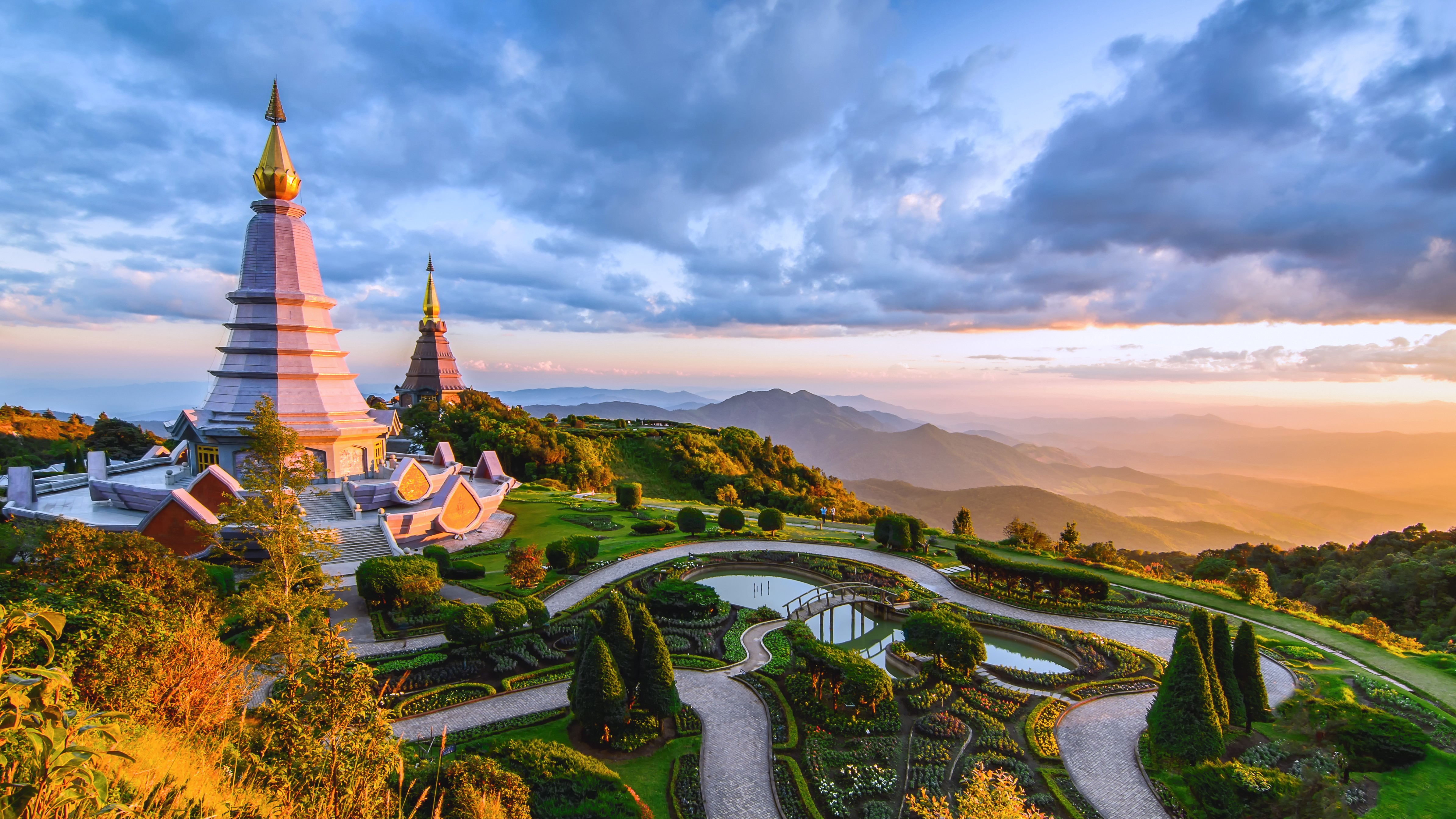
The centerpiece is a golden chedi (stupa) housing Buddha relics, drawing pilgrims from across the region. The architecture blends Lanna and classical Thai styles. Buddha statues, prayer flags, and offerings flourish around the main stupa. The dense forest enveloping the temple reinforces its sanctified, isolated sanctuary feel.
History and Context
The temple is tied to the Lanna tradition, the historic northern Thai kingdom where Lampang was a significant city. Mountain stupas of this type served both as sacred territorial markers and repositories for relics. The precise founding date of Wat Phrathat Doi Phra Chan is not firmly established in available sources, but its antiquity is acknowledged by local communities.
Highlights of Your Visit
The Golden Chedi and Its Relics
The main stupa concentrates pilgrims' devotion. Circumambulating clockwise (pradakshina) is the expected ritual gesture. The gilding's shimmer contrasts strikingly with the surrounding forest canopy.
The Panorama from the Summit
The elevation of Doi Phra Chan affords clear views across Lampang's valleys and forested hills. Early morning light, before mist clears, lends the landscape particular depth.
The Pilgrimage Atmosphere
Unlike heavily trafficked urban temples, this one draws mainly Thai pilgrims. Observing ritual offerings—lotus flowers, incense sticks, gold leaf—provides direct insight into living Buddhist practice.
Etiquette and Visiting Rules
- Covered dress required : shoulders and knees covered for all visitors.
- Remove shoes before entering sacred buildings and around the main chedi.
- Respectful behavior : speak softly, avoid inappropriate gestures near statues.
- Women should not touch monks or hand objects directly to them.
Photography Tips
Morning light is most favorable: it illuminates the golden chedi face-on and minimizes harsh shadows. Avoid midday direct sun. Always request implicit permission before photographing pilgrims at prayer. Interiors may prohibit photography—check signage on site.
Location and Access
The temple sits in Li District, Lampang province, northern Thailand. Reaching it from the town of Lampang requires a personal vehicle or motorcycle taxi to the base of Doi Phra Chan, followed by a steep climb on foot or by other means depending on track conditions. Mountain roads can be challenging during the rainy season. Direct public transport from Lampang is not reliably documented.
Nearby Attractions
- Wat Phra That Lampang Luang — one of Thailand's finest preserved fortified Lanna temples, in the same province.
- Lampang (Town Centre) — historic city famous for horse-drawn carriages, teak mansions, and local temples.
- Lampang Elephant Conservation Centre — care and education program for Asian elephants, near Lampang.
Frequently asked questions
The dry season (November to April) is most accessible: the access track is in better condition and clear skies favor panoramic views. Avoid the rainy season (June-October) unless you have a suitable vehicle.
Yes. Covered shoulders and knees are required, as in all Thai Buddhist temples. Wear shoes that are easy to remove.
Yes. Wat Phra That Lampang Luang and Lampang town centre can easily be visited the same day with your own transport. Plan the climb to Doi Phra Chan in the morning when it's cooler.
Photography is generally allowed outdoors. Inside buildings, observe any prohibition signs. Do not photograph pilgrims at prayer without discretion.
Mountain temples of this type are often free to enter, though a donation box is present. A specific foreign visitor fee is not reliably documented—bring small change as a precaution.
Interested in this visit?
We can include it in your personalised itinerary.