Northern Thailand and Chiang Mai
Our region, home to the ancient Lanna kingdom: the old city of Chiang Mai, the Mae Hong Son loop, Karen villages of Doi Inthanon and the khao soi culinary tradition.
Northern Thailand is our playground every single day! Our offices are based in Chiang Mai and we explore these valleys year-round. From the Ping Basin to the ridges bordering Myanmar, this region captivates us with its diversity.
Geography shapes the unique character of Northern Thailand. Picture a succession of north-south mountain ranges interspersed with lush valleys where rice paddies flourish. Doi Inthanon peaks at 2,565 meters and marks the roof of the country. The Ping, Wang, Yom and Nan rivers flow toward the central plain and have shaped traditional settlement patterns.
This topography explains why the North long remained distinct from Bangkok's influence. The ancient Lanna kingdom left its imprint here: writing, cuisine and temple architecture still differ markedly from central Thailand.
Chiang Mai, gateway to Northern Thailand
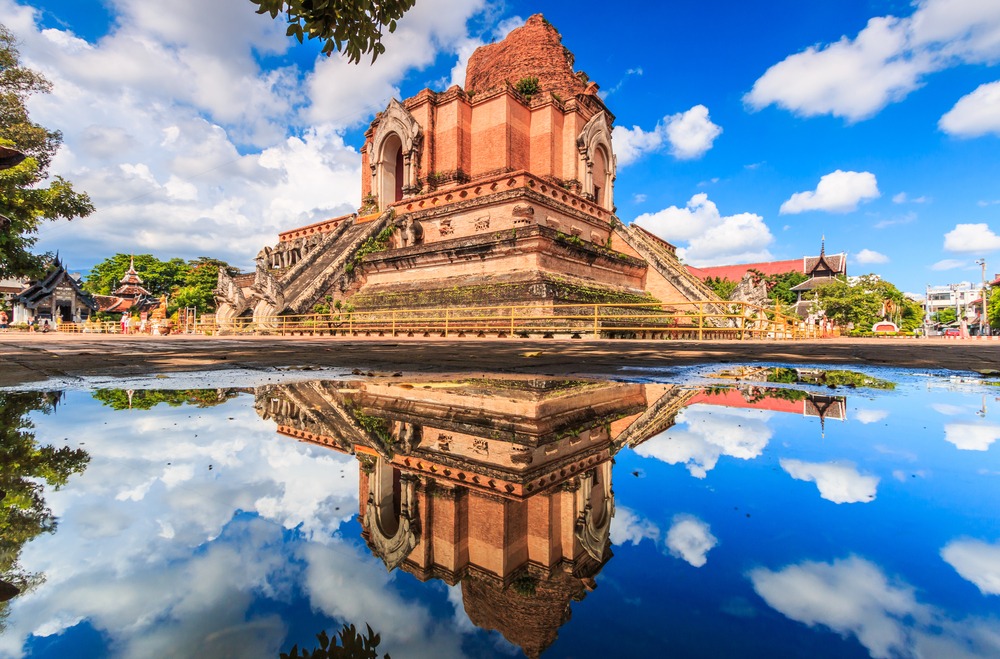
Chiang Mai concentrates the bulk of visitor arrivals. The old city forms a square roughly 1.5 kilometers on each side, surrounded by moats and red-brick gates. It shelters around thirty active temples, including the must-see Wat Phra Singh and Wat Chedi Luang. The latter still bears the scars of the 1545 earthquake that damaged its tall chedi.
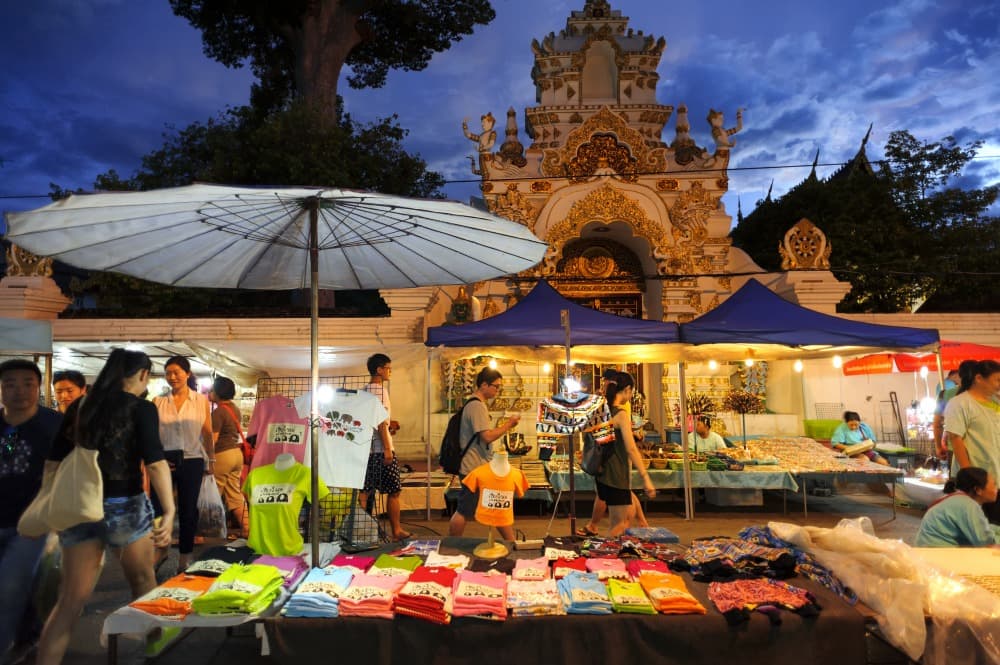
Beyond the ramparts, the trendy Nimmanhaemin neighborhood buzzes with design cafés, art galleries and workshops of young creators. Sunday evenings, don't miss the night market on Ratchadamnoen. It's THE weekly gathering to taste khao soi, this delicious yellow curry noodle soup served with raw shallots and lime.
What to discover in Northern Thailand
The legendary Mae Hong Son loop
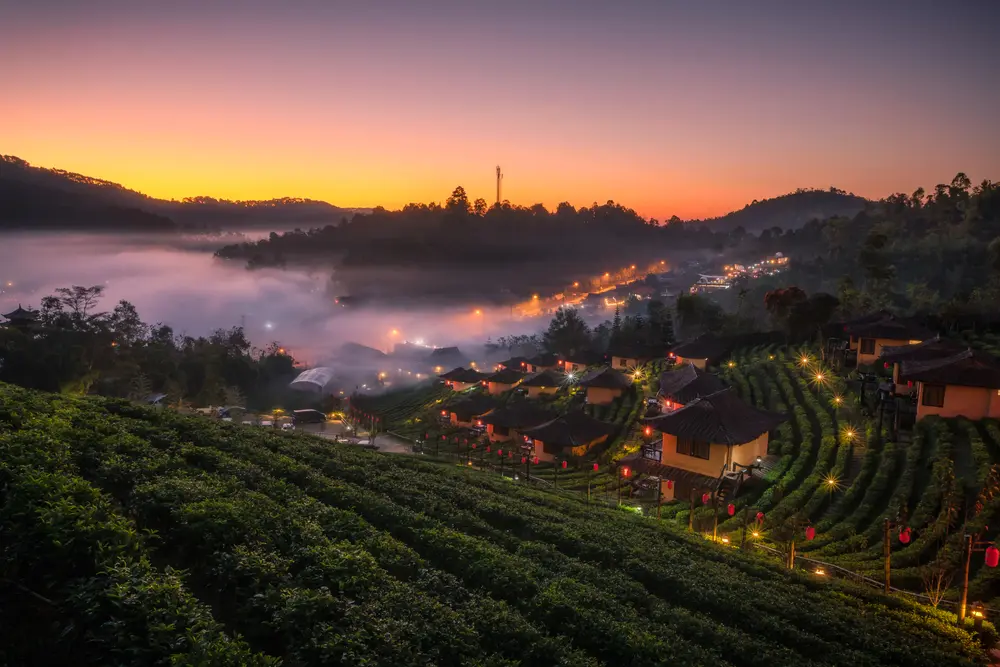
Beyond Chiang Mai, the region unfolds into several fascinating territories. The mythical Mae Hong Son loop features exactly 1,864 curves over roughly 600 kilometers! This serpentine road winds through Pai, often shrouded in morning mist from November to January, then Mae Sariang.
Allow a minimum of 4 days of driving if you want to enjoy stops along the way. More if you include trekking. The frontier ridge scenery and Shan villages more than justify these hours behind the wheel.
Chiang Rai and the Golden Triangle
Three hours northeast of Chiang Mai, Chiang Rai serves as the gateway to the famous Golden Triangle. The city is home to the striking Wat Rong Khun, nicknamed the "white temple." This contemporary work by artist Chalermchai Kositpipat remains under construction and looks like nothing you've ever seen!
Doi Inthanon and its Karen villages
The country's highest point at 2,565 meters offers breathtaking landscapes. Moss forests, Wachirathan waterfalls and terraced rice fields compose a stunning tableau. Around Mae Klang Luang, Karen hamlets welcome you in their bamboo bungalows at 1,300 meters altitude.
Encounters with hill peoples
Mountain communities form an integral part of Northern Thailand's human landscape. Karen, Hmong, Lahu, Lisu, Akha: each ethnicity possesses its own language, traditional habitat and unique ritual calendar.
We work primarily with Karen villages around Mae Chaem and Mae Wang. Our treks last 1 to 3 days, with homestays and local guides. An authentic experience that will stay with you!
Ethical elephant sanctuaries
The elephant question demands an informed choice. We direct exclusively to no-ride sanctuaries where animals rescued from tourism or logging live semi-wild. The best are located in the Mae Wang valley and around Mae Taeng, an hour southwest of Chiang Mai.
These facilities limit visitor groups to a maximum of 6 to 8 per day. You'll observe and care for these giants in complete peace.
Northern cuisine cooking classes
A day at an organic farm around Mae Rim or San Patong beats any restaurant! The program includes a visit to the herb market, preparation of khao soi, nam prik num and sai ua, the famous fermented sausage typical of Chiang Mai.
Yi Peng and Loy Krathong festivals
Mid-November, during the full moon of the twelfth lunar month, Chiang Mai transforms into a fairy tale. Yi Peng sees thousands of rice-paper lanterns rise into the night sky. In parallel, Loy Krathong sets illuminated banana leaf floats drifting down rivers.
It's the most magical AND most crowded period of the year. Book 6 to 8 months in advance!
When to visit Northern Thailand
Ideal season: November to February
The best window undoubtedly stretches from November to February. Clear skies offer sublime landscapes. Days range from 22 to 28°C on the plains, perfect for sightseeing.
Cool nights around 10 to 15°C in Chiang Mai are a real pleasure after daytime heat. On Doi Inthanon, temperatures drop to 5°C. Pack a fleece and beanie for sunrise at altitude!
To avoid: March and April
March and April concentrate two major issues:
Temperatures climb to 38-40°C, difficult to endure
Agricultural burning season fills the air with fine particles
Pollution spikes sometimes reduce visibility to a few hundred meters
We strongly advise against these two months for sensitive travelers or families with young children.
Monsoon: May to October
The monsoon runs from May to October, peaking in August-September. But don't worry! Rain typically falls in late afternoon as 1-2 hour showers.
The countryside turns brilliantly green, rice paddies fill with water and waterfalls flow freely. It's a season we enjoy, despite some trekking trails becoming slippery. October marks a pleasant transition, less crowded, with verdant scenery and already less rain.
Practical advice for Northern Thailand
Recommended length of stay
We recommend 5 to 7 days minimum to do more than just Chiang Mai:
2 days in the old city and surroundings (Doi Suthep, artisan workshops)
1 day dedicated to elephants or a cooking class
3 days looping toward Pai and Mae Hong Son
Or 2 days toward Chiang Rai and the Golden Triangle
How to get there
Chiang Mai International Airport connects directly to Bangkok in 1 hour 10 minutes. Several other Asian capitals are also served, making it an excellent entry or exit point for the country.
The overnight train from Bangkok remains a romantic option: 12 hours of travel through Thai countryside!
Travel combinations
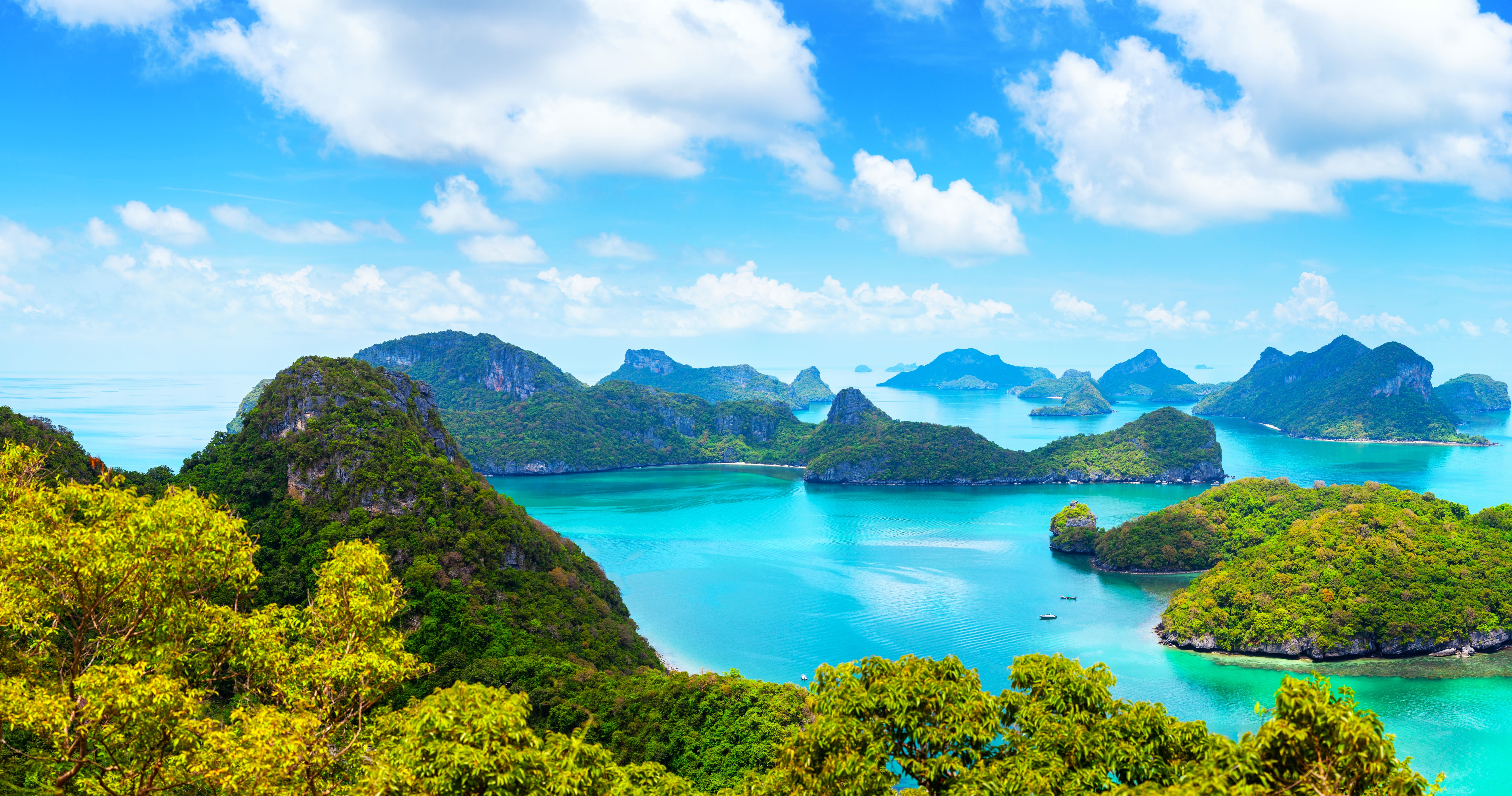
The smoothest combination pairs the North with Bangkok and the central plain at the start of your trip. Then proceed to the Andaman Coast or the Gulf of Thailand for your beach portion via a 1.5-hour domestic flight.
Travelers keen on rural experiences extend instead to Isan, the Northeast. This region is accessible by road from Chiang Rai via the lovely city of Nan.
Budget guide
The North adapts to all budgets:
Family guesthouse: from €30/night
Charming teak hotel: up to €250/night
2-day/1-night trek with guide: €80-120/person
Full-day cooking class: €25-40/person
Elephant sanctuary visit: €50-80/person
Who should visit the North?
The North suits contemplative travelers, moderate-level hikers and families with children from age 6 onwards. It's also ideal terrain for anyone interested in craftsmanship, cuisine and monastic life still very much present.
The local economy rests on rice, altitude coffee planted between 1,000 and 1,500 meters in former opium fields now converted, cotton and silver craftsmanship in San Kamphaeng and Bo Sang, and of course the responsible tourism we champion.
Frequently asked questions
We recommend 5 to 7 days minimum: 2 days in Chiang Mai, 1 day for activities (elephants or cooking) and 3 days to explore Pai and Mae Hong Son or 2 days toward Chiang Rai and the Golden Triangle.
November to February, with clear skies and pleasant temperatures (22-28°C). Absolutely avoid March-April due to agricultural burning that drastically reduces visibility.
Look for no-ride sanctuaries in the Mae Wang valley and around Mae Taeng. They limit visitor groups to a maximum of 6-8 per day and welcome elephants living semi-wild after rescue from tourism and logging.
Lanna cuisine stands apart through unique dishes like khao soi (yellow curry noodle soup), nam prik num and sai ua (fermented sausage). This heritage of the ancient Lanna kingdom differs markedly from central Thai cuisine.
Expect €80 to €120 per person for a 2-day/1-night trek with local guide and homestays in Karen villages. 3-day treks cost between €120 and €180 depending on season.