Sukhothai
Sukhothai
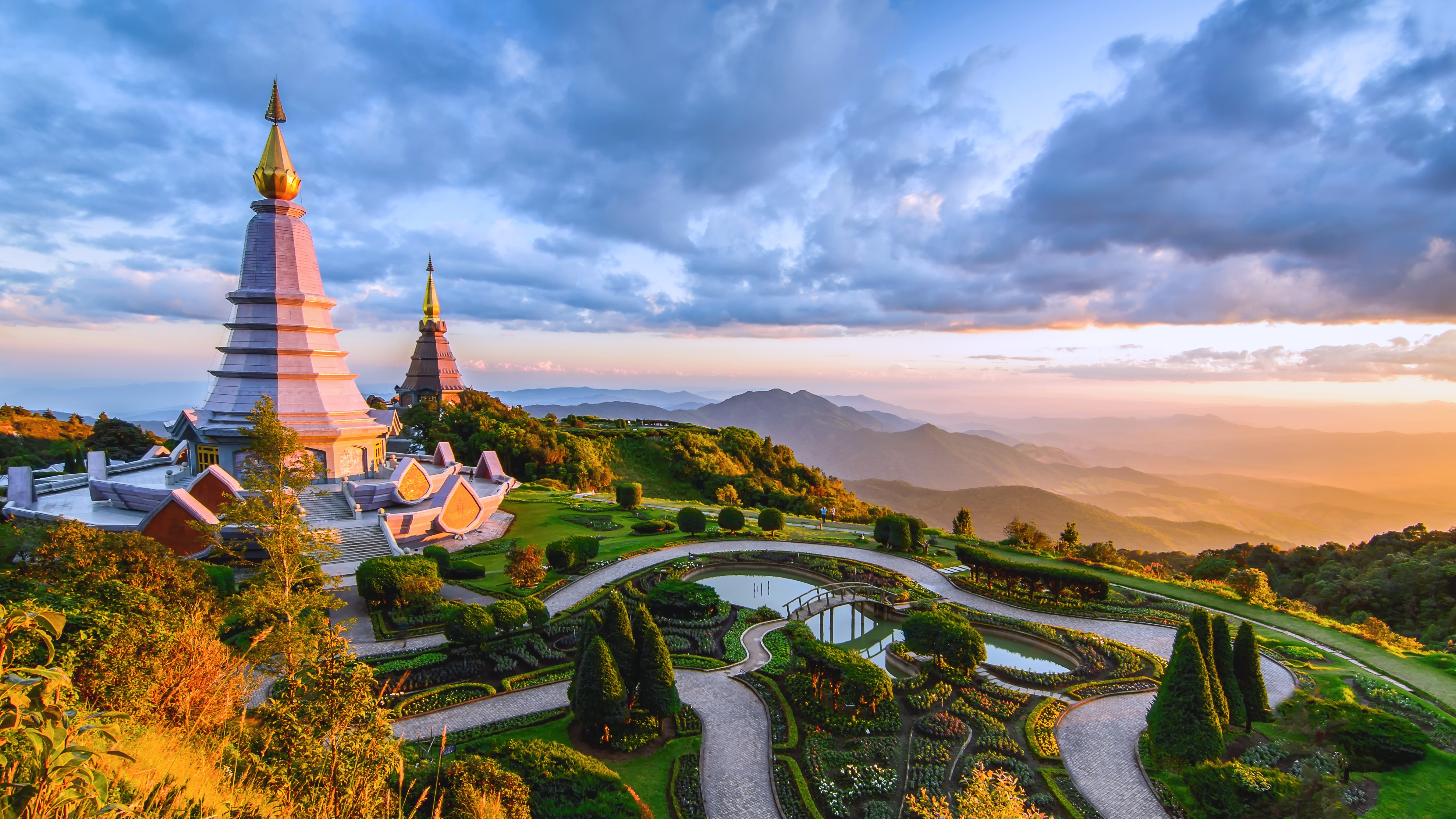
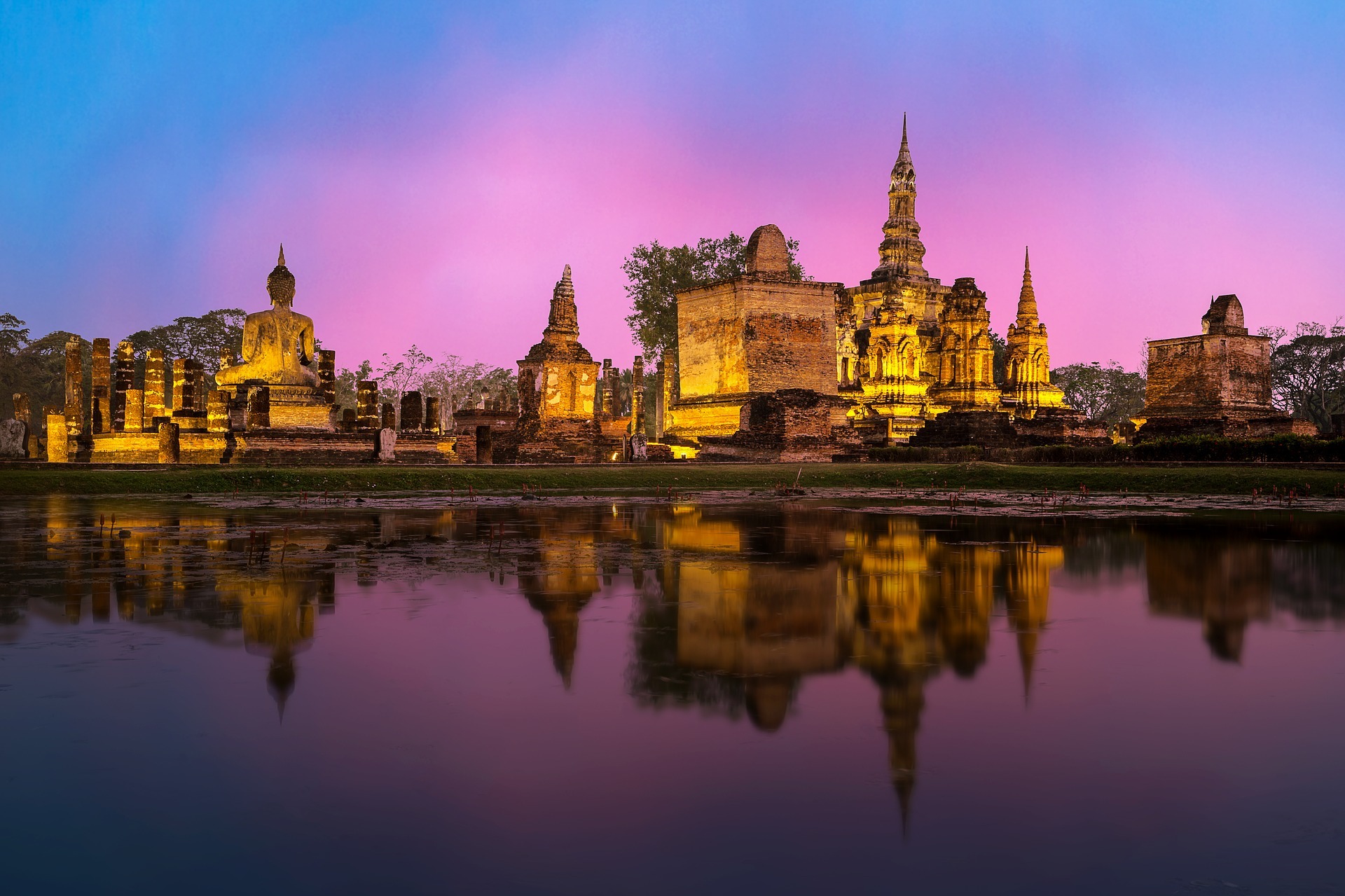
Sukhothai, the dawn of Thai happiness: 200 UNESCO-listed remains, giant Buddhas and serene atmosphere in the heart of northern Thailand.
Sukhothai is a small city inhabited by around thirty thousand people in lower northern Thailand, 427 km from Bangkok. Having been the capital of the first Thai kingdom, it marked a golden age in the country's history. This is precisely why it earned the nickname "Dawn of Happiness."
It comprises New Sukhothai and the old walled city in ruins. The latter primarily attracts history enthusiasts, while the new town serves as the gateway for visitors coming to Sukhothai to discover the famous historical park, inscribed as a UNESCO World Heritage Site.
History
Sukhothai was the first Siamese kingdom to form following the conflict between Thai forces and the Khmer Empire. In 1238, its capital of the same name served as a frontier post of the Khmer empire.
In 1278, King Ramkhamhaeng the Great ascended to the throne for forty years of reign. This marked a golden age of artistic and literary evolution in Thailand.
Indeed, this celebrated King maintained close relations with China, and upon his return from travels, he brought Chinese artisans to teach pottery to his people. Quickly mastered by the Thai, this art enabled the creation of the famous Sawankhalok ceramics.
The reform of various forms of the Khmer alphabet also marked his prosperous and peaceful reign. In 1283, the King invented the Thai alphabet, which is still used today.
King Ramkhamhaeng the Great prioritized religion and culture, and it was during his rule that Buddhism spread widely. It became the official religion, putting an end to Khmer influences and replacing the practice of Hinduism. Furthermore, several Buddha sculptures were created during this era.
Eight kings succeeded him before the end of the first Thai kingdom, where gradual decline became inevitable during the final two reigns.
In 1378, Sukhothai became a vassal state of Ayutthaya.
Visiting Sukhothai Historical Park
Sukhothai Historical Park is located about twelve kilometers from the current city. It groups together remains of important temples, architectural and historical marvels to discover to get a glimpse of what Thailand might have been.
Inscribed on UNESCO's World Heritage List, Sukhothai Historical Park has become, alongside Ayutthaya, an essential destination for travelers visiting Thailand.
Since points of interest are quite far apart, it is advisable to arrange transportation. With your Sawa'Discovery agency, you will benefit from a local guide and vehicle to explore the site and uncover all its secrets.
You may also opt for renting a bicycle or scooter for the day.
The historical park is divided into five zones: the central, east, west, south, and north zones.
Must-See Temples of Sukhothai
The Royal Palace
The Royal Palace occupies the center of the city with two important sites: the royal residence and the royal sanctuary.
Ramkhamhaeng National Museum
Named after the principal king in Sukhothai's history, it is considered one of Thailand's greatest museums. This exceptional monument provides excellent insight into Thai craftsmanship.
Wat Mahathat
Once the religious heart of ancient Sukhothai, this temple remains unmissable with its two standing Buddhas awaiting you at the entrance.
The Statue of King Ramkhamhaeng the Great
This bronze statue located north of Wat Mahathat was created in honor of the city's historical King.
Wat Sra Si
This temple, surrounded by lotus-filled lakes, is known for hosting the Loy Kratong, the festival of lights, celebrated in November.
Wat Sorasak
This temple stands out through its unique architecture adorned with 24 elephants guarding the chedi.
Wat Si Chum
This temple houses a colossal sitting Buddha statue measuring nearly 15 meters in height.
For your visit, you can also explore Wat Traphang Thong, Wat Chana Songkhram, San Ta Pha Daeng, and Wat Mai.
How Much Time to Spend in Sukhothai?
A full day allows you to explore the main temples of Sukhothai Historical Park. Start early in the morning at the central zone, where the most iconic monuments are located, such as Wat Mahathat.
Allocate at least 3 hours to this section. In the afternoon, head toward the north and west zones to discover Wat Si Chum and its surroundings. Plan 2 to 3 additional hours.
History enthusiasts will appreciate extending their stay to two days, allowing time to explore more remote sites such as Sri Satchanalai. This ancient satellite city of Sukhothai, located 50 km away, deserves half a day of visiting.
Sukhothai or Ayutthaya?
The choice between these two archaeological gems depends on your preferences. Sukhothai offers a more serene and authentic atmosphere, ideal for history lovers wishing to immerse themselves in the ambiance of the first Thai kingdom. Its verdant setting and well-preserved remains captivate photographers.
Ayutthaya, closer to Bangkok, attracts more visitors. It offers a livelier experience with its bustling markets and ruins scattered throughout the modern city.
For a short getaway, opt for Ayutthaya. If you have more time, Sukhothai will charm you with its calm and peaceful beauty. The ideal remains to visit both sites to grasp the evolution of Thai art and architecture over the centuries.
Sukhothai Weather
Sukhothai has a tropical savanna climate divided into two essential seasons: summer and winter. It records an average annual temperature of 28°C and average precipitation of 1,295 mm throughout the year.
Winter is particularly dry, with precipitation dropping to as little as 9.3 mm in the driest month. However, the weather remains pleasantly cool even in December, the coldest month. During this period, the average temperature recorded is 24.1°C, while in the hottest month, April, it approaches an average of 33.5°C.
As with the rest of Thailand, the best time to visit Sukhothai is during winter. Specifically between November and March, to escape the humid season and enjoy cooler weather.
How to Get to Sukhothai?
How to Travel from Bangkok to Sukhothai?
Several transport options connect Bangkok to Sukhothai. Flying offers the fastest connection, with daily flights lasting 1 hour 20 minutes. VIP buses cover the route in 7-8 hours, with frequent departures from Mo Chit bus terminal.
For travelers wishing to combine comfort and discovery, taking the train to Phitsanulok (6-7 hours) followed by a local bus (1 hour) is an interesting alternative. Prices range from 400 to 3,000 baht depending on the mode chosen.
Advance booking proves wise, especially during the high season from November to March. Each option presents its advantages in terms of budget, duration, and travel experience.
How to Travel from Sukhothai to Chiang Mai?
The journey between Sukhothai and Chiang Mai offers various transportation options. The bus is the most economical choice, with a journey of approximately 5 hours for a fare of 300 to 400 baht.
Wintour and Green Bus companies provide regular connections throughout the day. For greater comfort, opt for an air-conditioned minivan, which completes the journey in around 4 hours 30 minutes.
Travelers in a hurry can choose a private taxi, more expensive but allowing you to reach Chiang Mai in 4 hours. Book your ticket a few days before departure, especially during the high tourist season from November to February.
Getting Around Sukhothai
To explore Sukhothai and its historical park, bicycle rental remains the preferred choice for travelers. Numerous hotels offer this service, ideal for exploring the ruins at your own pace.
Tuk-tuks are a practical alternative for short distances. Negotiate the price before boarding.
A network of songthaews (converted pick-ups) connect the new city to the historical park. These economical shared minibuses depart regularly from the bus terminal.
For an in-depth guided tour, opt for a tour on an electric scooter. This eco-friendly option allows you to access more remote areas of the archaeological site.
Feel free to combine these different modes of transport according to your preferences and travel itinerary.
Photos
Attractions in Sukhothai
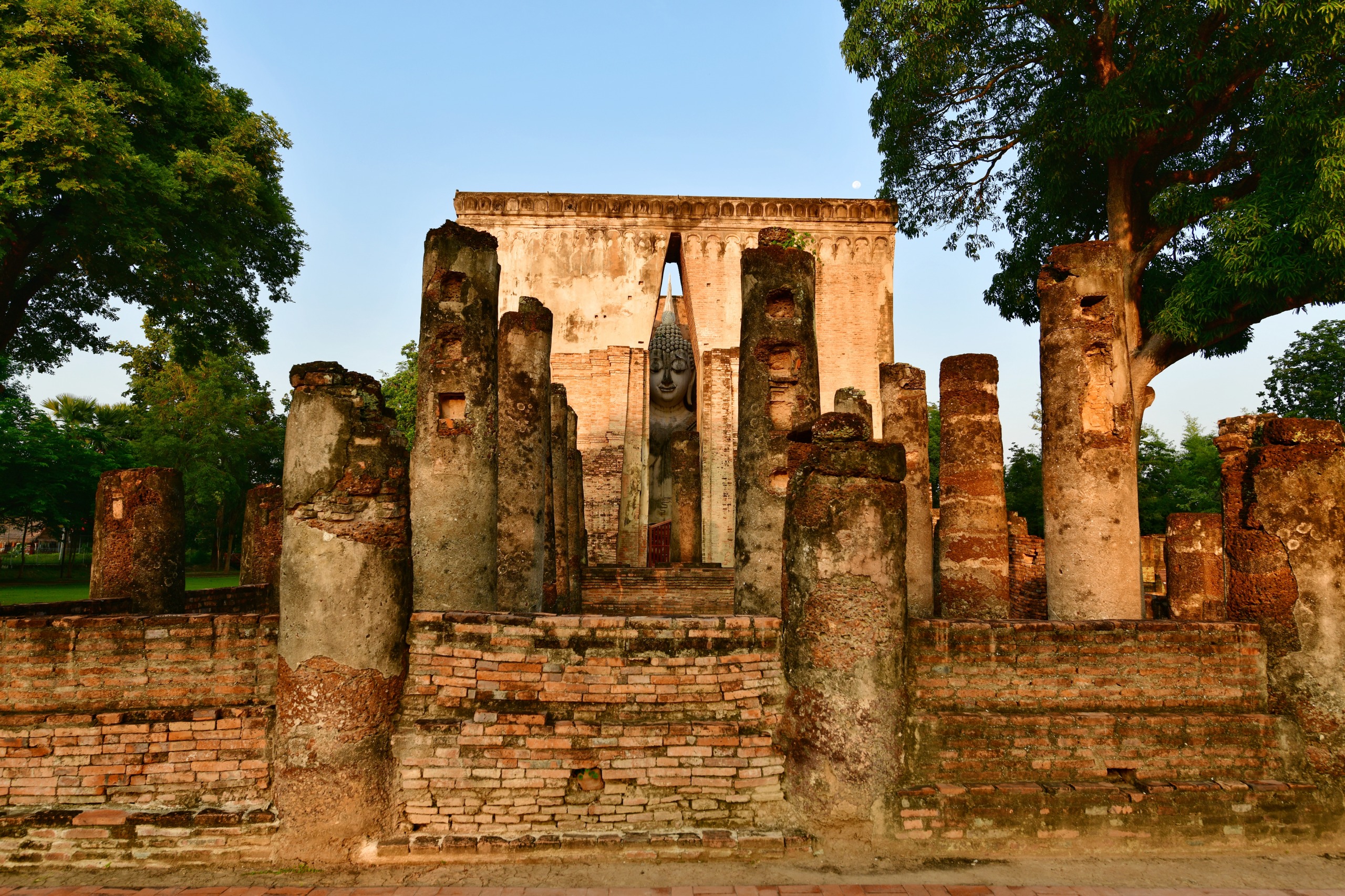
Wat Si Chum
Wat Si Chum est un site incontournable de Thaïlande, plus particulièrement de Sukhothai. Les visiteurs sont séduits par sa beauté et son architecture remarquable.
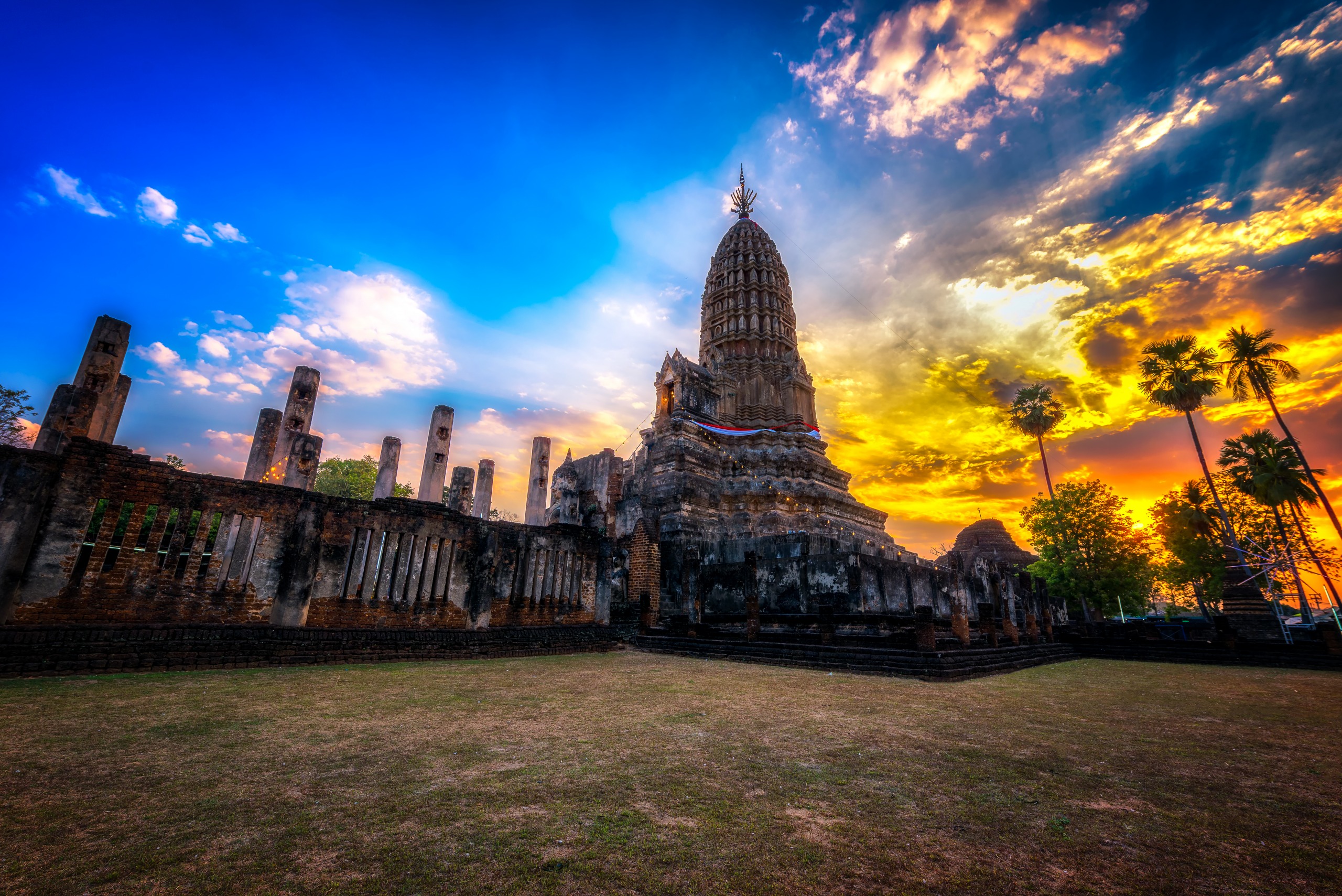
Si Satchanalai
Inscrit à l'UNESCO en 1991, le parc historique de Si Satchanalai conserve 215 ruines de l'ancienne capitale culturelle du royaume de Sukhothai.
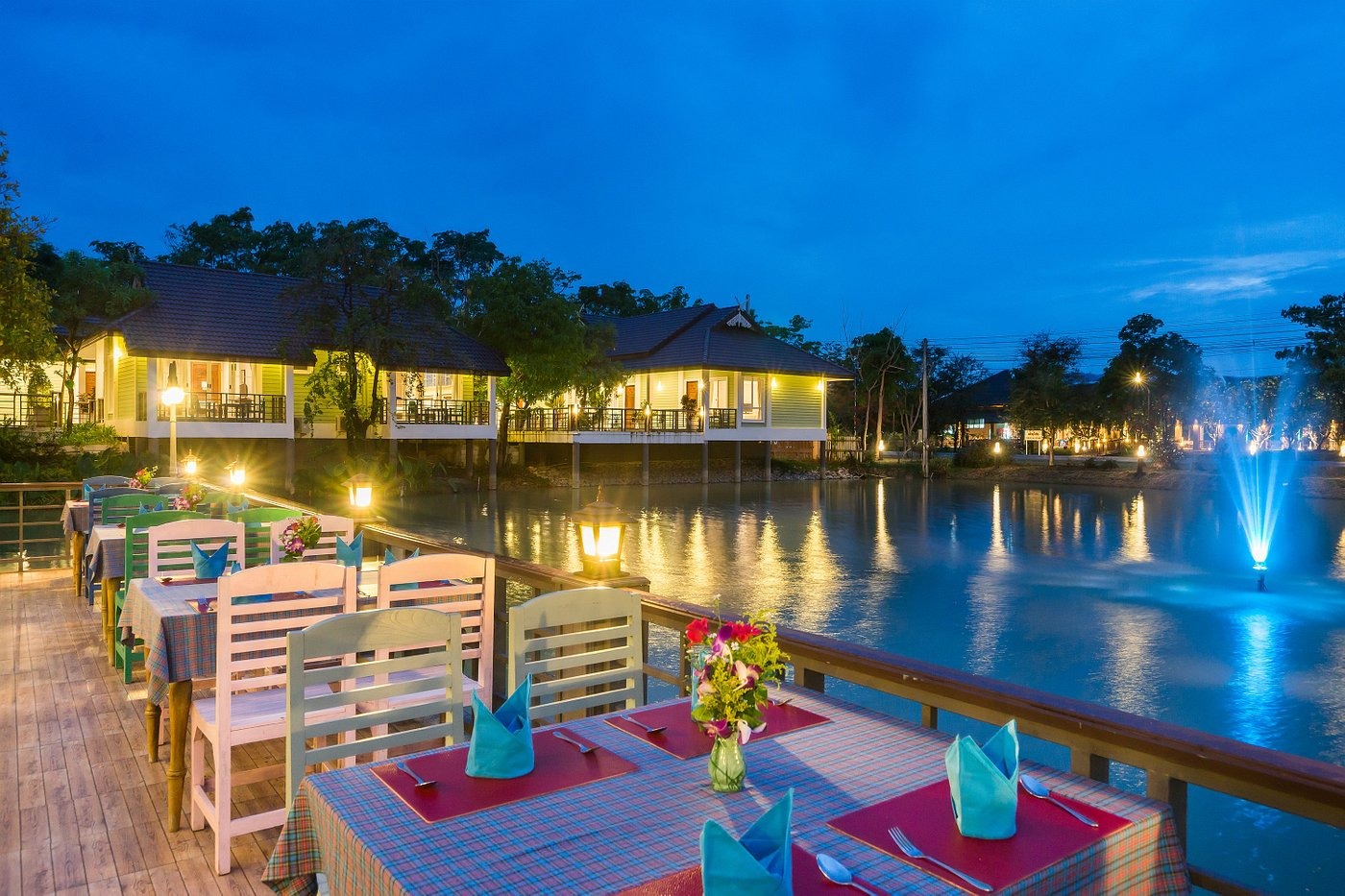
Accommodation in Sukhothai
Also discover
Want to discover this destination?
Our local advisors design your tailor-made trip.