Wat Chedi Luang
Wat Chedi Luang
QXPP+QCQ, 103 Prapokklao Road, Tambon Si Phum, Amphoe Mueang Chiang Mai, Chang Wat Chiang Mai 50200, Thaïlande
A major Lanna stupa in the historic center of Chiang Mai, Wat Chedi Luang preserves six centuries of history, from the reign of Saen Muang Ma to the 1545 earthquake.
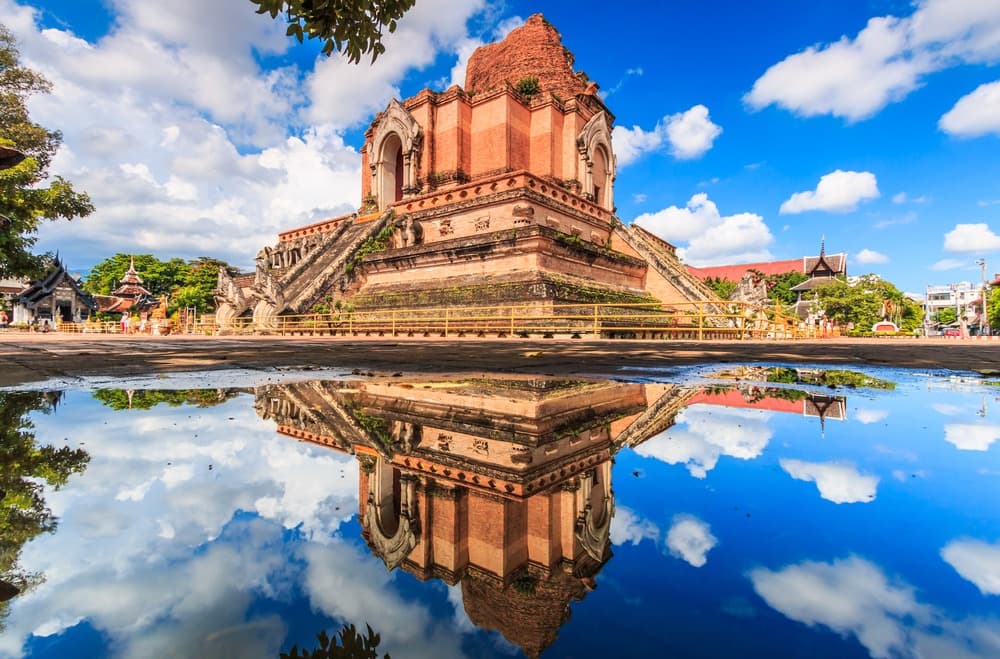
Wat Chedi Luang occupies the historic center of Chiang Mai, within the fortified old city. Built in Lanna style, it houses one of the most imposing stupas in northern Thailand, its truncated silhouette still bearing the mark of the 1545 earthquake.
Why visit Wat Chedi Luang
Three main reasons justify a visit. First, the architecture: the mass of the chedi, even missing its upper section, remains one of the largest religious monuments of Lanna, with a base circumference of more than 54 meters. Next, historical significance: the site sheltered the Emerald Buddha for nearly a century before its transfer to Luang Prabang, and it houses the city's protective pillar (Sao Inthakhin). Finally, the living dimension: the temple remains an active monastery where you can engage with young monks during monk chat sessions.
The temple's history
The name Wat Chedi Luang means "temple of the Great Stupa" or "temple of the Royal Stupa." The foundations were laid around 1385 under King Saen Muang Ma, who wished to erect a suitable place for cremating his father's remains. Work halted a decade later due to political unrest, and the king died before the project's completion. His widow resumed construction, and the edifice was finished between 1450 and 1460.
At its height, the stupa towered over 80 meters high, making it the tallest monument in the Lanna kingdom. The eastern wing then housed the Emerald Buddha, a major dynastic statue of Southeast Asia. In 1545, a violent earthquake damaged the stupa's upper thirty meters. A few years later, in 1551, the Emerald Buddha was removed from the temple and eventually made its way to Luang Prabang, Laos.
The city pillar, Lak Mueang or Sao Inthakhin, was transferred here from Wat Sadeu Muang in 1800 on the orders of King Chao Kawilla. He also had three dipterocarp trees planted near the pillar as a protective measure for the city. The temple also served for the cremation of members of the Lanna royal family.
Rehabilitation work conducted in the 1990s, funded by Japan and UNESCO, restored collapsed elements. The project remained controversial: several specialists criticized the restorers for straying from Lanna architectural conventions, with proportions and ornaments deemed closer to Bangkok pagodas than to the historic north.
What to see on site
The great chedi
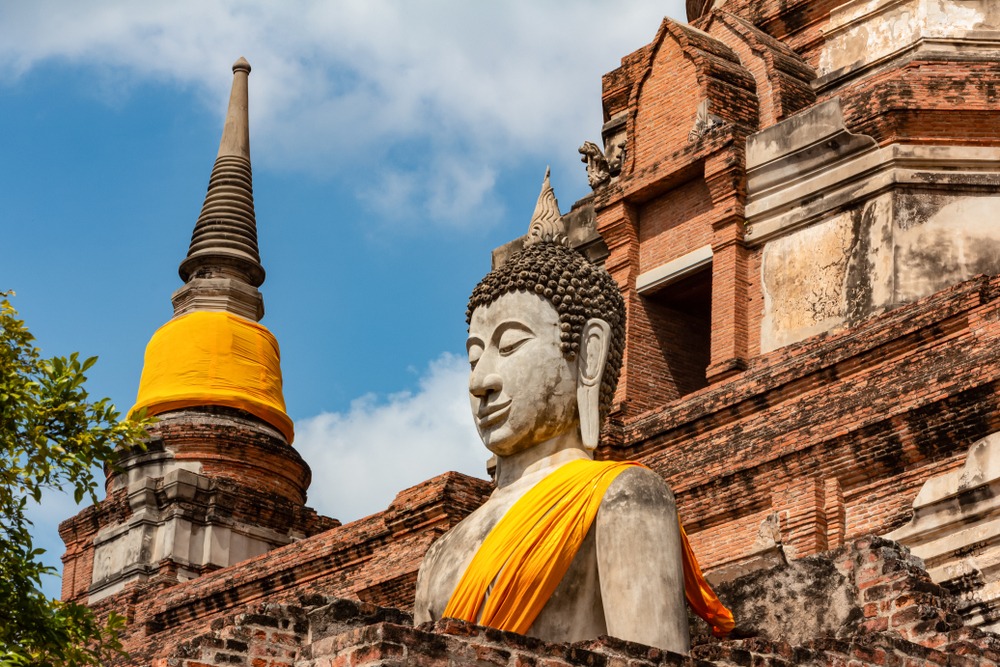
The central stupa remains the complex's dominant feature. You can walk around it to observe the monumental staircases, niches housing Buddha statues, and nāga heads flanking the balustrades. The upper portion was not reconstructed after 1545, giving the monument its characteristic silhouette.
The Phra Phut Chaloem Siriat (Phra Yok)
This black jade statue is installed in a niche of the eastern wing. It was cast in 1995 to celebrate the stupa's 600th anniversary and intentionally reproduces the features of the Emerald Buddha, meant to occupy its symbolic place since the original's departure.
The city pillar and its trees
The Sao Inthakhin is housed in a small dedicated sanctuary, near the trees planted by Chao Kawilla. Local tradition forbids women from entering the building that houses the pillar, a rule still observed today.
The other Buddhas
A chapel near the chedi houses a reclining Buddha. In the main viharn, the Phra Chao Attarot, known as the "Buddha of eighteen cubits," dominates the prayer hall. This ancient statue merits close attention before or after visiting the stupa.
Monk chat
Tables set in the shade allow you to engage with English-speaking young monks. Conversations center on Theravada Buddhism, monastic life, or the temple's history. The exchange is free, though a donation to the monastery is appreciated.
Practical information
The temple is open daily during the day. A modest entrance fee is charged for foreign visitors; it is free for Thai residents.
Dress code: shoulders and knees covered for both men and women. Sarongs are sometimes available at the entrance. Shoes are removed before entering the viharns and chapels. Visitors are asked not to point their feet toward Buddha statues when sitting. Photography is permitted, but without flash in the sanctuaries.
Allow approximately 1 to 1.5 hours on site to walk around the chedi, visit the viharns, and possibly participate in a monk chat.
When to visit
November to February offers the most comfortable conditions: moderate temperatures, low humidity, clear skies. From March to May, heat sets in and the end of the dry season often brings pollution from agricultural burning. The rainy season (June to October) remains feasible, with showers generally occurring briefly in late afternoon.
One event worth noting: the Inthakhin Festival, held annually in May-June around the city pillar. For several days, residents come to leave flowers and offerings to seek the protection of Chiang Mai. It's an opportunity to see the temple at its most vibrant.
How to get there
Wat Chedi Luang is located in the heart of Chiang Mai's square old city, on Phra Pokklao Road. From most accommodations within the old walls, it is accessible on foot in just minutes. From outer neighborhoods, red songthaew (shared pick-ups) are the most economical local transport option. Tuk-tuks and ride-sharing apps like Grab also operate.
Nearby
The old city concentrates other major sites, accessible on foot:
- Wat Phra Singh, a few streets to the west, houses one of the most venerated Buddhas in the north.
- Wat Sri Suphan, the "silver temple," south of the moat.
- Wat Suan Dok, outside the walls, known for its white chedis and daily monk chat.
- Warorot Market, to extend your visit with a commercial experience.
Frequently asked questions
Yes, a modest entrance fee is charged for foreign visitors, with a reduced rate for children. Access is free for Thai residents.
Shoulders and knees covered for both men and women. Shoes are removed at the entrance to the viharns and chapels. Sarongs are sometimes available for loan on site if needed.
Yes, the temple offers monk chat with English-speaking young monks. Questions about Buddhism, monastic life, or the site's history are welcome.
No. Originally housed in the eastern wing, it left the temple in the 16th century and is now located in Bangkok at Wat Phra Kaew. A black jade replica, the Phra Yok, has symbolically occupied its place since 1995.
Allow 1 to 1.5 hours to walk around the chedi, visit the viharns, and possibly participate in a monk chat.
Planning your itinerary in the country's north? Discover our suggestions for trips to Thailand to integrate Chiang Mai into a tailor-made circuit.
Photos
Nearby
Also discover
Chiang Mai
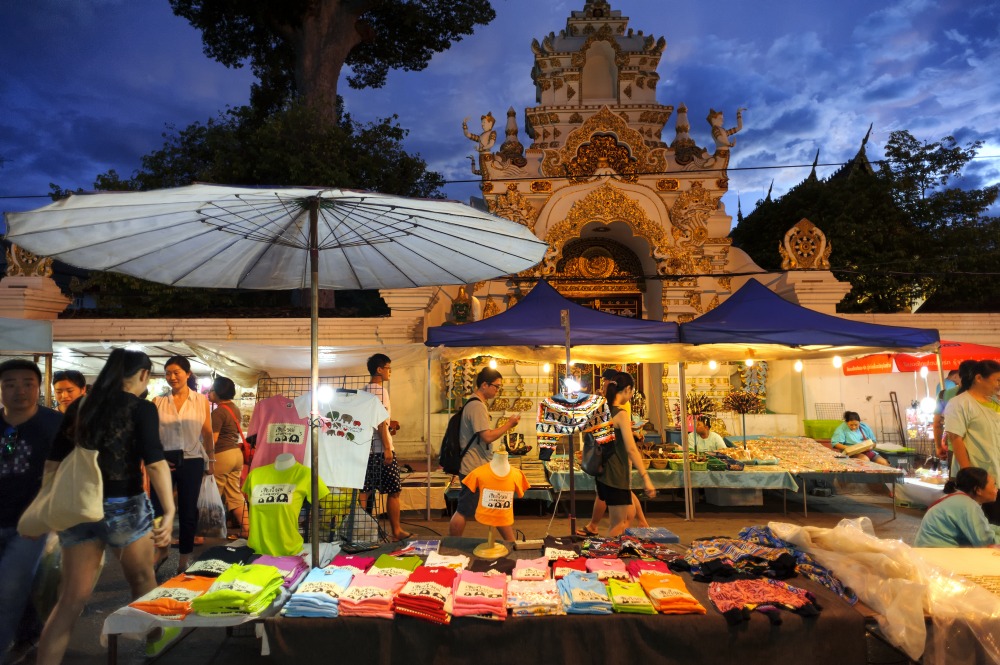
Chiang Mai is an unmissable destination during a Thailand trip. With its historic monuments, rich culture and natural attractions, the Rose of the North will captivate you.
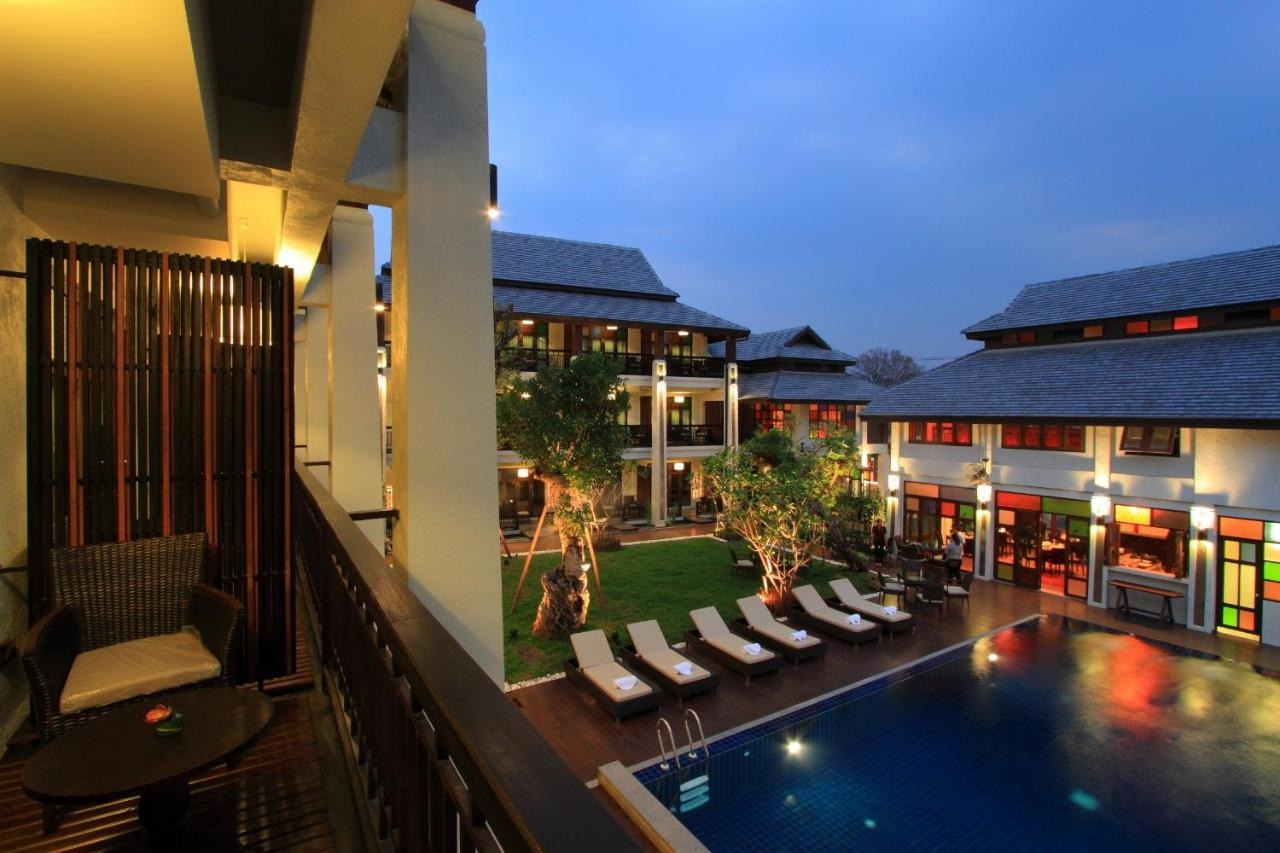
De Lanna Hotel
4-star hotel in the historic Sri Phum district of Chiang Mai, featuring a pool and spa. Walking distance to the main sites of the old town center.
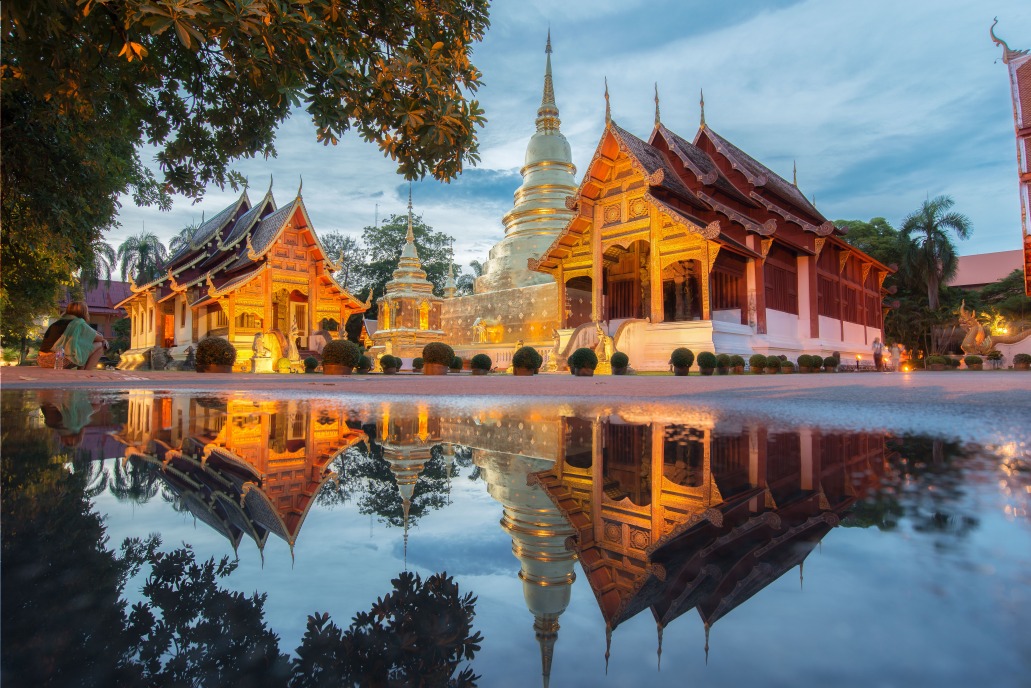
Wat Phra Singh
Founded in 1345 in the old city of Chiang Mai, Wat Phra Singh houses a venerated Buddha statue and exemplifies the pinnacle of Lanna architecture.
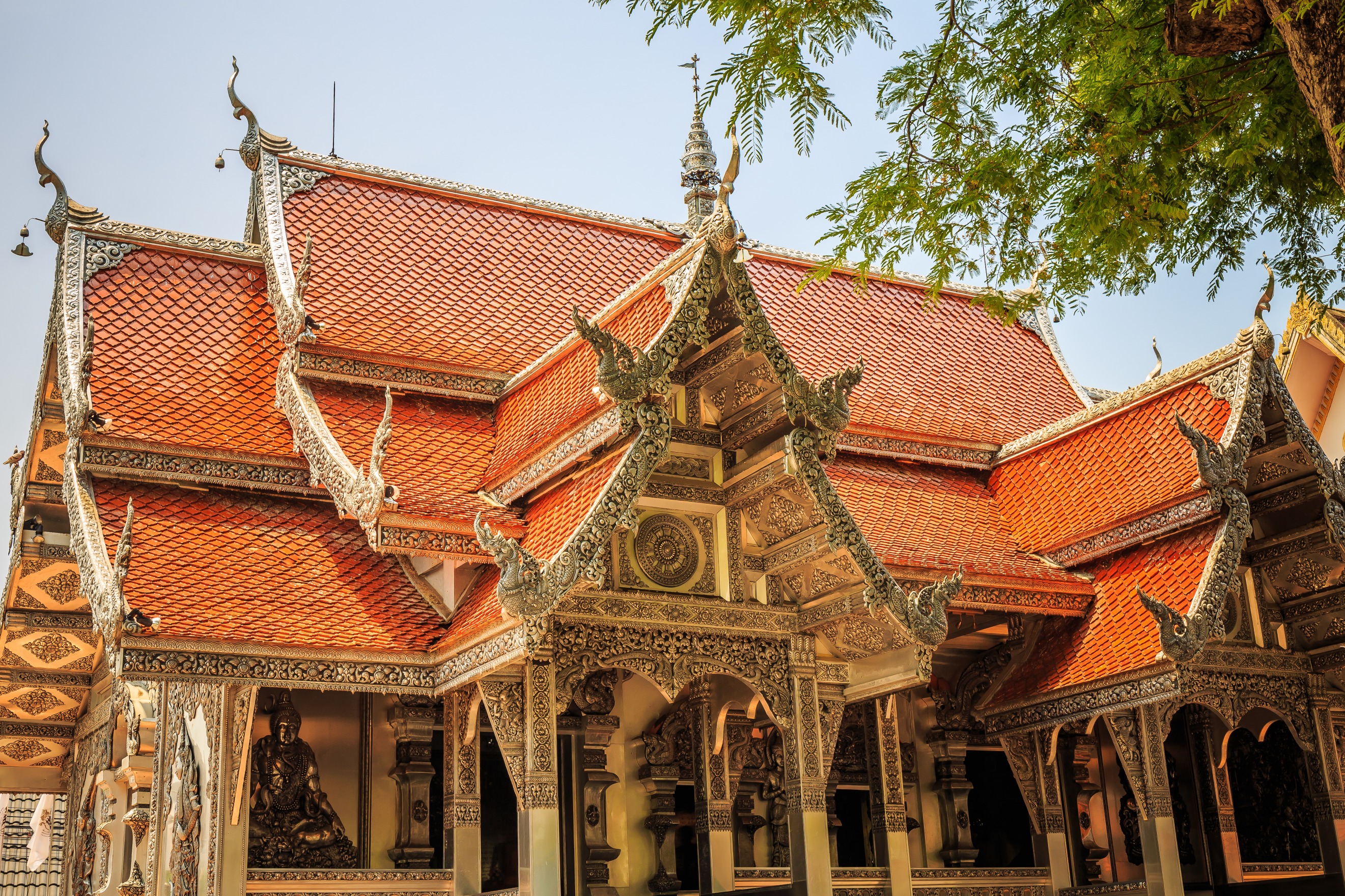
Wat Sri Suphan (Silver Temple)
South of Chiang Mai's old city, Wat Sri Suphan stands out for its ubosot covered entirely in silver, a creation of the silversmiths from the Wualai neighborhood.
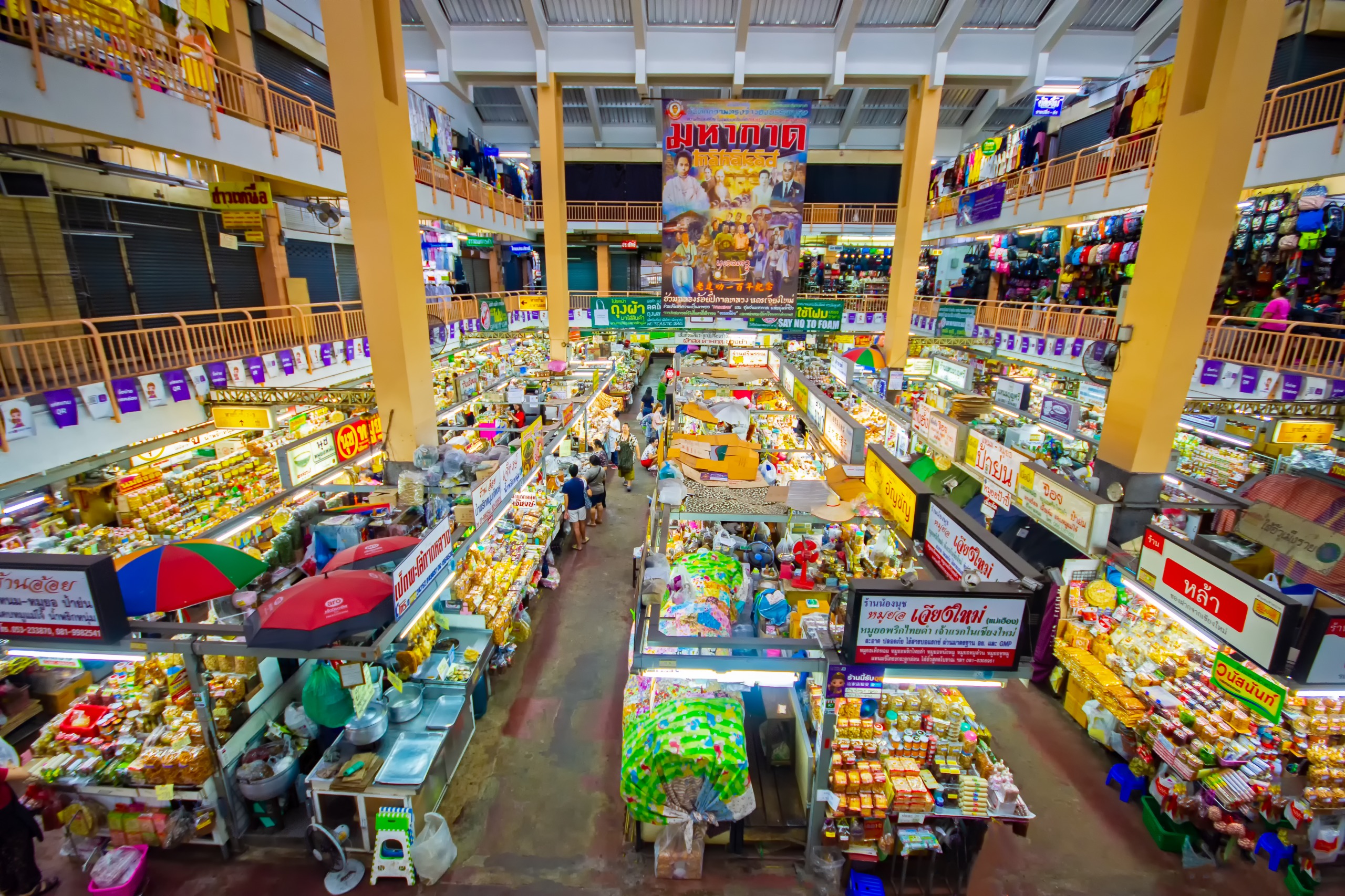
Warorot Market
Founded in 1910 by Princess Dara Rasmi, Warorot Market concentrates fresh produce, Lanna specialties and local crafts in Chiang Mai's Chinese quarter.
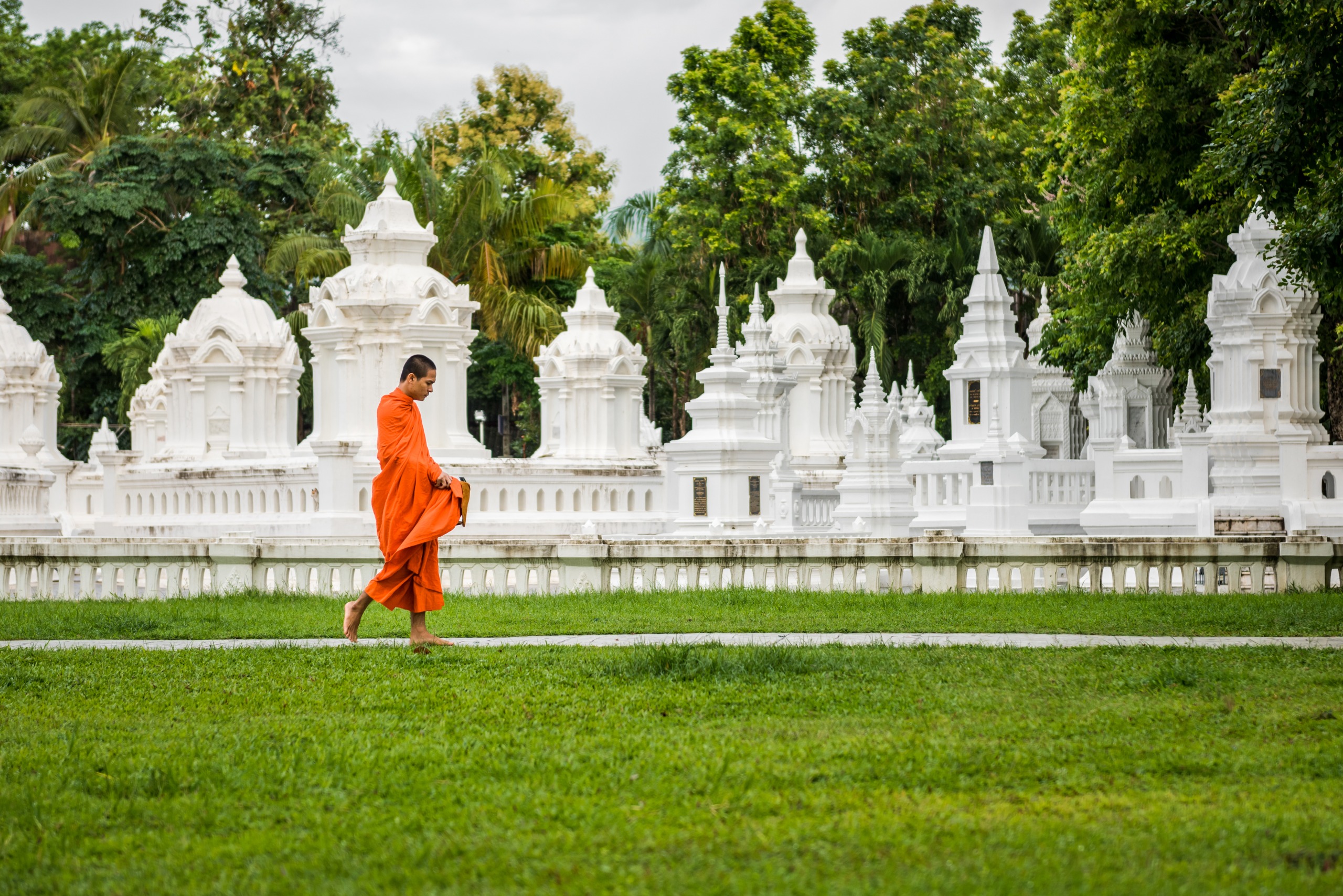
Wat Suan Dok
A 14th-century Lanna temple in Chiang Mai, Wat Suan Dok brings together a Sri Lankan-style chedi, a royal cemetery and an exchange program with monks.
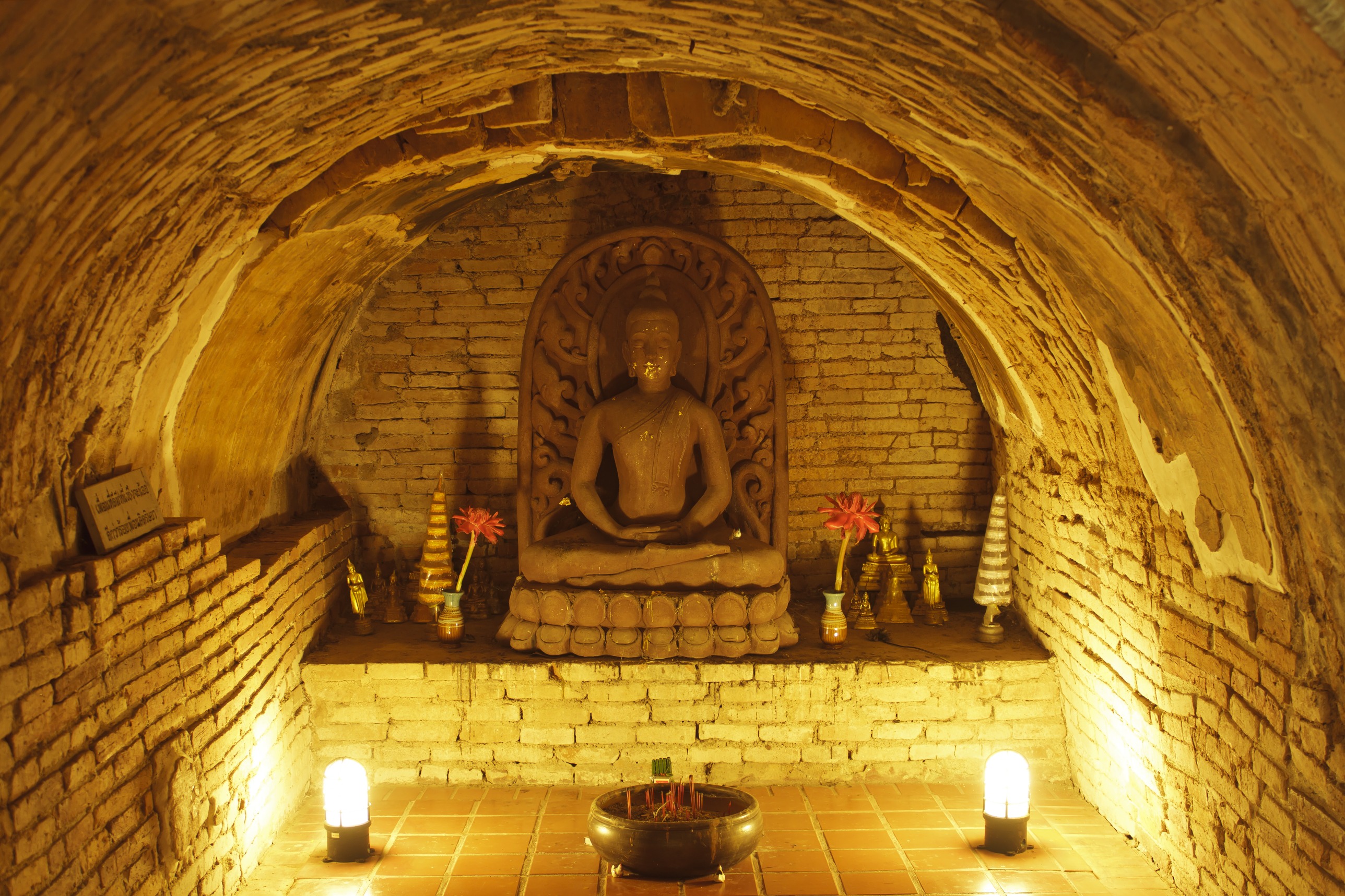
Wat Umong
On the outskirts of Chiang Mai, Wat Umong stands apart with its underground tunnels dating from the 13th century and a forest park dedicated to Buddhist meditation.

Chiang Mai Zoo
At the foot of Doi Suthep, Chiang Mai Zoo brings together 400 species, a Panda House and marine and freshwater tunnel aquariums across 80 hectares.
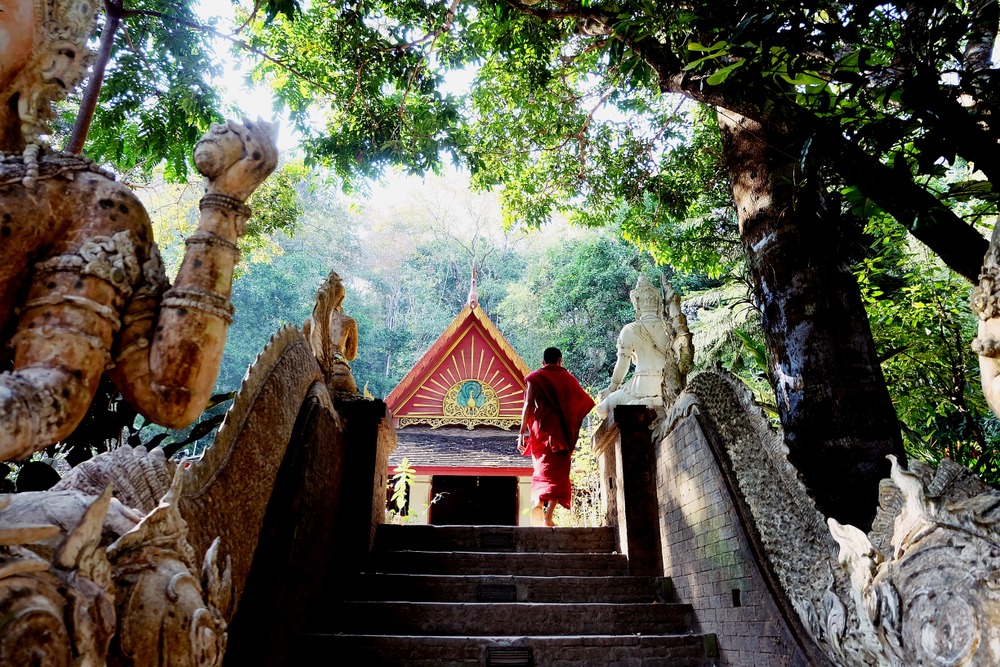
Wat Pha Lat
A forest temple founded in 1386 on the slopes of Doi Suthep, accessible from Chiang Mai via the Monk's Trail. Complete visitor's guide.
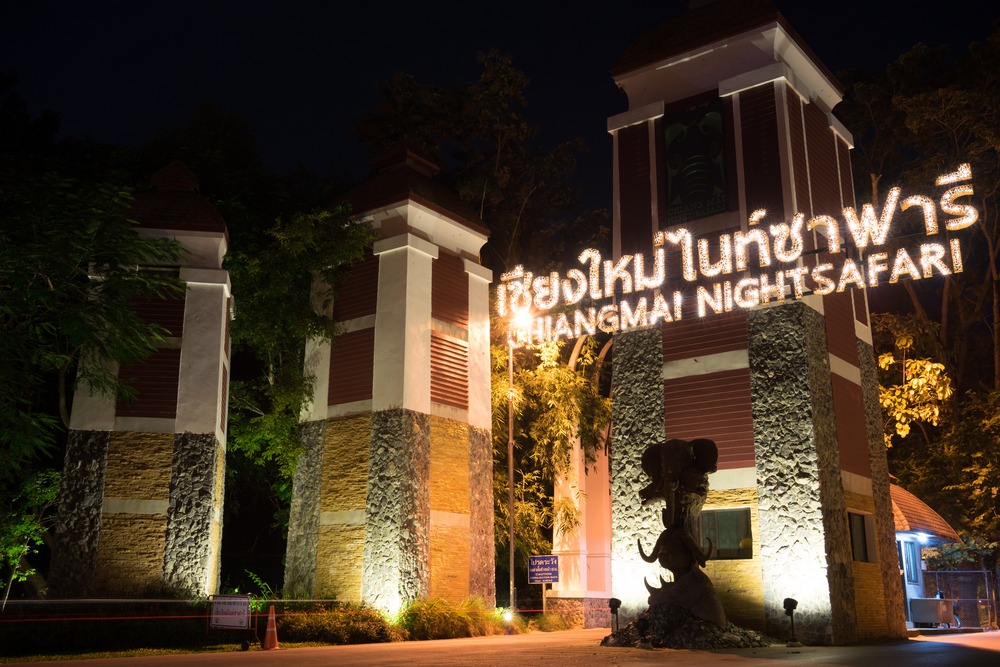
Chiang Mai Night Safari
A 130-hectare nocturnal zoo opened in 2006 just 12 km from Chiang Mai, Night Safari houses nearly 2,000 animals spread across three themed circuits.
Interested in this visit?
We can include it in your personalised itinerary.