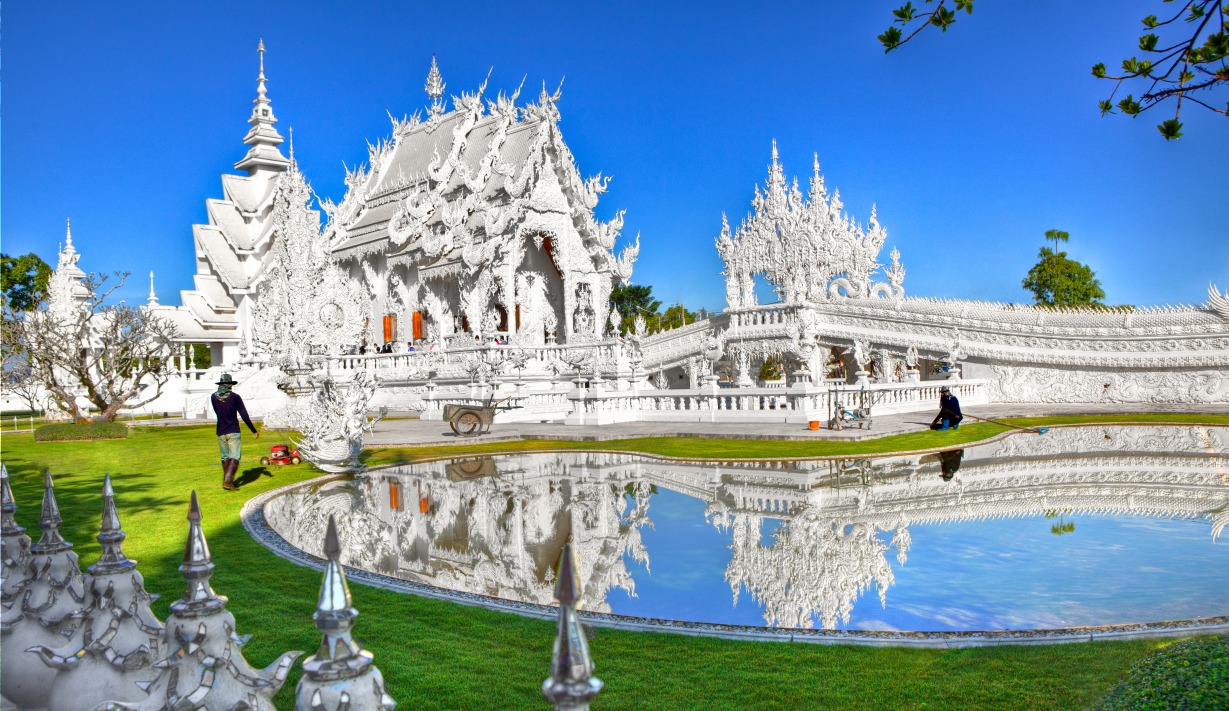
Wat Sri Suphan (Silver Temple)
Wat Sri Suphan (Silver Temple)
100 Wua Lai Rd, Tambon Hai Ya, Amphoe Mueang Chiang Mai, Chang Wat Chiang Mai 50100, Thaïlande
South of Chiang Mai's old city, Wat Sri Suphan stands out for its ubosot covered entirely in silver, a creation of the silversmiths from the Wualai neighborhood.
South of Chiang Mai's old city, Wat Sri Suphan, nicknamed the Silver Temple, is distinguished by its ubosot entirely covered with chiseled silver panels. The sanctuary is the work of silversmiths from the Wualai neighborhood, who have perpetuated a craft passed down through generations in neighboring workshops.
Why visit Wat Sri Suphan
Wat Sri Suphan is worth visiting for far more than its architecture alone. It brings together three facets rarely found in a single Thai place of worship:
- A unique silversmith ubosot in Thailand, with each panel hand-hammered by local artisans.
- A living tradition: the silver workshops on Wualai Road remain active and work in direct connection with the temple.
- Exchanges with monks (monk chats) several evenings a week, in a more intimate setting than at the major temples in the historic center.
The contrast with nearby golden temples such as Wat Phra Singh or Wat Chedi Luang makes a visit particularly rewarding for those wanting to understand the diversity of Lanna art.
History of the temple
Wat Sri Suphan, whose original name is Wat Srisuphan Aram, was constructed in the early 16th century during the reign of King Mengrai, founder of the Lanna kingdom. It then served as a place of worship for a village of silversmith artisans established along what is now Wualai Road. This proximity to the silver-beating community would define the temple's identity up to the present day.
Over the centuries, the building suffered several destructions and reconstructions while retaining its original Lanna architecture, recognizable by its three-tiered roof. It was in 2004 that major restoration work was launched under the direction of abbot Phra Kru Phithatsuthikhun. Rather than resorting to modern techniques, the abbot called upon local silversmiths to restore the building using traditional methods.
In 2008, the decision was made to cover the ubosot entirely in silver. The term "Silver Temple" is actually a simplification: the panels are composed of a mixture of silver, zinc, and alloy, with pure silver reserved for sacred images and certain decorative elements. This choice reflects both the economic constraints and the neighborhood's craft traditions.
What to see
The silver ubosot
The ubosot, or ordination hall, is the main building of the complex. Covered in silver both outside and inside, it displays on its walls a complete iconographic repertoire: scenes from the Buddha's life, cosmological motifs, divinities from the Buddhist pantheon, as well as representations of continents and modern symbols. Each panel is hammered in relief by neighborhood silversmiths.
Access to the interior of the ubosot is prohibited to women, according to an ancestral Lanna belief. An inscription in Thai and English at the entrance reminds visitors of this. This restriction applies only to the ordination hall: the rest of the complex is accessible to everyone.
The silversmith workshop
The temple houses a metal sculpture workshop open to visitors. You can observe artisans at work or take an initiation in metal repousse, typically charged at around 200 baht per hour (as a guideline). Sessions last from 1 to 3 hours depending on your choice and allow you to leave with a plaque you've hammered with your own hands.
Monk chats
Several evenings a week, English-speaking monks make themselves available to chat with visitors. Conversations cover the temple's history, monastic daily life, Buddhism's role in Thai society, or meditation practices. These sessions take place Tuesdays, Thursdays, and Saturdays, typically in early and mid-evening (generally from 5:30pm to 9pm).
Practical information
- Hours: open daily from early morning until around 9pm. Check on-site before visiting.
- Admission: modest entry fee (around 50 baht as a guideline).
- Silversmith workshop: approximately 200 baht per hour, sessions of 1 to 3 hours.
- Dress code: Thai place of worship dress code observed (shoulders, arms, and legs covered).
- Restriction: interior of the ubosot off-limits to women (the rest of the complex is accessible to them).
When to visit
The most rewarding time for a visit is early evening. At dusk, the lighting highlights the chiseled work of the ubosot, whose silver reflections are barely visible under the midday sun. This time window coincides with the monk chats on applicable evenings, making it possible to combine both activities.
Saturday evening is particularly opportune since the Saturday Night Market unfolds along Wualai Road, just steps from the temple. Seasonally, the period November to February remains the most comfortable in Chiang Mai, with cool evenings and clear skies. Avoid March-April if possible, marked by agricultural burning season and degraded air quality.
How to get there
Wat Sri Suphan is located south of Chiang Mai's old city along Wualai Road, approximately 10 minutes on foot from the Chiang Mai Gate (Pratu Chiang Mai). Several options:
- On foot from the old city: the simplest option if you're staying in the historic center.
- Red songthaew: fixed-rate ride to be negotiated before departure.
- Tuk-tuk or Grab: convenient in the evening.
- Scooter: useful if you're combining multiple temples in one day.
Nearby attractions
The Wualai neighborhood deserves time beyond the temple itself:
- Wualai Road and the Saturday Night Market: every Saturday, the street transforms into a night market dedicated to local crafts, with a strong presence of neighborhood silversmiths.
- The silver workshops on Wualai, open during the day, where you can observe repousse work outside the temple setting.
- Wat Chedi Luang and Wat Phra Singh, in the old city, 15-20 minutes on foot away.
- Warorot Market, for another facet of traditional commerce in Chiang Mai.
- Wat Suan Dok, another iconic temple in the city, accessible in a few minutes by scooter.
Frequently asked questions
Frequently asked questions
Yes, the entire complex is accessible to women. Only the interior of the ubosot (ordination hall) is off-limits to them, according to an ancestral Lanna tradition reminded by an inscription in Thai and English at the entrance.
The ubosot is covered with a mixture of silver, zinc, and alloy hammered by neighborhood silversmiths. Pure silver is primarily used for sacred images and certain decorative elements. The nickname "Silver Temple" therefore designates the overall appearance rather than a single composition.
Exchanges with English-speaking monks are organized Tuesdays, Thursdays, and Saturdays, typically from 5:30pm to 9pm. Hours may change; it's best to confirm on-site or through the local tourism office.
Yes, a metal sculpture workshop is available to visitors. Sessions last from 1 to 3 hours and cost approximately 200 baht per hour (as a guideline). No prior experience is required.
Early evening is the most favorable time: the lighting highlights the silver chiseling and coincides with the monk chats on applicable evenings. Saturday evening also allows you to continue on to the Saturday Night Market on Wualai Road.
Plan your trip
Wat Sri Suphan integrates easily into an itinerary focused on Chiang Mai and the north of the country. To build your stay around Lanna temples, craft workshops, and the mountainous landscapes that make the region distinctive, consult our Thailand journeys.
Photos
Nearby
Also discover
Chiang Mai
Chiang Mai is an unmissable destination during a Thailand trip. With its historic monuments, rich culture and natural attractions, the Rose of the North will captivate you.
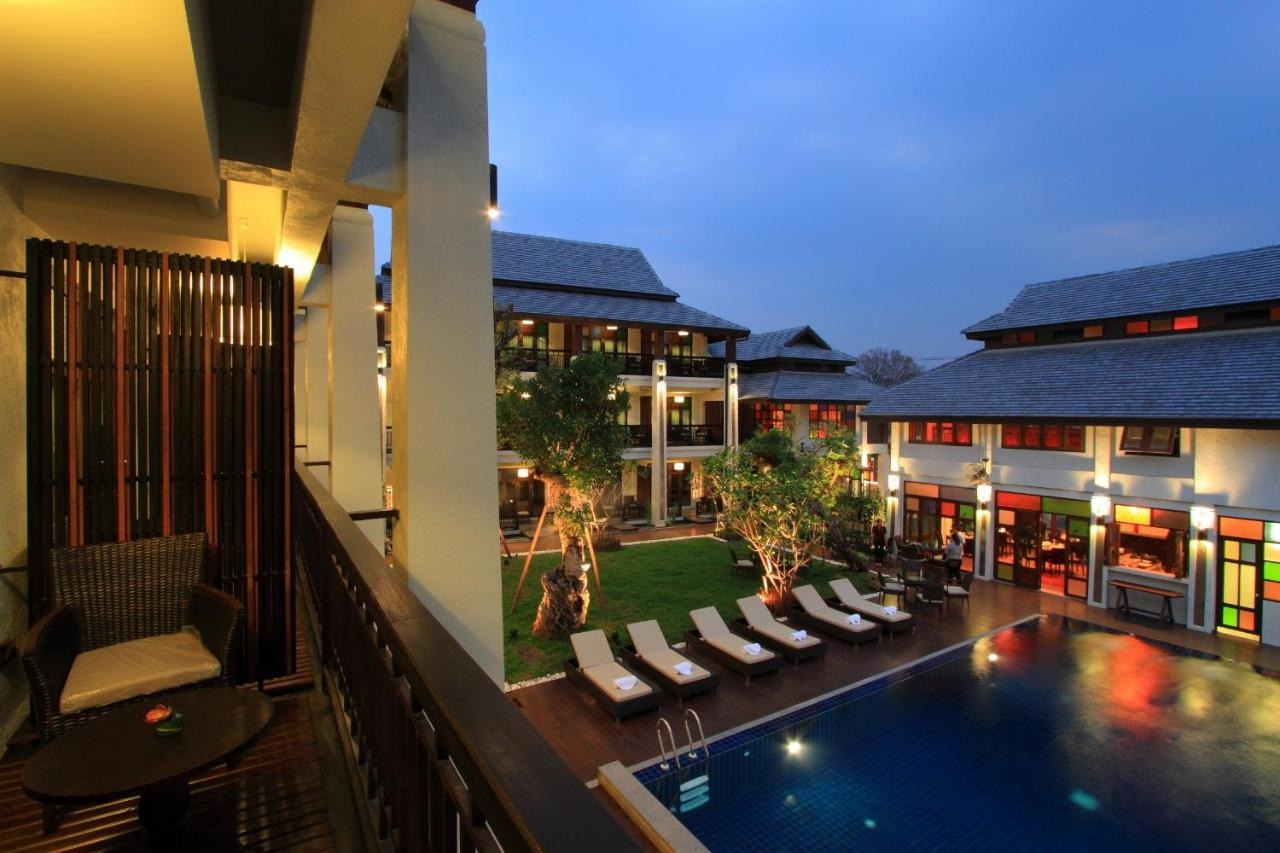
De Lanna Hotel
4-star hotel in the historic Sri Phum district of Chiang Mai, featuring a pool and spa. Walking distance to the main sites of the old town center.
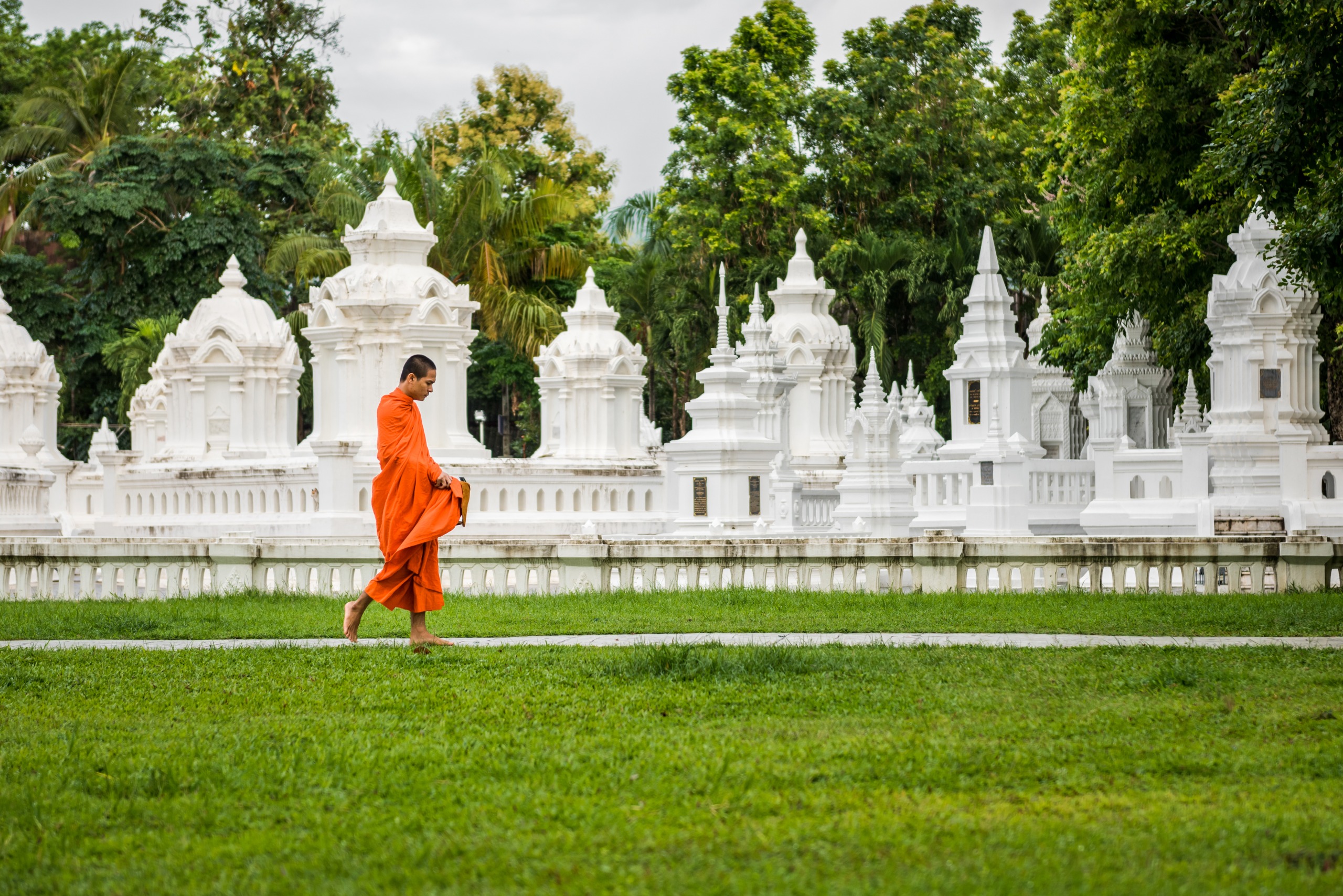
Wat Suan Dok
A 14th-century Lanna temple in Chiang Mai, Wat Suan Dok brings together a Sri Lankan-style chedi, a royal cemetery and an exchange program with monks.
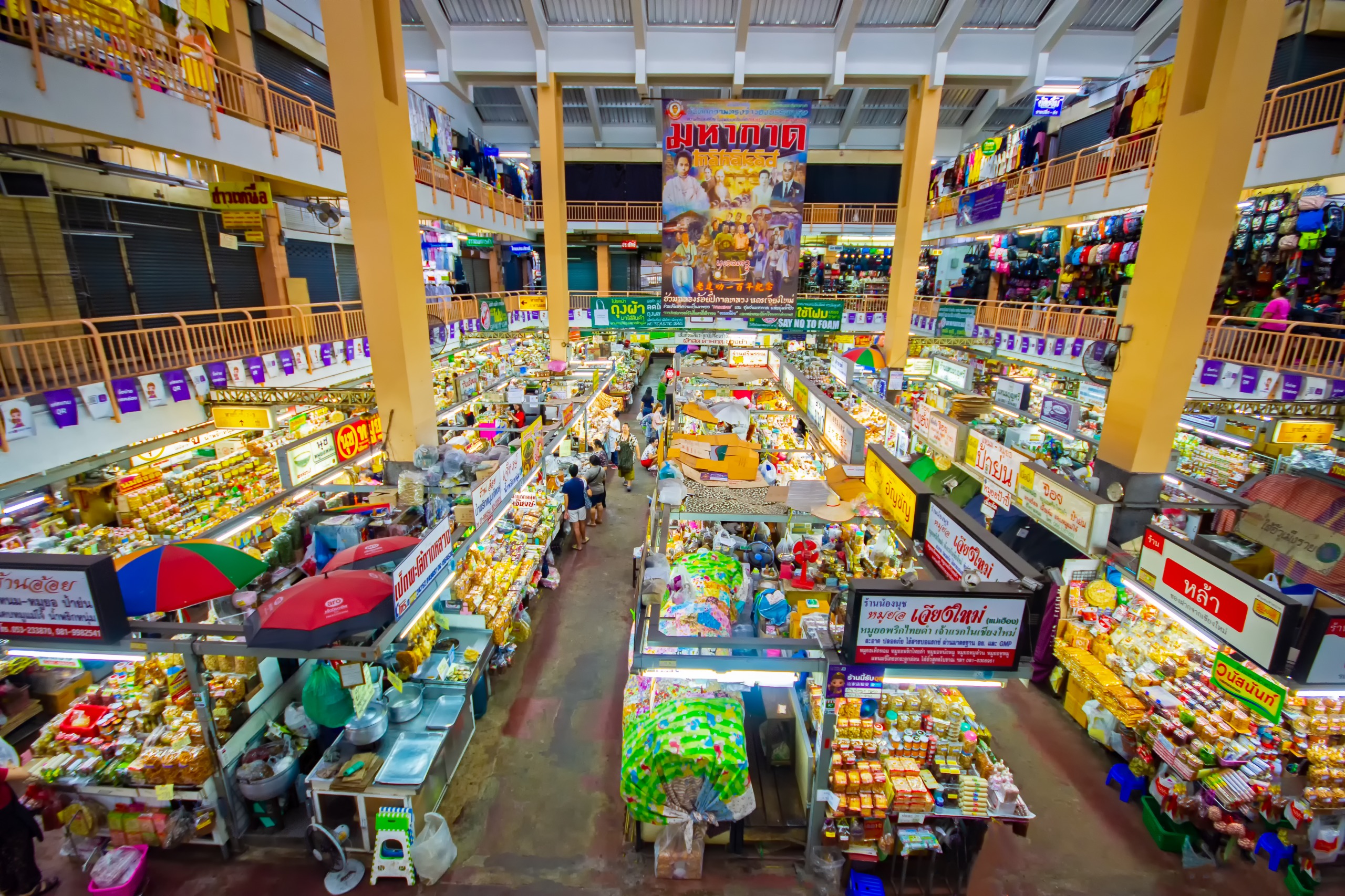
Warorot Market
Founded in 1910 by Princess Dara Rasmi, Warorot Market concentrates fresh produce, Lanna specialties and local crafts in Chiang Mai's Chinese quarter.
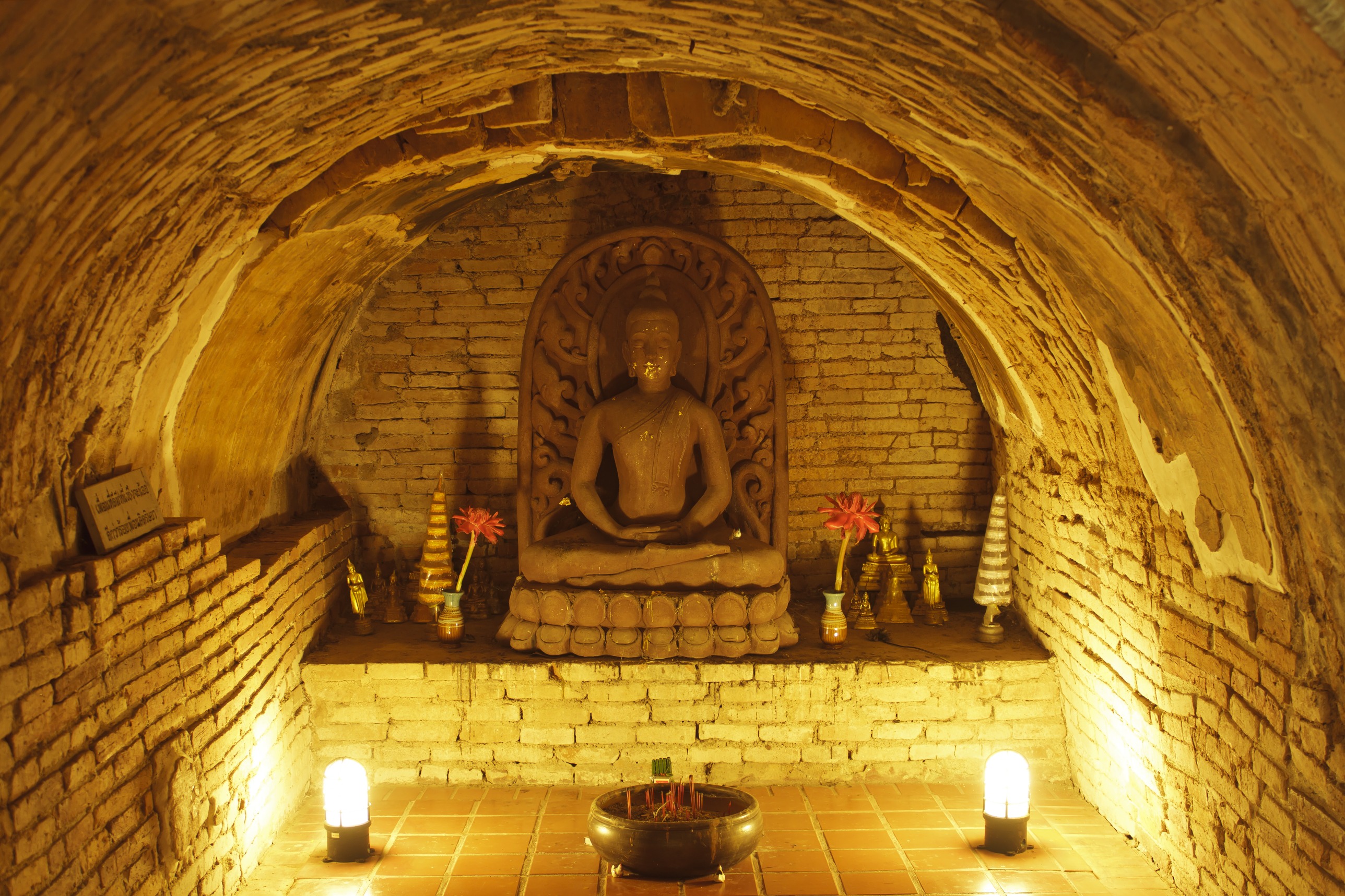
Wat Umong
On the outskirts of Chiang Mai, Wat Umong stands apart with its underground tunnels dating from the 13th century and a forest park dedicated to Buddhist meditation.

Chiang Mai Zoo
At the foot of Doi Suthep, Chiang Mai Zoo brings together 400 species, a Panda House and marine and freshwater tunnel aquariums across 80 hectares.
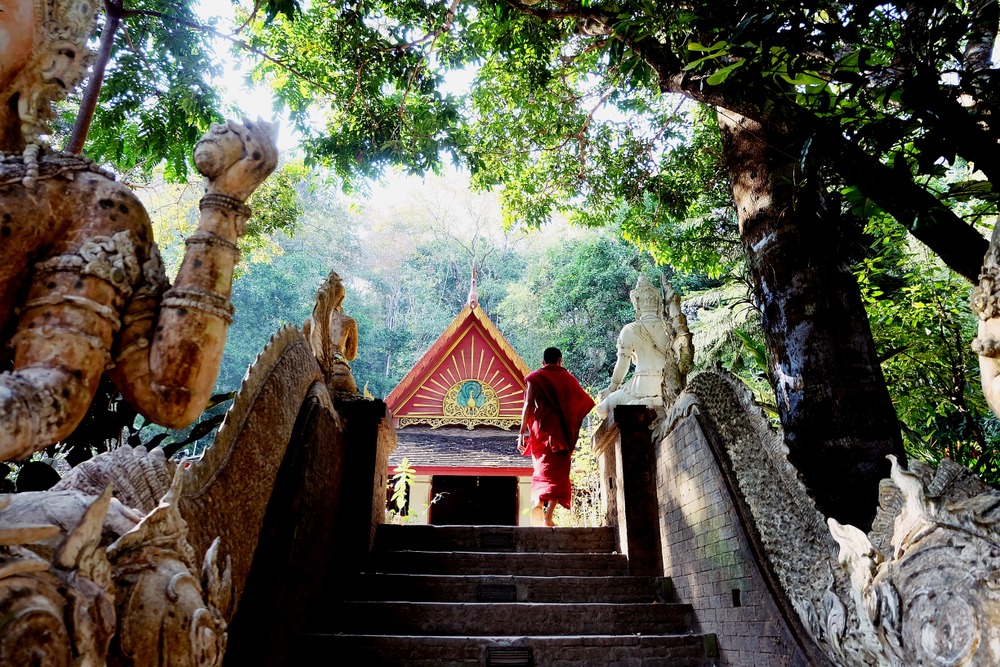
Wat Pha Lat
A forest temple founded in 1386 on the slopes of Doi Suthep, accessible from Chiang Mai via the Monk's Trail. Complete visitor's guide.
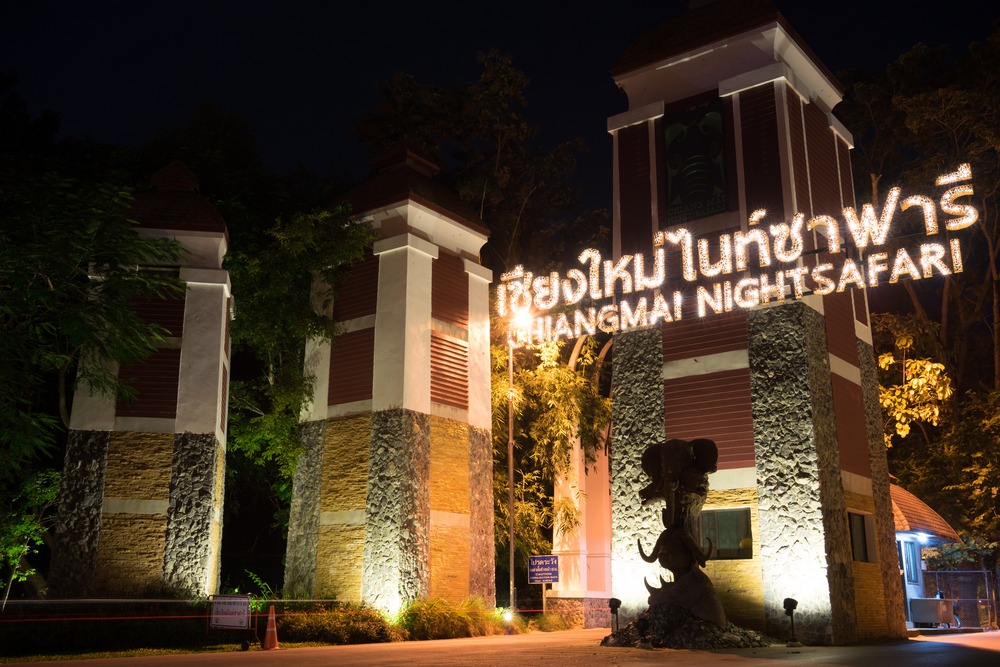
Chiang Mai Night Safari
A 130-hectare nocturnal zoo opened in 2006 just 12 km from Chiang Mai, Night Safari houses nearly 2,000 animals spread across three themed circuits.
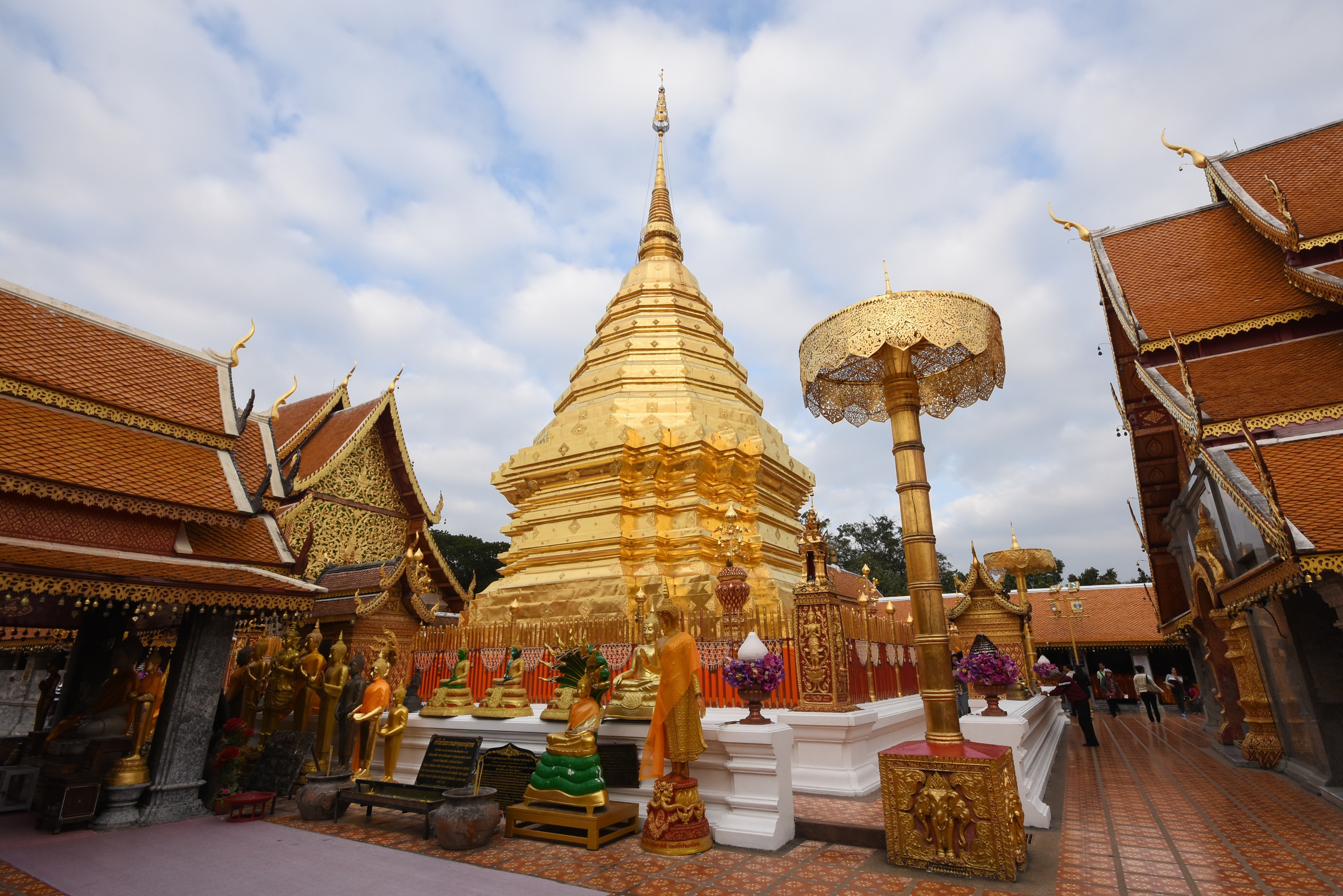
Wat Phra That Doi Suthep
Perched at 1,073 meters above Chiang Mai, Wat Phra That Doi Suthep encompasses six centuries of Lanna art around a golden chedi and a founding legend.
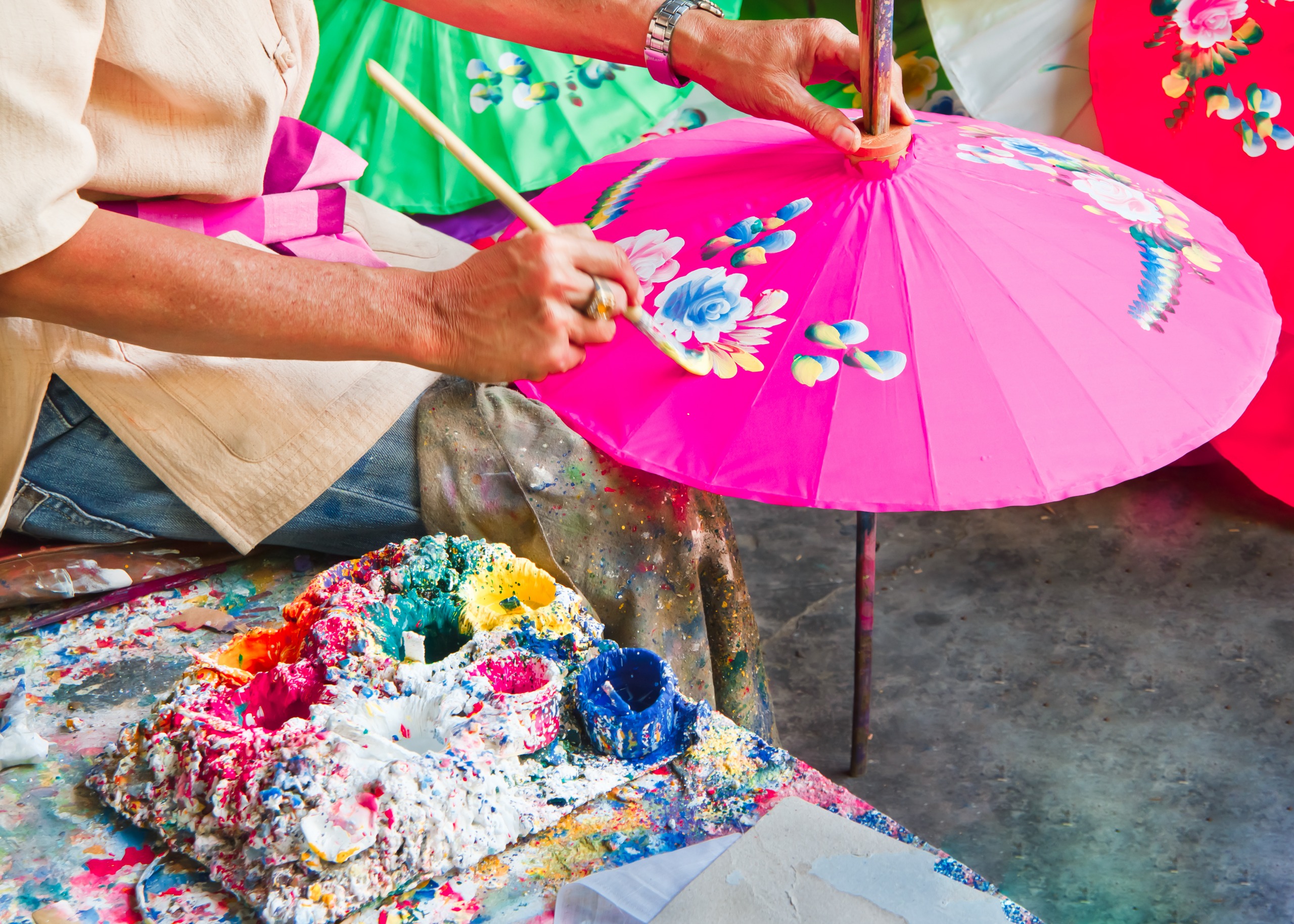
Bo Sang, the Umbrella Village
Located 10 km from Chiang Mai, Bo Sang has perpetuated for over a century the craft of hand-painted Sa paper umbrellas, with open workshops and a festival in January.
Interested in this visit?
We can include it in your personalised itinerary.