Wat Phra That Doi Suthep
Wat Phra That Doi Suthep
Doi Suthep, Suthep, Mueang Chiang Mai District, Chiang Mai 50200, Thailand
Perched at 1,073 meters above Chiang Mai, Wat Phra That Doi Suthep encompasses six centuries of Lanna art around a golden chedi and a founding legend.
Perched at 1,073 meters altitude on the flank of Doi Suthep mountain, Wat Phra That Doi Suthep has dominated Chiang Mai for over six centuries. Its golden chedi, visible on clear days from the valley below, makes it one of the primary pilgrimage sites in northern Thailand and a major landmark of Lanna art.
Why Visit Wat Phra That Doi Suthep
The temple combines multiple attractions: an active religious site frequented by Thai pilgrims, a pinnacle of Lanna architecture, and a natural vantage point overlooking Chiang Mai and its plains. Located approximately 15 km from the city center, it lies within Doi Suthep-Pui National Park, adding a natural dimension to your visit: monsoon forest, scenic viewpoints, and hiking trails nearby.
For those seeking to understand Theravada Buddhism as practiced in the North, few sites are as eloquent. The meditation center attached to the monastery is open to the public, with sessions accessible to English-speaking visitors.
History and Founding Legend
Construction of the sanctuary was ordered in 1383 by King Nu Naone of the Lanna kingdom. The temple's origins rest on a tale deeply embedded in local memory. A monk named Sumanathera, who had come from Sukhothai, reportedly discovered a relic attributed to the Buddha—according to tradition, a fragment of collarbone or shoulder blade. The Sukhothai king, skeptical, refused him credence. Nu Naone, however, welcomed the relic to Chiang Mai.
To choose the location for the future temple, the king turned to an omen. He placed the relic on the back of a white elephant and released the animal into the forest. The elephant climbed the mountain, stopped on Doi Suthep, fell asleep, and died there. The king interpreted this death as divine will and had the sanctuary erected at that precise spot. The legend continues to structure the visiting experience: a statue commemorates the elephant at the entrance to the complex.
What to See On-Site
The Naga Staircase
The traditional access to the temple is via a staircase of 309 steps lined with nagas, mythical serpents that guard sacred places. Local tradition holds this to be Thailand's longest such corridor. The ascent takes about ten minutes at a moderate pace and offers several landings mid-way to catch your breath.
The Golden Chedi
At the heart of the complex stands a 24-meter chedi completely gilded, occupying the northern section of the enclosure. Its octagonal base, tiered roof, and slender spire illustrate an architectural syncretism characteristic of Lanna: the umbrella-shaped chatra derives from Burmese tradition, the stepped roof reflects Theravada Buddhism, and the overall form borrows from Sukhothai style. The concentric layers symbolize the spiritual stages to traverse toward nirvana.
Pilgrims traditionally circumambulate the chedi three times clockwise, lotus blossom and incense sticks in hand.
Murals, Buddhas, and Ganesh Statue
The viharns harbor dense artistic heritage. Mural frescoes recount major episodes from the Buddha's life, with some scenes drawing on Hindu iconography. Several Buddha statues dot the pavilions, including a replica of the famous Emerald Buddha, the original housed at Wat Phra Kaeo in Bangkok.
The presence of a Ganesh statue—the Hindu god with an elephant head—surprises in a Buddhist temple. It testifies to the religious syncretism that prevailed in Thailand in earlier periods.
Meditation Center
The monastery hosts a meditation center open to English-speaking visitors. You can participate in introductory sessions of a few hours or enroll in longer retreats guided by monks.
Practical Information
The temple is open daily from early morning until dusk. Entrance is ticketed for foreign visitors at a modest rate. An inclined funicular (often called a cable car locally) allows you to bypass the 309 steps for a small additional fee.
Dress code is strictly enforced: shoulders and knees covered for both men and women; shoes removed at the entrance to prayer halls. Sarongs are lent or rented on-site for inadequately dressed visitors. Allow approximately 1.5 to 2 hours to tour the site without rushing.
When to Go
The cool season, from November to February, offers the best conditions: clear skies, mild temperatures, optimal visibility over Chiang Mai's plains. Morning mist sometimes envelops the summit early in the day, creating highly photogenic atmospheres before the sun breaks through.
The rainy season (June to October) makes the ascent slippery but offers lush vegetation. The hot season (March to May) is marked by agricultural burning: atmospheric pollution may then limit views.
Visakha Bucha, a major Buddhist festival celebrated at the May full moon, occasions a traditional nighttime pilgrimage: the faithful walk the mountain road from Chiang Mai to the temple in a candlelit procession. It is one of the most striking moments of the year for those wishing to experience the site's spiritual dimension.
How to Get There
The most common way from central Chiang Mai is the red songthaew, a modified pickup arranged as a shared taxi that serves the temple on demand. They are easy to flag down throughout the old city or near the Chang Phueak gate; fares are negotiated upfront. The journey takes about thirty minutes depending on traffic, via a winding mountain road.
Private car and scooter are also used, though the road requires experience for those unaccustomed to Thai driving. Chiang Mai agencies additionally offer half-day excursions combining the temple with other sites on Doi Suthep.
Nearby Attractions
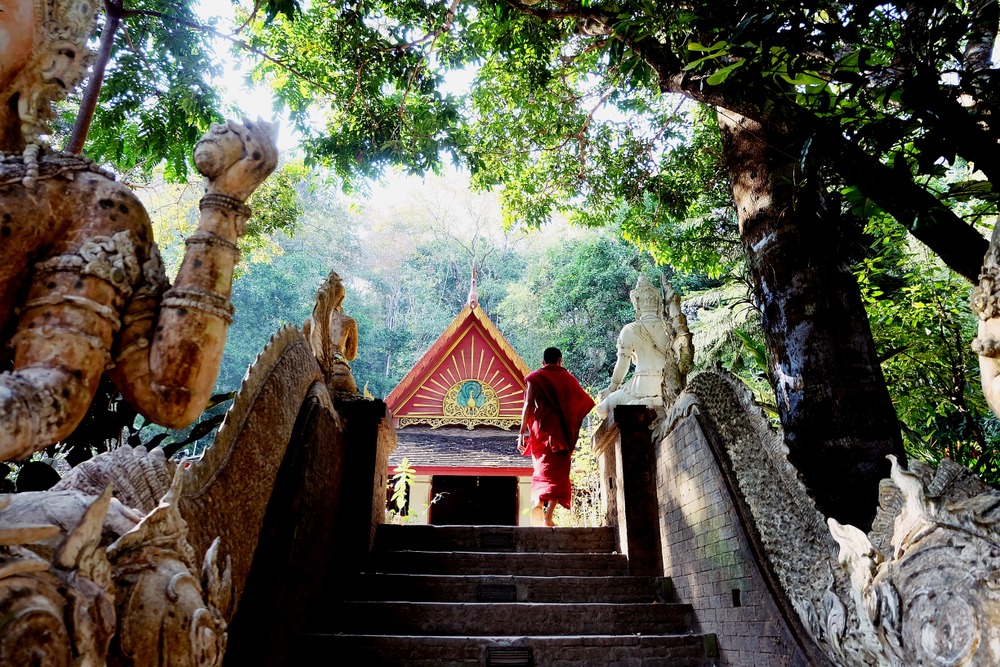
Wat Pha Lat, a small forest temple on the mountain ascent route, accessible via the monks' trail.
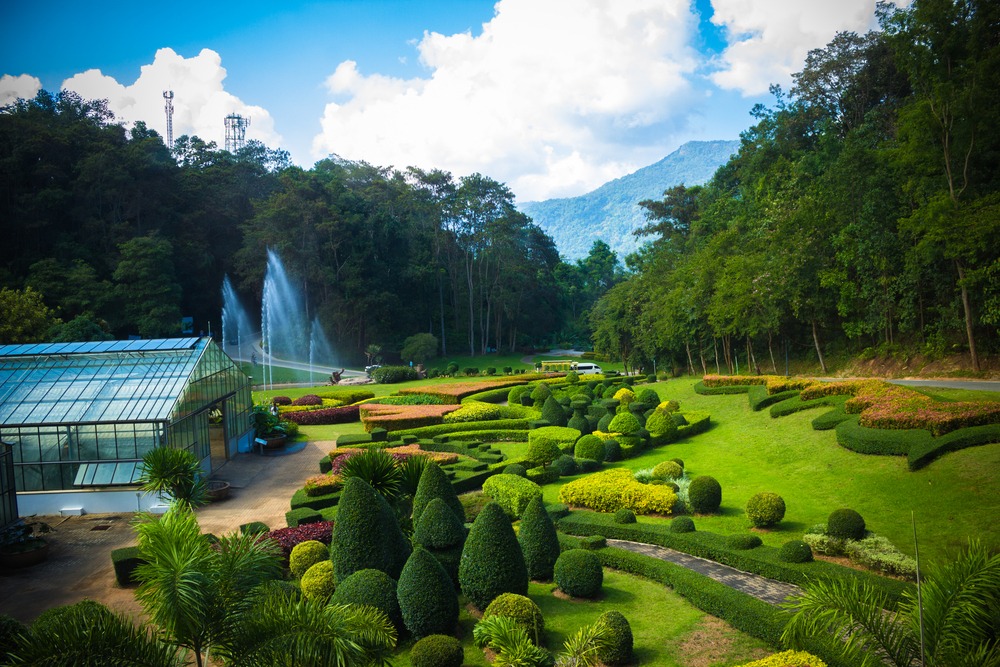
Queen Sirikit Botanical Garden, approximately twenty kilometers northwest.
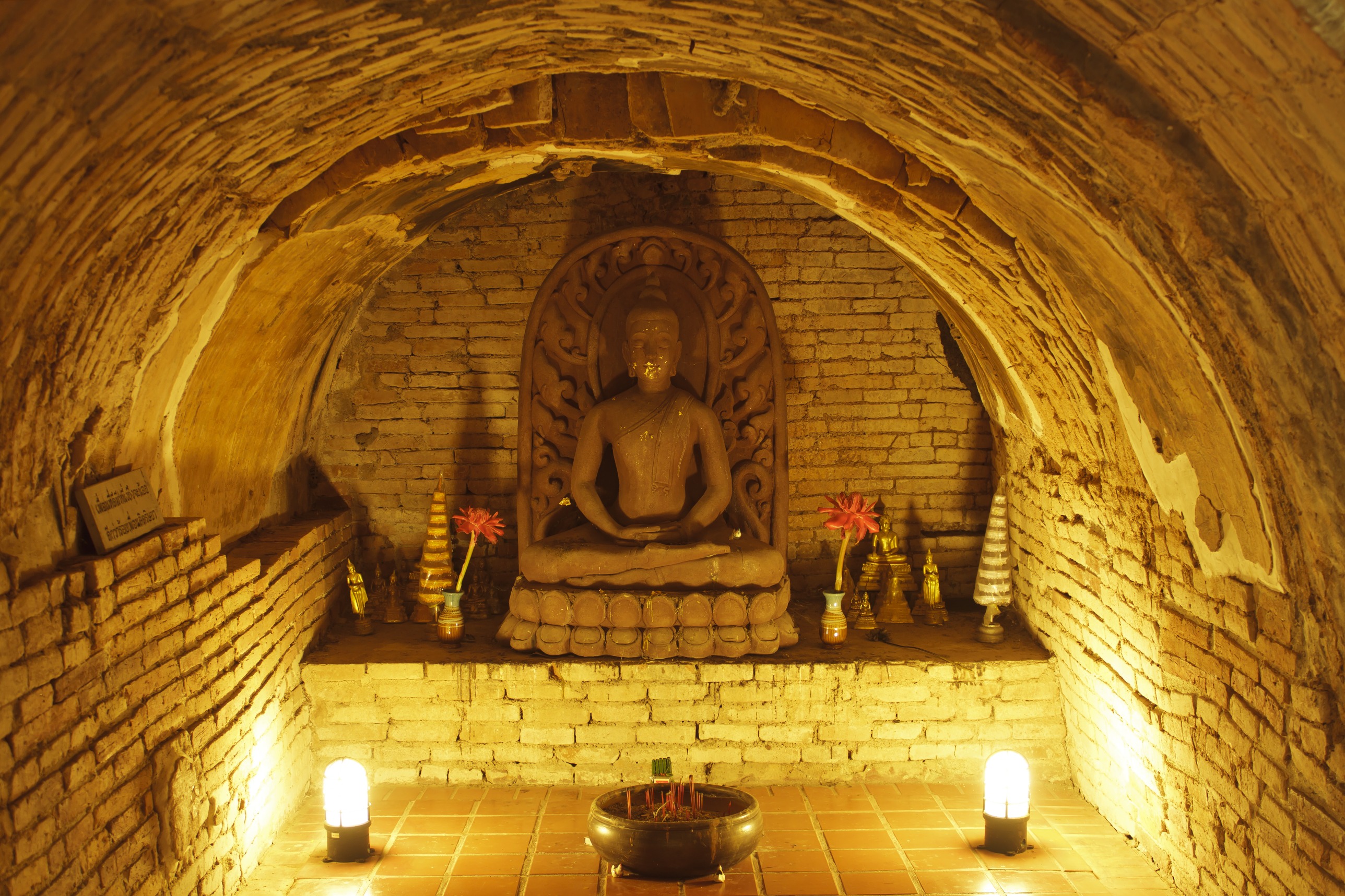
Wat Umong, a forest monastery with underground galleries, below Doi Suthep.
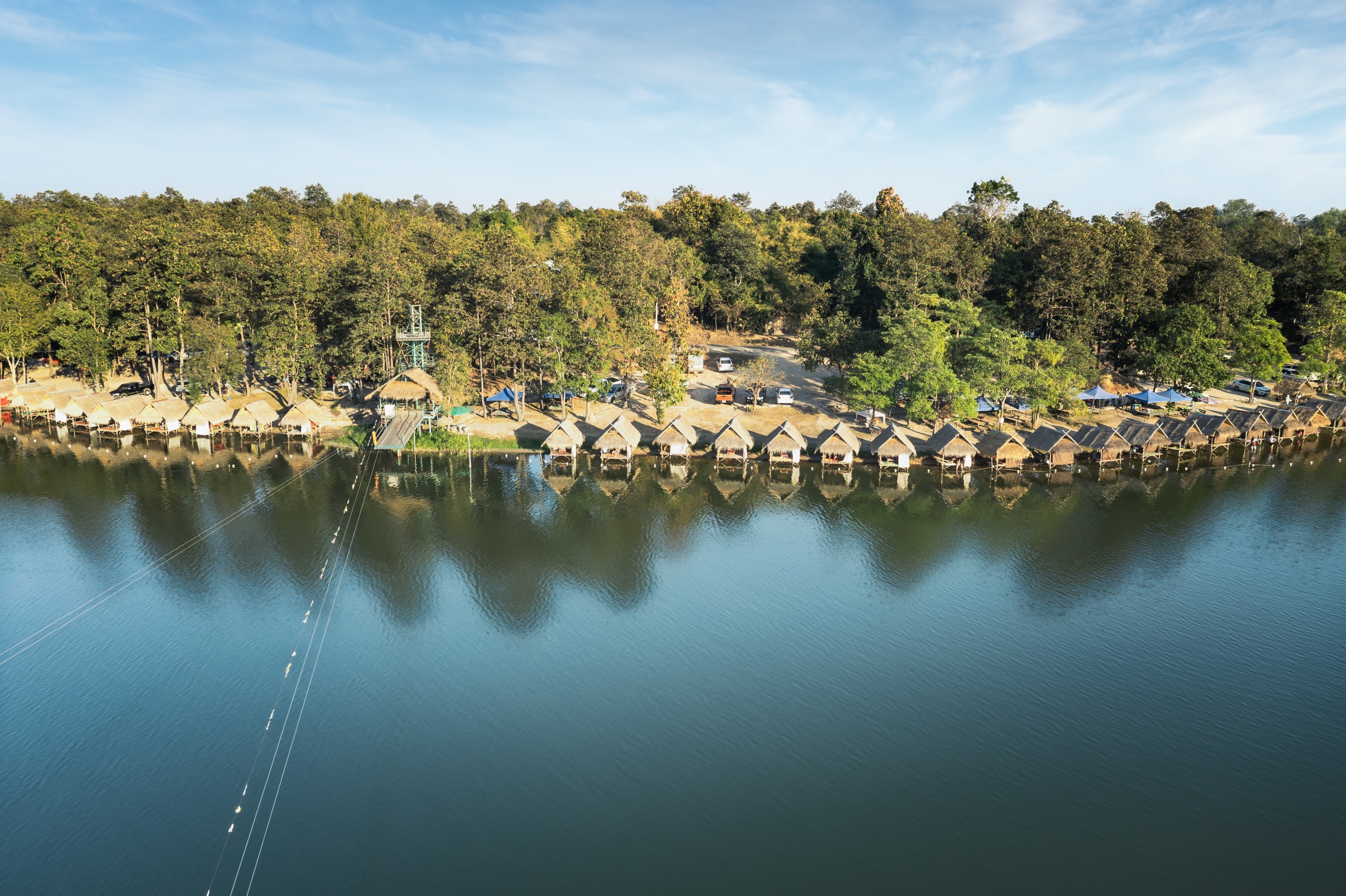
Huay Tung Tao Lake, for a relaxing break after your visit.
Frequently asked questions
Attire covering shoulders and knees is required for both men and women. Shoes are removed at the entrance to prayer halls. Sarongs are available on-site for inadequately equipped visitors.
Both options are available. The naga-lined staircase remains the traditional access and offers true immersion. The inclined funicular, for a fee, suits visitors with mobility constraints or limited time.
The red songthaew is the most widely used transport: they are found throughout the city, and fares are negotiated upfront. Expect approximately 30 minutes of travel depending on traffic. Private car and organized excursions are also available.
Plan 1.5 to 2 hours on-site to tour the complex without hurrying, longer if you participate in a meditation session or combine the visit with Doi Suthep-Pui National Park.
The cool season, from November to February, offers optimal conditions. To experience a striking spiritual occasion, aim for Visakha Bucha in May, with its candlelit nighttime procession along the temple road.
Keen to incorporate Wat Phra That Doi Suthep into a comprehensive itinerary through the north? Explore our bespoke Thailand journeys with Nomadays.
Photos
Nearby

Also discover
Interested in this visit?
We can include it in your personalised itinerary.