Doi
Doi
Soi Sriwichai, Amphoe Mueang Chiang Mai, Chang Wat Chiang Mai 50200, Thaïlande
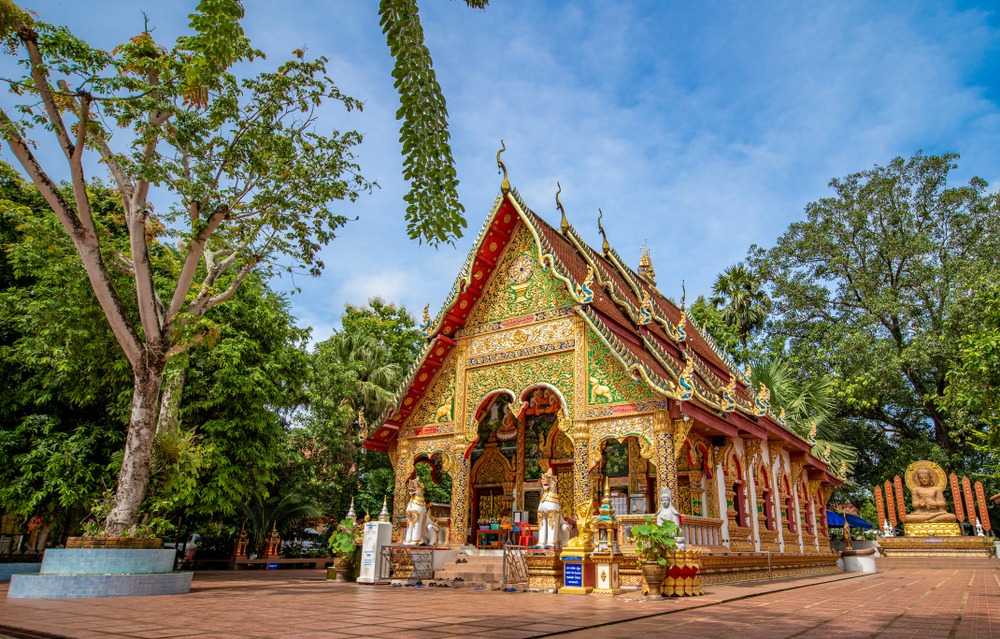
Located 13 km from Chiang Mai, the Doi Suthep-Pui massif brings together a national park, the golden sanctuary of Wat Phra That Doi Suthep and the royal Bhubing Palace.
The Doi Suthep-Pui massif rises above Chiang Mai some 13 km north of the city center. Known locally as Doi Aoy Chang, it is home to a national park, the Buddhist sanctuary of Wat Phra That Doi Suthep and the royal residence of Bhubing Palace. Together, they form one of the most frequented day excursions in northern Thailand.
Why visit Doi Suthep-Pui
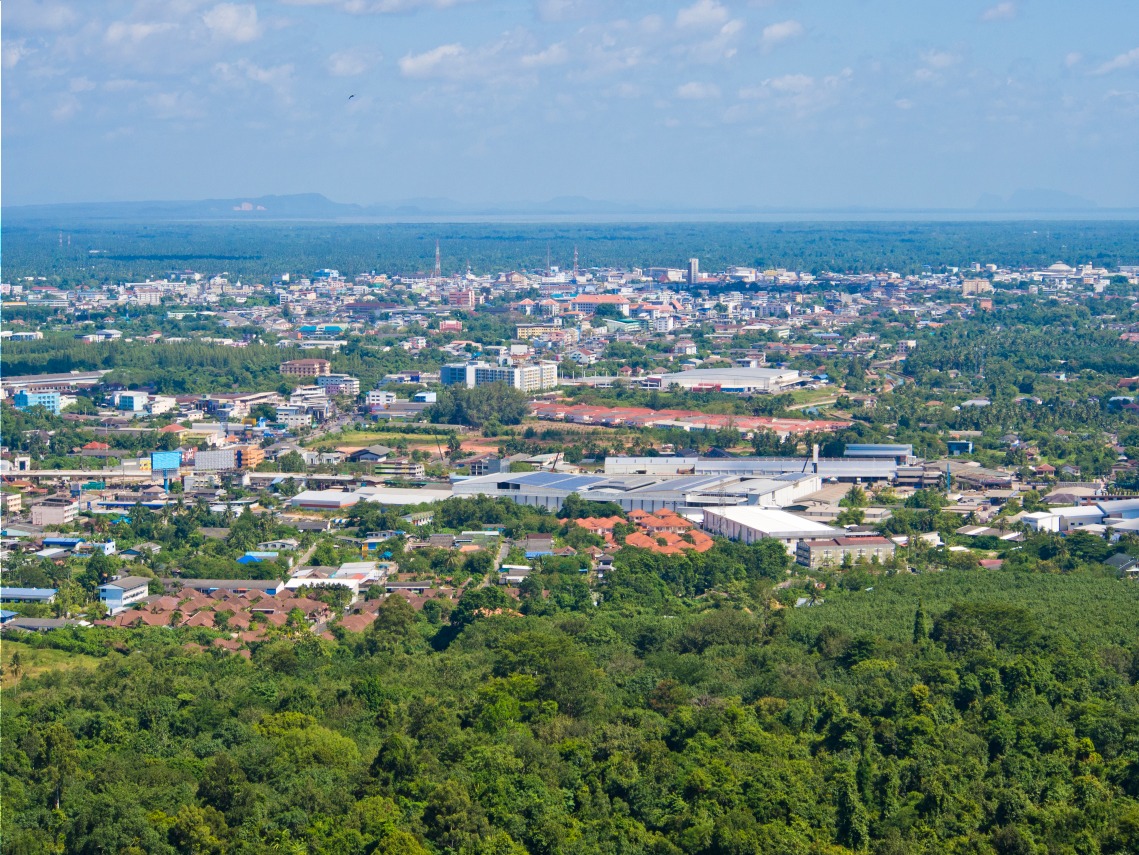
The site combines three centers of interest rarely found on a single mountain: a national park covering the summits of Doi Buak Ha and Doi Pui, a 14th-century Theravada temple perched above 1,000 meters, and a royal palace surrounded by landscaped gardens. The forests covering the slopes remain accessible via marked trails and several waterfalls. For those with a day to spend in Chiang Mai, Doi Suthep-Pui offers a blend of religious heritage, mountain nature and panoramic views over the Ping valley.
History and the sanctuary's foundation
The foundation of Wat Phra That Doi Suthep is attributed to the late 14th century, under the Lanna kingdom. Local tradition links the mountain to the hermit monk Sudeva (Sudeva Reusi), a legendary figure associated with the origins of Chiang Mai and the temple's founding narratives. The golden stupa crowning the sanctuary dates from this period and was enlarged over the centuries.
Bhubing Palace, more recent, was completed in the early 1960s. It serves as a winter residence for the royal family during their stays in the north. Outside these periods of occupation, the gardens are open to the public.
What to see and do on site
Wat Phra That Doi Suthep
The sanctuary is the main attraction of the massif. The 14th-century stupa, covered in gilt plaques, is surrounded by a terrace offering panoramic views of Chiang Mai. Within the grounds, you will find a replica of the Phra Kaew Morakot—the famous Emerald Buddha housed in Bangkok—as well as a representation of Ganesha, the Hindu deity with an elephant's head associated with wisdom and the removal of obstacles, integrated into local syncretic practice.
Access to the temple is via a staircase of approximately 300 steps lined with sculpted Nagas. A cable car offers an alternative for visitors who prefer not to climb on foot. Modest dress is required: shoulders and knees must be covered.
Bhubing Palace
Located higher up the road, the palace is visited mainly for its gardens: rose gardens, ornamental flower beds and greenhouses arranged on the slopes. The interiors of the buildings remain closed to the public. As at the temple, appropriate attire is requested at the entrance.
Summits and waterfalls
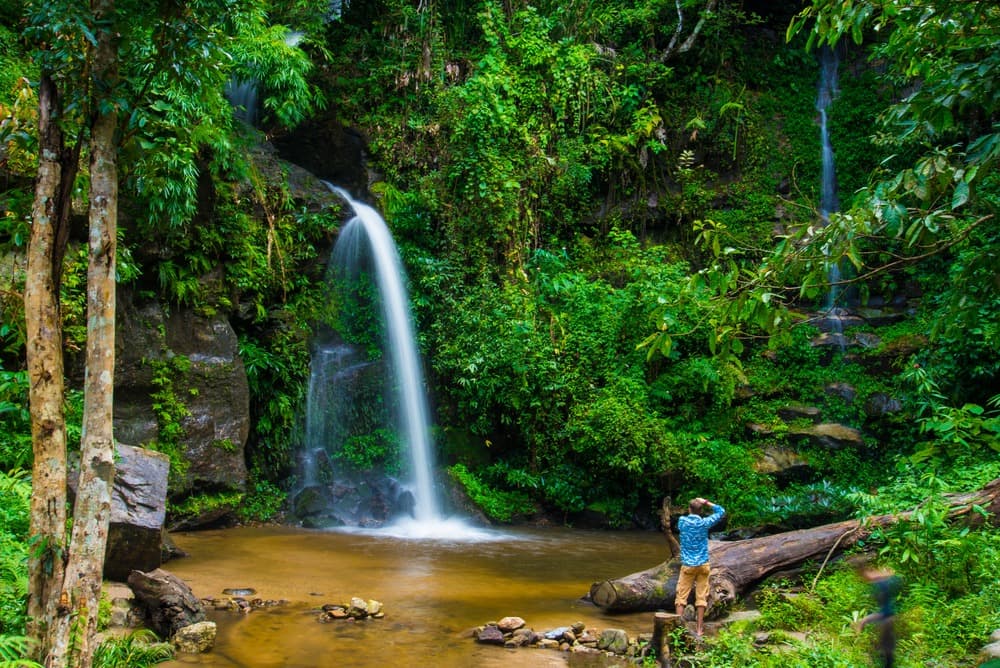
The national park protects two summits, Doi Buak Ha and Doi Pui, accessible via hiking trails of varying difficulty. Several waterfalls dot the massif:
Mok Fah Waterfall: located north of the park, about ten kilometers from the park headquarters. The road is passable by car to the last kilometer, which is covered on foot.
Dtaat Mook Waterfall: accessible via a 7 km trail, whose popularity requires a guide. Near the Huay Tong Tao dam, at the start of the route, a golden Buddhist idol merits a stop.
Huey Kaew Waterfall: the closest to the park entrance, accessible in a few minutes' walk from the main road.
Flora and fauna
The forest cover blends oaks, dipterocarps, magnolias and herbaceous and tree ferns. In terms of fauna, the park is home to the Asian black bear, Temminck's cat (a medium-sized wild feline), the barking deer, the Indian muntjac and the Assamese macaque, as well as diverse birdlife. Sightings remain occasional: the dense vegetation cover makes encounters unpredictable.
When to go
The massif can be visited year-round, with the altitude climate remaining temperate. The rainy season, from July to September, can make some trails slippery or impassable and reduce visibility from the summit. The cool season, from November to February, offers the best hiking conditions and clearest views over the valley.
How to get there
Doi Suthep can be reached from Chiang Mai via Huay Kaew Road, which passes by Maya Mall before climbing the mountain. Several options are available to visitors:
Shared songthaew (red truck) from the Maya Mall area or the north gate of the old town. Moderate fare, departure once the vehicle is full.
Taxi or private car with driver, more flexible for combining temple, palace and waterfalls in a single day.
Scooter for experienced riders: the road is winding and traffic is heavy.
Practical information
Entry to the national park is charged, with a standard rate for foreign visitors and a reduced rate for children. Park admission does not cover visits to Wat Phra That Doi Suthep or Bhubing Palace, which apply their own entrance fees. The park is open during daylight hours; exact times vary by season.
To spend the night on site, two campgrounds are available: Yod Doi Pui, near Bhubing Palace, and Mon Tha Than, near the waterfall of the same name. Equipment can be rented on site. The park headquarters also has bungalows at reasonable prices. Plan for half a day to a full day for a complete visit combining the temple, palace and a waterfall.
Nearby areas
On the way back down to the valley, several sites extend the excursion:
Mae Wang, a rural district west of Chiang Mai, for hiking and mountain villages.
Doi Pha Dam, another summit in northern Thailand.
The Ganesha Himal Museum, to further explore local religious syncretism.
Chiang Mai Night Safari, for an evening activity on your return.
Frequently asked questions
Frequently asked questions
Attire covering the shoulders and extending below the knees is required at the temple entrance. Bring a sarong or light trousers to wear over hiking clothes.
Plan for half a day for the temple alone, and a full day if you wish to combine Wat Phra That Doi Suthep, Bhubing Palace and a waterfall.
Red songthaews depart from Maya Mall or the north gate of the old town and climb up to the temple. The fare is moderate and negotiated when boarding, sometimes based on the number of passengers.
For Dtaat Mook Waterfall (7 km trail), a guide is mandatory. Shorter trails, such as access to Huey Kaew, can be done independently.
From November to February, the cool season offers pleasant temperatures and good visibility. Avoid the rainy season, from July to September, when some trails become difficult to access.
Planning your trip
Doi Suthep-Pui fits naturally into a circuit through northern Thailand. To build a complete itinerary combining Chiang Mai, its mountains and other regions of the country, consult our suggestions for travel to Thailand.
Photos
Nearby
Also discover
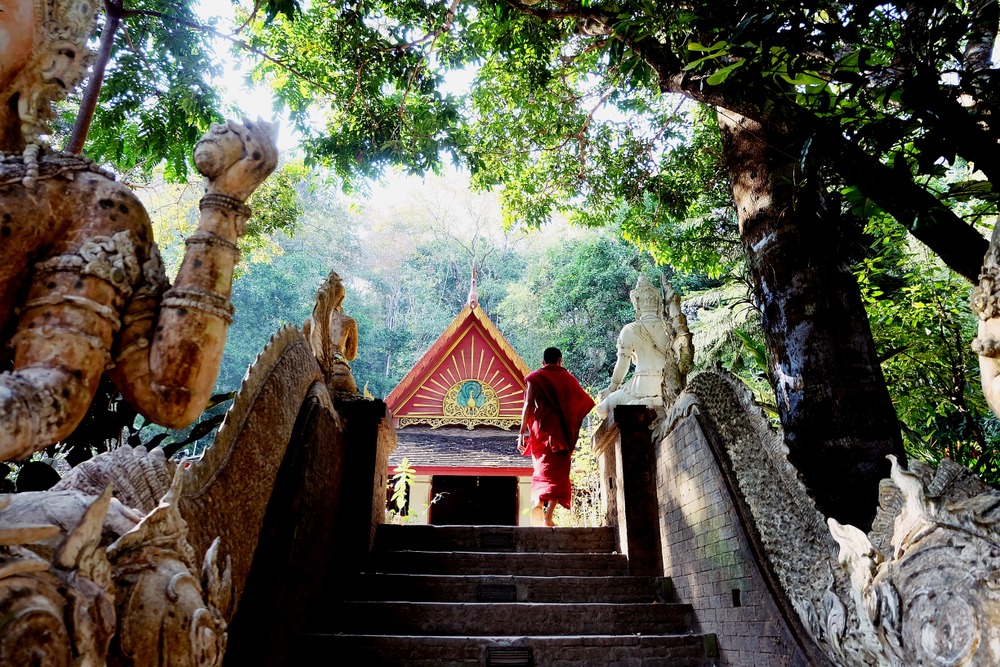
Wat Pha Lat
A forest temple founded in 1386 on the slopes of Doi Suthep, accessible from Chiang Mai via the Monk's Trail. Complete visitor's guide.
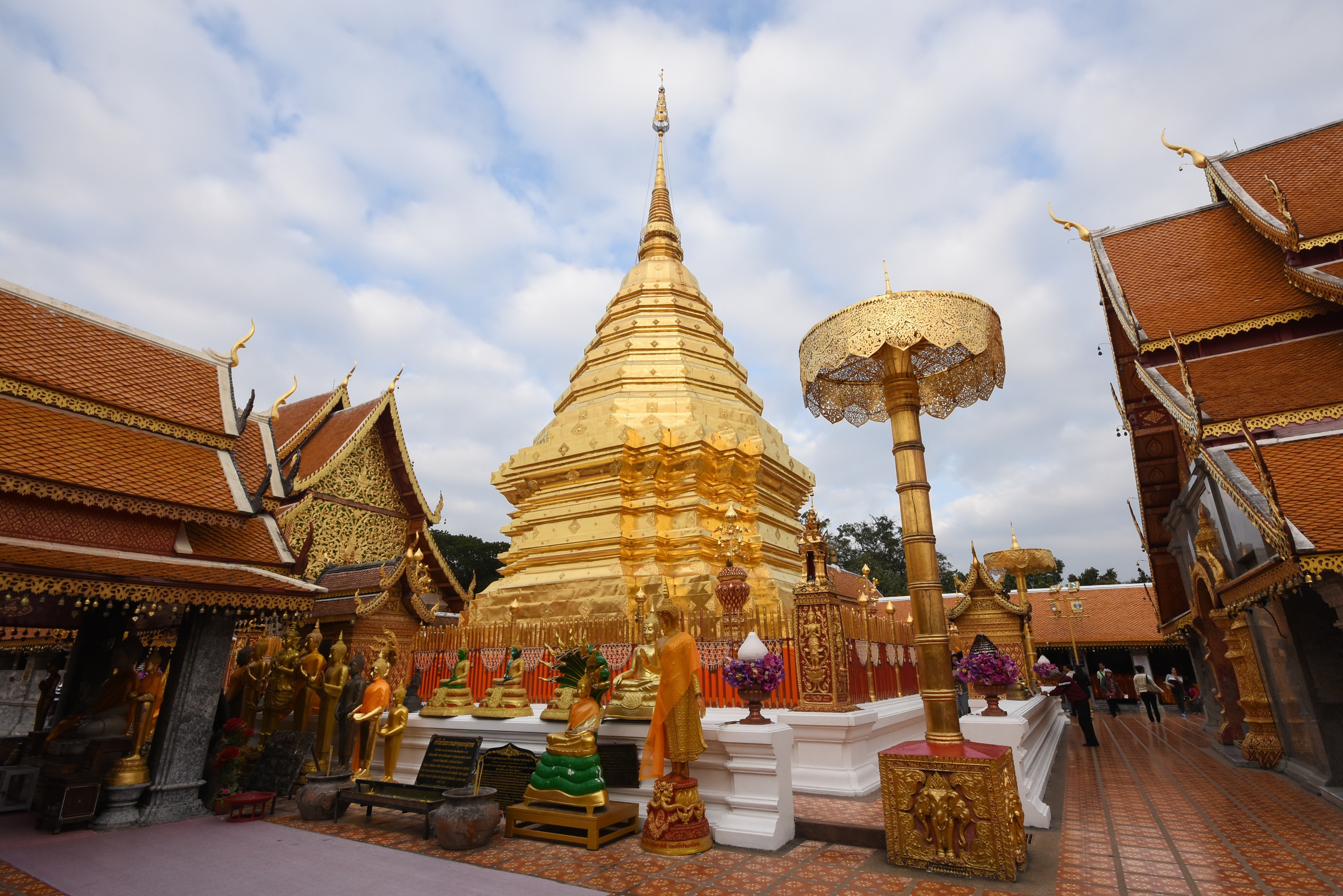
Wat Phra That Doi Suthep
Perched at 1,073 meters above Chiang Mai, Wat Phra That Doi Suthep encompasses six centuries of Lanna art around a golden chedi and a founding legend.

Chiang Mai Zoo
At the foot of Doi Suthep, Chiang Mai Zoo brings together 400 species, a Panda House and marine and freshwater tunnel aquariums across 80 hectares.
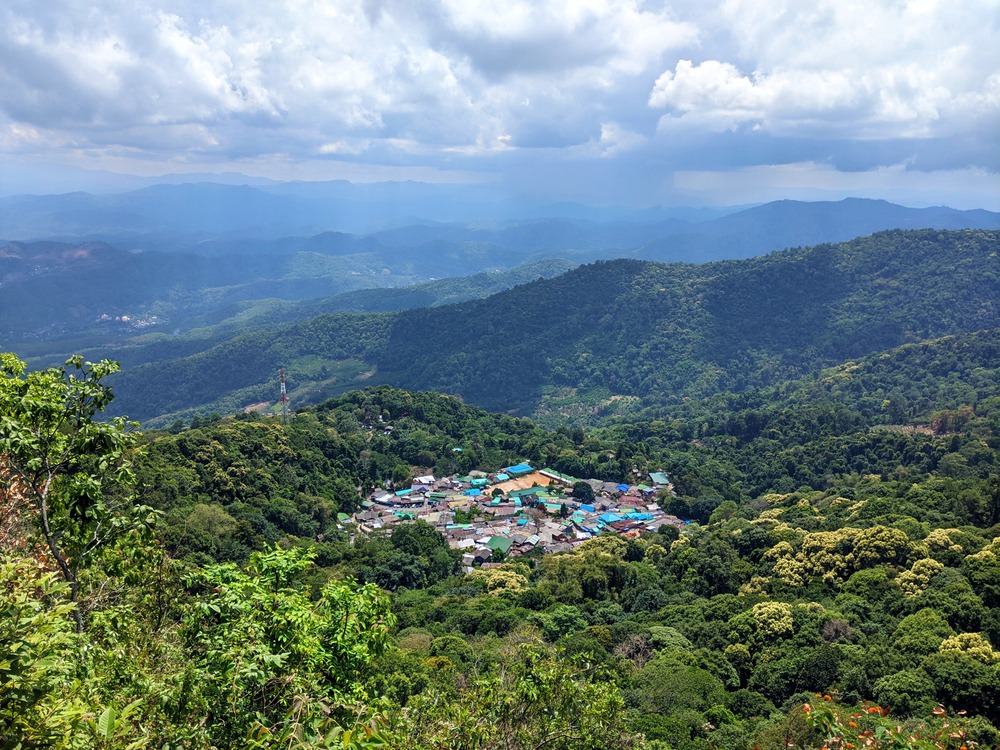
Hmong Doi Pui
Just 11 km from Chiang Mai, the Hmong village of Doi Pui brings together an ethnographic museum, blooming gardens, tribal crafts and the gateway to Doi Suthep-Pui National Park.
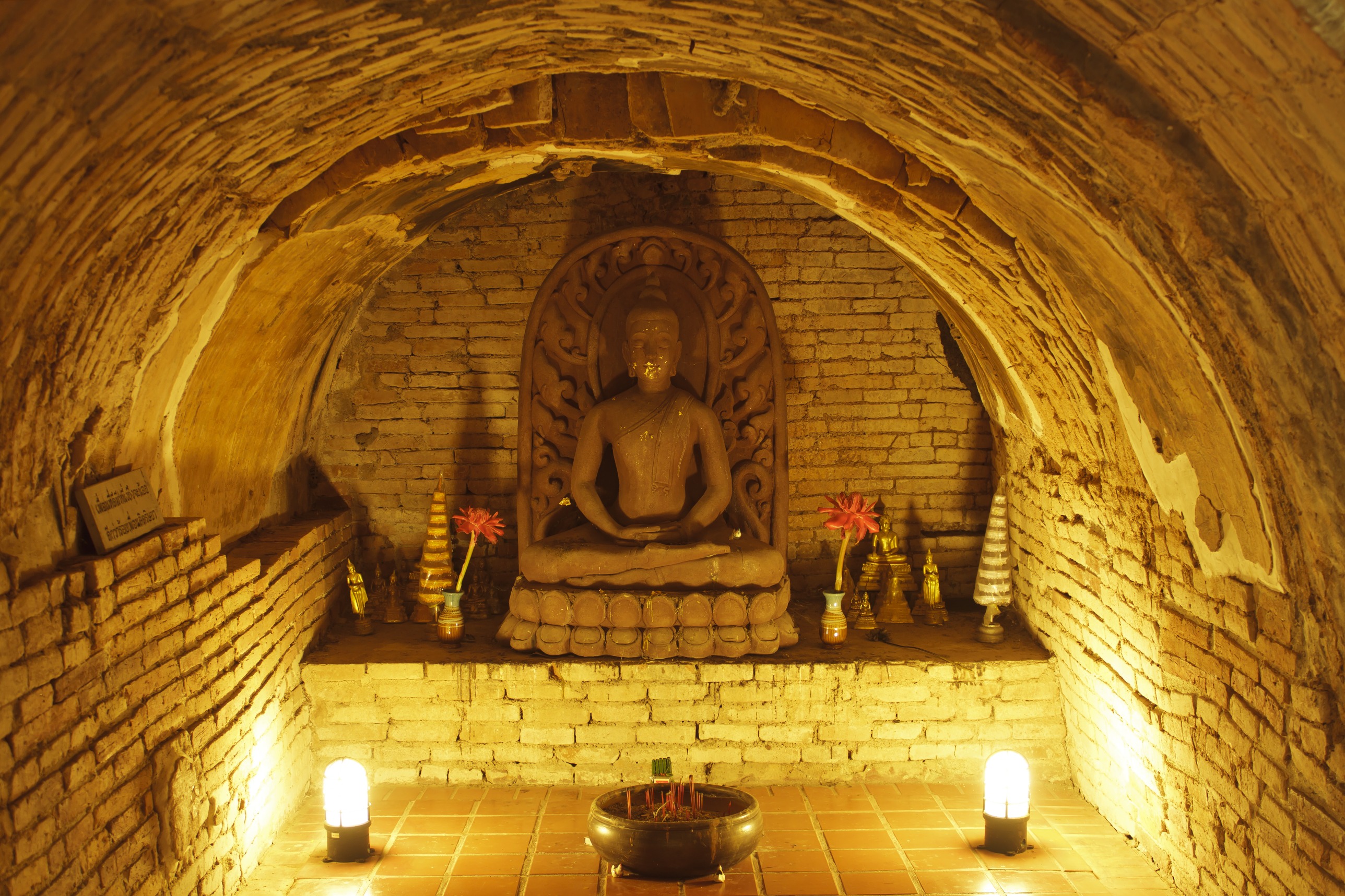
Wat Umong
On the outskirts of Chiang Mai, Wat Umong stands apart with its underground tunnels dating from the 13th century and a forest park dedicated to Buddhist meditation.
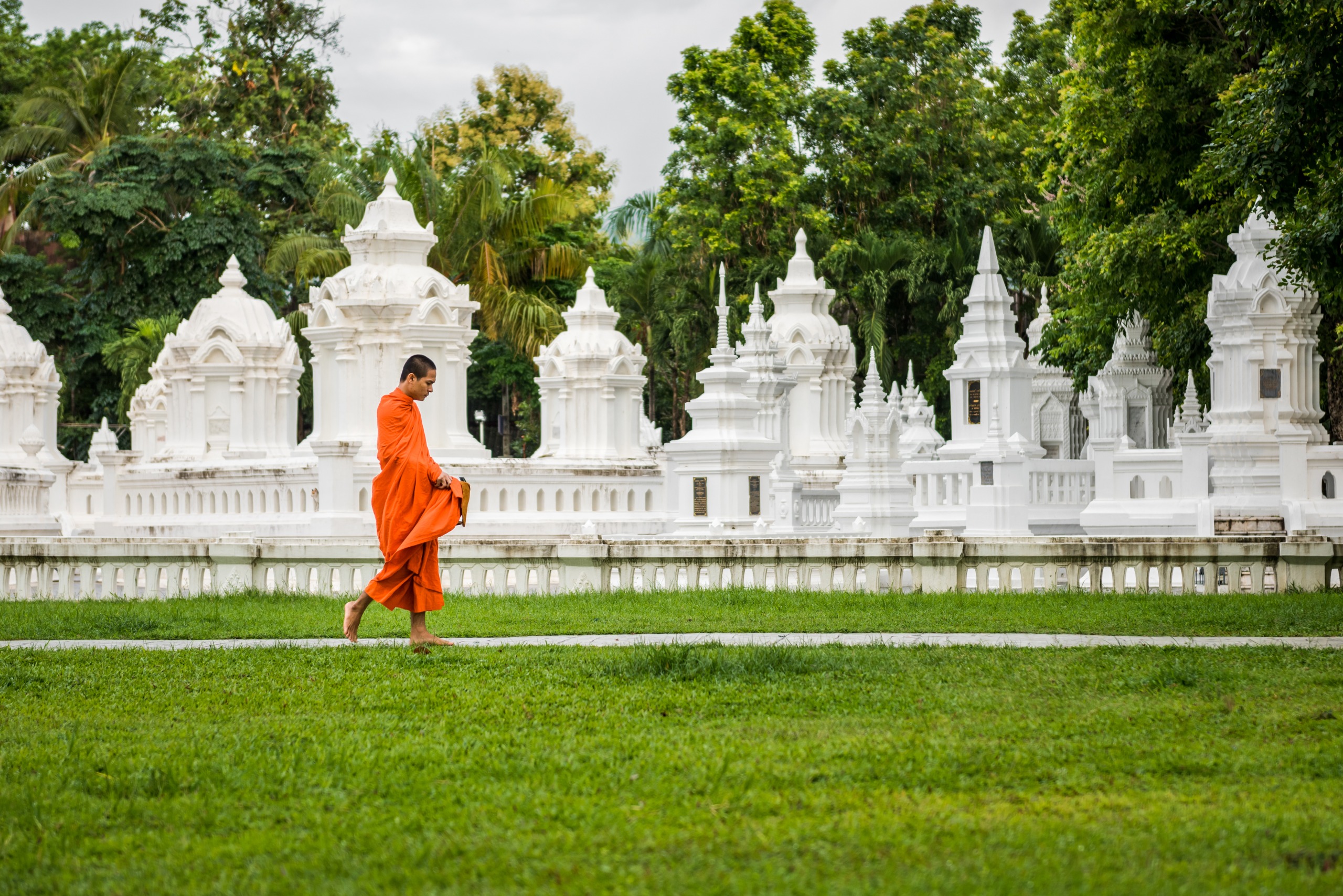
Wat Suan Dok
A 14th-century Lanna temple in Chiang Mai, Wat Suan Dok brings together a Sri Lankan-style chedi, a royal cemetery and an exchange program with monks.
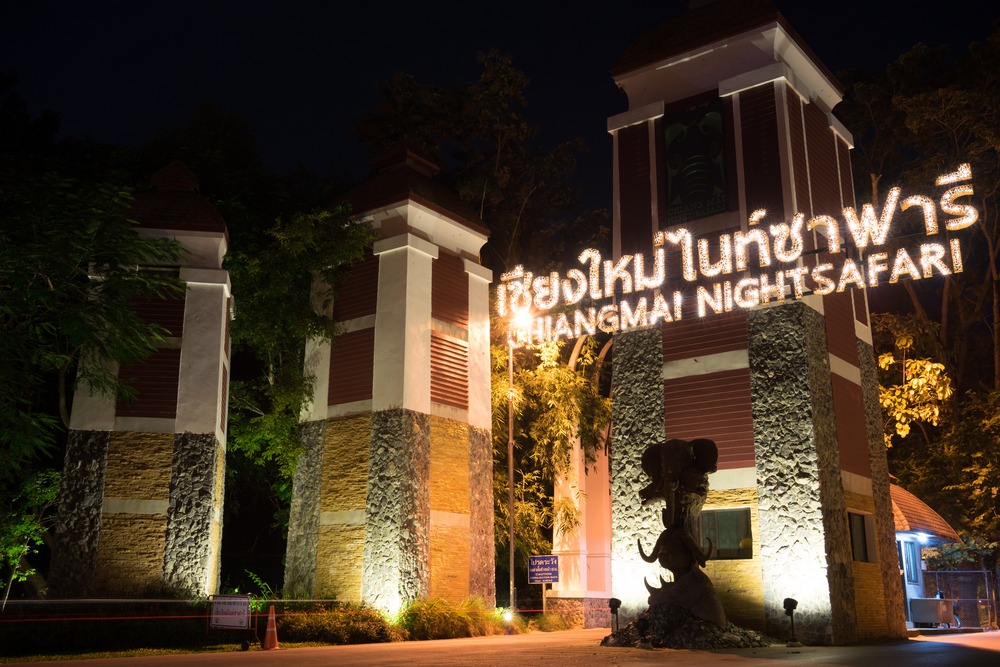
Chiang Mai Night Safari
A 130-hectare nocturnal zoo opened in 2006 just 12 km from Chiang Mai, Night Safari houses nearly 2,000 animals spread across three themed circuits.
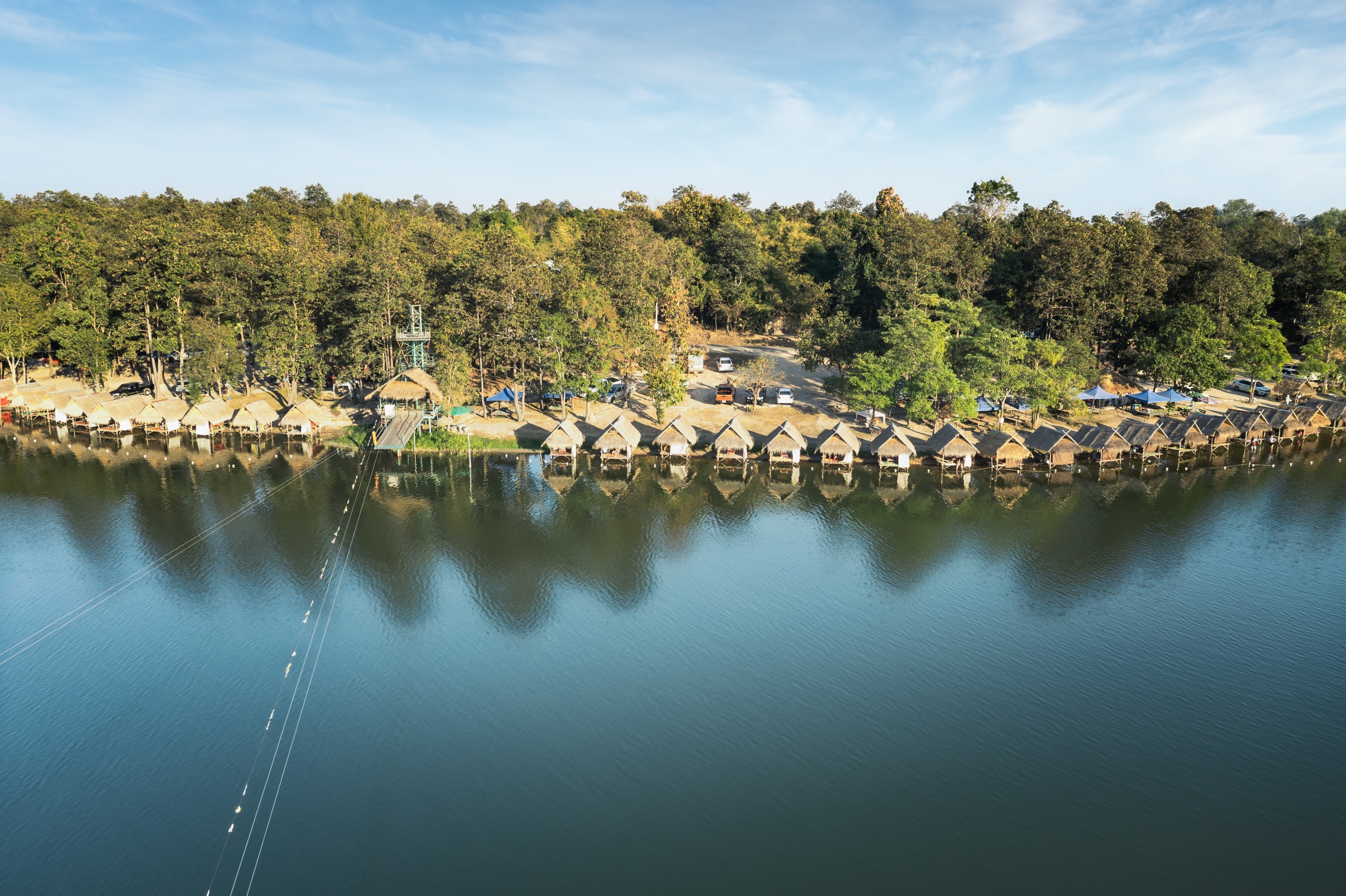
Huay Tung Tao Lake
Just 15 km from Chiang Mai, Huay Tung Tao Lake combines floating bungalows, swimming, a 4 km trail and bird watching at the foot of Doi Suthep.
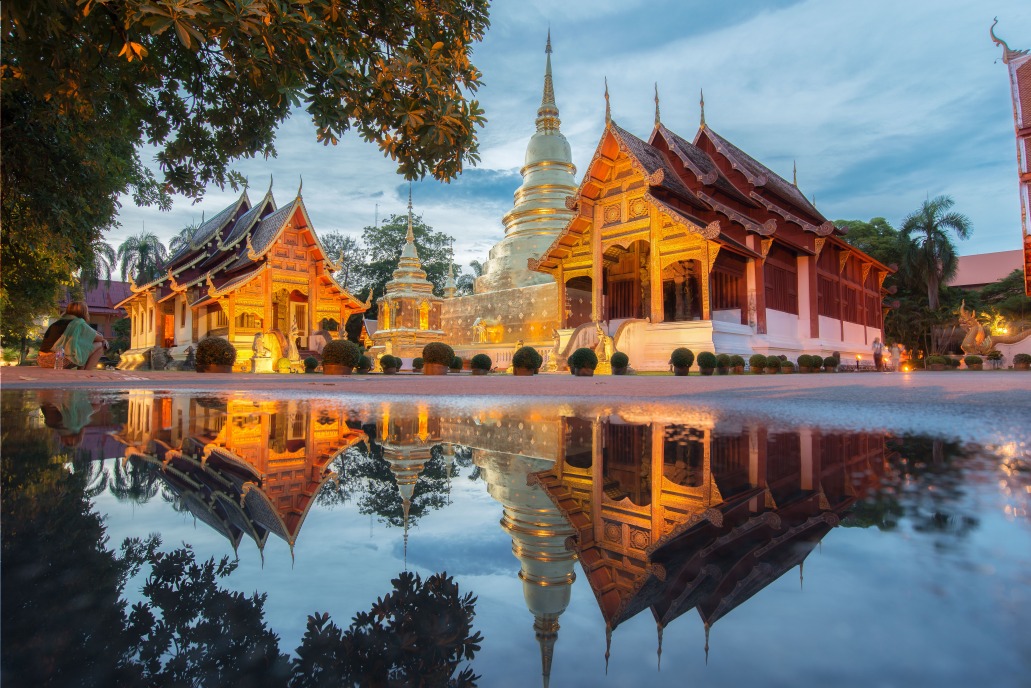
Wat Phra Singh
Founded in 1345 in the old city of Chiang Mai, Wat Phra Singh houses a venerated Buddha statue and exemplifies the pinnacle of Lanna architecture.
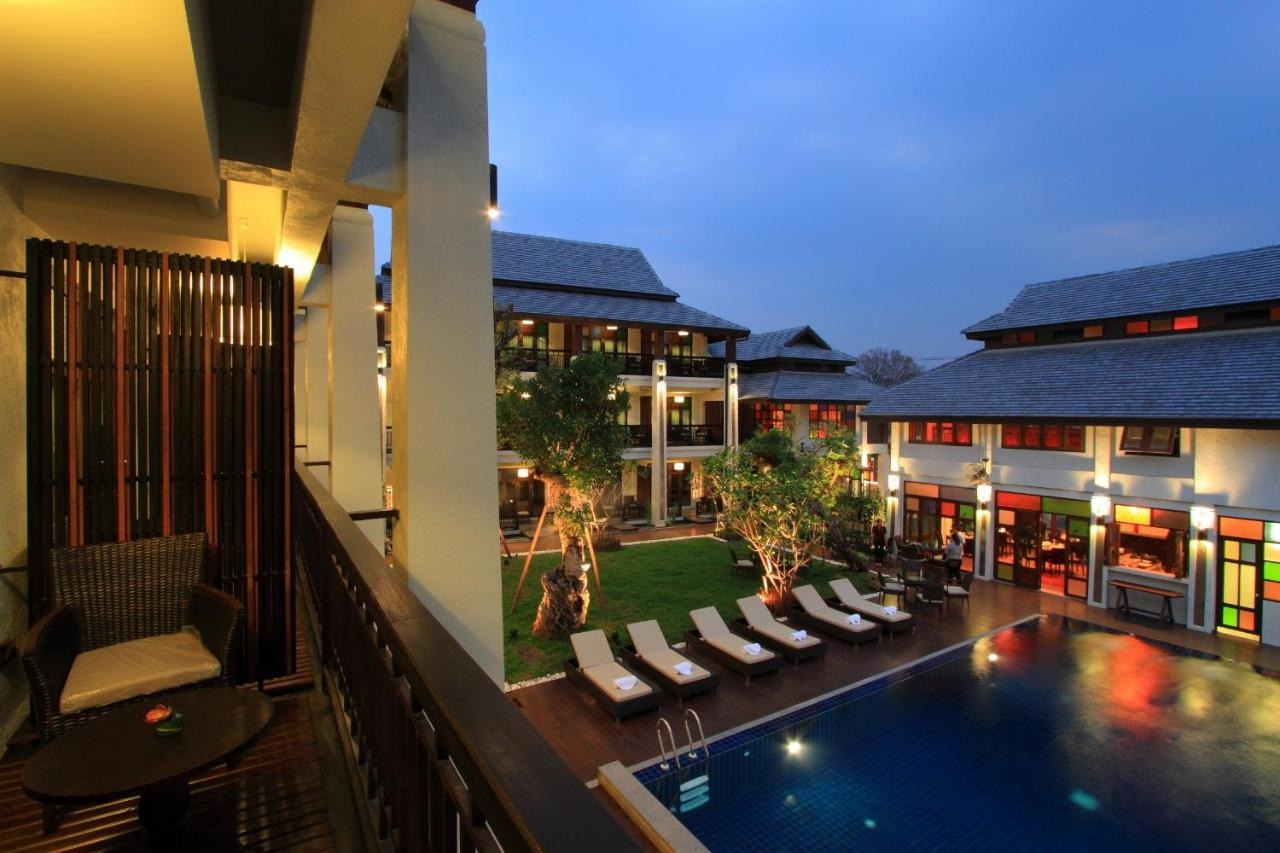
De Lanna Hotel
4-star hotel in the historic Sri Phum district of Chiang Mai, featuring a pool and spa. Walking distance to the main sites of the old town center.
Interested in this visit?
We can include it in your personalised itinerary.