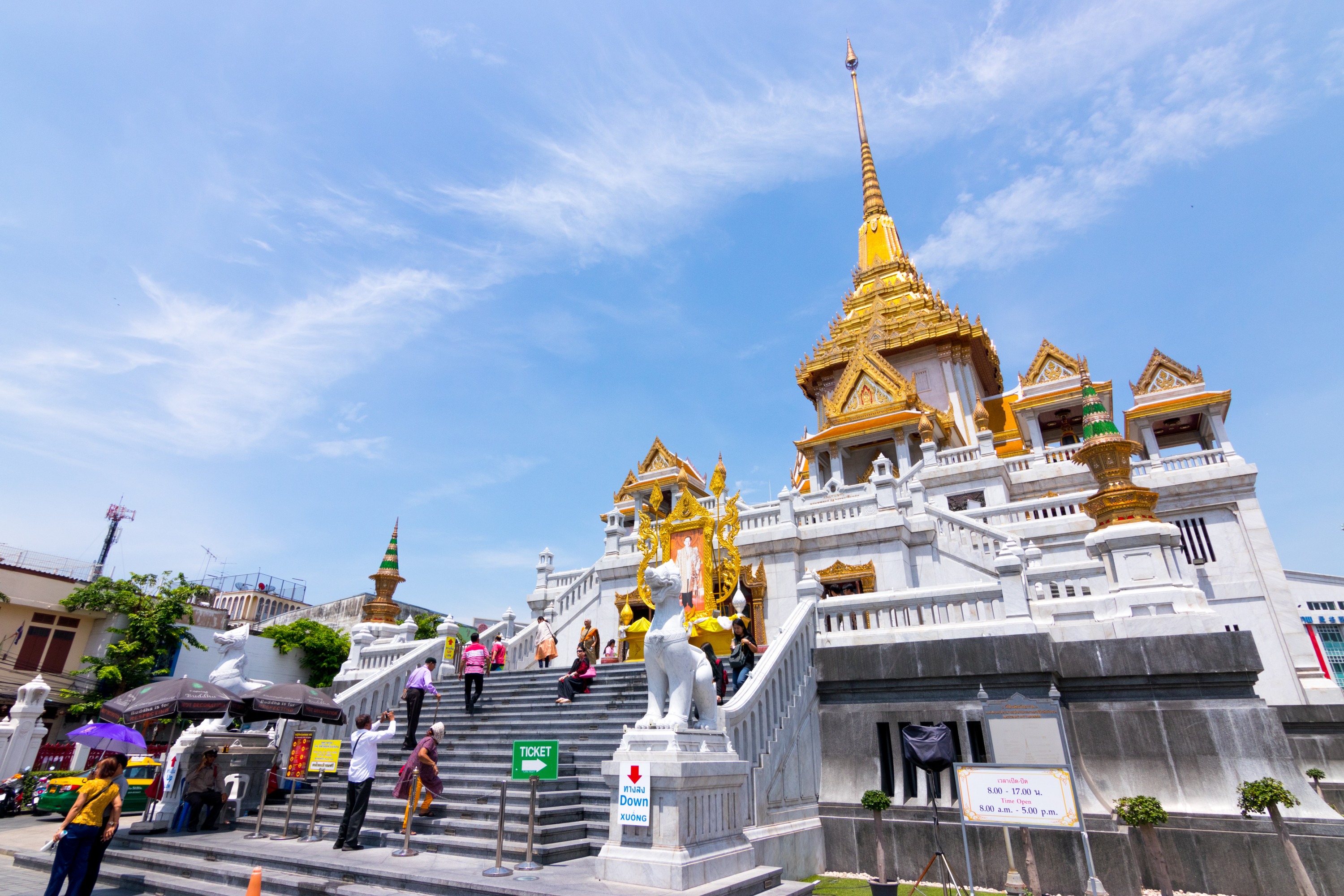
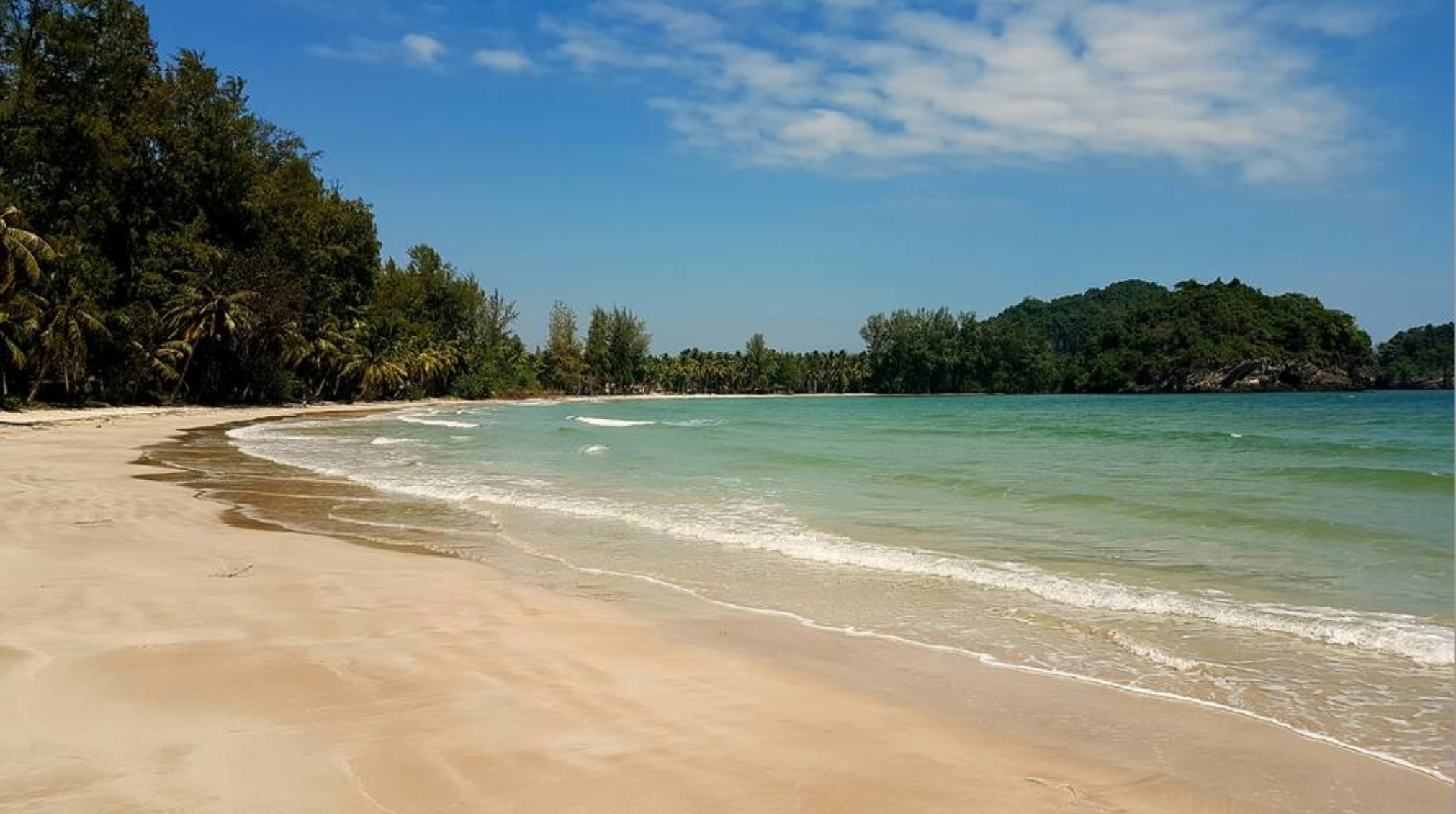
Wat Phra Singh
Wat Phra Singh
2 Samlarn Rd, Tambon Si Phum, Amphoe Mueang Chiang Mai, Chang Wat Chiang Mai 50200, Thaïlande
Founded in 1345 in the old city of Chiang Mai, Wat Phra Singh houses a venerated Buddha statue and exemplifies the pinnacle of Lanna architecture.
At the heart of Chiang Mai's old city, Wat Phra Singh ranks among the most visited temples of the ancient capital of the Lanna kingdom. Founded in the 14th century, it houses a Buddha statue revered throughout Northern Thailand and illustrates, through its intricately carved wooden buildings and golden chedis, the zenith of Lanna architecture.
Why Visit Wat Phra Singh
Three reasons make this temple essential for understanding Chiang Mai. First, its antiquity: the complex dates back to the mid-14th century and preserves several original or faithfully restored buildings. Second, its role as an active religious center: over 700 monks are said to reside there, and the temple continuously hosts rituals, meditation sessions and offerings. Finally, its symbolic status, linked to the Phra Singh Buddha statue carried in procession through Chiang Mai's streets each year during Songkran.
To place your visit within a broader exploration of the city's temples, you can combine it with Wat Chedi Luang, its immediate neighbor, or with other sanctuaries in Chiang Mai.
History of the Temple
Around 1345, King Phayu of the Mengrai dynasty erected the temple to preserve the ashes of his father, King Fu Kham. The complex was then named Wat Phra Lichiang. Several years later, additional buildings were added to the complex.
In 1367, the arrival of the Phra Singh Buddha statue gave the temple its current name. The precise origins of this image remain debated. According to some chronicles, it is said to have followed a long journey from the Mahabodhi temple in India, passing through Ceylon (present-day Sri Lanka), Ligor and Ayutthaya, before reaching Chiang Mai.
Between the 16th and 18th centuries, under Burmese rule, the sanctuary experienced a long period of neglect and several of its buildings deteriorated. In the early 19th century, King Kawila undertook extensive restoration that restored the temple to its leading religious role. In the 1920s, the monk Khru Srivichai Ba conducted further renovations. The most recent restoration campaign dates back to 2002.
What to See on Site
The complex comprises several buildings arranged within a well-maintained park. Each deserves a visit.
- The Viharn Luang: the main building, it houses Buddha images dating from the 16th century.
- The Viharn Lai Kham: home to the Phra Singh Buddha statue. On the walls, a large mural depicts daily life in 14th-century Chiang Mai, a precious document on the clothing, dwellings and professions of the era.
- The Stupa Chedi Luang: erected in the 14th century, guarded by statues of lions and elephants, it contains the remains of King Fu Kham.
- The Ubosot: richly decorated ordination hall, where monks and the faithful gather for rituals.
- The Ho Trai (library): perched on a stone platform and guarded by Makaras, mythical creatures, this small building houses the sacred texts and temple archives.
Multi-tiered roofs, wooden facades adorned with inlaid glass mosaics and golden motifs characterize the Lanna style. You will also notice influences from Sri Lankan and Burmese traditions, testament to the exchanges that shaped the region.
Practical Information
The temple is open daily, from morning until late afternoon. Admission to the site is free; a modest entrance fee is requested for the Viharn Luang. Plan approximately 1.5 to 2 hours to explore the entire complex at a leisurely pace.
As in all Thai temples, dress covering shoulders and knees is required. Shoes must be removed before entering buildings, feet should not be pointed toward Buddha statues and voices should be kept low near prayer areas.
When to Visit
The temple can be visited year-round. The dry season, from November to February, offers the most pleasant conditions, with comfortable temperatures. To minimize heat and crowds, visit early in the morning or late in the afternoon.
Three major highlights punctuate the religious calendar at Wat Phra Singh. During Songkran (mid-April, the Buddhist New Year), the Phra Singh Buddha statue is taken from the Viharn Lai Kham and carried in procession through Chiang Mai's streets. Loy Krathong (October-November, the Festival of Lights) features floating offerings and lantern releases. Visakha Bucha (May-June) commemorates the Buddha's birth, enlightenment and parinirvana. This is also the Kathina period, when the faithful offer monastic robes to the monks.
How to Get There
Wat Phra Singh is located in the western part of Chiang Mai's fortified old city, at the junction of Singharat Road, Samlarn Road and Ratchadamnoen Road. From most accommodations within or around the moat, access is easy on foot. Otherwise, red songthaews (shared taxis), tuk-tuks and ride-hailing vehicles serve the entire old city.
Nearby
The old city is home to a large number of sanctuaries, making it possible to chain visits on foot:
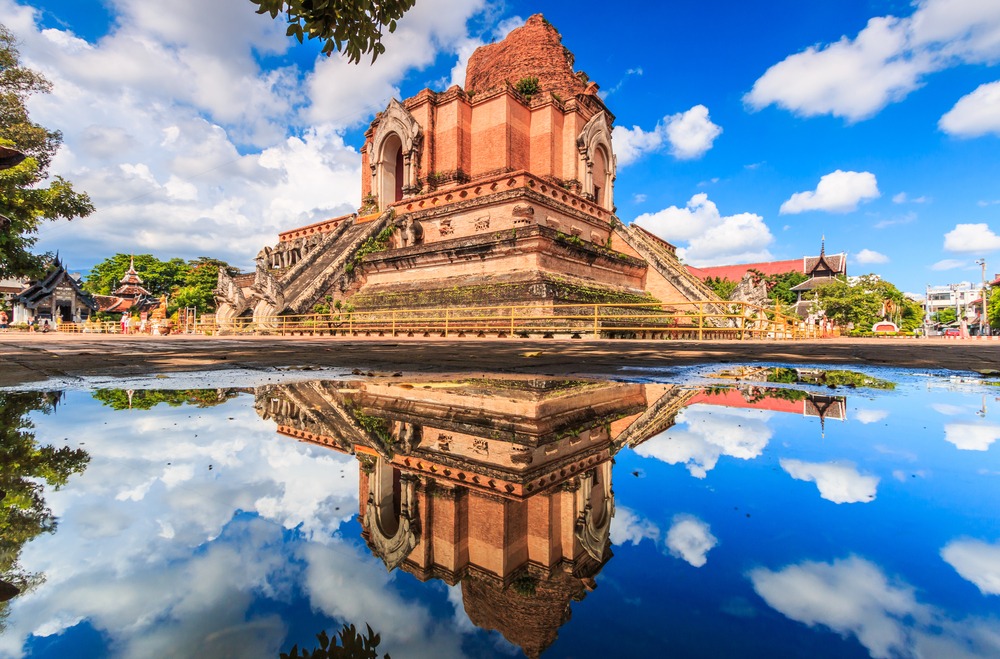
- Wat Chedi Luang, a few minutes east, known for its massive ruined chedi.
- Wat Sri Suphan, or Silver Temple, in the silversmith's quarter.
- Wat Suan Dok, west of the ramparts, with its white chedis.
- Wat Umong, a cave temple nestled against the forest.
- Warorot Market, for a more secular pause devoted to local cuisine and craftsmanship.
Frequently Asked Questions
Frequently asked questions
Access to the site is free. Only a visit to the Viharn Luang, which houses a large golden Buddha statue, requires a modest entrance fee that goes toward temple maintenance.
The temple welcomes visitors daily, from morning until late afternoon. An early morning visit allows you to enjoy a quieter atmosphere and favorable lighting for photographs.
Shoulders and knees must be covered, for both men and women. You must also remove your shoes before entering buildings. A sarong or scarf can be helpful if needed on site.
Plan approximately 1.5 to 2 hours to explore the complex while taking time to observe the architecture, frescoes and the Phra Singh statue.
Yes. The monks regularly offer guided meditation sessions open to visitors, as well as informal exchanges (chats with monks) allowing you to ask questions about Theravada Buddhism.
To incorporate a visit to Wat Phra Singh into a broader itinerary across Northern Thailand, consult our travels in Thailand.
Photos
Nearby
Also discover
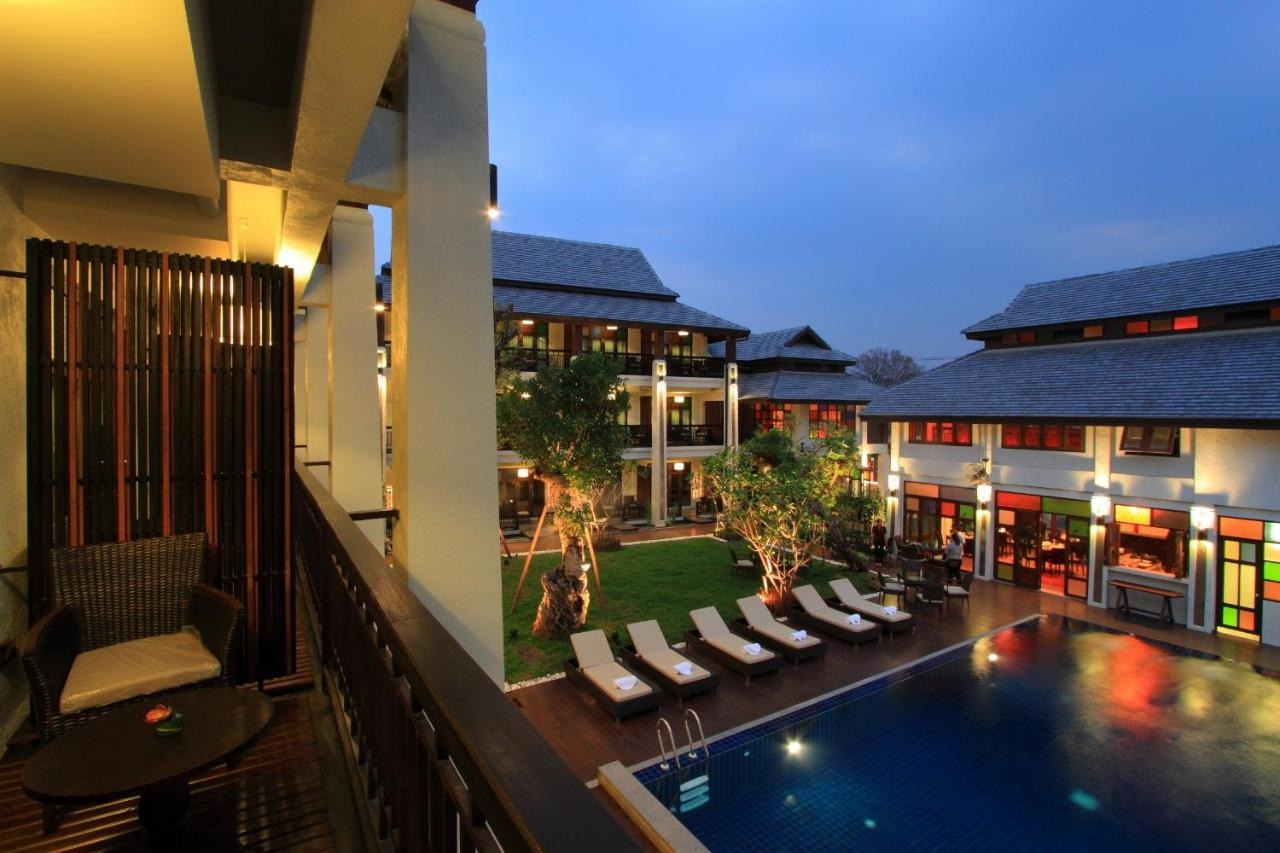
De Lanna Hotel
4-star hotel in the historic Sri Phum district of Chiang Mai, featuring a pool and spa. Walking distance to the main sites of the old town center.
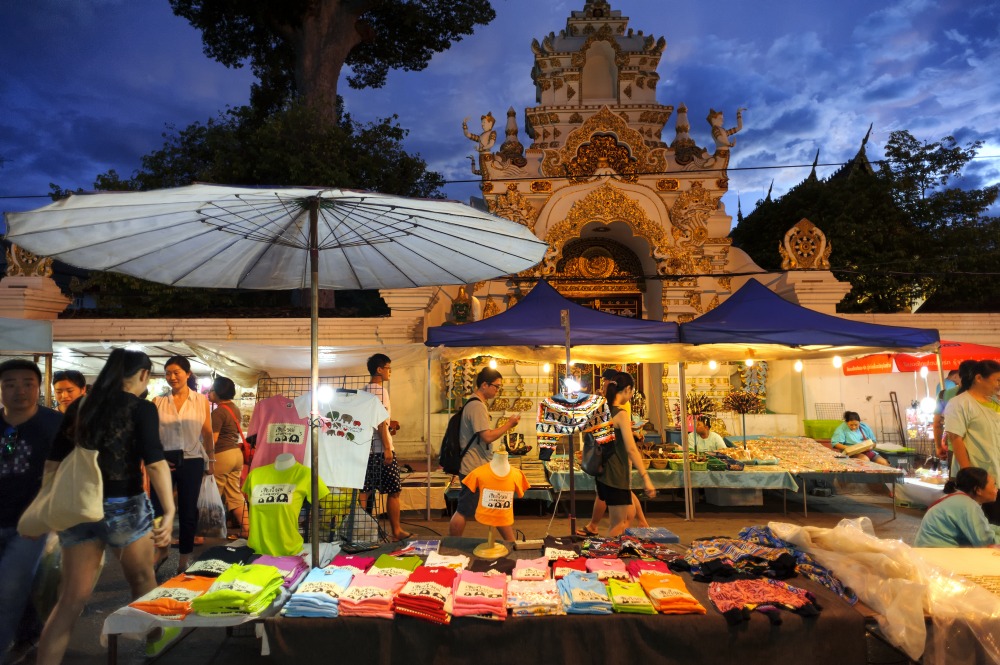
Chiang Mai
Chiang Mai is an unmissable destination during a Thailand trip. With its historic monuments, rich culture and natural attractions, the Rose of the North will captivate you.
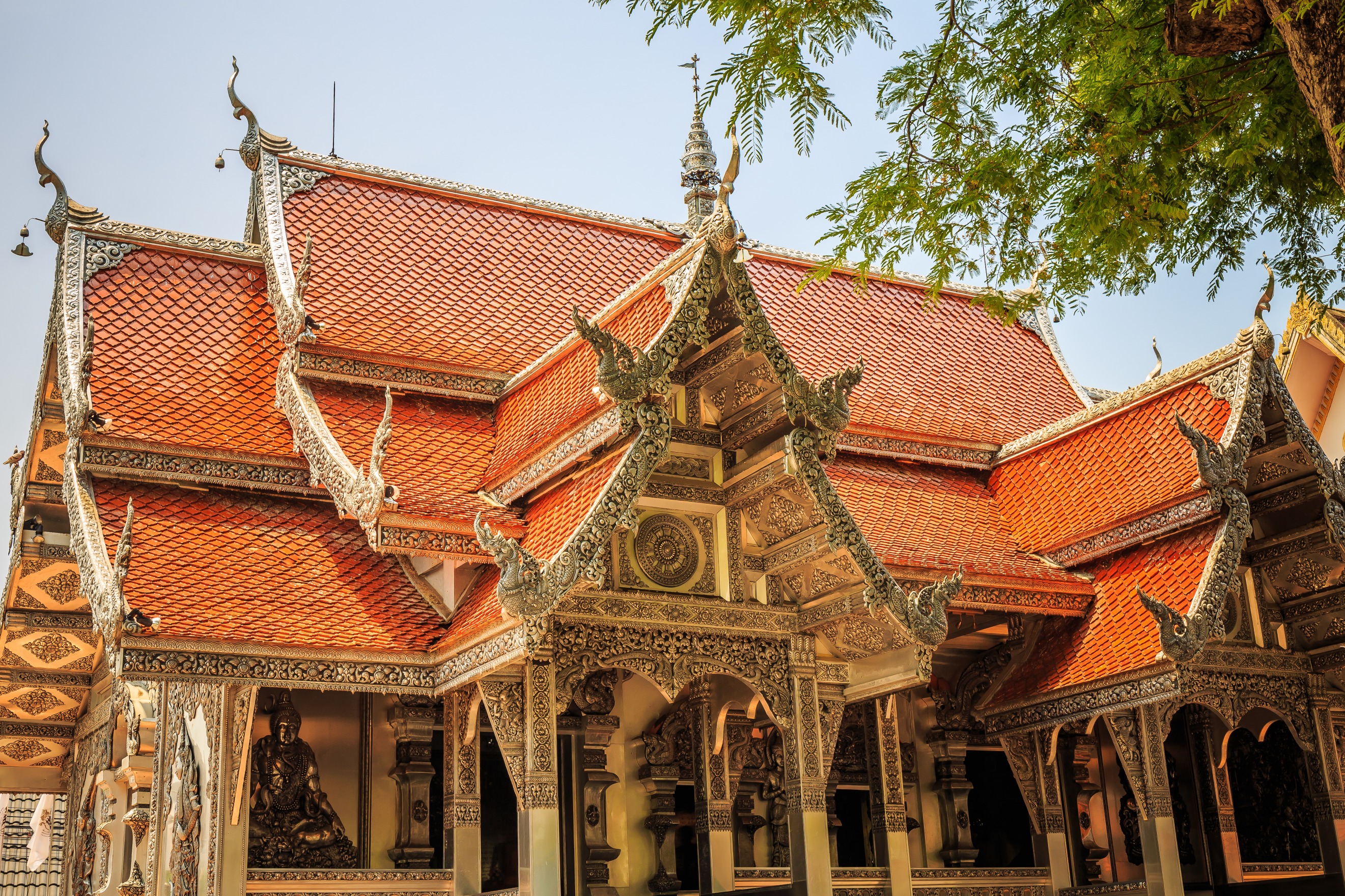
Wat Sri Suphan (Silver Temple)
South of Chiang Mai's old city, Wat Sri Suphan stands out for its ubosot covered entirely in silver, a creation of the silversmiths from the Wualai neighborhood.
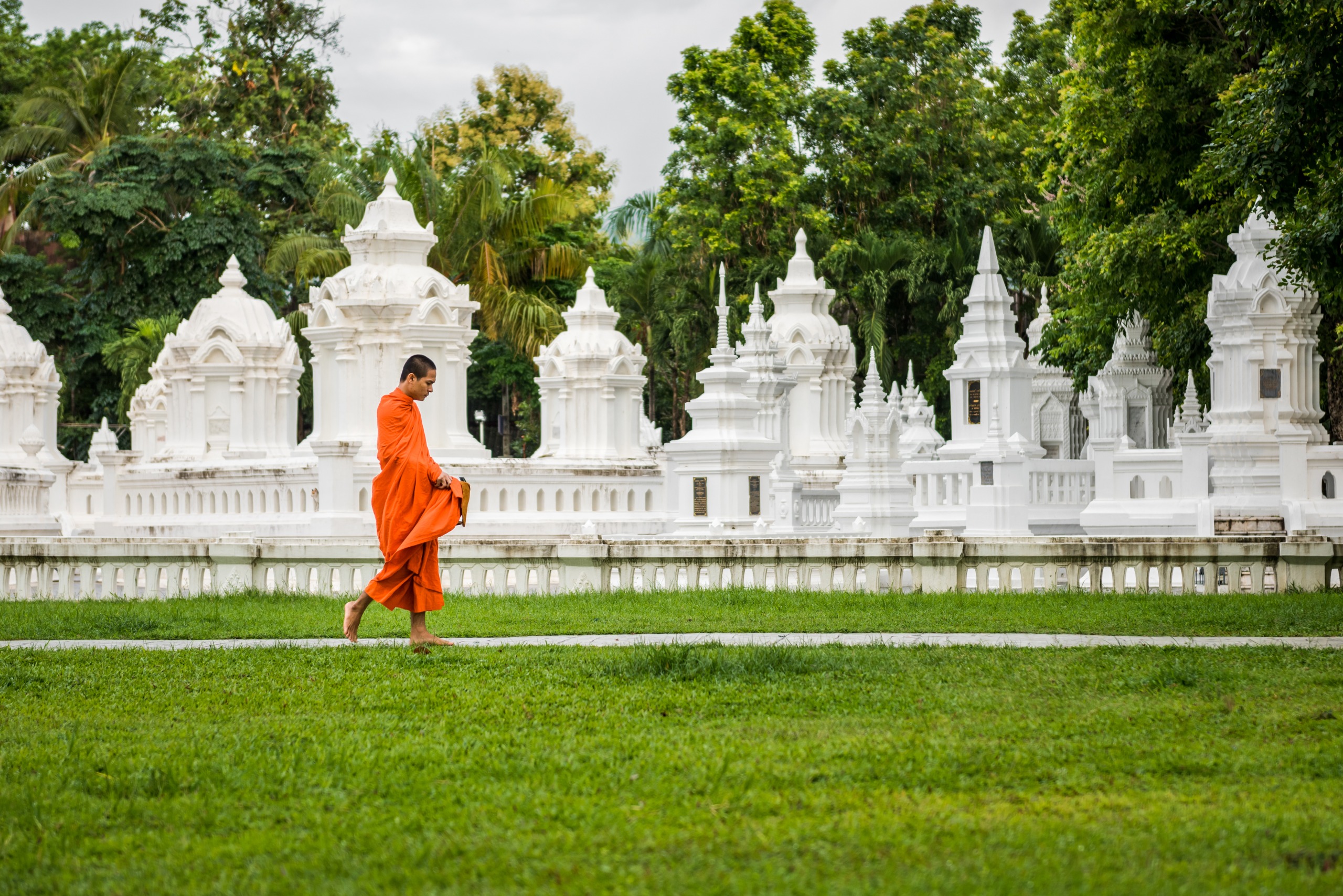
Wat Suan Dok
A 14th-century Lanna temple in Chiang Mai, Wat Suan Dok brings together a Sri Lankan-style chedi, a royal cemetery and an exchange program with monks.
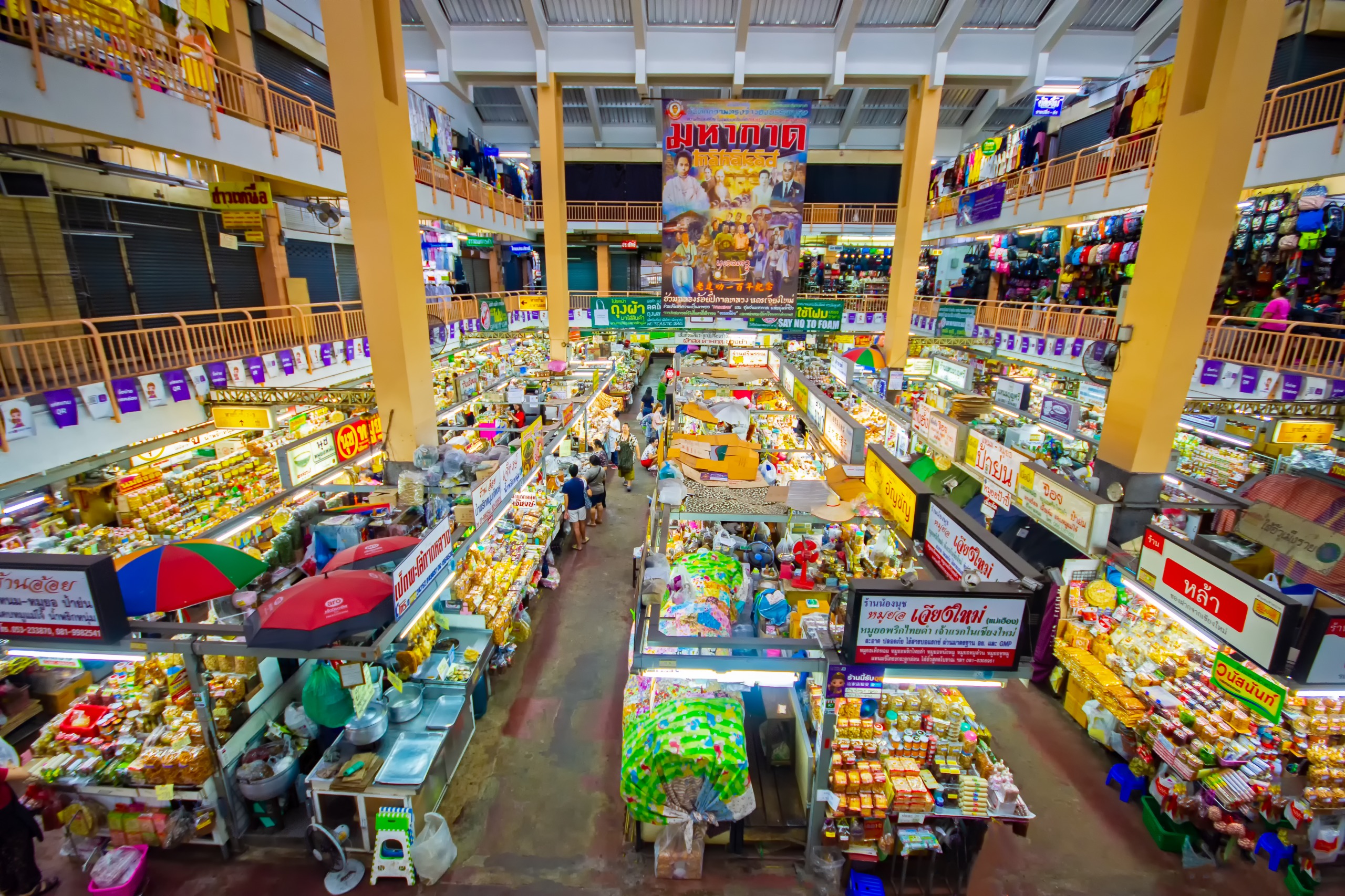
Warorot Market
Founded in 1910 by Princess Dara Rasmi, Warorot Market concentrates fresh produce, Lanna specialties and local crafts in Chiang Mai's Chinese quarter.
Wat Umong
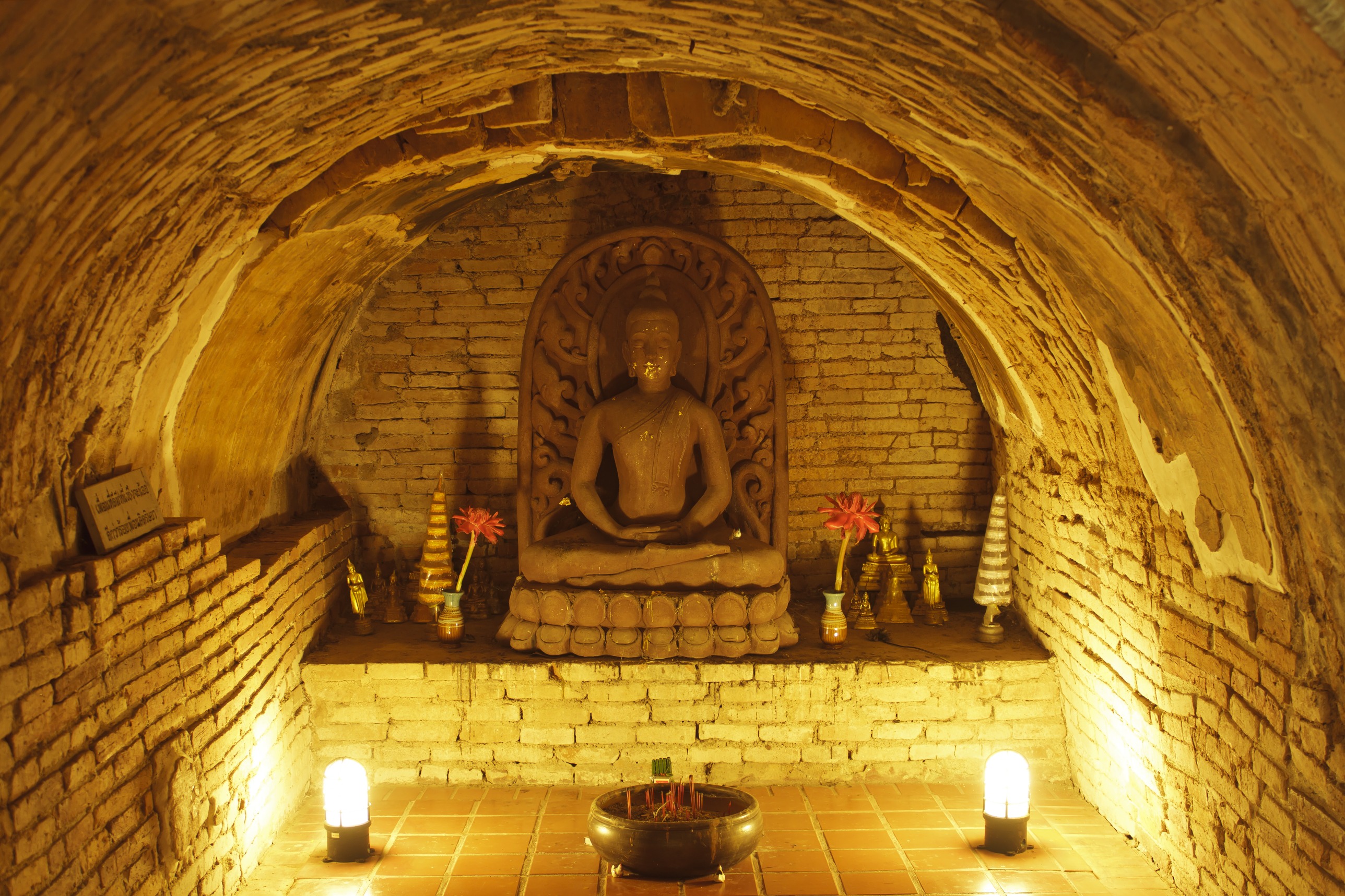
On the outskirts of Chiang Mai, Wat Umong stands apart with its underground tunnels dating from the 13th century and a forest park dedicated to Buddhist meditation.

Chiang Mai Zoo
At the foot of Doi Suthep, Chiang Mai Zoo brings together 400 species, a Panda House and marine and freshwater tunnel aquariums across 80 hectares.
Wat Pha Lat
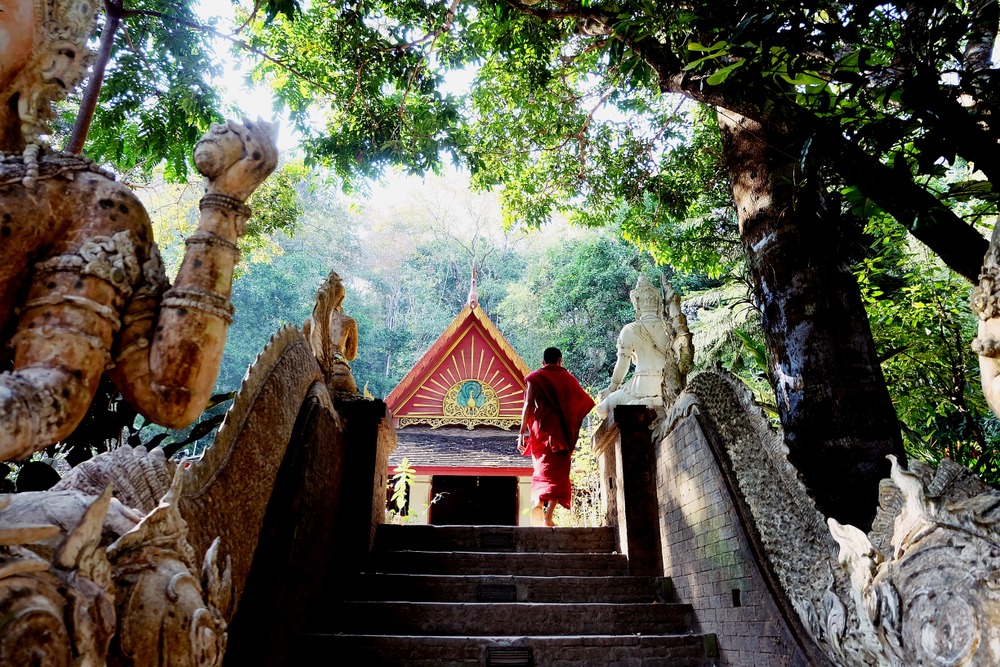
A forest temple founded in 1386 on the slopes of Doi Suthep, accessible from Chiang Mai via the Monk's Trail. Complete visitor's guide.
Chiang Mai Night Safari
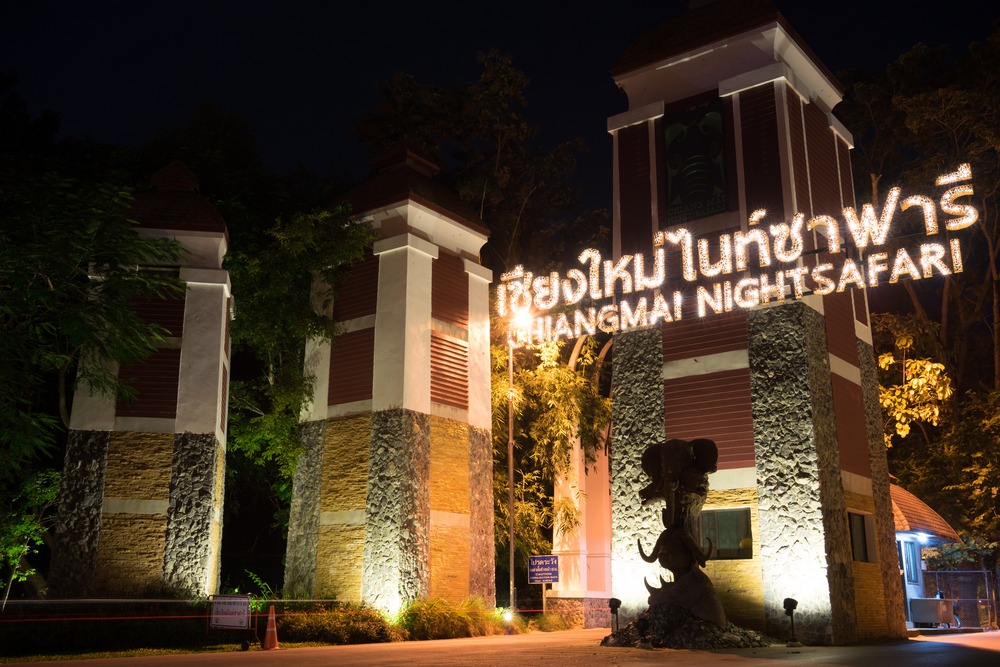
A 130-hectare nocturnal zoo opened in 2006 just 12 km from Chiang Mai, Night Safari houses nearly 2,000 animals spread across three themed circuits.
Wat Phra That Doi Suthep
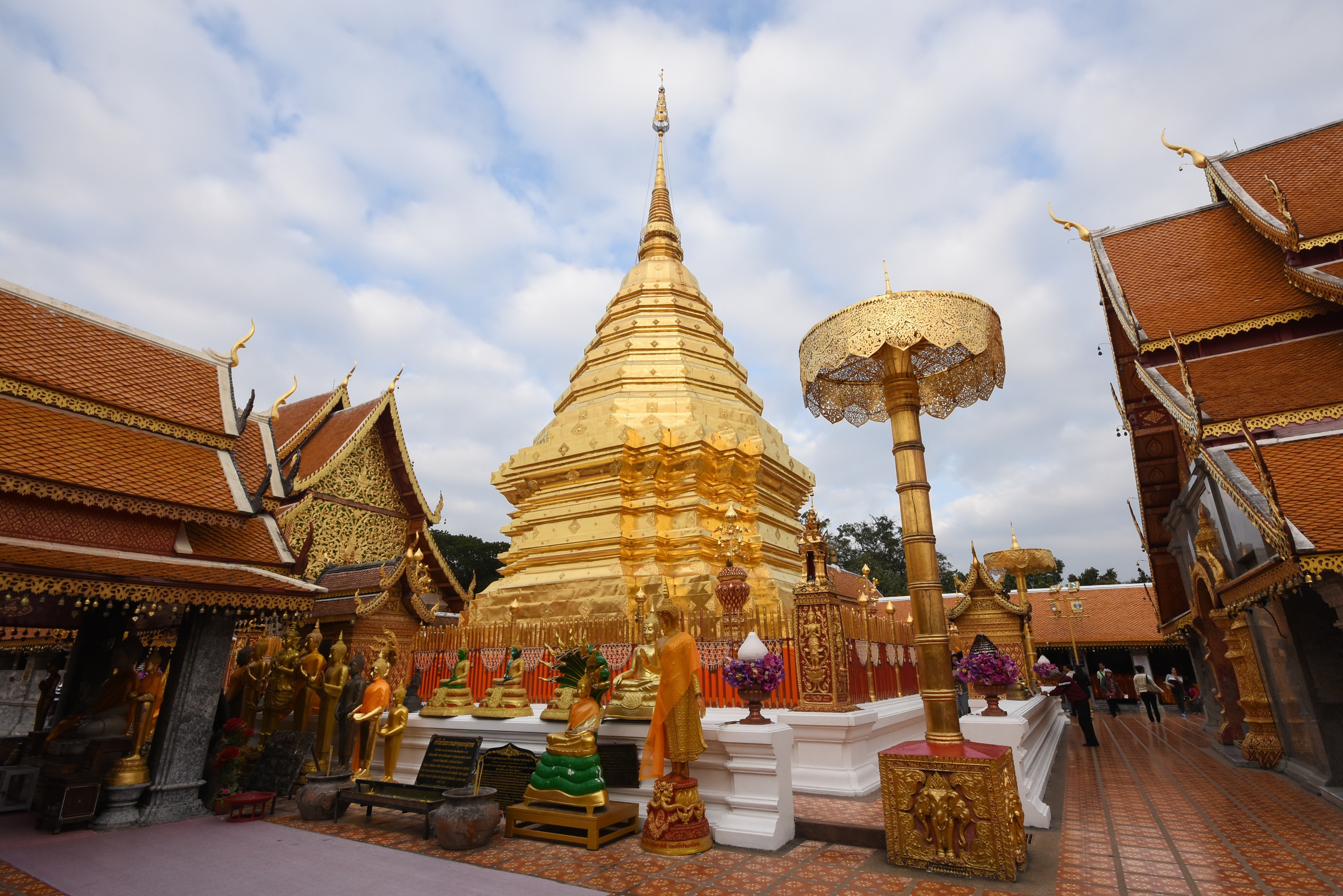
Perched at 1,073 meters above Chiang Mai, Wat Phra That Doi Suthep encompasses six centuries of Lanna art around a golden chedi and a founding legend.
Interested in this visit?
We can include it in your personalised itinerary.