Warorot Market
Warorot Market
Chang Moi Sub-district, Mueang Chiang Mai District, Chiang Mai 50300, Thailand
Founded in 1910 by Princess Dara Rasmi, Warorot Market concentrates fresh produce, Lanna specialties and local crafts in Chiang Mai's Chinese quarter.
In the heart of Chiang Mai's Chinese quarter, Warorot Market occupies a vast three-story building overlooking the Ping River. Known locally alongside its neighbor Talad Lam Yai as Kad Luang, it has concentrated the city's commercial activity for over a century: fresh produce, textiles, flowers, jewelry and specialties from northern Thailand.
Why visit Warorot Market
Warorot is a neighborhood market, designed primarily for Chiang Mai residents. This is what makes it compelling for travelers: you observe local life without tourist staging, you taste Lanna specialties rarely found in downtown food courts, and you encounter prices calibrated for the Thai market rather than visitors.
The Kad Luang complex groups several complementary halls: Warorot for dry goods, clothing, jewelry and cosmetics, Talad Lam Yai for flowers and fresh fruit. Plan 1 to 2 hours for an unhurried tour, longer if you take time for a meal on-site.
Market History
Warorot Market was created in 1910 at the initiative of Princess Dara Rasmi, wife of King Rama V and native of Chiang Mai. She named the site Chao Inthawaroros Suriyawong in tribute to King Intavaroros Suriyavongse, reigning prince of Lanna.
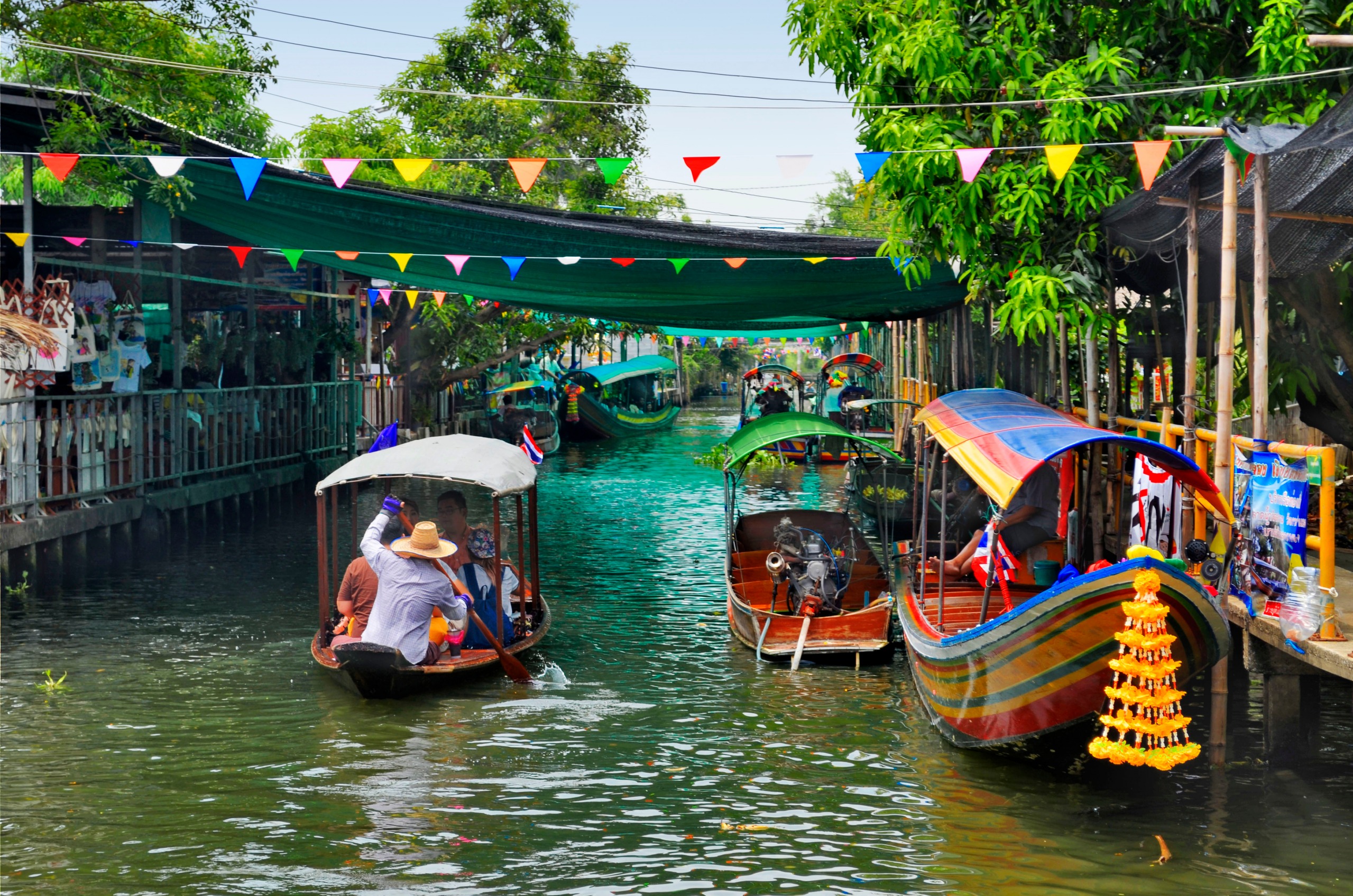
Its location along the Ping River was deliberate: at the time, vessels ensuring commercial ties between Chiang Mai and the northern capital and Bangkok moored nearby. The market flourished with this river traffic, becoming one of the city's major trading hubs. A 1968 fire followed by reconstruction of the current building gave it its modern three-level appearance.
What to See and Taste Here
Northern Specialties
The ground floor, dedicated to food, is most compelling for discovering Lanna cuisine. You'll find:
Sai ua, pork sausage fragrant with lemongrass, galangal and red curry paste;
Moo yo, a Vietnamese-style pork mortadella, steamed;
Nam phrik num, a condiment of charred green chilies, garlic and shallots, served with raw vegetables and pork rinds;
a wide variety of exotic fruit by season: longans, mangosteens, rambutans, durians;
roasted insects (crickets, bamboo worms), offered as savory snacks.
Upper Floors
The upper levels house textiles, traditional northern clothing, accessories, cosmetics and a jewelry sector where semi-precious stones, gold and silver converge. The layout of wide aisles and tight stands resembles a popular department store more than a traditional open-air market.
Night Market
At dusk, street food stalls set up along the street beside the building. The atmosphere shifts: market shops close progressively, and the street becomes a food market where you dine on plastic stools for a few baht.
When to Visit
Warorot operates year-round. The best period coincides with the dry season, November through February, when temperatures are milder and circulation around the market more pleasant. The flower section of Talad Lam Yai is particularly lively approaching local celebrations, notably Loy Krathong (November) and Thai New Year in April.
Avoid mid-afternoon during hot season (March-May), when heat accumulates inside the building. Early morning offers the most authentic atmosphere, with residents shopping for the day.
Practical Information
The market opens very early and remains active until early evening, when street stalls take over until late. Hours vary by vendor: food stalls open at dawn, textile and jewelry stands later.
A few useful tips:
bring cash in small denominations; few stalls accept cards;
bargaining is acceptable on clothing, accessories and jewelry, but not on food;
compare prices between stalls before buying; differences between aisles can be significant.
How to Get There
The market sits east of Chiang Mai's historic center, about 15 minutes' walk from Tha Phae Gate. Several transport options:
On foot or by bicycle from the old town—the route is flat and direct;
By red songthaew (shared taxi)—the most economical option;
By tuk-tuk or taxi from any neighborhood;
By city bus: lines R1, R2 and R3 serve a stop just nearby.
Nearby Attractions
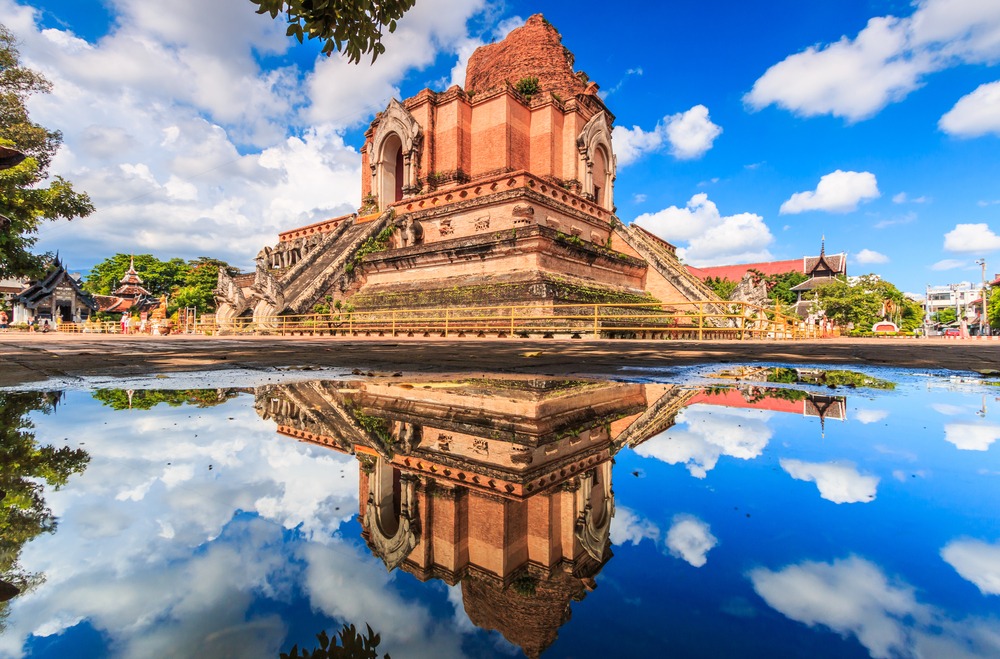
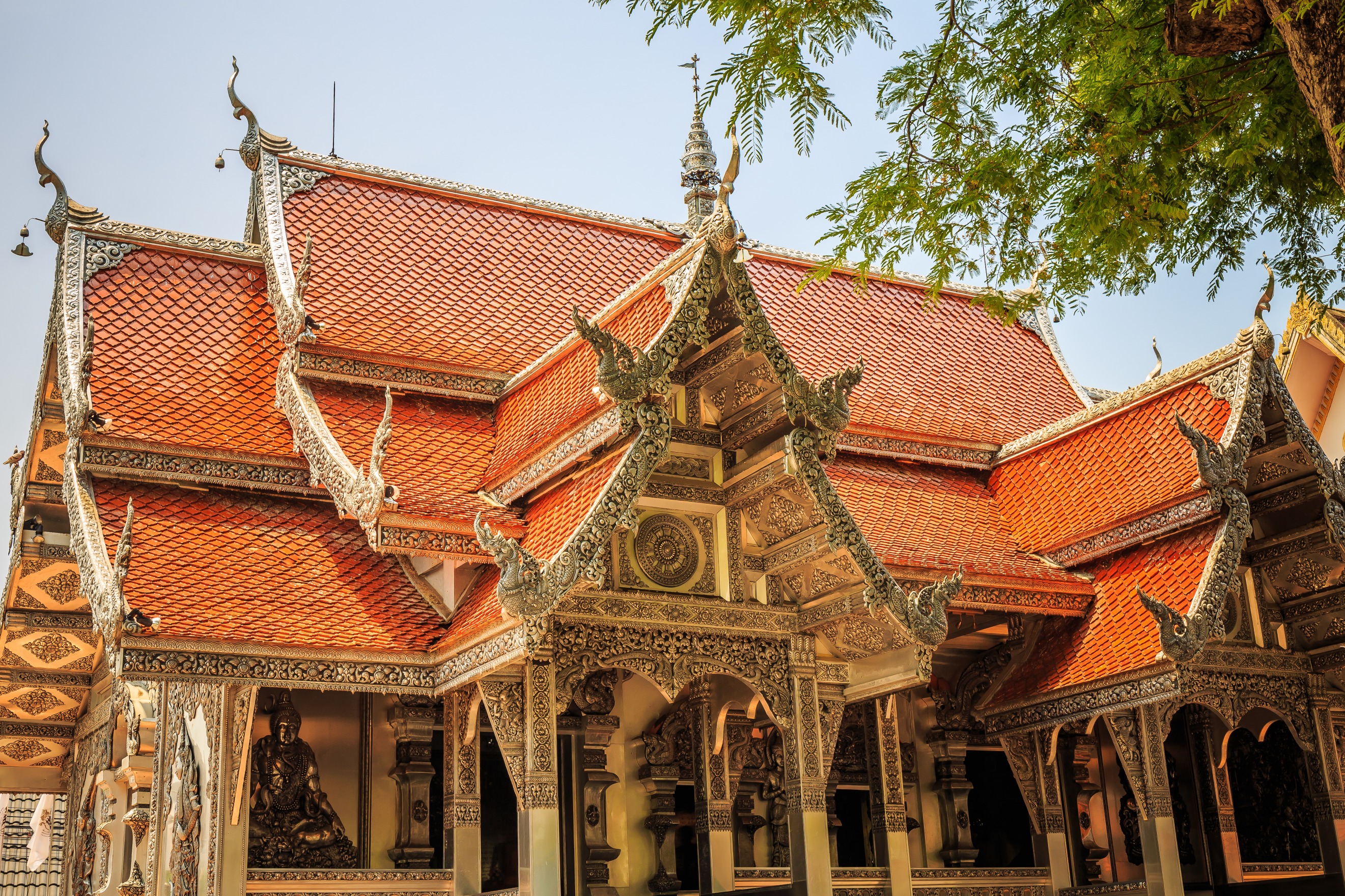
Warorot integrates easily into a day exploring Chiang Mai. About twenty minutes' walk away, Wat Chedi Luang and Wat Phra Singh dominate the old city. Further south, Wat Sri Suphan, the Silver Temple, deserves a stop. To the west, Wat Suan Dok and Wat Umong offer more contemplative atmospheres, away from market bustle.
Frequently asked questions
Yes, the market operates seven days a week. Hours vary by vendor: food stalls open very early, textile and jewelry stands later in the morning, and street food stands take over in the evening.
Bargaining is acceptable on non-food items (clothing, accessories, jewelry) and should be done courteously. Fresh and prepared food are sold at fixed prices, generally very reasonable.
Three Lanna essentials: Sai ua herbed sausage, Moo yo (pork mortadella) and Nam phrik num, a green chili condiment served with vegetables. Add seasonal fruit and, for the adventurous, roasted insects.
Plan 1 to 2 hours to explore all three floors and the neighboring Talad Lam Yai market. Allow more time if you're having lunch or returning in the evening for street stalls.
Warorot fits into a broader stay in Chiang Mai and northern Thailand. To plan your itinerary, check our Thailand travel suggestions.
Photos
Nearby

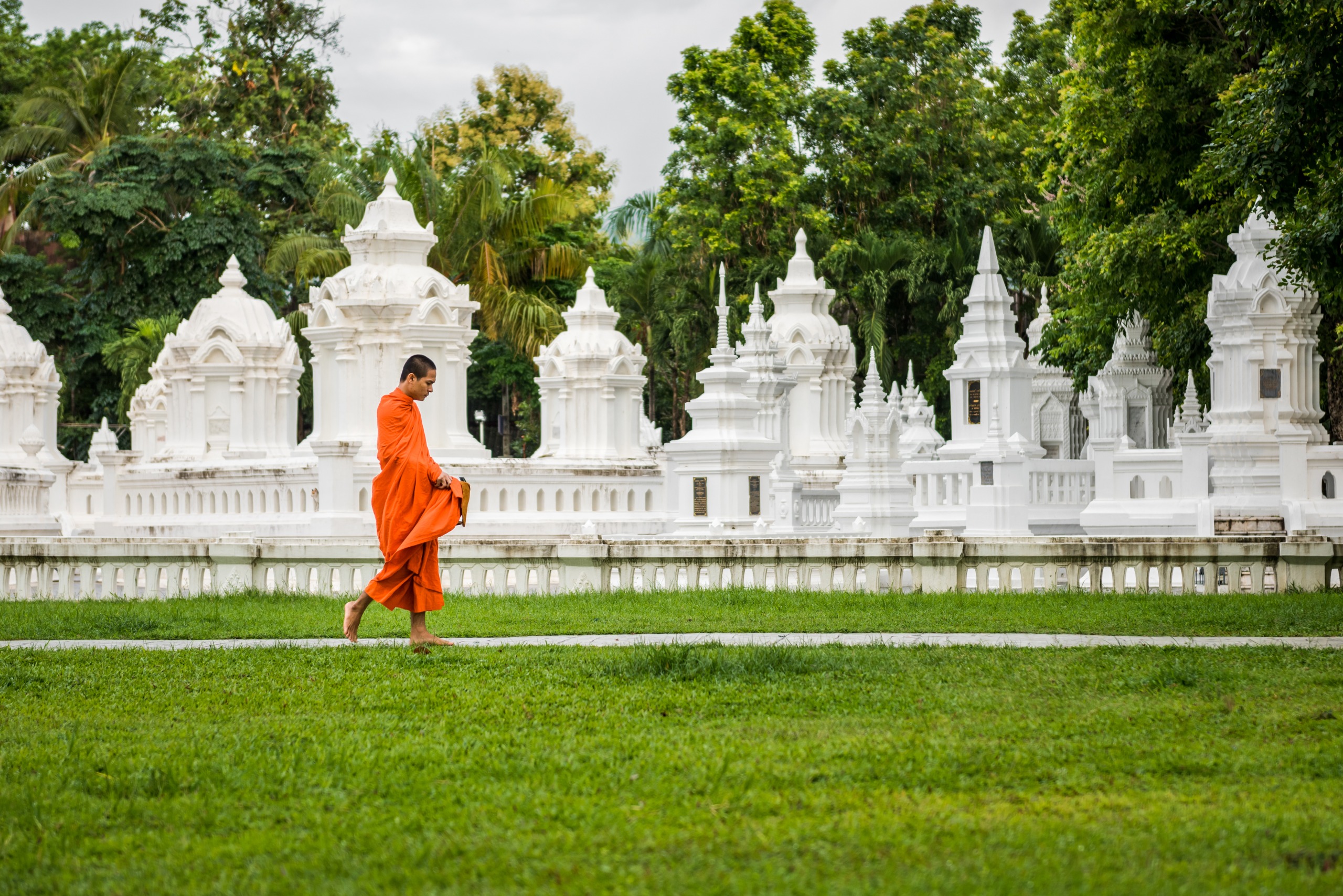

Also discover
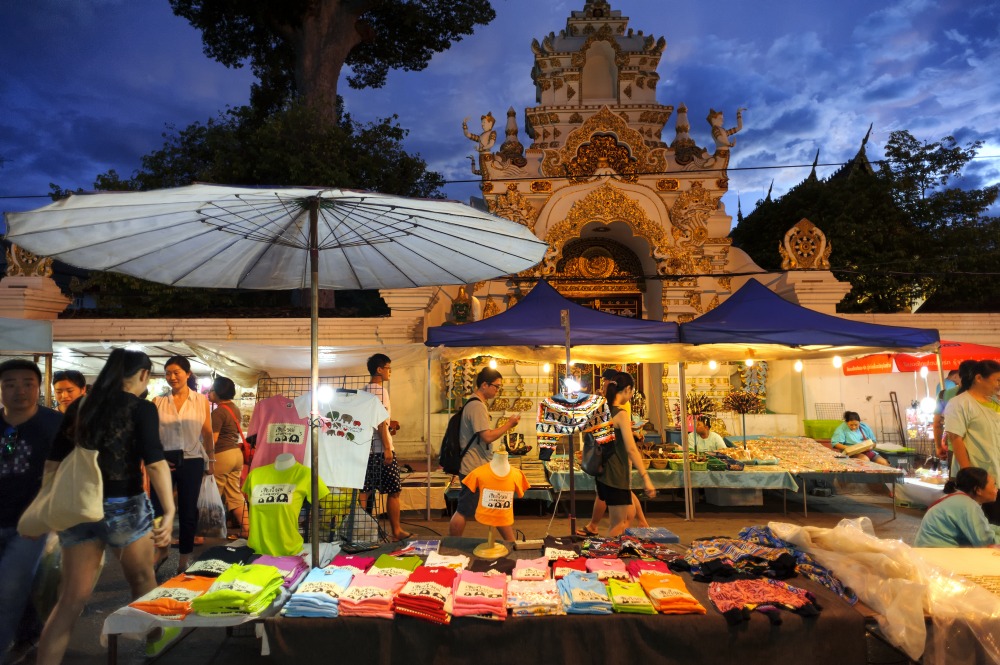
Chiang Mai
Chiang Mai is an unmissable destination during a Thailand trip. With its historic monuments, rich culture and natural attractions, the Rose of the North will captivate you.
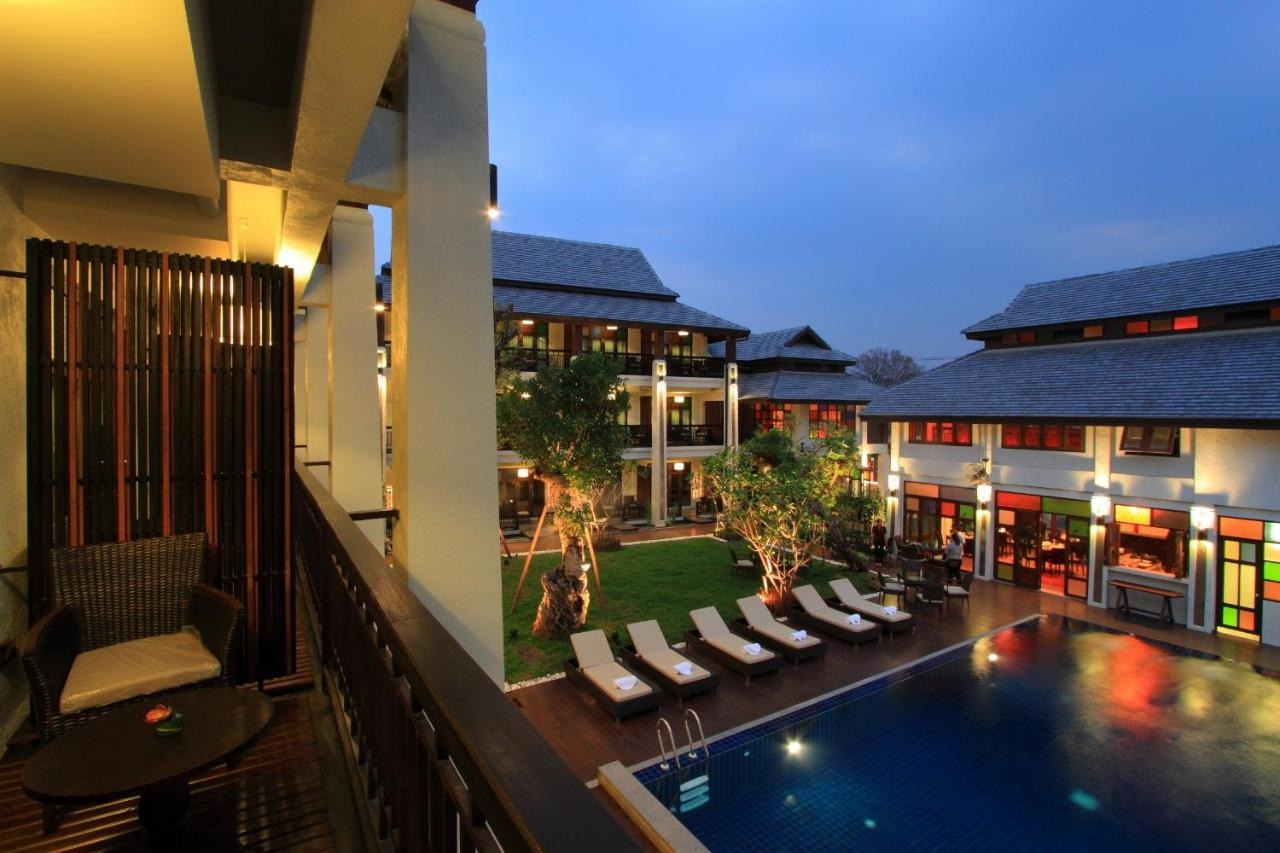
De Lanna Hotel
4-star hotel in the historic Sri Phum district of Chiang Mai, featuring a pool and spa. Walking distance to the main sites of the old town center.
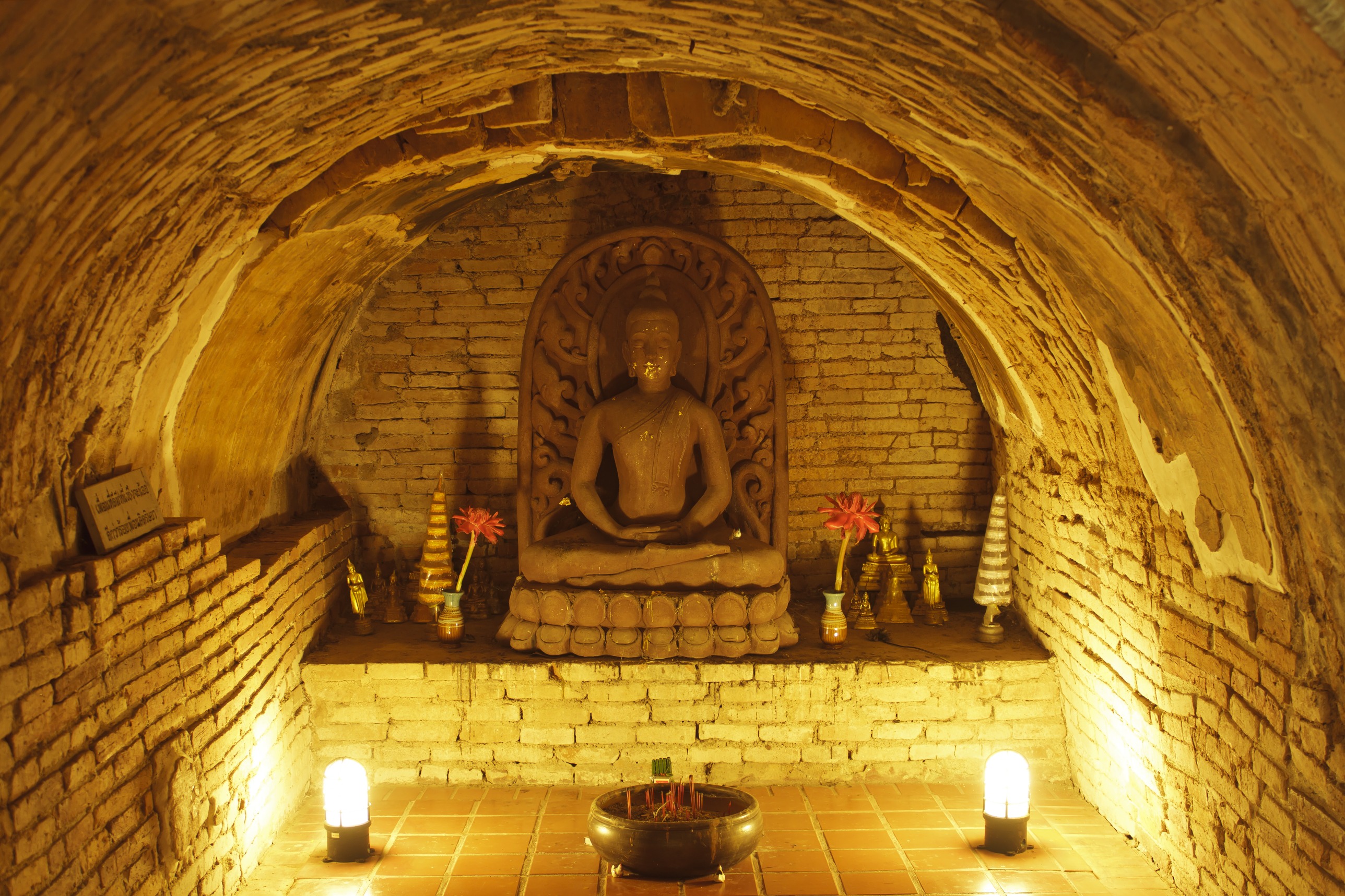
Wat Umong
On the outskirts of Chiang Mai, Wat Umong stands apart with its underground tunnels dating from the 13th century and a forest park dedicated to Buddhist meditation.
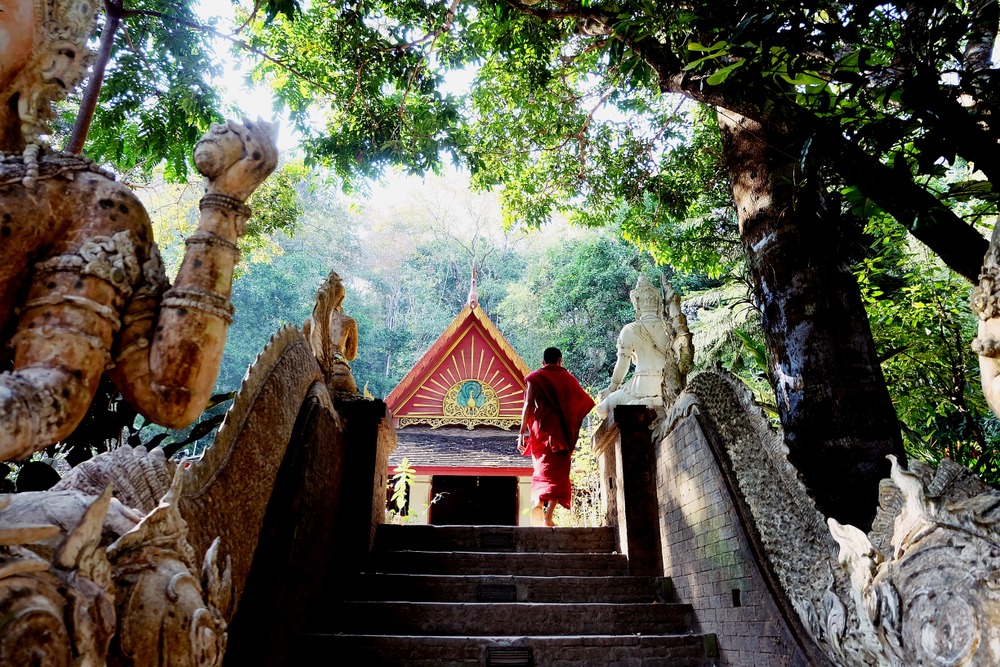
Wat Pha Lat
A forest temple founded in 1386 on the slopes of Doi Suthep, accessible from Chiang Mai via the Monk's Trail. Complete visitor's guide.
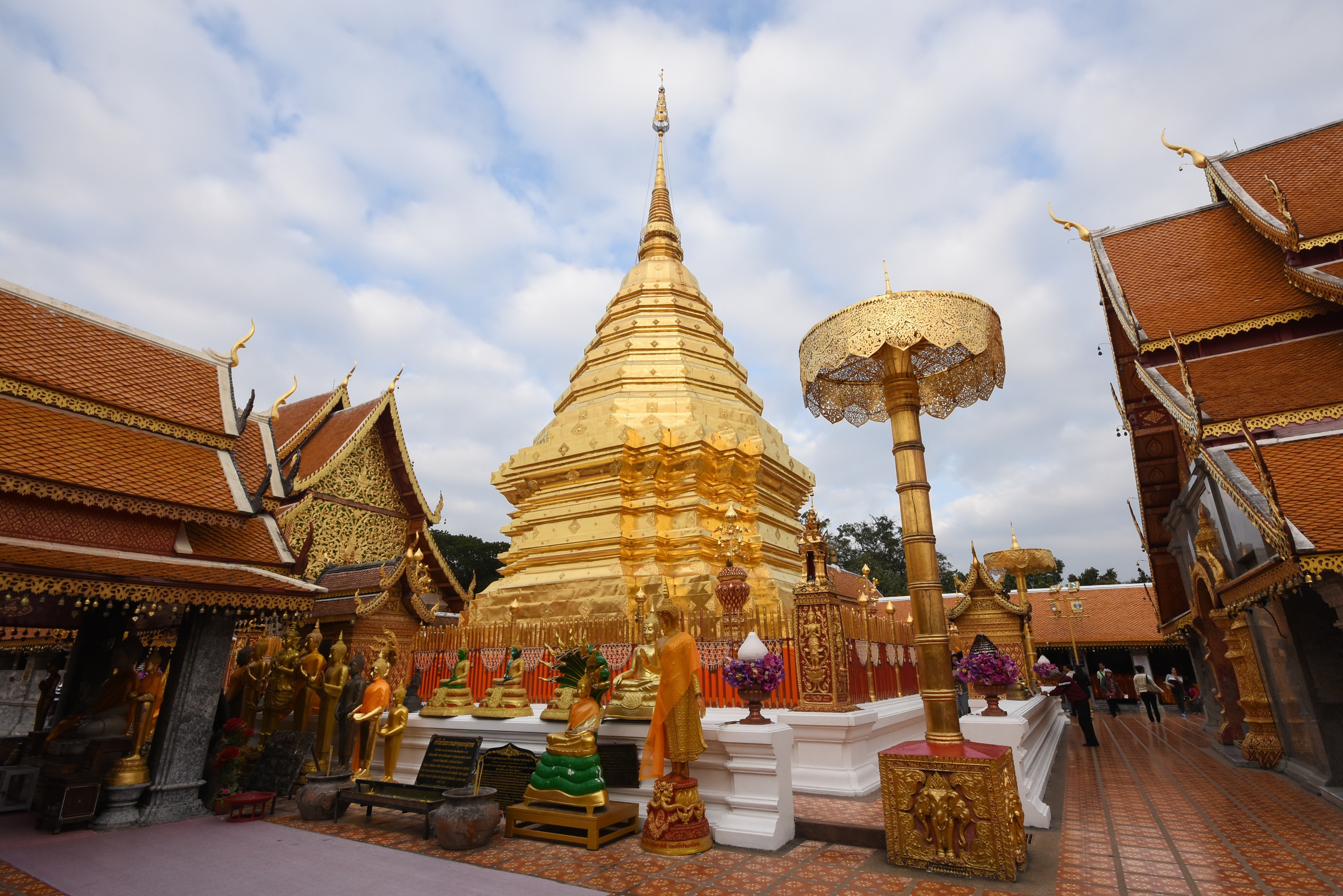
Wat Phra That Doi Suthep
Perched at 1,073 meters above Chiang Mai, Wat Phra That Doi Suthep encompasses six centuries of Lanna art around a golden chedi and a founding legend.
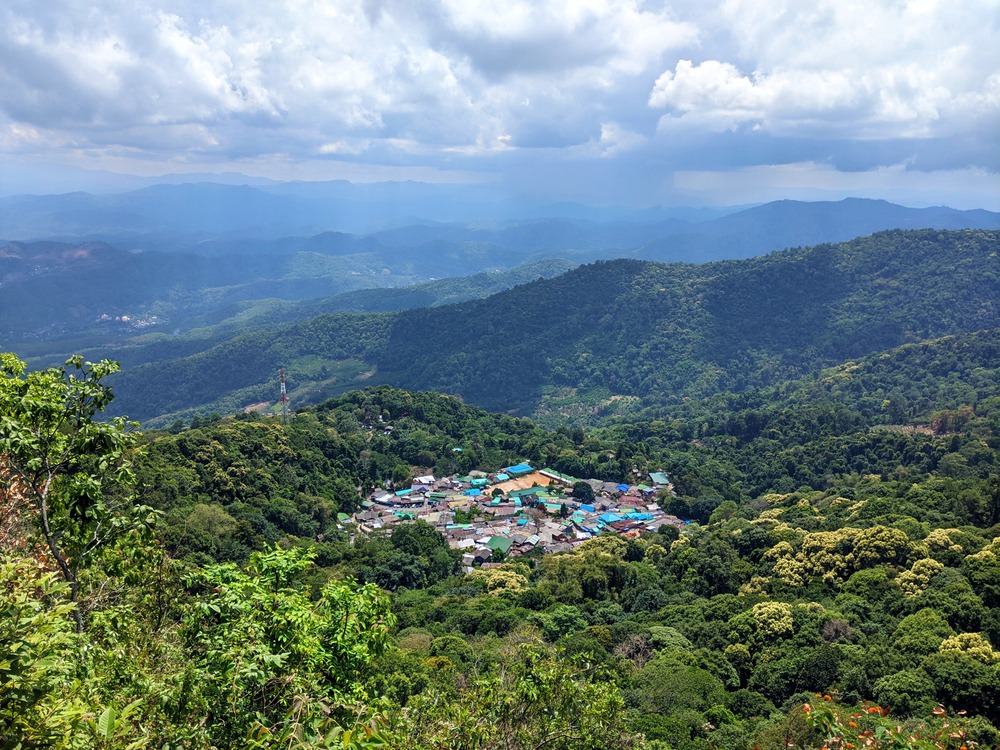
Hmong Doi Pui
Just 11 km from Chiang Mai, the Hmong village of Doi Pui brings together an ethnographic museum, blooming gardens, tribal crafts and the gateway to Doi Suthep-Pui National Park.
Interested in this visit?
We can include it in your personalised itinerary.