Lumphini Park
Lumphini Park
Lumphini, Pathum Wan, Bangkok 10330, Thaïlande
Lumphini Park, 58 hectares in the heart of Bangkok: water monitors, swan pedal boats, jogging and symphonic concerts on Sunday mornings during dry season.
In the heart of Bangkok, Lumphini Park spreads across 58 hectares of lawns, tree-lined paths and stretches of water along Rama IV Road. It is one of the capital's main urban green spaces, frequented from dawn until closing in the evening by joggers, tai-chi practitioners, families and wildlife watchers.
Why visit Lumphini Park
The park offers a leafy refuge in close proximity to the business districts of Silom and Sathorn. People come here to walk in peace, exercise, observe the monitor lizards that inhabit the banks, or attend free open-air concerts on Sunday mornings during dry season.
Often compared to New York's Central Park for its social function, Lumphini remains as much a neighborhood park as a tourist attraction. You'll encounter more Bangkok residents in workout gear than tourist groups, making it an excellent spot for observing local life.
A glimpse into the past
The park's name derives from Lumbini, a city in Nepal traditionally recognized as the birthplace of Buddha. Development began in the 1920s, on the orders of King Rama VI. The initial concept envisioned a flower garden paired with a commercial fair intended for kingdom artisans.
The project remained unfinished at the king's death in 1925, and the fair idea was abandoned. The site gradually transformed into a public park. At the entrance, a commemorative statue honors Rama VI, regarded as the place's founder.
What to see and do
The lake and Kinnari Nava restaurant
The large central lake is crossed by swan-shaped pedal boats, available for half-hourly rental. In the middle of the water stands the former floating restaurant Kinnari Nava, closed after a fire. Its façade, adorned with a statue of a musical divinity (the kinnari of Thai folklore), remains visible from the shores and deserves a photo stop.
Monitor lizards
The park is home to a population of Asian water monitors (Varanus salvator), distant cousins of the Komodo dragon. Adults often exceed one meter in length and may weigh around twenty kilos. They are regularly seen crossing the lawns or basking near ponds, especially in the middle of the day. They are not aggressive toward humans, but it is recommended to maintain a reasonable distance, refrain from feeding them and avoid touching them.
Bird watching
The water points and mature groves attract a varied birdlife. More than thirty species have been recorded in the park, from herons and kingfishers to migratory songbirds in the cool season. Early morning hours are most favorable.
Sports and wellness
Jogging paths, cycling lanes, open-air fitness facilities, multipurpose courts: Lumphini houses a good portion of Bangkok's public sports installations. Late afternoon sees groups practicing collective aerobics, tai-chi or dance to music on the esplanades.
Sunday concerts
During fine weather, Bangkok's symphony orchestra performs free concerts on Sunday afternoons. Programming is announced locally and audiences settle on the lawns.
Other points of interest
The country's first public library, located within the park.
A children's playground and flower clock.
Beverage stalls and light food stands at the main entrances.
Practical information
Admission is free. The park opens early in the morning (around 4:30 a.m.) until early evening (around 9 p.m.). Cycling is prohibited after mid-afternoon for safety reasons, and pets are not allowed. Plan 1 to 2 hours for a leisurely visit, longer if you intend to exercise or picnic.
Bring water, a hat and mosquito repellent during the rainy season. Shaded benches are plentiful but much sought-after midday.
When to visit
Dry season, from November to February, remains most pleasant: moderate temperatures, low humidity and clear skies. It's also when Sunday symphonic concerts take place. Early morning (before 8 a.m.) is ideal for sports and bird watching; late afternoon suits leisurely walks and the atmosphere of group fitness classes better. Rainy season (June to October) sometimes limits access to muddy areas, but offers a greener park and fewer crowds.
How to get there
The park occupies a large rectangle bordered by Rama IV Road, at the intersection of Silom and Sathorn. Several options:
MRT Metro: Lumphini station (exit 3, at the southeast corner) or Silom station (exit 1, near the northwest entrance).
BTS Skytrain: Sala Daeng station, then 5 minutes' walk to the northwest entrance.
Taxi: tell the driver "Suan Lumphini,
Photos
Nearby
Also discover
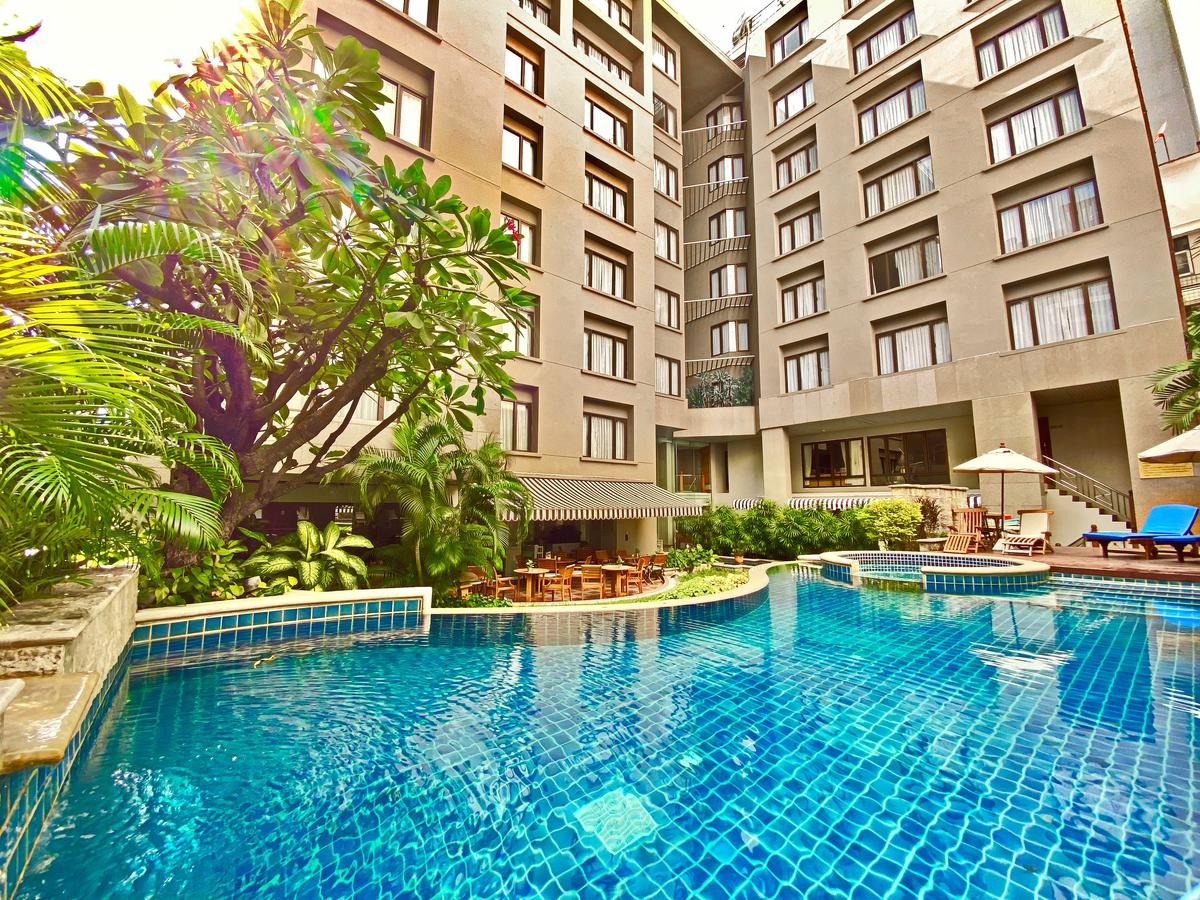
Silome Serene
Boutique hotel in the Bang Rak district of Bangkok, a 5-minute walk from BTS Chong Nonsi. Good value for money, family suites available.
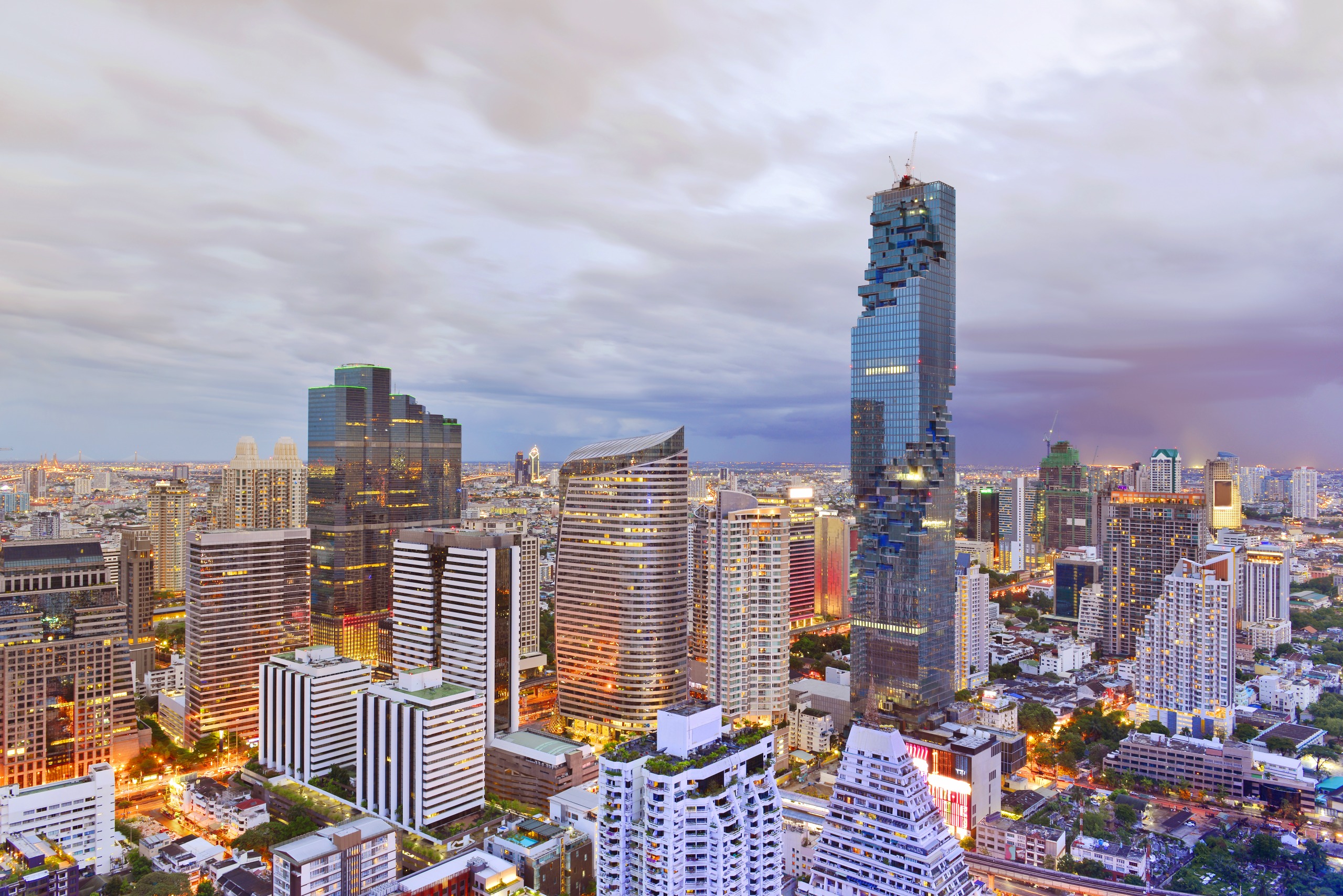
King Power Mahanakhon Tower Tour
A glass-tiered skyscraper by Ole Scheeren in Bangkok, King Power Mahanakhon offers a transparent glass Skywalk at 310 meters and panoramic views over the capital.
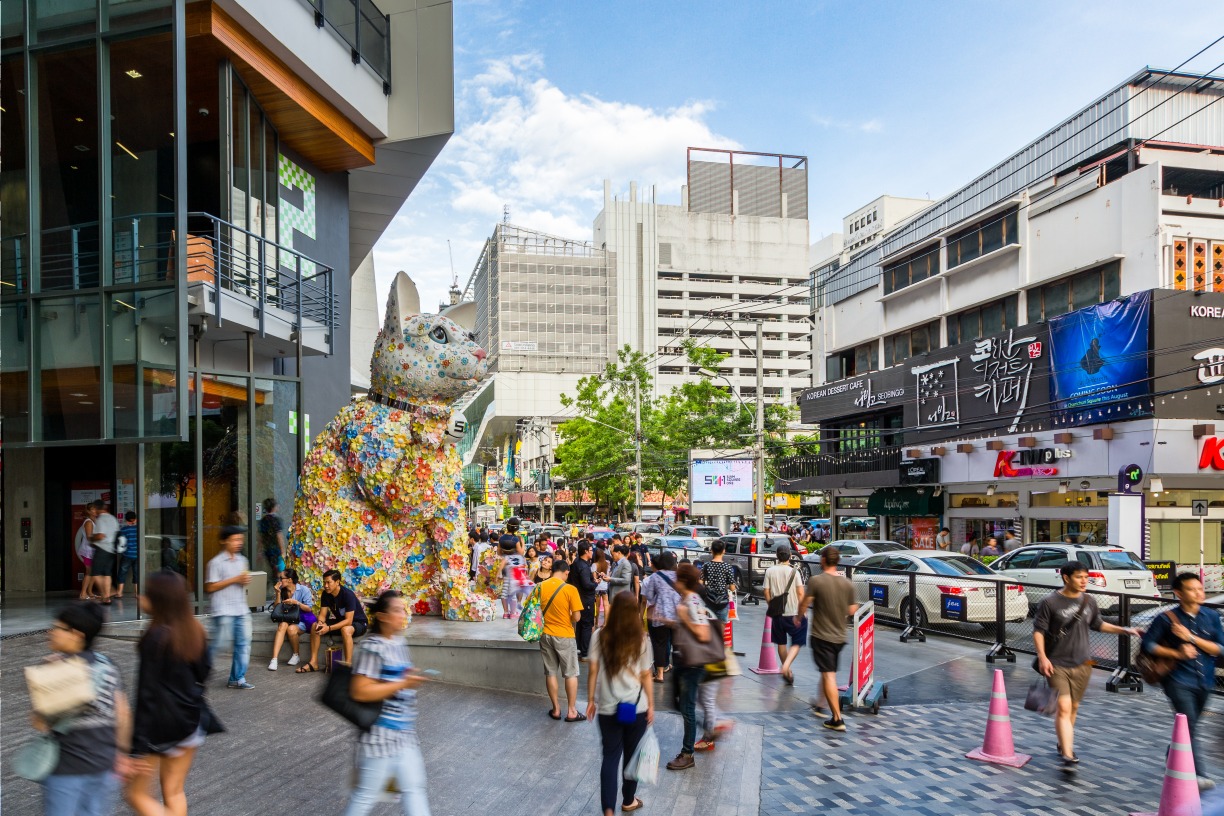
Siam Square
An open-air shopping district in the heart of Bangkok, Siam Square blends boutiques by Thai designers, international brands, and a vibrant student atmosphere.
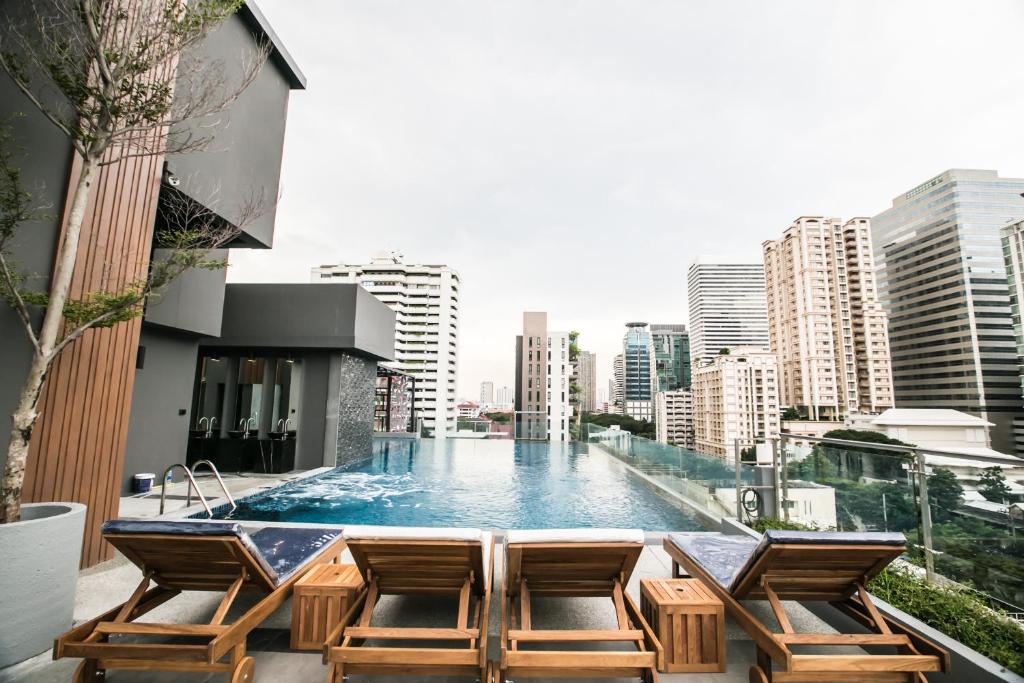
Hotel Arte
4-star hotel in Sukhumvit, 5 minutes walk from BTS Asok and MRT Sukhumvit stations. Rooftop pool, family rooms available.
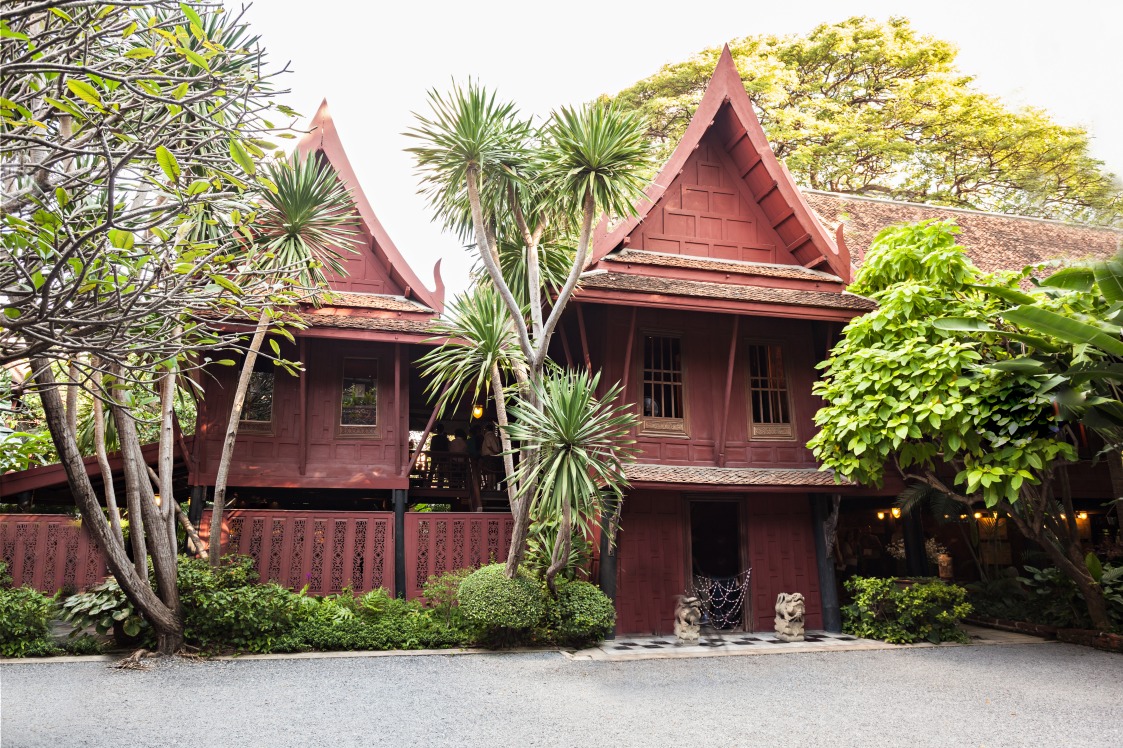
Jim Thompson House
In Bangkok, Jim Thompson House preserves the teak residence and Asian art collection assembled by the American who revived the Thai silk industry.
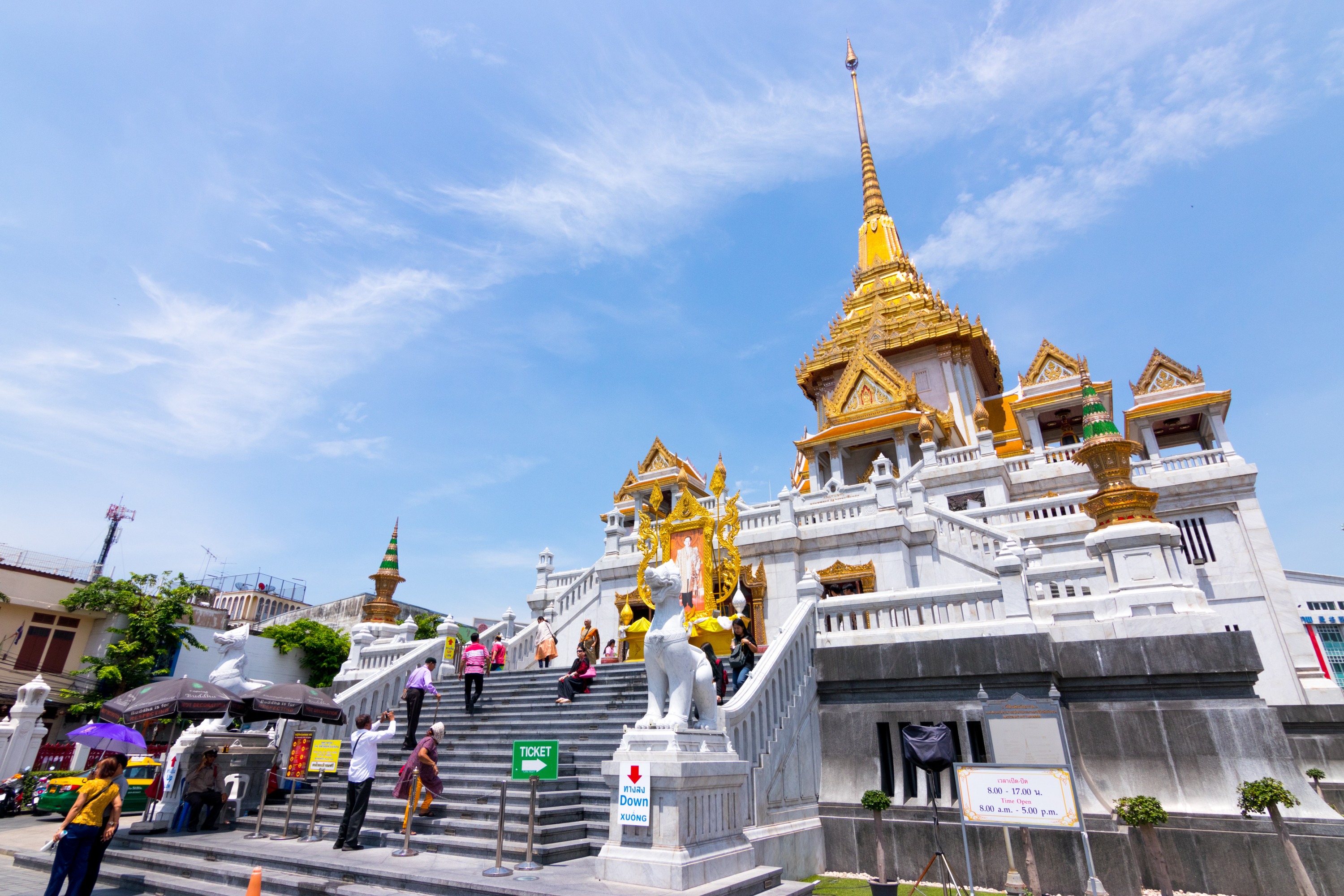
Wat Traimit, the Temple of the Golden Buddha
In Bangkok, Wat Traimit shelters a solid gold Buddha measuring 3 meters and weighing 5.5 tonnes, whose golden identity was only revealed in 1955.
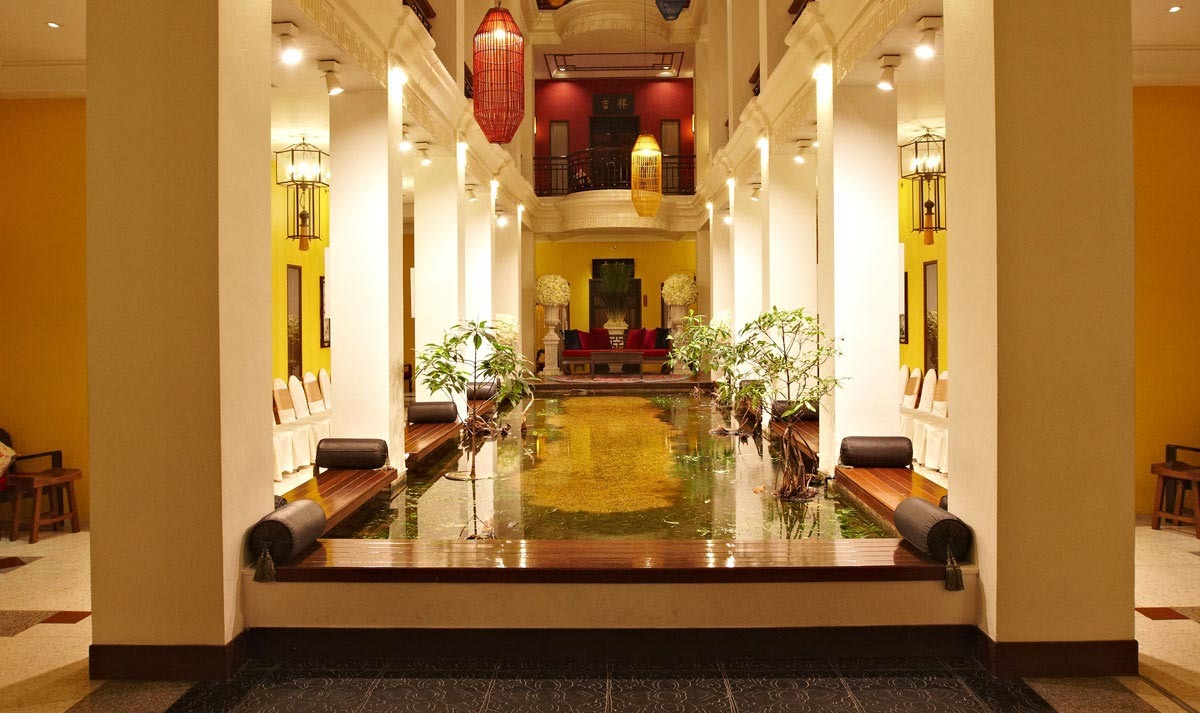
Shanghai Mansion
4-star hotel with vintage Shanghai inspiration on Yaowarat Road, in the heart of Bangkok's Chinatown. 67 rooms, Sino-Thai restaurant and jazz concert bar.
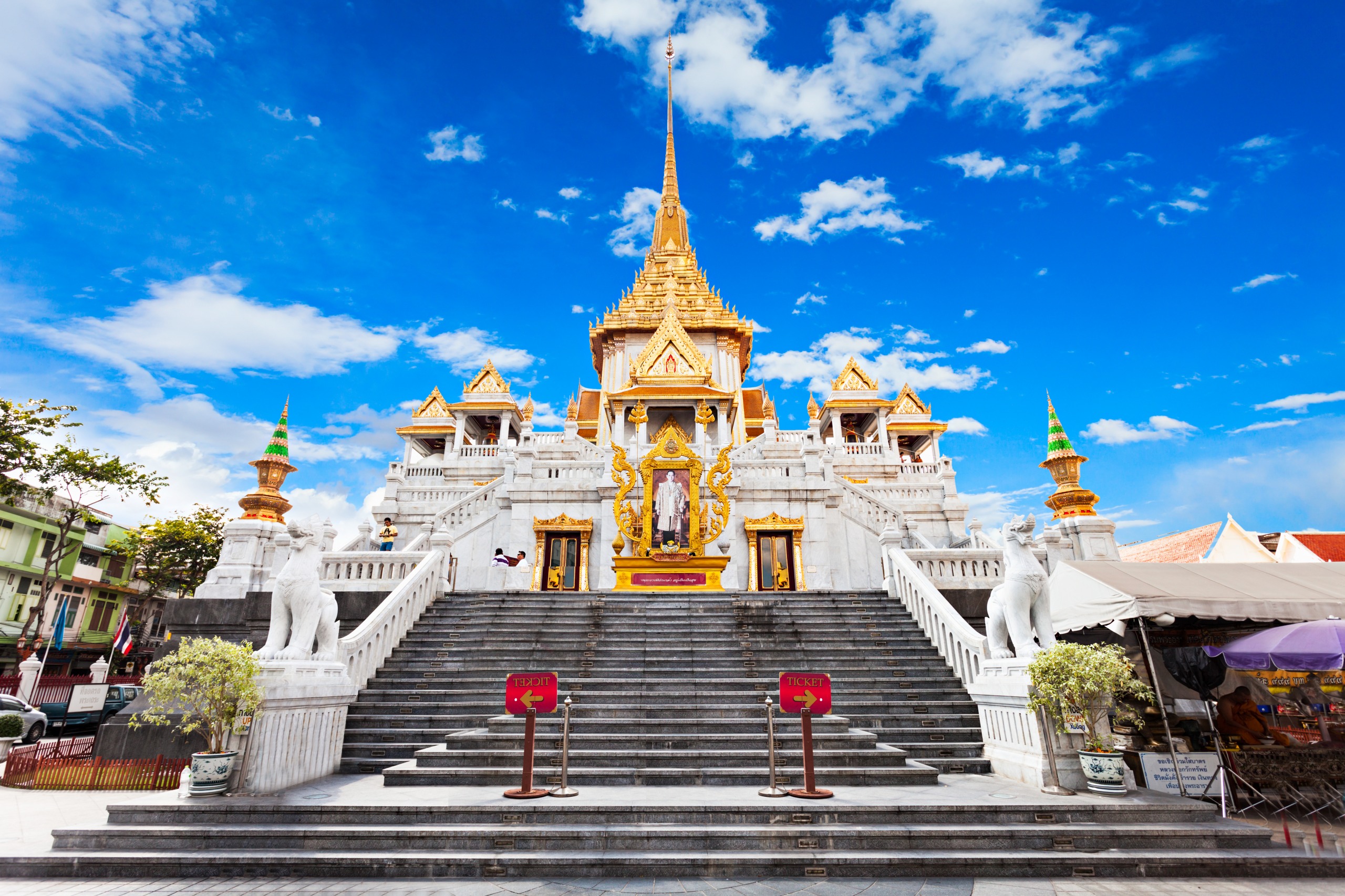
Yaowarat Chinatown Heritage Museum
On the first floor of Wat Traimit in Bangkok, the Yaowarat Chinatown Heritage Museum traces three centuries of Chinese immigration into the Kingdom of Siam.
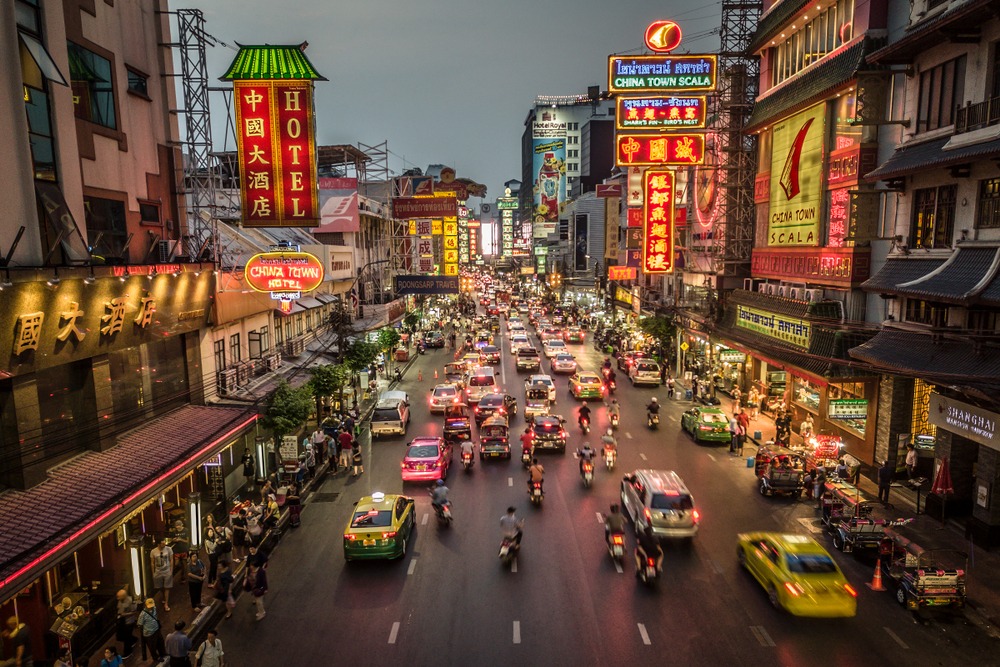
Bangkok's Chinatown
Yaowarat, Sino-Thai temples, heritage museum, and street food: a practical guide to Bangkok's Chinatown, founded in 1782 by Teochew and Hokkien communities.
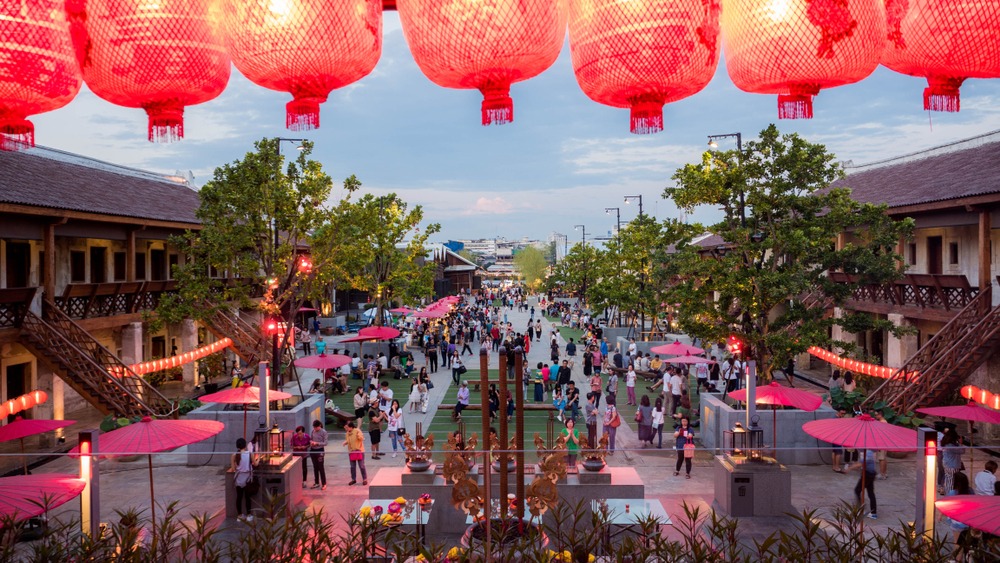
Lhong 1919
A historic merchant wharf from 1850 on the Chao Phraya River, Lhong 1919 brings together a Sino-Thai mansion, a sanctuary dedicated to Mazu, and artisan shops in the Khlong San district.
Interested in this visit?
We can include it in your personalised itinerary.