Lhong 1919
Lhong 1919
248 Soi Chiang Mai, Khwaeng Khlong San, Khet Khlong San, Krung Thep Maha Nakhon 10600, Thaïlande
A historic merchant wharf from 1850 on the Chao Phraya River, Lhong 1919 brings together a Sino-Thai mansion, a sanctuary dedicated to Mazu, and artisan shops in the Khlong San district.
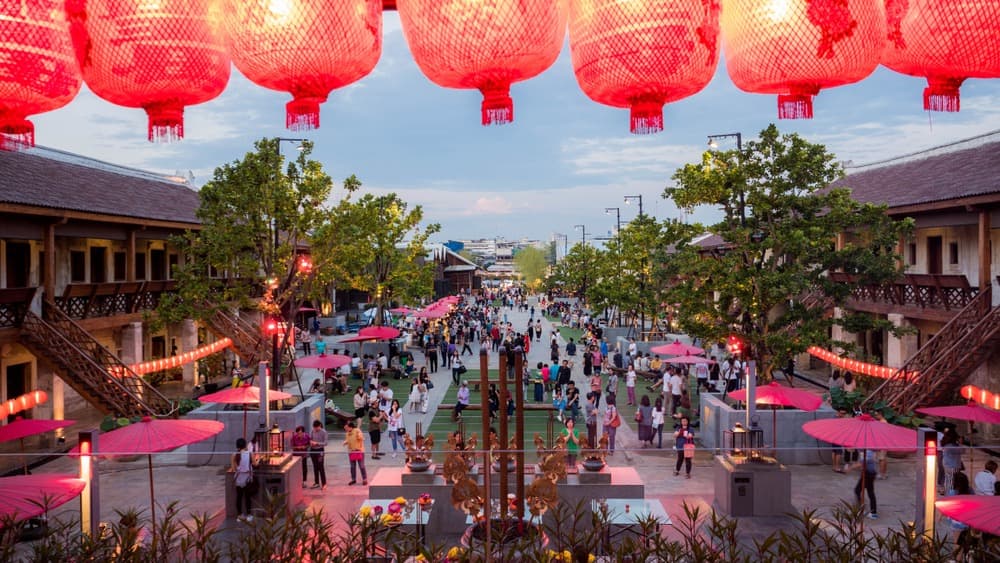
On the western bank of the Chao Phraya, Lhong 1919 occupies a former merchant wharf transformed into a cultural venue. This 19th-century Sino-Thai mansion houses a sanctuary dedicated to the goddess Mazu, artisan shops, and dining spaces in the Khlong San district of Bangkok.
Why visit Lhong 1919
- A rare testament to 19th-century Sino-Thai port architecture, preserved away from the usual tourist Bangkok.
- An active Chinese sanctuary dedicated to Mazu, the protective goddess of sailors and seafarers.
- A free riverside site that blends heritage, local craftsmanship, and cafés with views over the water.
- A tangible perspective on Bangkok's commercial role in 19th-century Asia, connecting China, Hong Kong, and the Malay Peninsula.
History of the port
The port was built in 1850 at the initiative of Phraya Pisansuphaphol, a Sino-Thai businessman whose descendants formed the Pisolyabutra family. It was originally named Huang Chung Lhong, literally "steam port."
The wharf welcomed merchant vessels linking Bangkok with China, Hong Kong, and the British-administered Malay States. It played a key role in the regional maritime trade that made the Siamese capital a major hub.
The site was acquired by the Wanglee family in 1919, the year that would become its current name following redevelopment. As river commerce declined, the wharf gradually lost its original function. In 2016, the Wanglee family undertook a comprehensive restoration of the complex, which spans approximately 312 ares (~31,200 m²). Official opening took place on November 2, 2017, presided over by the Minister of Sports and Tourism.
What to see
The mansion and its architecture
The main building is a two-story mansion organized around a central courtyard. The façades, woodwork, and murals blend Thai and Chinese influences, characteristic of major Sino-Thai merchant houses of the 19th century. Several original frescoes were uncovered and restored during the renovation.
The Mazu shrine
At the heart of the complex stands a temple dedicated to Mazu, the Chinese deity who protects ships and sailors. The sanctuary remains an active place of worship: visitors come to burn incense, make offerings, and seek the goddess's blessing. Original ritual furnishings and period liturgical objects are on display.
Shops and craftsmanship
The mansion's ground floor houses boutiques dedicated to Thai craftsmanship and local designers: textiles, accessories, incense, decorative objects, and ceramics. The selection emphasizes quality pieces over mass-produced souvenirs.
Cafés and riverside dining
Several cafés and restaurants occupy the wings of the complex, including a terrace overlooking the Chao Phraya. Offerings include Sino-Thai cuisine and tea lounges. Prices remain moderate for this type of establishment in Bangkok.
Practical information
- Address: 248 Chiang Mai Road, Khlong San, Thonburi, western bank of the Chao Phraya.
- Admission: free entry. Only purchases and dining are subject to charge.
- Duration: allow 1 to 2 hours to explore the site at a leisurely pace, longer if you include a meal.
- Hours: open daily during daytime and early evening. Check current hours before visiting.
- Dress code: respectful attire recommended inside the sanctuary.
Best time to visit
The most comfortable period to explore Bangkok and its outdoor sites is December through March, when the weather is dry and temperatures are more pleasant. The rainy season, from July to October, can complicate ferry travel. Weekdays and mornings tend to be less crowded than evenings and weekends.
How to get there
The simplest approach combines the BTS and boat:
- Take the BTS Silom line to Saphan Taksin station.
- Head to Sathorn Pier, located at the foot of the station.
- Board a ferry heading to the western bank in the direction of Khlong San district. Multiple boat lines serve the area with frequent departures throughout the day.
By taxi or Grab, expect around twenty minutes from Silom outside peak hours.
What to see nearby
Lhong 1919's location allows you to combine your visit with other sites linked to Bangkok's Chinese and riverine heritage:
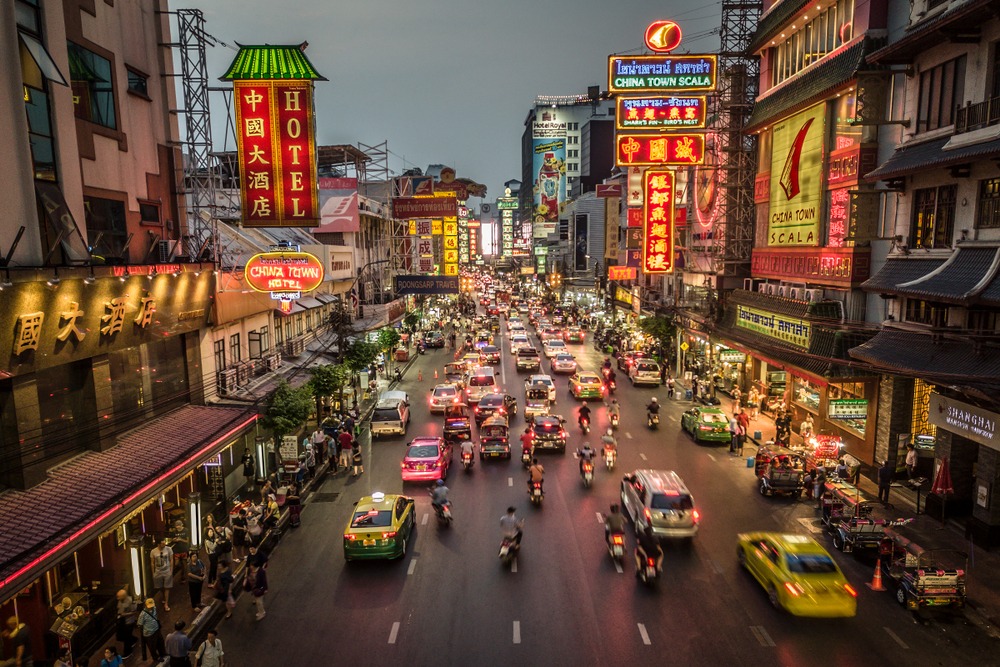
- Chinatown (Yaowarat), on the opposite bank, naturally extends the Sino-Thai theme.
- The Yaowarat Heritage Museum chronicles the history of Bangkok's Chinese community.
- Wat Traimit houses the famous massive Golden Buddha.
- The flower market Pak Khlong Talat, accessible by boat, completes a day along the river.
Frequently asked questions
No, access to the site and the Mazu sanctuary is free. Only shop purchases and dining in cafés and restaurants involve a charge.
A leisurely tour of the mansion, sanctuary, and shops typically takes 1 to 2 hours. With a meal or coffee overlooking the river, plan for half a day.
Take the BTS to Saphan Taksin, then a ferry from Sathorn Pier to the western bank of the Chao Phraya in Khlong San. Alternatively, a taxi or Grab offers direct access.
Yes, the temple is open to all visitors. Dress respectfully, speak softly, and avoid disturbing worshippers at prayer.
To incorporate Lhong 1919 into a broader itinerary across Thailand, explore our travels in Thailand.
Photos
Nearby
Also discover
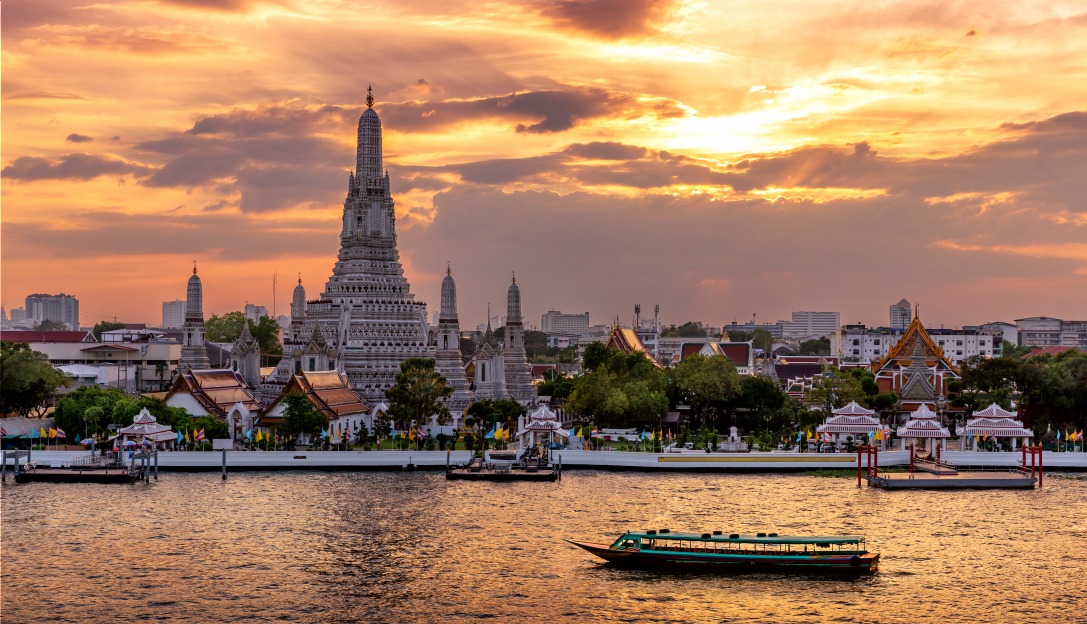
Chao Praya
Spanning 372 km, the Chao Phraya has shaped Bangkok since 1782. Temples, markets, boats: your guide to understanding and exploring the river.
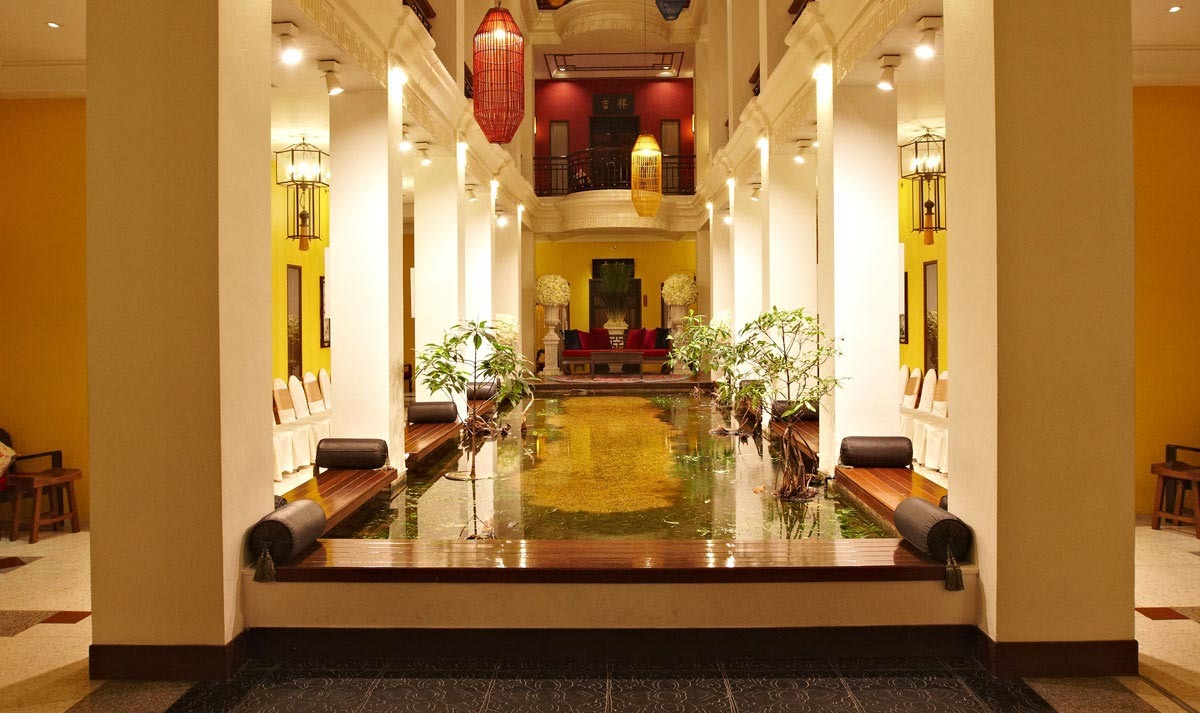
Shanghai Mansion
4-star hotel with vintage Shanghai inspiration on Yaowarat Road, in the heart of Bangkok's Chinatown. 67 rooms, Sino-Thai restaurant and jazz concert bar.
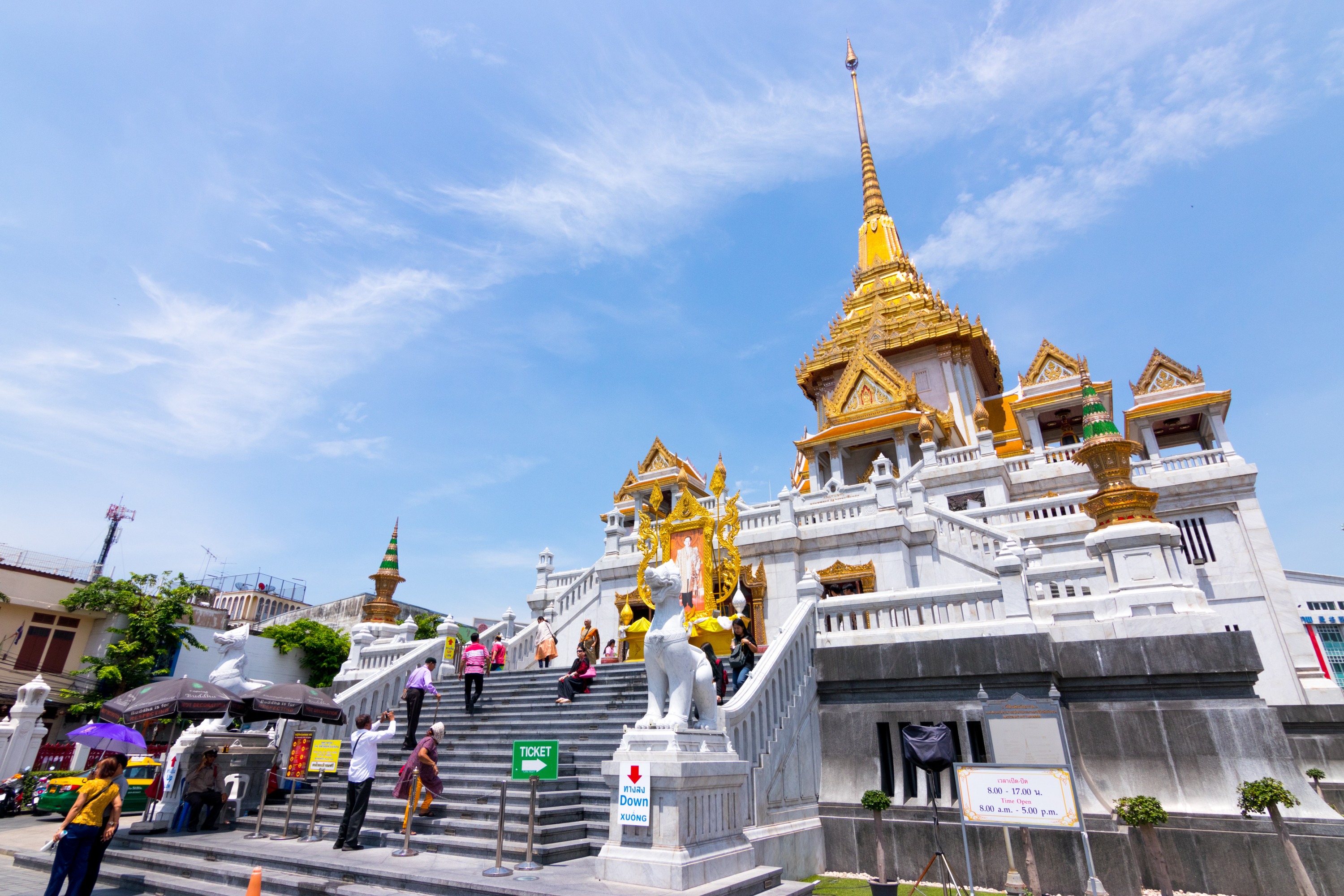
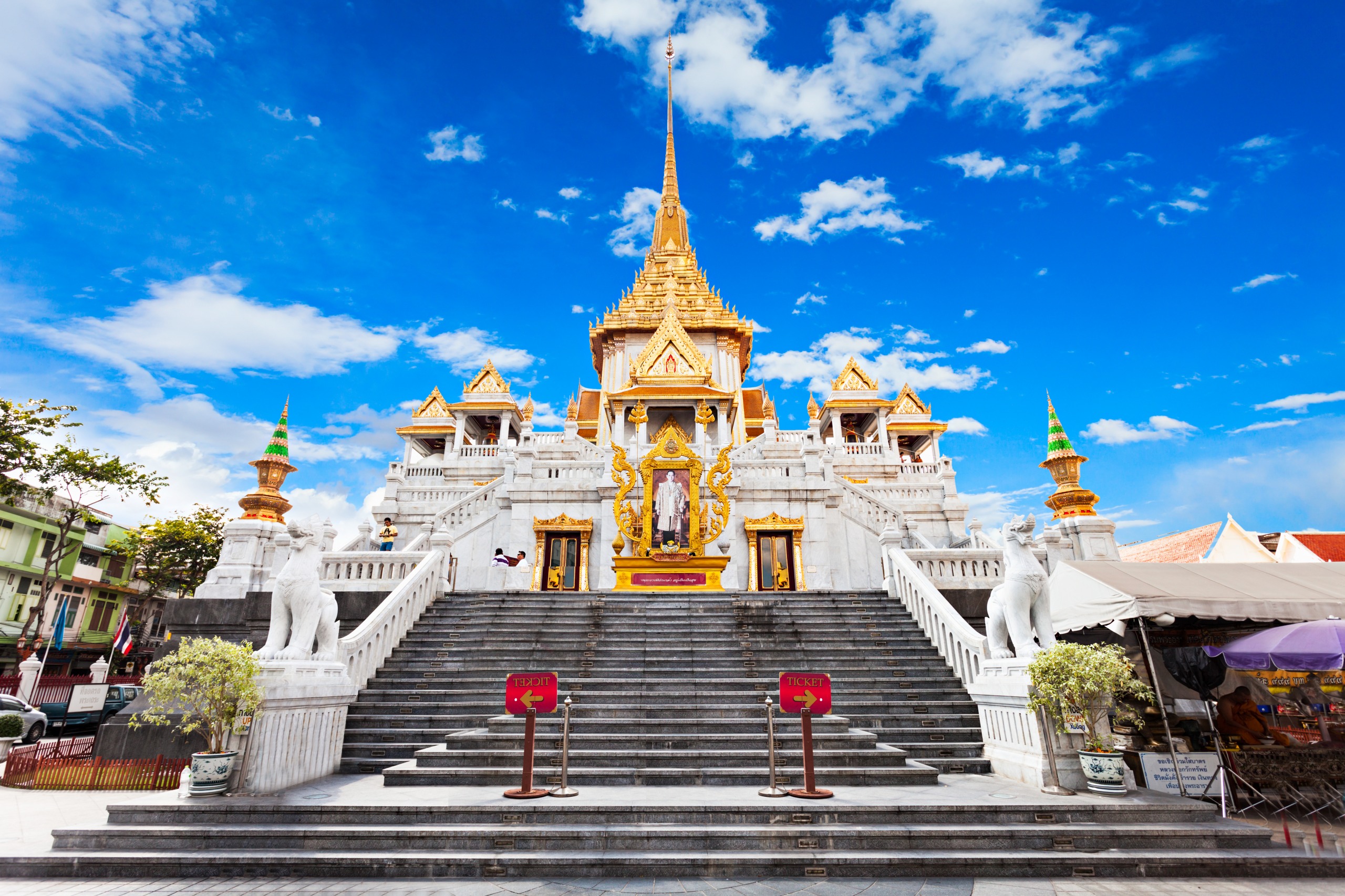
Wat Traimit, the Temple of the Golden Buddha
In Bangkok, Wat Traimit shelters a solid gold Buddha measuring 3 meters and weighing 5.5 tonnes, whose golden identity was only revealed in 1955.
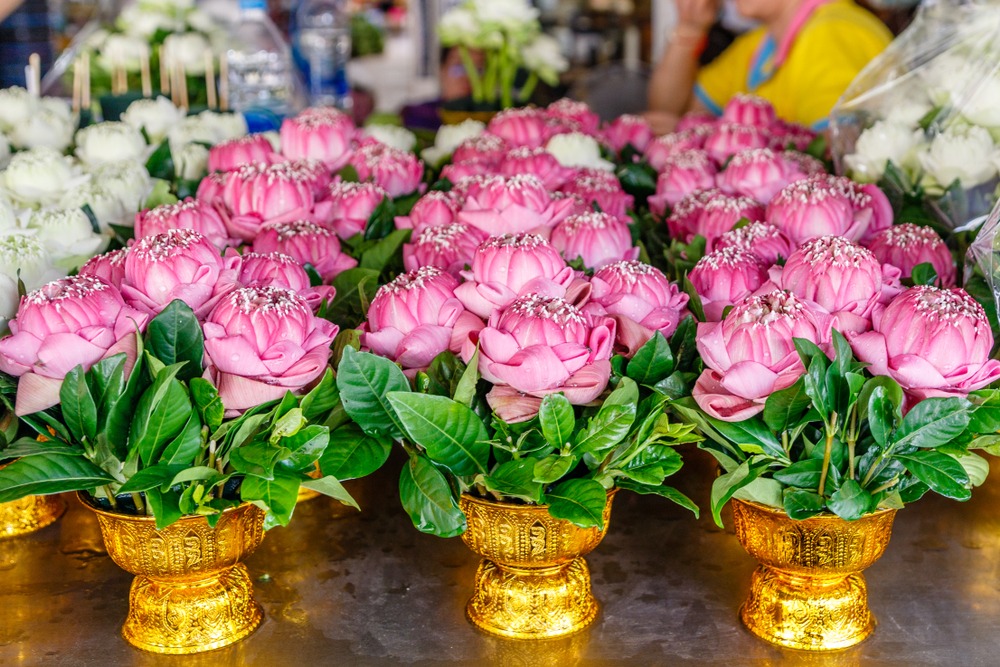
Pak Khlong Talat
Historic flower market in Bangkok, open around the clock near the Chao Phraya, supplying hotels, restaurants and temples in the capital with fresh blooms.
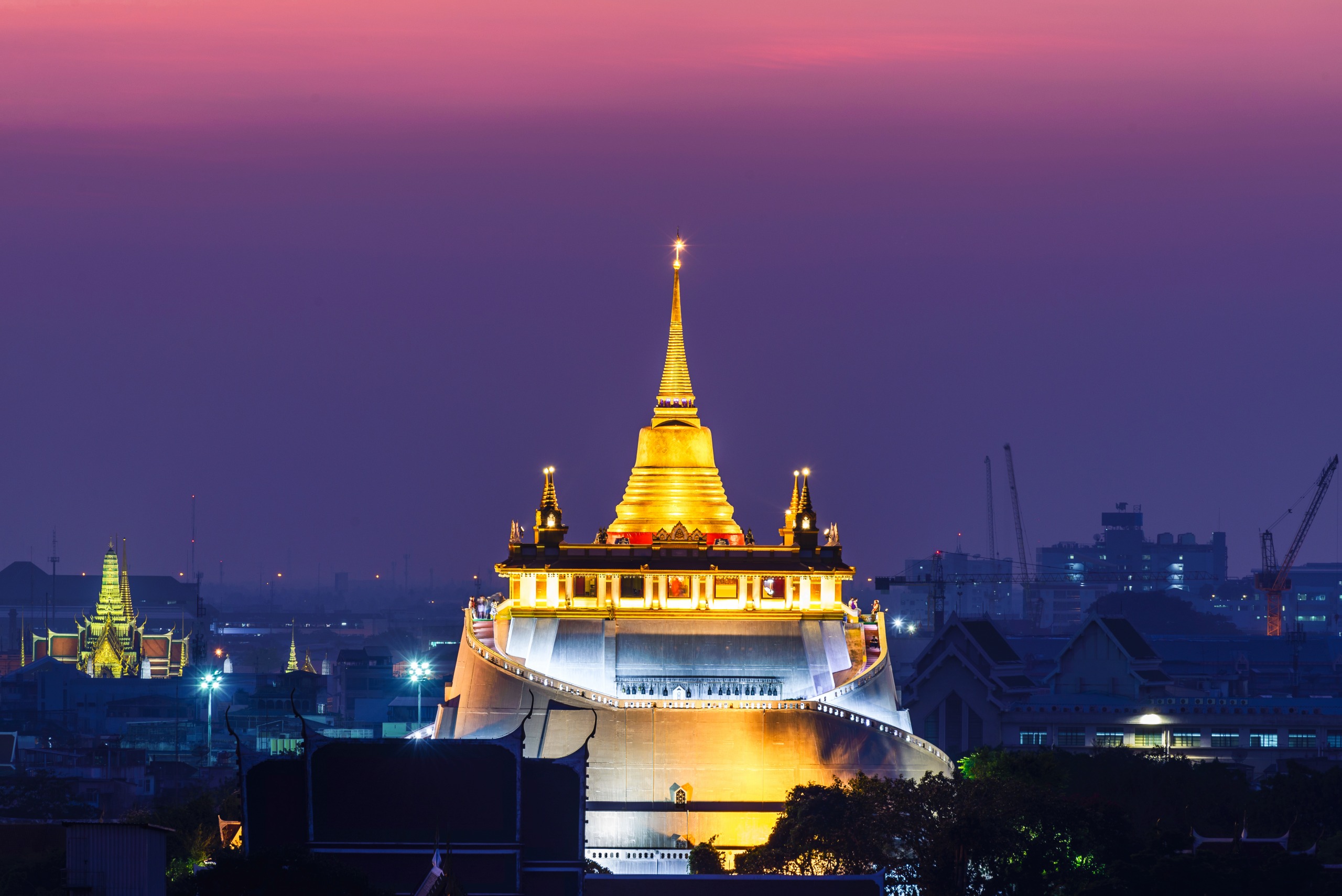
Wat Saket
Wat Saket, or the Golden Mount Temple, dominates Bangkok from its artificial hilltop. History, ascent of the golden chedi and visiting tips.
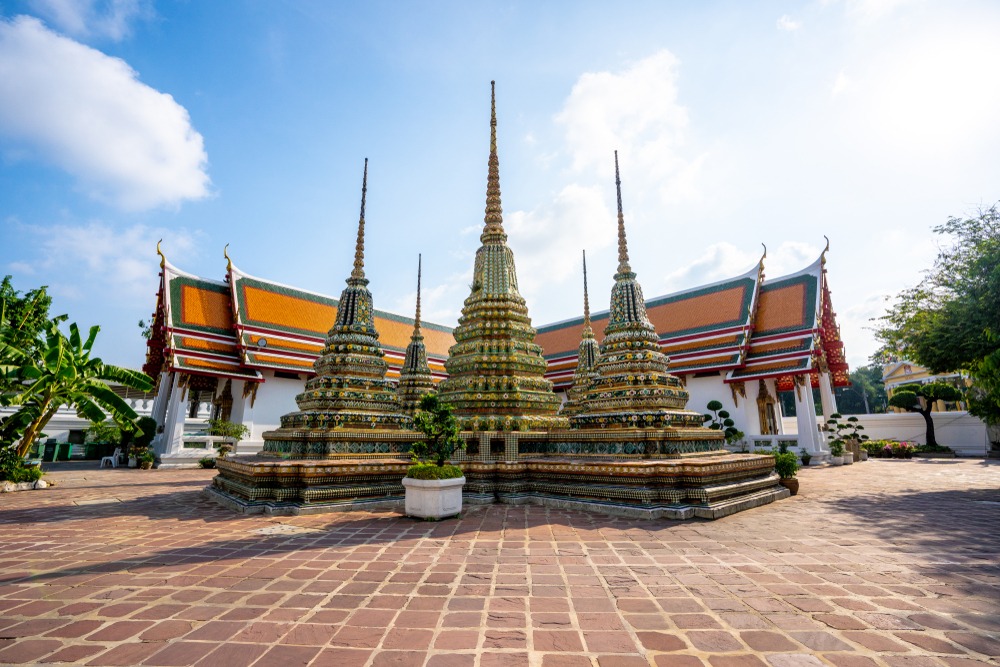
Wat Pho
South of Bangkok's Grand Palace, Wat Pho houses a 46-meter Reclining Buddha, 400 statues, and a UNESCO-recognized Thai massage school.
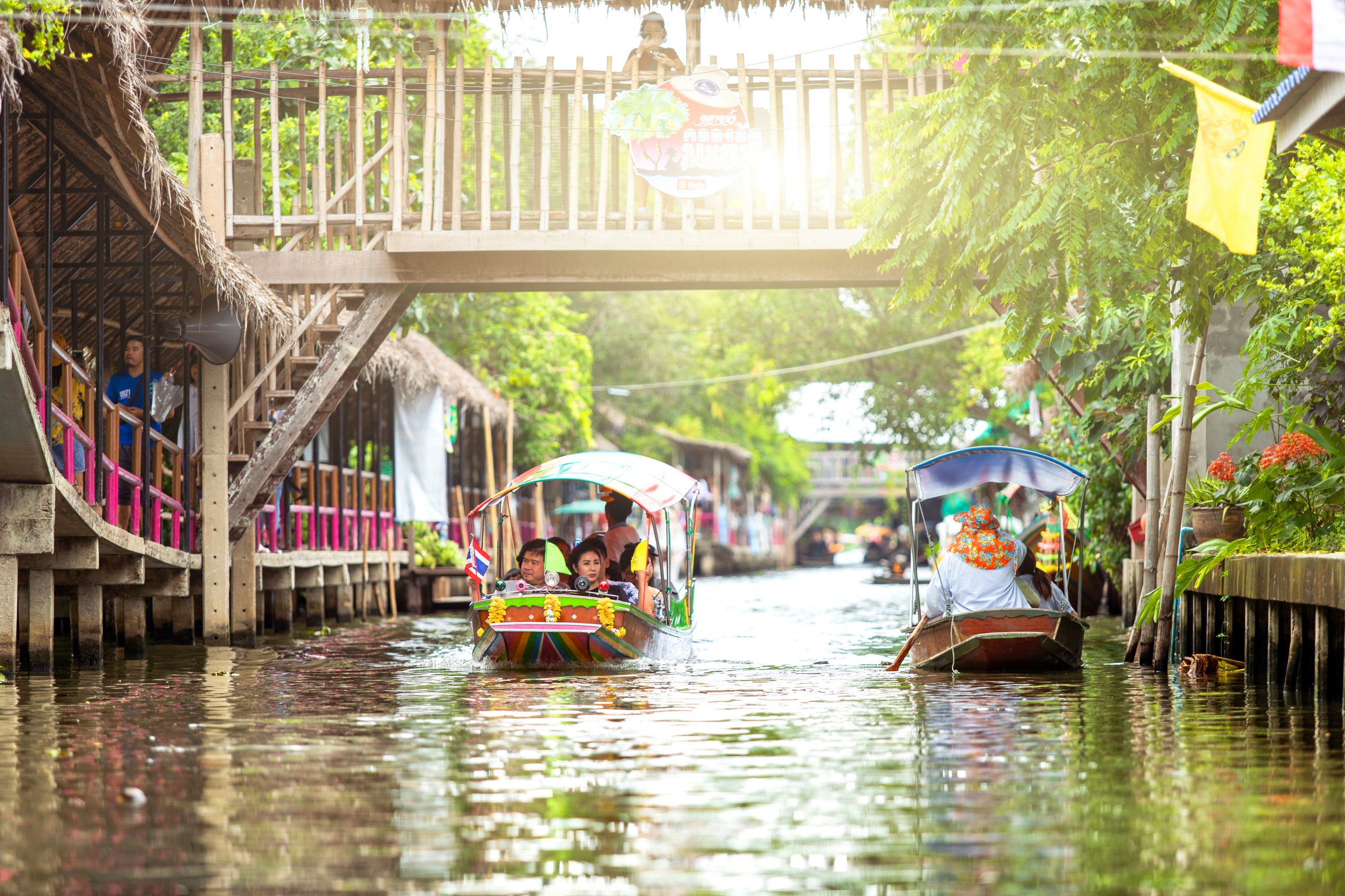
Khlongs of Thonburi
A network of historic canals on the west bank of Bangkok, the khlongs of Thonburi lead to Wat Arun, the Grand Palace and weekend floating markets.
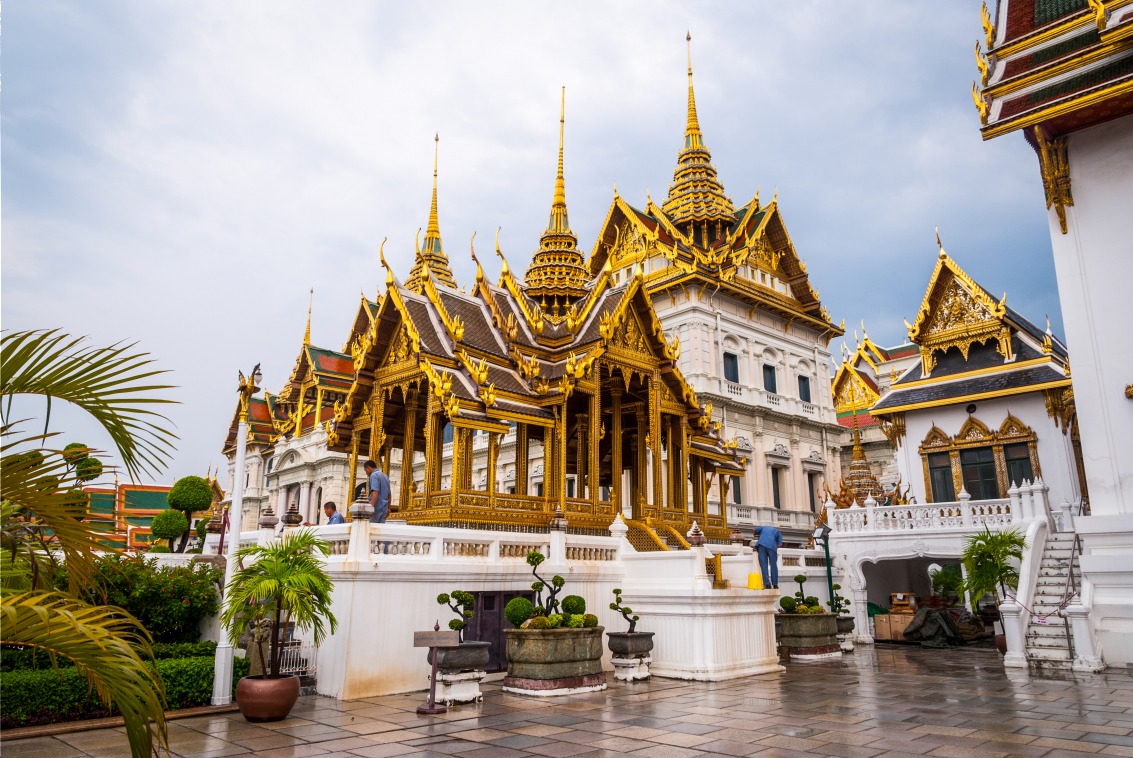
Grand Palace of Bangkok
Royal complex founded in 1782 by Rama I, the Grand Palace of Bangkok houses Wat Phra Kaeo and the Emerald Buddha. Practical guide to prepare your visit.
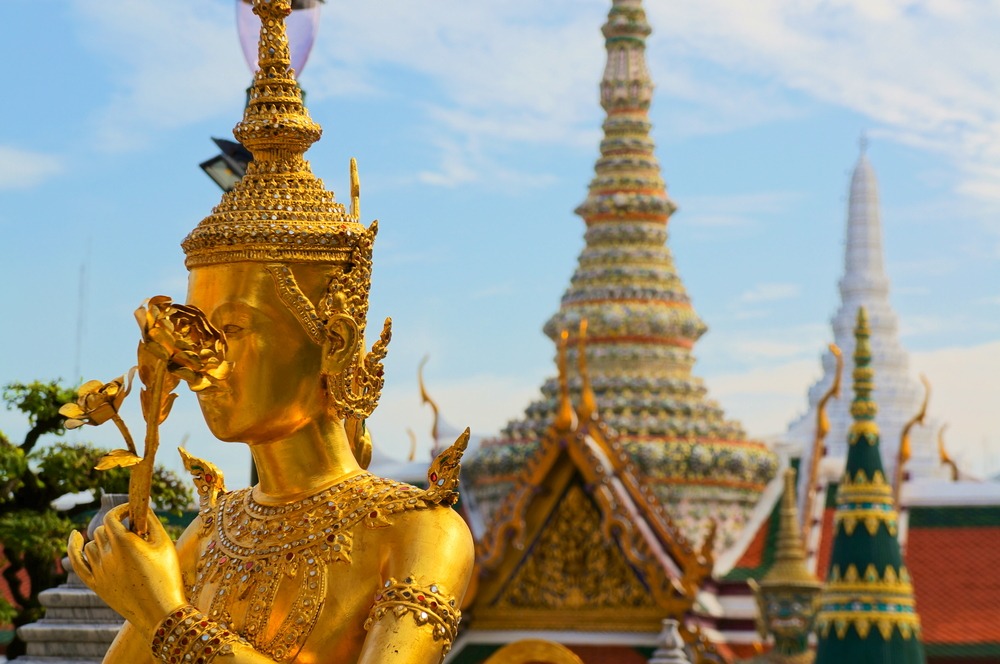
Wat Phra Kaeo
Royal temple of the Emerald Buddha, at the heart of Bangkok's Grand Palace, founded in 1783 by Rama I on the island of Rattanakosin.
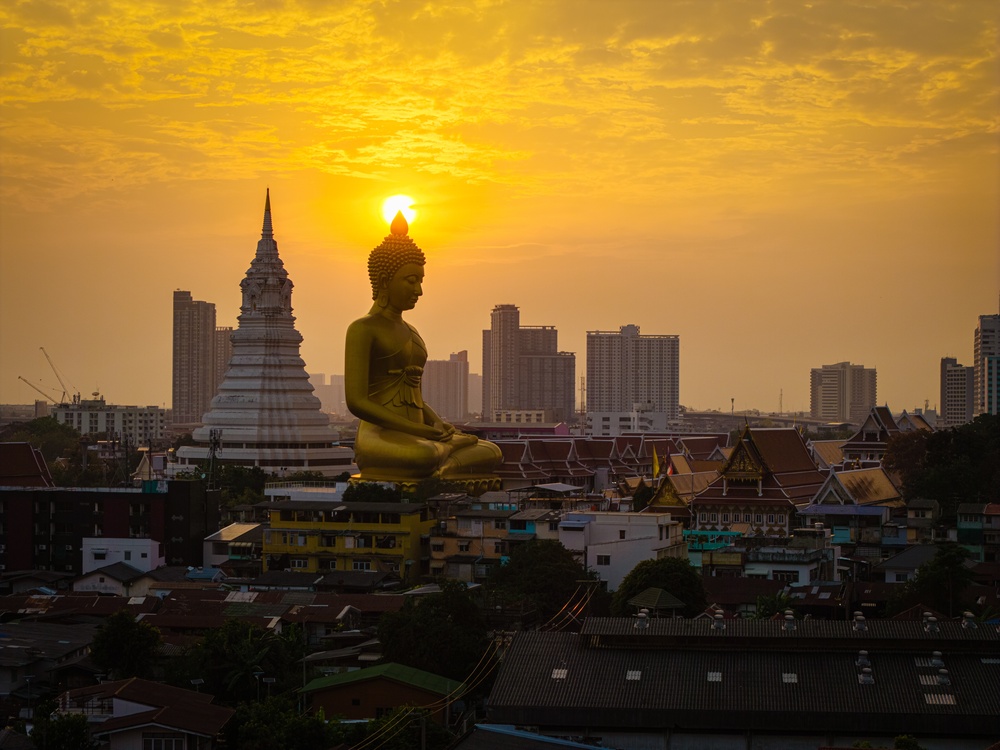
Bangkok
Bangkok, Thailand's vibrant capital, sometimes described as chaotic, is often overlooked by travelers who prefer the northern treks or southern beaches. Yet bypassing Bangkok during your Thailand trip means missing out on incredible Thai cultural diversity.
Interested in this visit?
We can include it in your personalised itinerary.