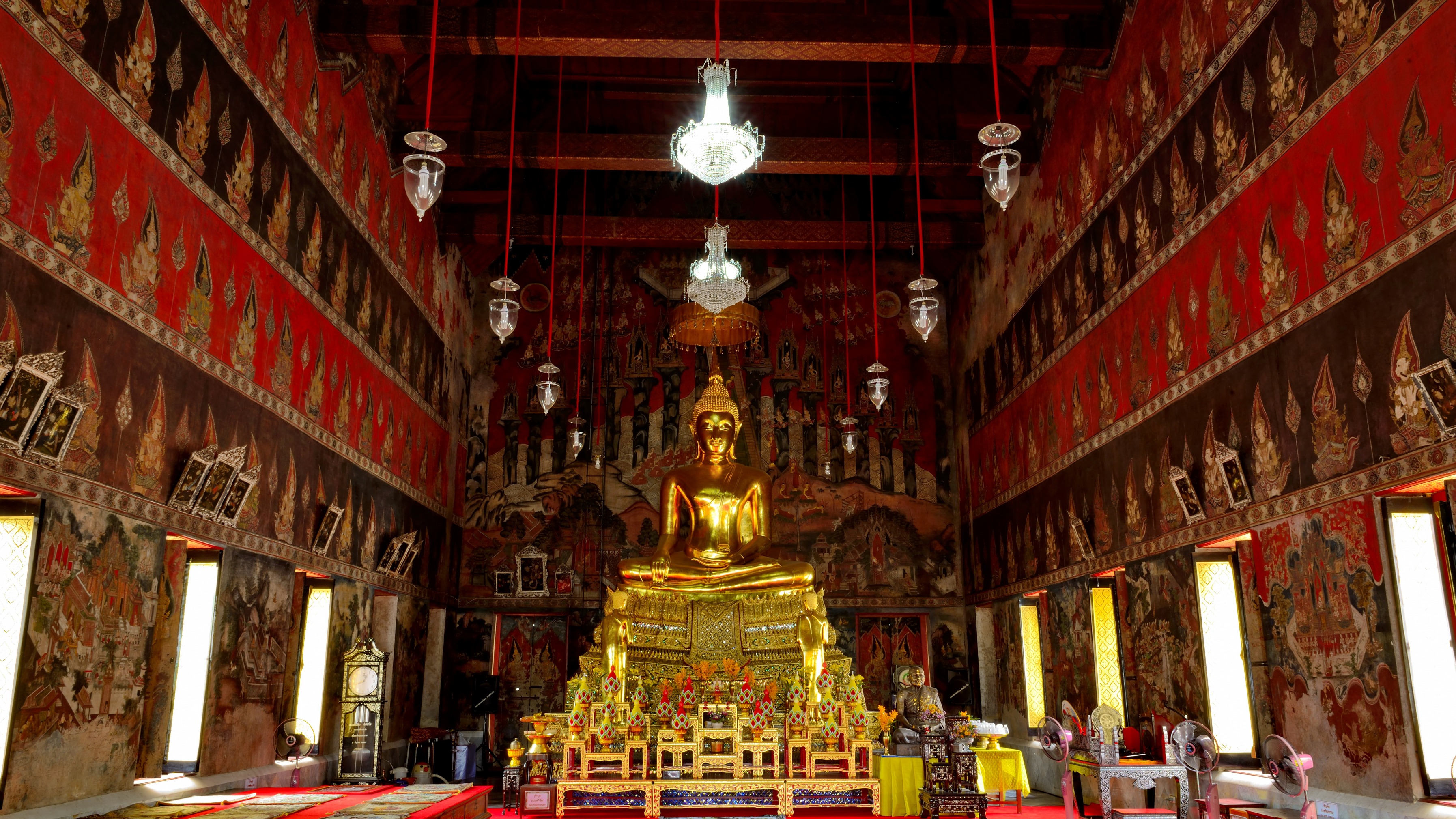
Yaowarat Chinatown Heritage Museum
Yaowarat Chinatown Heritage Museum
PGR5+4XP, Yaowarat Rd, Khwaeng Samphanthawong, Khet Samphanthawong, Krung Thep Maha Nakhon 10100, Thaïlande
On the first floor of Wat Traimit in Bangkok, the Yaowarat Chinatown Heritage Museum traces three centuries of Chinese immigration into the Kingdom of Siam.
In Bangkok, on the first floor of Wat Traimit, the Yaowarat Chinatown Heritage Museum chronicles the settlement of the Chinese community in Thailand's capital. A compact, dense and well-documented exhibition, located in the Samphanthawong district, at the edge of Chinatown.
Why visit this museum
The Yaowarat Chinatown Heritage Museum — locals also call it the "Wat Traimit Museum" or "Temple of the Golden Buddha Museum" — is one of Bangkok's rare venues dedicated to the history of an ethnic minority. It documents three centuries of Chinese presence in the Kingdom of Siam: the Teochew and Hokkien migration waves, the living conditions of early arrivals, the birth of the Sampheng quarter and its commercial boom in the 19th century.
The space is modest but multimedia scenography (videos, reconstructions, historic photographs) makes the visit accessible even without prior knowledge of the subject. It's a useful complement to a stroll through Bangkok's Chinatown, whose origins it illuminates.
History: from Teochew under Taksin to the birth of Chinatown
The arrival of the Teochew under King Taksin
Around 1770, King Taksin founded the capital of Thonburi, on the west bank of the Chao Phraya. Connected by family origins to the Teochew ethnicity of southern China, he called upon this community to supply the court with rice and provisions. In return, the Teochew obtained the right to settle on the east bank of the river, just across from the royal palace.
The founding of Sampheng in 1782
The situation changed with the coup d'état that overthrew Taksin. Rama I ascended to the throne and chose precisely the location occupied by the Teochew to build his new palace. The Chinese merchants were displaced to the southeast, into an area then marshy. To this territorial maneuver was added political logic: Rama I maintained close ties with the rival Hokkien tribe, in competition with the Teochew. The Chinese quarter of Sampheng (today Yaowarat) was thus born in 1782.
Commercial boom from 1850 onwards
What was initially a quarter of relegation became, from the 1850s onward, a major commercial hub. Chinatown's port concentrated exchanges with the Middle Kingdom: shops, inns, restaurants and warehouses lined the quays. In the 20th century, the integration of the Chinese community into Thai society was largely achieved, even if Yaowarat retains today its visible identity through its craftsmanship, architecture and cuisine.
What you will see on site
The tour is organized into six thematic sections, designed to be explored in order:
- A glimpse into the past: the visit opens with a recreation of a Chinese-style sitting room, where a grandfather tells his grandson about life in Chinatown in the 1940s. An intimate staging that sets the tone.
- The beginning of history 1782-1851: construction of the Grand Palace, forced displacement of Chinese to Sampheng, evocation of migrants marked on the wrist and reduced to forced labor, waves of Teochew and Hokkien immigration triggered by famine in southern China.
- Life in ancient times: everyday objects and recreation of a Chinese junk.
- In the eye of the storm: projection on the maritime crossing of migrants, the storms encountered and living conditions aboard.
- History from 1851 to the present day: landmark events under the reigns of Rama IV to Rama IX, linked to the sino-Thai community.
- Nostalgia: collection of old photographs of Chinatown, arguably the most evocative section of the tour.
Allow approximately 1 to 1.5 hours for a thorough visit, longer if you take time to watch the video projections in full.
Practical information
The museum is open Tuesday to Sunday, from 9am to 5pm approximately (closed Mondays). Hours may change, so it's best to check in advance. Entry fees for foreign visitors remain modest (a few dozen baht). Preferential pricing applies to Thai residents.
The museum occupies the first floor of the building housing Wat Traimit; access is through the interior of the temple. Plan to wear clothing covering shoulders and knees, as you would for visiting the sanctuary.
How to get there
The easiest way is by MRT metro to Hua Lamphong station, about 5 minutes walk from Wat Traimit. The historic Hua Lamphong railway station is in immediate proximity. By taxi or tuk-tuk, ask to be dropped directly at the temple, a well-known landmark for drivers.
What to see nearby
The museum lends itself to a half-day combined with other sites in the area:
- the Wat Traimit, which houses the famous Golden Buddha weighing over 5 tons, just below the museum;
- the Temple of the Buddha's Tooth Relic (Wat Mangkon Kamalawat), 10 minutes walk to the north;
- Sri Mariamman Temple, a Tamil Hindu sanctuary, further to the west;
- Thong Chai Medical Institute, an example of sino-Thai architecture;
- a stroll through Yaowarat and its trading lanes;
- the creative complex Lhong 1919, on the opposite bank of the Chao Phraya.
Frequently asked questions
Frequently asked questions
Allow 1 to 1.5 hours to explore the six exhibition sections, longer if you watch the video projections in full. It's a short visit, best combined with Wat Traimit located in the same building.
Most panels and projections offer English-language translations. French-language materials are rare, but the visual content and recreations remain understandable without extensive English knowledge.
The museum is located on the first floor of Wat Traimit. Access may be limited depending on available facilities; it's best to contact the temple in advance to check for elevator availability.
Museum entry is through the temple building. Tickets are often combined with access to the Golden Buddha, allowing you to see both sites in a single visit.
The museum can be visited year-round since it's indoors and air-conditioned. To explore Chinatown afterward, choose the dry season from November to February, more comfortable than the rainy season from June to October.
Preparing the rest of your journey
The Yaowarat Heritage Museum opens a valuable window into Bangkok's multicultural history. To extend the experience, explore our tailored itineraries: organize a trip to Thailand with our local advisors.
Nearby
Also discover
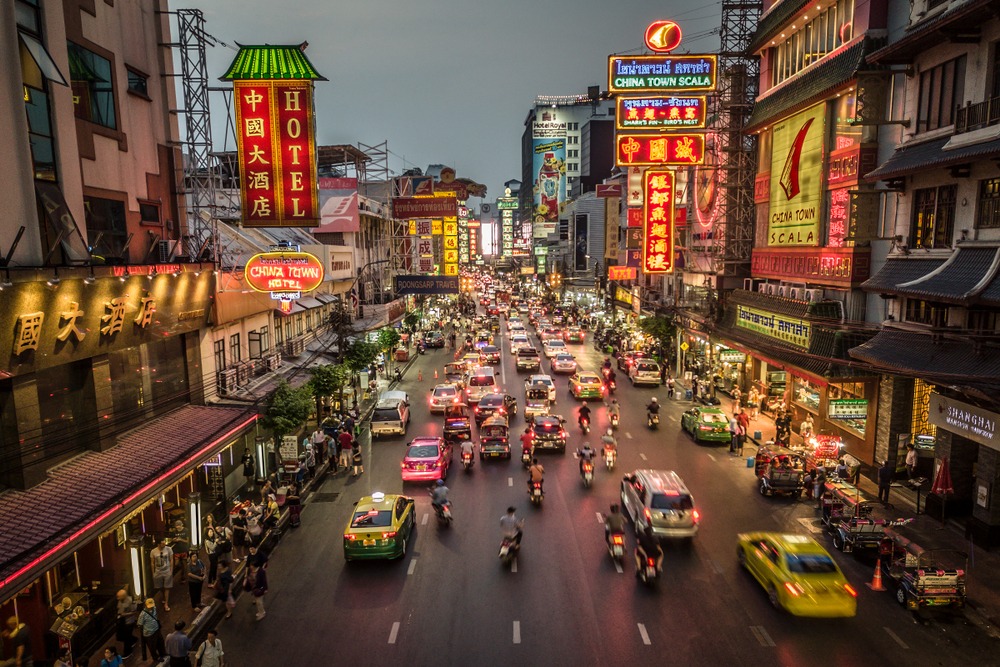
Bangkok's Chinatown
Yaowarat, Sino-Thai temples, heritage museum, and street food: a practical guide to Bangkok's Chinatown, founded in 1782 by Teochew and Hokkien communities.
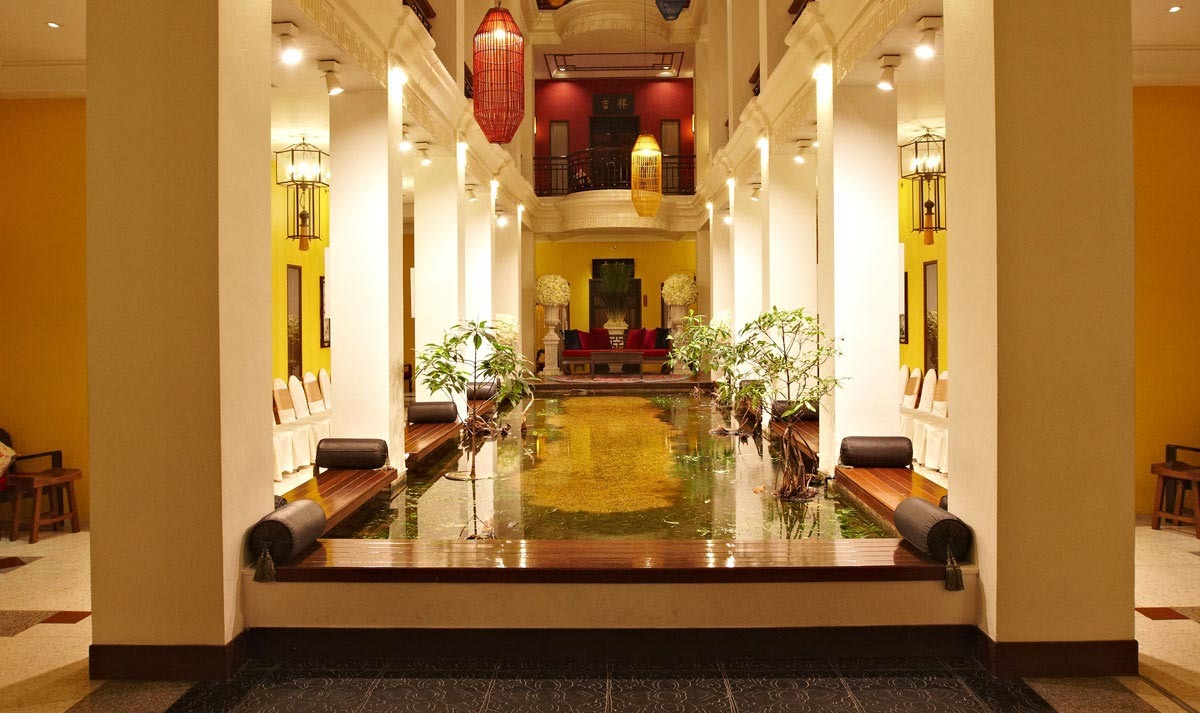
Shanghai Mansion
4-star hotel with vintage Shanghai inspiration on Yaowarat Road, in the heart of Bangkok's Chinatown. 67 rooms, Sino-Thai restaurant and jazz concert bar.
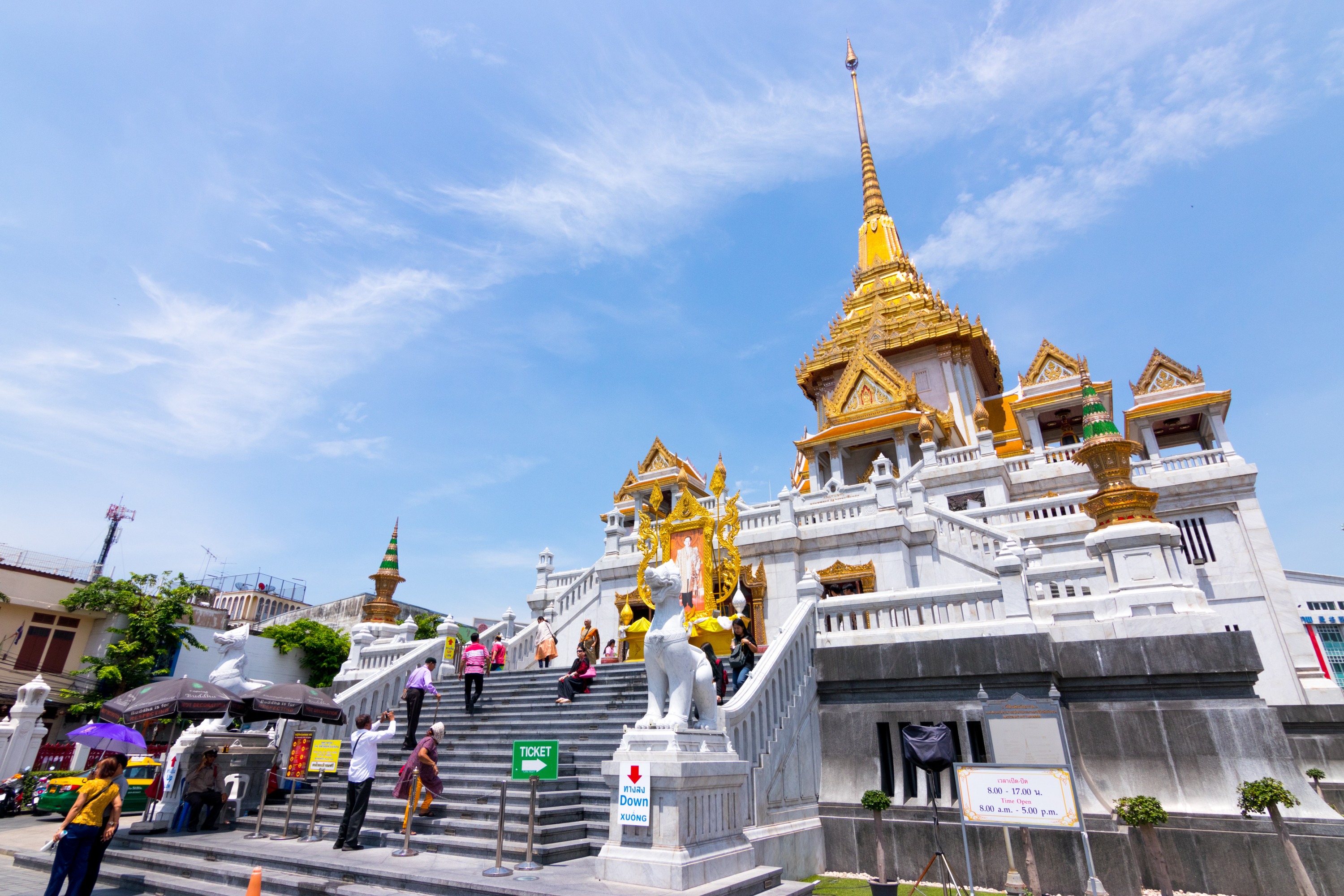
Wat Traimit, the Temple of the Golden Buddha
In Bangkok, Wat Traimit shelters a solid gold Buddha measuring 3 meters and weighing 5.5 tonnes, whose golden identity was only revealed in 1955.
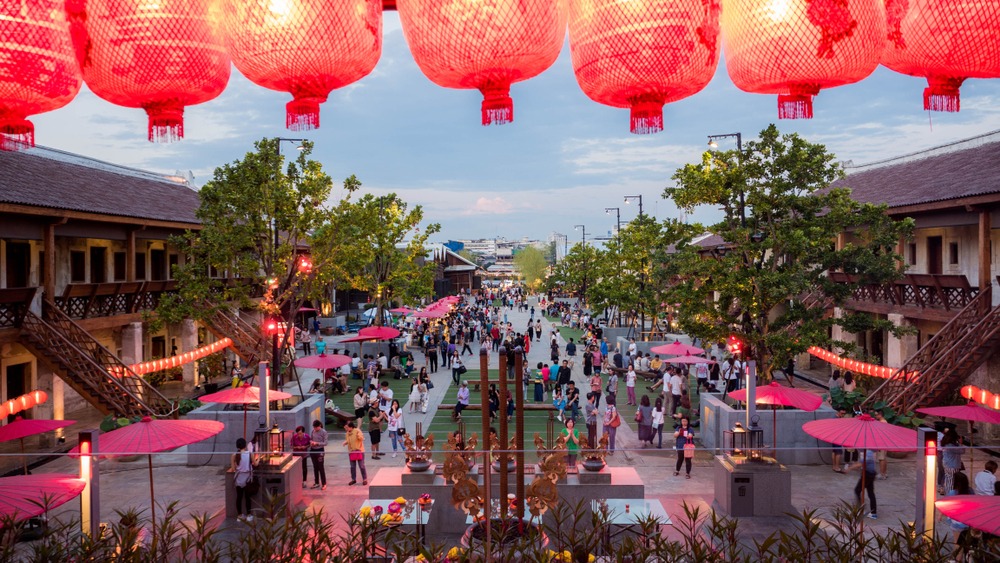
Lhong 1919
A historic merchant wharf from 1850 on the Chao Phraya River, Lhong 1919 brings together a Sino-Thai mansion, a sanctuary dedicated to Mazu, and artisan shops in the Khlong San district.
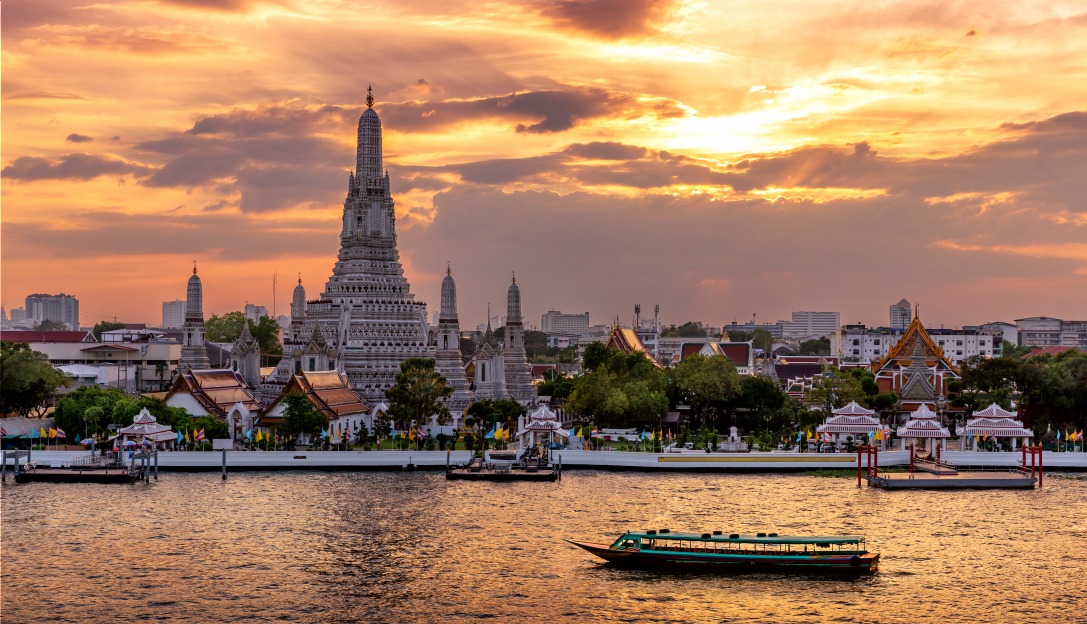
Chao Praya
Spanning 372 km, the Chao Phraya has shaped Bangkok since 1782. Temples, markets, boats: your guide to understanding and exploring the river.
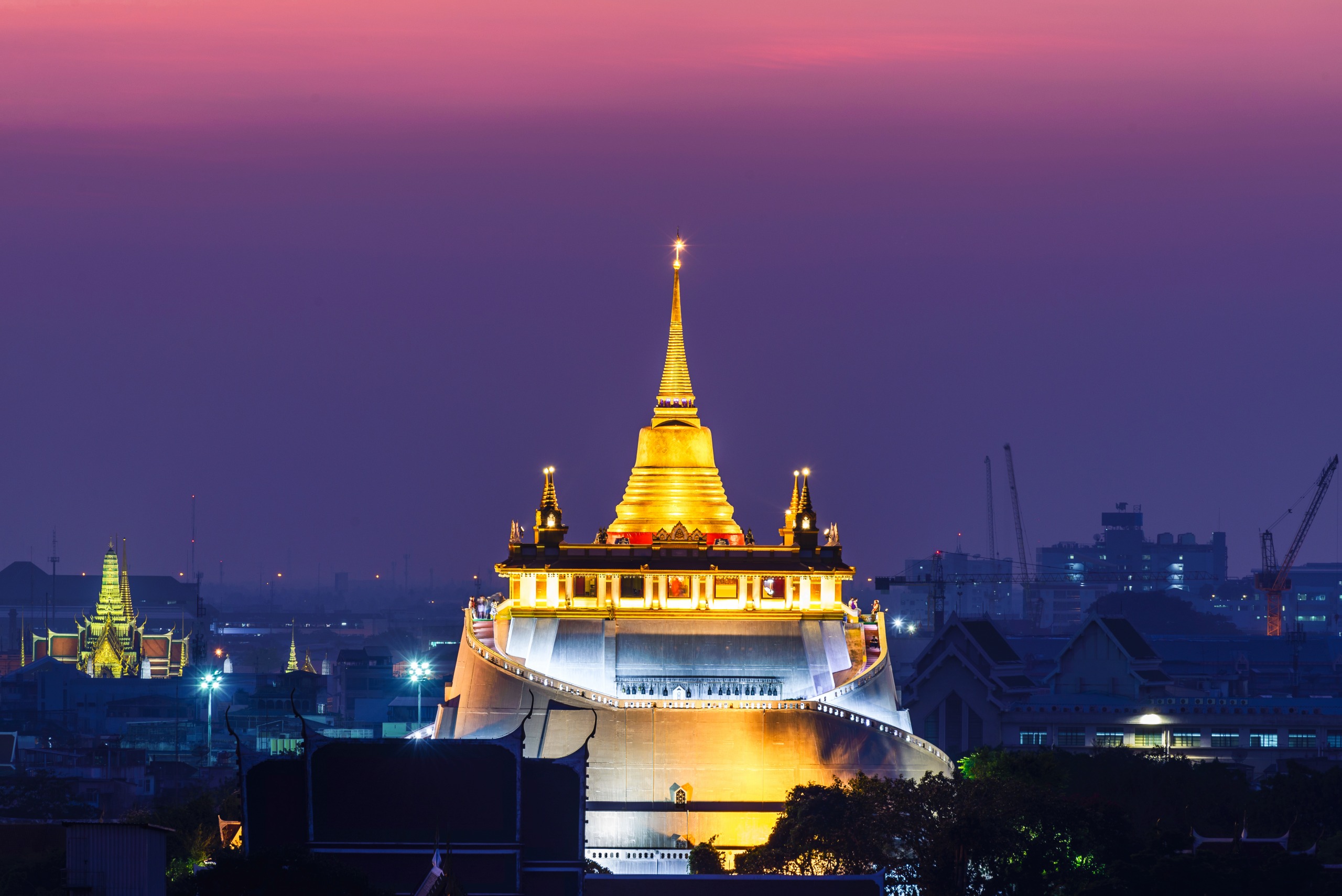
Wat Saket
Wat Saket, or the Golden Mount Temple, dominates Bangkok from its artificial hilltop. History, ascent of the golden chedi and visiting tips.
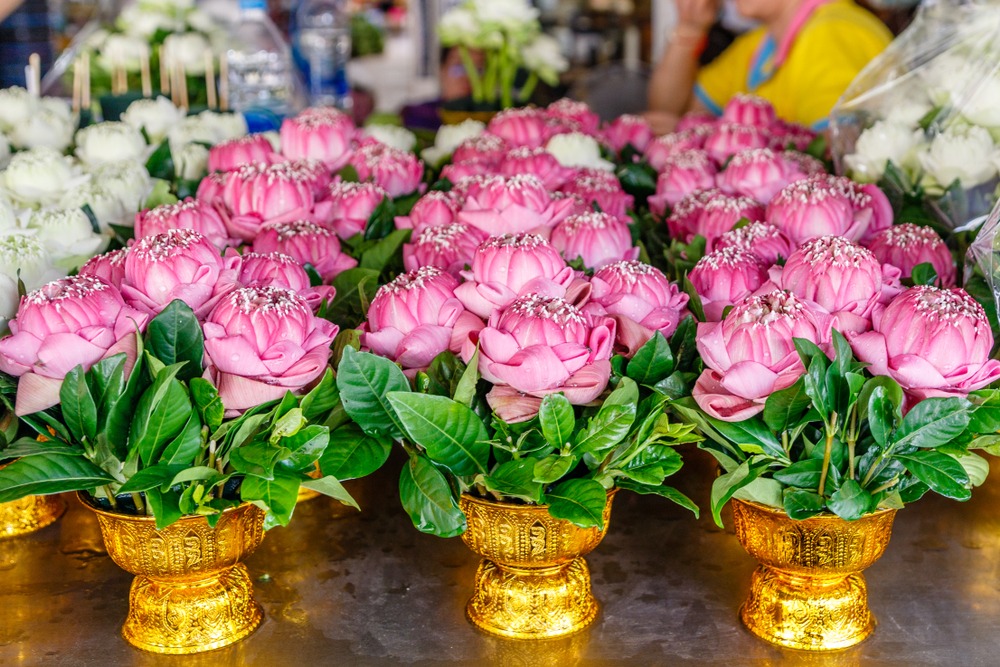
Pak Khlong Talat
Historic flower market in Bangkok, open around the clock near the Chao Phraya, supplying hotels, restaurants and temples in the capital with fresh blooms.
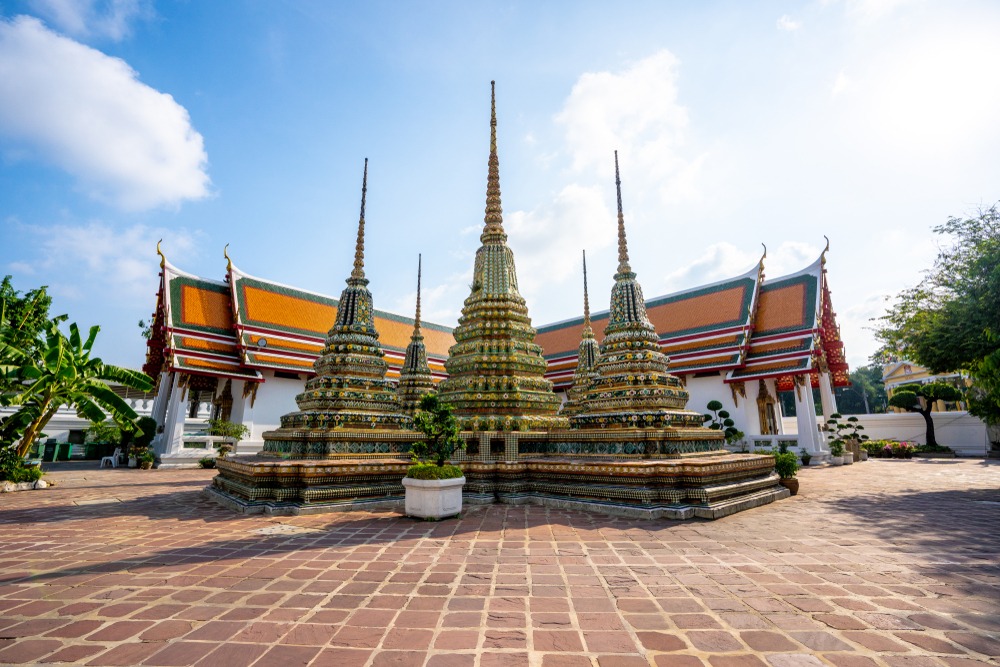
Wat Pho
South of Bangkok's Grand Palace, Wat Pho houses a 46-meter Reclining Buddha, 400 statues, and a UNESCO-recognized Thai massage school.
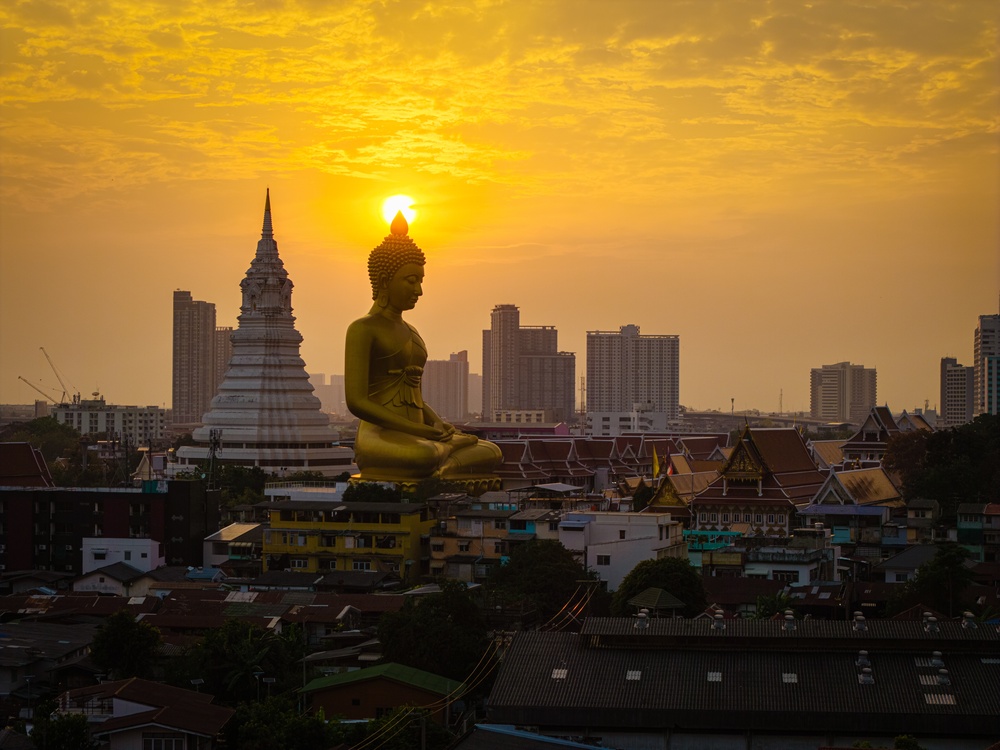
Bangkok
Bangkok, Thailand's vibrant capital, sometimes described as chaotic, is often overlooked by travelers who prefer the northern treks or southern beaches. Yet bypassing Bangkok during your Thailand trip means missing out on incredible Thai cultural diversity.
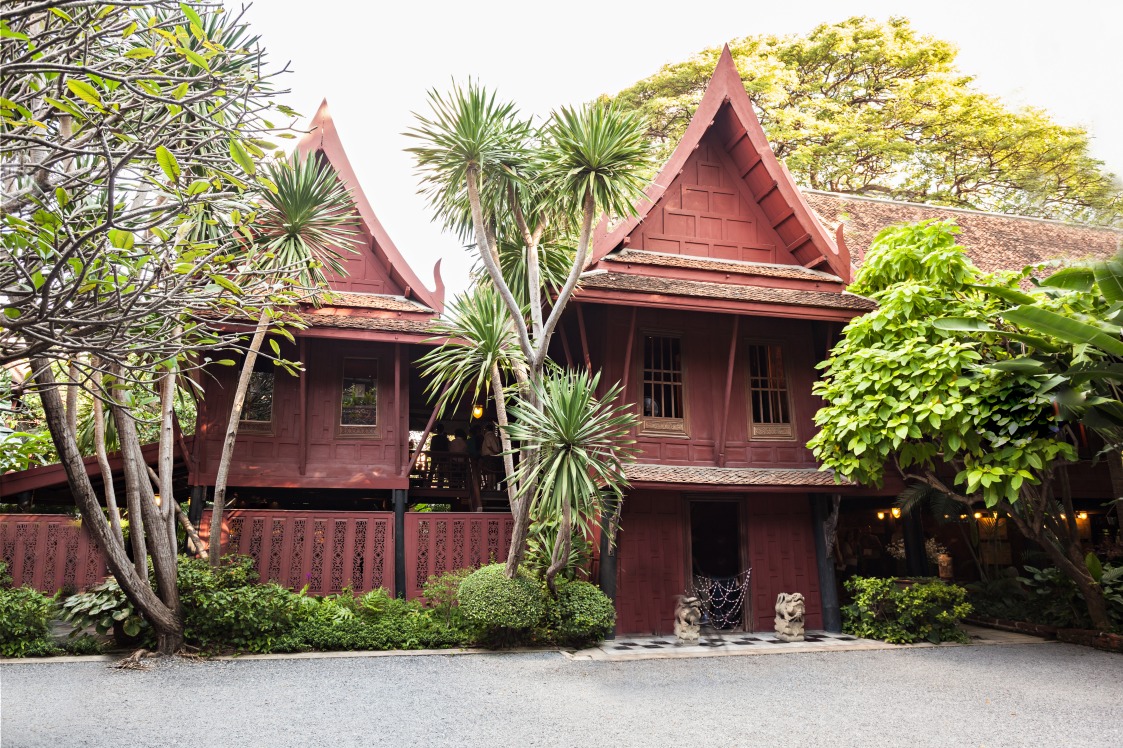
Jim Thompson House
In Bangkok, Jim Thompson House preserves the teak residence and Asian art collection assembled by the American who revived the Thai silk industry.
Interested in this visit?
We can include it in your personalised itinerary.