Wat Traimit, the Temple of the Golden Buddha
Wat Traimit, the Temple of the Golden Buddha
661 ถ. เจริญกรุง Khwaeng Talat Noi, Khet Samphanthawong, Krung Thep Maha Nakhon 10100, Thaïlande
In Bangkok, Wat Traimit shelters a solid gold Buddha measuring 3 meters and weighing 5.5 tonnes, whose golden identity was only revealed in 1955.
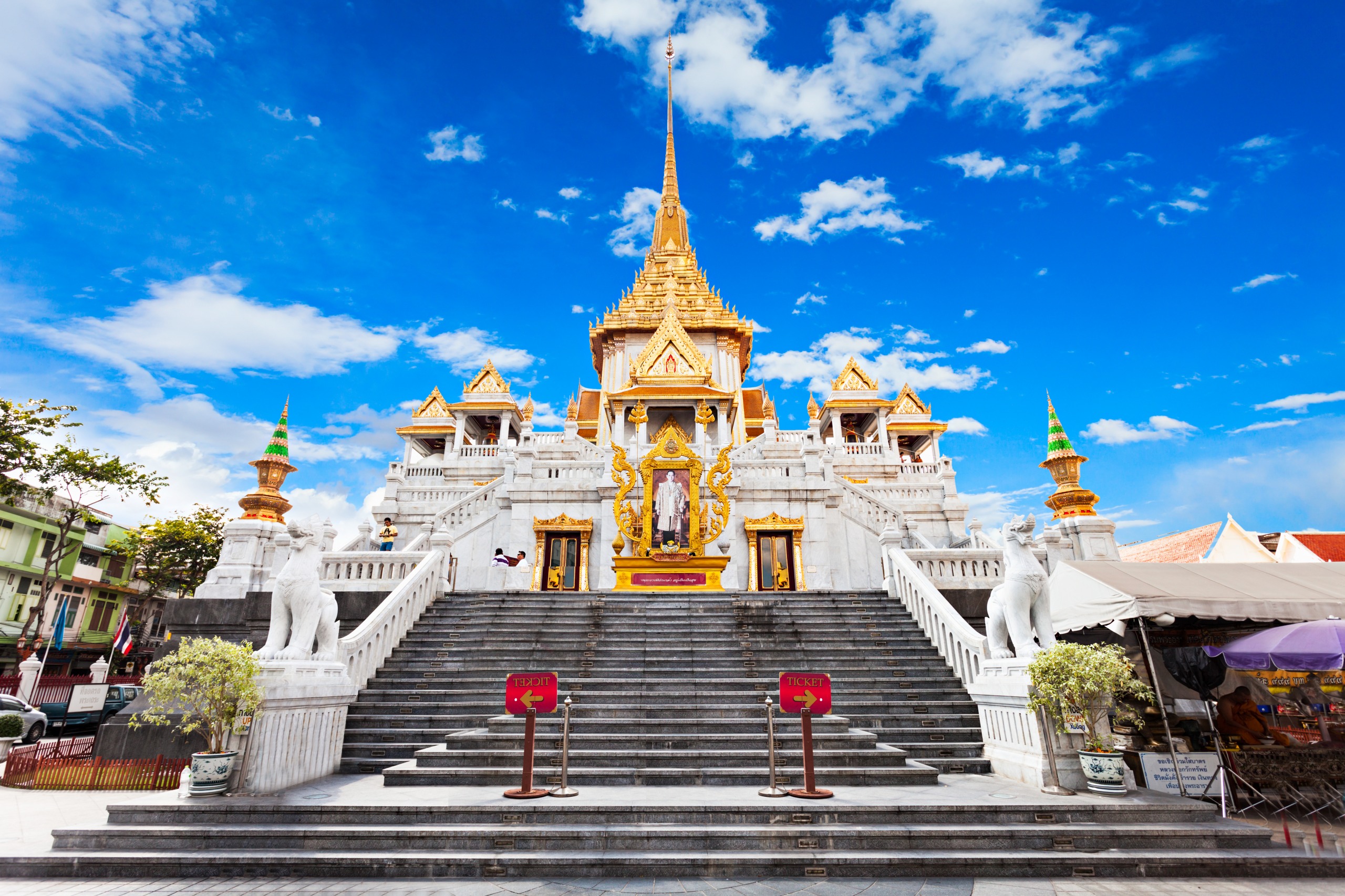
Wat Traimit, at the edge of Bangkok's Chinatown, houses the most imposing solid gold sculpture known to date: a Buddha measuring 3 meters and weighing approximately 5.5 tonnes, whose golden identity remained hidden beneath a layer of plaster until its revelation in 1955, after several centuries of concealment.
Why Visit Wat Traimit
The sanctuary offers rare appeal for those interested in Buddhist art and Thai history. Three main reasons motivate a visit:
- A statue claimed to be the world's largest solid gold sculpture, with gold estimated at 18 carats.
- A rich historical narrative spanning five centuries from the Sukhothai dynasty to contemporary Thailand.
- An adjoining museum, the Bangkok Chinatown Heritage Center, dedicated to the early Chinese communities of the capital.
The site can be explored in under two hours, making it an ideal stop before or after a stroll through Bangkok's Chinatown.
History of the Golden Buddha
From Sukhothai Origins to Transfer to Ayutthaya
Historians date the statue's creation to between the 13th and 16th centuries, during the Sukhothai dynasty. A mention on Ram Khamhaeng's stele attests to the presence of a gold Buddha at the center of the ancient city. Some specialists believe fragments may have been cast in India, as Sukhothai art shares several affinities with Indian art, and gold Buddhas from India were being exported during this period.
According to traditions and archives, the statue was reportedly relocated in 1403 to the nascent kingdom of Ayutthaya, where it remained for several centuries.
Plastering and Arrival in Bangkok
In the first half of the 18th century, shortly before the Burmese capture of Ayutthaya, the statue was entirely covered with stucco inlaid with glass fragments. This trompe-l'œil technique aimed to conceal the gold from plunderers. The ruse proved extraordinarily effective: for nearly two centuries, no one suspected the sculpture's true nature.
In 1801, Rama I ordered the recovery of ancient Buddha images preserved in ruined temples. The policy continued under Rama III. When construction work on the Chao Phraya River condemned Wat Chotanaram, the plastered statue—then anonymous—was transferred to nearby Wat Traimit Wittayaram. Due to the lack of a sufficiently large viharn, it initially remained exposed outdoors, sheltered by a simple tin roof.
The Discovery of Gold, in 1955
On May 25, 1955, monks inaugurated a new viharn designed to house the Buddha. During the lifting operation, a crane cable snapped and the statue fell heavily to the ground. Seeing an ill omen, priests and workers left the site. The night brought heavy rain.
At dawn, while cleaning mud away, a supervisor noticed a metallic glint in a crack in the plaster. Examination quickly confirmed the presence of solid gold beneath the coating. News spread throughout Bangkok and coincided with commemorations of the 2,500th anniversary of the Buddha's death—leading the press of the era to call it a miracle.
What to See On-Site
The Golden Buddha Statue
Positioned at the far end of the prayer hall, the statue measures 3 meters and weighs approximately 5.5 tonnes. Its value, dependent on gold prices, has been estimated at around 250 million dollars. The distribution of gold is uneven: the upper section (hair and crown) is pure gold, the head and chin at 80%, and the lower section at 40%.
The style clearly reflects the Sukhothai school: ovoid head, elongated earlobes, fine eyebrows, aquiline nose. Three lines mark the neck—an iconographic sign of the Buddha's princely title. The posture depicted is the Bhumisparshamudra, right hand touching the ground, a gesture expressing the calling of the earth to witness at the moment of Enlightenment.
The Bangkok Chinatown Heritage Center
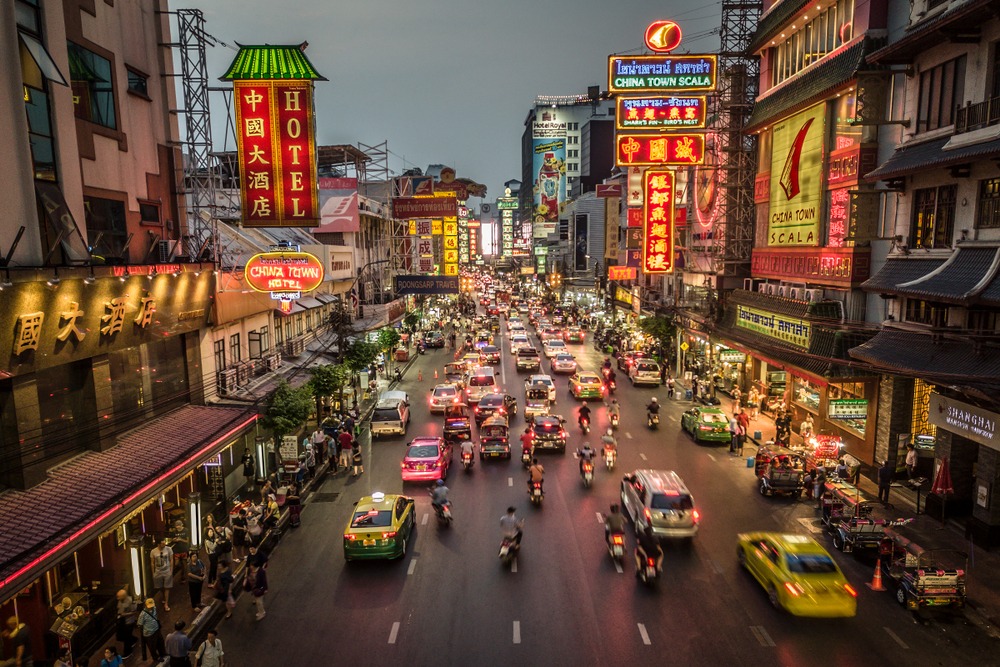
Housed in an annex of the sanctuary, this museum traces the arrival and settlement of the earliest Chinese communities in Bangkok. Period photographs, videos, and models illustrate the formation of Yaowarat district. To extend the theme, you can continue to the Yaowarat Chinatown Heritage Museum, located nearby.
The Historical Exhibition
A second exhibition, distinct from the Chinatown museum, is devoted to the statue itself: its creation under Sukhothai, its successive transfers, and the 1955 revelation. Panels are translated into English.
Practical Information
- Visiting Duration: allow 1 to 2 hours depending on your interest in the exhibitions.
- Admission Fees: moderate entrance fee for the temple, modest supplement for the museum. Confirm current prices upon arrival.
- Opening Hours: daytime opening daily; the museum closes one day per week (typically Monday).
- Dress Code: attire covering shoulders and knees, as in all Thai temples. On the museum's top floor, sunglasses and hats are forbidden.
When to Visit
Crowds are heavier midday and weekends, when groups pour in from Yaowarat. Favor early opening hours to enjoy the prayer hall in quiet. On Buddhist holidays, the temple attracts many devotees: tourist visits remain possible but the main hall is partially reserved for prayers.
How to Get There
Wat Traimit is located immediately adjacent to Hua Lamphong railway station, at the eastern entrance to Chinatown. Several access options are available:
- Metro (MRT): Hua Lamphong station, then a short walk.
- Public Buses: lines 5, 7, and 507 serve the area.
- Taxi or Tuk-Tuk: convenient from Sukhumvit or Silom districts, accounting for traffic.
Nearby Attractions
The temple's position at the gateway to Chinatown lends itself to a combined visit:
- Yaowarat and Bangkok's Chinatown: street markets, shops, and Chinese temples.
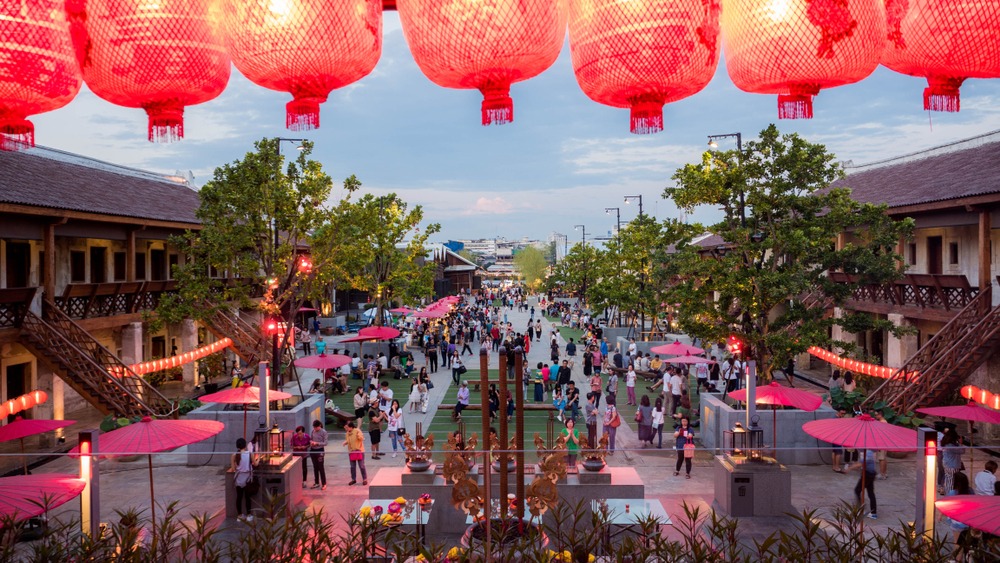
- Lhong 1919: a restored Sino-Thai trading post on the opposite riverbank.
- The Chao Phraya River, accessible within minutes to reach other Bangkok historical sites by river bus.
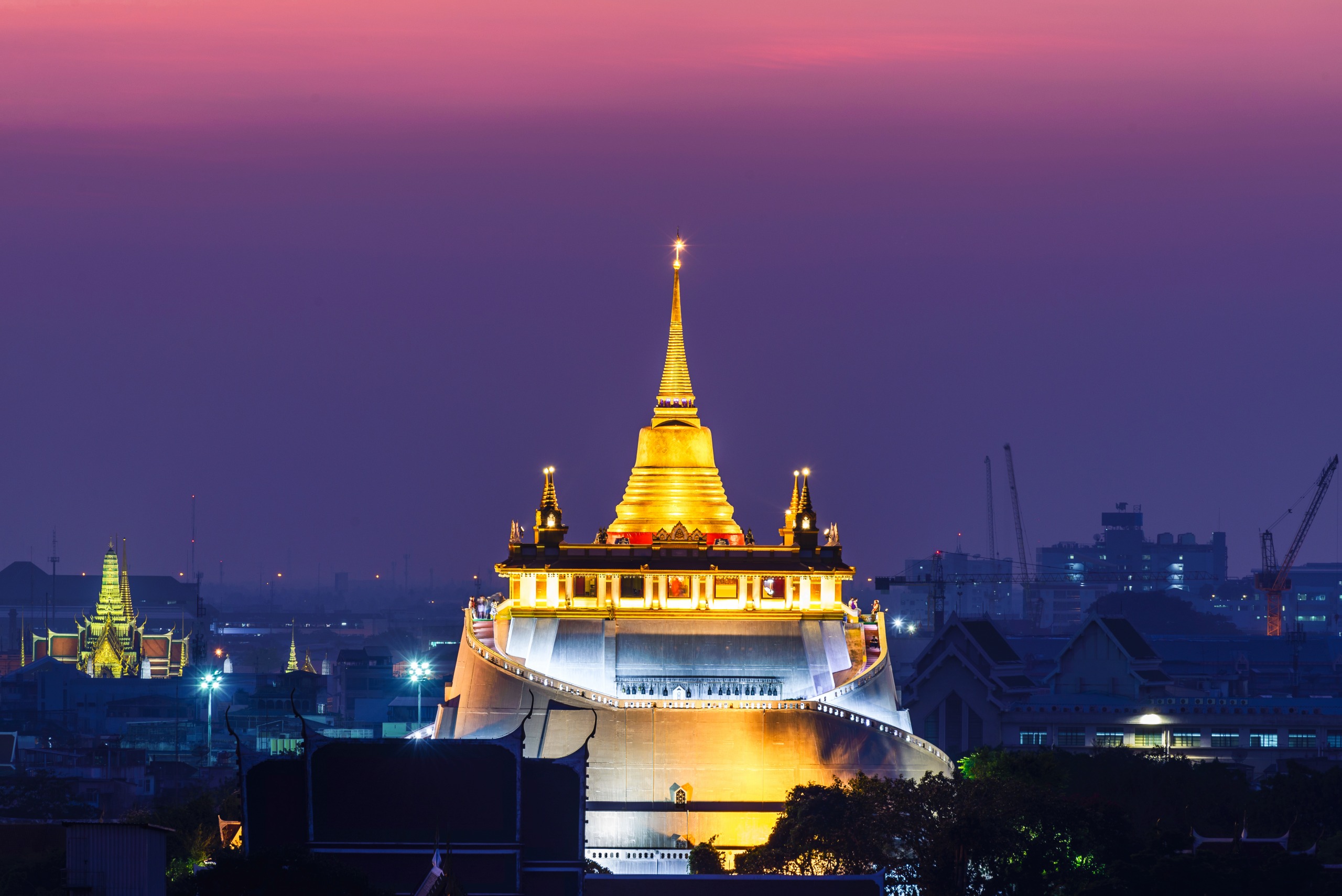
- Wat Saket and the Golden Mountain, approximately 2 km to the north.
Frequently Asked Questions
Frequently asked questions
Yes. Beneath the plaster layer, which was removed in 1955, the statue is made of 18-carat gold, with varying proportions across zones: pure gold for the hair and upper crown, 80% for the head and chin, and 40% for the lower section.
The plastering, dated to the first half of the 18th century, is interpreted as a protective measure against Burmese plunderers, shortly before the fall of Ayutthaya.
One hour is sufficient to see the statue; allow two hours if you also explore the historical exhibition and Bangkok Chinatown Heritage Center.
The easiest option is to take the MRT to Hua Lamphong station, a short walk from the temple. Buses 5, 7, and 507 also serve the area.
Shoulders and knees must be covered. Avoid shorts, short skirts, and tank tops. On the museum's top floor, sunglasses and hats are not permitted.
Incorporating Wat Traimit into Your Journey
The temple fits naturally into a day dedicated to Chinatown and the Chao Phraya riverbanks. To build a custom itinerary including Bangkok and other Thai regions, consult our Thailand travels.
Photos
Nearby
Also discover
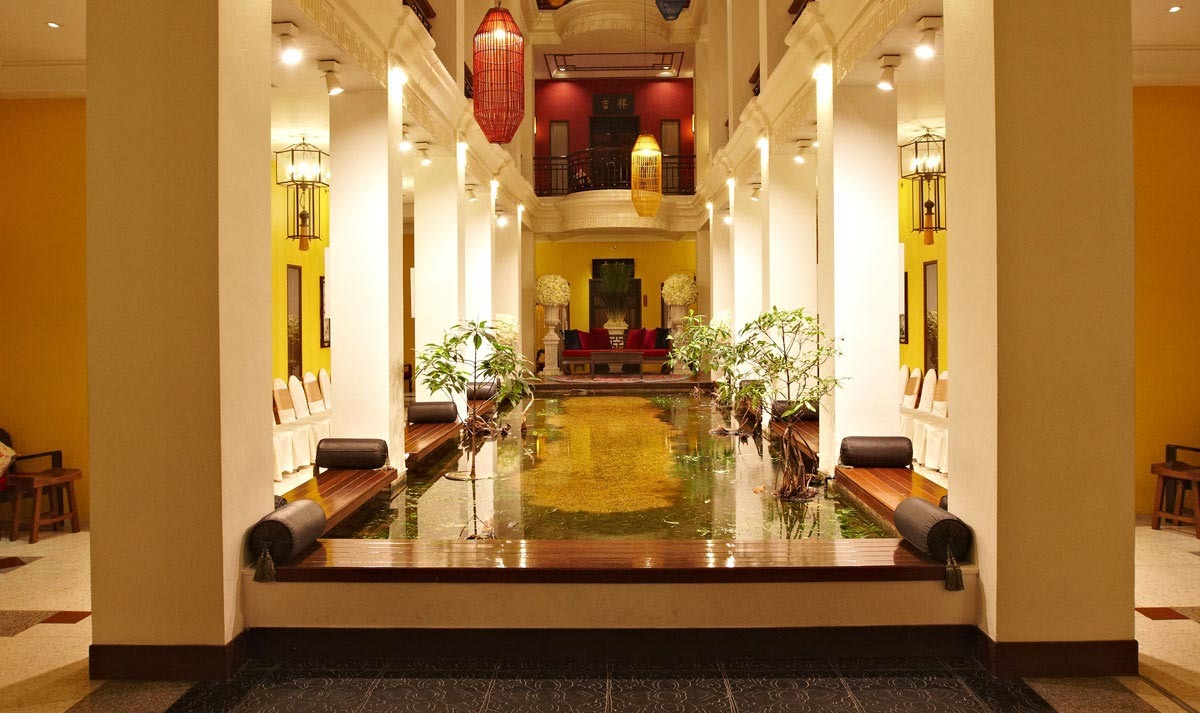
Shanghai Mansion
4-star hotel with vintage Shanghai inspiration on Yaowarat Road, in the heart of Bangkok's Chinatown. 67 rooms, Sino-Thai restaurant and jazz concert bar.
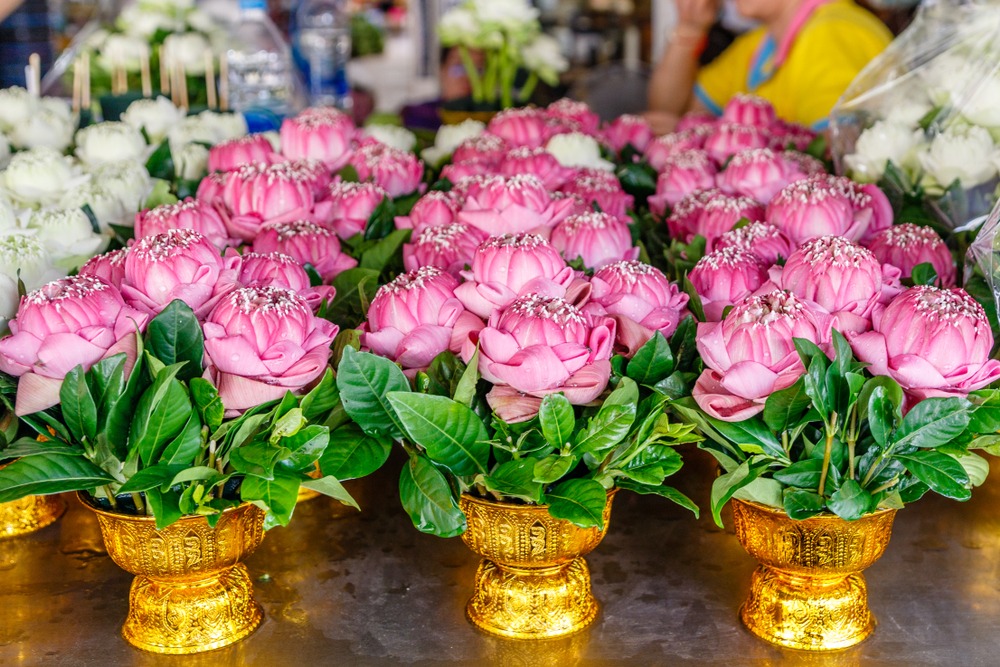
Pak Khlong Talat
Historic flower market in Bangkok, open around the clock near the Chao Phraya, supplying hotels, restaurants and temples in the capital with fresh blooms.
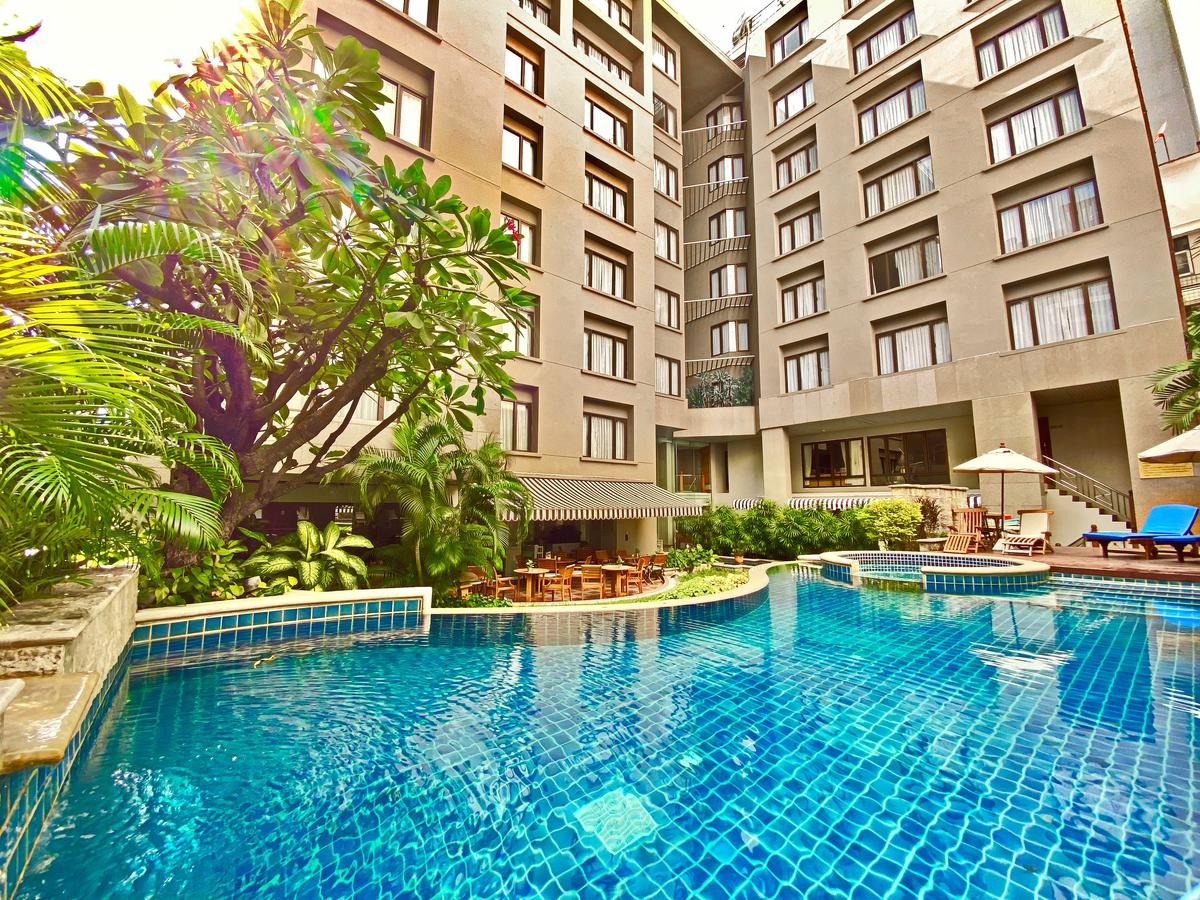
Silome Serene
Boutique hotel in the Bang Rak district of Bangkok, a 5-minute walk from BTS Chong Nonsi. Good value for money, family suites available.
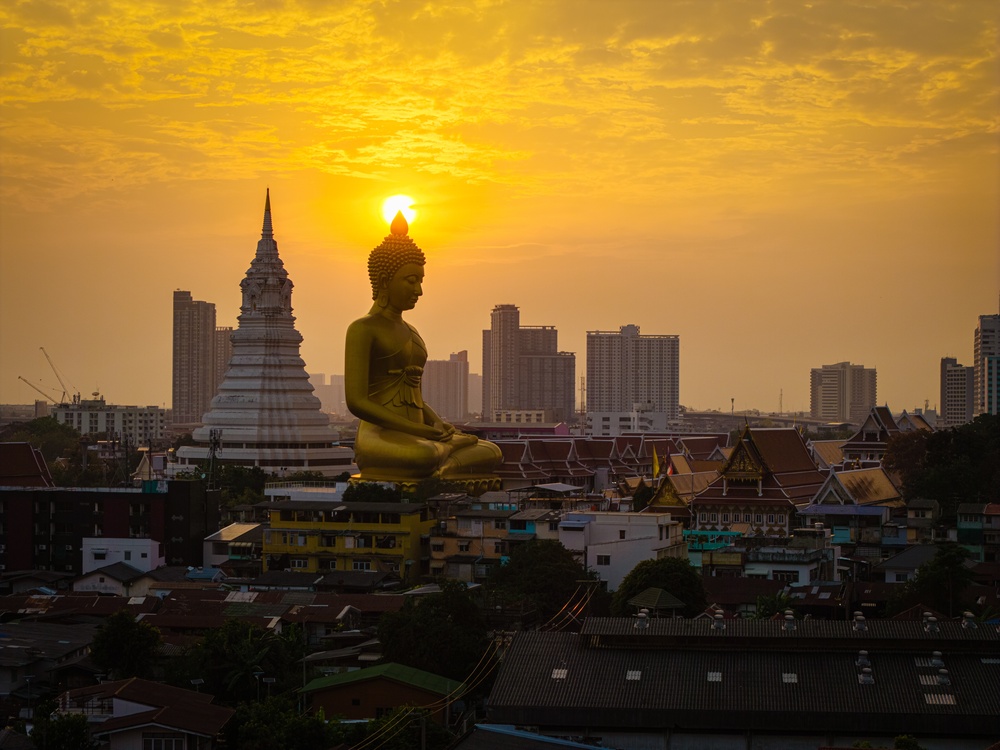
Bangkok
Bangkok, Thailand's vibrant capital, sometimes described as chaotic, is often overlooked by travelers who prefer the northern treks or southern beaches. Yet bypassing Bangkok during your Thailand trip means missing out on incredible Thai cultural diversity.
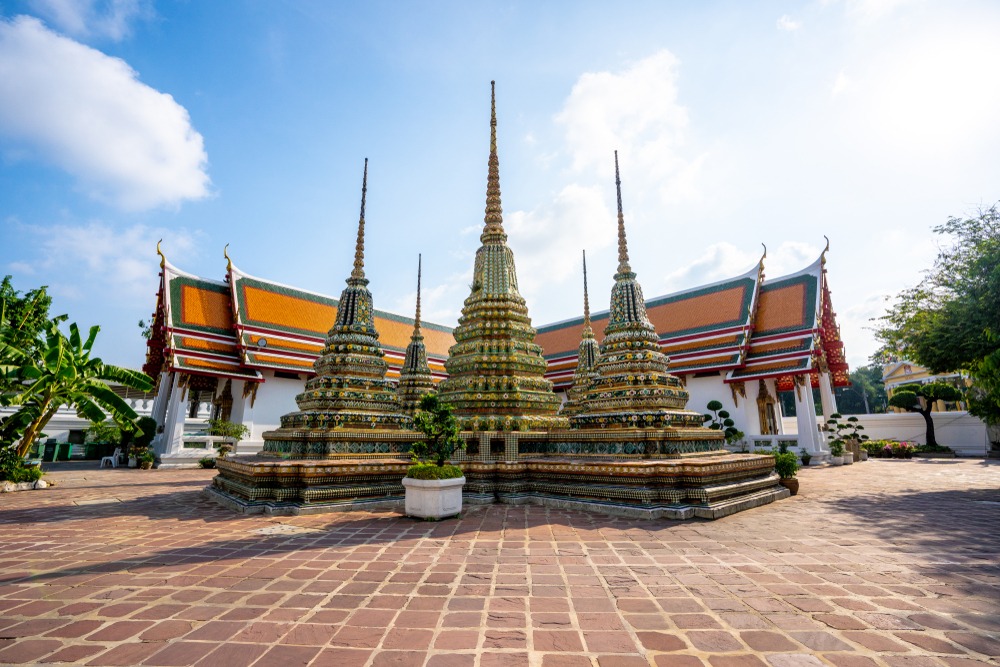
Wat Pho
South of Bangkok's Grand Palace, Wat Pho houses a 46-meter Reclining Buddha, 400 statues, and a UNESCO-recognized Thai massage school.
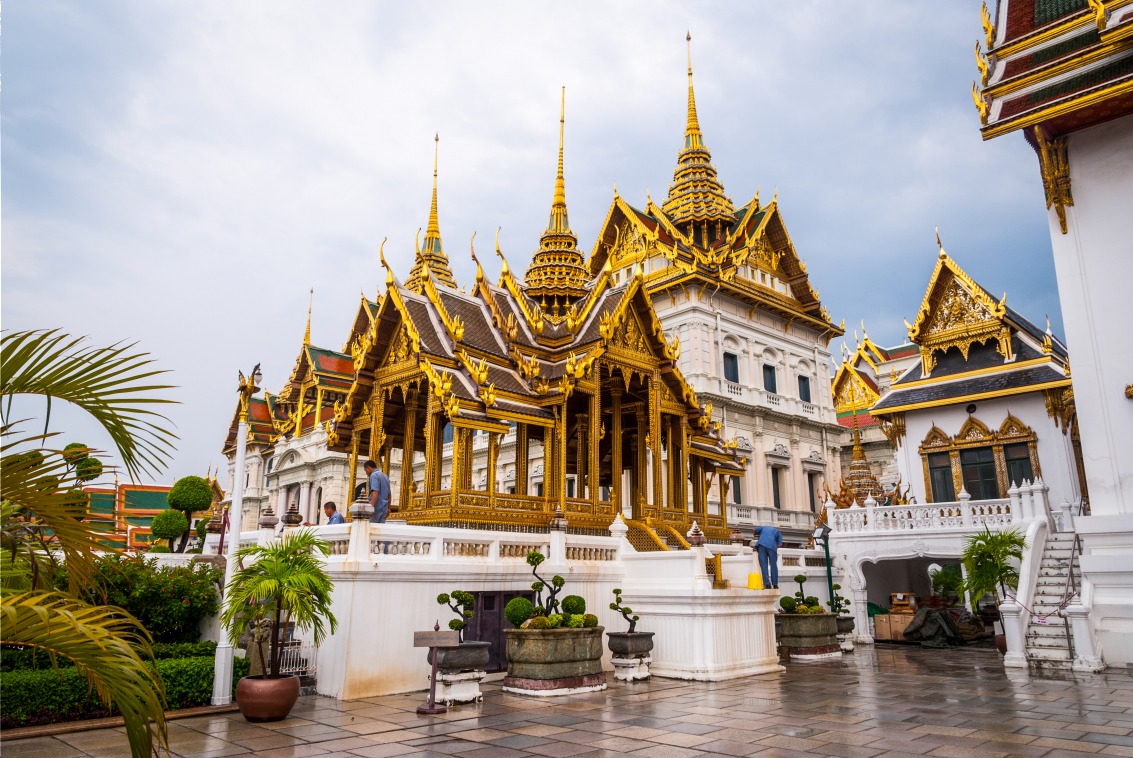
Grand Palace of Bangkok
Royal complex founded in 1782 by Rama I, the Grand Palace of Bangkok houses Wat Phra Kaeo and the Emerald Buddha. Practical guide to prepare your visit.
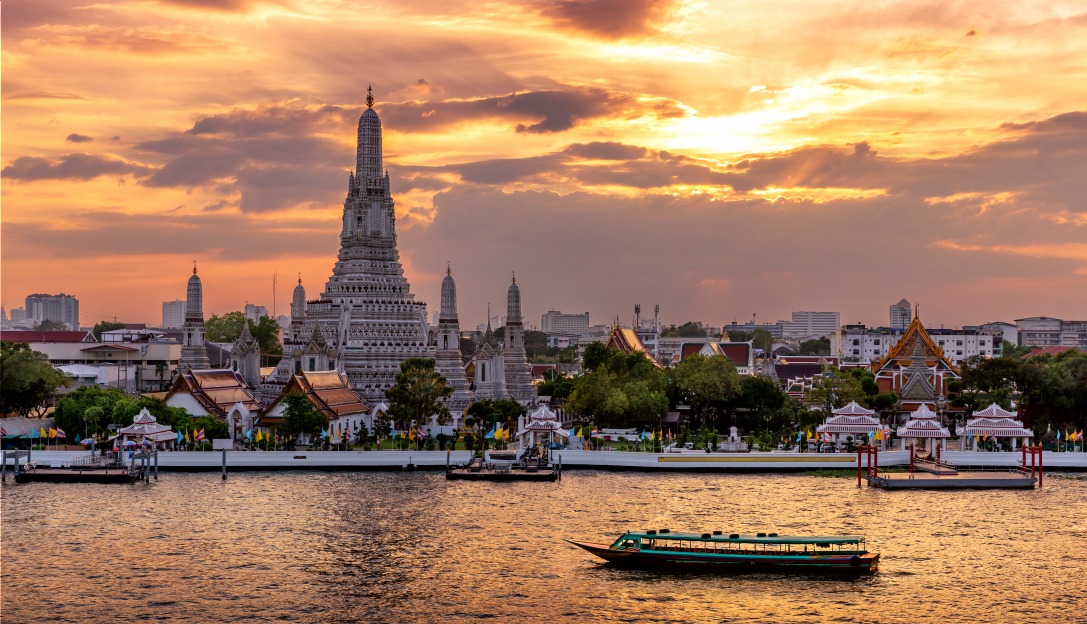
Chao Praya
Spanning 372 km, the Chao Phraya has shaped Bangkok since 1782. Temples, markets, boats: your guide to understanding and exploring the river.
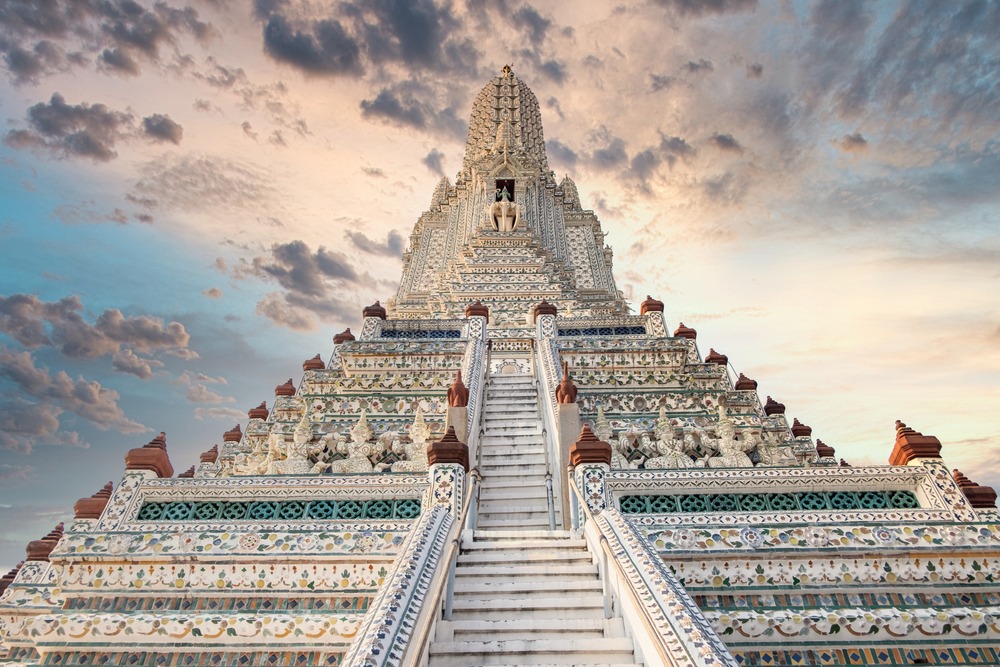
Wat Arun
Wat Arun, or the Temple of Dawn, dominates the western bank of the Chao Phraya in Bangkok with its 70-meter prang covered in porcelain mosaics.
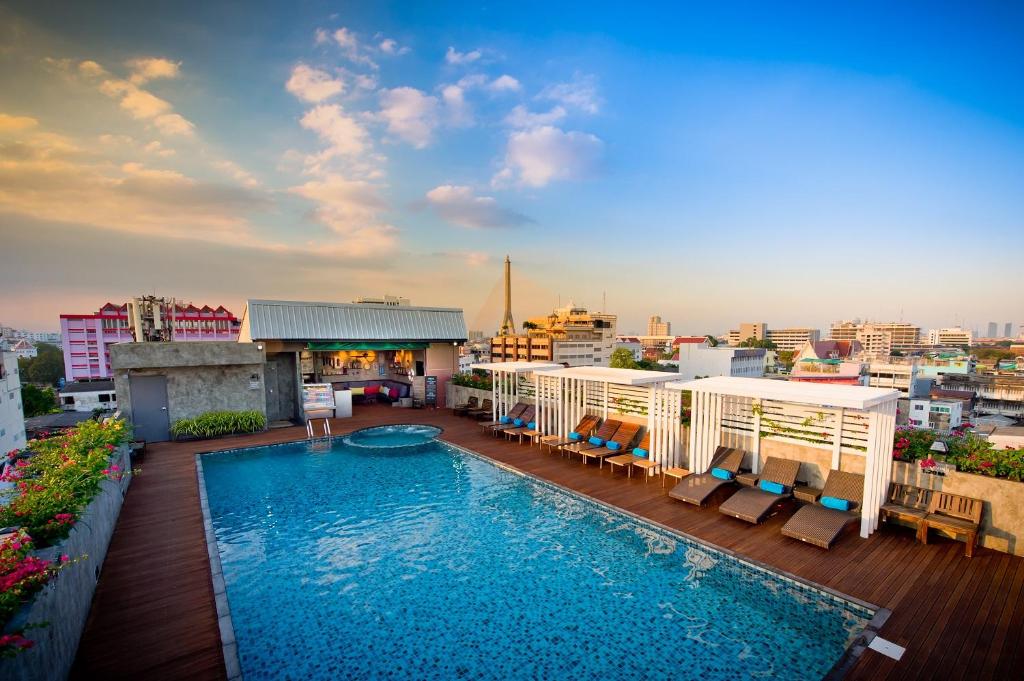
Nouvo City Hotel
Urban comfort hotel in Banglamphu's historic district, Bangkok: rooms of 32 to 38 m², spa, two pools and recognized halal dining.

Asiatique: The Riverfront
A former Danish port transformed into a night market along the Chao Phraya, Asiatique combines shopping, dining, entertainment and a Ferris wheel in Bangkok.
Interested in this visit?
We can include it in your personalised itinerary.