Lampang
Lampang
The city of horse-drawn carriages and a forgotten Lanna jewel off the beaten path, Lampang enchants with its teak temples, distinctive rooster ceramics, and unhurried rhythm.
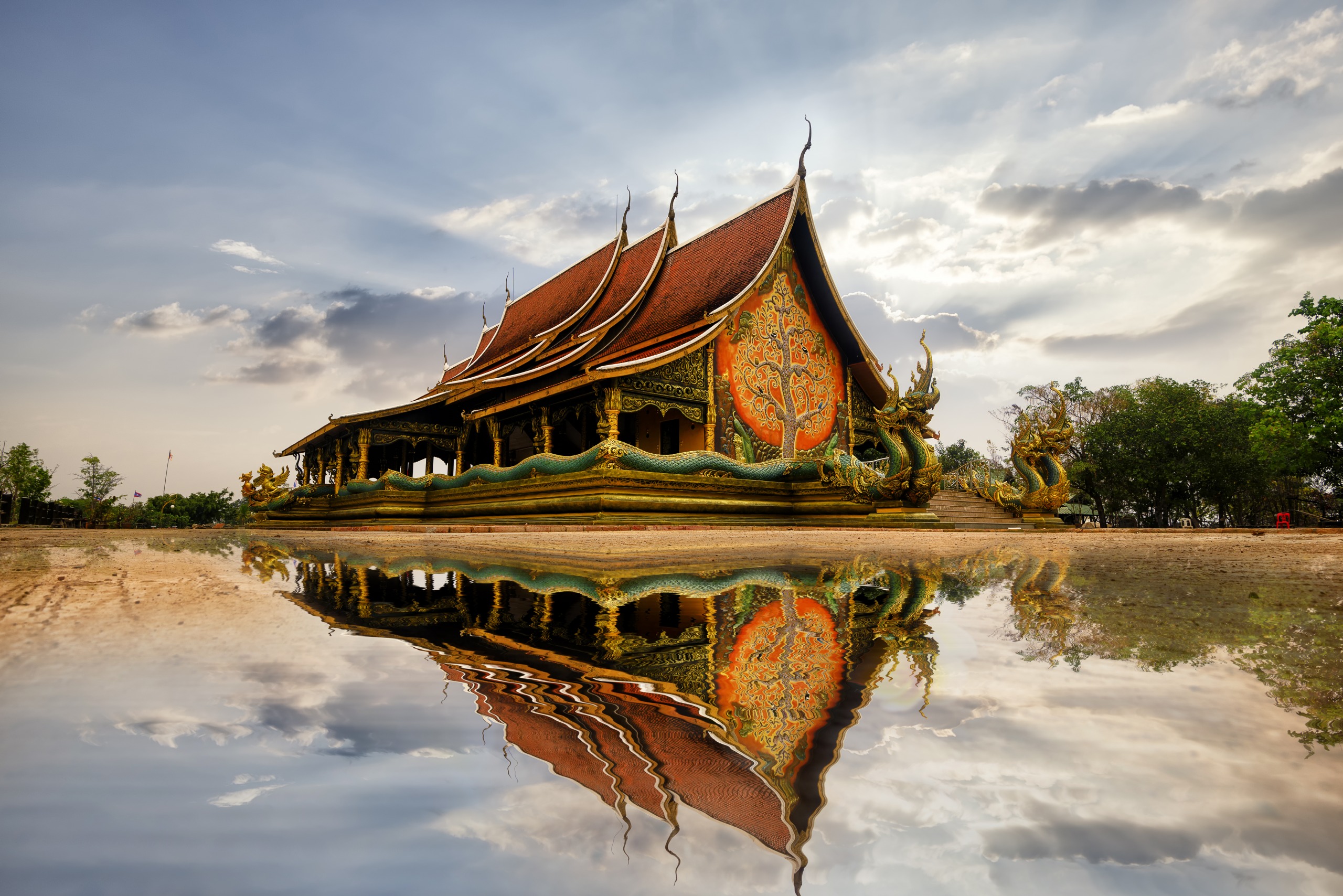
Located on the road leading to Chiang Mai in northern Thailand, Lampang is often overlooked—and quite unfairly—by travellers. Straight out of another era, Lampang, sometimes called "the city of horse-drawn carriages," has managed to preserve its authentic Lanna character. Visitors are drawn to its magnificent temples, particularly the Wat Phra That Lampang Luang, widely considered one of the most beautiful temples in northern Thailand. Make a point to stop here during your stay in northern Thailand for an enriching and leisurely cultural escape.
History
Lampang is believed to have been founded during the Hariphunchai kingdom. The city began to prosper later, during the Lanna kingdom around the 13th century. However, despite its growth, it never rivalled neighbouring cities such as Chiang Mai or Chiang Rai. The city did not escape conflict, notably wars against the Burmese Taungû dynasty and clashes with the armed forces of the Ayutthaya kingdom. Lampang is known throughout Thailand by the local name "meuang rot ma"—literally meaning "the city of horse-drawn carriages". The city also gained recognition as an important hub for teak wood commerce. Beyond teak, it became famous for its ceramics and a recently discovered coal mine.
Today
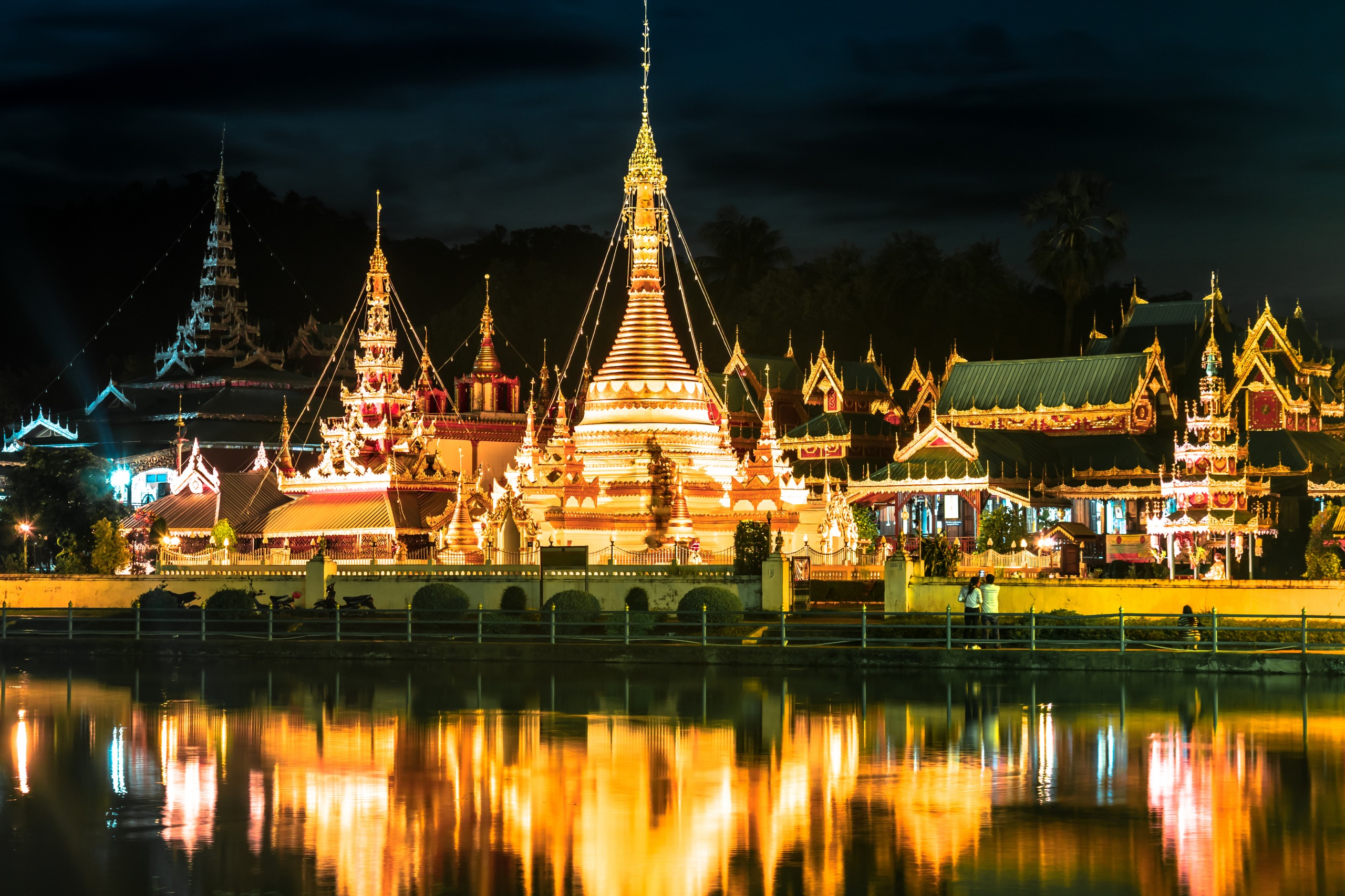
Lampang is primarily valued by visitors for its serene atmosphere. Like other cities in the region, it is home to numerous temples, most of which display Burmese architectural style.
Lampang's Famous Temples
Wat Phra That Lampang Luang
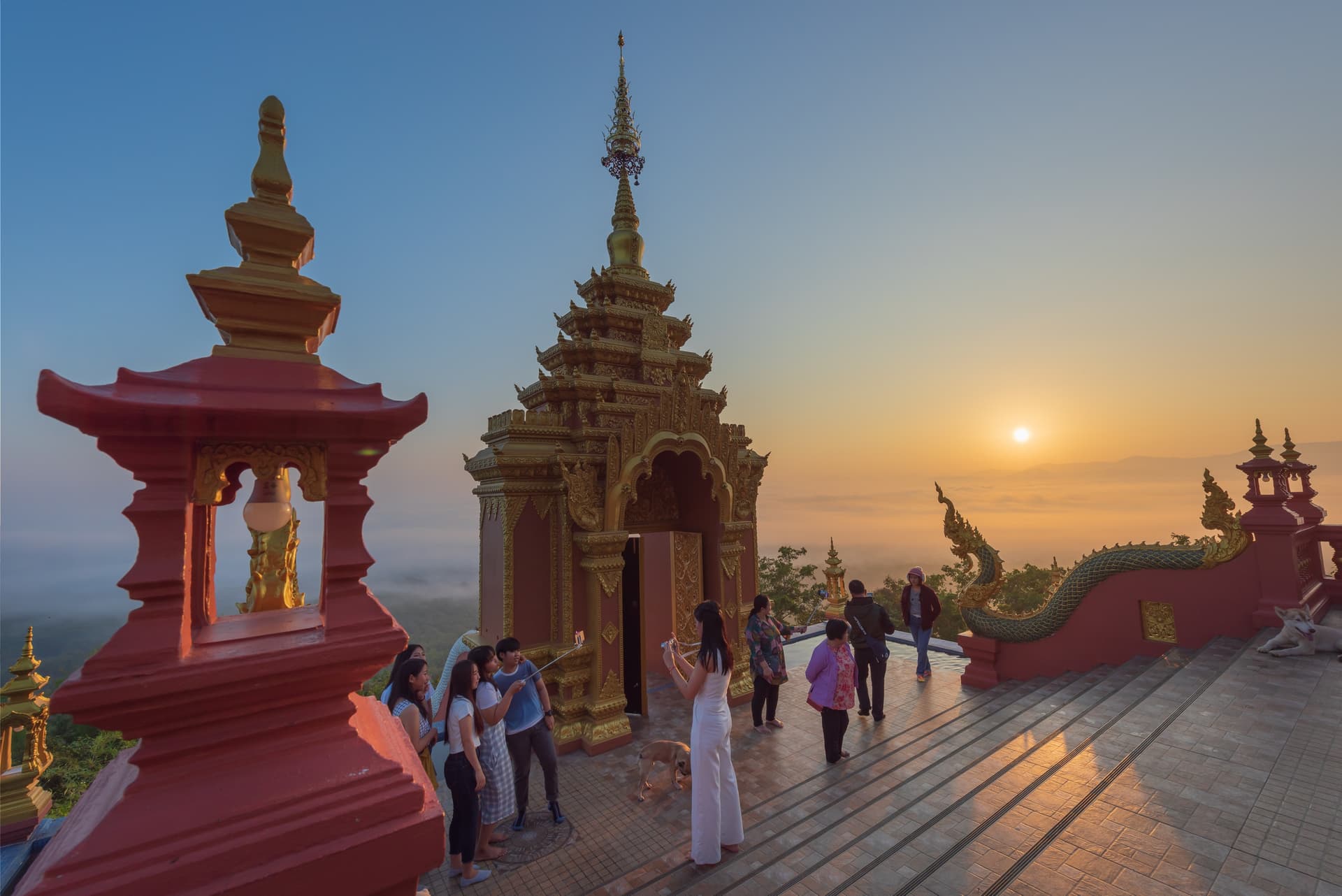
This is the most visited temple in Lampang. Built in the Lanna style, it sits atop a hill and is surrounded by fortification walls dating back to the 13th century. The buildings within were constructed around the 15th century. According to local legend, Buddha himself visited the site and left one of his hairs as a blessing. To enter the temple grounds, you must climb a staircase with nagas—mythical serpent creatures—forming the railings. The first structure you'll encounter is a grand wooden viharn made of teak, built in 1476. Behind the temple stands an enormous chedi covered in copper leaves, rising more than 45 metres high. The faithful gather around it, walking in circles as they pray.
Free admission.
Wat Si Rong Muang
This temple stands to the west of the city and was constructed in 1905. It is largely adorned with intricate wooden sculptures and was built during the reign of King Rama V.
Wat Ponk Sanuk
This temple's architecture blends Burmese, Lanna, and Chinese styles. Notably, in 2008 this religious complex received the UNESCO Prize for Merit in the Conservation of Cultural Heritage following the launch of a restoration project.
The temple distinguishes itself through its hall, which houses a large reclining Buddha. Inside you'll also find a golden chedi and a cross-shaped pavilion found nowhere else.
Wat Pha Fang
Dating from the 19th century, this temple stands on Sanam Bin Road and houses a grand golden chedi containing several sacred relics. These relics were brought from Myanmar in 1906.
Dhanabadee Ceramic Museum
Here you'll see various examples of ceramics typical to Lampang, notably bowls adorned with rooster designs on the sides. The museum also displays all stages of ceramic production and showcases the different techniques developed by local artisans over time.
The museum features a workshop where visitors can create their own ceramic pieces, though this activity is not free.
Open daily from 9 am to 5 pm, closed Mondays.
Admission: 100 baht for adults, 60 baht for children
Exploring Kad Kong Ta Night Market
Like other Thai cities, Lampang has its own night market. Every Saturday and Sunday evening, Talad Gao Street becomes partly pedestrianised, with numerous stalls appearing. You'll find food vendors, clothing stands, and all manner of goods. As you stroll this area, you'll notice the magnificent old wooden houses that line this famous street.
Attending Luang Wing Lakhon Fair
This fair takes place shortly after Loy Kratong (the Festival of Light)—between late October and early November. It's an occasion for Lampang residents to showcase their traditions and customs, notably through wearing ancestral attire. Luang Wing Lakhon also provides an opportunity for locals to recount their city's history. Festivities typically unfold near Wat Phrathat Lampang Luang.
Climate
Lampang enjoys a slightly drier climate compared to neighbouring provinces. During the cool season (typically November to March), days are pleasant and nights refreshingly cool.
Between March and June comes the hot season, with peak temperatures generally recorded in April. Thermometers can reach up to 40°C that month. In late afternoon during summer, showers and even hail are possible.
Rainfall typically begins in June and lasts until November.
When to Visit Lampang?
The best time to visit Lampang is between November and April.
How to Get There?
Lampang is well-served by multiple transport options: bus, train, or air.
By Bus
From Bangkok's Mo Chit bus terminal, you can board a bus heading to Chiang Mai. Buses to Chiang Mai stop in Lampang.
By Train
From Bangkok's Hua Lamphong Station, take the Bangkok-Chiang Mai line, which passes through Lampang.
What Are the Local Transport Options in Lampang?
Horse-Drawn Carriages
Lampang's horse-drawn carriages have made the city famous throughout the country, becoming something of an emblem. In fact, this is the only place in Thailand where you'll find this mode of transport. Interestingly, horse-drawn carriages were introduced to Lampang in 1916 by Chao Boonyawat Wongmanit.
Songthaews
These shared minibuses are found throughout Thailand. In Lampang, songthaews are either dark blue or yellow-green, forming an integral part of the cityscape. They connect the city and its surrounding areas.
Photos
Attractions in Lampang
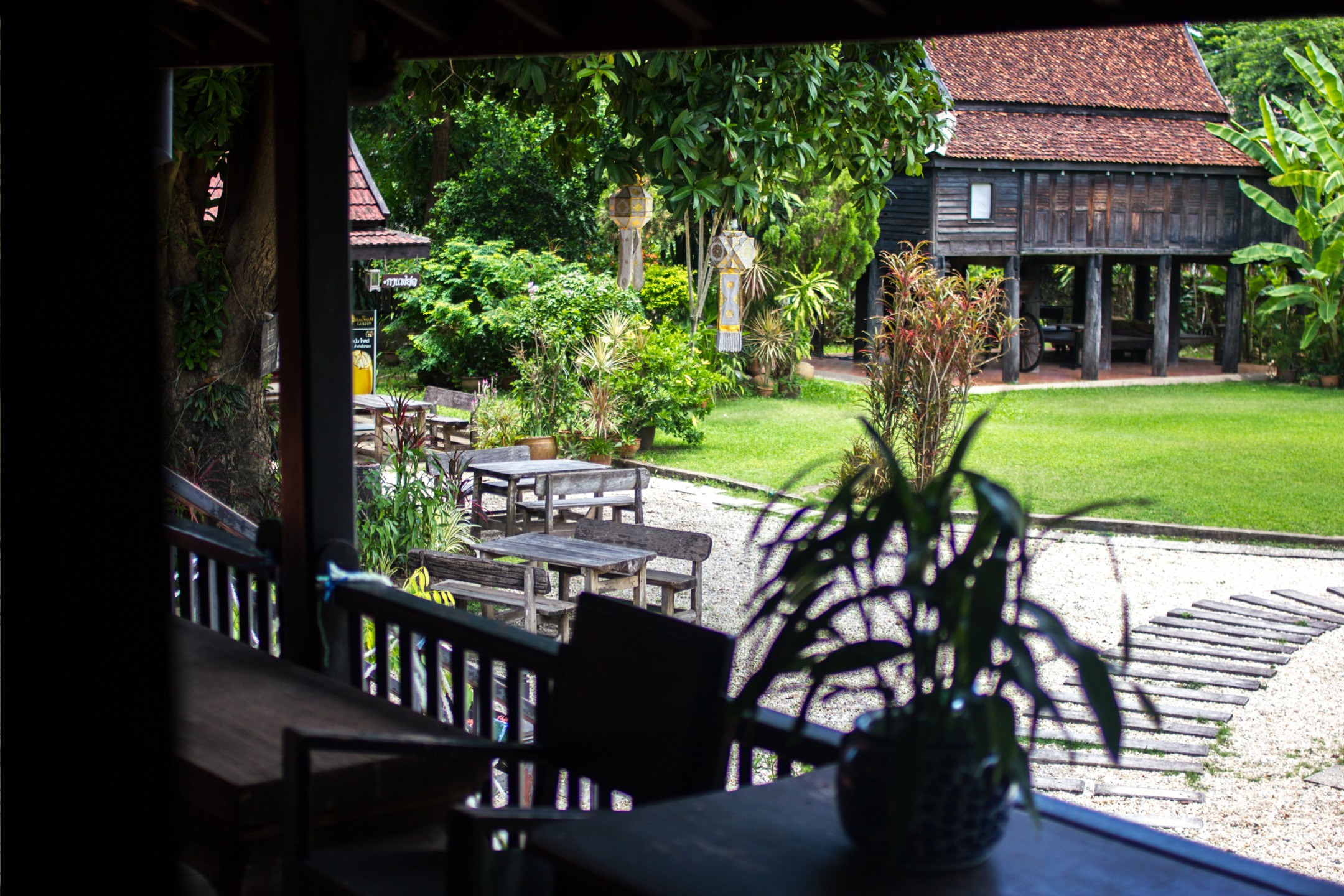
Maison Baan Sao Nak
Demeure en teck de 1895 à Lampang, Baan Sao Nak mêle styles birman et lanna et abrite une collection privée d'antiquités et de mobilier ancien.
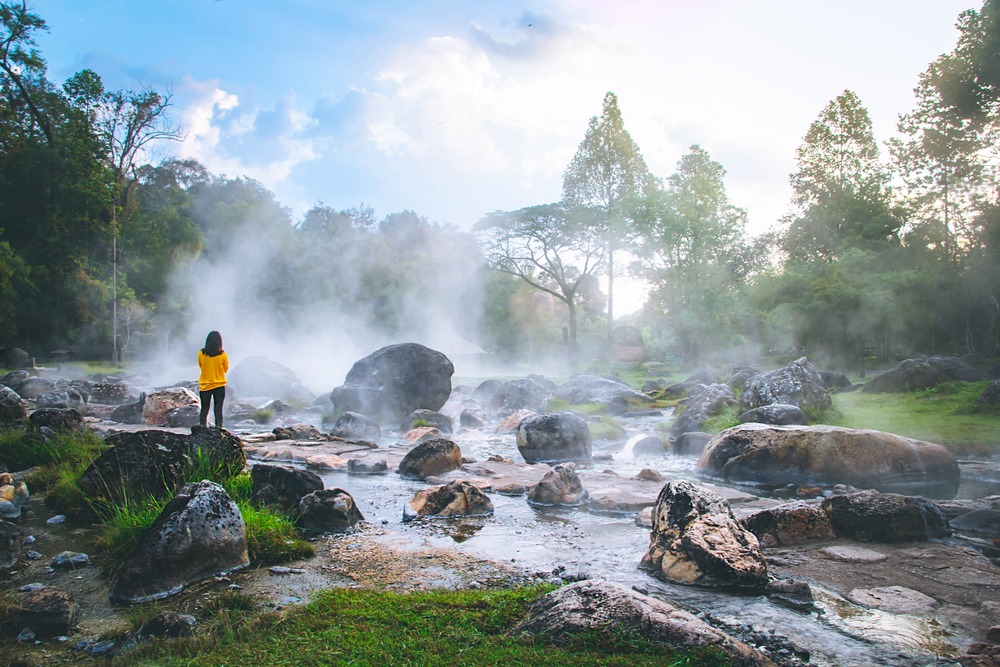
Parc national chae son
À 75 km de Lampang, le parc national de Chae Son réunit sources thermales à 40 °C, cascades à plusieurs niveaux et grottes calcaires sur 592 km².
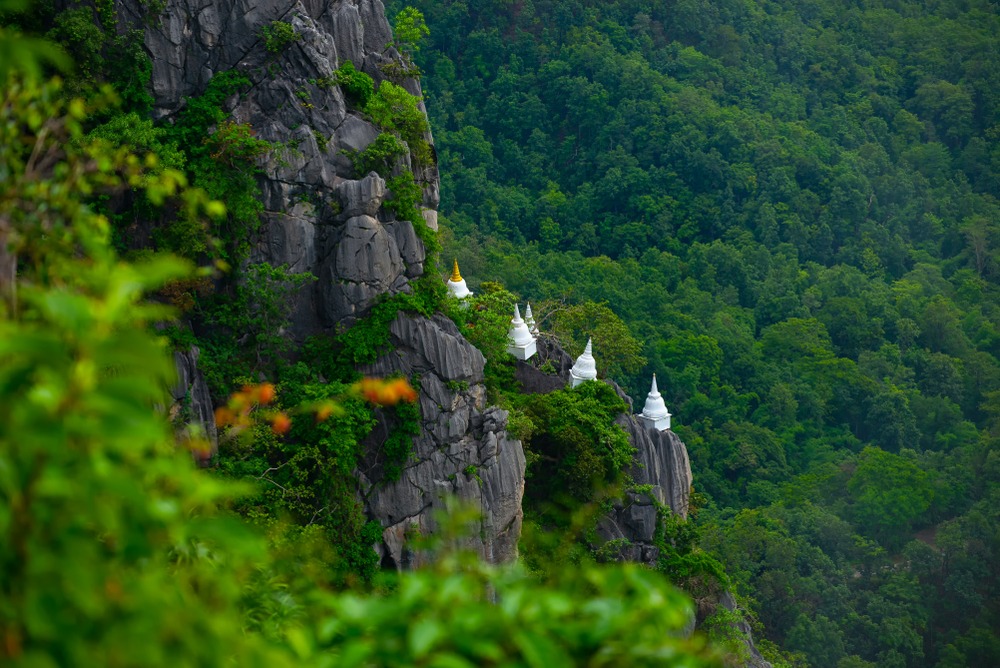
Wat Chaloem Phra Kiat
Sanctuaire royal fondé en 1849 près de Lampang, le Wat Chaloem Phra Kiat aligne stupas blancs sur des crêtes rocheuses à 815 m d'altitude.
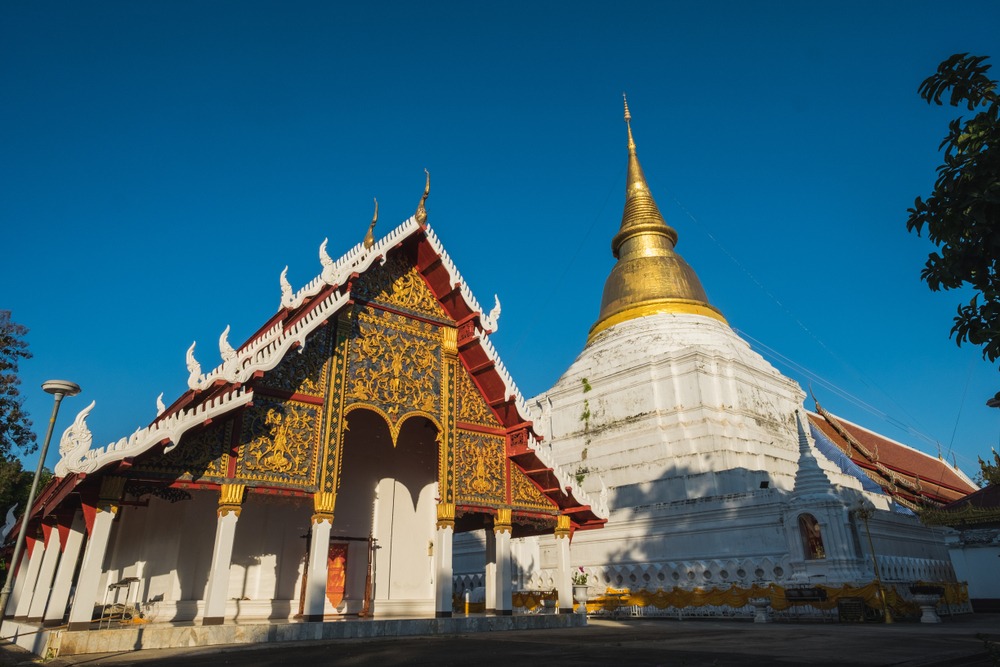
Wat Phra Kaeo Don Tao
Ancien gardien du Bouddha d'Émeraude entre 1434 et 1468, le Wat Phra Kaeo Don Tao réunit à Lampang un stupa Môn, un mondop birman en teck et un musée d'art Lanna.
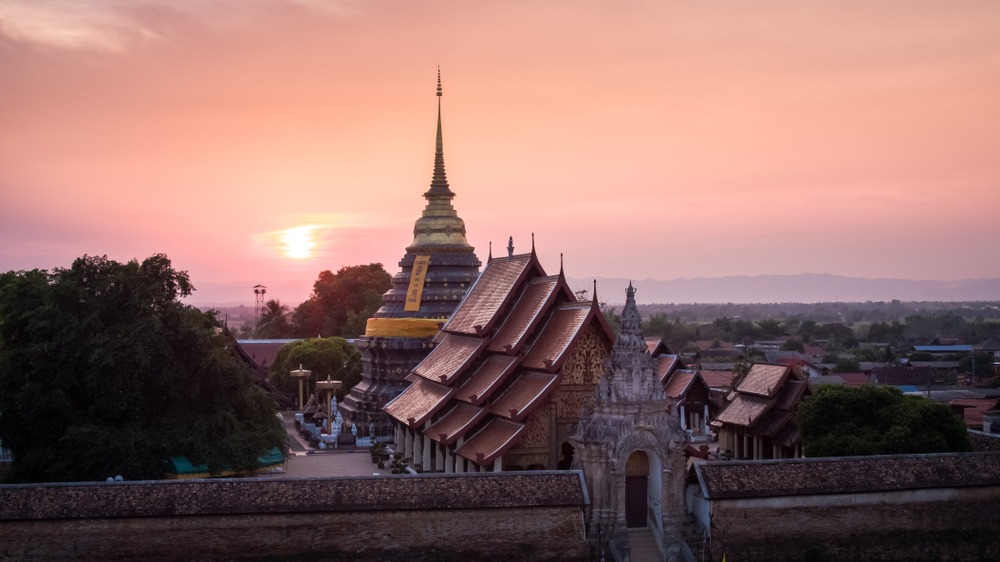
Wat Phra That Lampang Luang
Sanctuaire fortifié du XVIIe siècle à 18 km de Lampang : chedi bleu nuit de 45 m, fresques jamais restaurées et phénomène de camera obscura.
Accommodation in Lampang
See all
Want to discover this destination?
Our local advisors design your tailor-made trip.