Bangkok's Chinatown
Bangkok's Chinatown
PGR5+4VM, Thanon Phat Sai, Khwaeng Samphanthawong, Khet Samphanthawong, Krung Thep Maha Nakhon 10100, Thaïlande
Yaowarat, Sino-Thai temples, heritage museum, and street food: a practical guide to Bangkok's Chinatown, founded in 1782 by Teochew and Hokkien communities.
The Bangkok Chinatown, centered around the Yaowarat thoroughfare, concentrates temples, artisan workshops, and one of Southeast Asia's densest street food scenes. Once the stronghold of the Teochew ethnic group who settled in the capital in 1782 to trade with royal permission, this neighborhood remains one of Bangkok's commercial and religious hearts more than two centuries after its founding.
Why Visit Bangkok's Chinatown
Chinatown stands apart through a rare layering of elements: a Sino-Thai Buddhist heritage with its temples, migratory memory preserved in a dedicated museum, and a vibrant commercial street life that spills onto sidewalks, alleys, and ground floors late into the evening. Yaowarat Street itself distills the essence: neon signs, seafood stalls, gold shops, and noodle stands coexist across a few hundred meters. For those interested in Bangkok's urban history, it's also fertile ground for observation: the neighborhood tells the story of how Chinese communities shaped the capital's economy from the 19th century to today.
History of the Neighborhood
The first waves of Chinese immigration to Bangkok date to the 17th century, but it was after 1782, when Rama I established the Chakri Dynasty, that the community gained decisive importance. The sovereign needed merchants to supply the newly founded capital. He invited the Hokkien to settle opposite the Grand Palace, along the Chao Phraya River. The Teochew, meanwhile, were relocated to an area outside the city walls, today called Sampeng — a punishment for having backed his rival Taksin.
The neighborhood truly flourished from the 1850s onward, when the Bowring Treaty opened Bangkok's port to British vessels. Export commerce enriched the Hokkien, who left their junks moored on the Chao Phraya to build grand residences along Sampeng Lane. With wealth came gambling houses, opium, and the sex trade, which earned Sampeng its notorious reputation in the late 19th century.
Until the early 20th century, Chinatown controlled Bangkok's economic and financial functions. Urban expansion later pushed some commerce to other districts, yet the neighborhood retained its commercial fabric and cultural identity.
What to See and Do in Chinatown
The Monumental Gateway
The Chinatown Gate, planted in the center of a roundabout at the start of Yaowarat, is the district's most visible landmark. Inaugurated in 1999 during Chinese New Year celebrations, it bears the inscription "Long Life to His Majesty" in homage to Rama IX. It's a logical starting point for exploring the main street on foot.
Wat Traimit, the Temple of the Golden Buddha
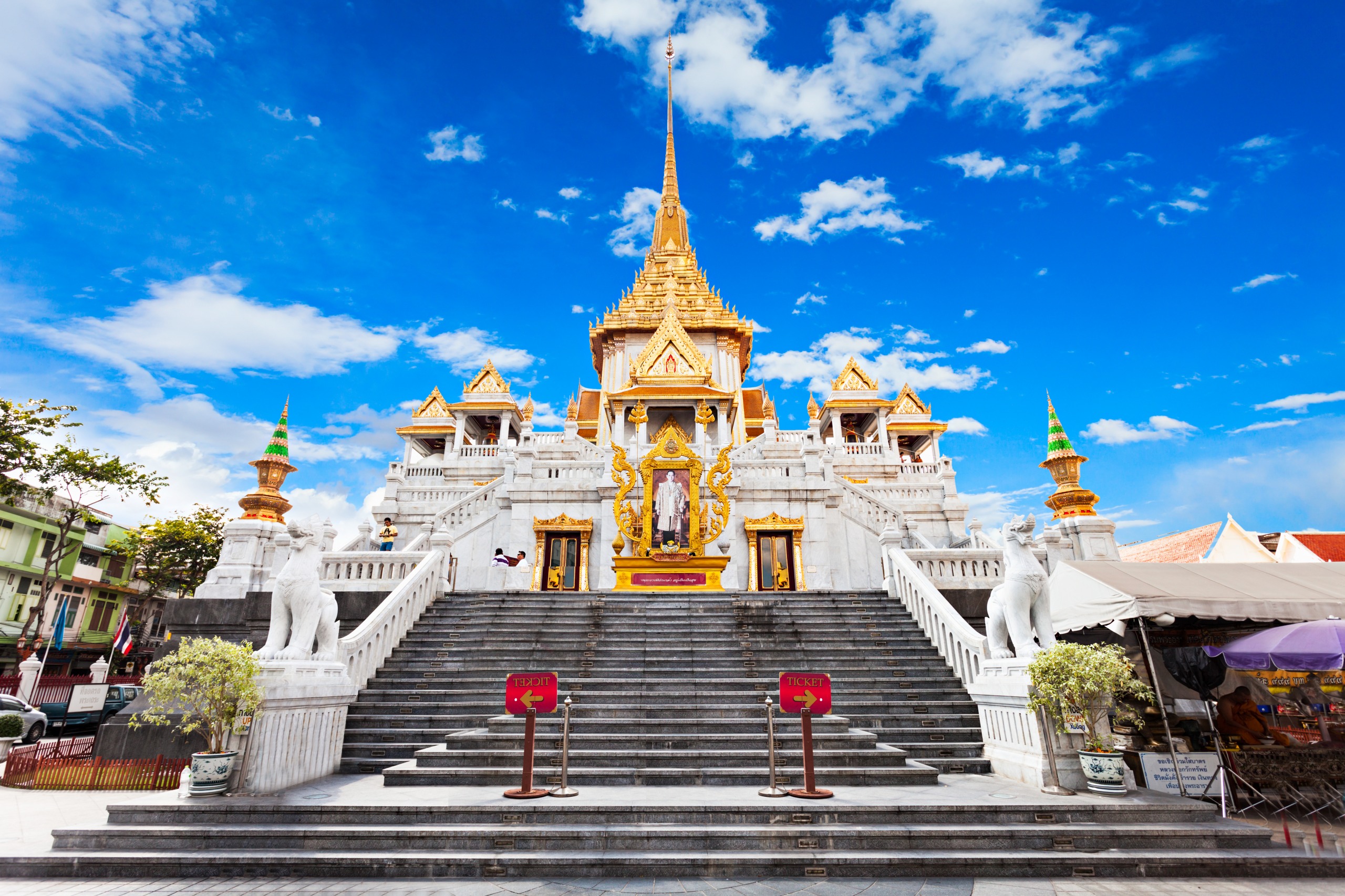
Just steps from the gate, on Charoen Krung Street, the Wat Traimit houses a solid gold Buddha statue weighing 5.5 tonnes, long covered in stucco before being rediscovered in the 20th century. The sanctuary ranks among Bangkok's most visited temples and its architecture blends Thai codes with Chinese influences.
Yaowarat Chinatown Heritage Centre
On the first floor of Wat Traimit, the Yaowarat Heritage Museum traces the history of Chinese immigration to Bangkok through a chronological narrative. Videos, graphics, and reconstructions evoke daily life in the neighborhood, particularly during the 1940s. Allow 30 to 45 minutes for your visit.
Wat Mangkon Kamalawat
Dating from the second half of the 19th century, Wat Mangkon Kamalawat is Bangkok's largest Buddhist sanctuary of Chinese founding. At the entrance to the main hall, the four celestial guardians symbolically protect the faithful. Inside, divinities from Hindu, Taoist, and Confucianist pantheons coexist—a tangible illustration of the neighborhood's religious syncretism. The Thai name Mangkon Kamalawat, bestowed by Rama V, means "the dragon lotus sanctuary."
Sanctuary of the Goddess Guanyin
Across from Thian Fa Hospital, on Yaowarat Street, the sanctuary dedicated to Guanyin (Kuan Yim) attracts devotees praying to the Bodhisattva for fertility, prosperity, or healing. The goddess's statue, presented as an example of Tang Dynasty art, is believed by tradition to be over 900 years old.
Street Food
Yaowarat is one of Bangkok's premier street food destinations. Noodle soups, grilled seafood, dim sum, mango desserts: the repertoire is predominantly Chinese, punctuated by Thai and Indian accents. Most stalls open late afternoon and operate well into the night.
Practical Information
When to Visit Chinatown
Bangkok is warm year-round. The dry season, November to March, remains the most pleasant period for exploring the neighborhood on foot. The monsoon, July to October, brings occasionally heavy downpours but poses little hindrance for sequential visits. Chinese New Year (January-February depending on the year) transforms the neighborhood: dense crowds, parades, and illuminations—to seek out or avoid depending on your tolerance for bustle.
How to Get There
The simplest means is the MRT subway, Blue Line, Hua Lamphong station. Allow about 15 minutes on foot heading north to reach Yaowarat. The neighborhood is also accessible by boat via piers on the Chao Phraya, which lets you combine a visit with a river journey from the tourist center.
How Much Time to Allow
A half-day suffices to walk Yaowarat, visit Wat Traimit, and sample a few specialties. To include Wat Mangkon Kamalawat, the heritage museum, and an evening street food session, plan for a full day.
Nearby Attractions
Several sites extend a Chinatown visit:
- Nakhon Kasem, the former "thieves' market," for antiques and bric-a-brac;
- Pahurat, Bangkok's Indian neighborhood, at the western edge of Chinatown;
- The Saphan Phut night market, steps from Pahurat;
- Lhong 1919, a former Sino-Siamese trading post turned cultural venue on the river's west bank;
- The Wat Saket and its golden mountain, about twenty minutes by taxi.
Frequently Asked Questions
Frequently asked questions
A half-day allows you to see the main temples and sample street food. A full day is necessary to include the Yaowarat Heritage Museum and explore adjacent alleys like Sampeng Lane.
Morning for temples, daylight, and moderate crowds. Late afternoon and evening for street food and the ambiance of neon on Yaowarat, which truly comes alive from 5 p.m. onward.
Yes. Shoulders and knees covered, non-form-fitting clothing. Bring shoes easy to remove, as several sanctuaries require going barefoot when entering the main prayer halls.
Yes, but the neighborhood is dense and sidewalks often crowded. Choose quieter hours for young children and keep them close to you on Yaowarat, where traffic remains heavy late into the evening.
Preparing Your Journey
Chinatown fits naturally into a few-day stay in the capital, complementing the Grand Palace, Wat Pho, and a Chao Phraya river journey. To build a tailor-made Thailand itinerary, explore our Thailand trips.
Photos
Nearby
Also discover
Shanghai Mansion
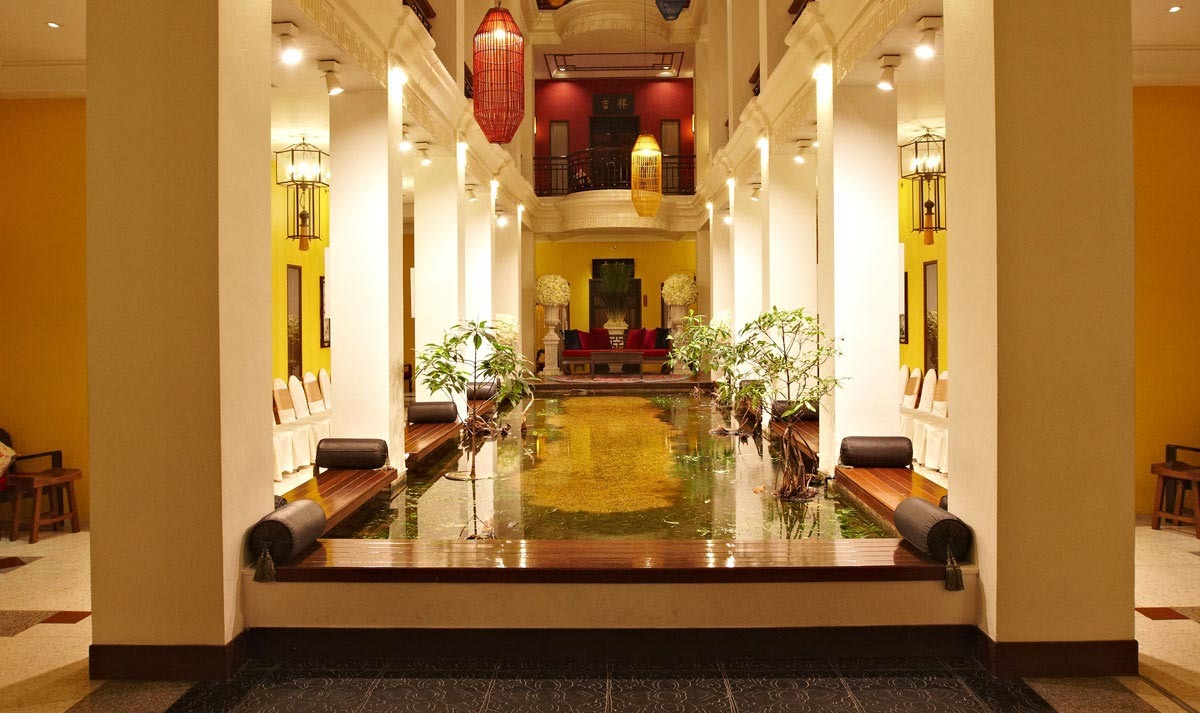
4-star hotel with vintage Shanghai inspiration on Yaowarat Road, in the heart of Bangkok's Chinatown. 67 rooms, Sino-Thai restaurant and jazz concert bar.
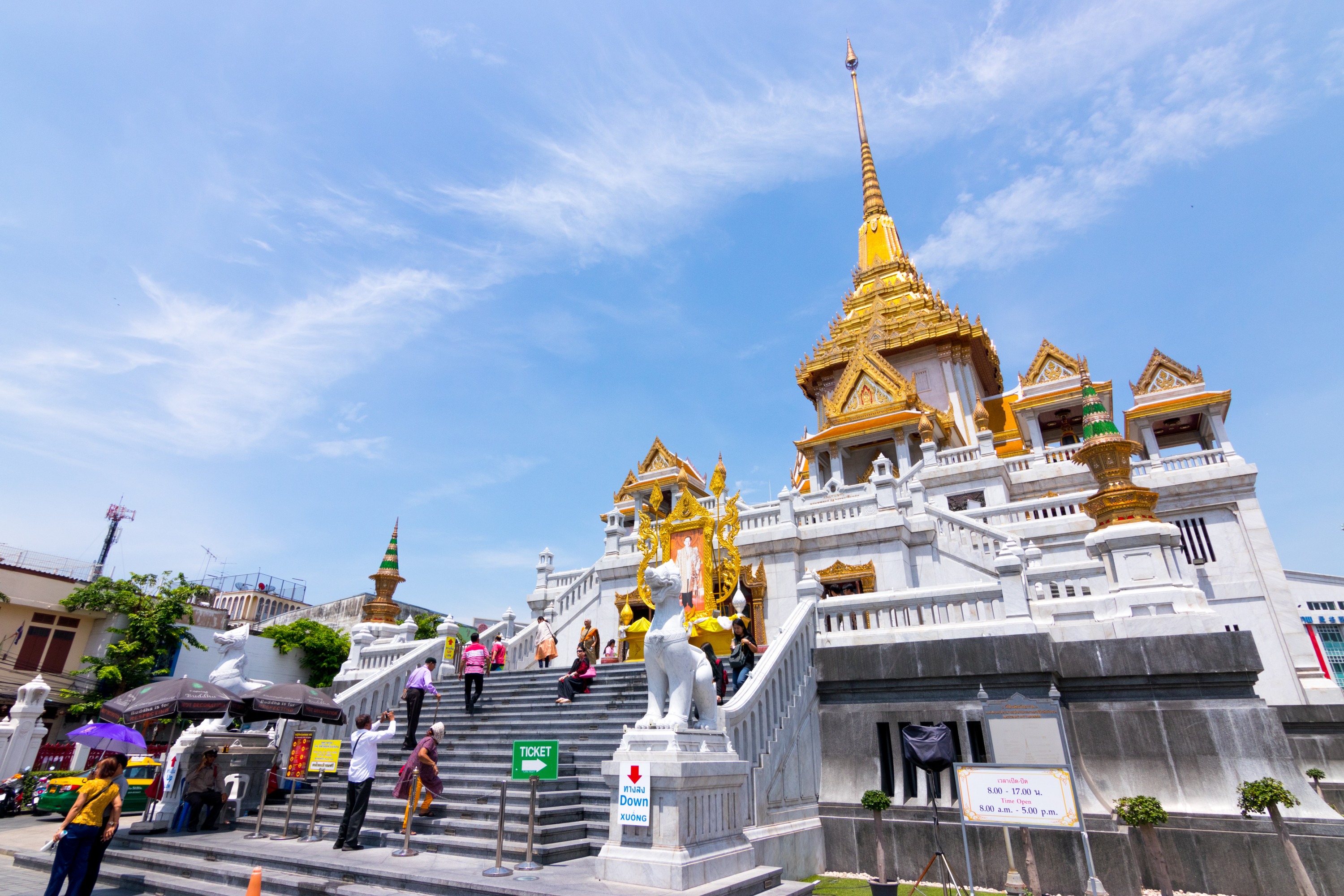
Wat Traimit, the Temple of the Golden Buddha
In Bangkok, Wat Traimit shelters a solid gold Buddha measuring 3 meters and weighing 5.5 tonnes, whose golden identity was only revealed in 1955.
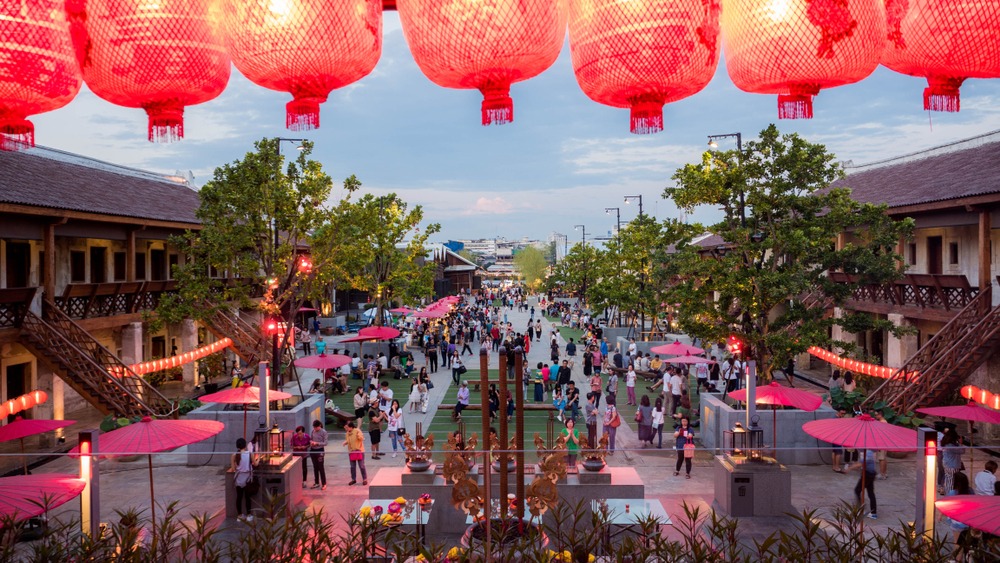
Lhong 1919
A historic merchant wharf from 1850 on the Chao Phraya River, Lhong 1919 brings together a Sino-Thai mansion, a sanctuary dedicated to Mazu, and artisan shops in the Khlong San district.
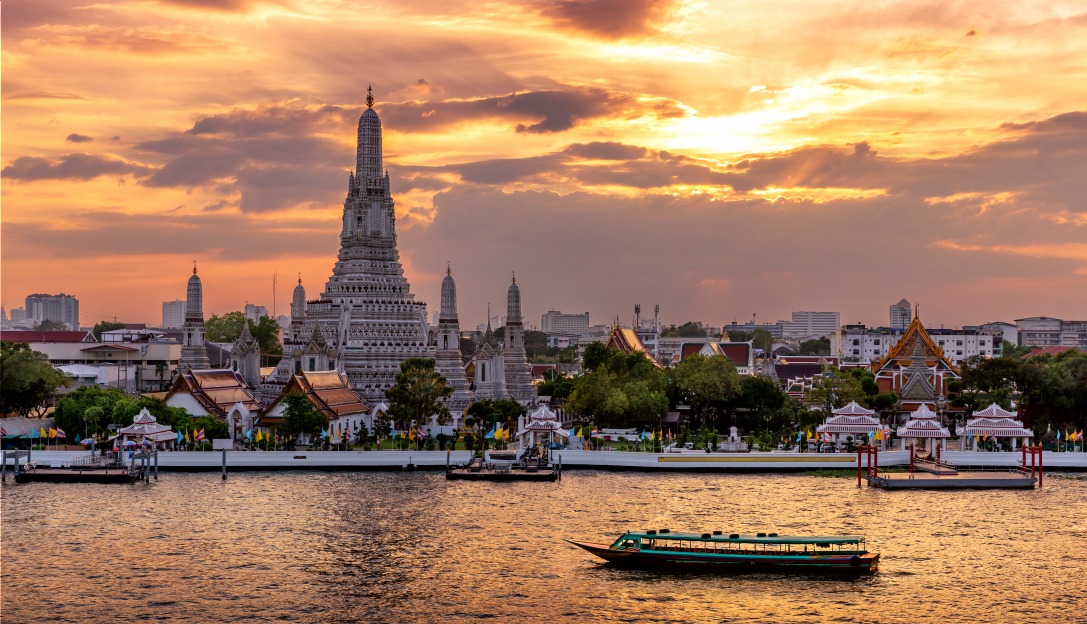
Chao Praya
Spanning 372 km, the Chao Phraya has shaped Bangkok since 1782. Temples, markets, boats: your guide to understanding and exploring the river.
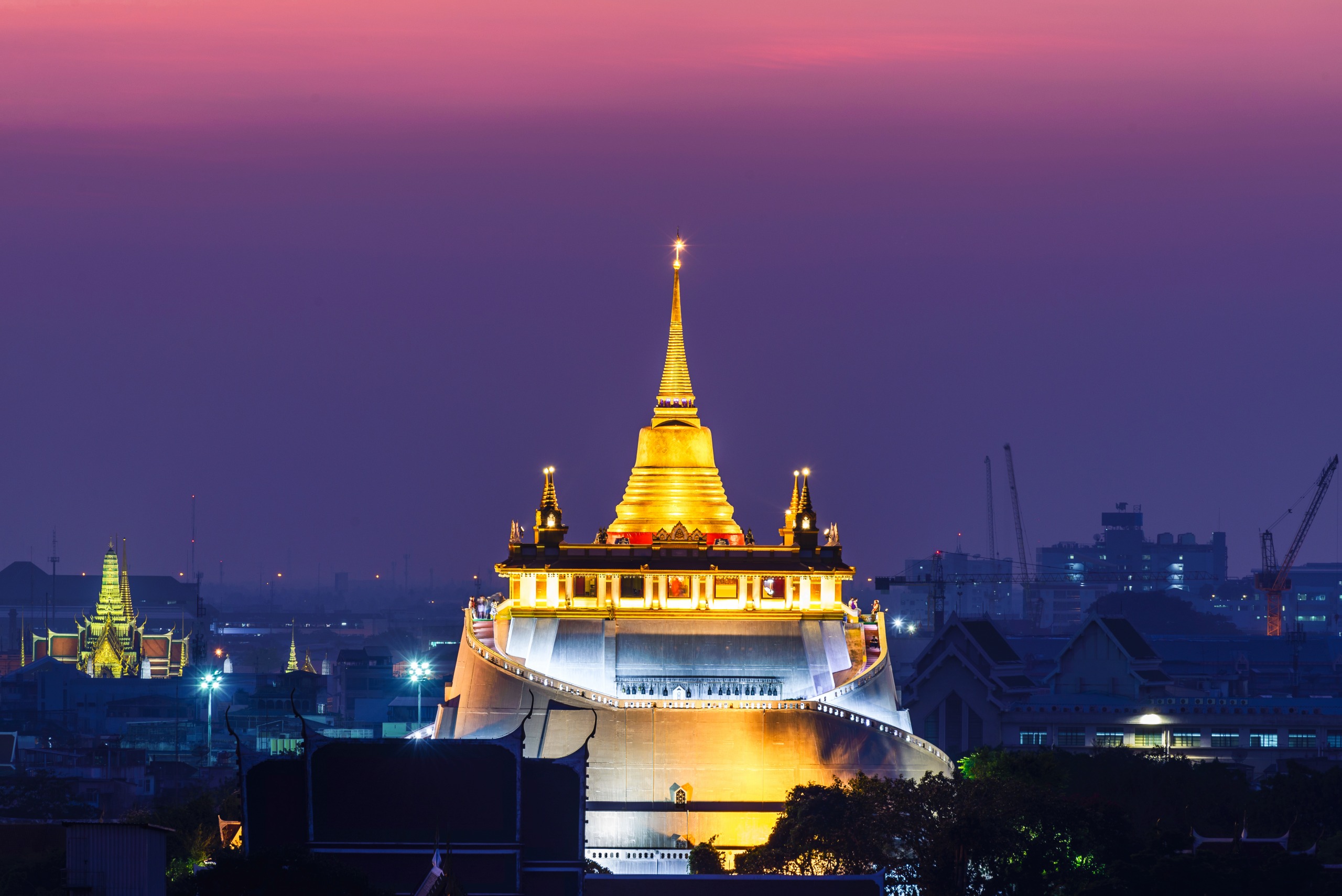
Wat Saket
Wat Saket, or the Golden Mount Temple, dominates Bangkok from its artificial hilltop. History, ascent of the golden chedi and visiting tips.
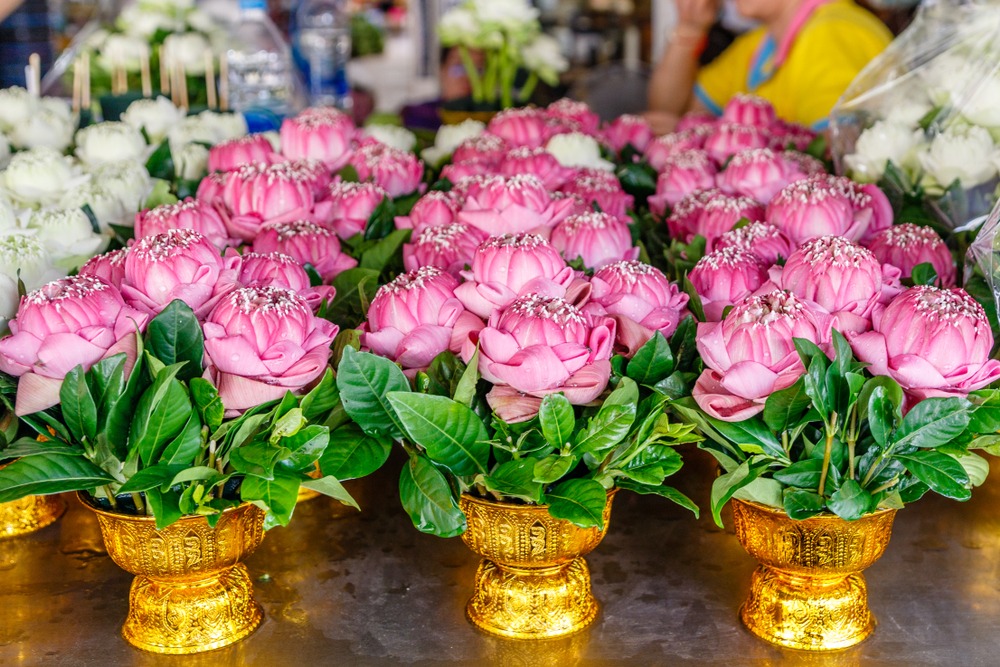
Pak Khlong Talat
Historic flower market in Bangkok, open around the clock near the Chao Phraya, supplying hotels, restaurants and temples in the capital with fresh blooms.
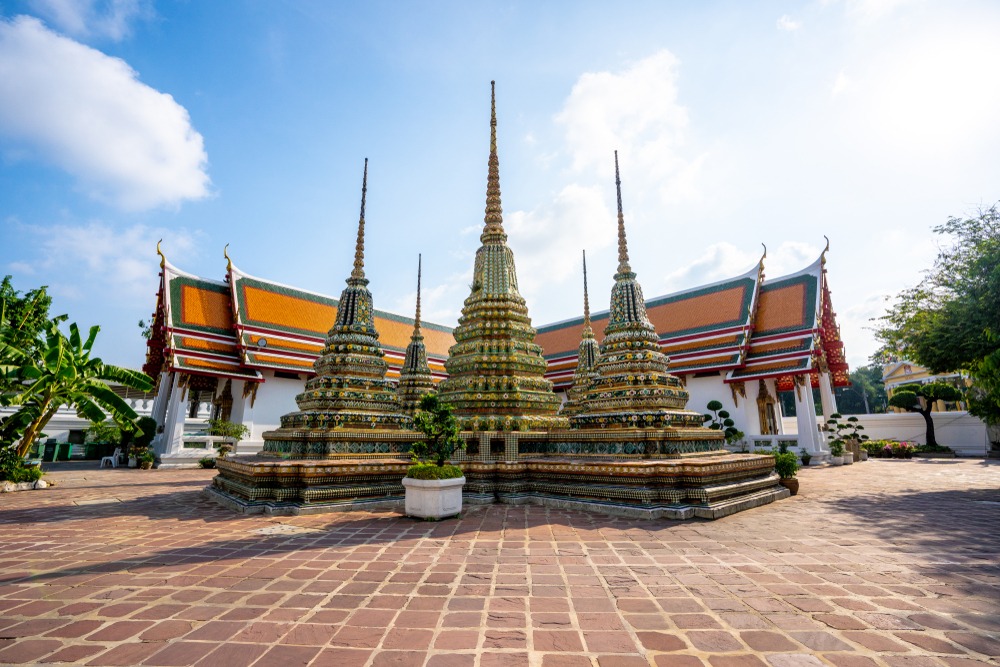
Wat Pho
South of Bangkok's Grand Palace, Wat Pho houses a 46-meter Reclining Buddha, 400 statues, and a UNESCO-recognized Thai massage school.
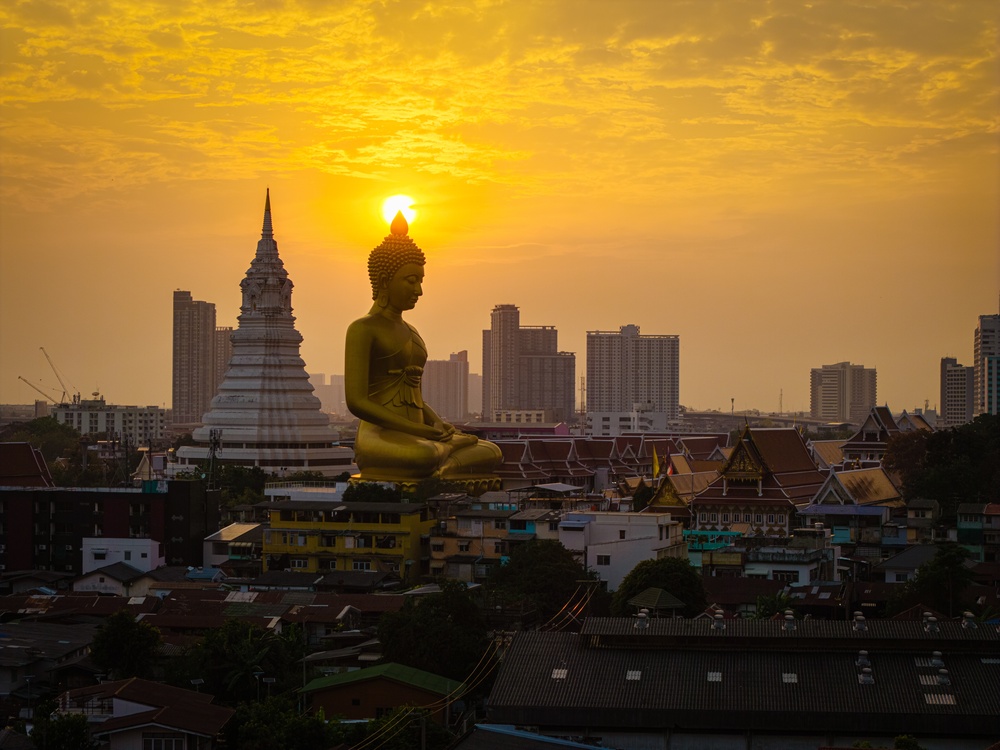
Bangkok
Bangkok, Thailand's vibrant capital, sometimes described as chaotic, is often overlooked by travelers who prefer the northern treks or southern beaches. Yet bypassing Bangkok during your Thailand trip means missing out on incredible Thai cultural diversity.
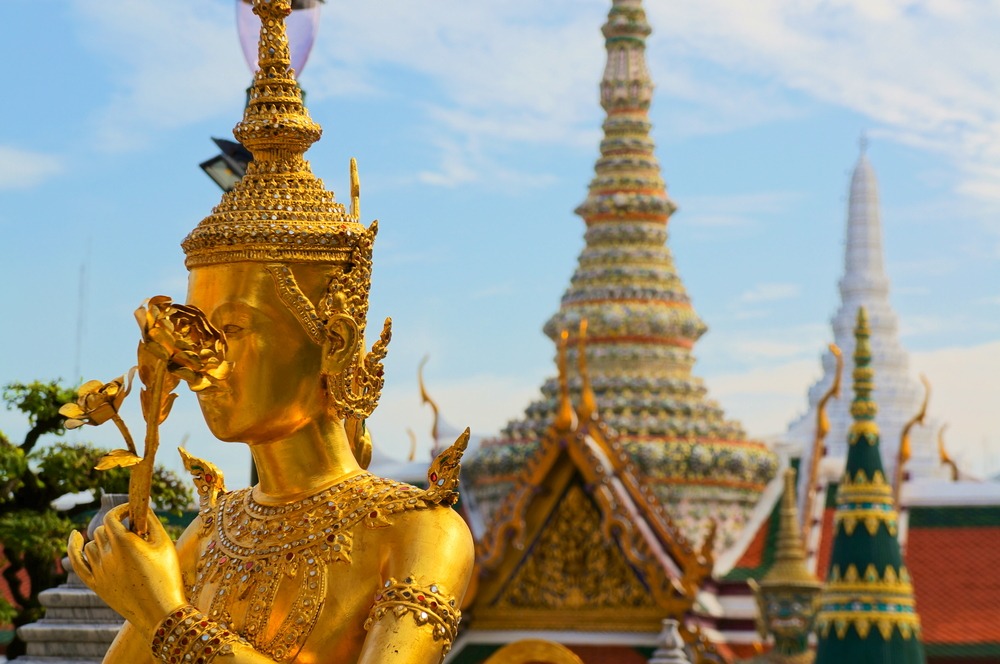
Wat Phra Kaeo
Royal temple of the Emerald Buddha, at the heart of Bangkok's Grand Palace, founded in 1783 by Rama I on the island of Rattanakosin.
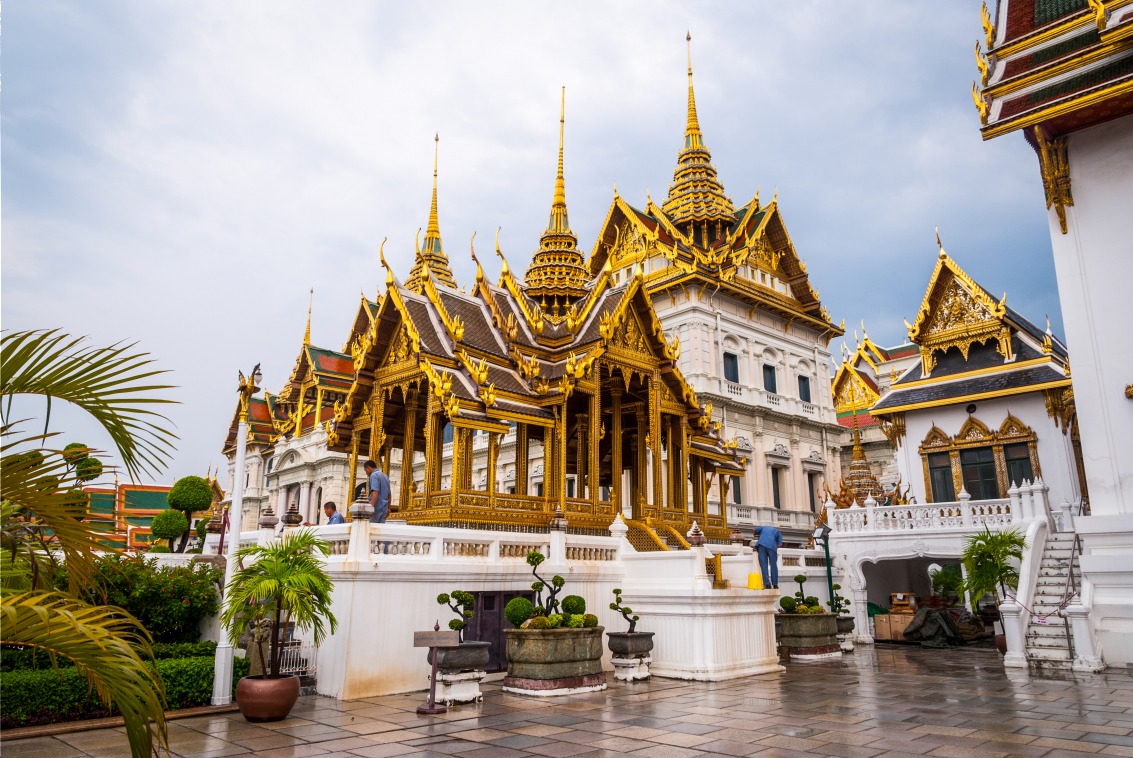
Grand Palace of Bangkok
Royal complex founded in 1782 by Rama I, the Grand Palace of Bangkok houses Wat Phra Kaeo and the Emerald Buddha. Practical guide to prepare your visit.
Interested in this visit?
We can include it in your personalised itinerary.