Wat Saket
Wat Saket
Ban Bat, Pom Prap Sattru Phai, Bangkok 10100, Thaïlande
Wat Saket, or the Golden Mount Temple, dominates Bangkok from its artificial hilltop. History, ascent of the golden chedi and visiting tips.
Wat Saket Ratcha Wora Maha Wihan, better known as the Golden Mount Temple, stands in the Pom Prap Sattru Phai district of Bangkok. Its golden stupa, perched atop an artificial hill, remains visible for several kilometers around and serves as an iconic landmark of the Thai capital.
Why Visit Wat Saket
Three elements distinguish this temple from other Buddhist sanctuaries in Bangkok. First, its location: the chedi sits on Phu Khao Thong, a mound that overlooks a neighborhood largely removed from major tourist routes. Next, its eventful history spanning five successive reigns. Finally, the panoramic views over old Bangkok from the summit, accessible after climbing 344 steps that wind past gardens, ritual bells and small waterfalls.
The grounds retain the atmosphere of an active temple: monks moving about, devotees coming to pray, few commercial shops. Allow 1 to 2 hours for a complete visit, longer if you wish to observe ceremonies.
Temple History
From Ayutthaya Origins to Rama I
The sanctuary is a remnant of the Ayutthayan kingdom, built between the 14th and 18th centuries under its former name of Wat Sakae. When the new capital was established in Bangkok, Rama I (who reigned for 27 years) undertook a complete renovation of the monastery and renamed it Wat Saket Ratcha Wora Maha Wihan.
The Collapsed Chedi and the Birth of the Golden Mount
The idea of erecting a grand chedi on the site came from Rama III. But the soft soil could not support the structure's weight, and it collapsed shortly after its inauguration. The rubble was left in place and vegetation gradually reclaimed it, forming a natural hill over time. Local inhabitants nicknamed it Phu Khao Thong, the "golden mountain."
Rama IV and then Rama V relaunched the project by consolidating the foundations and building a new stupa at the hilltop. To stabilize the entire structure, helical retaining walls were erected; they serve today as an ascent path and protect the mound from erosion. In the 20th century, Carrara marble was added to the edifice during another restoration campaign.
The Buddha Relic
In 1898, the chedi received a Buddha relic from Sri Lanka, as well as cult objects from the ancient city of Kapilavastu. These pieces, preserved at the summit, make Wat Saket a major pilgrimage site in Thailand.
What to See
The Golden Chedi and Its Ascent
The stupa, approximately 76 meters high according to Thai sources, is climbed via 344 steps. The path, shaded in places, is dotted with rest areas, small water fountains and a row of bells that visitors ring as they pass. At the summit, a circular terrace offers a clear view over old Bangkok, the royal palace and the rooftops of the Phra Nakhon neighborhood.
Historic Buildings at the Base of the Hill
Often overlooked in favor of the Golden Mount, several structures merit a closer look at the base of the site:
- the Ubosot, an ordination hall decorated with frescoes;
- the Vihara, which houses a standing Buddha statue;
- the Ho trai, a traditional library where sacred manuscripts are preserved;
- several sala serving as living quarters for monks.
In the landscaped gardens grows a Sri Maha Bodhi, a sacred Buddhist tree symbolically descended from the one under which Buddha is said to have attained enlightenment.
Temple Festivals
The annual festival, established by Rama V, takes place in November. The monastery is fully decorated and devotees, dressed in long red robes inscribed with their names and those of their loved ones, form a candle procession around Phu Khao Thong. The Loy Krathong festival is celebrated over nine days during the same period, with performances, fireworks and popular entertainment.
Practical Information
Temple grounds are free to enter; only the climb to the chedi is paid, at a modest rate. The sanctuary opens daily during daylight hours, from morning until late afternoon (hours may vary, best checked on-site).
Dress code is strict: shoulders covered, trousers or skirts descending below the knees. Tank tops and low necklines are refused at the entrance. Photography is permitted throughout almost the entire site.
When to Visit
The dry season, from November to March, offers the most pleasant conditions for the climb. The rainy season begins in May and can make the steps slippery. For a quieter visit, avoid the Songkran festival in mid-April and the temple festival in November, periods of very heavy crowds. Prefer early morning to escape the heat and enjoy favorable light from the summit.
How to Get There
The most original way is to take a boat on the Khlong Saen Saep from the Sukhumvit neighborhood; the nearest landing point is just a few minutes' walk from the temple. Taxi and tuk-tuk also work, but Bangkok traffic makes the journey unpredictable during rush hours. The metro and BTS do not serve the site directly; you'll need to walk or transfer from the nearest stations.
Nearby
Wat Saket sits within a zone rich in cultural sites:
- the Phra Nakhon district, the historic heart of Bangkok;
- Wat Ratchanatdaram and its Loha Prasat (metal castle), a few minutes' walk away;
- Fort Mahakan, remnant of the city's former fortifications;
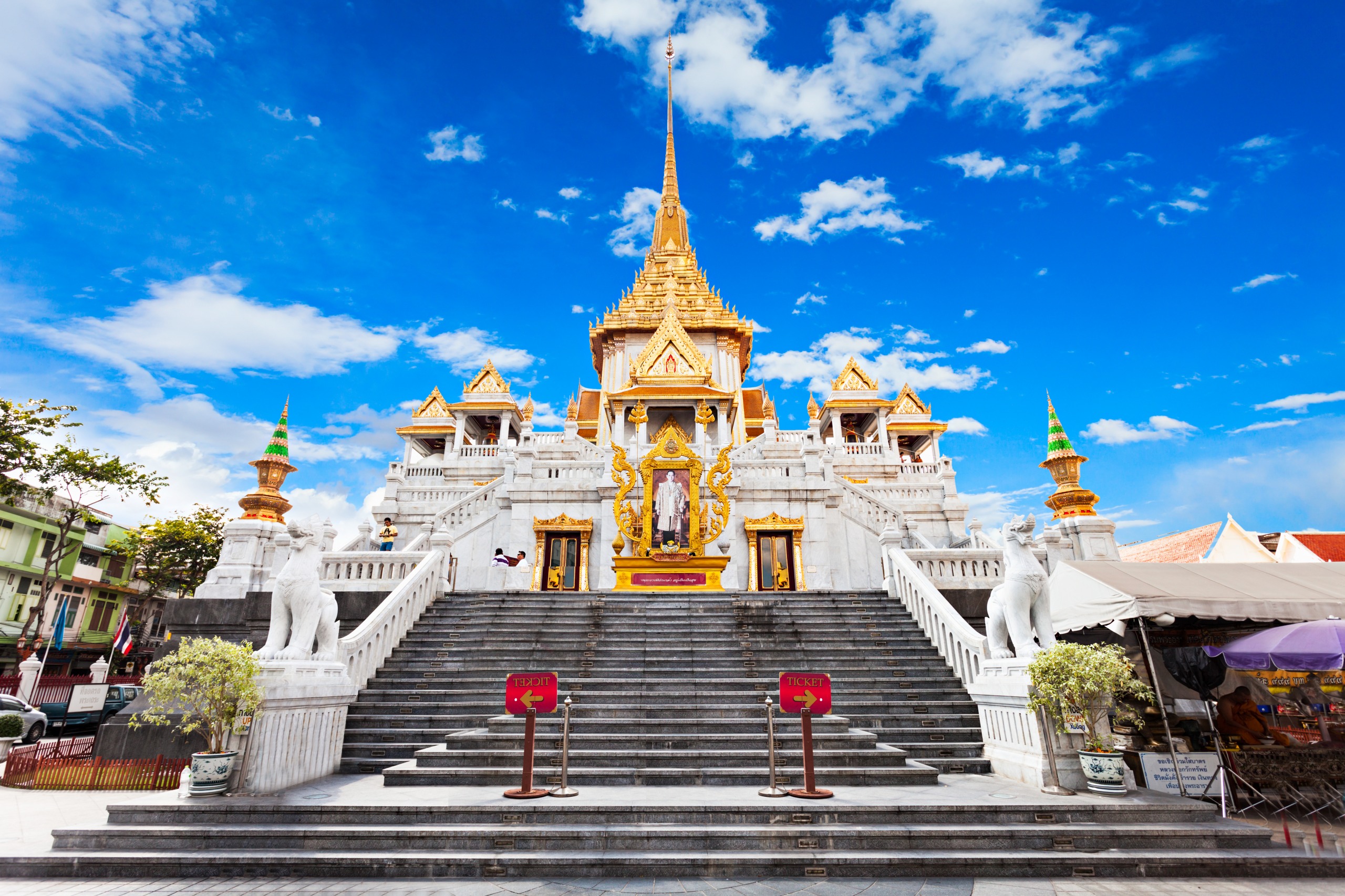
- the Wat Traimit and its Golden Buddha;
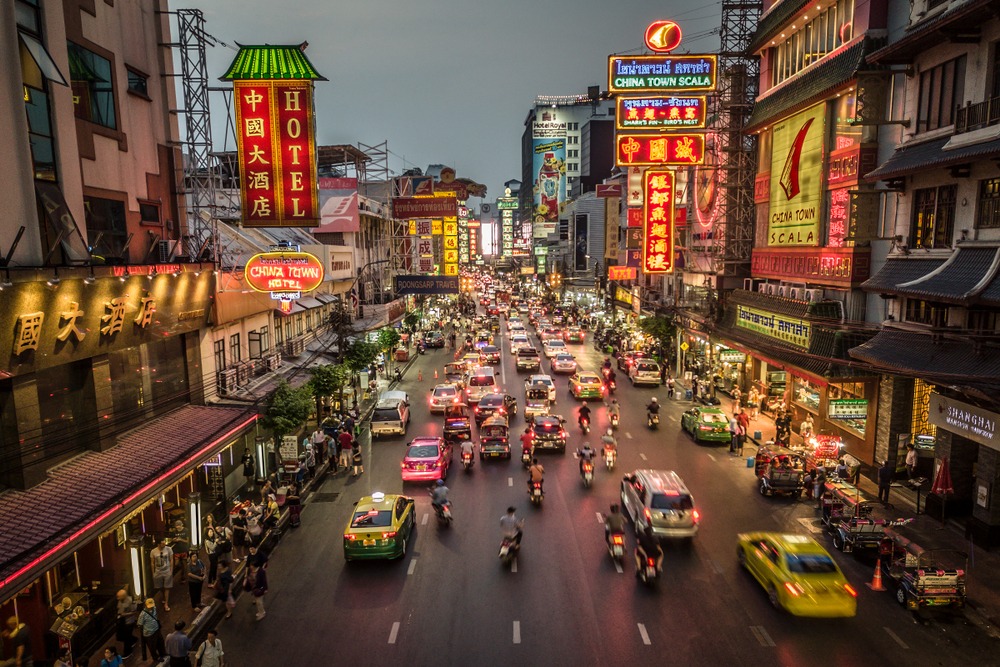
- Bangkok's Chinatown, accessible by taxi;
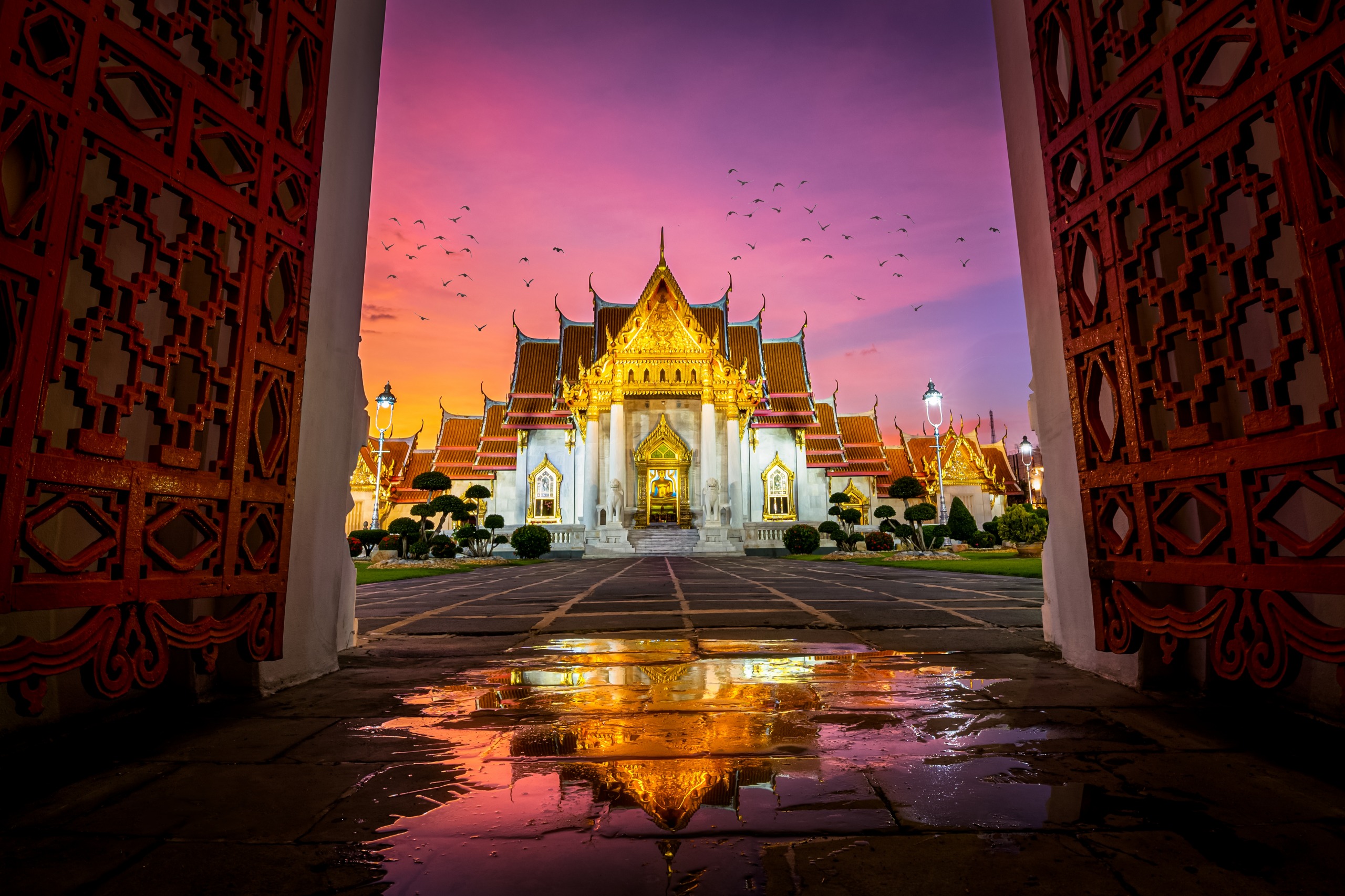
- the Marble Temple, another architectural gem of the capital.
Frequently Asked Questions
Frequently asked questions
Because its chedi is erected at the summit of Phu Khao Thong, a hill formed from the rubble of a first stupa that collapsed under Rama III. Rebuilt by Rama IV and then Rama V, the sanctuary owes its name to the golden color of the new stupa that dominates this "golden mountain."
344 steps lead to the chedi. The climb remains accessible: rest areas, shade and water points are provided throughout the path.
Access to the temple grounds is free. Only the climb to the golden chedi requires a modest entrance fee, payable on-site.
Covered shoulders and trousers or long skirts covering the knees. Tank tops and low necklines are not permitted. Also bring comfortable shoes for the climb.
To incorporate a visit to Wat Saket into a complete itinerary, check out our Thailand travel suggestions.
Photos
Nearby
Also discover
Bangkok
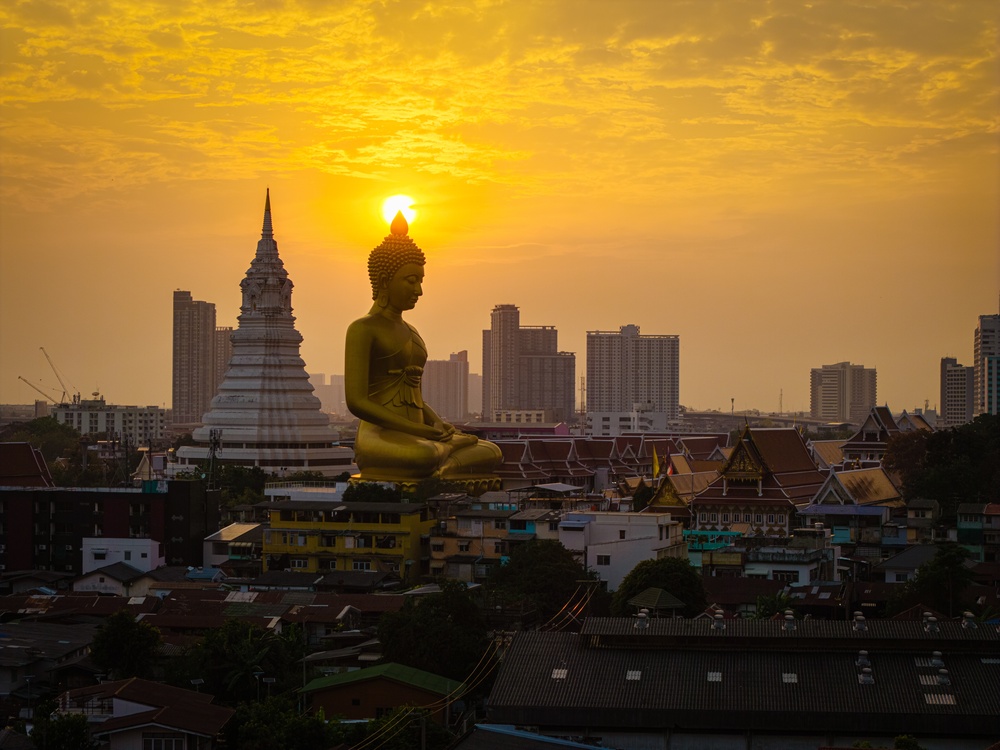
Bangkok, Thailand's vibrant capital, sometimes described as chaotic, is often overlooked by travelers who prefer the northern treks or southern beaches. Yet bypassing Bangkok during your Thailand trip means missing out on incredible Thai cultural diversity.
Shanghai Mansion
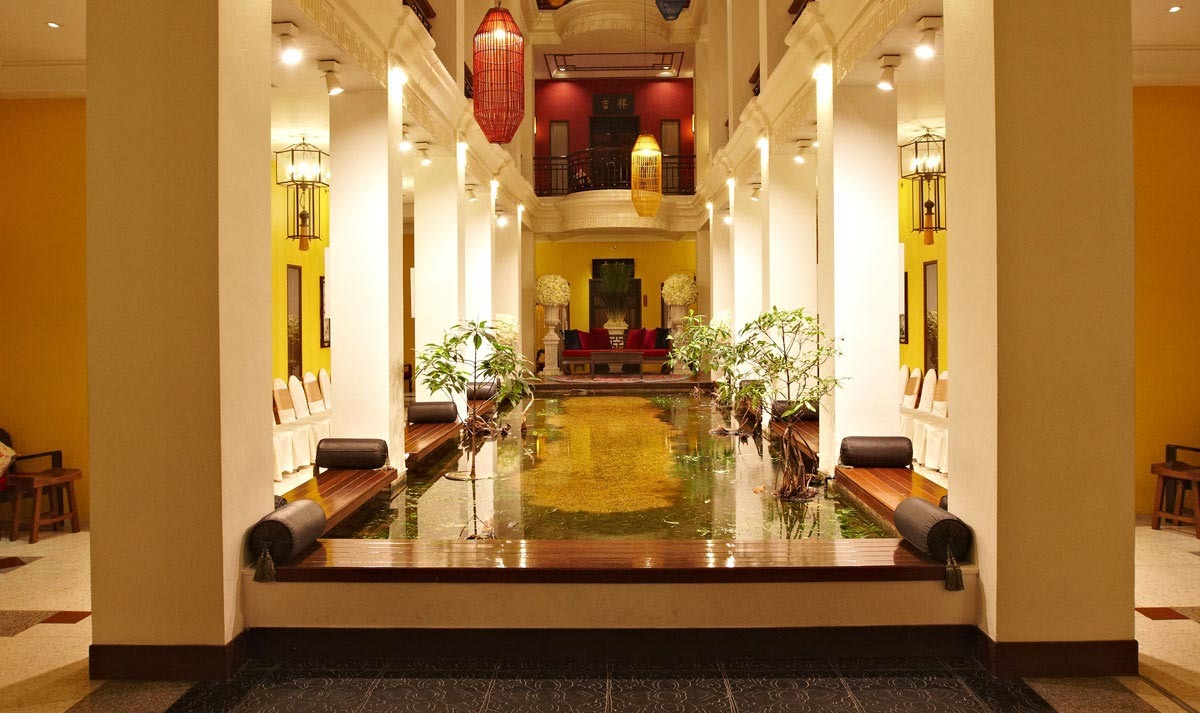
4-star hotel with vintage Shanghai inspiration on Yaowarat Road, in the heart of Bangkok's Chinatown. 67 rooms, Sino-Thai restaurant and jazz concert bar.
Nouvo City Hotel
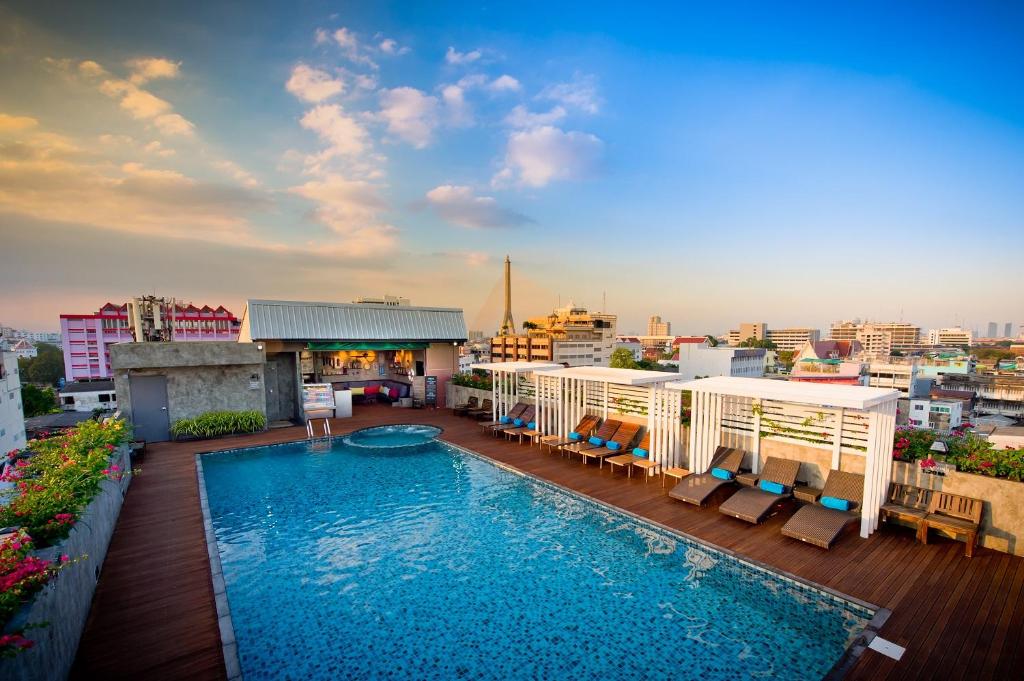
Urban comfort hotel in Banglamphu's historic district, Bangkok: rooms of 32 to 38 m², spa, two pools and recognized halal dining.
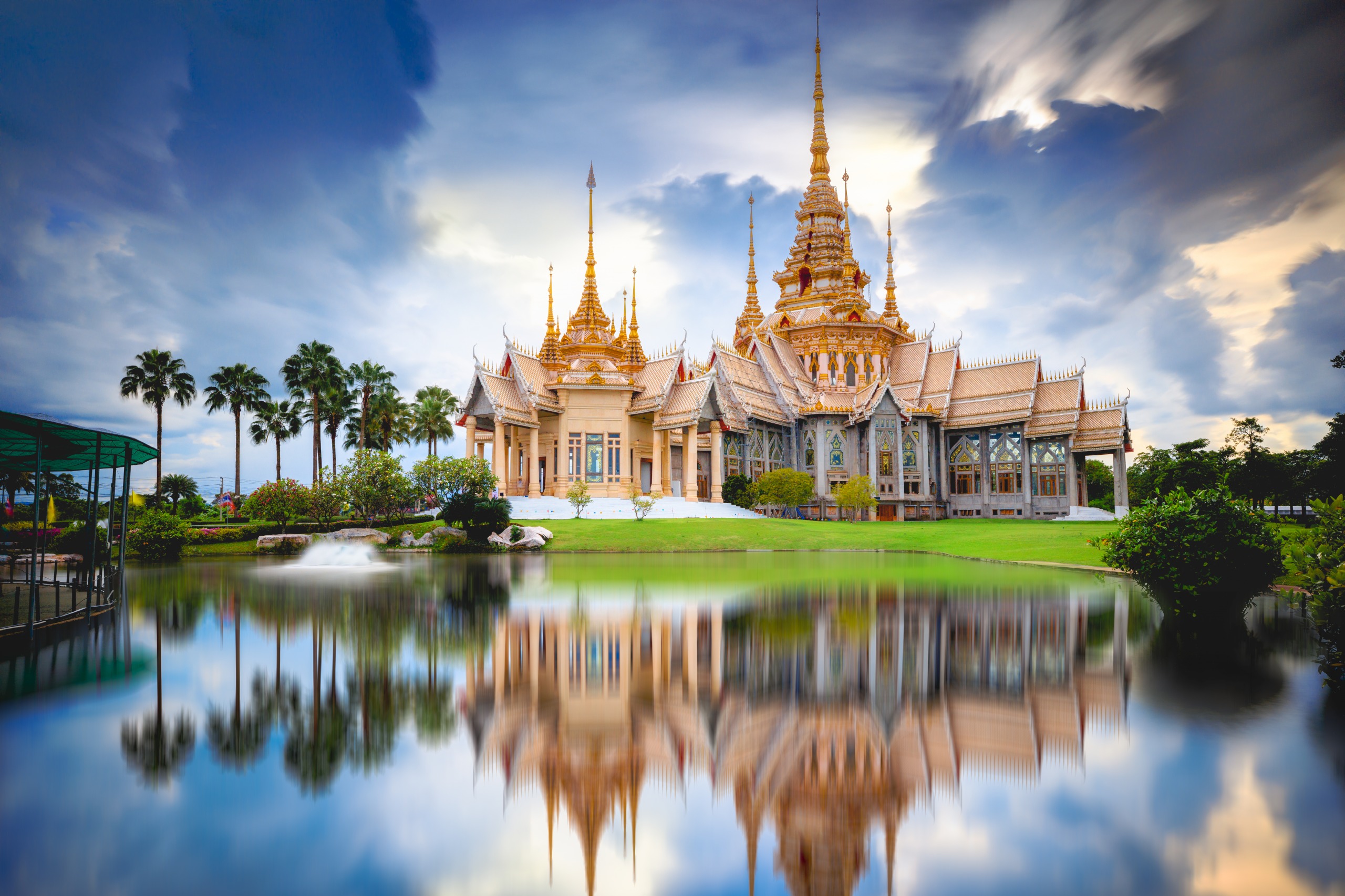
Phra Nakhon District
Phra Nakhon concentrates Bangkok's founding heritage: Grand Palace, Wat Phra Kaeo, Wat Pho, National Museum and the Indian quarter of Phahurat.
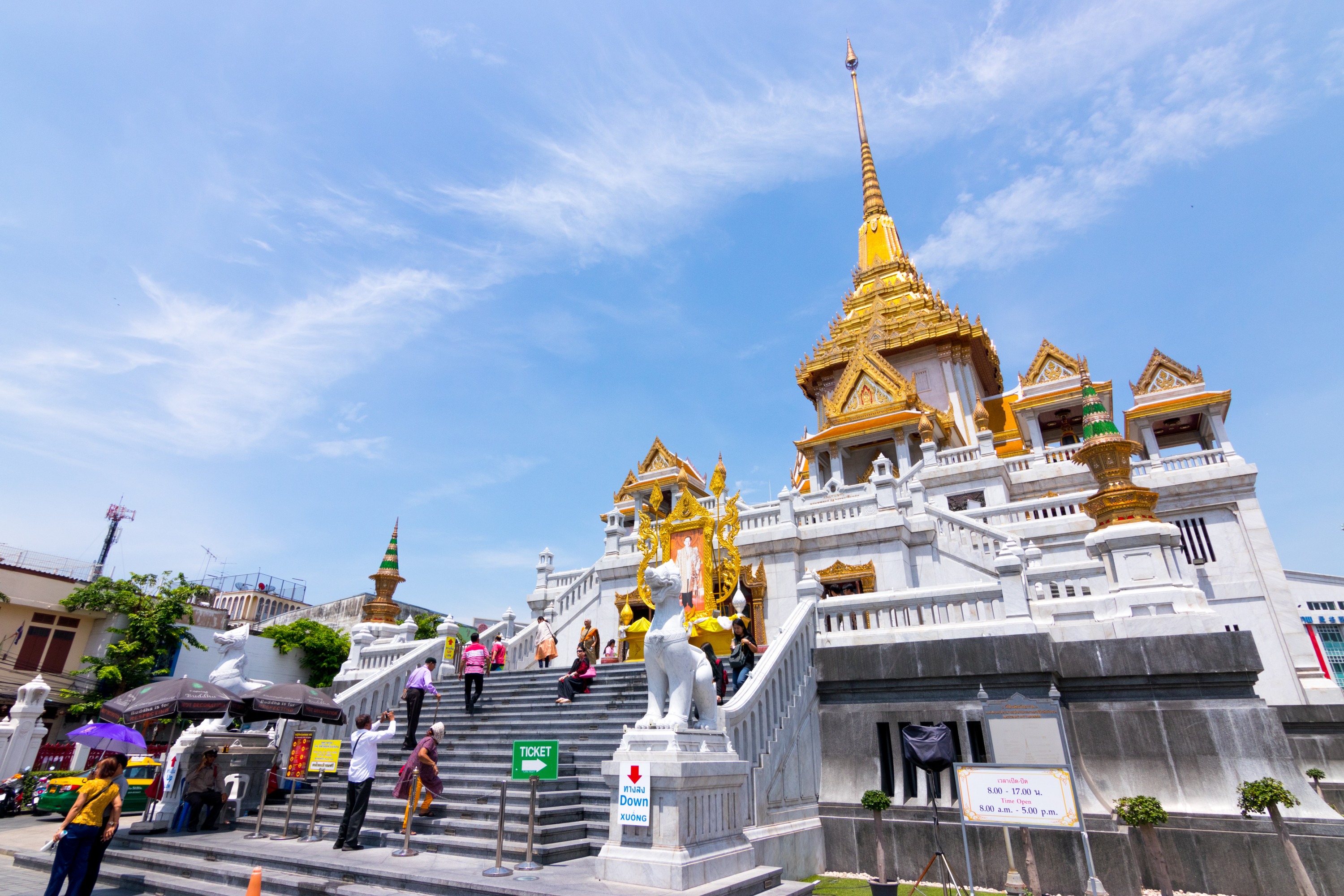
Wat Traimit, the Temple of the Golden Buddha
In Bangkok, Wat Traimit shelters a solid gold Buddha measuring 3 meters and weighing 5.5 tonnes, whose golden identity was only revealed in 1955.
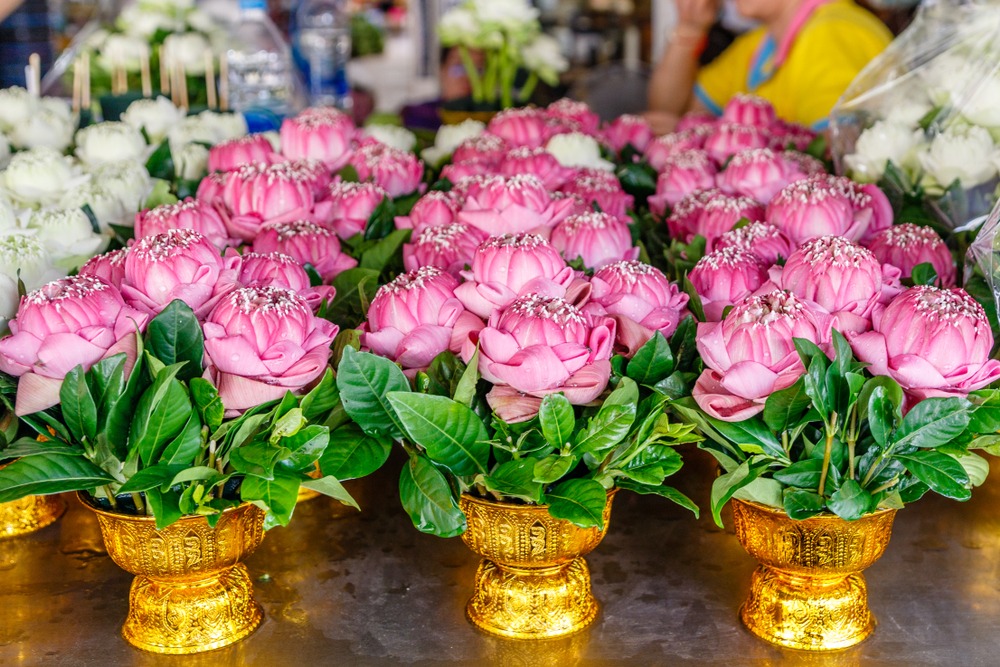
Pak Khlong Talat
Historic flower market in Bangkok, open around the clock near the Chao Phraya, supplying hotels, restaurants and temples in the capital with fresh blooms.
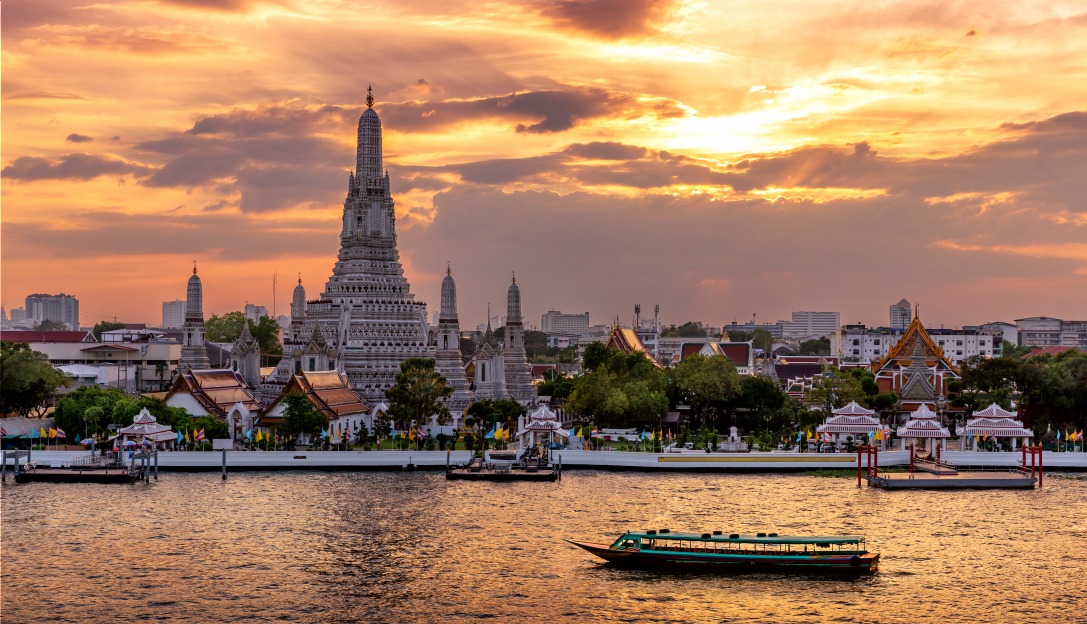
Chao Praya
Spanning 372 km, the Chao Phraya has shaped Bangkok since 1782. Temples, markets, boats: your guide to understanding and exploring the river.
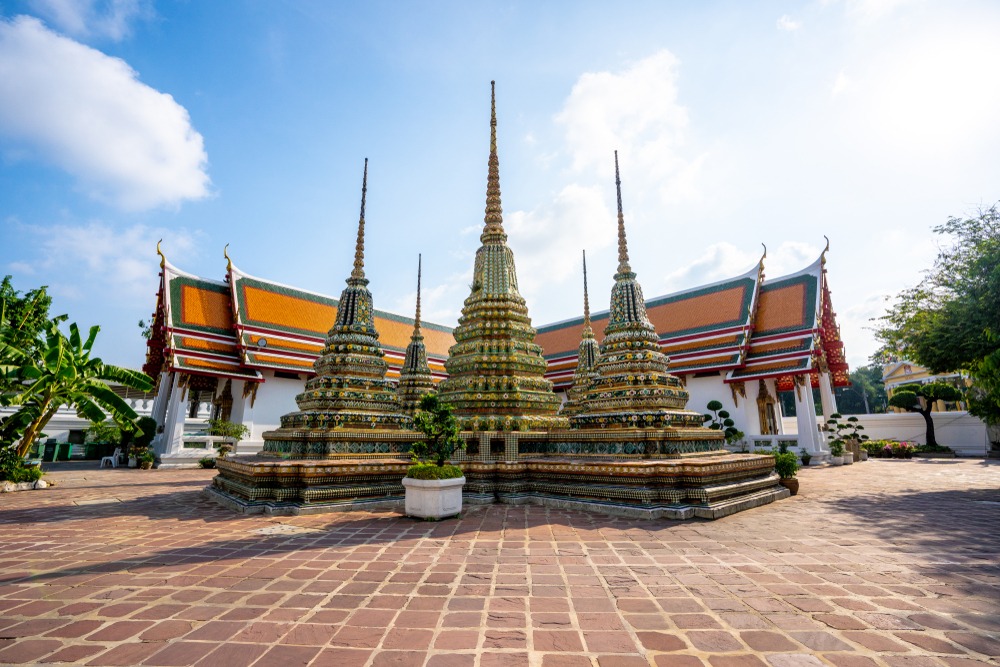
Wat Pho
South of Bangkok's Grand Palace, Wat Pho houses a 46-meter Reclining Buddha, 400 statues, and a UNESCO-recognized Thai massage school.
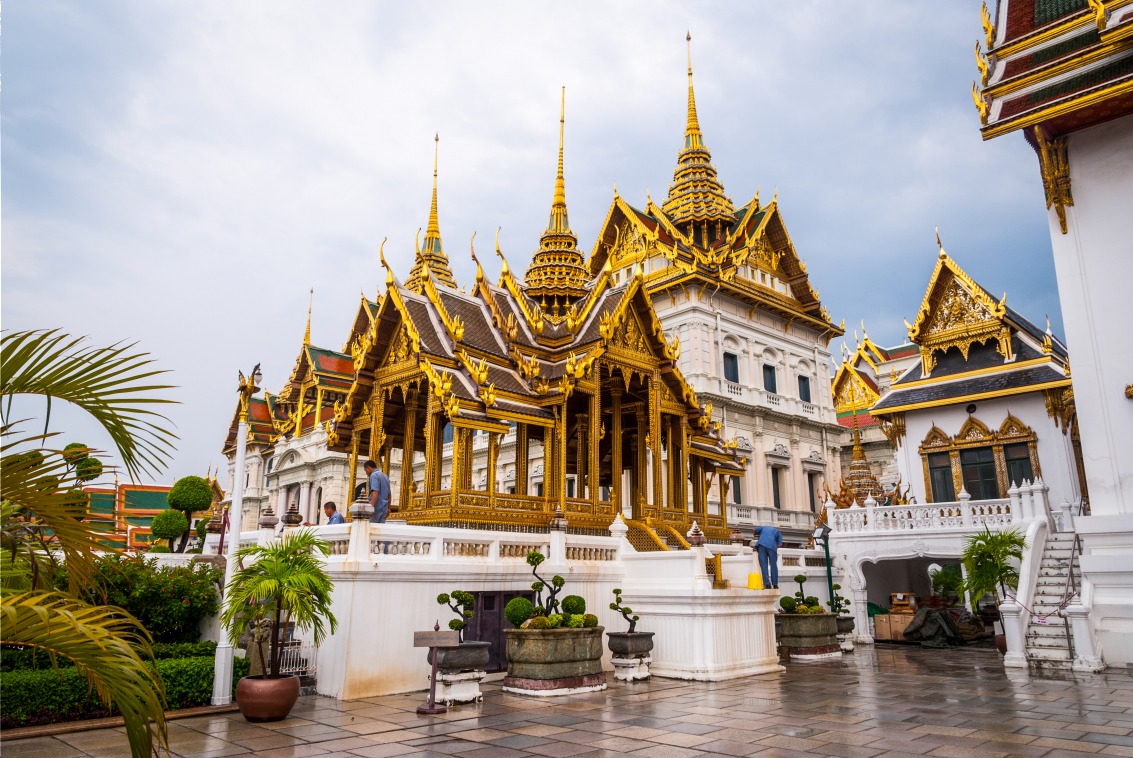
Grand Palace of Bangkok
Royal complex founded in 1782 by Rama I, the Grand Palace of Bangkok houses Wat Phra Kaeo and the Emerald Buddha. Practical guide to prepare your visit.
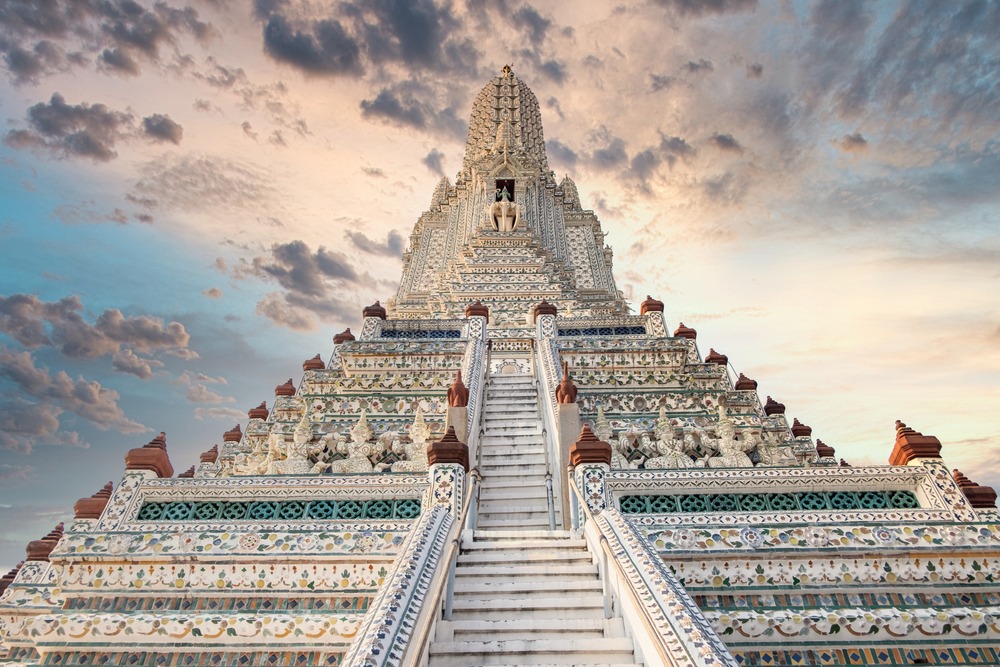
Wat Arun
Wat Arun, or the Temple of Dawn, dominates the western bank of the Chao Phraya in Bangkok with its 70-meter prang covered in porcelain mosaics.
Interested in this visit?
We can include it in your personalised itinerary.