Wat Suan Dok
Wat Suan Dok
139 Suthep Rd, Tambon Su Thep, Amphoe Mueang Chiang Mai, Chang Wat Chiang Mai 50200, Thaïlande
A 14th-century Lanna temple in Chiang Mai, Wat Suan Dok brings together a Sri Lankan-style chedi, a royal cemetery and an exchange program with monks.
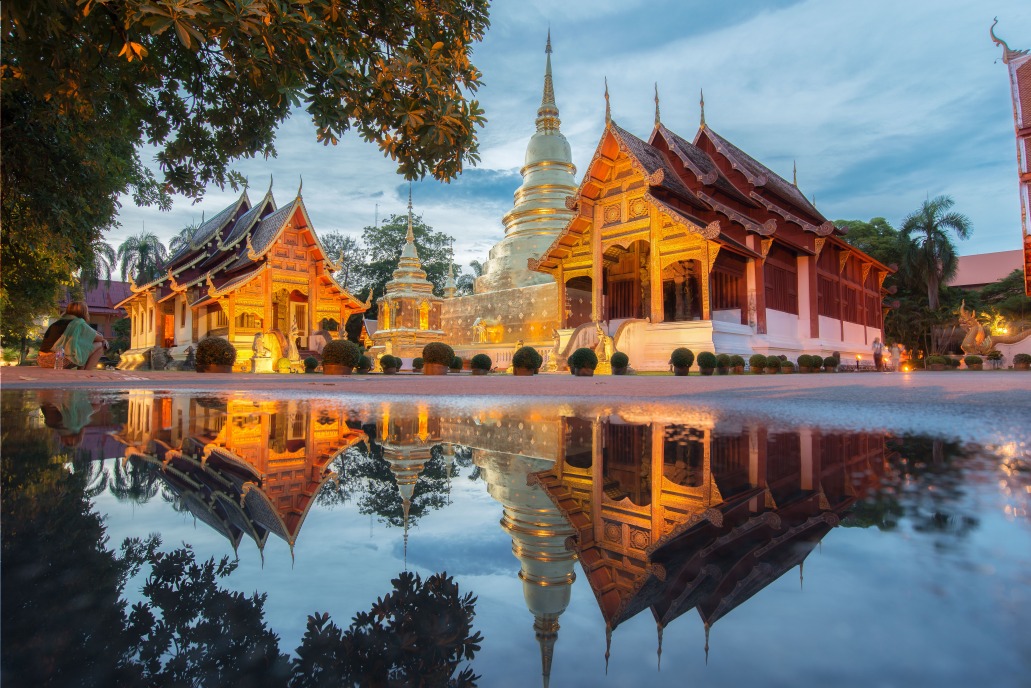
Wat Suan Dok, also known as Wat Buppharam Dok Mai, stands among the most historically rich temples of Chiang Mai. Nicknamed the Temple of the Flower Garden, it was built on the former site of a Lanna royal garden. The sanctuary preserves a Buddha relic, a royal cemetery and several remarkable structures, and offers an English-speaking exchange program with monks that is recognized throughout Thailand.
Why visit Wat Suan Dok
Three elements make this temple distinctive. First, its grand white and gold chedi, visible from afar, which houses a Buddha relic connected to the founding of another major temple in the city. Second, its royal cemetery with whitewashed stupas, which gathers the tombs of the Lanna dynasty. Finally, the Monk Chat program, which allows visitors to converse in English with Buddhist monks—a practice still uncommon elsewhere in Thailand.
Wat Suan Dok is a third-class royal temple still in active use, making it a living place of practice rather than merely a monument.
The history of Wat Suan Dok
The temple's construction dates back to the 14th century, under the direction of King Kue Na of Lanna. The sanctuary was erected on the site of the village of Wiang Suan Dok, on the grounds of a former royal garden—which earned it the nickname Temple of the Flower Garden.
Local chronicles recount that the monk Maha Sumana Thera brought a Buddha relic from Pang Cha, which King Kue Na wished to house with appropriate honor. When the relic was placed inside the chedi, it is said to have split into two parts. The first was kept on site, within the grand stupa of Wat Suan Dok.
The second fragment was placed on the back of a white elephant released into the forest. The animal climbed the neighboring mountain, trumpeted three times, and died at the summit. On this spot, Wat Phra That Doi Suthep was founded in 1383, housing this second relic. The two temples have since remained linked in Chiang Mai's spiritual memory.
What to see on site
The grand chedi
The main chedi, measuring approximately 48 meters according to local sources, is constructed in Sri Lankan style. Its golden dome and white base make it a visual landmark of the temple. Four entrances grant access to the structure, guarded by makara—mythical sea creatures—and nagas, protective serpent deities. The stupa houses the Buddha relic brought by Maha Sumana Thera, as well as sacred objects from Sukhothai.
The royal cemetery
Visible from the main entrance, this mausoleum is distinguished by its whitewashed stupas in Lanna style. Notable burials include those of King Kawila and Princess Kokaew Prakaykavil. In 1909, Princess Dara Rasmi had the royal remains of Chiang Mai transferred to this cemetery, bringing together the memory of the Lanna dynasty in a single location.
The Sala Kan Prian
This spacious vihara was erected in 1932 by the venerated monk Phra Krubra Srivichai, a major figure in the renovation of temples throughout northern Thailand. It houses two Buddha statues: a seated effigy facing east and a standing statue oriented west, toward the main chedi.
The ubosot and the Phra Chao Kao Tue statue
The ordination hall, also renovated by Phra Krubra Srivichai in the 1930s, preserves the Phra Chao Kao Tue statue: a 4.7-meter bronze Buddha created in the early 16th century, recognizable by its unusually uniform finger lengths—an uncommon iconographic detail.
Practical information
Temple entry is free, though a donation may be suggested in certain areas of the sanctuary. The site is accessible from early morning until evening. The Monk Chat program takes place on Mondays, Wednesdays, and Fridays in late afternoon (typically 5–7 pm): it is an informal exchange with monks, in English, about Buddhism, meditation, and monastic life.
Dress code: shoulders and knees must be covered; avoid transparent or form-fitting clothing. Photography is permitted in most areas; avoid turning your back to Buddha statues and pointing your feet toward them.
When to visit
The dry season, from November to February, remains the most comfortable time to visit Chiang Mai and its temples: moderate temperatures, low humidity, clear skies. March and April are hotter and marked by pollution from agricultural fires in the north. The rainy season, from June to October, offers fewer crowds and interesting light for photography, provided you accept the late-afternoon downpours.
Early morning visits mean fewer crowds and light that particularly enhances the white stupas of the royal cemetery.
How to get there
Wat Suan Dok lies west of Chiang Mai's walled old city, on Suthep Road, which later leads toward Doi Suthep mountain. From the moat, allow about ten minutes by tuk-tuk or songthaew (red shared taxi). The journey is also feasible by bicycle on flat terrain. On foot from Suan Dok Gate, the walk takes approximately 15 to 20 minutes.
Nearby attractions
The temple's location makes it easy to combine with other major Chiang Mai sites:
- Wat Phra Singh, the most revered temple in the old city, within the moat.
- Wat Chedi Luang, famous for the impressive remains of its former stupa.
- Wat Umong, a forest temple with ancient tunnels, located nearby on the slopes of Doi Suthep.
- Wat Sri Suphan, the Silver Temple, in the silver artisans' quarter.
Frequently asked questions
Frequently asked questions
Plan for 1 to 1.5 hours to tour the main chedi, royal cemetery, vihara, and ordination hall. If you participate in Monk Chat, allow an additional one to two hours.
Monk Chat is an informal exchange between visitors and monks, typically Buddhist students. It takes place in English, in a dedicated space within the temple, on Mondays, Wednesdays, and Fridays in late afternoon. You can ask questions about Buddhist practice, meditation, and monastic life. It is free, though a donation is appreciated.
According to tradition, the Buddha relic brought in the 14th century split into two within Wat Suan Dok's chedi. The second fragment, transported by a white elephant, led to the founding of Wat Phra That Doi Suthep in 1383, on the mountain where the animal died.
Cover your shoulders, chest, and knees. Avoid tight or transparent clothing. You will need to remove your shoes before entering the main buildings.
Plan your journey
Wat Suan Dok fits naturally into an itinerary of Chiang Mai's temples, before or after an ascent of Doi Suthep. To construct a coherent stay around northern Thailand, consult our suggestions for travel in Thailand.
Photos
Nearby
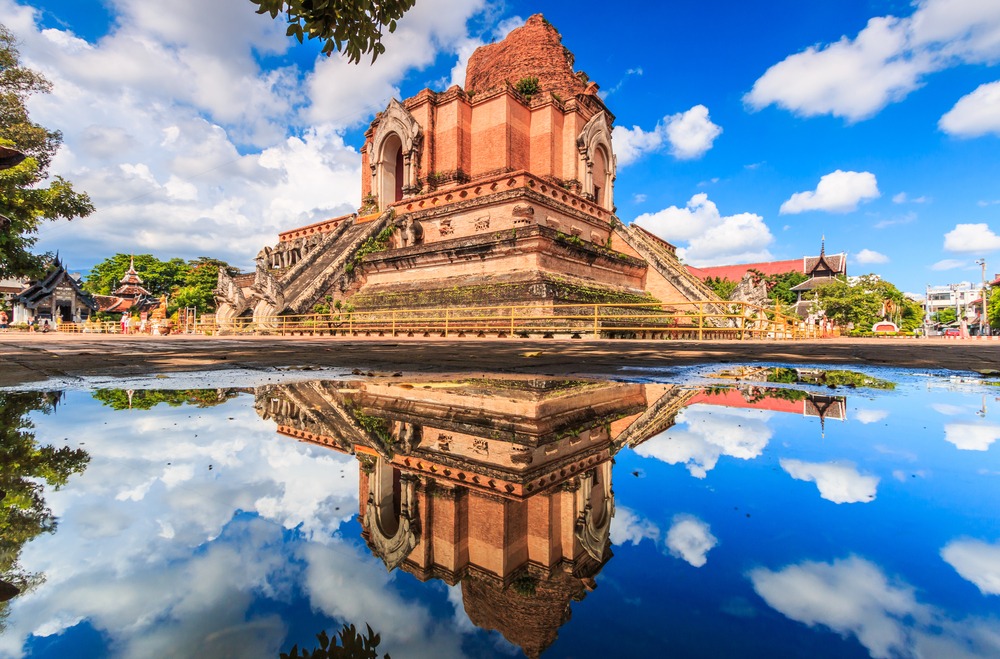
Also discover
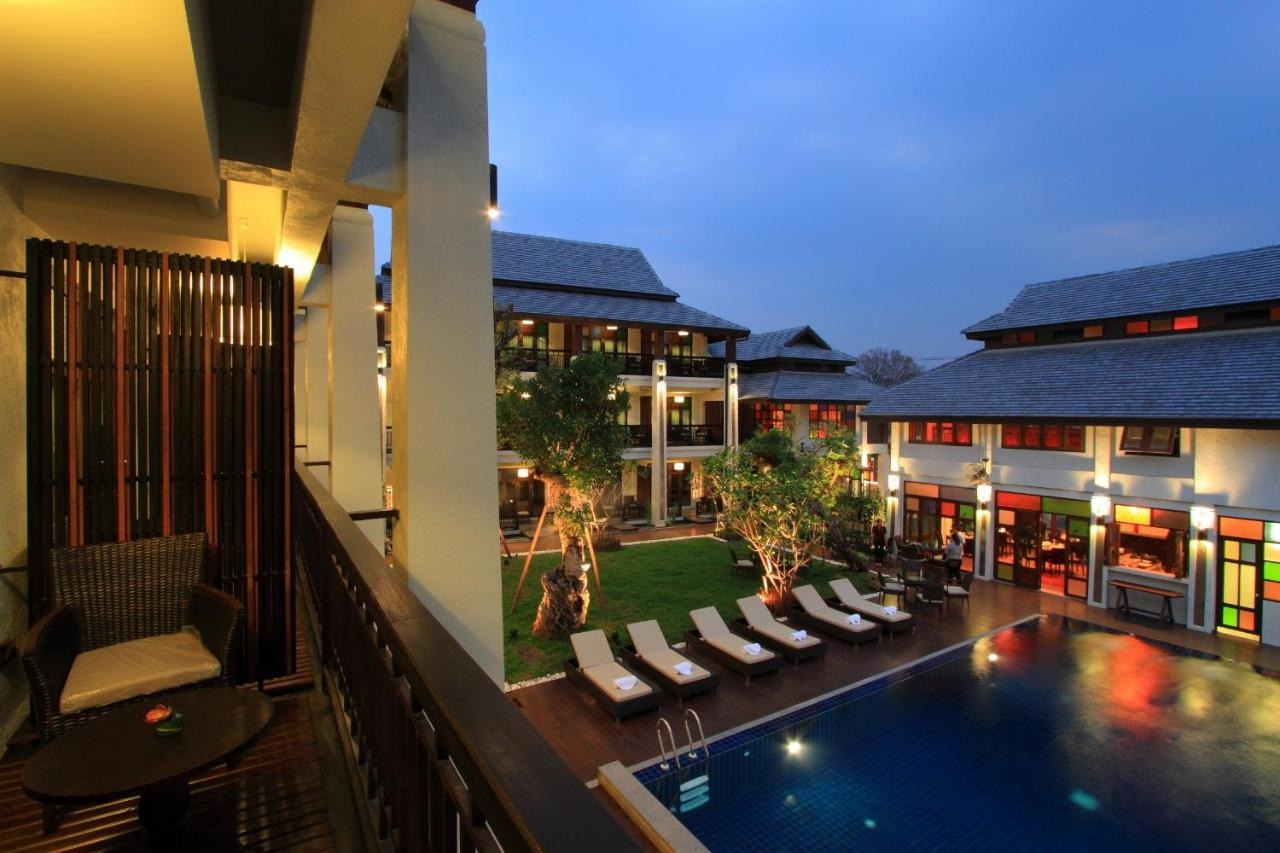
De Lanna Hotel
4-star hotel in the historic Sri Phum district of Chiang Mai, featuring a pool and spa. Walking distance to the main sites of the old town center.
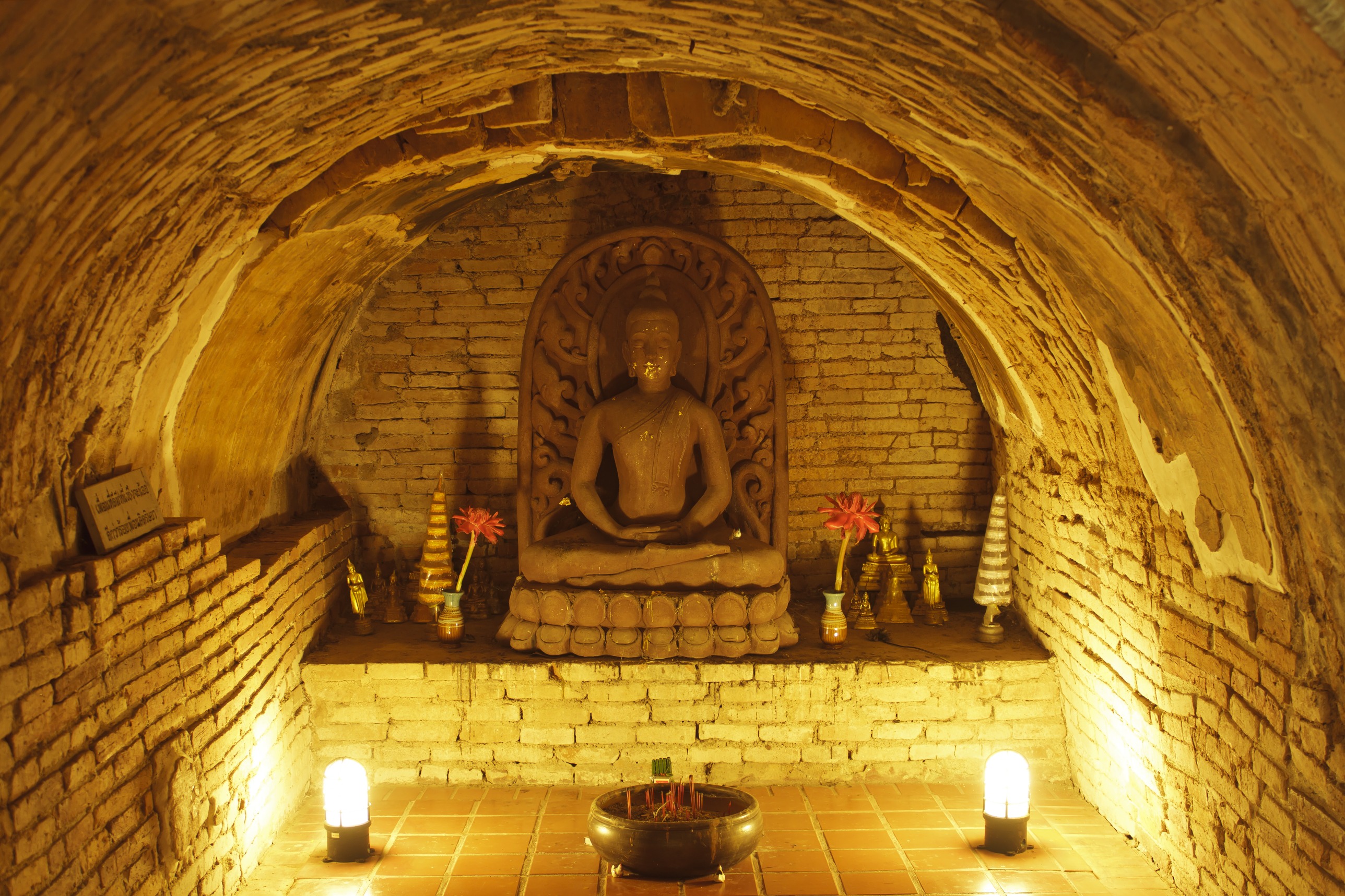
Wat Umong
On the outskirts of Chiang Mai, Wat Umong stands apart with its underground tunnels dating from the 13th century and a forest park dedicated to Buddhist meditation.
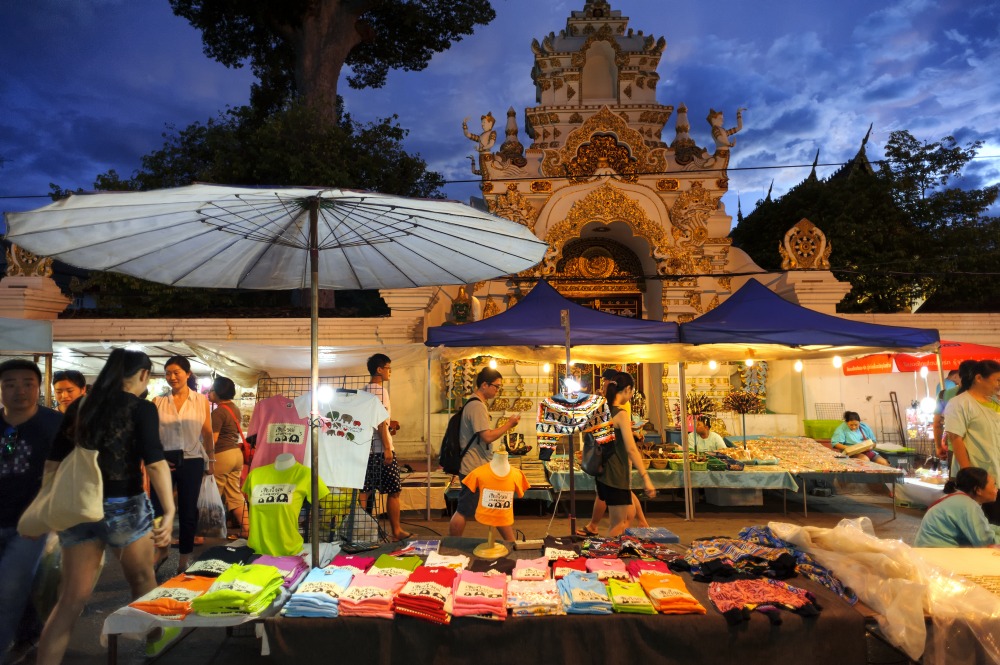
Chiang Mai
Chiang Mai is an unmissable destination during a Thailand trip. With its historic monuments, rich culture and natural attractions, the Rose of the North will captivate you.

Chiang Mai Zoo
At the foot of Doi Suthep, Chiang Mai Zoo brings together 400 species, a Panda House and marine and freshwater tunnel aquariums across 80 hectares.
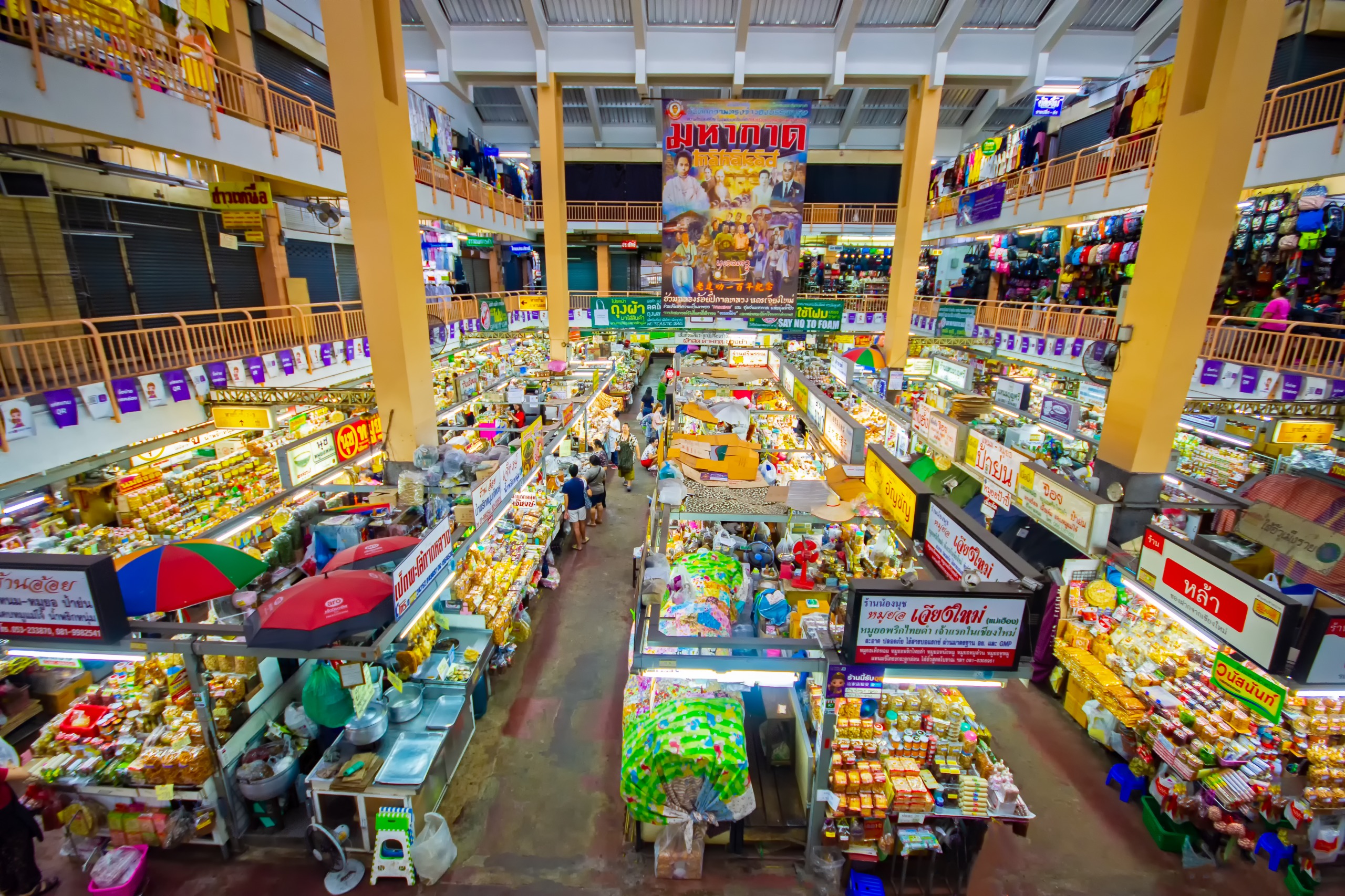
Warorot Market
Founded in 1910 by Princess Dara Rasmi, Warorot Market concentrates fresh produce, Lanna specialties and local crafts in Chiang Mai's Chinese quarter.
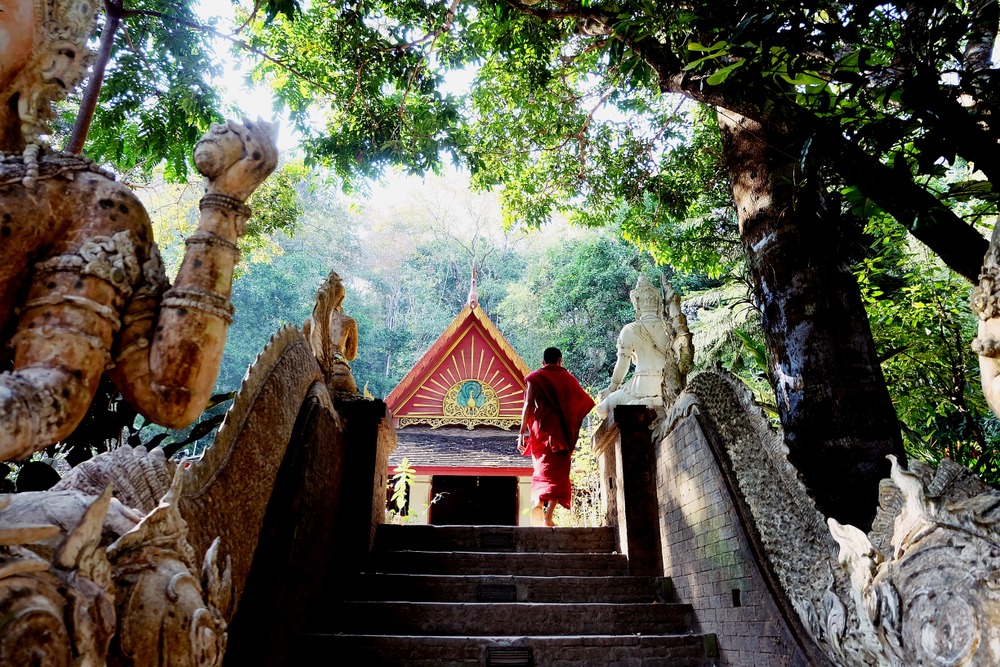
Wat Pha Lat
A forest temple founded in 1386 on the slopes of Doi Suthep, accessible from Chiang Mai via the Monk's Trail. Complete visitor's guide.
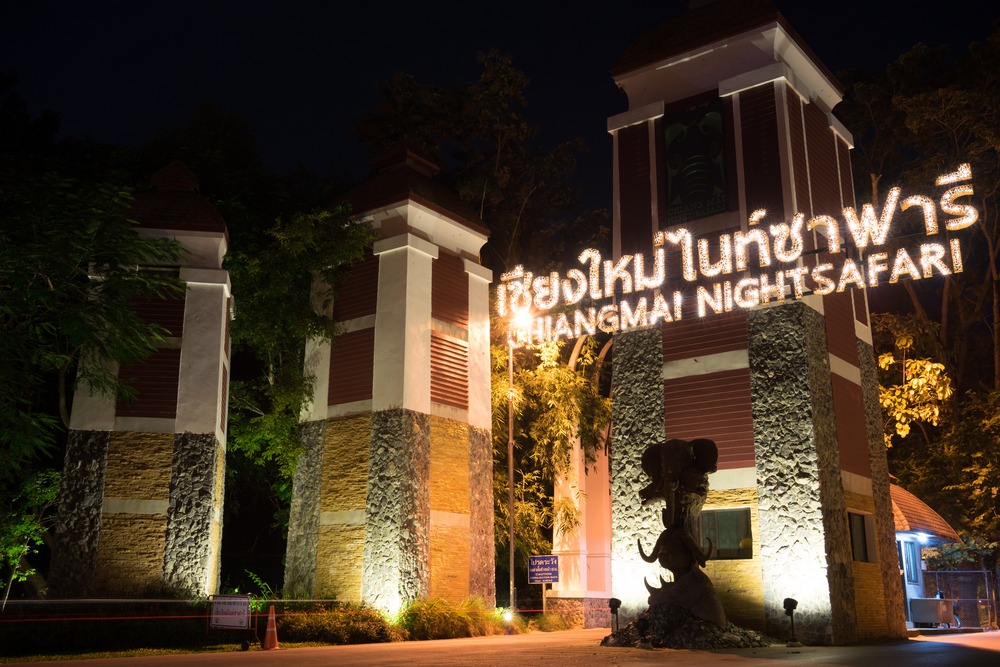
Chiang Mai Night Safari
A 130-hectare nocturnal zoo opened in 2006 just 12 km from Chiang Mai, Night Safari houses nearly 2,000 animals spread across three themed circuits.
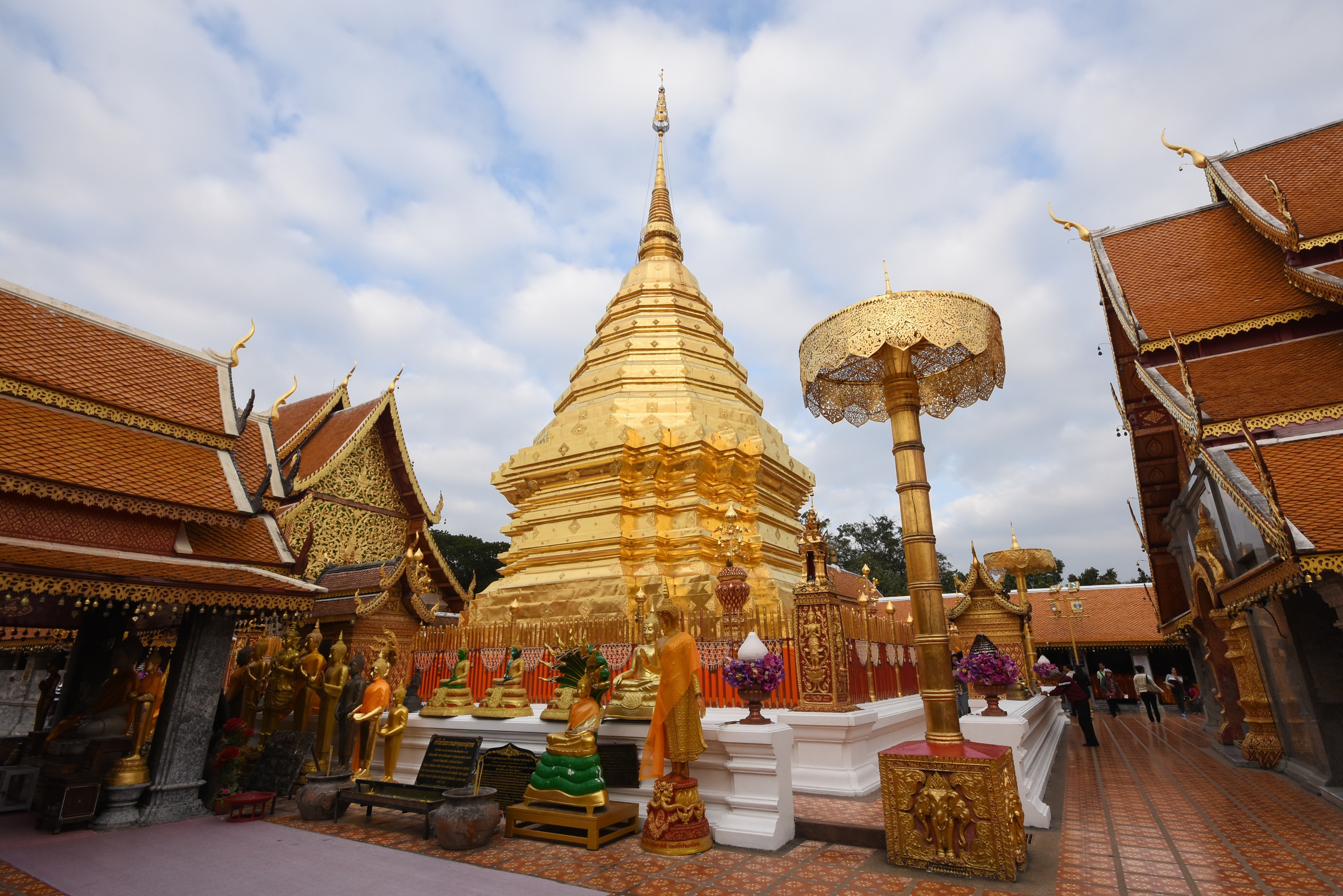
Wat Phra That Doi Suthep
Perched at 1,073 meters above Chiang Mai, Wat Phra That Doi Suthep encompasses six centuries of Lanna art around a golden chedi and a founding legend.
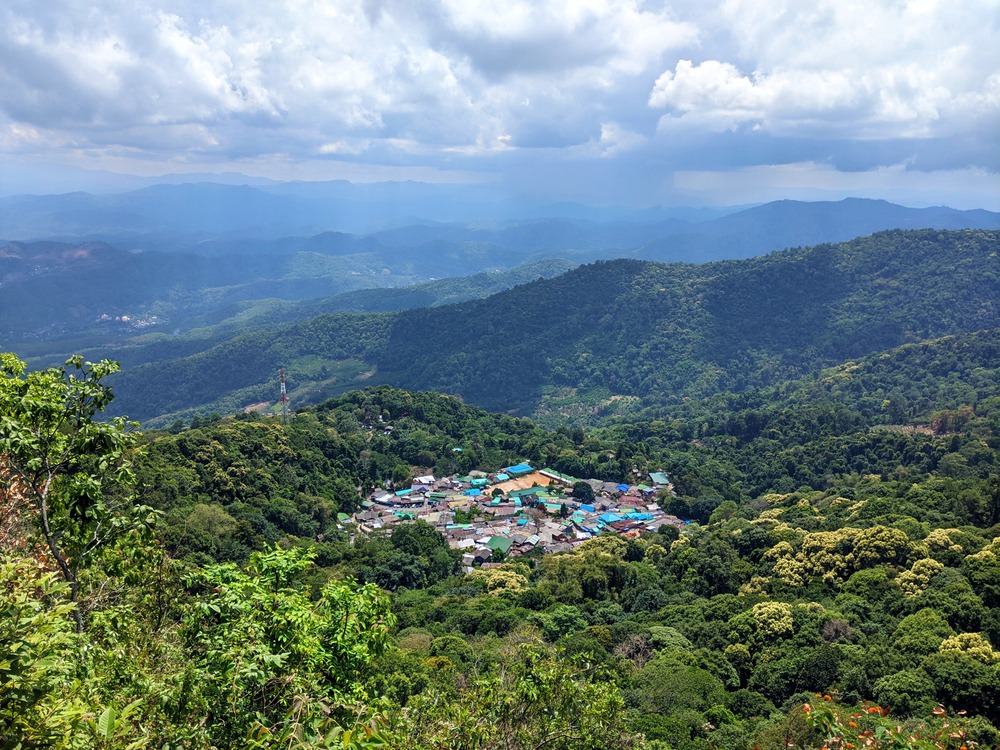
Hmong Doi Pui
Just 11 km from Chiang Mai, the Hmong village of Doi Pui brings together an ethnographic museum, blooming gardens, tribal crafts and the gateway to Doi Suthep-Pui National Park.
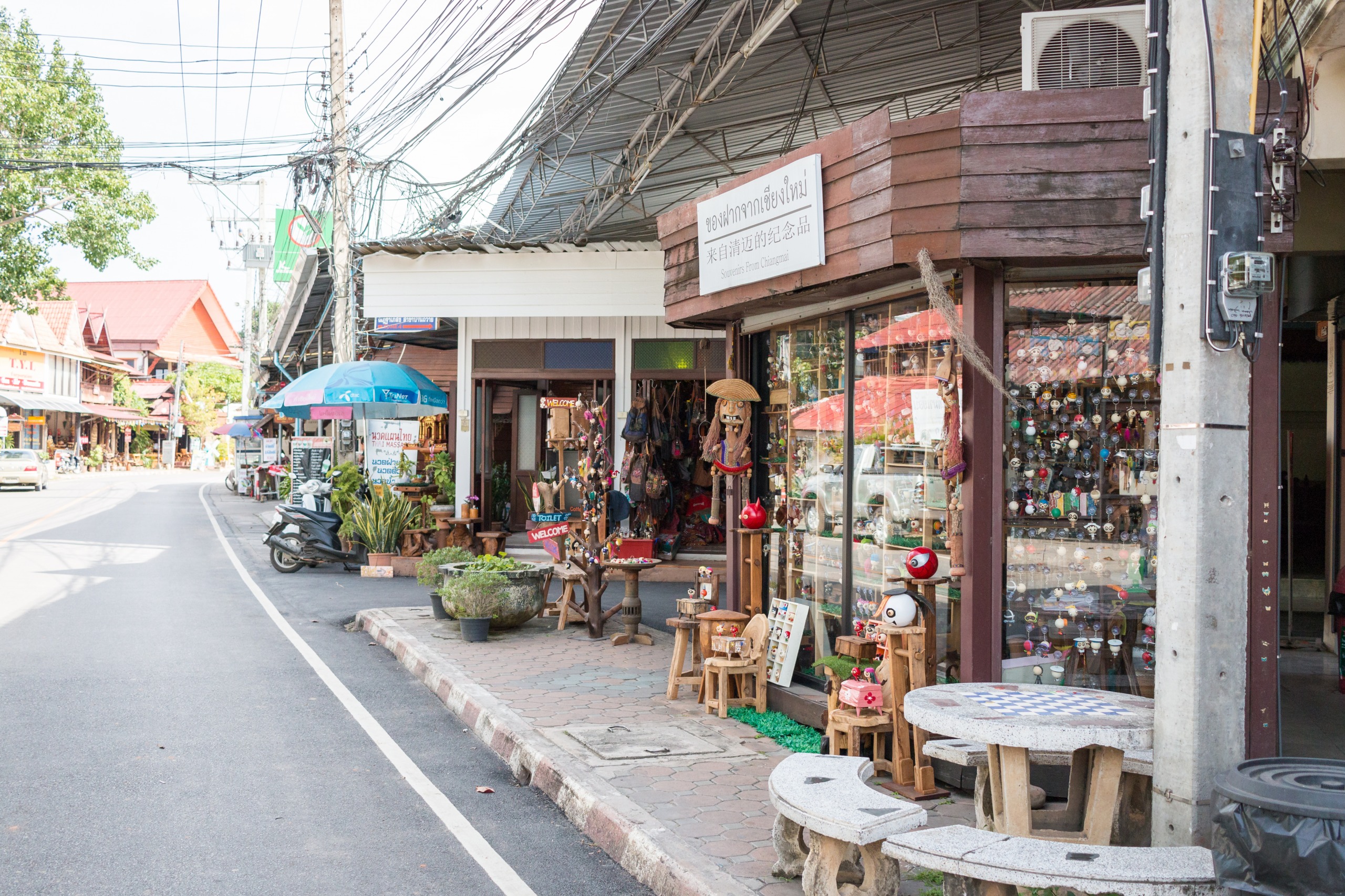
Baan Tawai wood carving village
Just 16 km south of Chiang Mai, Baan Tawai brings together the wood carving workshops of northern Thailand in an open-access artisan village.
Interested in this visit?
We can include it in your personalised itinerary.