Chiang Mai Zoo
Chiang Mai Zoo
100 Huay Kaew Rd, Tambon Su Thep, Amphoe Mueang Chiang Mai, Chang Wat Chiang Mai 50200, Thaïlande
At the foot of Doi Suthep, Chiang Mai Zoo brings together 400 species, a Panda House and marine and freshwater tunnel aquariums across 80 hectares.
At the foot of Doi Suthep, on the western edge of Chiang Mai, Chiang Mai Zoo spans 80 hectares of forested hillside. Founded in 1957 and opened to the public in 1977, it is home to around 400 species and 2,000 animals, as well as an aquarium featuring twin marine and freshwater tunnels, presented as Southeast Asia's largest.
Why visit Chiang Mai Zoo
The site combines three qualities rarely found together: a large-scale animal park nestled against a sacred mountain, a tunnel aquarium and an artificial snow dome. Its Panda House, a legacy of a Chinese diplomatic gift, remains one of the most visited attractions. Families, school groups and travellers seeking a half-day escape from the old city find here a varied route across rolling terrain adorned with landscaped gardens, water features and small cascades.
A history born from humanitarian work
The zoo owes its existence to Harold Mason Young, an American evangelist sent to Thailand in the mid-20th century. While training officers near the border, he developed a habit of rescuing and caring for injured animals. To support this work, Chiang Mai authorities donated 8 hectares at the foot of Doi Suthep in 1957, intended as a wildlife rehabilitation and care centre. Mason oversaw its management until his death in 1974.
The site was subsequently handed over to provincial administration and opened to the public in June 1977. Over the decades, it expanded to 80 hectares and transformed into a fully fledged zoological park. A milestone came on 19 October 2003 with the arrival of giant pandas Chuang Chuang and Lin Hui, gifted by China as a sign of bilateral friendship. The pair produced a female offspring, Lin Bing, who was transferred to China in 2011 under the terms of the breeding loan agreement.
What to see
The Panda House
The air-conditioned enclosure remains the headline attraction. Visits require an additional ticket, and the animals are most active in the morning when they're fed bamboo. Nearby, the Snow Dome recreates a polar atmosphere—complete with artificial snow, an igloo and toboggan run—designed primarily for a Thai audience unfamiliar with cold climates.
The aquarium and its tunnels
The aquarium is explored via two glass-lined galleries. The marine tunnel showcases sharks, rays, jellyfish and tropical reef fish; the freshwater tunnel, rarer in Asia, presents river fauna including the giant Mekong catfish. The whole installation is billed as Southeast Asia's largest aquatic tunnel.
Iconic species
- Bornean orangutan
- Indochinese tiger, a critically endangered species
- Indian rhinoceros
- Asian elephant
- Humboldt penguin, in a refrigerated pool
- Hippopotamuses, giraffes, flamingos and numerous bird species
The park is crossed by an internal road; a paid shuttle service connects the main areas, useful given the change in elevation.
Practical information
The zoo is open daily from morning through late afternoon. Admission prices differ for Thai nationals and foreigners, with supplements for the Panda House, Snow Dome and aquarium. Several combined ticket packages are available at the ticket office. Allow a half-day for a comfortable visit, longer if you include the aquarium. The site is partially accessible for visitors with reduced mobility, though the terrain involves some steep sections.
When to visit
Chiang Mai's climate is tropical, marked by a rainy season from June to October. The most pleasant period for visiting the zoo runs from November to March: moderate temperatures, low rainfall and better visibility of Doi Suthep in the background. In April, the heat can make visiting challenging, especially in unshaded areas.
How to get there
The zoo is located on Huai Kaew Road, just past Chiang Mai University, approximately 15 minutes' drive from the old city. Several options are available:
- Blue songthaew: these shared pick-ups serve the Huai Kaew route from the city centre at modest cost;
- Private taxi or ride-hailing app, convenient for departure at day's end;
- Scooter rental, keeping in mind heavy traffic during peak hours.
Nearby
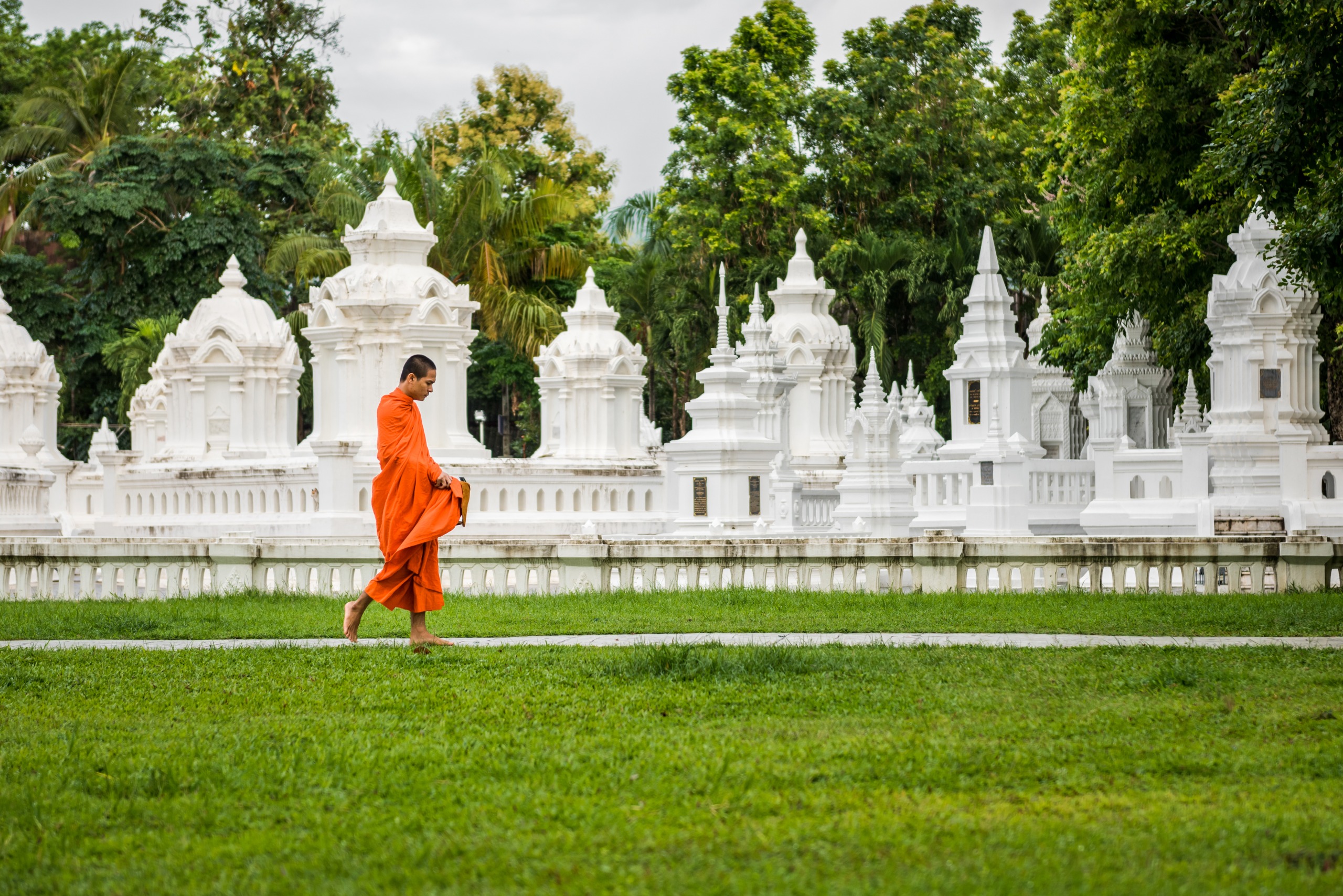
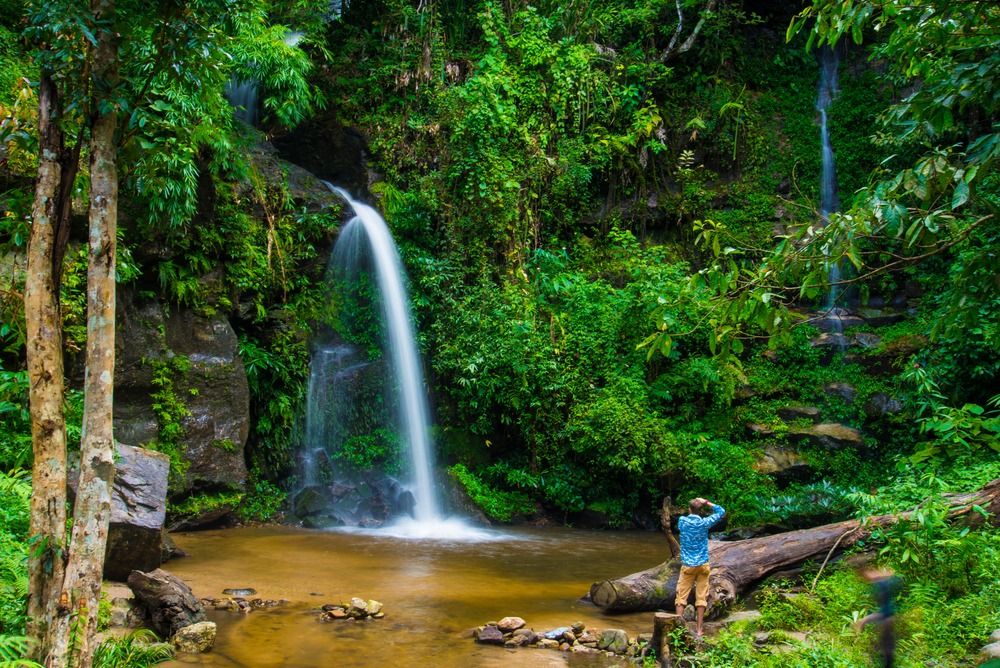
The western sector of Chiang Mai concentrates several complementary sites. On the same road heading towards the mountain, Wat Pha lat offers a forest pause on the way to the summit, and Wat Umong, with its tunnels and pond, presents another perspective on local Buddhism. Closer to the city centre, Wat Suan Dok and its white stupas are worth visiting in late afternoon.
Frequently asked questions
Allow 3 to 4 hours for a complete route including the Panda House and aquarium. A quicker visit, focussed on a few sections, can be done in 2 hours.
The pandas are most active in the morning, during bamboo feeding times. This is the recommended window for watching them eat and move around.
Yes. The route alternates between enclosures, gardens and water features, and the aquarium particularly captures children's attention. Consider a sturdy pushchair suited to the terrain or use the internal shuttle.
No, these two areas require a supplement. The ticket office offers combined packages that reduce overall cost if you want to see everything.
To incorporate this visit into a wider itinerary across northern Thailand, explore our Thailand travel ideas.
Photos
Nearby
Also discover
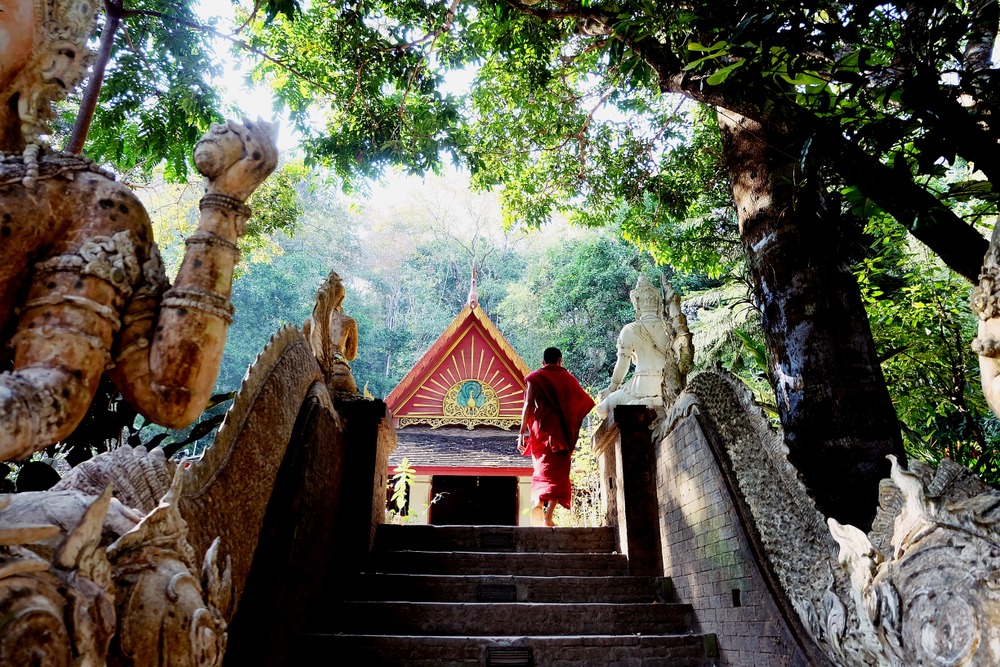
Wat Pha Lat
A forest temple founded in 1386 on the slopes of Doi Suthep, accessible from Chiang Mai via the Monk's Trail. Complete visitor's guide.
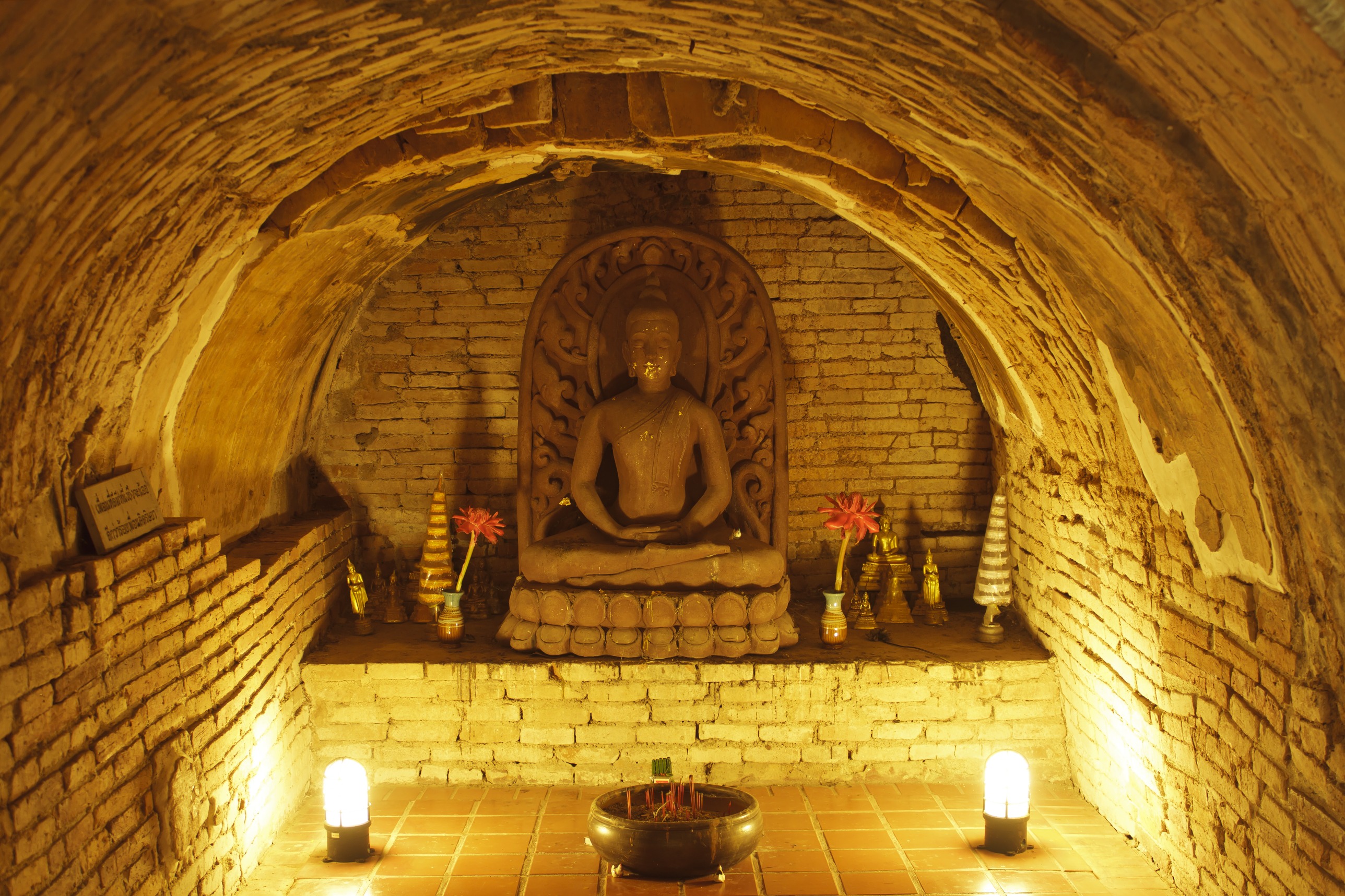
Wat Umong
On the outskirts of Chiang Mai, Wat Umong stands apart with its underground tunnels dating from the 13th century and a forest park dedicated to Buddhist meditation.
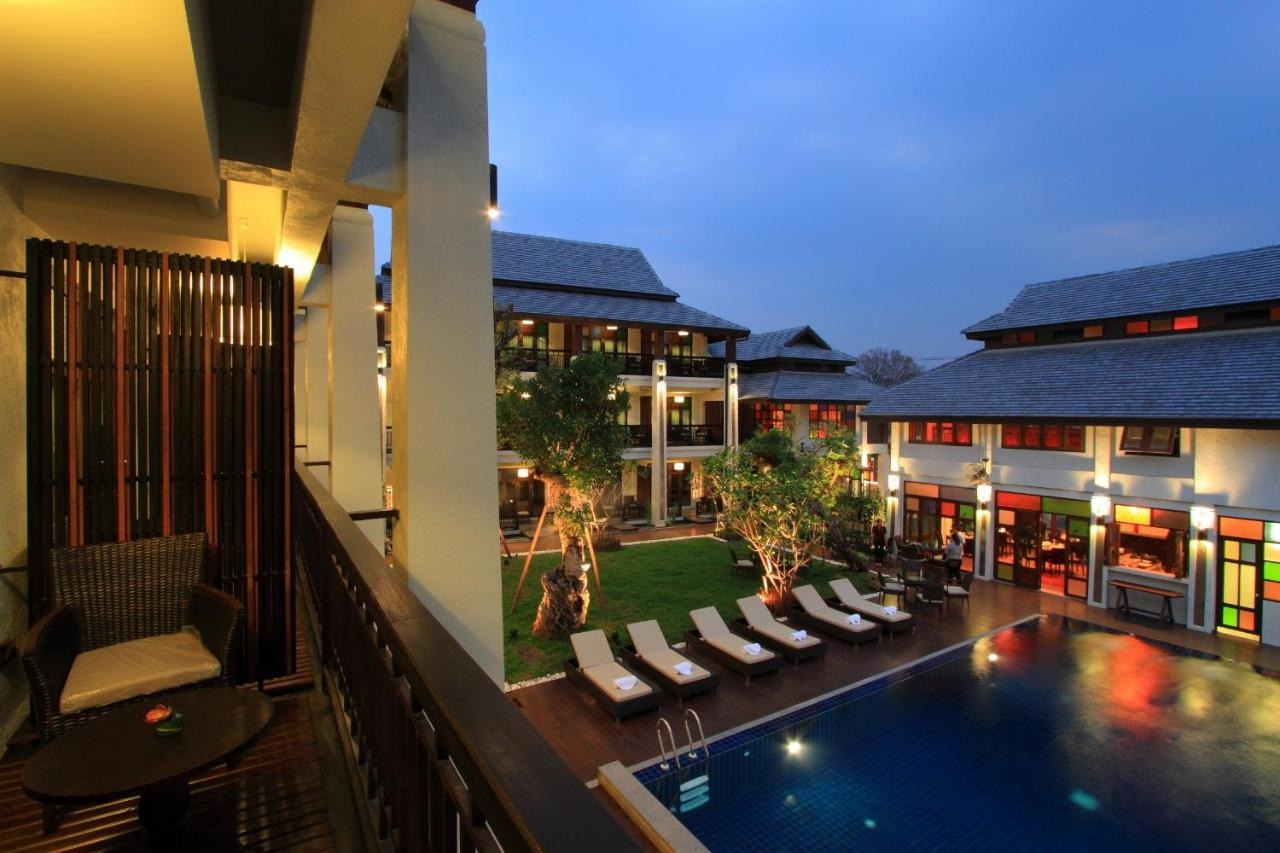
De Lanna Hotel
4-star hotel in the historic Sri Phum district of Chiang Mai, featuring a pool and spa. Walking distance to the main sites of the old town center.
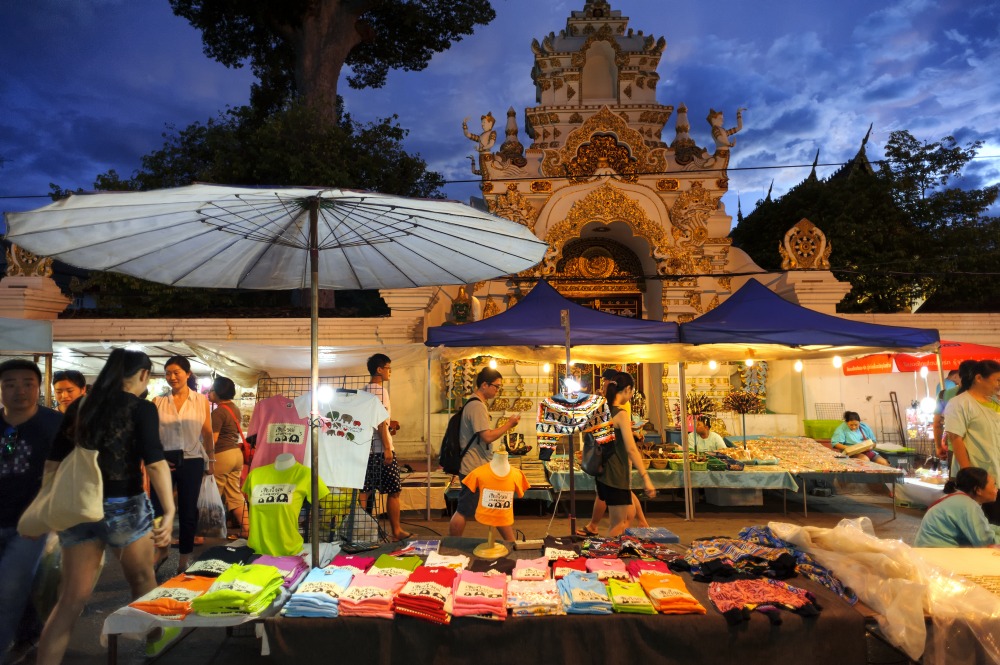
Chiang Mai
Chiang Mai is an unmissable destination during a Thailand trip. With its historic monuments, rich culture and natural attractions, the Rose of the North will captivate you.
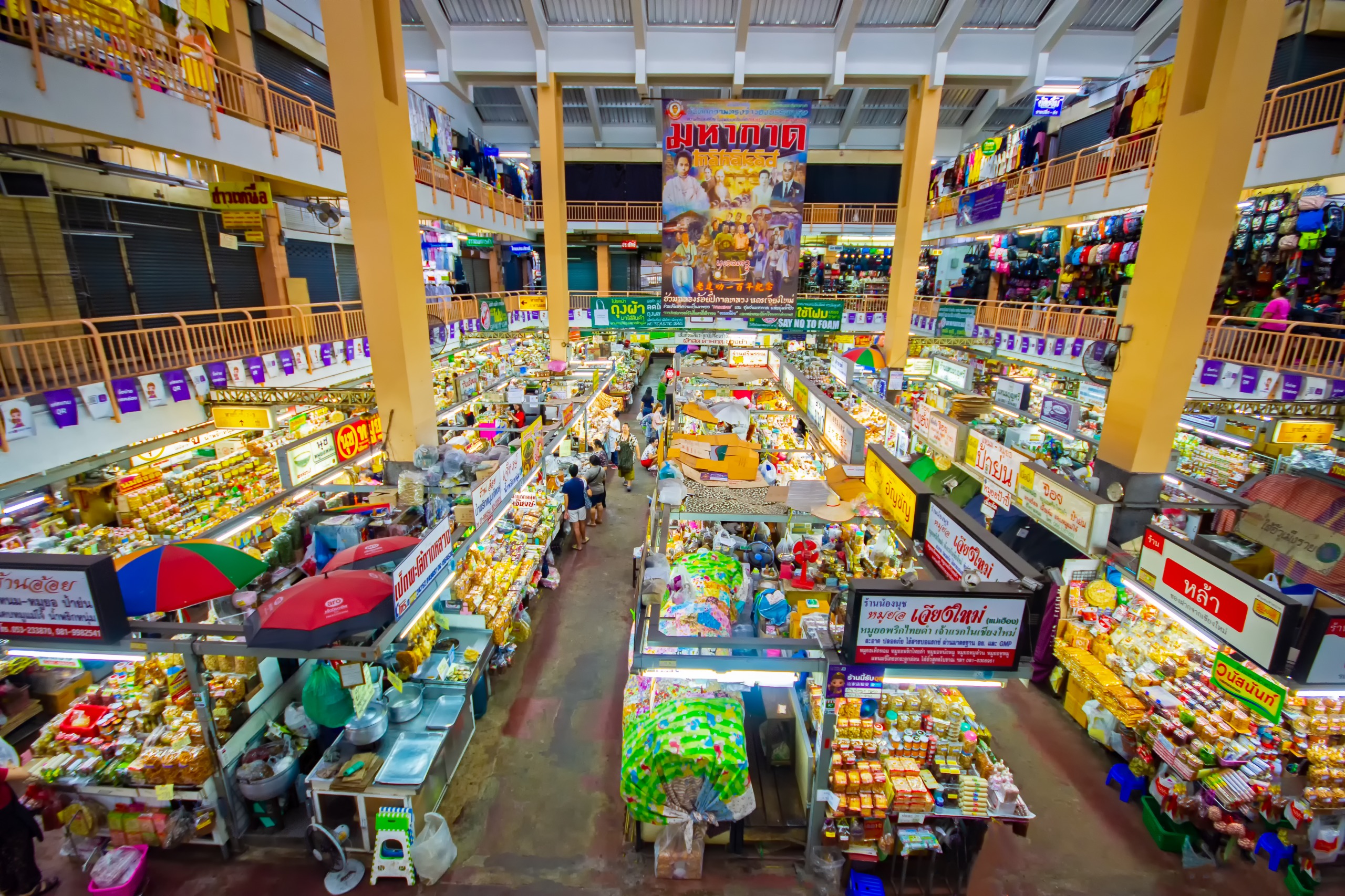
Warorot Market
Founded in 1910 by Princess Dara Rasmi, Warorot Market concentrates fresh produce, Lanna specialties and local crafts in Chiang Mai's Chinese quarter.
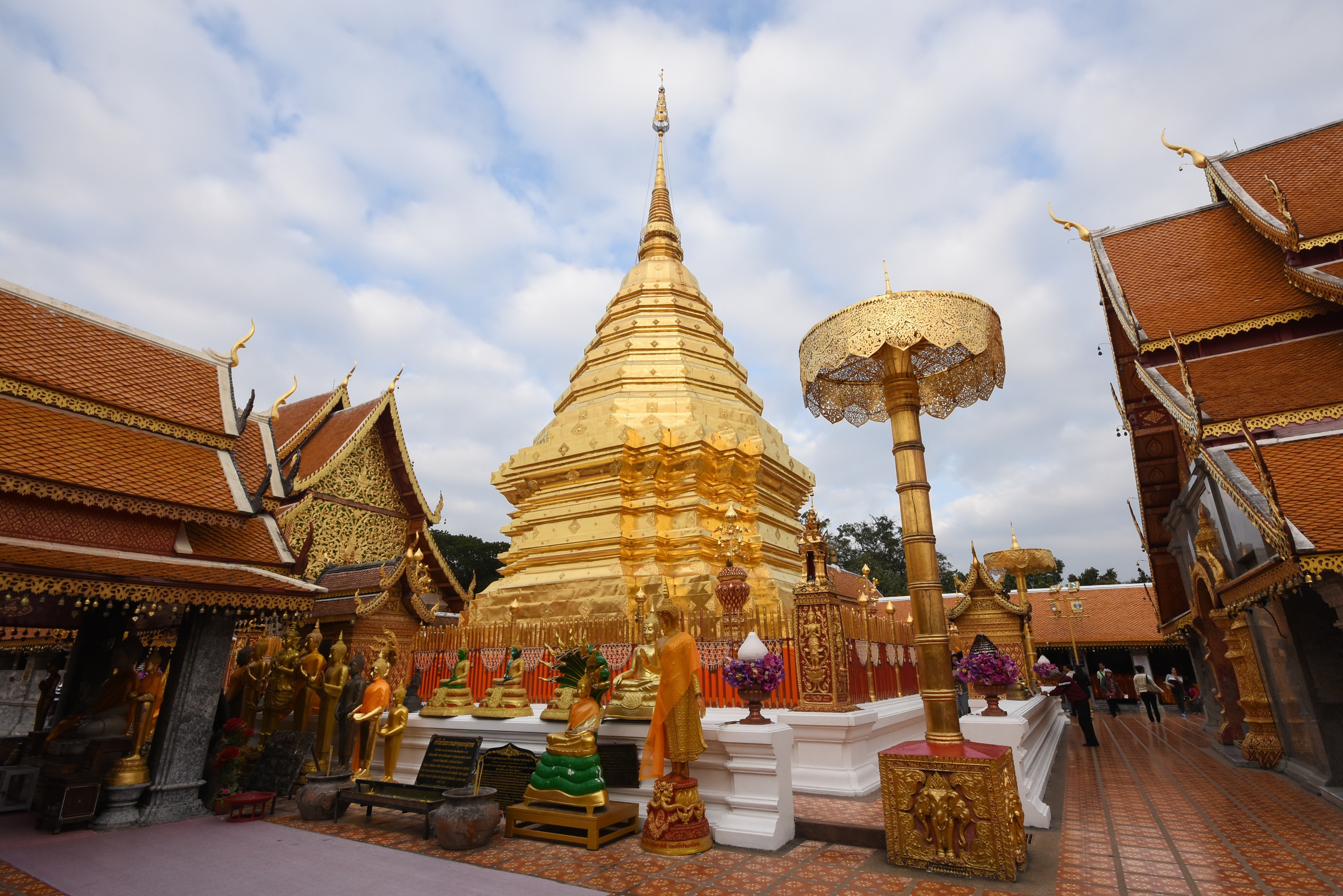
Wat Phra That Doi Suthep
Perched at 1,073 meters above Chiang Mai, Wat Phra That Doi Suthep encompasses six centuries of Lanna art around a golden chedi and a founding legend.
Hmong Doi Pui
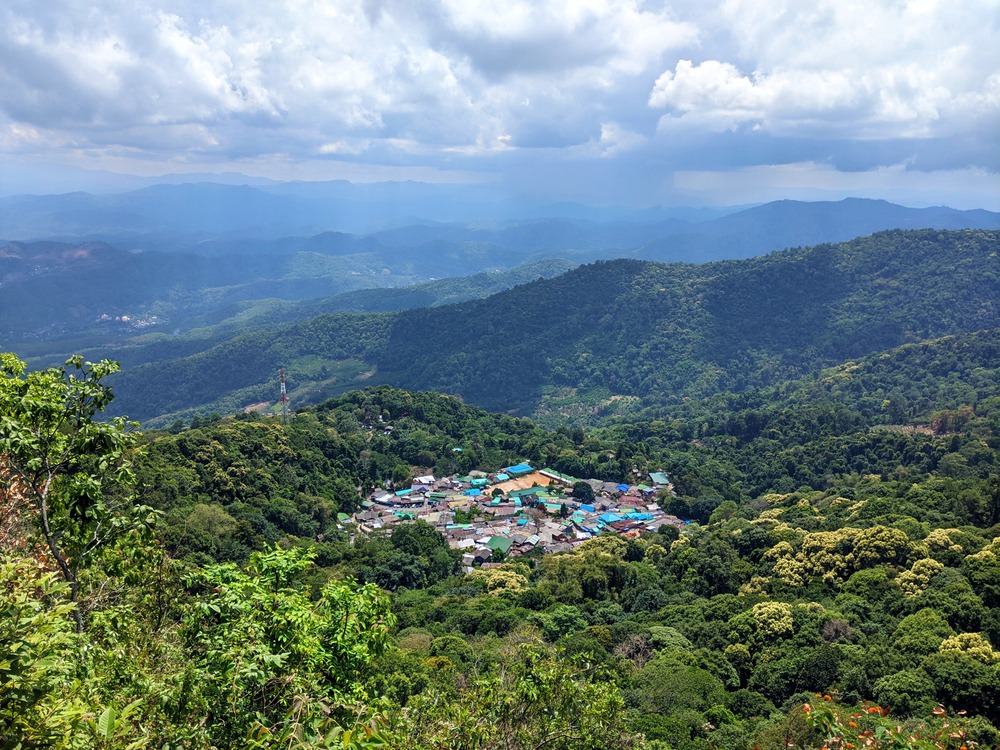
Just 11 km from Chiang Mai, the Hmong village of Doi Pui brings together an ethnographic museum, blooming gardens, tribal crafts and the gateway to Doi Suthep-Pui National Park.
Baan Tawai wood carving village
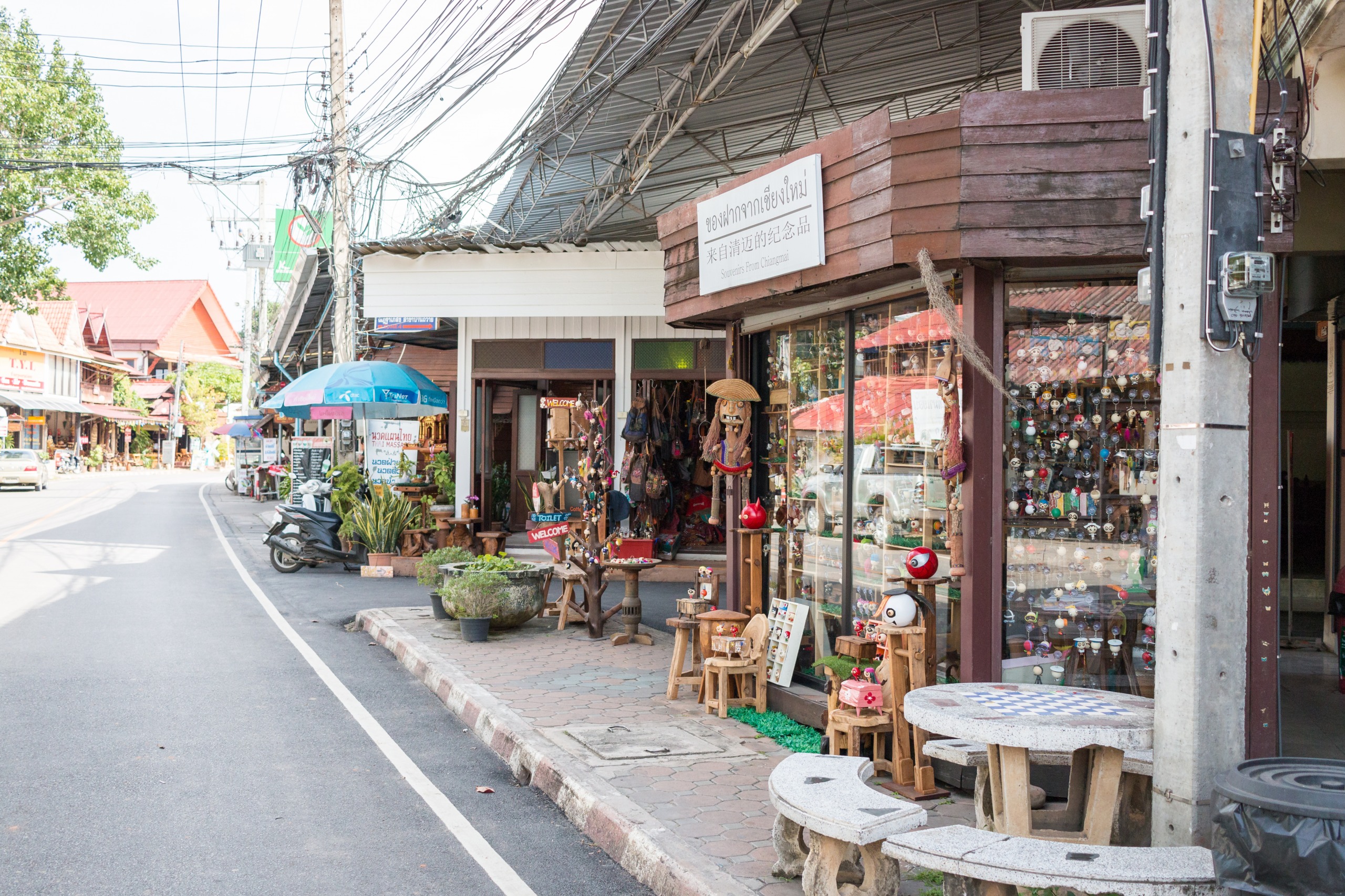
Just 16 km south of Chiang Mai, Baan Tawai brings together the wood carving workshops of northern Thailand in an open-access artisan village.
Interested in this visit?
We can include it in your personalised itinerary.