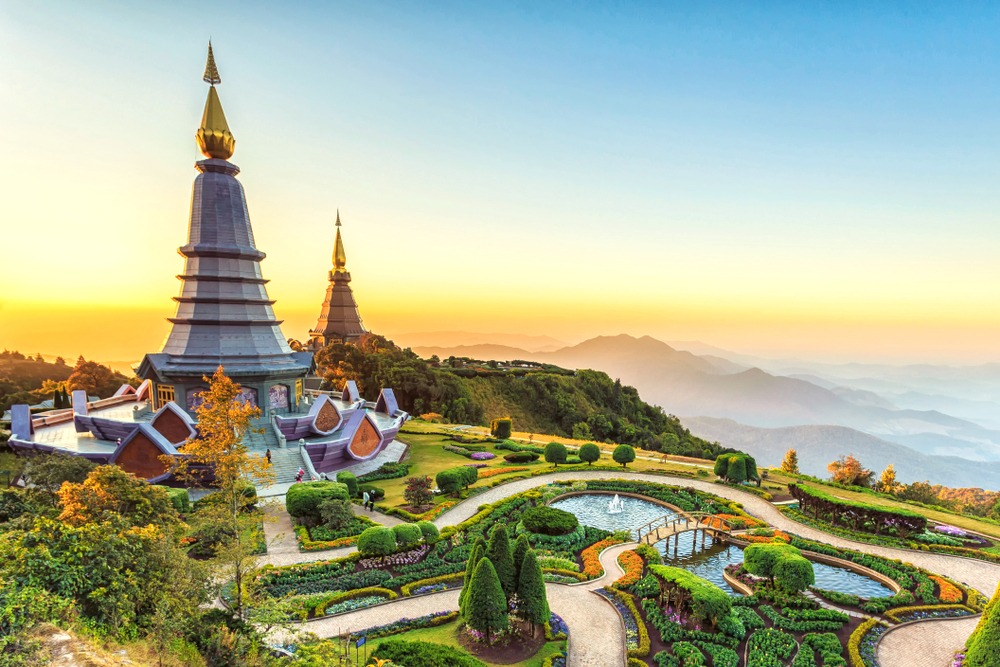
Queen Sirikit Botanical Garden
Queen Sirikit Botanical Garden
100 หมู่ 9 Tambon Mae Raem, Amphoe Mae Rim, Chang Wat Chiang Mai 50180, Thaïlande
Thailand's premier botanical garden, the Queen Sirikit site spans 1,000 hectares of themed glasshouses and trails just 30 minutes from Chiang Mai.
Around thirty kilometers north of Chiang Mai, Queen Sirikit Botanical Garden unfolds roughly 1,000 hectares of plant collections on the foothills of Doi Suthep. Thailand's first botanical garden, the site combines scientific research, conservation, and public trails, featuring a dozen themed glasshouses and a canopy walkway suspended 20 meters above the ground.
Why visit Queen Sirikit Botanical Garden
The garden stands out for the scale and consistency of its collections. While most urban parks in Chiang Mai revolve around a few ornamental beds, Sirikit functions as a true botanical center: themed zones, climate-controlled glasshouses, forest trails, and research laboratories coexist on the same estate. The visit appeals equally to plant enthusiasts and families seeking outdoor activity, somewhere between a light trek and a nature-themed park.
The altitude—the terrain rises gradually toward the ridges—provides a cooler climate than the Chiang Mai plains, making the site pleasant even in hot season. Allow half a day to cover the essentials, or a full day to explore the trails and museum.
Garden history and mission
The project launched in 1992 on terrain initially announced at 6,500 acres in the Doi Suthep mountains, near Mae Rim district. The objective: equip Thailand with a national center for studying, conserving, and presenting its flora—in a country where plant biodiversity had previously been less celebrated than fauna.
The site was originally named Mae Sa Botanical Garden. In 1994, it was renamed in honor of Queen Sirikit Kitiyakara, consort to King Rama IX and Queen Mother since 2016. The garden now falls under the supervision of the Ministry of Natural Resources and Environment, and remains Thailand's premier botanical garden by age and scientific scope. Its developed area now covers approximately 1,000 hectares.
What to see on-site
The Glasshouse Complex
This is the highlight of any visit. The complex groups together a dozen themed glasshouses arranged in tiers, accessible on foot from the main parking or via internal shuttle. Among the most striking:
- Savanna House: recreation of dry ecosystems with baobabs, euphorbias, and African succulents.
- Orchid House: collection of tropical orchids, including several endemic Southeast Asian species.
- Carnivorous Plant House: pitcher plants, sundews, and other trapping plants presented with their ecology.
- Glasshouses dedicated to aquatic plants, Thai medicinal plants, and ferns.
The Flying Draco Trail
Inaugurated in December 2015, this canopy walkway stretches 400 meters at roughly 20 meters above ground. Its glass-floored section offers a vertical reading of the forest, from understory to canopy. The path is accessible to all visitors and ranks among the visit's highlights, especially late morning when light filters through the canopy.
Trails, museum, and outdoor zones
Several marked hiking trails crisscross the wooded slopes around the glasshouses, with loops ranging from 30 minutes to 2 hours. A natural sciences museum complements the visit with exhibits on local geology, Thai flora, and ecosystem evolution. Outside, themed avenues (banana groves, rose gardens, tropical ornamental plants) can be explored by car, shuttle, or on foot depending on your time.
Practical information
- Visit duration: 2 to 4 hours for the highlights, a full day for the trails.
- Admission: paid entry at a moderate rate, half-price for children. Additional charge if entering with a vehicle.
- Hours: open daily during daylight; check current hours before departing.
- On-site: internal shuttle, café, shop, paid parking.
- Good to know: wear sturdy shoes, bring water, and carry a lightweight windbreaker for the Flying Draco Trail.
When to visit
The cool season, November through February, remains the most comfortable period: mild temperatures, low humidity, clear skies over the surrounding mountains. This is also when temperate blooms (roses, azaleas, rhododendrons) are most generous in the higher-altitude zones.
From March to May, the plains heat is more pronounced but the garden remains relatively pleasant thanks to its elevation. The rainy season (June to October) greens the canopy and feeds waterfalls, but bring an umbrella and favor morning visits.
How to get there
The garden lies in Mae Rim district, roughly 27 km northwest of Chiang Mai—about thirty minutes by road. Several options:
- Red songthaew from Chiang Mai: economical, negotiable at departure; ask for a round-trip rate with wait time on-site.
- Taxi or Grab: faster and more comfortable; arrange a return vehicle as services are infrequent.
- Motorbike rental: the road is good and the route scenic; an international driving permit is recommended.
- Organized tour from Chiang Mai, often combined with other Mae Sa valley sites.
Nearby attractions
The Mae Rim region and Doi Suthep foothills concentrate several complementary sites:
- Wat Phra That Doi Suthep, an iconic temple perched above Chiang Mai.
- Wat Pha Lat, a forest sanctuary accessible via a pilgrimage trail.
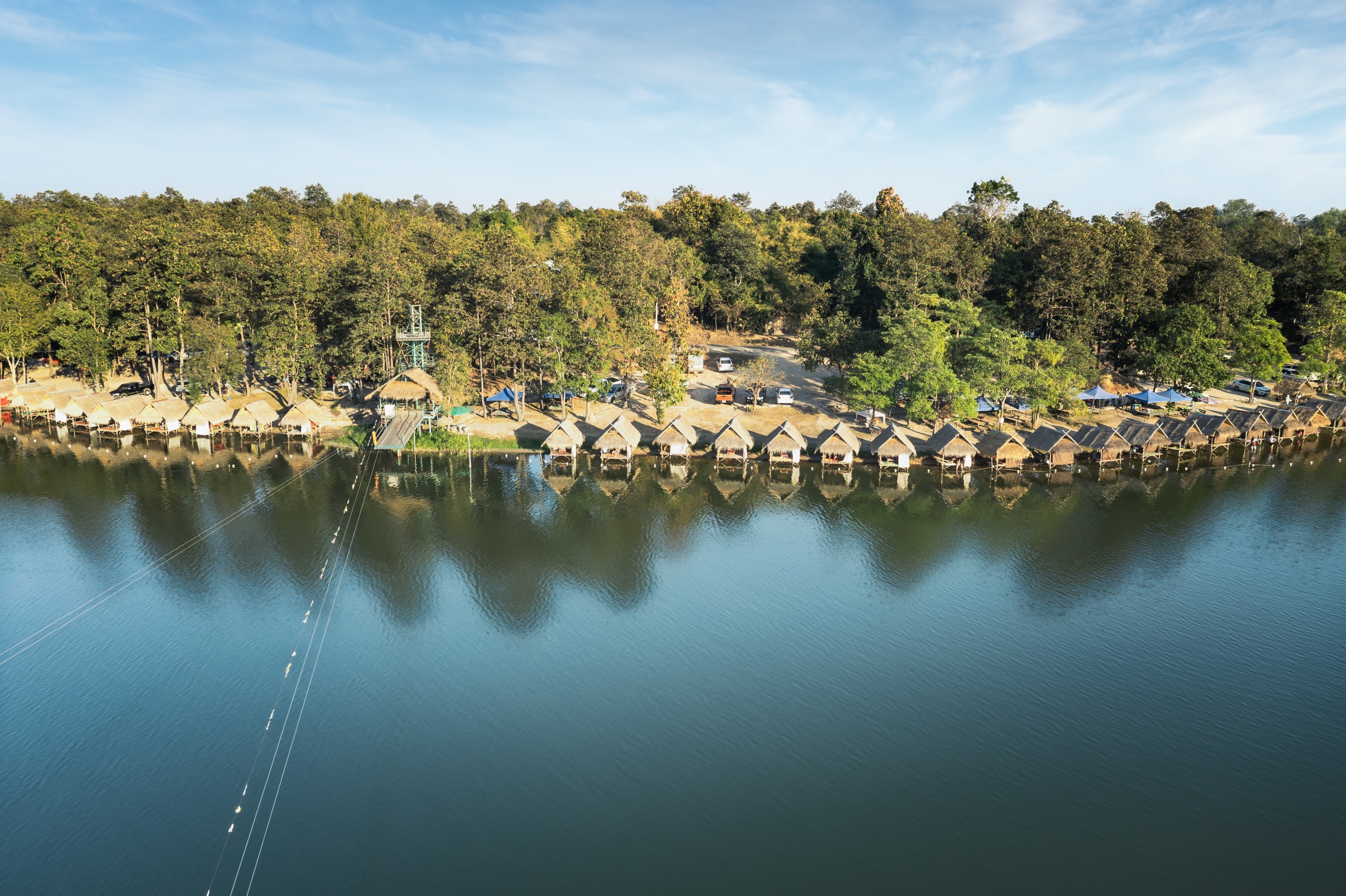
- Huay Tung Tao Lake, a recreation hub at the mountain's base.
Frequently asked questions
Allow 2 to 4 hours for the highlights (Glasshouse, Flying Draco Trail, themed avenues) and a full day if you wish to explore the hiking trails and museum.
The cool season, November through February, offers the best balance between climate comfort and blooms. The rainy season is greener but unpredictable.
No direct bus line exists. The simplest options are a red songthaew negotiated from Chiang Mai, taxi/Grab, motorbike rental, or an organized tour.
Yes, the site is designed for motorized visits given its size. An internal shuttle also exists to reach main areas from the parking lot.
The garden has a café, souvenir and plant shop, restrooms, and parking. Still, bring water for outdoor trails.
To incorporate this visit into a broader itinerary across northern Thailand, explore our Thailand travel suggestions.
Photos
Nearby
Also discover
Hmong Doi Pui
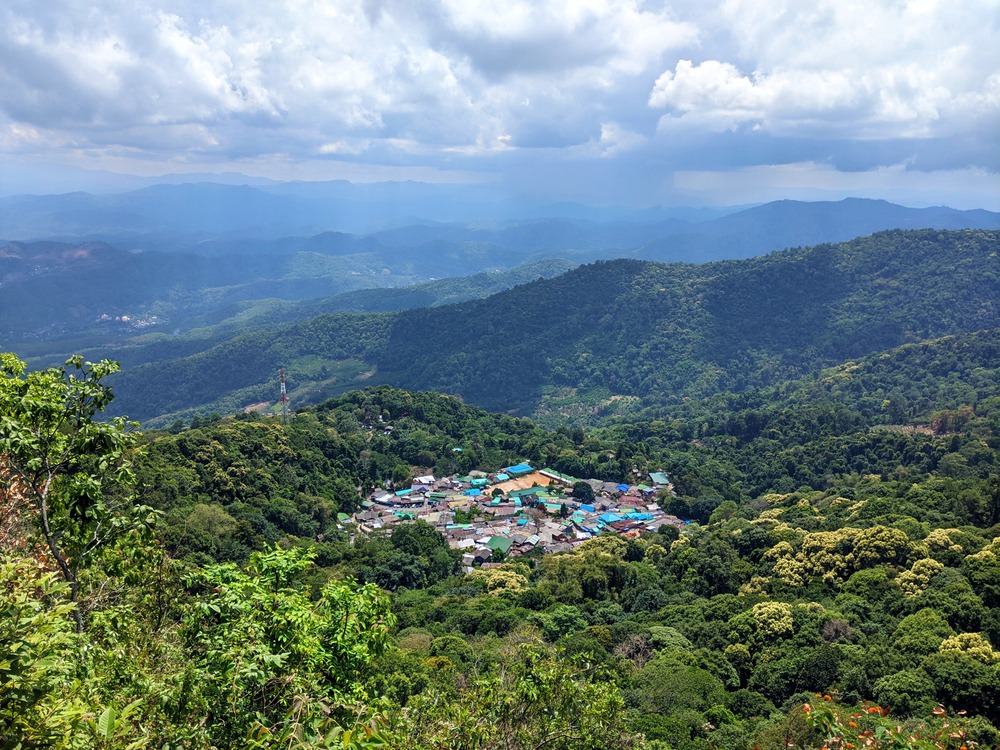
Just 11 km from Chiang Mai, the Hmong village of Doi Pui brings together an ethnographic museum, blooming gardens, tribal crafts and the gateway to Doi Suthep-Pui National Park.
Wat Phra That Doi Suthep
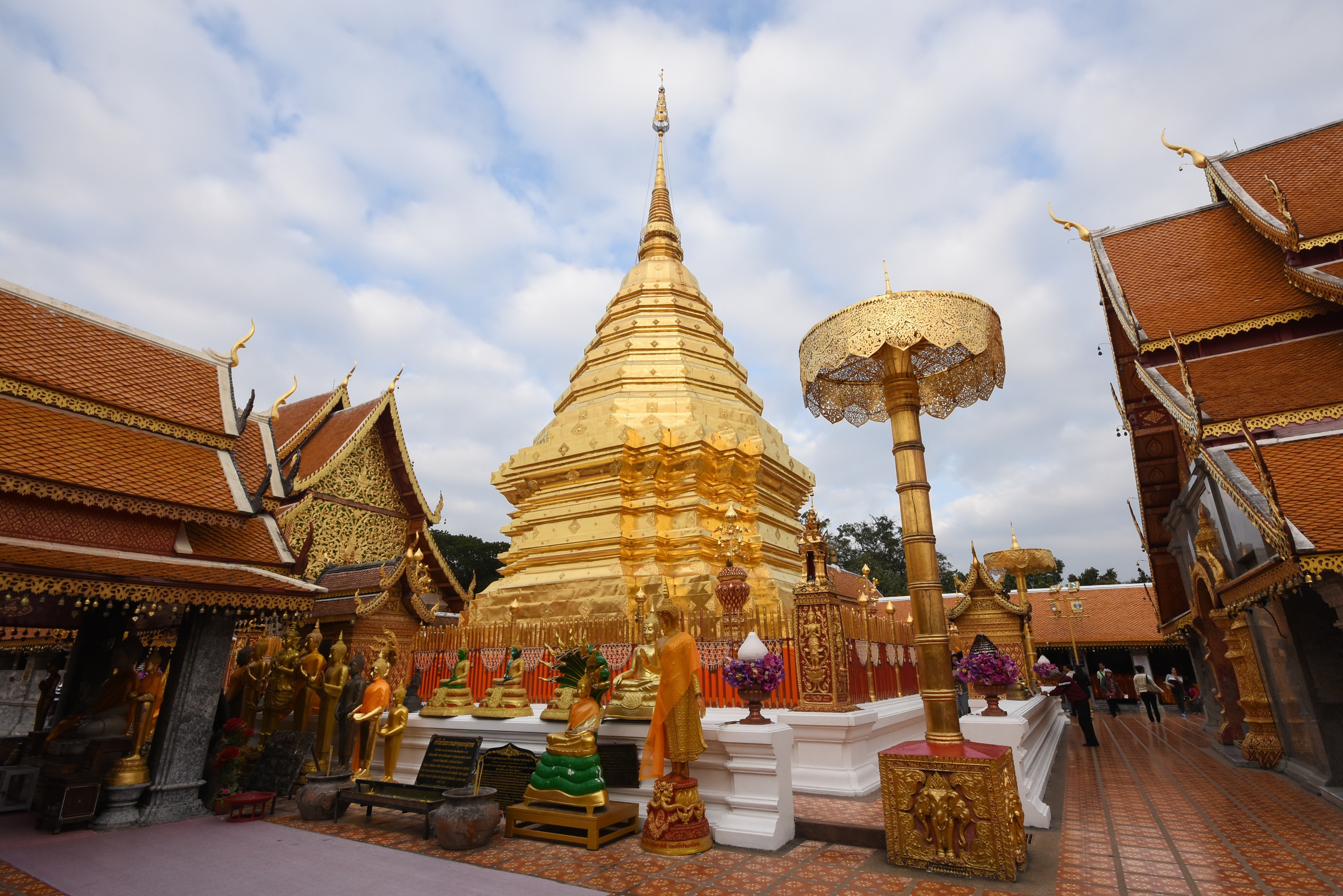
Perched at 1,073 meters above Chiang Mai, Wat Phra That Doi Suthep encompasses six centuries of Lanna art around a golden chedi and a founding legend.
Wat Pha Lat
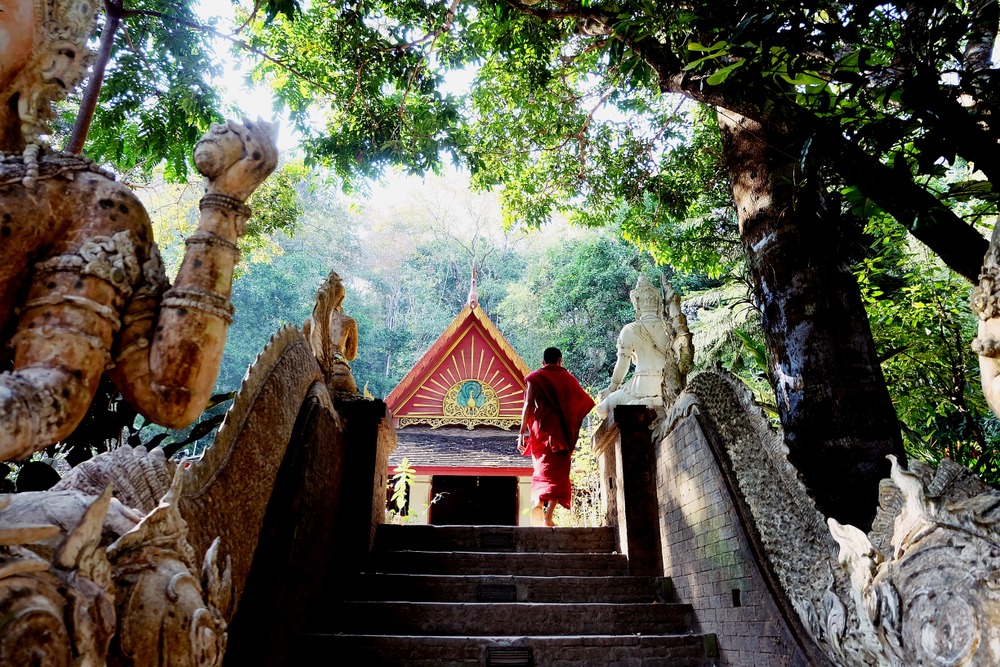
A forest temple founded in 1386 on the slopes of Doi Suthep, accessible from Chiang Mai via the Monk's Trail. Complete visitor's guide.

Chiang Mai Zoo
At the foot of Doi Suthep, Chiang Mai Zoo brings together 400 species, a Panda House and marine and freshwater tunnel aquariums across 80 hectares.
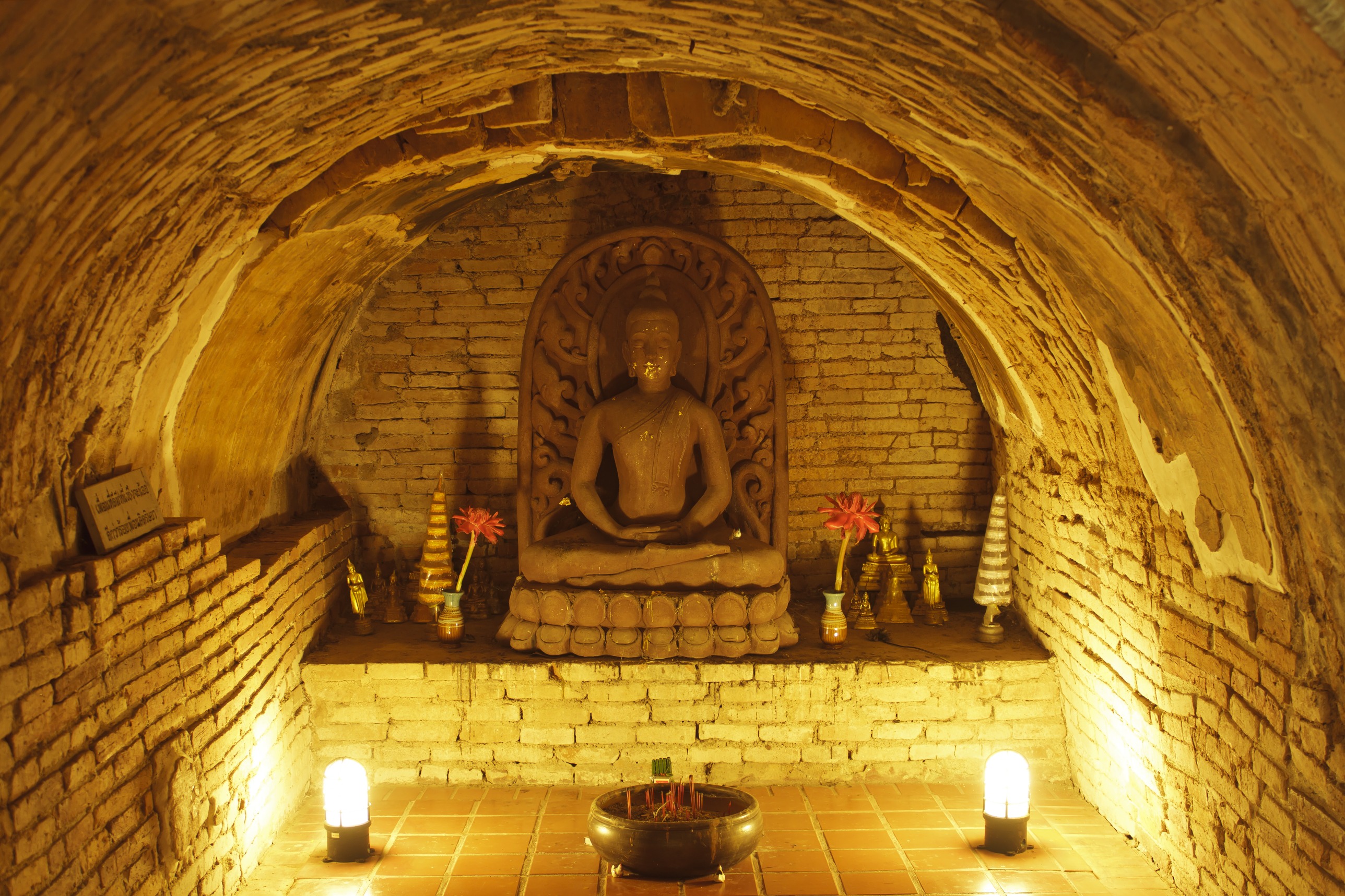
Wat Umong
On the outskirts of Chiang Mai, Wat Umong stands apart with its underground tunnels dating from the 13th century and a forest park dedicated to Buddhist meditation.
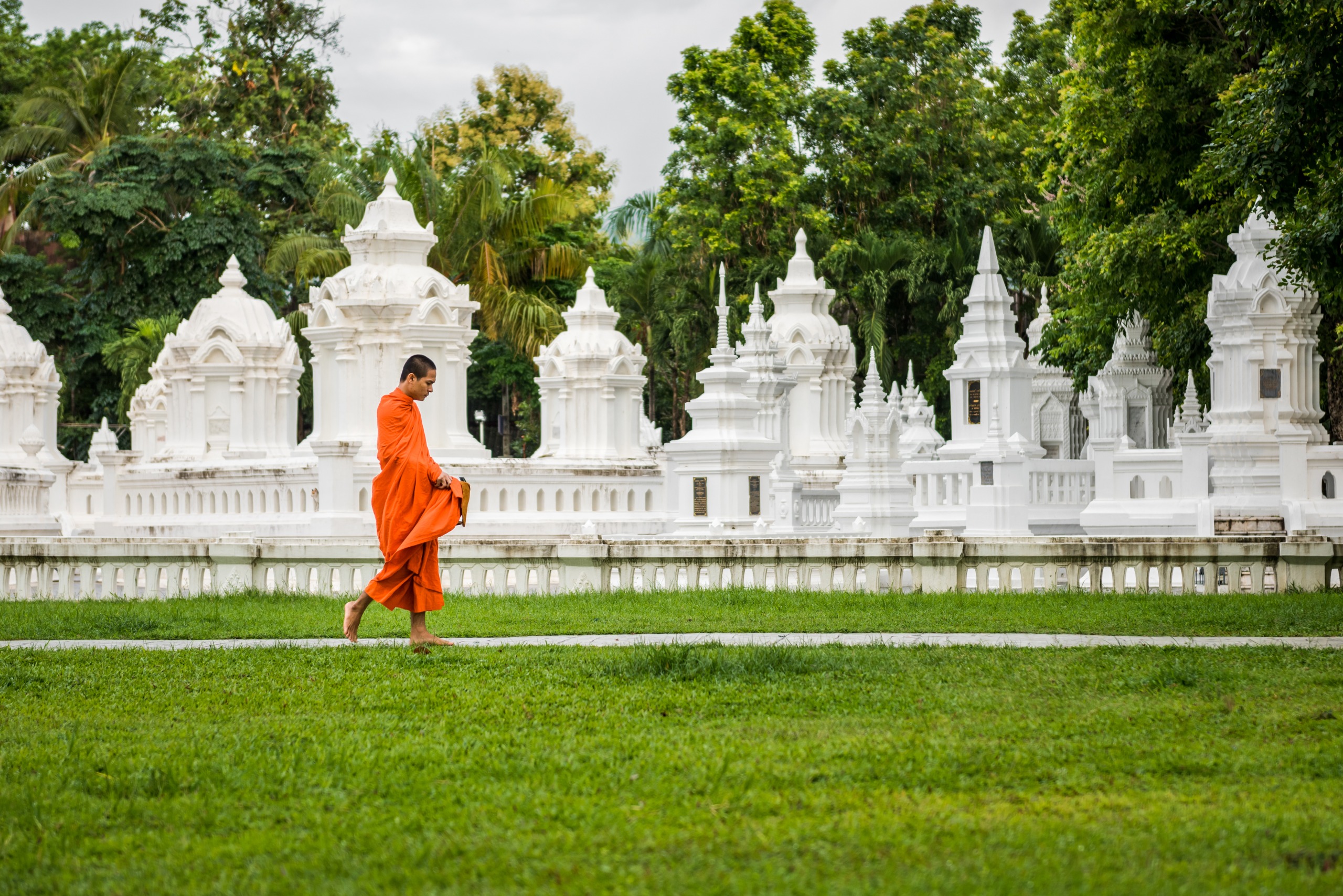
Wat Suan Dok
A 14th-century Lanna temple in Chiang Mai, Wat Suan Dok brings together a Sri Lankan-style chedi, a royal cemetery and an exchange program with monks.
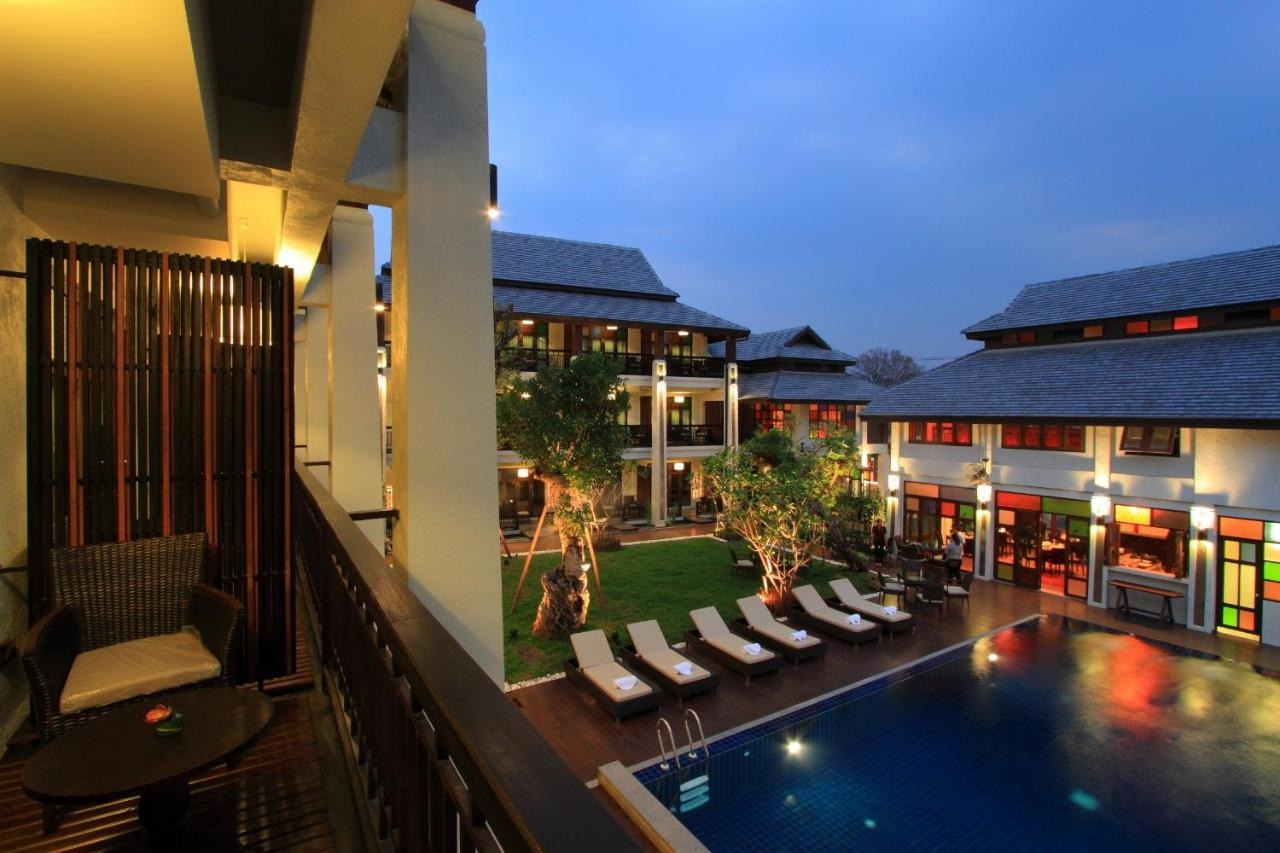
De Lanna Hotel
4-star hotel in the historic Sri Phum district of Chiang Mai, featuring a pool and spa. Walking distance to the main sites of the old town center.
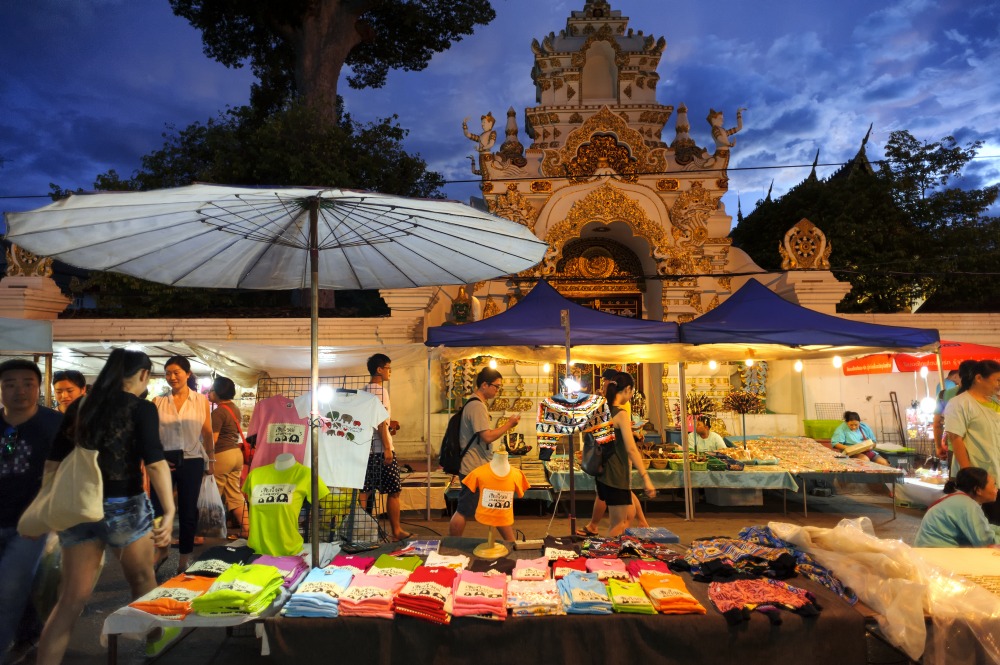
Chiang Mai
Chiang Mai is an unmissable destination during a Thailand trip. With its historic monuments, rich culture and natural attractions, the Rose of the North will captivate you.
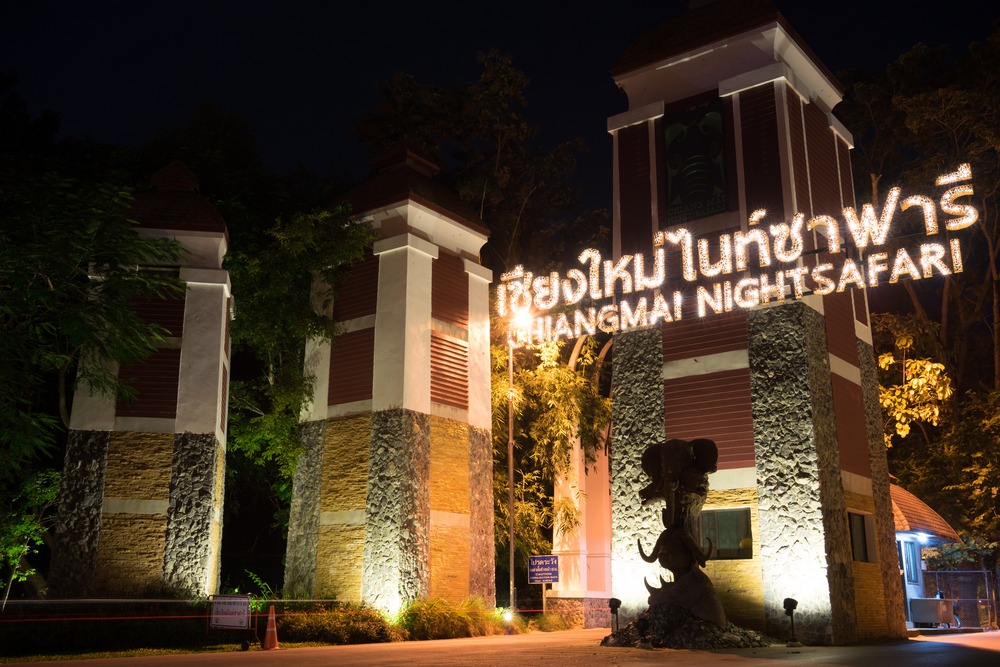
Chiang Mai Night Safari
A 130-hectare nocturnal zoo opened in 2006 just 12 km from Chiang Mai, Night Safari houses nearly 2,000 animals spread across three themed circuits.
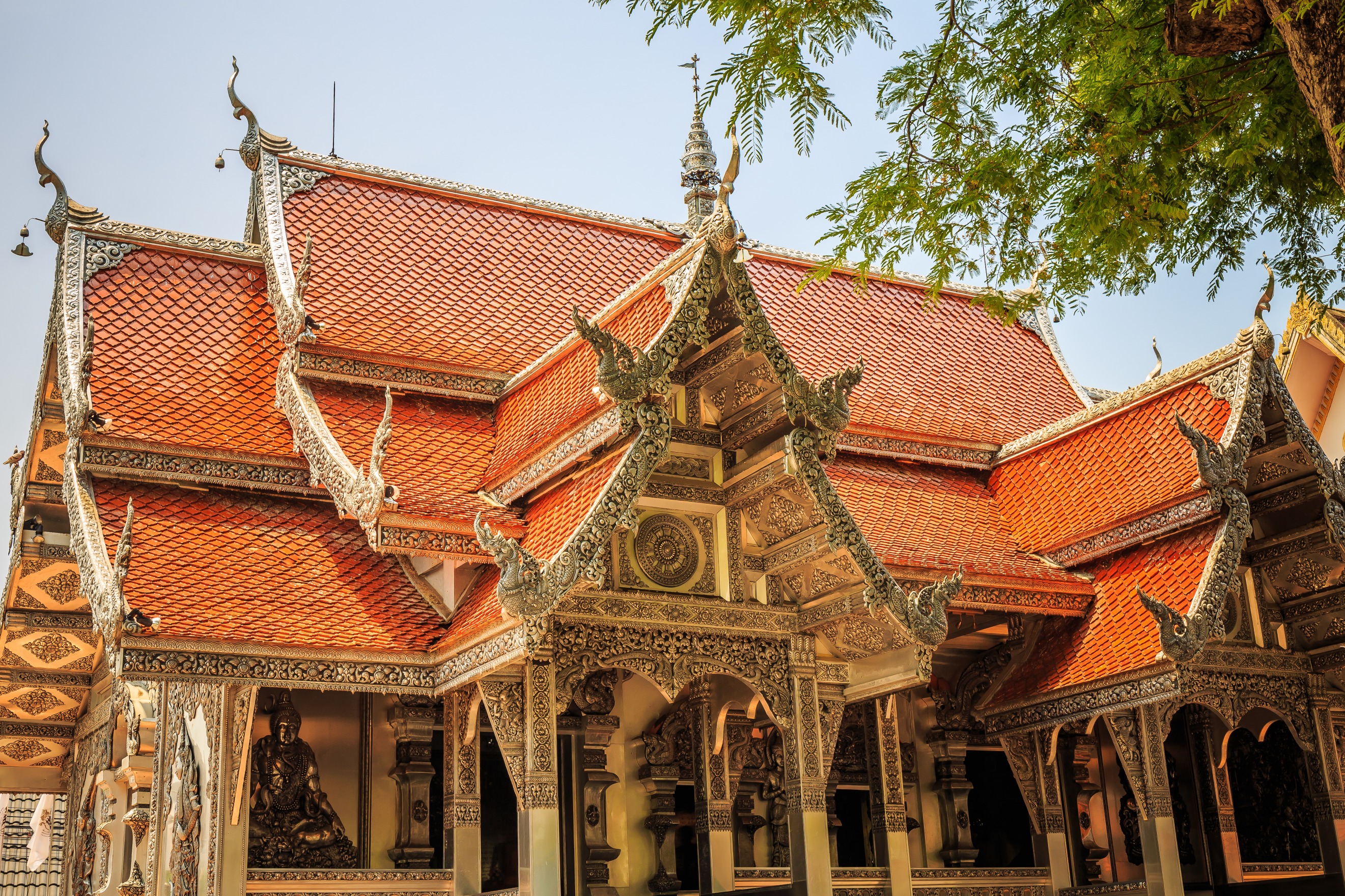
Wat Sri Suphan (Silver Temple)
South of Chiang Mai's old city, Wat Sri Suphan stands out for its ubosot covered entirely in silver, a creation of the silversmiths from the Wualai neighborhood.
Interested in this visit?
We can include it in your personalised itinerary.