Mae Rim
Mae Rim
Mae Rim, Province de Chiang Mai, Thaïlande
Just 30 minutes from Chiang Mai, Mae Rim combines a botanical garden, Huay Tung Tao Lake, northern hill tribe villages and elephant sanctuaries at the foot of Doi Suthep.
About thirty minutes north of Chiang Mai, the Mae Rim district brings together forests, rice fields and mountain terrain at the foot of Doi Suthep. This countryside welcomes botanical gardens, lakes, tribal villages and wildlife sanctuaries, making it a popular day trip from the capital of the North.
Why visit Mae Rim
Mae Rim offers a change of pace after the bustle of Chiang Mai. The district brings together several complementary attractions within a small radius: a large national botanical garden, Huay Tung Tao recreational lake, plantations, waterfalls and communities of Hmong, Karen, Akha, Lisu and Lahu people settled on the hillsides. It's also recognized terrain for light hiking, cycling and nature watching, accessible without complex logistics.
History
The Mae Rim region has long been inhabited by several groups from the northern highlands — Hmong, Karen, Akha, Lisu and Lahu — who maintain their languages, costumes and textile craftsmanship to this day.
The official creation of the Mae Rim district dates back to 1874, in the years following the signing of the Bowring Treaty (1855). This treaty, which opens Thailand to international trade, accelerates the administrative reorganization of the kingdom. Mae Rim was then under the authority of Chiang Mai. When the latter was integrated as a province into Siam, Mae Rim was elevated to the status of autonomous district in 1914, a status it retains today.
What to see and do in Mae Rim
Queen Sirikit Botanical Garden
Thailand's first national botanical garden, it extends over several hundred hectares on the foothills of Doi Suthep. The visit follows a route by car or shuttle that serves thematic greenhouses (carnivorous plants, orchids, desert plants, humid tropical forest), arboretum and endemic flora collections. The canopy walkway, suspended several meters above the forest, allows you to walk at canopy level and offers a clear view of the valley. Allow half a day to see the essentials. For an in-depth discovery, consult our dedicated page on the Queen Sirikit Botanical Garden.
Huay Tung Tao Lake
This artificial lake at the foot of Doi Suthep is where Chiang Mai residents gather on weekends. Bamboo huts border the shoreline and allow you to lunch with your feet in the grass. On site, you can rent bicycles, pedal boats, kayaks or quads, swim in the designated area and pitch a tent at the camping grounds. Amid neighboring rice fields, three monumental straw sculptures representing King Kong have become a very popular photo subject; they are rebuilt each season. All practical information can be found on the Huay Tung Tao Lake page.
Elephant Sanctuaries
Mae Rim is home to several facilities that welcome elephants, including Maesa Elephant Camp. If you wish to interact with these animals, choose ethical sanctuaries that have eliminated elephant rides and shows, focusing instead on observation, feeding and bathing in freedom. Research the program in advance: the mention « no-riding, no-show » has become a standard for responsible facilities in northern Thailand.
Northern Hill Tribe Villages
Several Hmong, Karen or Lisu villages can be visited in the heights of the district. The experience is more respectful when guided by a local guide capable of introducing visit protocols and providing direct compensation to communities. Craft markets offer embroidered textiles, silver jewelry and coffee grown on neighboring slopes.
Practical Information
- Duration of visit: one day to combine botanical garden and Huay Tung Tao Lake; two days to add an elephant sanctuary and a village.
- Admission: each site applies its own entry fee, generally moderate for public sites (botanical garden, lake) and higher for private sanctuaries.
- To bring: closed-toe shoes for the canopy and trails, lightweight covering clothing, water, sun protection and insect repellent.
- Cash: many small shops and stalls do not accept cards.
When to visit
The cool season, from November to February, is the most comfortable: dry days, mild temperatures, sometimes cool evenings at altitude — bring a fleece jacket. From March to May, heat sets in and air quality deteriorates due to agricultural burning in the North, particularly in March-April. The rainy season, from June to October, sees vegetation at its greenest and waterfalls flowing; showers are mostly concentrated in late afternoon.
How to get there
Mae Rim is about thirty minutes north of central Chiang Mai via Route 107. The typical options:
- Rental car or scooter from Chiang Mai: the most flexible solution for visiting multiple sites in the district.
- Songthaew (red shared pickup) from Warorot Market: economical but less flexible.
- Taxi or Grab for a one-way trip.
- Organized day excursion, which combines botanical garden, elephant sanctuary and tribal village with transport included.
To reach Chiang Mai from abroad, Chiang Mai International Airport is served daily from Bangkok and several Asian capitals.
Nearby attractions
- Wat Phra That Doi Suthep: the iconic temple perched on the mountain that overlooks Chiang Mai.
- Wat Pha Lat: forest temple accessible via the monks' trail, halfway up Doi Suthep.
- Chiang Mai Zoo: located at the foot of Doi Suthep, on the route between the city and Mae Rim.
Frequently asked questions
Frequently asked questions
Allow approximately 30 minutes by car or taxi from central Chiang Mai via Route 107.
The cool season, from November to February, offers the most pleasant conditions. Avoid if possible March-April, marked by heat and pollution from agricultural burning.
Yes, a developed camping area is located by the lake. Tent rental is generally available on site.
The district is home to Hmong, Karen, Akha, Lisu and Lahu communities, each with its own traditions, textile craftsmanship and distinctive dwellings.
No. For animal welfare, choose « no-riding, no-show » sanctuaries that focus on observation, feeding and bathing.
To incorporate Mae Rim and northern Thailand into a wider itinerary, consult our Thailand trips.
Photos
Nearby
Also discover
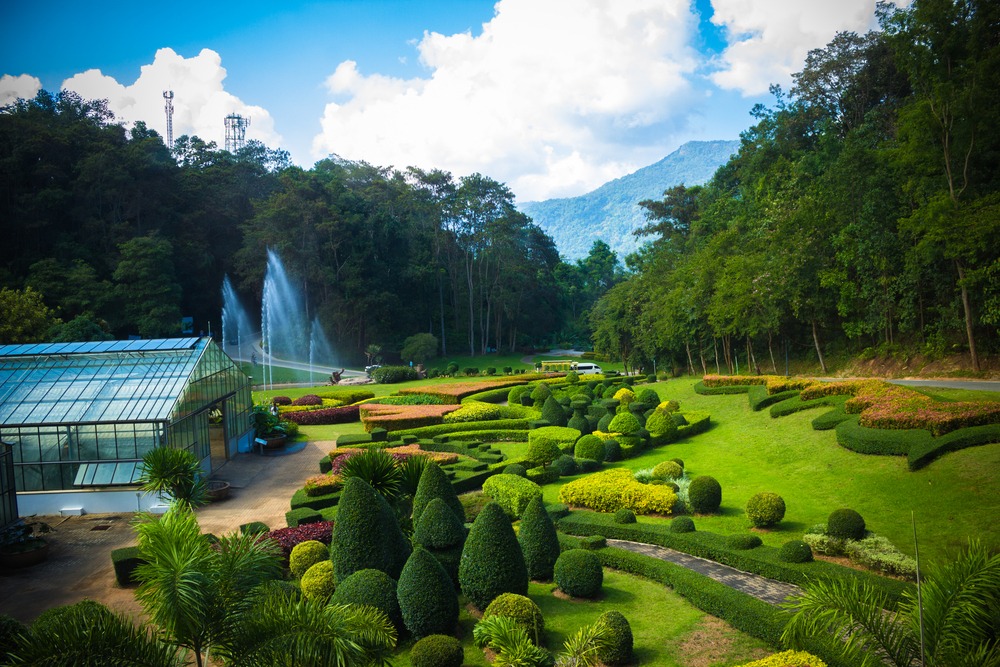
Queen Sirikit Botanical Garden
Thailand's premier botanical garden, the Queen Sirikit site spans 1,000 hectares of themed glasshouses and trails just 30 minutes from Chiang Mai.
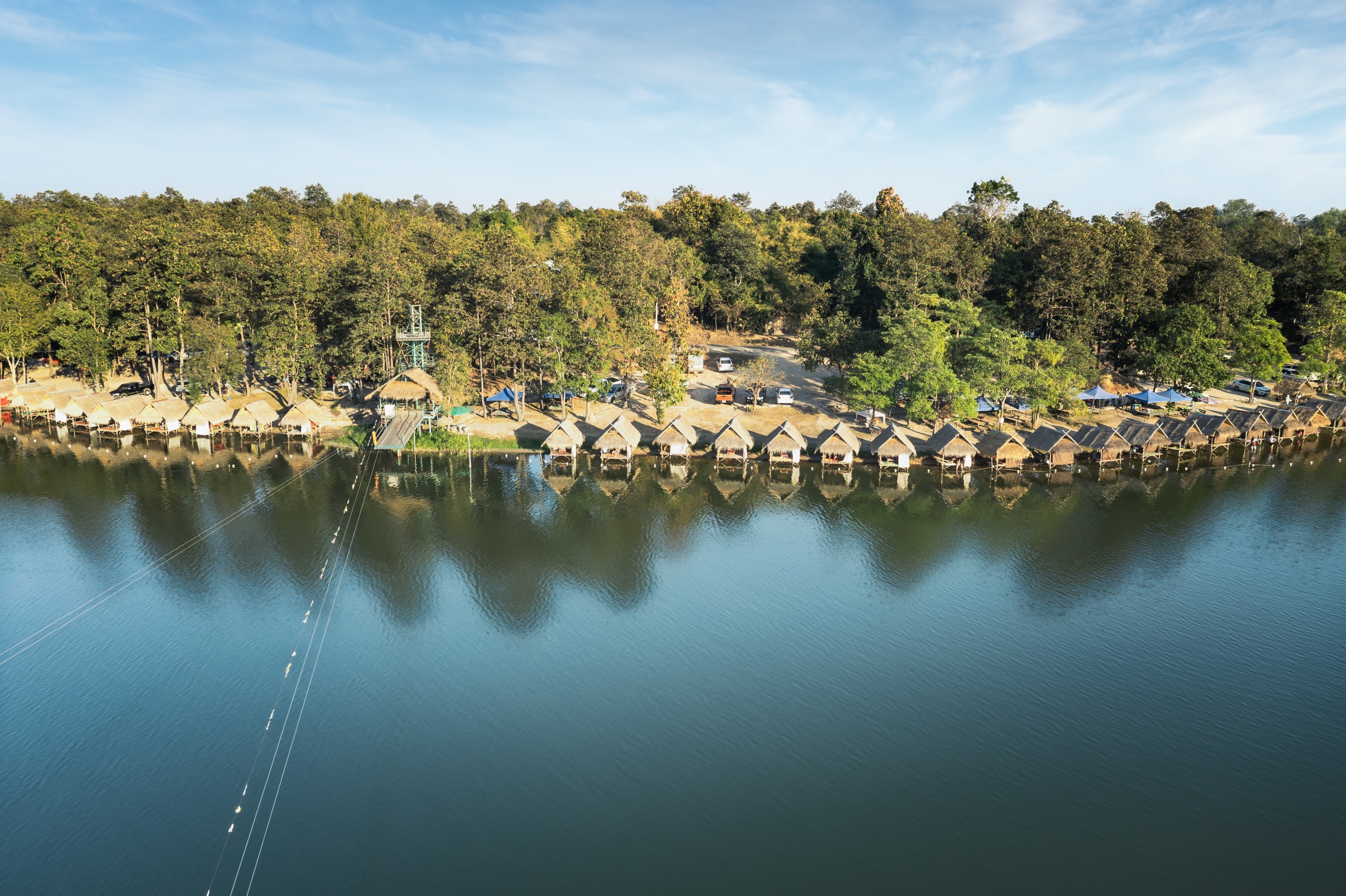
Huay Tung Tao Lake
Just 15 km from Chiang Mai, Huay Tung Tao Lake combines floating bungalows, swimming, a 4 km trail and bird watching at the foot of Doi Suthep.
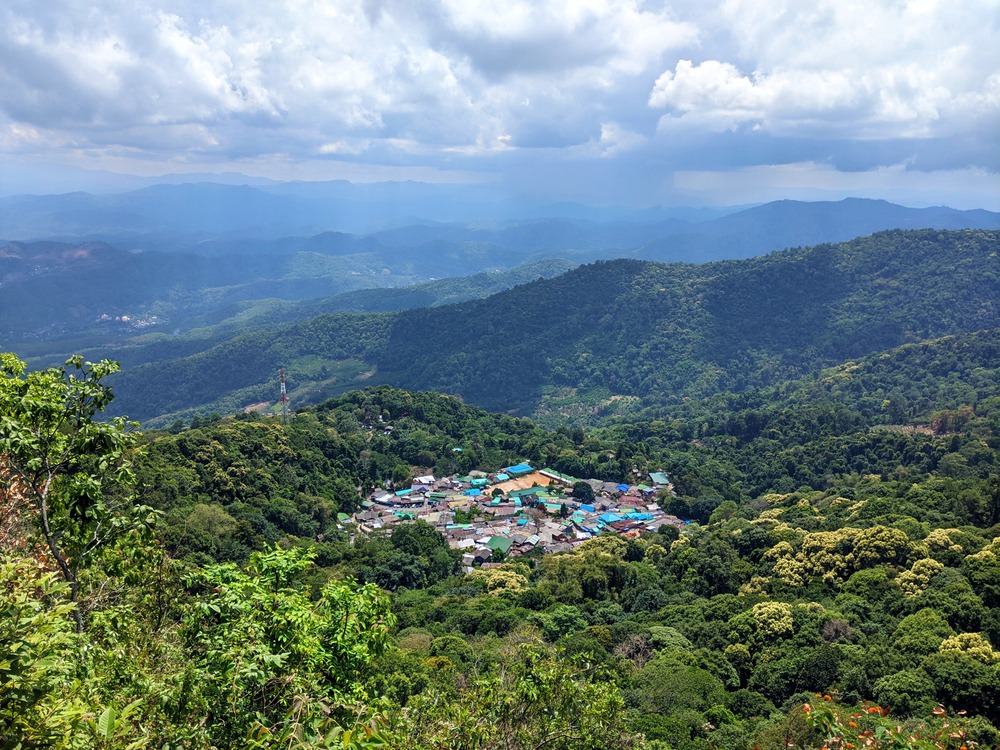
Hmong Doi Pui
Just 11 km from Chiang Mai, the Hmong village of Doi Pui brings together an ethnographic museum, blooming gardens, tribal crafts and the gateway to Doi Suthep-Pui National Park.
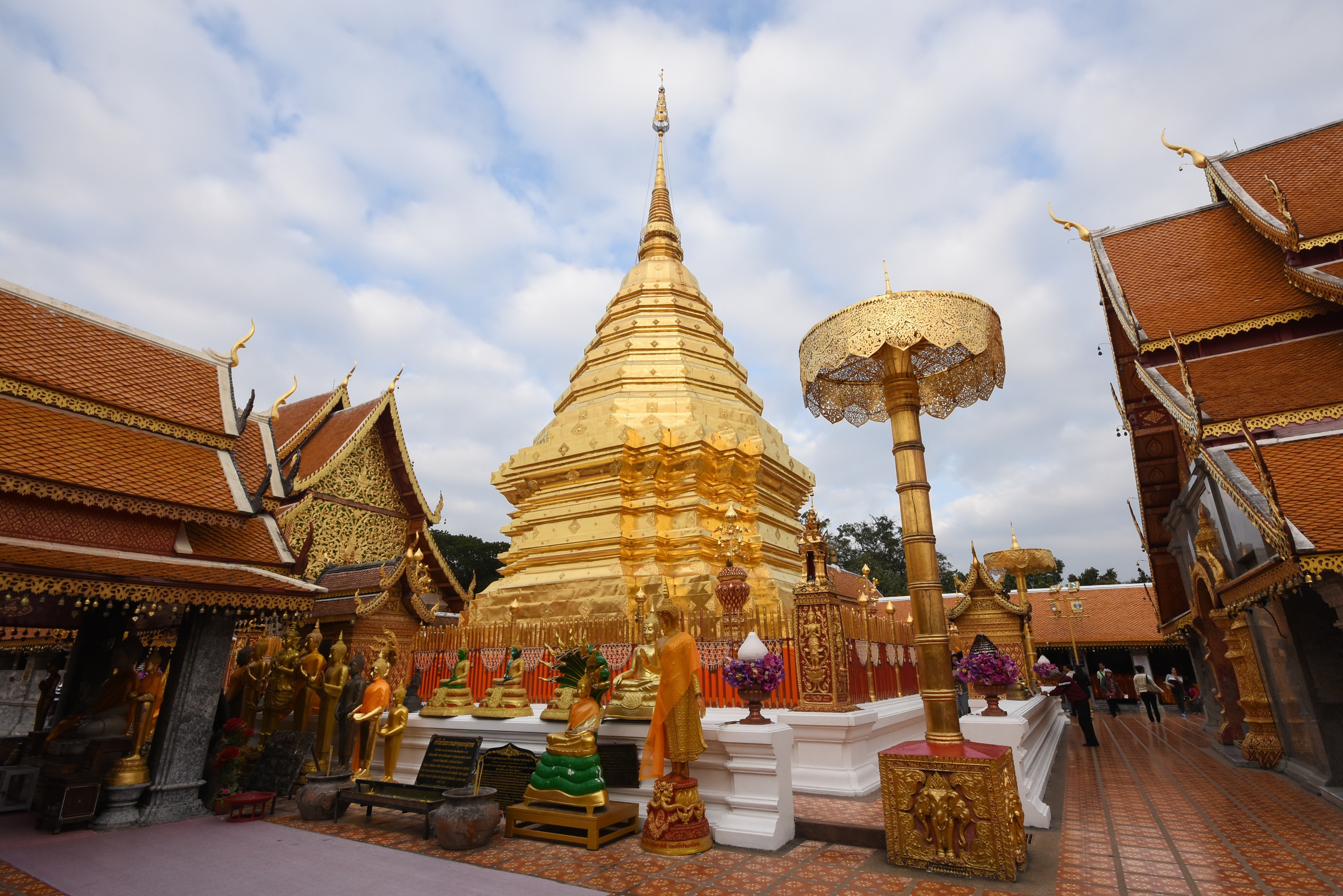
Wat Phra That Doi Suthep
Perched at 1,073 meters above Chiang Mai, Wat Phra That Doi Suthep encompasses six centuries of Lanna art around a golden chedi and a founding legend.

Chiang Mai Zoo
At the foot of Doi Suthep, Chiang Mai Zoo brings together 400 species, a Panda House and marine and freshwater tunnel aquariums across 80 hectares.
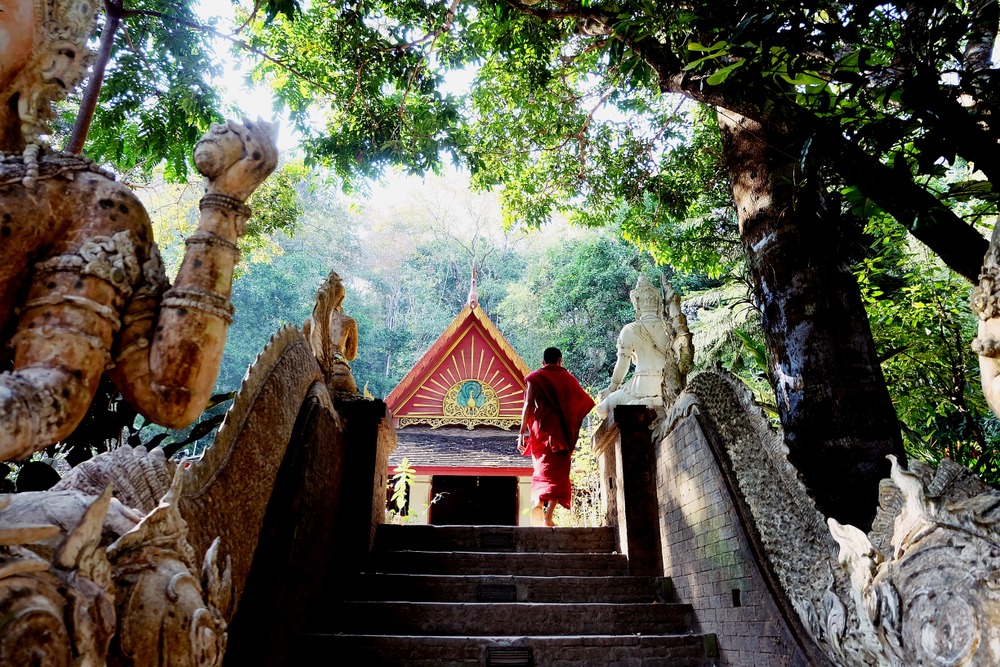
Wat Pha Lat
A forest temple founded in 1386 on the slopes of Doi Suthep, accessible from Chiang Mai via the Monk's Trail. Complete visitor's guide.
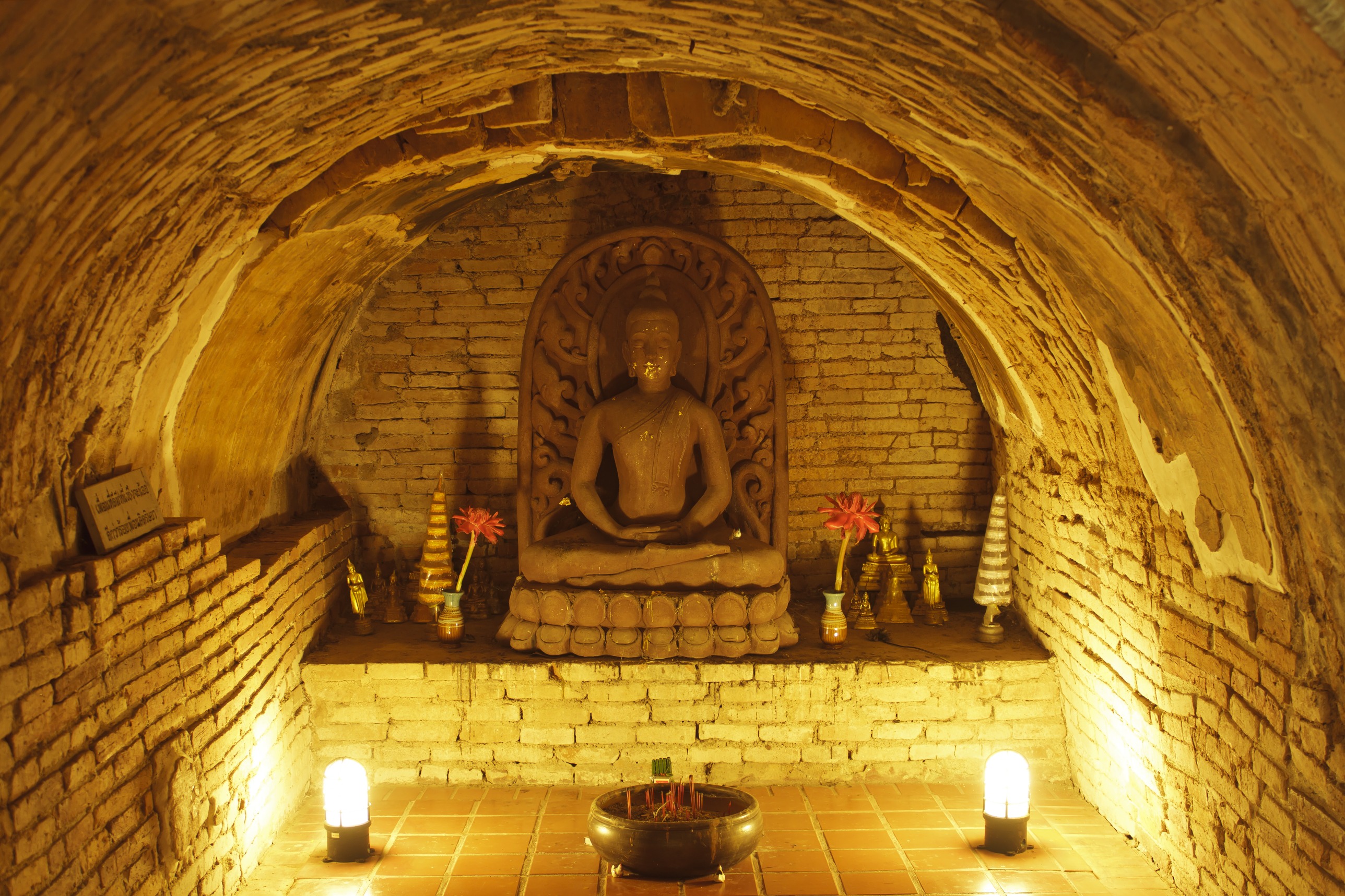
Wat Umong
On the outskirts of Chiang Mai, Wat Umong stands apart with its underground tunnels dating from the 13th century and a forest park dedicated to Buddhist meditation.
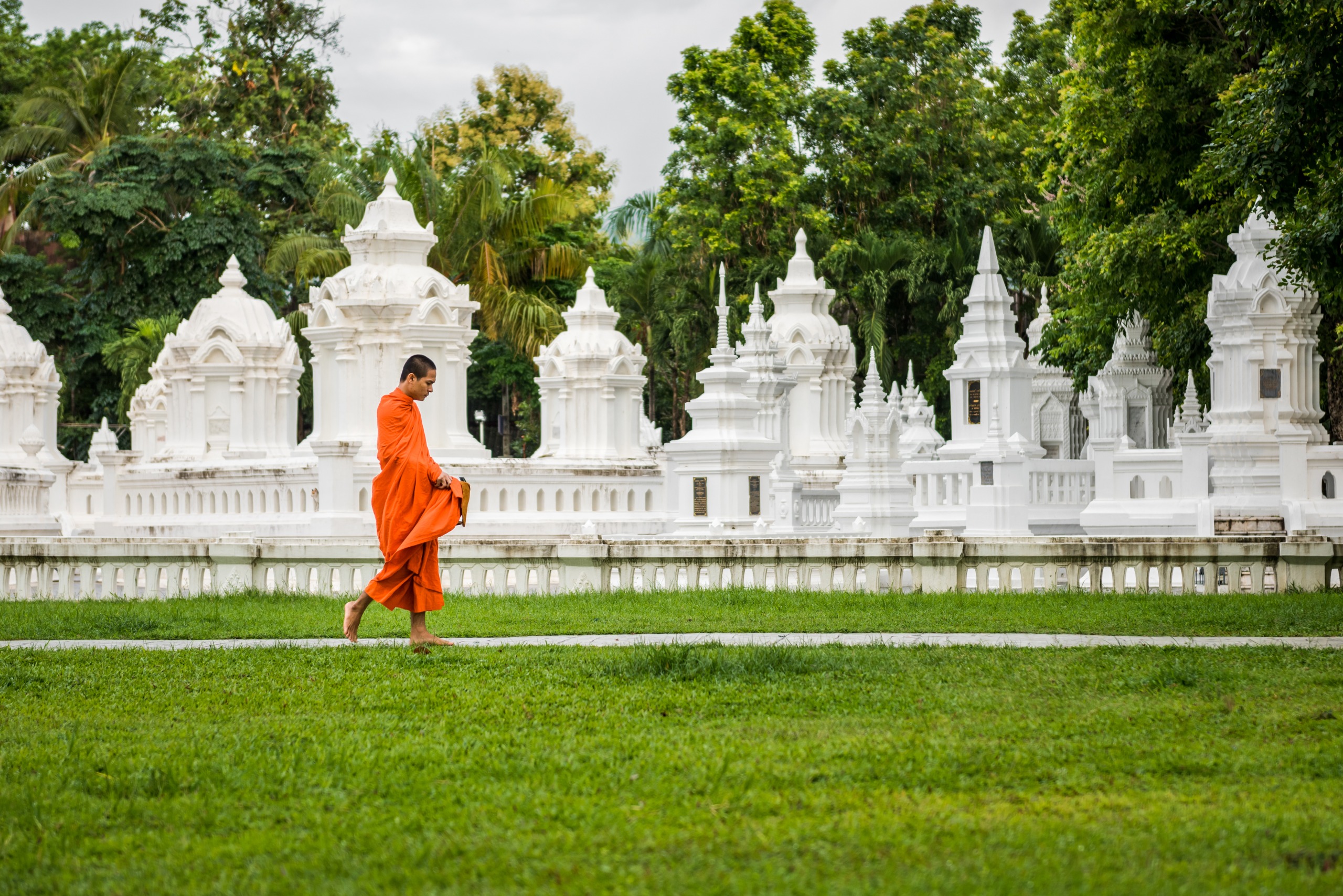
Wat Suan Dok
A 14th-century Lanna temple in Chiang Mai, Wat Suan Dok brings together a Sri Lankan-style chedi, a royal cemetery and an exchange program with monks.
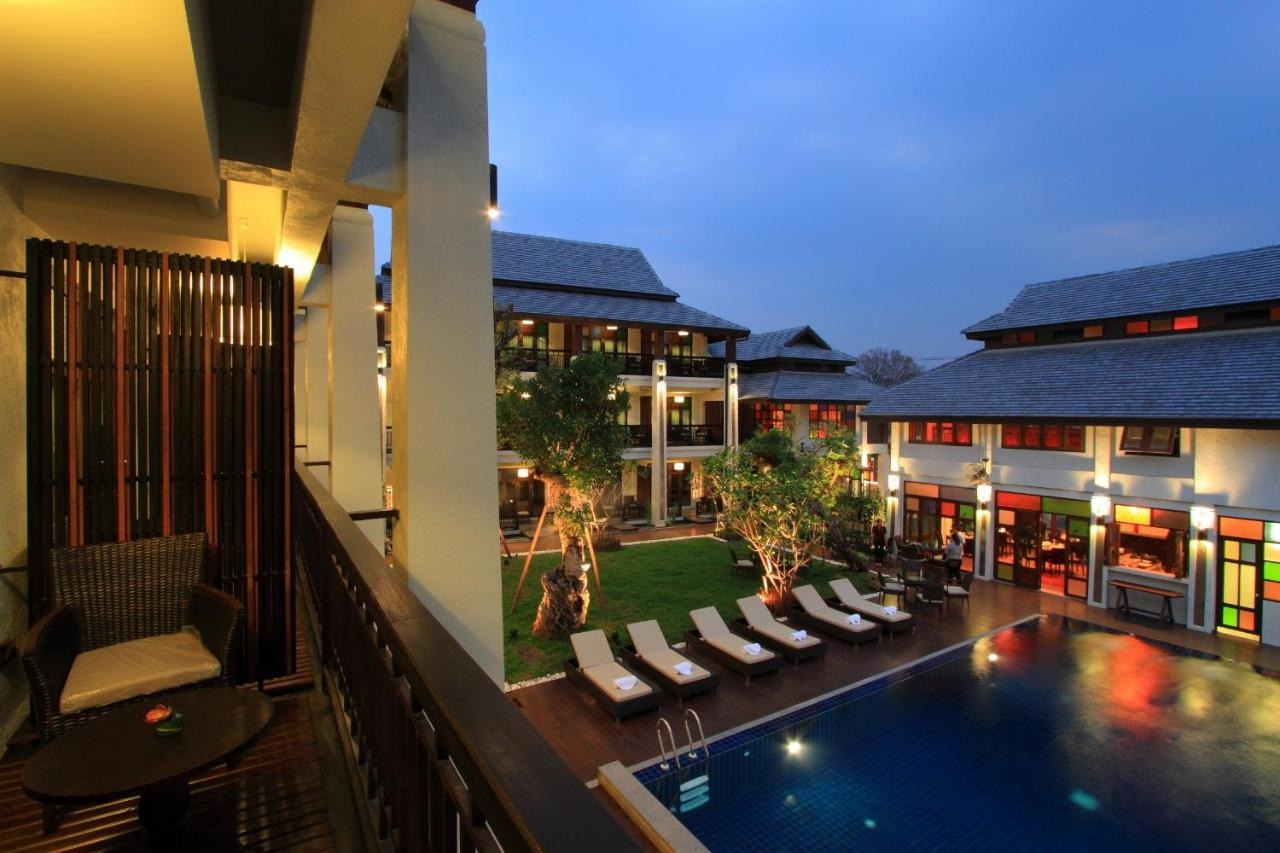
De Lanna Hotel
4-star hotel in the historic Sri Phum district of Chiang Mai, featuring a pool and spa. Walking distance to the main sites of the old town center.
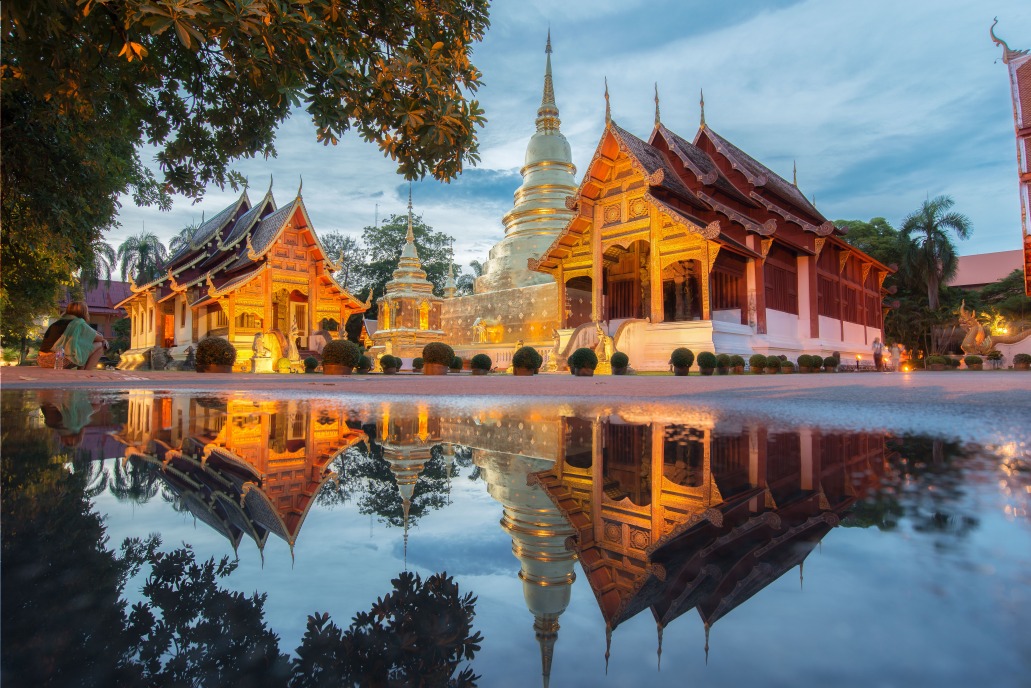
Wat Phra Singh
Founded in 1345 in the old city of Chiang Mai, Wat Phra Singh houses a venerated Buddha statue and exemplifies the pinnacle of Lanna architecture.
Interested in this visit?
We can include it in your personalised itinerary.