Yasothon
Yasothon
A discreet capital of Isan, Yasothon ignites each mid-May for the Bun Bang Fai, the famous rocket festival. Temples, legends and traditions await you.
Yasothon, a small provincial capital in northeastern Thailand, lives to the rhythm of Isan: endless rice fields, peaceful temples and animist traditions still very much alive. Discreet eleven months a year, the city blazes each mid-May for the Bun Bang Fai, the famous festival of rockets that asks the rain gods for moisture. Between the legend of the frog prince, jasmine rice from Thung Kula Rong Hai and the picturesque architecture of Ban Sing Tha district, Yasothon offers an authentic immersion far from the beaten path.
Yasothon at a Glance
Region | Isan (northeastern Thailand) |
Distance from Bangkok | ≈ 530 km (10 hours by bus) |
Nearest Airport | Ubon Ratchathani (100 km) |
Ideal Duration | 1 to 2 days, 3 days during the festival |
Best Time to Visit | November to February (dry season), mid-May for Bun Bang Fai |
Specialty | Thung Kula Rong Hai jasmine rice, mango jam |
Must-See | Bun Bang Fai rocket festival, Phaya Thaen park |
Why Visit Yasothon?
Far from the crowded beaches of the south and the packed temples of Chiang Mai, Yasothon embodies a different Thailand. One of villages where artisans still weave bamboo baskets by hand, of markets where Laotian is spoken as much as Thai, of temples where monks welcome the rare visitors with curiosity.
The city is distinguished above all by its Bun Bang Fai festival, one of the most spectacular events in Southeast Asia. For three days, handmade rockets several meters tall are propelled skyward to awaken the rain god. A tradition centuries old, rooted in the legend of the frog prince Phaya Khankhak.
History and the Legend of the Frog Prince
The city was established at the initiative of Phra Sunthon Ratchawong Sa, the first administrator of the Yasothon division. In Thailand, beliefs and religions give rise to customs deeply embedded in daily life: in Yasothon, the population remains predominantly animist, and frogs hold a central place in local imagination.
According to legend, the frog prince Phaya Khankhak battled the rain god Phaya Thaen for the salvation of the inhabitants. The clashes resulted in a compromise between the two adversaries. Defeated, the deity agreed to water the earth with rain whenever Yasothon's residents send special signals skyward.
From this legend was born the rocket festival, as well as the Phraya Khan Khak Museum, a building shaped like a giant frog that houses the city's history and beliefs.
The Bun Bang Fai Festival, Jewel of Isan Culture
Around mid-May, Yasothon organizes an exceptional festival to honor Phaya Thaen, who awaits rocket blasts to bring rain at the time of planting cycles. The festivities last three days and attract visitors from across Thailand.
Day 1: Preparation and Ritual at Chao Pu
The first day is marked by a ritual honoring Chao Pu, the protective spirit of the city. It is a time of preparation: final adjustments are meticulously made to the handmade rockets and floats.
Day 2: Parades and Decorated Floats
On the second day, dancers in ceremonial costumes and elegantly decorated floats take to the streets. The finest rockets are displayed for public viewing. Food is abundant and musicians electrify audiences with the rhythms of molam, the traditional music of Isan.
Day 3: Launch of Giant Rockets
On the third day, handmade rockets are launched from special ramps. Some measure more than 9 meters and reach several hundred meters in height. The event is followed by competitions and ordination rituals for monks.
What to Do in Yasothon?
Phaya Thaen Public Park
Built in honor of the rain god of Isan, this park is the epicenter of local tourism. It is here that the rocket festival is celebrated each year, along with the water festival and the Buddhist New Year (Songkran). The Than River shapes the landscape, and wooded and flowered gardens invite leisurely strolls.
The park is home to the Phraya Khan Khak Museum, a building shaped like a giant frog that chronicles Yasothon's history and customs. On the banks of the Huai Thuan stands Phaya Naga, a structure in the form of a mythical serpent, the spirit of water. Just beside it, on a concrete esplanade, are life-sized dolls with striking finishes.
Sanctuaries of the City
Wat Mahathat Yasothon
This richly decorated temple is one of the most important religious sites in the province. In its courtyard stands the Chedi Phra That Anon, a pagoda that houses the relics of Ananda, one of Buddha's ten most favored disciples.
Wat Si Thammaram
Known for its Chedi Museum, this sanctuary captivates with imposing Naga sculptures at its entrance. The temple houses a unique object of worship: the statue of Buddha Phra Suk.
Wat Tung Sawang Chaiyaphum
Located at the city center, this square-shaped sanctuary was built around 1825 to honor the Laotian ruler Phraya Ratchasupawadi. A place of contemplation and offering, it testifies to the region's Laotian heritage.
San Chao Po Lak Muang Yasothon
Built in 1987, this city pillar shrine is a balanced blend of Chinese, Thai and Laotian architecture. Sculptures, pavilions, stupas and ornaments reflect the cultural diversity of Isan bordering Laos.
Muniti Ruam Samakhi
Erected in honor of the Muniti Foundation, this spiritual center stands out for its vibrant colors and intricate patterns. Dragon statues and murals adorn roofs and facades. Inside, a gilded Buddha statue in dhyāni-mudrā pose occupies the central place.
The Historic Ban Sing Tha District
At the heart of the city, Ban Sing Tha preserves picturesque Sino-Thai architecture in wood and stucco, a legacy of Chinese merchants who settled in the 19th century. Old shops, quiet cafés and artisan galleries line peaceful streets. It is the best place to capture Yasothon's soul outside of temples.
Additional Activities
Wander the city streets and chat with locals, who are frank and welcoming.
Savor Isan specialties in small bistros: som tam (papaya salad), larb, sticky rice and Yasothon's famous mango jam.
Picnic on the vast beaches along the Chi River during the dry season.
Taste jasmine rice from the Thung Kula Rong Hai plain, considered Thailand's finest.
Around Yasothon
Temples and Places of Worship
Wat Si That, a stilt sanctuary.
Phra That Kong Khao Noi and its square stupa.
Wat Lat Kao, the glass bottle temple.
Wat Sa Trainurak and its original library.
Wat Ku Chan and its precious relics.
The Catholic Church of Ban Song Yae, a solid wood building in Thai style.
Wat Thung i Ok, the floating sanctuary.
Artisan Villages
Ban Si Than, village of triangular pillows (mon khwan).
Ban Thung Nang Ok and Ban Na Samai, villages of woven bamboo baskets.
Natural Site
The Phu Tham Phra cave, which houses monumental Buddha statues carved into the rock.
When to Visit Yasothon?
Yasothon experiences three seasons typical of Isan: dry, hot and rainy.
November to February: cool and dry season, pleasant temperatures (20-30°C). Ideal period to visit temples, artisan villages and explore the region on foot or by bike.
March to May: hot season, temperatures reaching 38-40°C. Mid-May marks the Bun Bang Fai festival, a unique cultural experience well worth the heat.
June to October: rainy season, heavy showers but often brief in late afternoon. Lush landscapes, flooded rice fields, but travel sometimes slowed.
Another religious celebration enlivens the city in February or March: the garland festival, during which Buddhists celebrate Buddha's return to earth. Temples adorn themselves with rice garlands decorated with flowers and pearls.
Who Is It For?
Cultural travelers: the frog prince legend, Laotian temples and the rocket festival offer unique exploration.
Photographers: vibrant colors of Bun Bang Fai, architecture of Ban Sing Tha, rice paddies of Thung Kula Rong Hai.
Slow travelers: Yasothon lends itself to a leisurely pace, meeting artisans and monks.
Those curious about authentic Isan: for those who have already seen Bangkok and Chiang Mai and seek a different Thailand.
Not recommended for: travelers seeking nightlife or well-developed tourist infrastructure.
Where to Stay in Yasothon?
Accommodation options remain modest, in keeping with the city's character. Here are the available types:
Family guesthouses (€15-30/night): run by locals, often in the city center. Simple comfort, air conditioning, warm welcome. Ideal for chatting with residents.
Mid-range hotels (€40-80/night): a few establishments offer modern rooms, pool and Thai breakfast. Good option for the festival.
Boutique hotels (€80-130/night): rare but available, mainly near Phaya Thaen park or Ban Sing Tha district.
During Bun Bang Fai, accommodations fill up months in advance. Book from January-February if you plan to attend.
Insider Tips
Bun Bang Fai Festival: position yourself near the Than River on the third day to see the rockets up close. Consider earplugs—the launches are deafening.
Tuk-tuk Bargaining: fares are always negotiable before boarding. Expect 50-80 baht for a ride in town.
Local Jasmine Rice: bags sold in Yasothon markets are among the country's finest. An ideal gift to bring home.
Mango Jam: an underrated specialty to taste in small shops downtown, perfect on bread or mixed into yogurt.
Language: English is rarely spoken. A few Thai (or Laotian) words are greatly appreciated. An offline translator will be useful.
Temple Attire: shoulders and knees covered, shoes removed before entering.
How to Get to Yasothon?
Located in the eastern part of Isan, the city remains accessible despite its distance from Bangkok.
By Bus from Bangkok
Buses depart from Mo Chit 2 bus station very early in the morning. Expect about 10 hours of travel and 400 to 600 baht depending on class (VIP recommended for comfort).
By Air via Ubon Ratchathani
Several daily flights connect Bangkok to Ubon Ratchathani (1 hour flight). From there, a bus reaches Yasothon in 2 hours (100 km). The fastest option.
By Train + Bus
The train from Bangkok serves Ubon Ratchathani or Khon Kaen. Continue by bus to Yasothon. A longer but more scenic journey.
Getting Around Yasothon
The city center is easily walkable. For more distant sites, several options:
Songthaew: shared pickups, 15-30 baht per trip in town.
Tuk-tuk: convenient for the center, negotiate before departure (50-100 baht).
Taxi: limited availability; Grab app available but with limited coverage.
Motorcycle rental: 200-300 baht/day, ideal for exploring artisan villages and nearby temples.
Car rental: 800-1200 baht/day, recommended for exploring the province independently.
Google Maps works well in the region. Download offline maps before excursions.
Also Discover
Ubon Ratchathani: the major city of eastern Isan, 100 km away, an air gateway and cultural hub.
Nakhon Phanom: a riverside city on the Mekong, famous for its That Phanom.
Khong Chiam: confluence of the Mekong and Mun, the "two-colored river."
Khon Kaen: the academic and cultural capital of central Isan.
Phu Kradung National Park: a highland plateau popular for hiking.
Nong Khai: another Mekong riverside stop with Franco-Laotian charm.
To plan your complete Isan itinerary, our local expert from Sawa Discovery agency guides you in designing a bespoke journey.
Frequently asked questions
The Bun Bang Fai festival typically occurs around mid-May and lasts 3 days. It is the ideal time to visit Yasothon, but book accommodation several months in advance.
You can take a bus from Mo Chit 2 bus station (10 hours, 400-600 baht) or fly to Ubon Ratchathani then take a bus (100 km, 2 hours). Flying is the fastest option.
Don't miss Phaya Thaen park, the frog-shaped Phraya Khan Khak Museum, the Wat Mahathat and Wat Si Thammaram temples, as well as the historic Ban Sing Tha district.
1 to 2 days suffice to visit the city and its temples. Plan at least 3 days if attending the Bun Bang Fai festival to fully enjoy all three days of festivities.
November to February for cool temperatures and dry weather. Mid-May for the rocket festival, despite the heat. Avoid June to October if you fear heavy rains.
Yes, Phaya Thaen park offers playgrounds and a fun frog-shaped museum. Nearby artisan villages (bamboo baskets, triangular pillows) will interest children too.
Thung Kula Rong Hai jasmine rice (some of Thailand's finest), mango jam, triangular pillows from Ban Si Than and woven bamboo baskets from Ban Thung Nang Ok.
Photos
Also discover
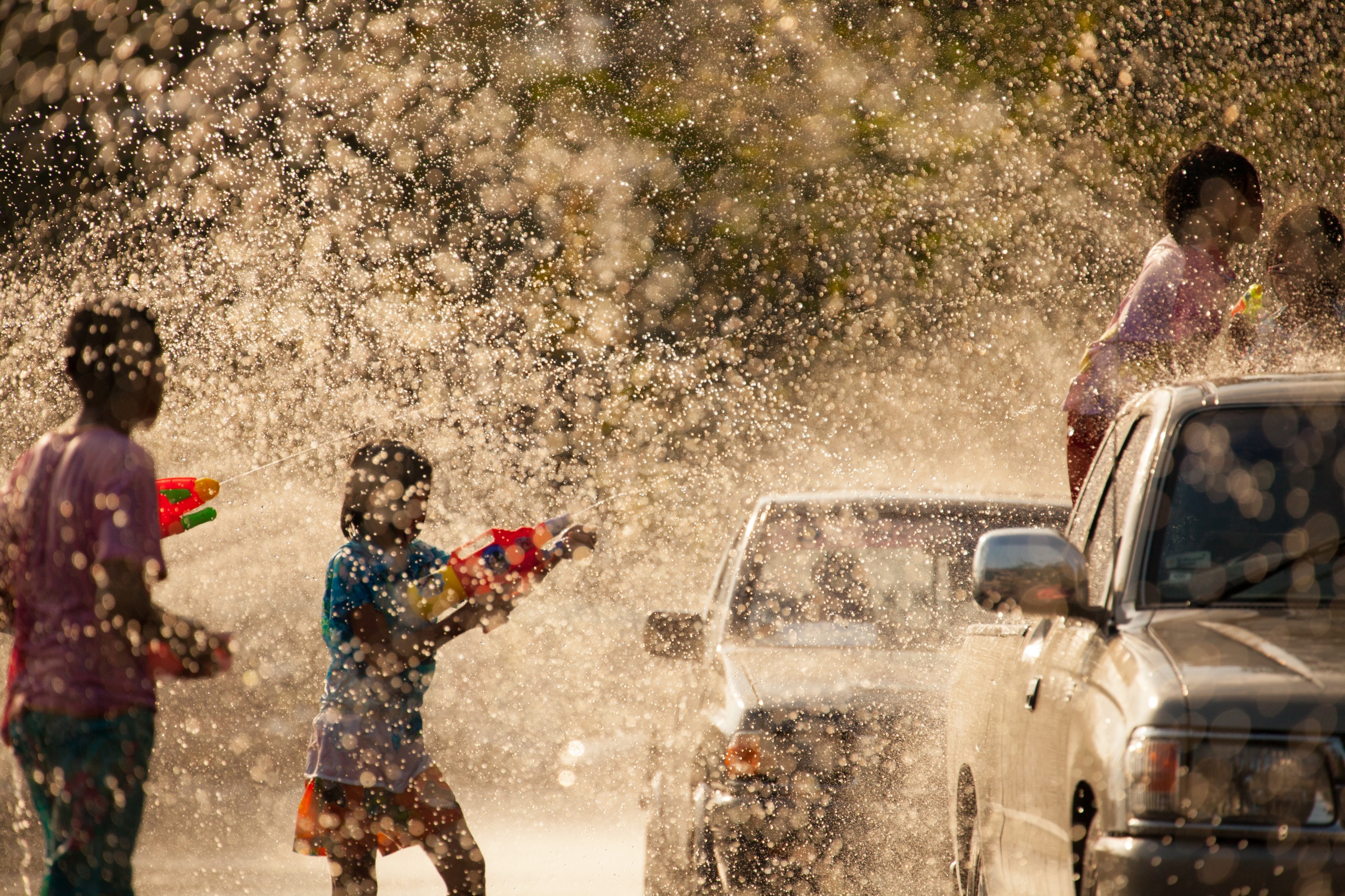
Songkran, Thailand's Buddhist New Year
Every country around the world has its own rituals to celebrate the new year. In Thailand, the Buddhist new year is unlike any other. Indeed, this religious festival has transformed over time into the world's greatest water battle.
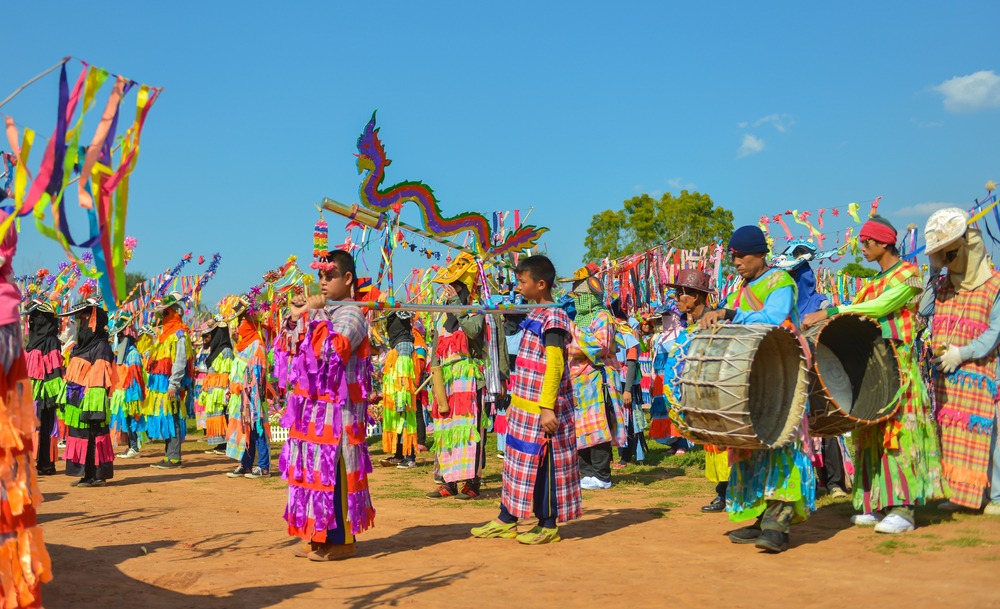
Phi Khon Nam Festival
Shared by Laotians and Isan residents alike, the Phi Khon Nam celebration, sometimes called the Ghost Festival, draws thousands of visitors to the northwestern reaches of the Land of Smiles. Here's what you need to know.
3 Hiking Destinations Near Chiang Mai
Around Chiang Mai, hiking possibilities are abundant. Explore 3 unmissable destinations to trek through jungle, waterfalls, summits and ethnic villages.
Want to discover this destination?
Our local advisors design your tailor-made trip.