Hmong Doi Pui
Hmong Doi Pui
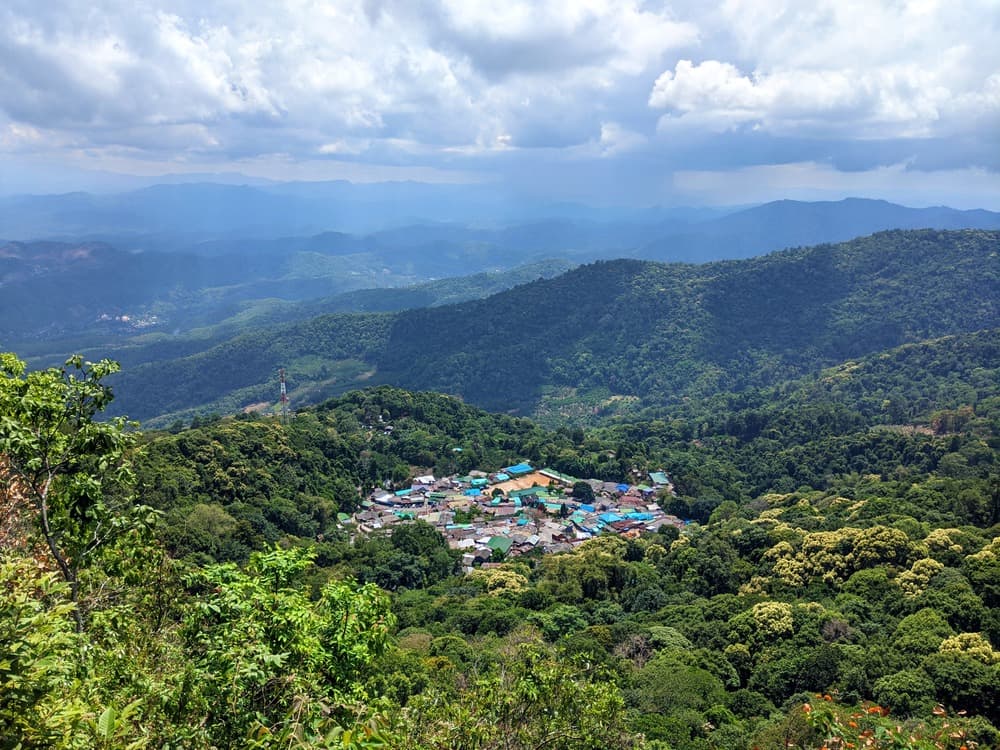
Just 11 km from Chiang Mai, the Hmong village of Doi Pui brings together an ethnographic museum, blooming gardens, tribal crafts and the gateway to Doi Suthep-Pui National Park.
Love tribal culture? Don't miss the Hmong village of Doi Pui during your Thailand vacation. Discover its history, attractions and practical information for a memorable visit.
Ready for a captivating cultural experience? Head to the mountainous region of northern Thailand and make your way to the Hmong village of Doi Pui. Perched atop Mount Doi Suthep, this tribal community promises remarkable discoveries within breathtaking natural surroundings.
History
Historically, the Hmong people originated from mountainous regions in southern China. Driven by wars, political conflict, and feeling marginalized by the dominant Chinese majority, they migrated to Southeast Asia beginning in the 18th century. Finding refuge in Thailand, they established the village of Doi Pui at the summit of Doi Suthep in 1951, before being relocated to their current site by the government in 1975.
Discovering the tribal village of Doi Pui
In Doi Pui village, tourism has taken centre stage over traditional fruit and vegetable farming. Today, souvenir shops dominate the landscape. You'll also find an extensive array of restaurants and cafés. Topping it all off, residents have created splendid flower gardens with Doi Suthep as a backdrop, perfect for photography enthusiasts. While Doi Pui has embraced tourism to attract visitors, it has nonetheless retained its tribal identity.
Shop and explore at Doi Pui
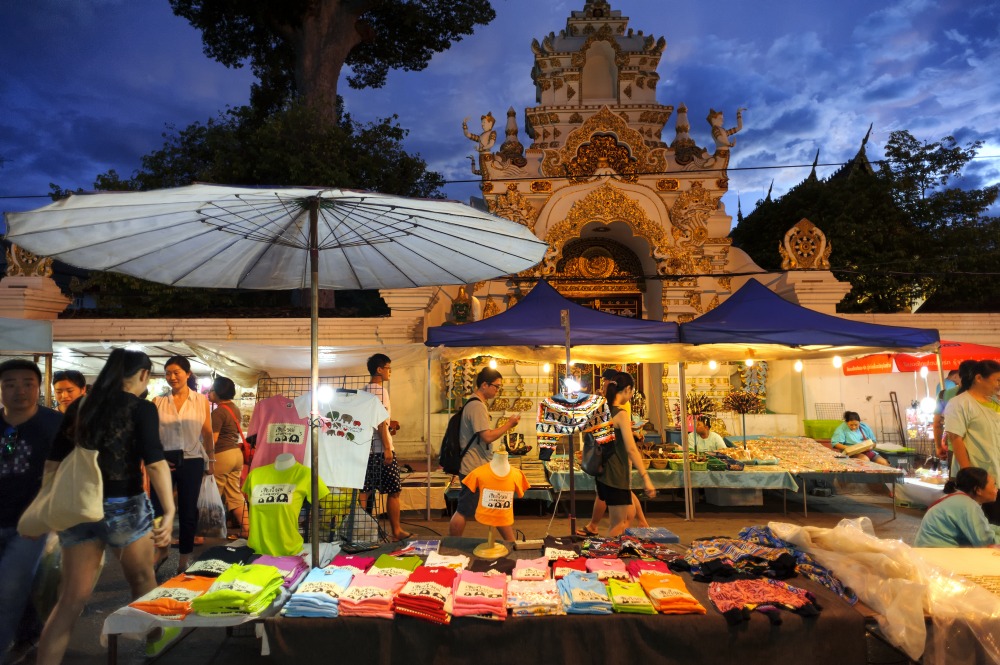
Wander through the village's small alleyways to discover local products. Browse the craft stalls selling jewellery, wooden utensils and countless handmade accessories. For tribal textile enthusiasts, traditional clothing is also available. If you're looking for an original souvenir for loved ones, Doi Pui is the perfect place to find your gift. Plus, prices are remarkably affordable for everyone.
Rest assured, vendors here won't pressure you. You can freely browse their stalls and move on without obligation to purchase if nothing catches your eye. The villagers are consistently welcoming and eager to help.
Marvel in the heart of Doi Pui's flower gardens
For just around 10 baht, you'll gain access to one of the region's most panoramic spots. In Doi Pui's gardens, locals cultivate fruits and vegetables alongside a vast array of flowers. Historically, opium poppies were a primary income source for hill tribes. Visiting Doi Pui in spring rewards you with the blooming of Himalayan wild cherry blossoms, also known as Thai Sakura.
On-site, you'll find a restaurant and café to relax at. Savour the romantic landscape while enjoying a cup of locally-grown Arabica coffee. Near the gardens' entrance, a small shop rents traditional Hmong costumes to help you blend in with the local atmosphere.
Visit the Baan Hmong Doi Pui Museum
The Baan Hmong Doi Pui Museum was established in 1984 on the initiative of village chief Mr. Yingyot Wangwanawat. Though the space appears rustic, it brims with treasures. Admire the antiques and everyday objects of the Hmong people, meticulously preserved for future generations. Admission is 10 baht per person.
After visiting the Hmong village, explore Doi Suthep Pui National Park
Doi Pui village serves as the perfect base to begin an adventure through Doi Suthep Pui National Park. Put on your explorer's hat and hit the hiking trails to uncover the region's wonders. Circuits reveal spectacular waterfalls. You'll also enjoy exciting encounters with local wildlife and flora. The park is home to approximately 300 bird species and over 2,000 plant and fern species.
The highlight of your experience will be discovering Wat Phrathat Doi Suthep, a majestic golden monastery perched dramatically on the mountainside.
When to visit Doi Pui village?
The best time to visit the Hmong village of Doi Pui runs from November to February. During these months, temperatures are mild. The sky is typically sunny with little rainfall, meaning you can fully enjoy outdoor activities. Several pleasant events enliven this period, including the Hmong New Year Festival in November and Chiang Mai's Flower Festival in February.
How to reach Doi Pui village from Chiang Mai?
The simplest option to reach Doi Pui from Chiang Mai is taking a songthaew from Warorot Market. The journey takes approximately 45 minutes. For greater comfort, taxis can take you to the village, though at a higher cost. For more adventurous travellers, motorcycle and bicycle rentals are available at various shops in Chiang Mai.
Getting around Doi Pui
Doi Pui is a small village easily explored on foot, by motorcycle or by bicycle.
What to do in Doi Pui village?
- Discover Hmong craftsmanship
- Taste dried fruits from the region
- Stroll through flower gardens
- Admire the spring blooming of Thai cherry blossoms
- Begin a hike through Doi Suthep Pui National Park, and more
Photos
Also discover
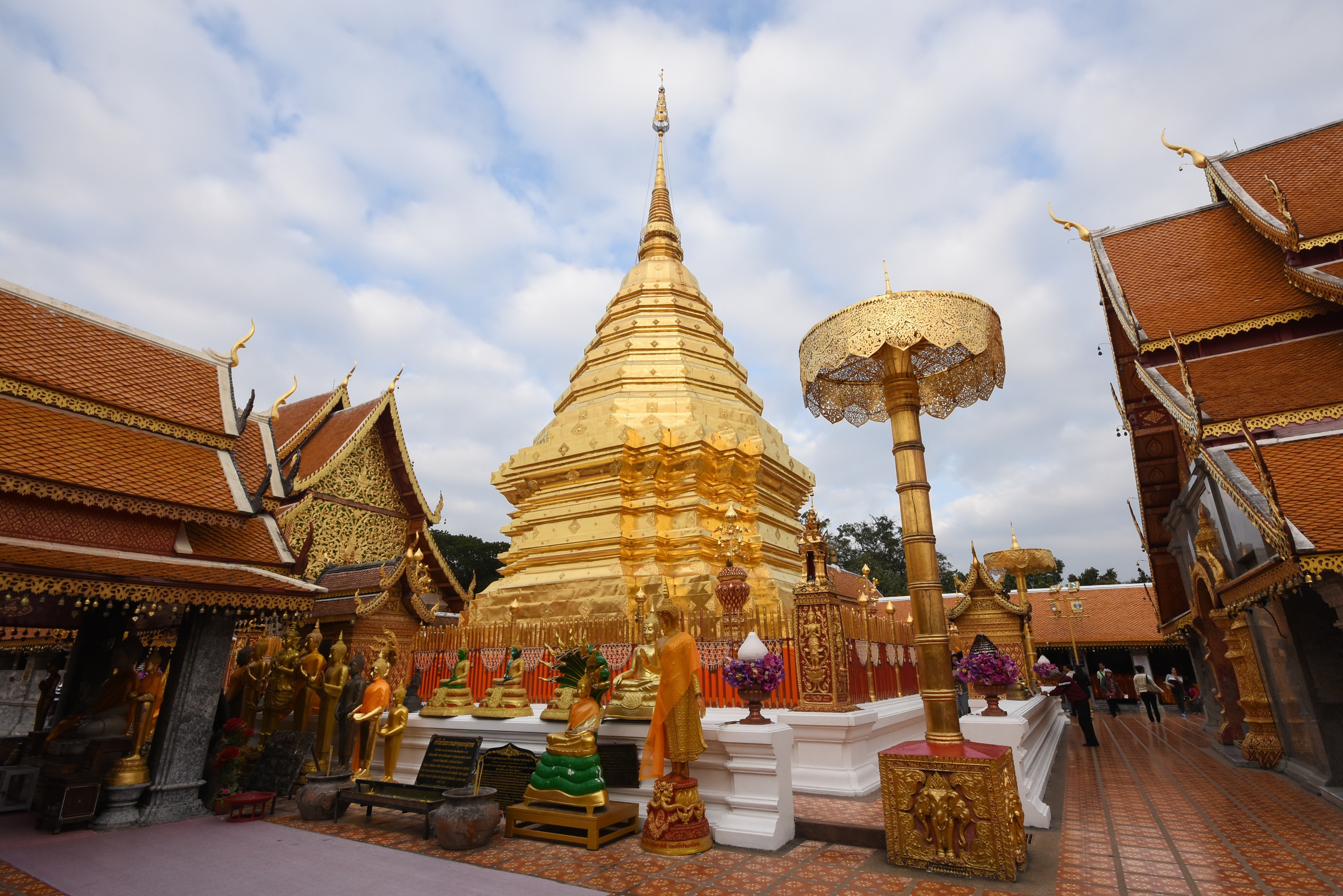
Wat Phra That Doi Suthep
Perched at 1,073 meters above Chiang Mai, Wat Phra That Doi Suthep encompasses six centuries of Lanna art around a golden chedi and a founding legend.
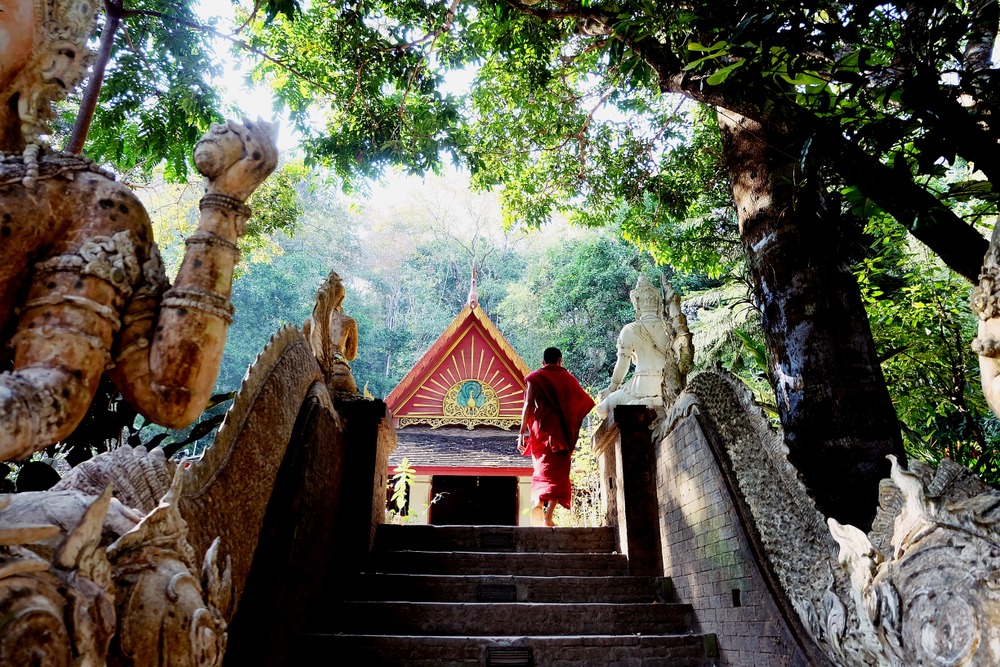
Wat Pha Lat
A forest temple founded in 1386 on the slopes of Doi Suthep, accessible from Chiang Mai via the Monk's Trail. Complete visitor's guide.
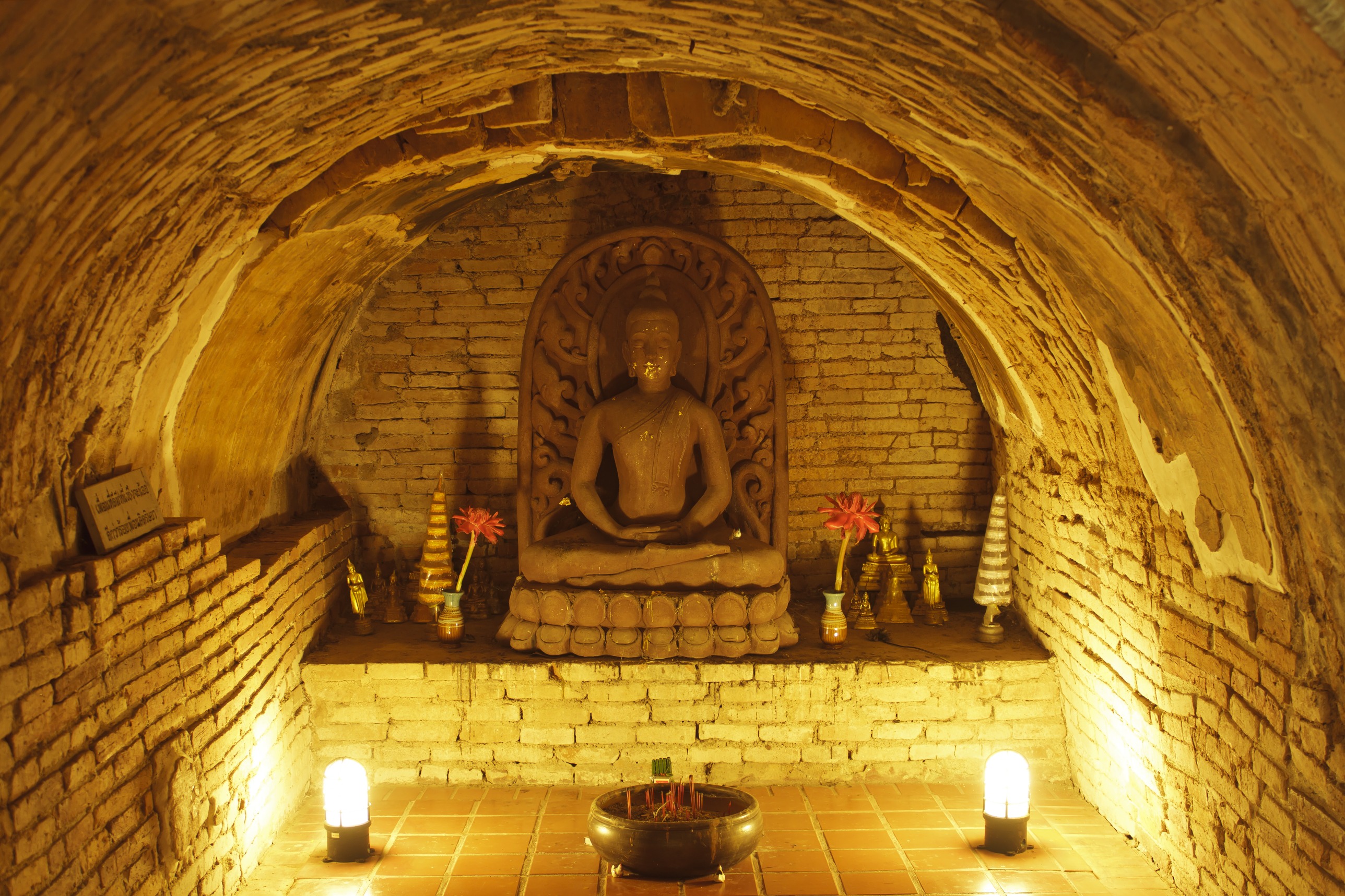
Wat Umong
On the outskirts of Chiang Mai, Wat Umong stands apart with its underground tunnels dating from the 13th century and a forest park dedicated to Buddhist meditation.
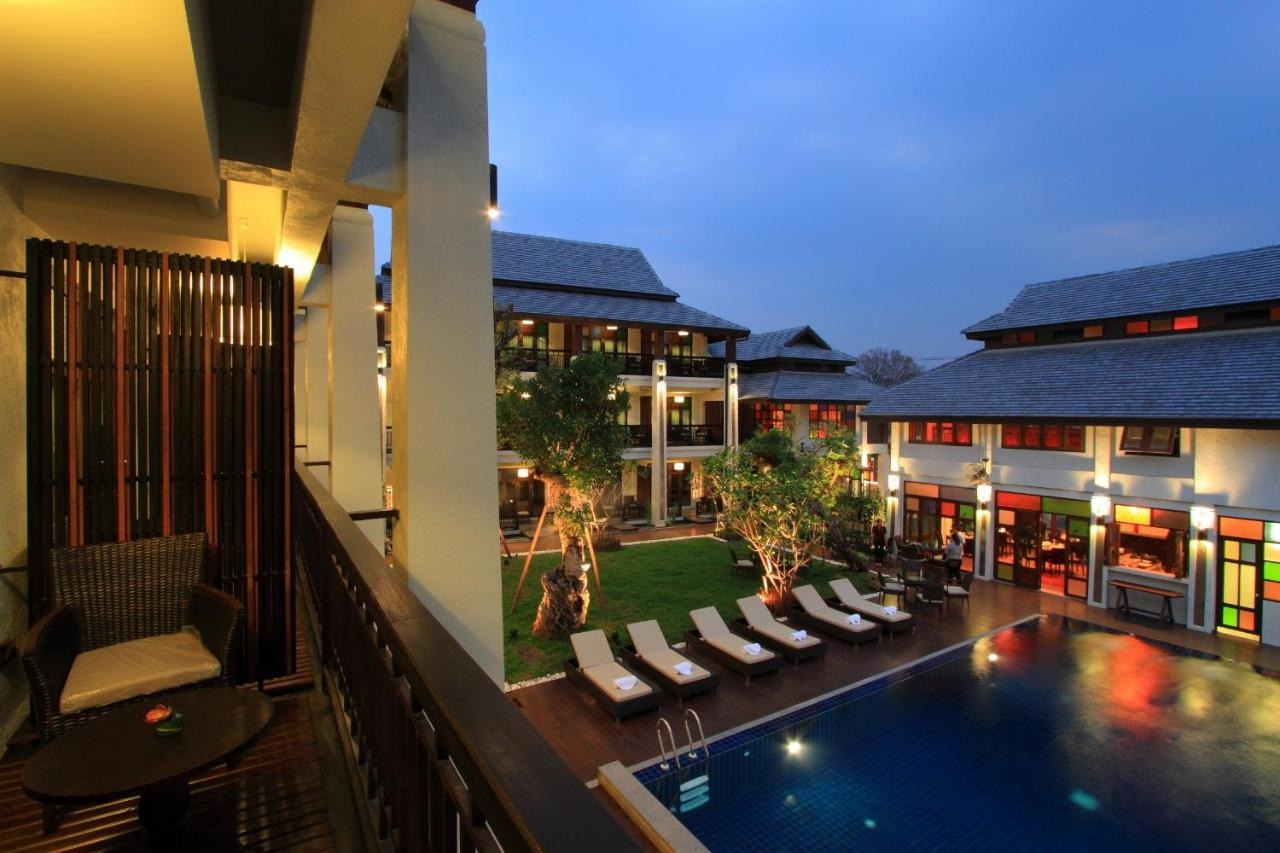
De Lanna Hotel
4-star hotel in the historic Sri Phum district of Chiang Mai, featuring a pool and spa. Walking distance to the main sites of the old town center.
Chiang Mai
Chiang Mai is an unmissable destination during a Thailand trip. With its historic monuments, rich culture and natural attractions, the Rose of the North will captivate you.
Want to discover this destination?
Our local advisors design your tailor-made trip.