Khlongs of Thonburi
Khlongs of Thonburi
Bangkok Yai, Bangkok, Thaïlande
A network of historic canals on the west bank of Bangkok, the khlongs of Thonburi lead to Wat Arun, the Grand Palace and weekend floating markets.
The khlongs of Thonburi form a network of canals on the west bank of the Chao Phraya in Bangkok. These waterways, roughly 6 meters wide, flow through a quarter that has preserved its riverine way of life: stilt houses, boats moored in front of homes, temples accessible by water, and floating markets open on weekends. A boat excursion here remains one of the best ways to grasp the history of the ancient Siamese capital.
Why visit the khlongs of Thonburi
Thonburi offers a different perspective on Bangkok. On the east side, the modern city stacks towers and shopping malls. On the west side, the canals have retained their daily function: people navigate them, trade on them, and pray beside them. The journey combines several points of interest within a few kilometers: a temple that defines Bangkok's skyline, a river museum, markets open only on weekends, and access to the two most-visited royal sites in the country. The pace of your visit is dictated by the water and locks.
A little history
Thonburi was the capital of the Siamese kingdom from 1768 to 1782 under King Taksin, following the fall of Ayutthaya. Established on the right bank of the Chao Phraya, the city was chosen for its defensive qualities and river access. When Rama I moved the capital to the east bank in 1782 to found Bangkok, Thonburi retained its own administration. It remained a separate province until its merger with Bangkok in the early 1970s, now forming the agglomeration of Krung Thep Maha Nakhon.
The excavation of the khlongs served two purposes: irrigating agricultural land and creating a transport network for commerce. For two centuries, these canals structured the economic life of the west bank. Many families living along the water have done so for several generations.
What to see along the khlongs
Wat Arun
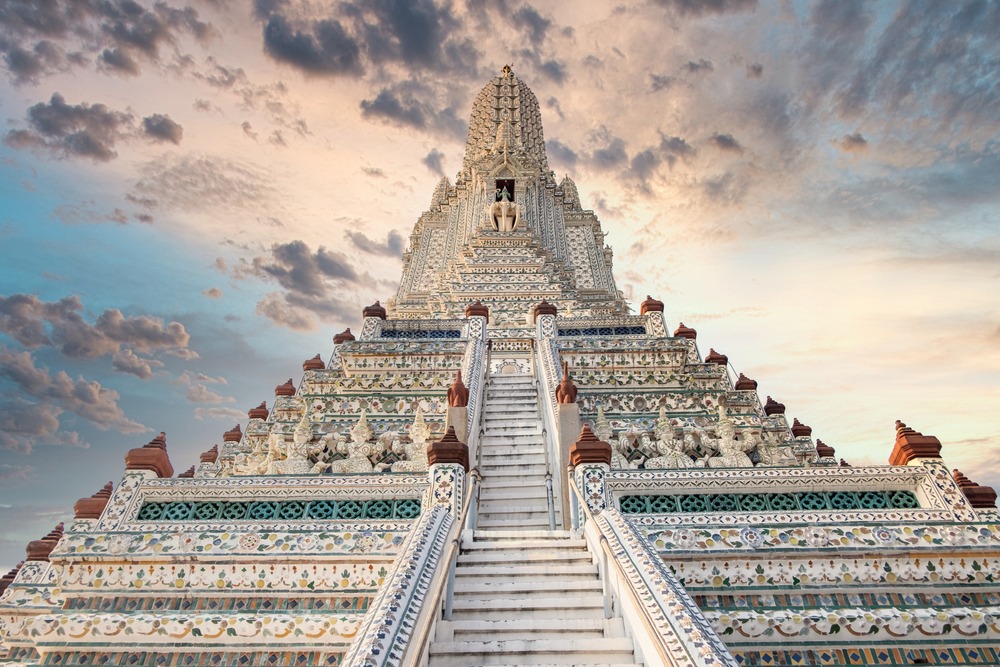
The Wat Arun, or Temple of Dawn, is Thonburi's oldest sanctuary. Its central prang, in Khmer style, rises to approximately 80 meters and is entirely covered with fragments of Chinese ceramic and porcelain. It is visible from the opposite bank and marks Bangkok's river landscape.
The Grand Palace and Wat Phra Kaeo
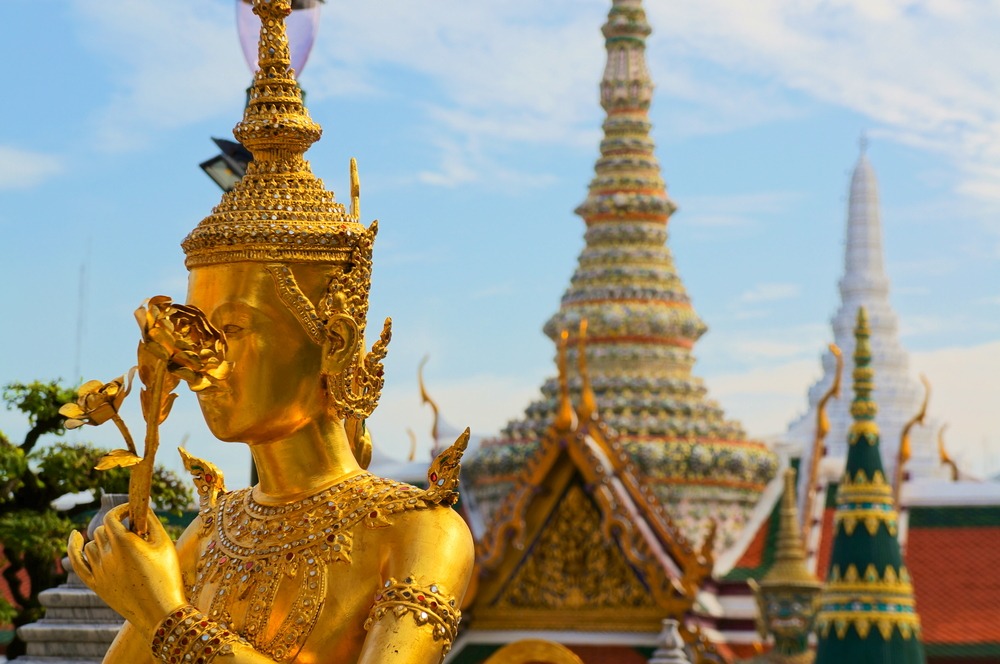
On the east bank but directly linked to any khlong excursion, the Grand Palace was founded by Rama I in 1782. The complex covers approximately 21 hectares and serves as the historic seat of the Chakri dynasty, which still reigns today. Within its grounds, Wat Phra Kaeo houses the Emerald Buddha, a jade statue considered the palladium of the kingdom.
The Royal Barge Museum
Located on Khlong Bangkok Noi, the museum displays vessels used in royal river processions. The centerpiece, the Suphannahong, carved from a single teak log, is brought out only for special ceremonies such as Royal Kathin, which follows the end of the Buddhist Lent.
Floating markets
Three markets are accessible from the Thonburi khlongs: Khlong Lat Mayom, Taling Chan, and Wat Saphan. They are open only on weekends and public holidays. Less crowded than Damnoen Saduak, they retain a local atmosphere, with food stalls installed on boats and vendors selling fresh produce, plants, and handcrafted items.
Around the canals
Your visit can be extended to Wat Pho, famous for its Reclining Buddha, or to the flower market at Pak Khlong Talat, both close to the main piers of the Chao Phraya.
Practical information
Allow 1.5 to 3 hours for a standard boat excursion, or longer if you combine the tour with a visit to the Grand Palace or Wat Arun. Several types of vessels are available: longtail (most common), sampan, or private small boats. Rentals are negotiated hourly and rates vary depending on boat size and season; it is customary to discuss the price before boarding and confirm your itinerary in advance.
Modest dress is required when visiting temples: shoulders and knees must be covered.
When to go
The dry season, from November to February, remains the most comfortable period: milder temperatures, low humidity, and stable water levels in the canals. From March to May, the heat is intense. The rainy season, from June to October, can bring heavy downpours in late afternoon and, in some years, flooding that disrupts river traffic.
How to get there
From central Bangkok, several piers provide access to the khlongs. Sathorn Pier (Central Pier), connected to BTS Saphan Taksin Station, is the most convenient departure point for travelers. The Maharaj, Chang, and River City quays, located near the Grand Palace, allow you to board after visiting the royal sites. You can also reach Wat Arun by ferry from Tha Tien.
Nearby
- Wat Arun — Temple of Dawn, on the west bank.
- Grand Palace of Bangkok — historic royal residence with Wat Phra Kaeo.
- Wat Pho — sanctuary of the Reclining Buddha.
- Pak Khlong Talat — flower market open 24/7.
- Chao Phraya — river that structures the entire visit.
Frequently asked questions
Frequently asked questions
Boat rentals are arranged hourly. The rate depends on the type of vessel (longtail, sampan, private boat) and duration. Prices are negotiated systematically before departure; also confirm your itinerary to avoid any misunderstanding.
From November to February, during the dry season: comfortable temperatures, low humidity, and stable river traffic. The rainy season (June to October) is still possible but exposes you to intense downpours.
The simplest way is to reach Sathorn Pier (Central Pier) at BTS Saphan Taksin Station and rent a longtail. The Maharaj, Chang, and River City quays, near the Grand Palace, are also common boarding points.
No. Khlong Lat Mayom, Taling Chan, and Wat Saphan open only on weekends and public holidays. It's best to plan your visit accordingly.
Allow 1.5 to 3 hours for a standard boat loop. With visits to the Grand Palace, Wat Arun, or a floating market, a half-day or full day is necessary.
Planning your trip
The khlongs integrate naturally into a Bangkok stay and complement the royal sites and markets of the city center. To build an itinerary that combines the capital, its canals, and the rest of the country, explore our Thailand travel packages.
Photos
Nearby
Also discover
Wat Arun
Wat Arun, or the Temple of Dawn, dominates the western bank of the Chao Phraya in Bangkok with its 70-meter prang covered in porcelain mosaics.
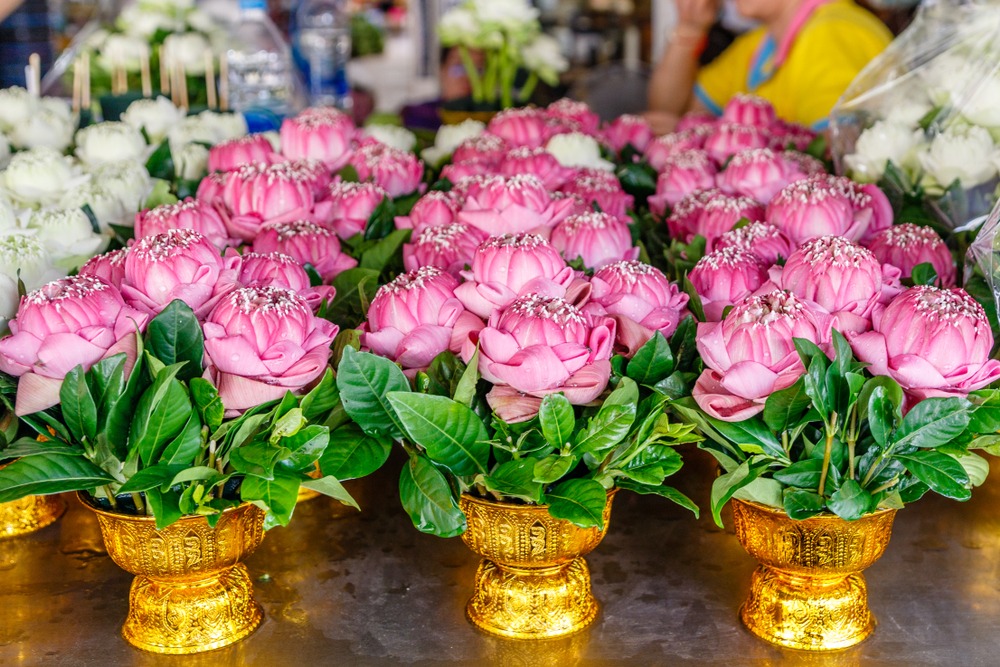
Pak Khlong Talat
Historic flower market in Bangkok, open around the clock near the Chao Phraya, supplying hotels, restaurants and temples in the capital with fresh blooms.
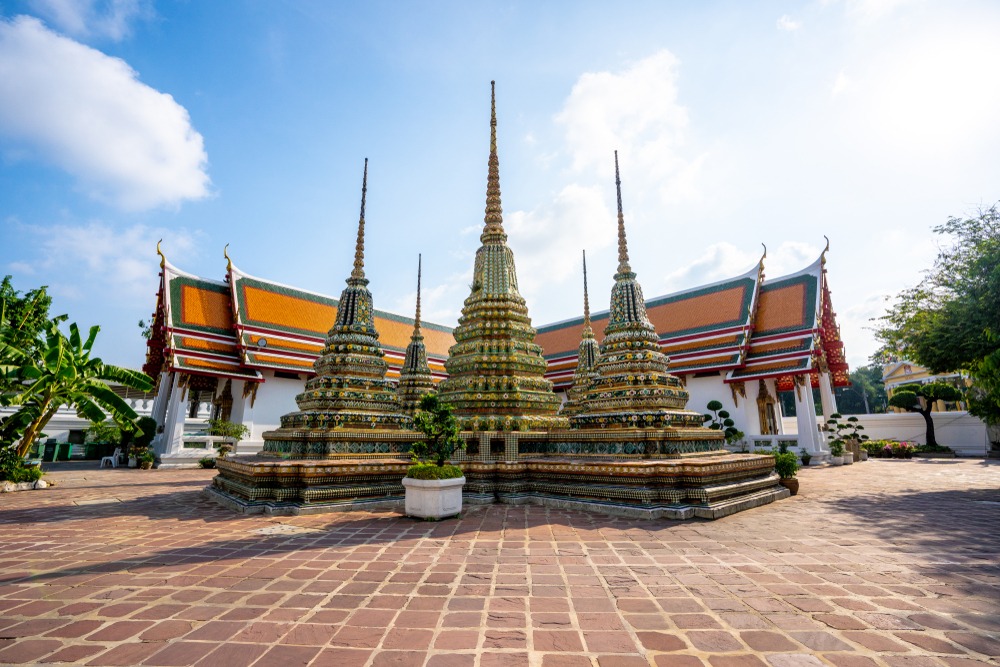
Wat Pho
South of Bangkok's Grand Palace, Wat Pho houses a 46-meter Reclining Buddha, 400 statues, and a UNESCO-recognized Thai massage school.
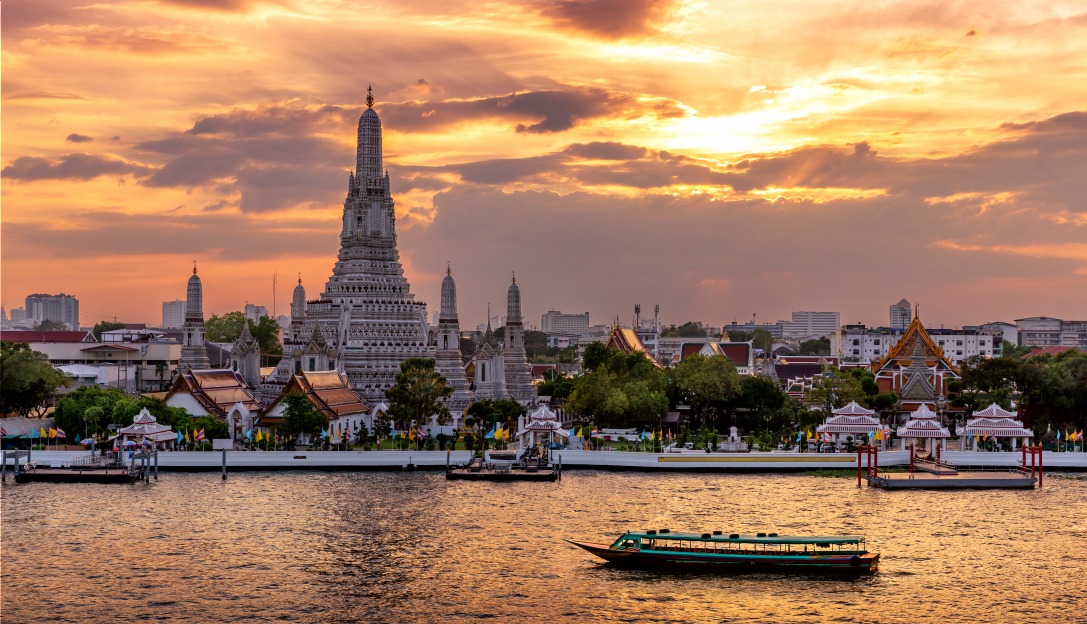
Chao Praya
Spanning 372 km, the Chao Phraya has shaped Bangkok since 1782. Temples, markets, boats: your guide to understanding and exploring the river.
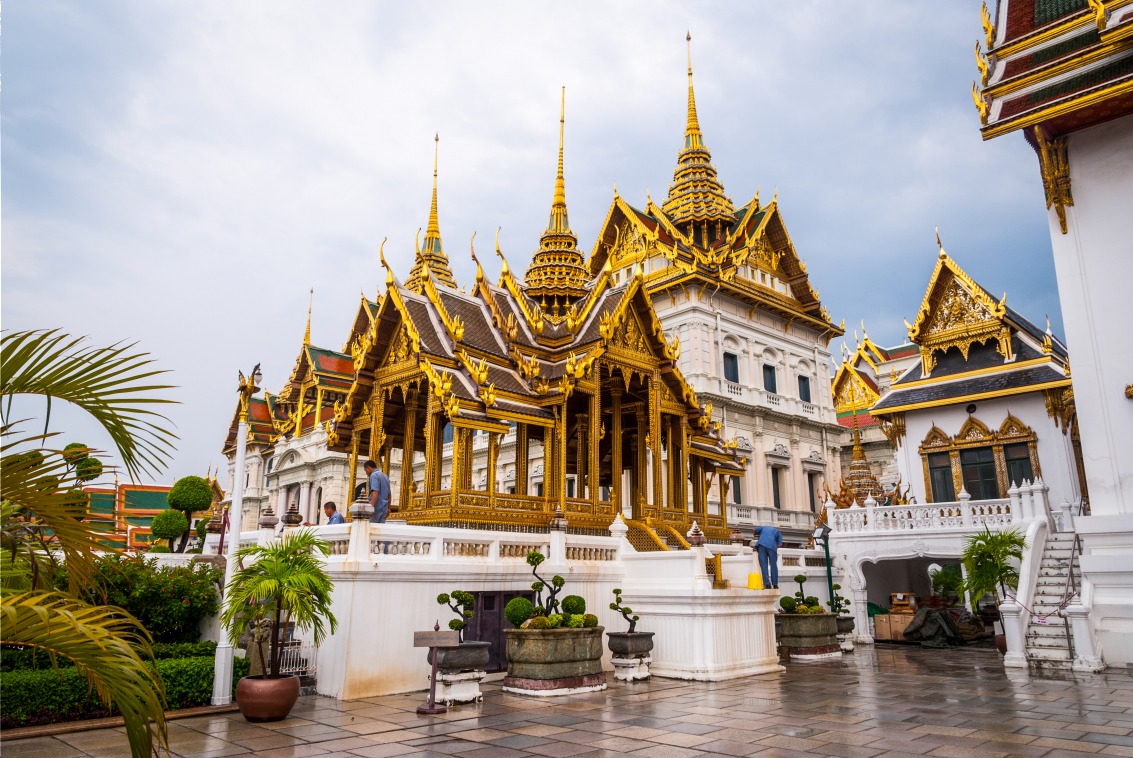
Grand Palace of Bangkok
Royal complex founded in 1782 by Rama I, the Grand Palace of Bangkok houses Wat Phra Kaeo and the Emerald Buddha. Practical guide to prepare your visit.
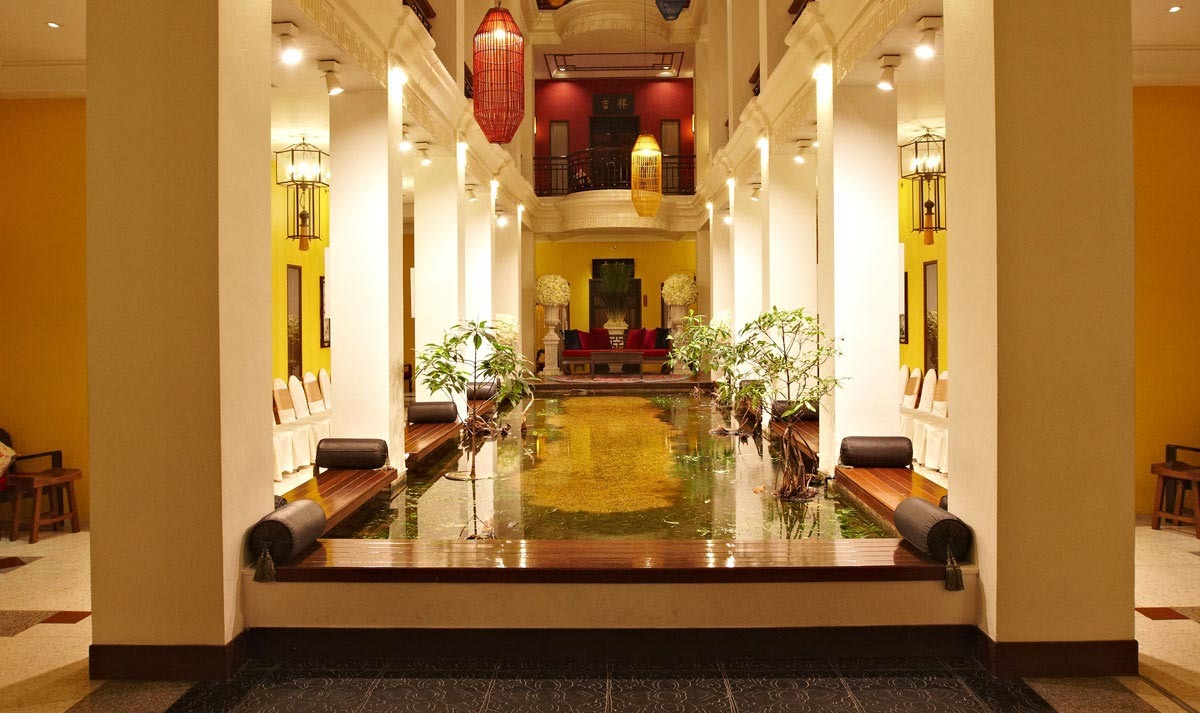
Shanghai Mansion
4-star hotel with vintage Shanghai inspiration on Yaowarat Road, in the heart of Bangkok's Chinatown. 67 rooms, Sino-Thai restaurant and jazz concert bar.
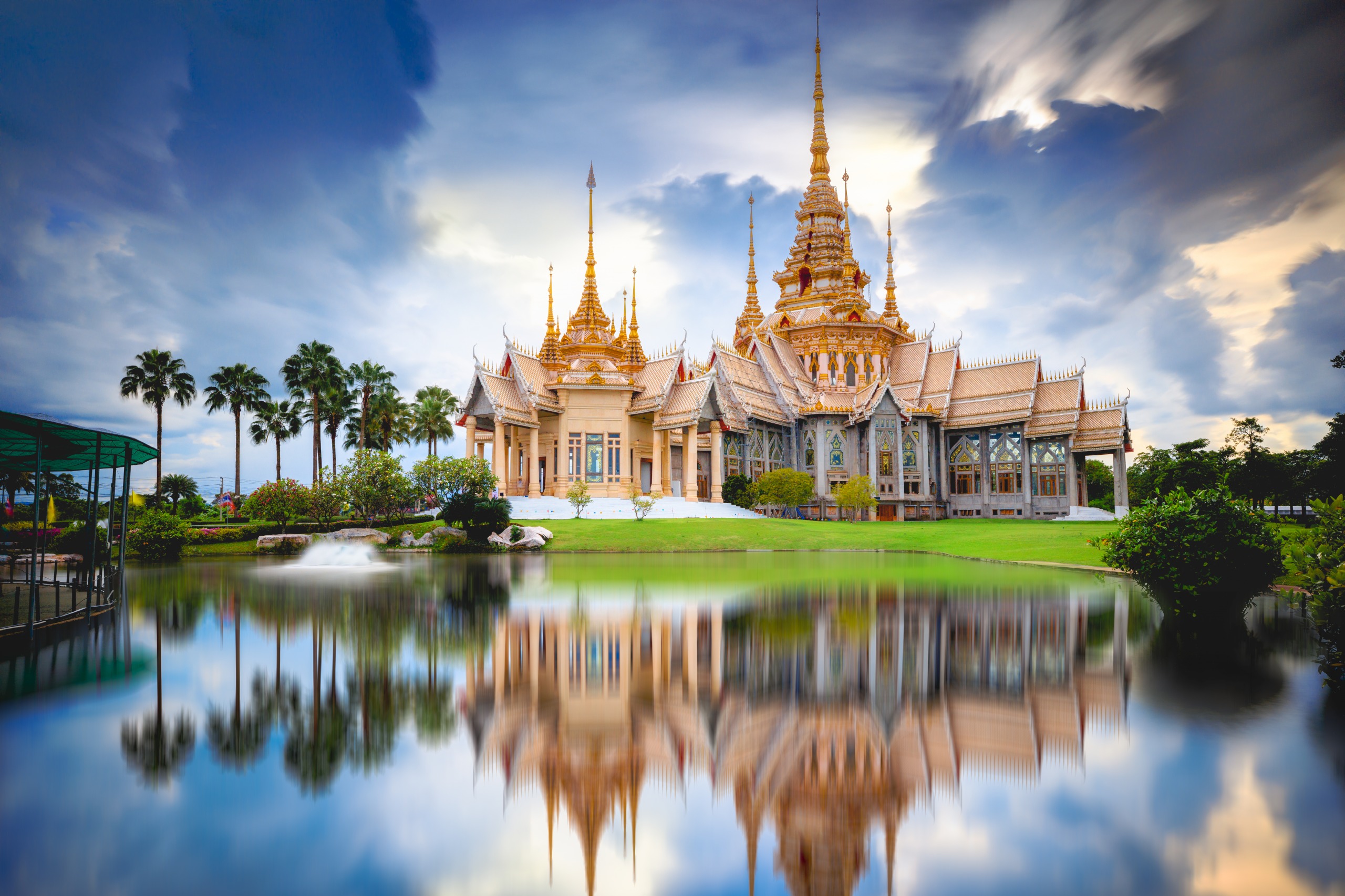
Phra Nakhon District
Phra Nakhon concentrates Bangkok's founding heritage: Grand Palace, Wat Phra Kaeo, Wat Pho, National Museum and the Indian quarter of Phahurat.
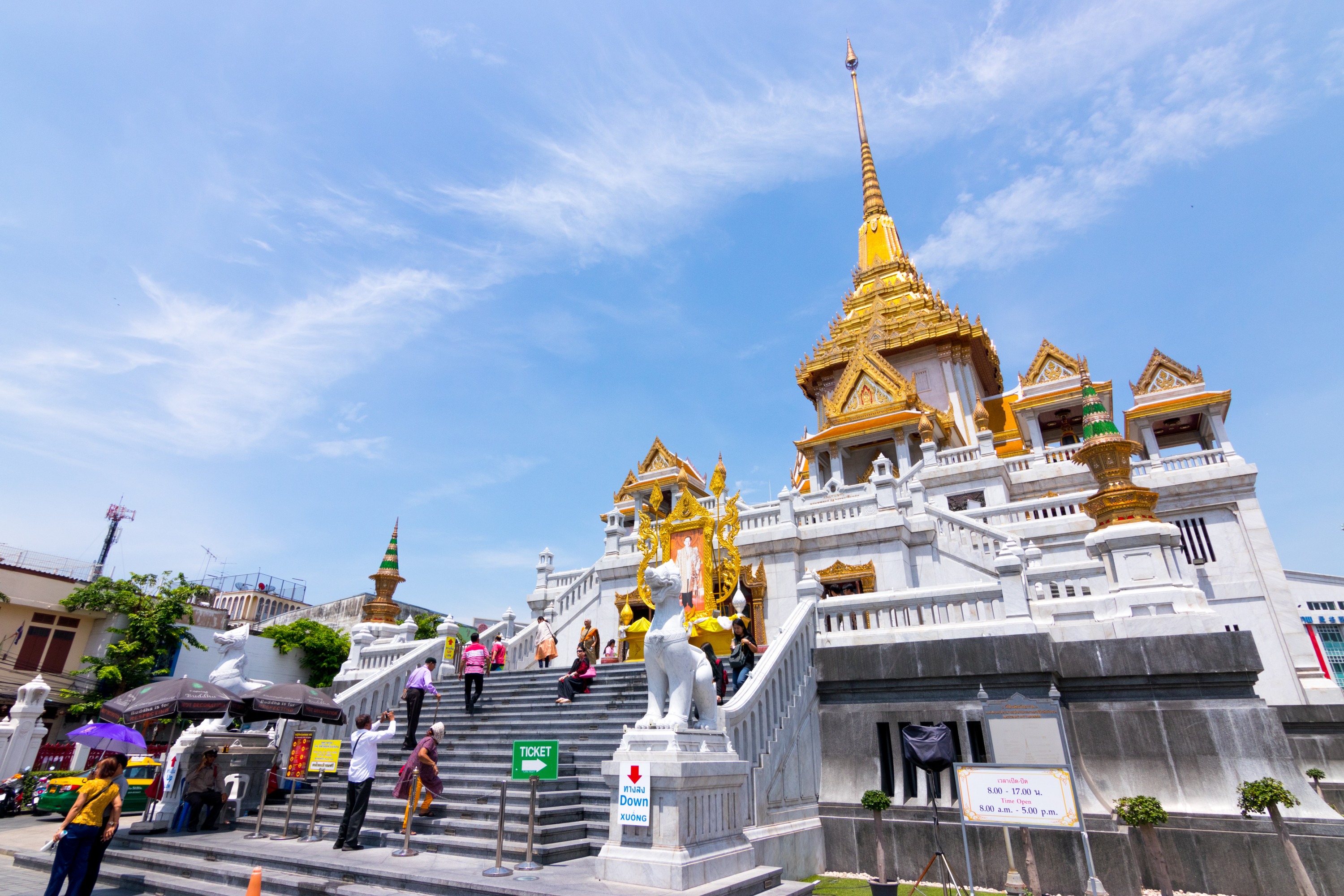
Wat Traimit, the Temple of the Golden Buddha
In Bangkok, Wat Traimit shelters a solid gold Buddha measuring 3 meters and weighing 5.5 tonnes, whose golden identity was only revealed in 1955.
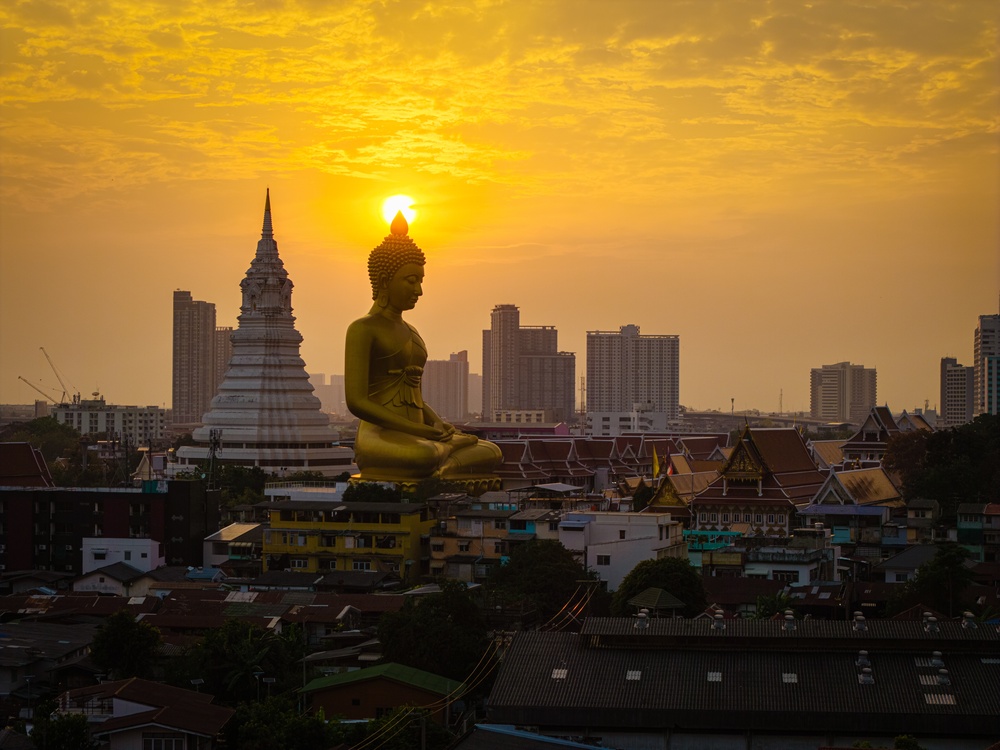
Bangkok
Bangkok, Thailand's vibrant capital, sometimes described as chaotic, is often overlooked by travelers who prefer the northern treks or southern beaches. Yet bypassing Bangkok during your Thailand trip means missing out on incredible Thai cultural diversity.
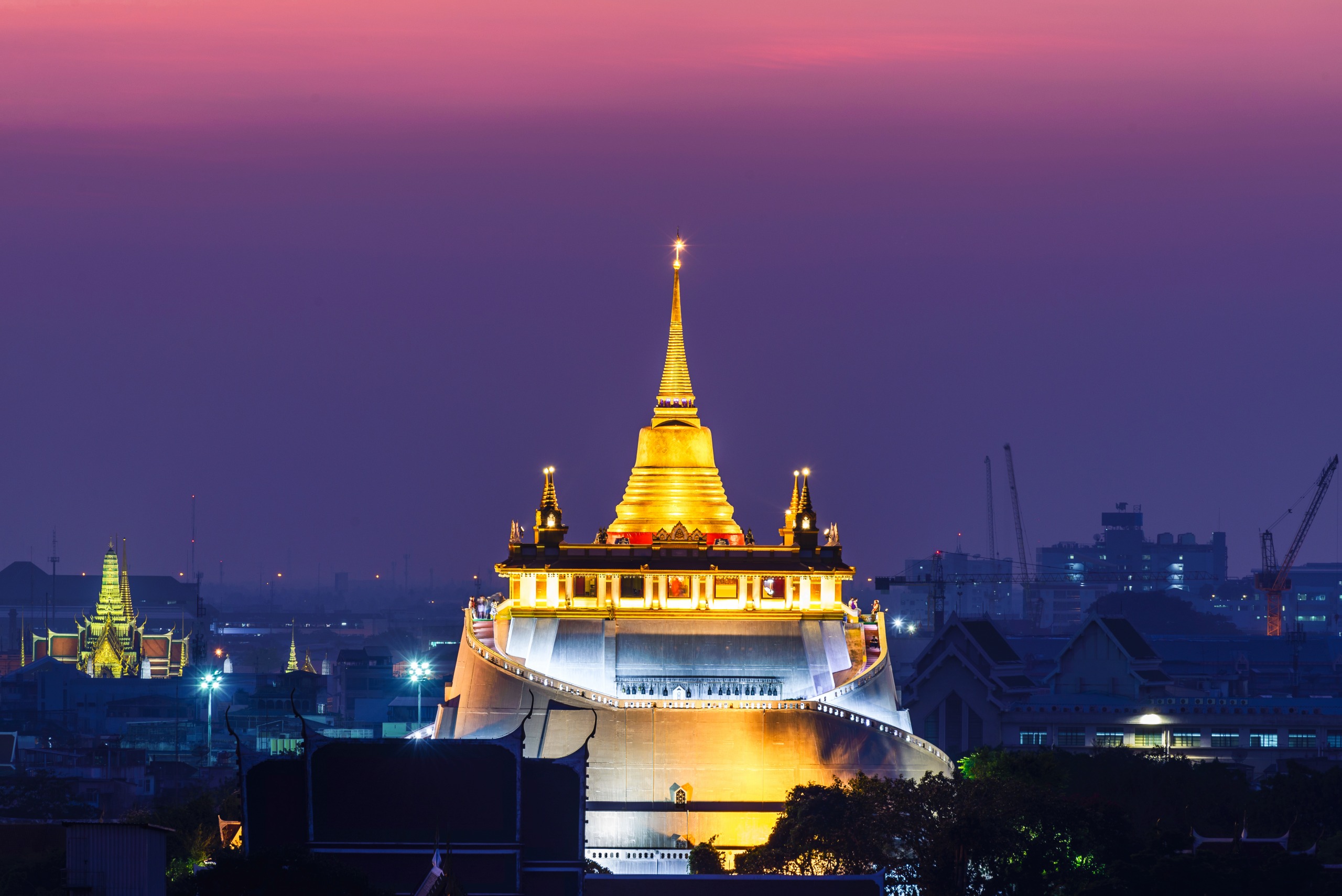
Wat Saket
Wat Saket, or the Golden Mount Temple, dominates Bangkok from its artificial hilltop. History, ascent of the golden chedi and visiting tips.
Interested in this visit?
We can include it in your personalised itinerary.