Patpong District
Patpong District
Thanon Phat Phong, Khwaeng Suriya Wong, Khet Bang Rak, Krung Thep Maha Nakhon 10500, Thaïlande
An emblematic nightlife district in Bangkok, Patpong brings together a night market, bars, and a museum tracing its unique history since 1946.
Patpong is a nightlife district located in the Bang Rak district, south of Bangkok. Made up of two parallel alleyways (Patpong 1 and Patpong 2) connecting Silom Road to Surawong Road, it concentrates bars, a night market, and restaurants, and remains one of the most well-known entertainment sectors in the Thai capital.
Why Visit Patpong
Patpong appeals less for its architecture than for its urban history and nighttime atmosphere. The district illustrates a singular trajectory: a former business hub that became, in just a few years, an entertainment center born out of the Vietnam War context. It's also a convenient entry point for exploring Silom, one of Bangkok's business districts by day, and one of the most vibrant once night falls.
The night market, which sets up in late afternoon on Patpong 1, attracts mainly travelers seeking street food, souvenirs, and fashion items. The district lends itself to a short visit, as a complement to a walk through the Silom area.
History of the District
The name Patpong comes from the Patpongpanich family, originally from the Chinese island of Hainan, who purchased the district's land in 1946. Originally, the sector housed offices and residences; a large historic teak wooden house stood there, as well as a klong (small waterway). Both were demolished to make way for commercial buildings.
The turning point came in 1968, during the Vietnam War. The regular presence of American officers on leave in Bangkok transformed the district's economic fabric: offices gradually gave way to go-go bars, pubs, and nightclubs. In the 1970s and 1980s, Patpong established itself as one of Bangkok's principal nightlife hubs, alongside Royal City Avenue and Ratchadapisek.
What to See and Do
The Night Market
Patpong's night market spreads each evening across Patpong 1, which is closed to traffic. You'll find Thai street food stalls, leather goods, clothing, accessories, and small timepieces. Most products bearing major brand names are counterfeit: price negotiation is expected, and it's advisable to compare before buying.
The Patpong Museum
Opened in 2019, the Patpong Museum traces the district's history from the Patpongpanich family's arrival through its transformation into an entertainment zone. The tour evokes the Cold War context, the American presence during the Vietnam War, and operations conducted from Thailand toward Laos. Allow approximately one hour for a visit. Practical information (hours, admission fees) changes regularly: it's best to verify on site or online before visiting.
Bars and Nightlife
Go-go bars remain the district's most visible activity, attracting a primarily foreign clientele. Patpong also hosts more discreet neighborhood bars, restaurants, and in adjacent streets, several establishments serving the LGBT community (notably around Silom Soi 4 and Soi 2). Travelers who prefer not to frequent bars can stick to the market and restaurants, which are sufficient to grasp the area's atmosphere.
Practical Information
Patpong is visited mainly in the evening, with the market and bars inactive during the day. Wear comfortable clothing, keep your belongings close in the market crowd, and be alert to aggressive sales practices at certain establishments (inflated bills, touts advertising "free" shows). The district remains well-frequented and generally safe, but it's better to settle your bills as you go.
When to Visit
The best period extends from November to March: these are Bangkok's coolest months, with minimal rainfall. From April onwards, heat becomes intense, and the rainy season (May to October) can disrupt foot travel. The district comes alive from 6 PM and reaches peak activity between 9 PM and midnight.
How to Get There
Patpong is very well served by public transportation. Two main options:
BTS Skytrain: exit at Sala Daeng station (Silom Line). The district is a short walk away, following Silom Road westward.
MRT Blue Line: exit at Si Lom station, located in immediate proximity to Sala Daeng.
Taxis and tuk-tuks are also possible, but Bangkok's traffic often makes the elevated metro faster in the evening.
Nearby
Patpong pairs well with other Bangkok sites:
The Grand Palace of Bangkok, an emblematic royal complex in Rattanakosin.
The Wat Phra Kaeo, which houses the Emerald Buddha, within the Grand Palace compound.
The Bangkok National Museum, for a historical perspective on the country.
The Phra Nakhon district, the historic heart of the capital.
Frequently asked questions
The district is generally safe and well-frequented, but you should remain vigilant against abusive sales practices at certain bars (inflated bills, touts). It's better to settle your bills as you go and keep your belongings close in the market crowd.
The night market and restaurants are easily visited by families in early evening. Since main streets are occupied by go-go bars, the district is less suitable for children in the later hours.
Allow 1 to 2 hours to explore the market and dine in the area. Including a visit to the Patpong Museum, plan for a half-evening.
The easiest option is the BTS Skytrain (Sala Daeng station, Silom Line) or the MRT (Si Lom station, Blue Line). Both are a short walk from Patpong 1.
Planning Your Stay
Patpong fits easily into an urban itinerary in Bangkok, complementing the major historic sites of Phra Nakhon. To build a customized journey including the capital and the rest of the country, explore our Thailand travel packages.
Photos
Nearby
Also discover
Silome Serene
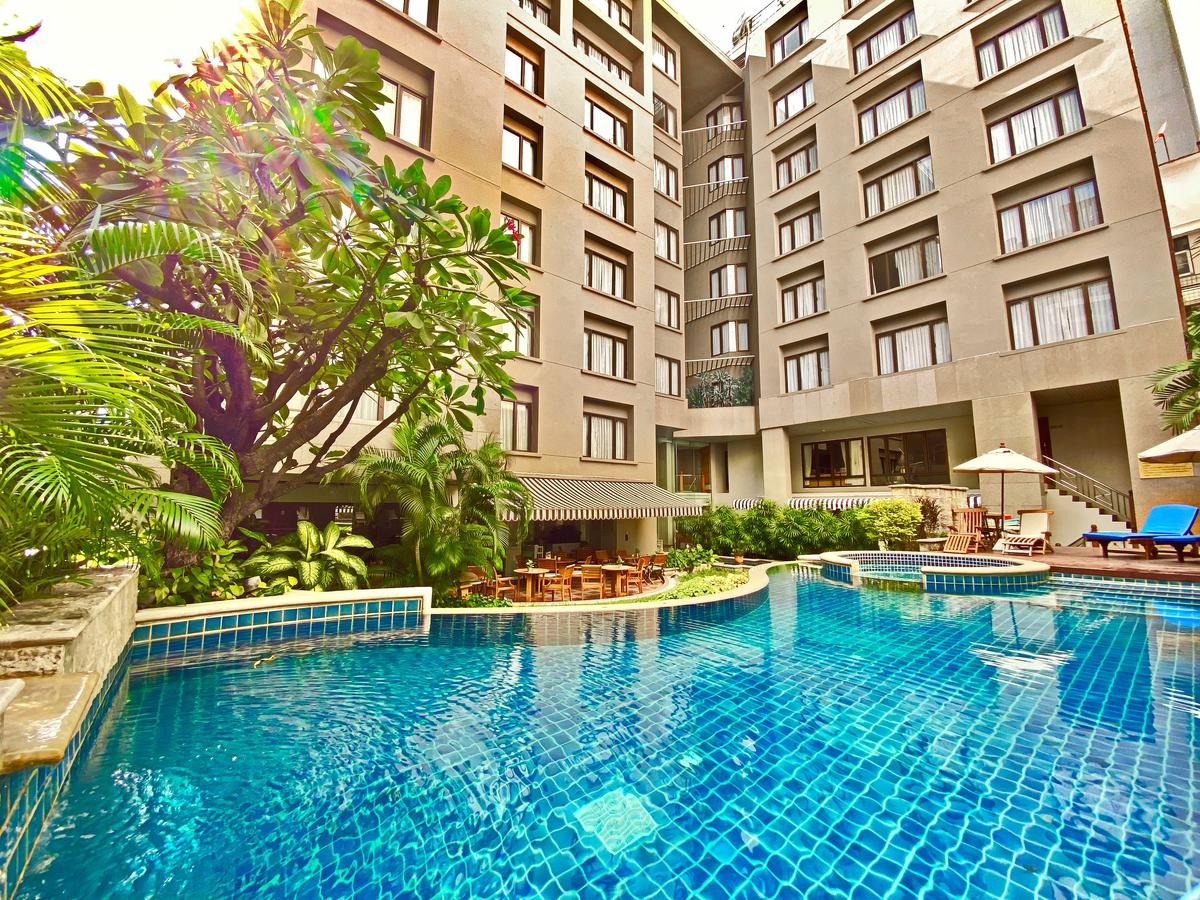
Boutique hotel in the Bang Rak district of Bangkok, a 5-minute walk from BTS Chong Nonsi. Good value for money, family suites available.
King Power Mahanakhon Tower Tour
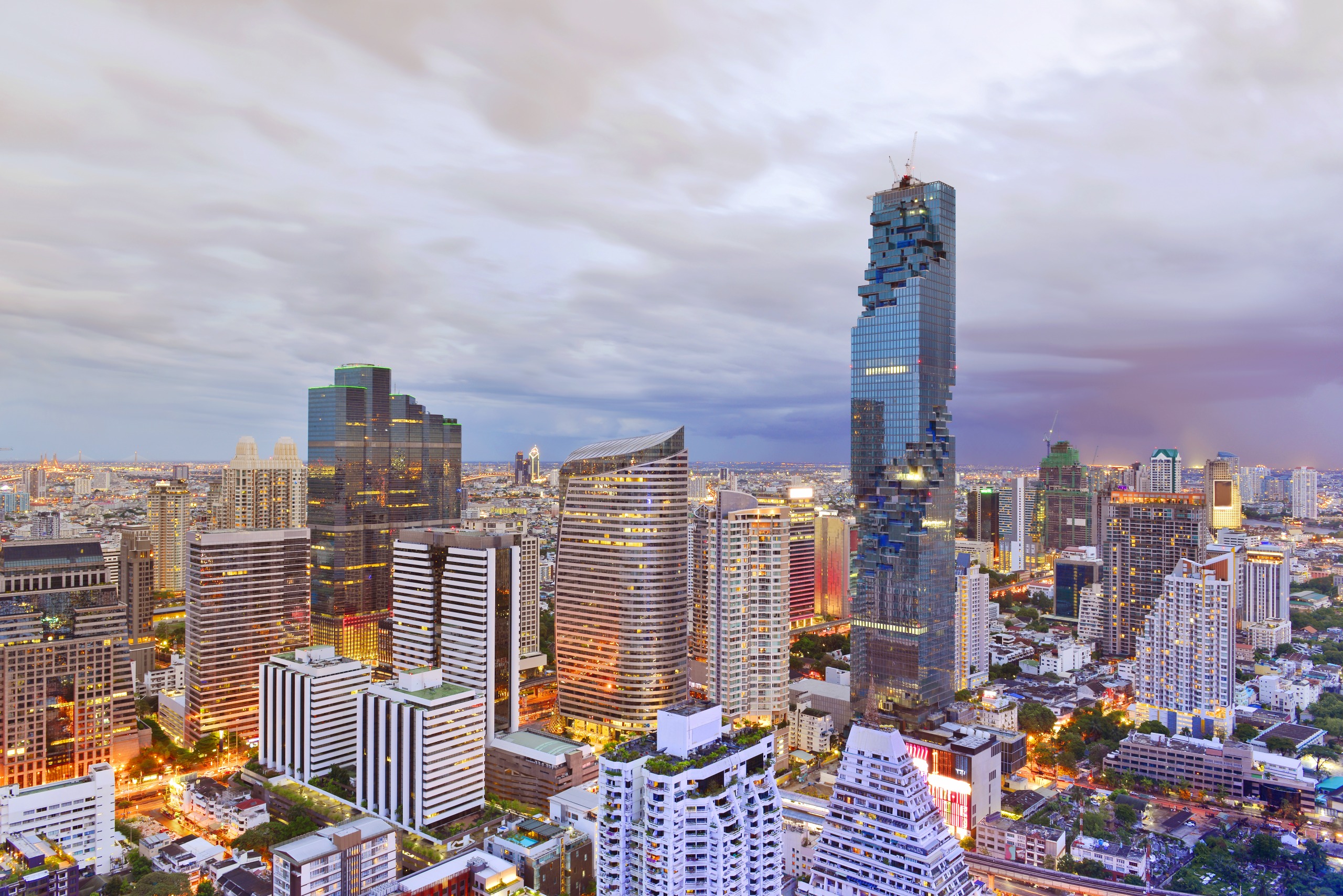
A glass-tiered skyscraper by Ole Scheeren in Bangkok, King Power Mahanakhon offers a transparent glass Skywalk at 310 meters and panoramic views over the capital.
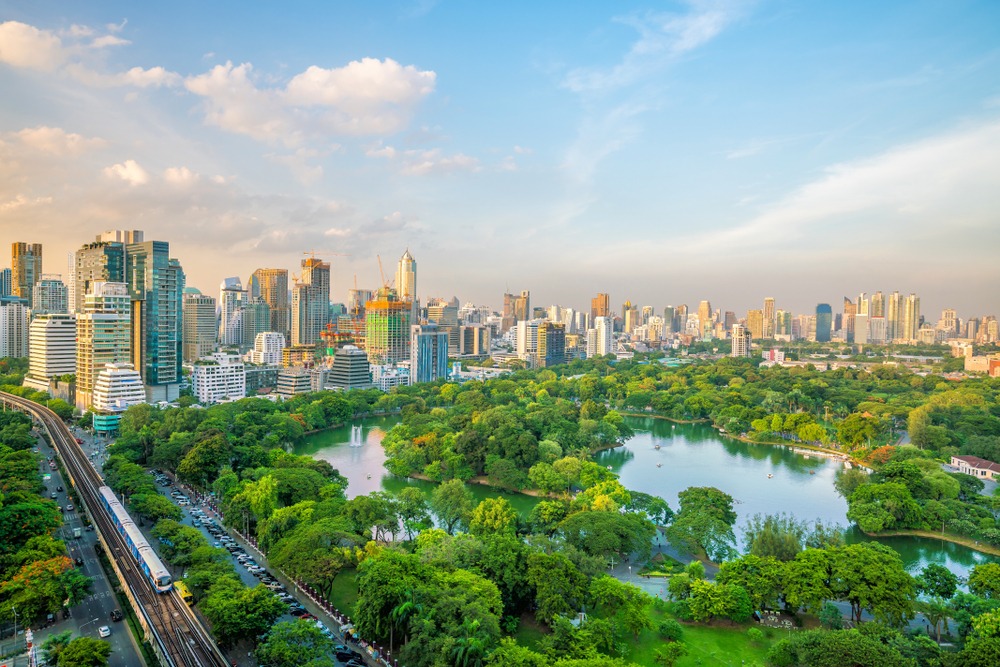
Lumphini Park
Lumphini Park, 58 hectares in the heart of Bangkok: water monitors, swan pedal boats, jogging and symphonic concerts on Sunday mornings during dry season.
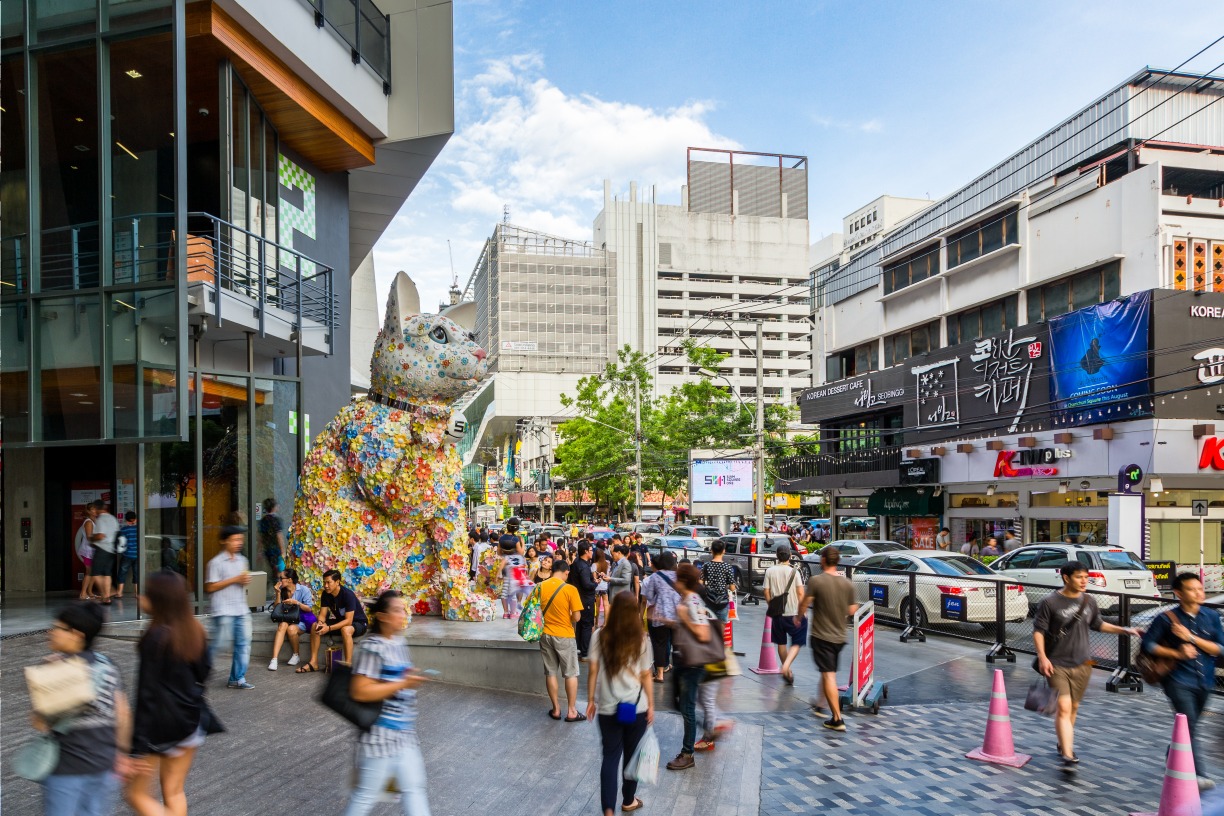
Siam Square
An open-air shopping district in the heart of Bangkok, Siam Square blends boutiques by Thai designers, international brands, and a vibrant student atmosphere.
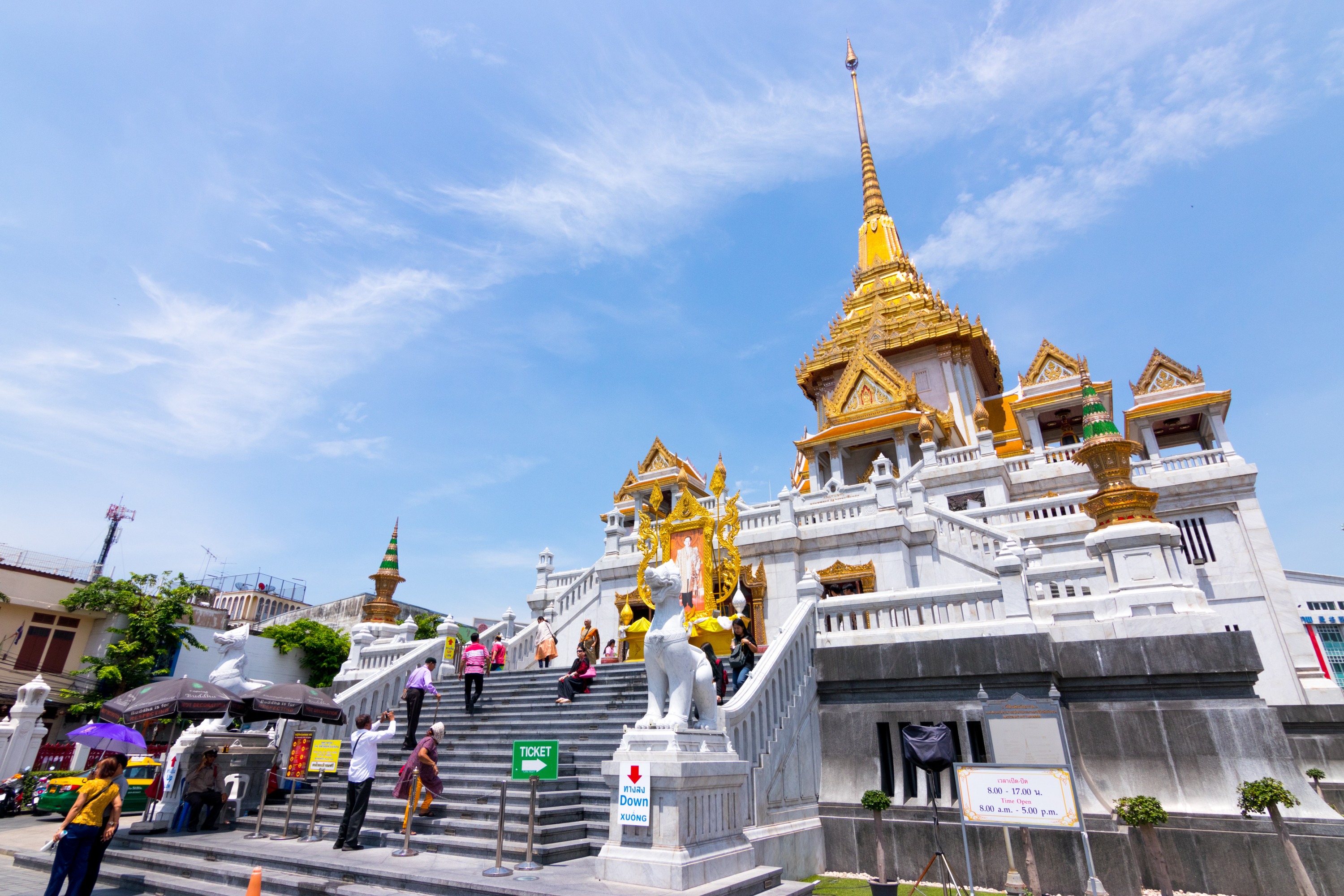
Wat Traimit, the Temple of the Golden Buddha
In Bangkok, Wat Traimit shelters a solid gold Buddha measuring 3 meters and weighing 5.5 tonnes, whose golden identity was only revealed in 1955.
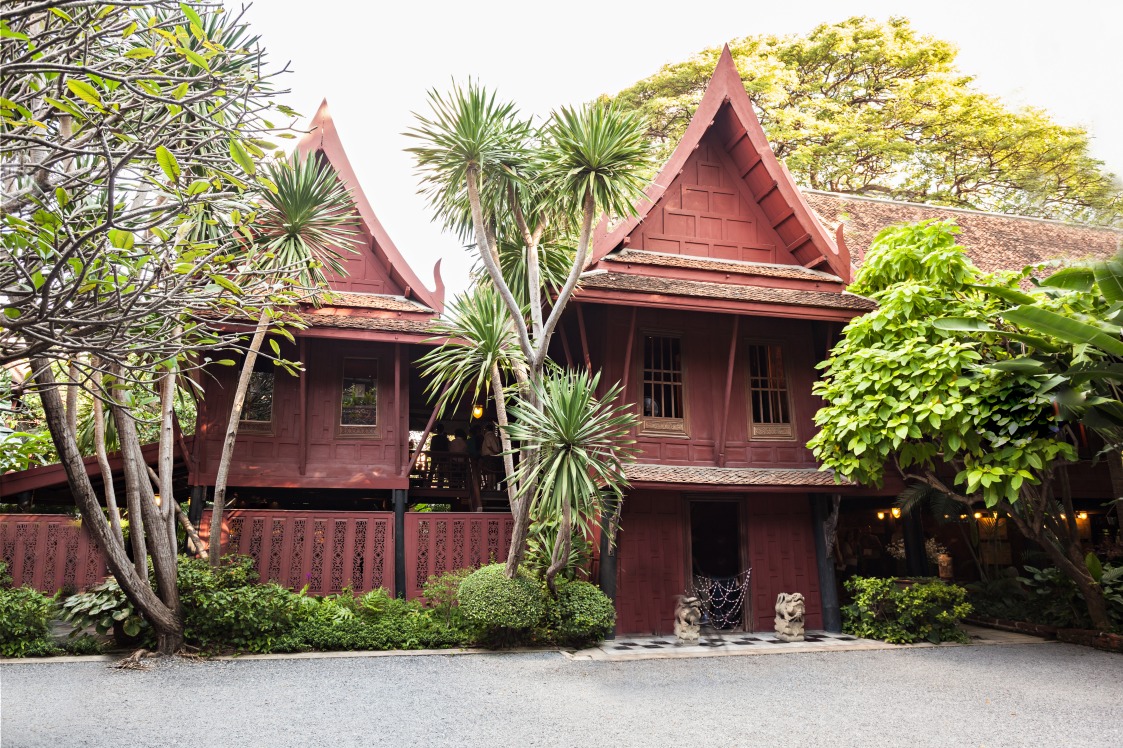
Jim Thompson House
In Bangkok, Jim Thompson House preserves the teak residence and Asian art collection assembled by the American who revived the Thai silk industry.
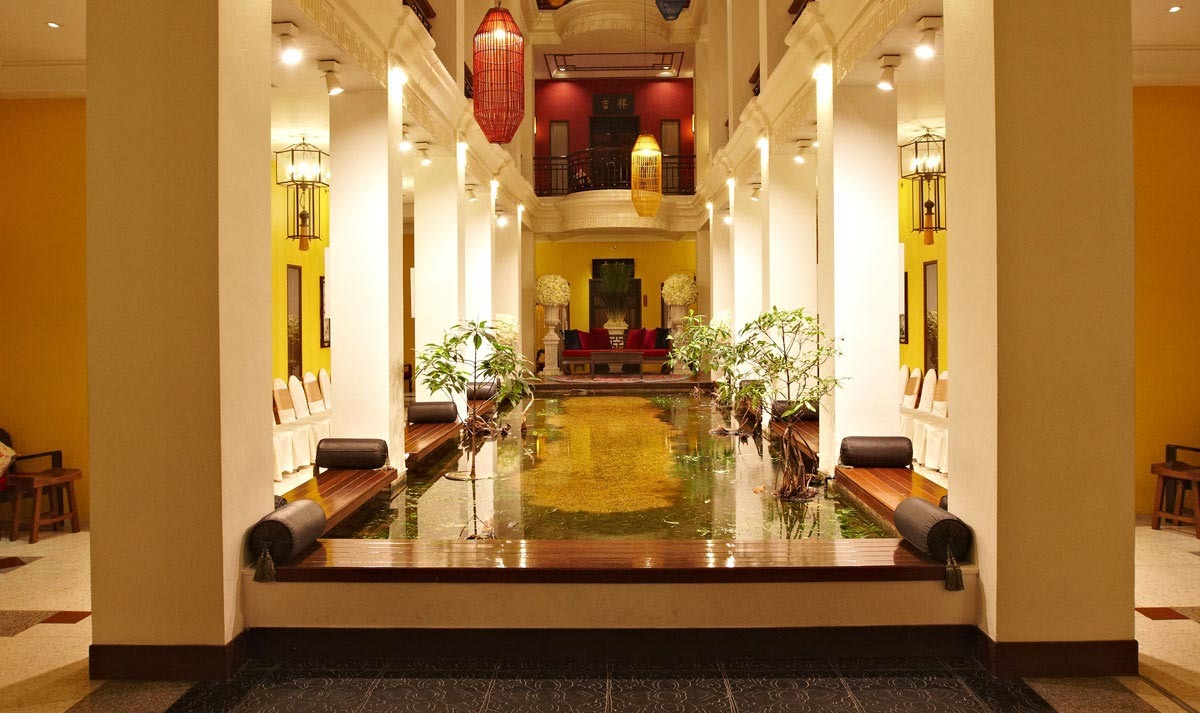
Shanghai Mansion
4-star hotel with vintage Shanghai inspiration on Yaowarat Road, in the heart of Bangkok's Chinatown. 67 rooms, Sino-Thai restaurant and jazz concert bar.
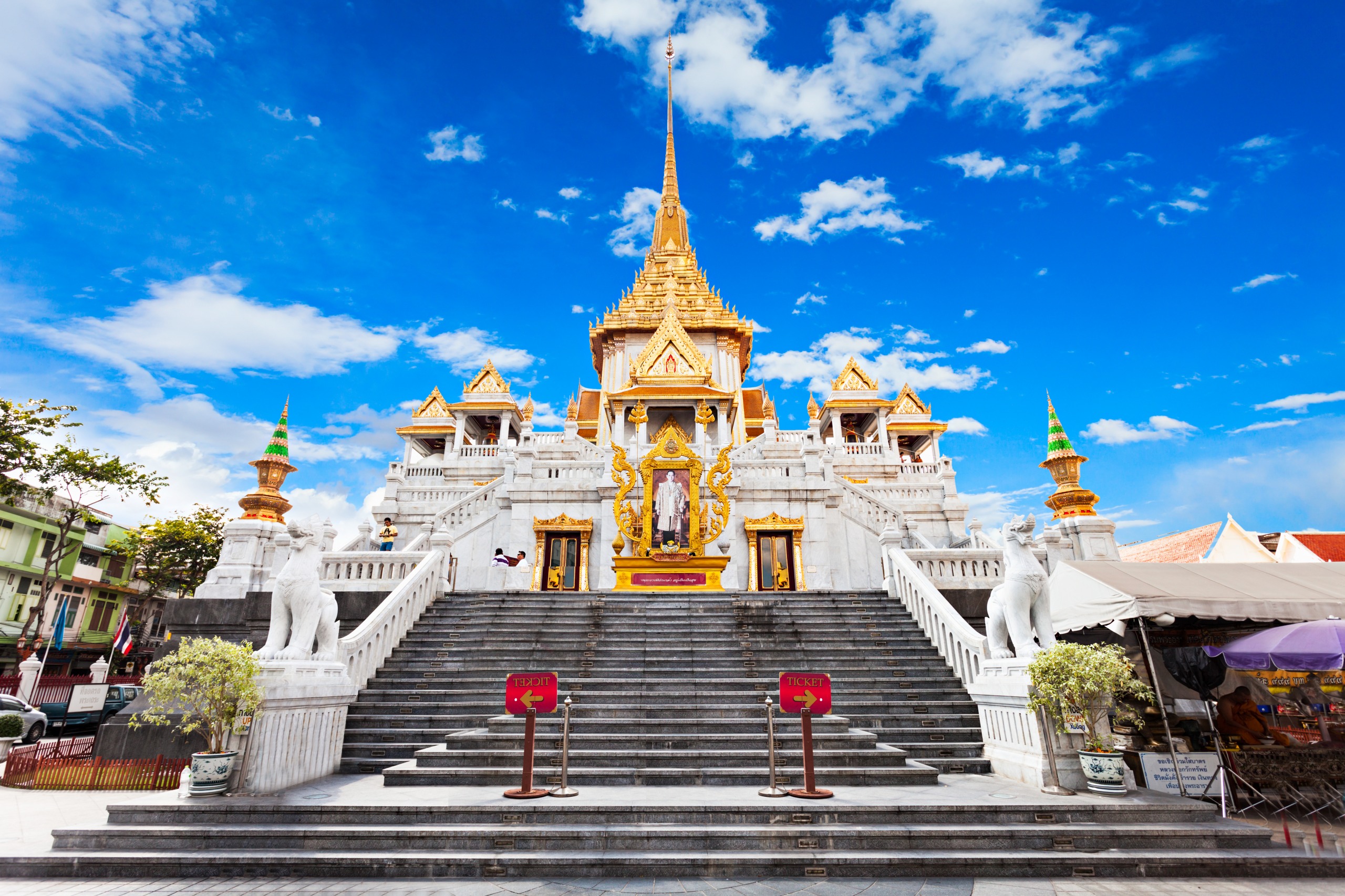
Yaowarat Chinatown Heritage Museum
On the first floor of Wat Traimit in Bangkok, the Yaowarat Chinatown Heritage Museum traces three centuries of Chinese immigration into the Kingdom of Siam.
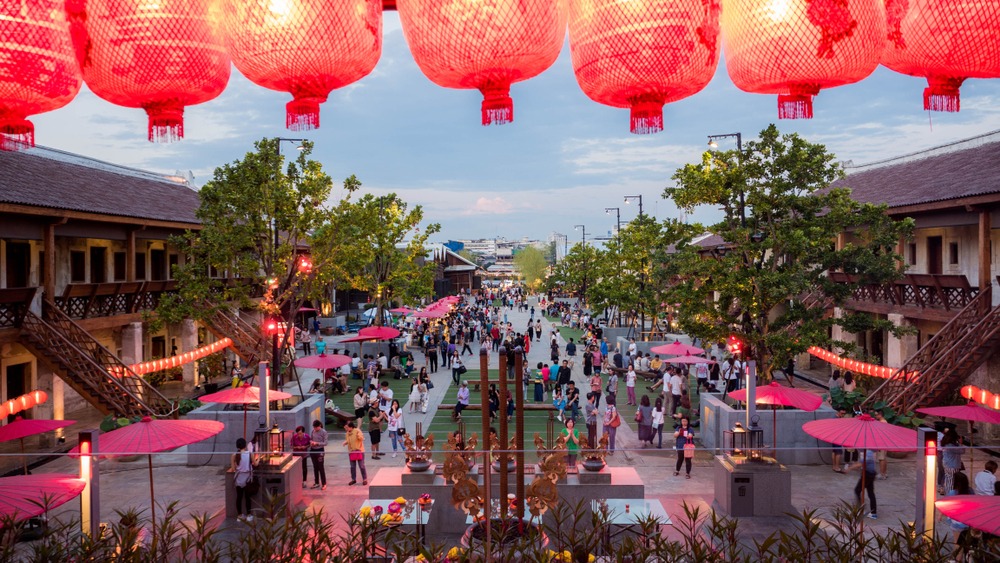
Lhong 1919
A historic merchant wharf from 1850 on the Chao Phraya River, Lhong 1919 brings together a Sino-Thai mansion, a sanctuary dedicated to Mazu, and artisan shops in the Khlong San district.
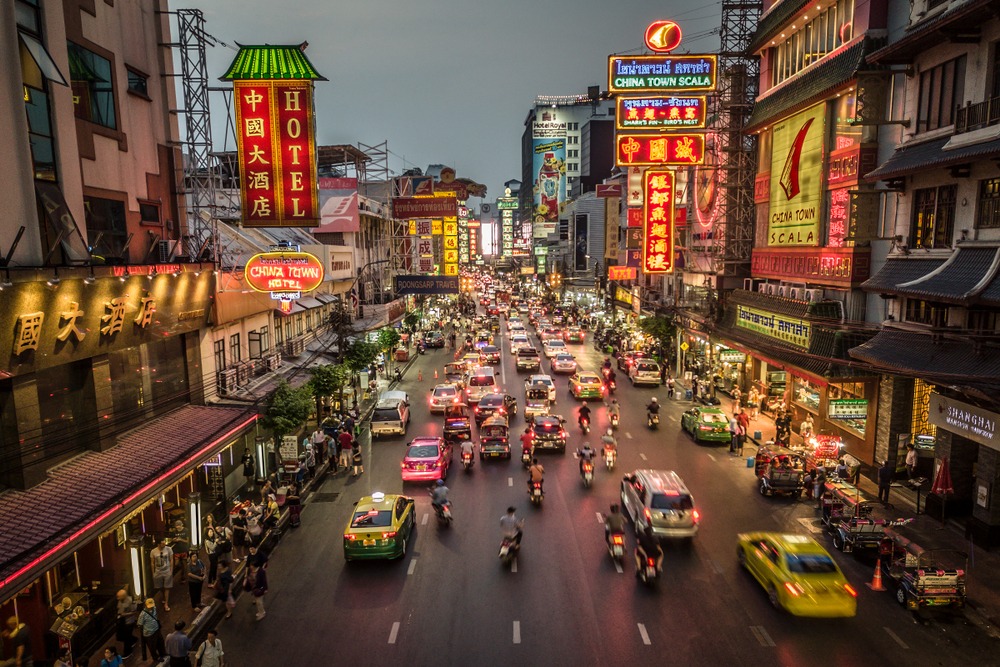
Bangkok's Chinatown
Yaowarat, Sino-Thai temples, heritage museum, and street food: a practical guide to Bangkok's Chinatown, founded in 1782 by Teochew and Hokkien communities.
Interested in this visit?
We can include it in your personalised itinerary.