National Museum of Bangkok
National Museum of Bangkok
4 Soi Na Phra That, Khwaeng Phra Borom Maha Ratchawang, Khet Phra Nakhon, Krung Thep Maha Nakhon 10200, Thaïlande
Home to the country's most extensive collection of Thai art, housed in the former Wang Na palace, steps away from the Grand Palace: history, main galleries and practical advice.
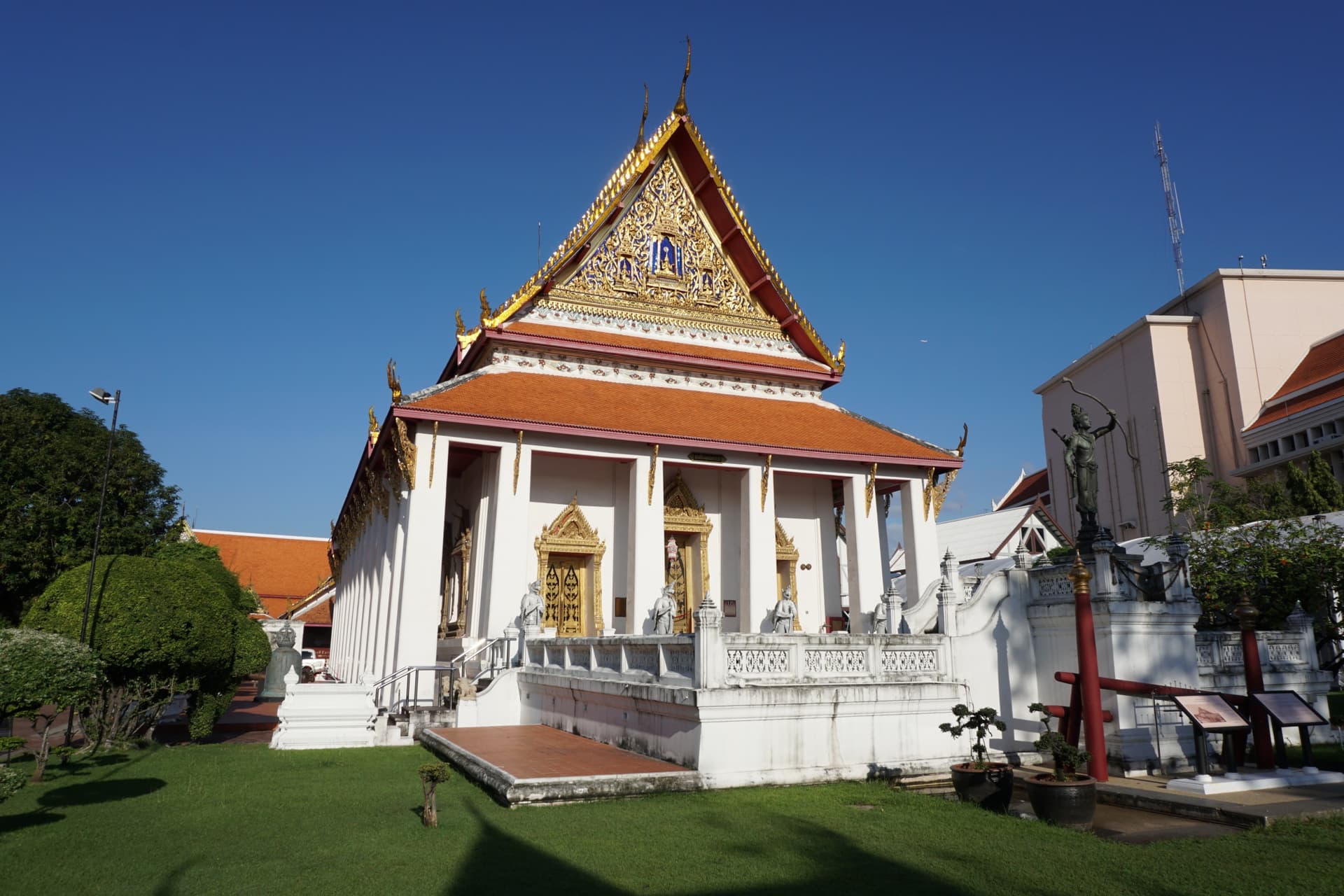
The National Museum of Bangkok brings together the country's most important collection of Thai and Asian art. Located on Na Phra That Road, between Thammasat University and the National Theatre, it occupies the buildings of the former Wang Na palace, in the heart of the historic Rattanakosin district, just a short walk from the Grand Palace.
Why visit the National Museum of Bangkok
The museum offers a chronological journey through Thai art and history, from prehistory to the Rattanakosin period. For anyone wishing to understand the cultural richness of the Thai capital before or after visiting the neighbouring temples, it's an invaluable educational step: the pieces on display illuminate Buddhist styles, the royal court, decorative arts and Thai script.
The site combines three rare assets in one place: royal buildings from the 18th and 19th centuries, an encyclopaedic collection of sacred and secular objects, and volunteer-led tours available in English, which remains exceptional in Bangkok.
A history linked to the Chakri kings
The museum's origins date back to 1859, when King Rama IV decided to preserve his private collections of antique objects. His successor, Rama V, transformed this initiative into a public institution: on 19 September 1874, Thailand's first public museum opened within the Grand Palace grounds, in the Concordia Pavilion. This date is now considered by the Department of Fine Arts as the birth of the museum.
In 1887, Rama V transferred the collections to the Wang Na palace and the establishment became known as the "Wang Na Museum". It was renamed the "Bangkok Museum" in 1926, before receiving its current name in 1934. The buildings themselves, former royal residences, thus tell the story of the Chakri dynasty in parallel with the objects they house.
What to see on site
The museum is organised around three main complexes, complemented by several thematic galleries.
The Siwamokhaphiman Hall
Built during the reign of Rama I, this building houses the gallery dedicated to Thai history. Notably on display is the engraved stone pillar attributed to Pho-khun Ramkamhaeng, considered to be the oldest known example of Thai script — a masterpiece of the collection.
The Red House
A construction of teak wood, the Red House was the residence of Princess Sri Sudarak, elder sister of Rama II. The interior preserves several personal objects of Queen Sri Suriyendra, which recreate the atmosphere of a 19th-century aristocratic residence.
The Buddhaisawan Chapel
Built in 1787, this chapel houses the Phra Buddha Singh, one of the country's most revered Buddha images. The walls are covered with paintings depicting scenes from the life of Buddha, in remarkable condition. During the Songkran festival, the faithful traditionally sprinkle the Phra Buddha Singh with perfumed water.
Royal chariots and decorative arts collections
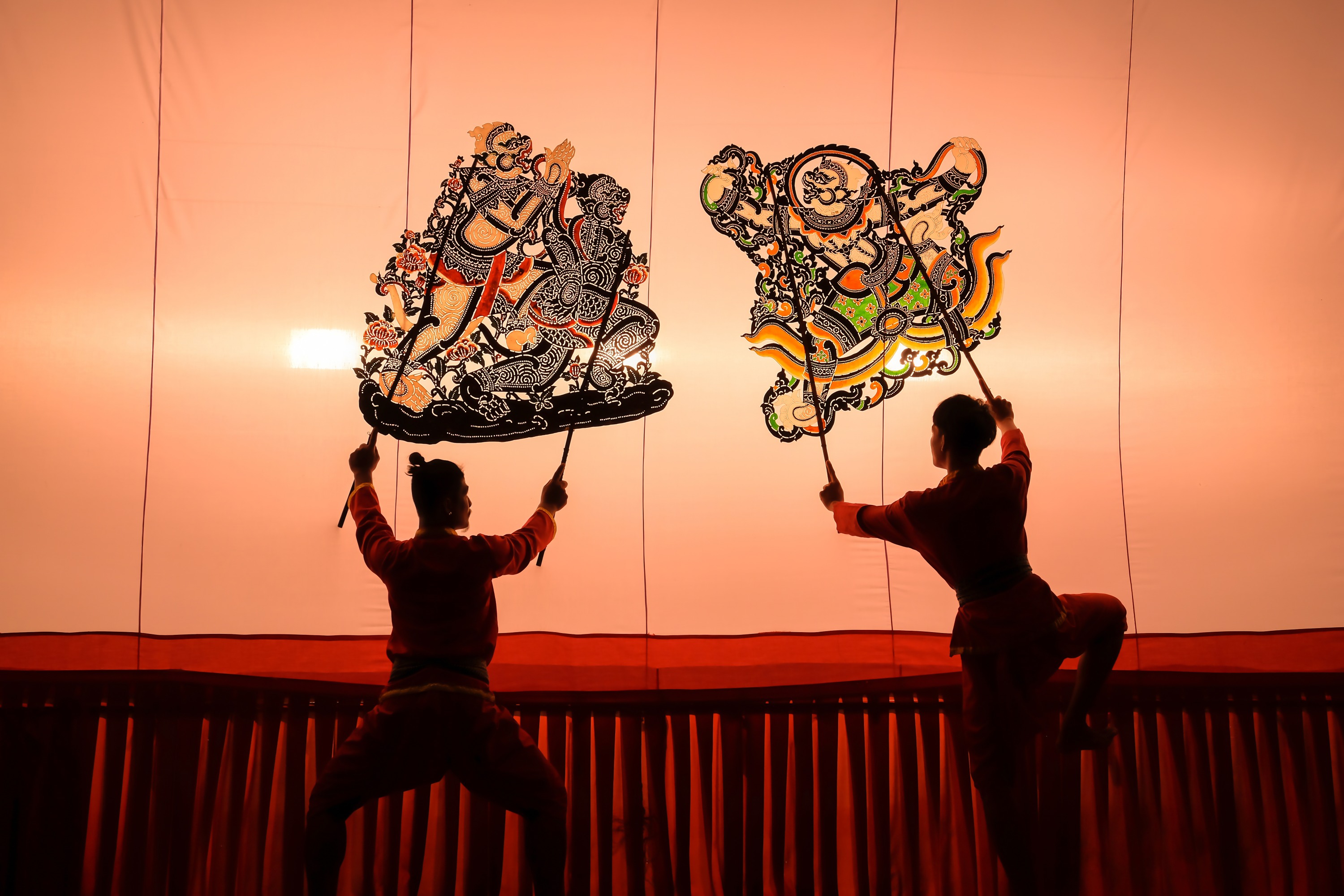
A separate hall presents the funeral chariots used in royal ceremonies, including those from the funerals of Princess Mother Srinagarindra (1995) and Princess Galyani Vadhana (2008). The other galleries display Khon masks, ceramics, puppets, wooden sculptures, traditional instruments, textiles, period clothing and Chinese weapons, as well as a collection of Buddhist objects from across Asia.
Practical information
- Address: Na Phra That Road, between Thammasat University and the National Theatre, Phra Nakhon district.
- Opening days: Wednesday to Sunday, closed Mondays, Tuesdays and public holidays (hours to be verified before your visit).
- Admission: paid entry at a moderate rate for foreign visitors; free or reduced for Thai nationals.
- Guided tours: offered free of charge in English, German and Japanese on set days; an excellent way to understand the context of the pieces.
- Recommended duration: allow 2 to 3 hours to visit the main galleries.
- Rules: photography is permitted without flash; shoes must be removed in certain buildings, so wear footwear that is easy to slip off.
When to visit
The museum can be visited year-round, away from the weather. The cool season, from November to February, remains the most pleasant time to combine a visit here with the neighbouring outdoor temples. In mid-April, the Songkran festival (Thai New Year) features ceremonies around the Phra Buddha Singh in the Buddhaisawan Chapel: a key moment for those interested in the living dimension of Thai Buddhism, but one to plan ahead for due to crowds.
How to get there
The museum is located in the Phra Nakhon district, on the east bank of the Chao Phraya. From the city centre, the simplest option is to take the river bus along the river to the Maharaj or Phra Chan pier, then walk to Sanam Luang (5 to 10 minutes). By taxi or tuk-tuk, ask for "National Museum, Sanam Luang". The nearest MRT station, Sanam Chai, allows a short taxi ride from there.
Nearby attractions
The museum is set within a densely packed heritage area:
- The Grand Palace of Bangkok and the Wat Phra Kaeo, just a few minutes' walk via Sanam Luang.
- The Wat Pho and its Reclining Buddha, just south of the Grand Palace.
- The Wat Arun, on the opposite bank, accessible by a brief boat ride.
Visiting the Grand Palace in the morning and the museum in the afternoon makes for a thematically coherent day.
Frequently asked questions
The museum is open Wednesday to Sunday, and closed on Mondays, Tuesdays and public holidays. Hours may change: it is recommended to check on site or with your travel advisor before your visit.
Yes. Volunteers provide free guided tours in English, German and Japanese on set days. It's the best way to understand the chronology of the collections.
Allow 2 to 3 hours to tour the Siwamokhaphiman Hall, the Red House, the Buddhaisawan Chapel and the royal chariots hall. Art enthusiasts may wish to spend a half day here.
The museum presents the Pho-khun Ramkamhaeng pillar, the Phra Buddha Singh Buddha image, 18th-century murals, Khon masks, ceramics, puppets, wooden sculptures, textiles, Chinese weapons and the royal chariots used in royal funeral ceremonies.
The museum is about 10 minutes' walk from the Grand Palace, crossing the Sanam Luang esplanade to the north-west. It is located on Na Phra That Road, between Thammasat University and the National Theatre.
Plan your visit with Nomadays
The National Museum fits naturally into a cultural circuit of Bangkok and a tailor-made trip to Thailand. Our travel advisors can organise a visit with a private English-speaking guide, combine it with the Grand Palace and Wat Pho, or pair it with a crossing of the Chao Phraya towards Wat Arun.
Photos
Nearby
Also discover
Phra Nakhon District
Phra Nakhon concentrates Bangkok's founding heritage: Grand Palace, Wat Phra Kaeo, Wat Pho, National Museum and the Indian quarter of Phahurat.
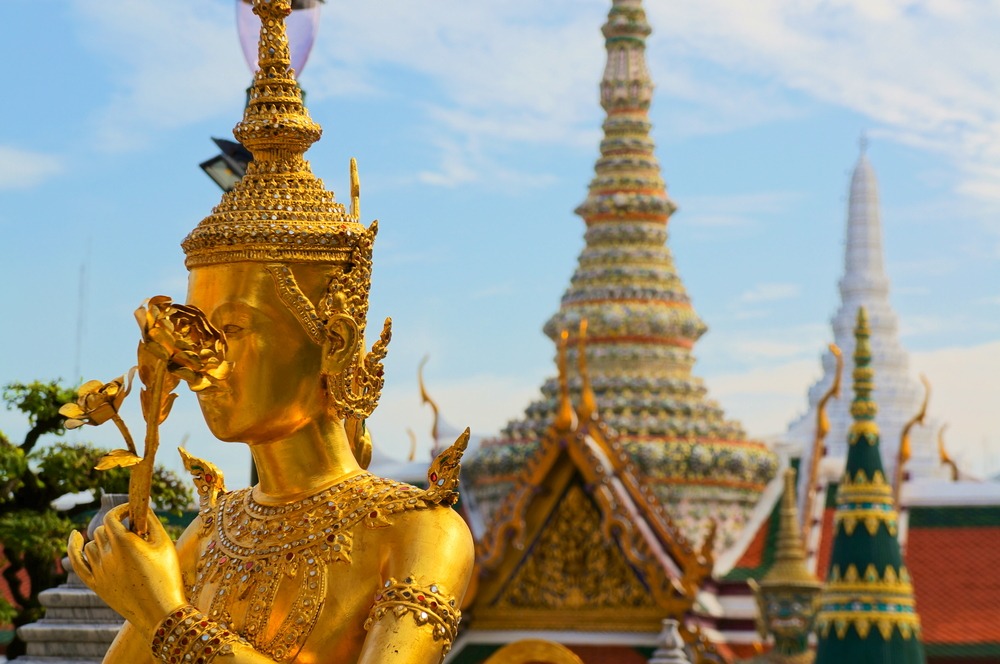
Wat Phra Kaeo
Royal temple of the Emerald Buddha, at the heart of Bangkok's Grand Palace, founded in 1783 by Rama I on the island of Rattanakosin.
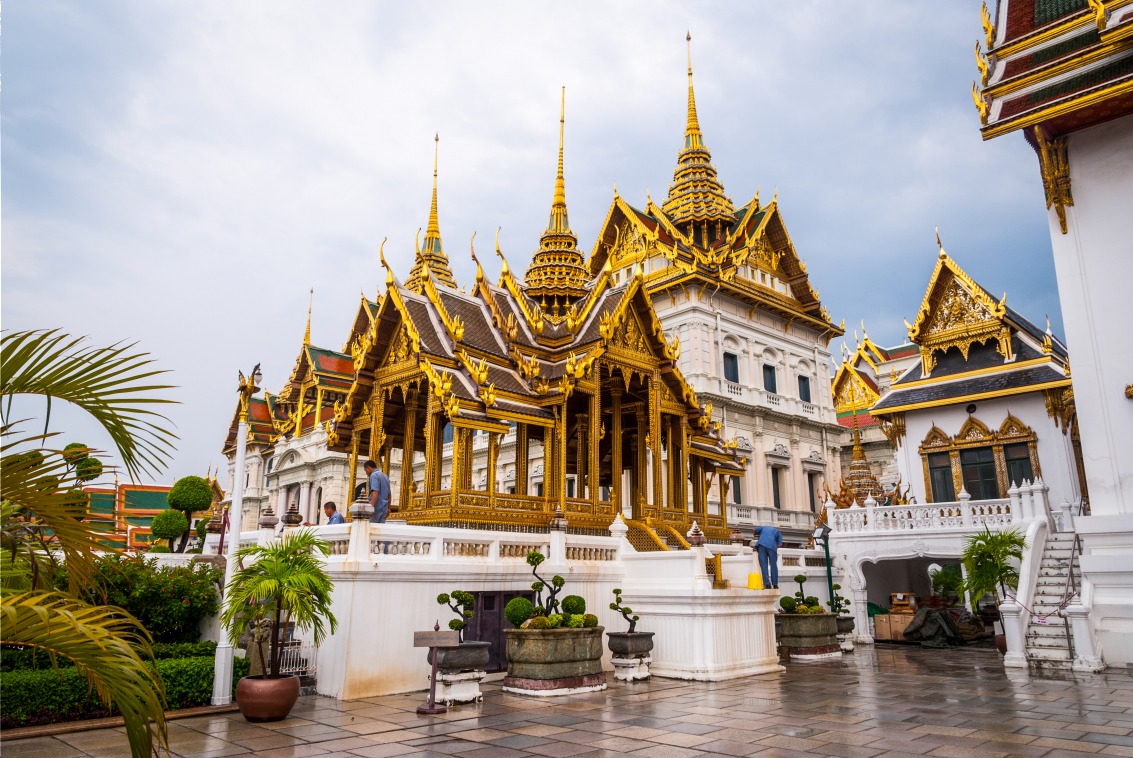
Grand Palace of Bangkok
Royal complex founded in 1782 by Rama I, the Grand Palace of Bangkok houses Wat Phra Kaeo and the Emerald Buddha. Practical guide to prepare your visit.
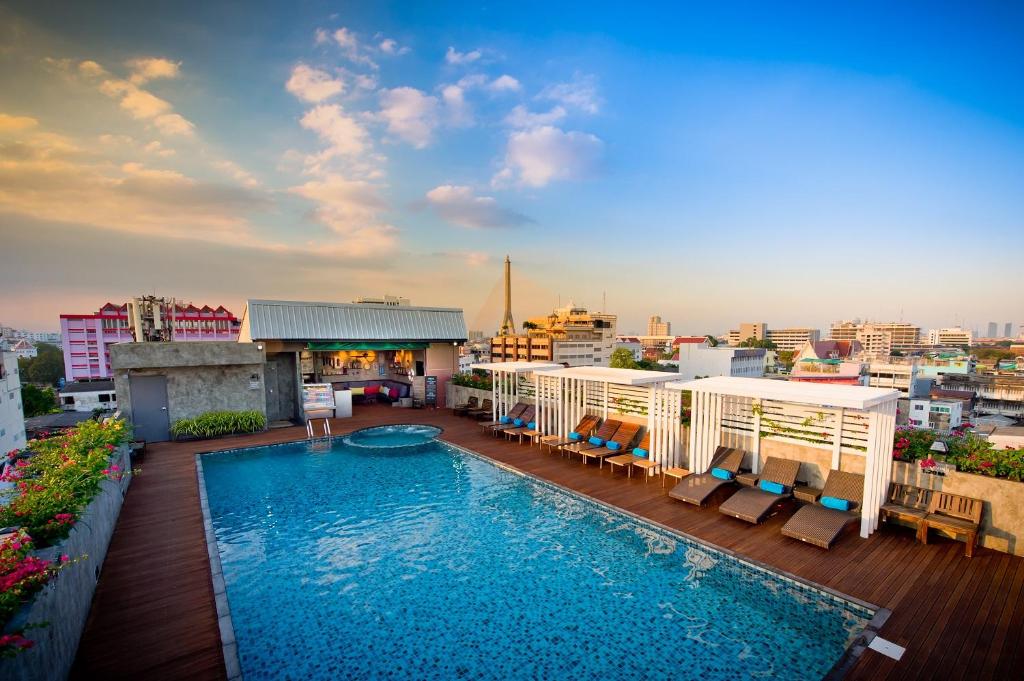
Nouvo City Hotel
Urban comfort hotel in Banglamphu's historic district, Bangkok: rooms of 32 to 38 m², spa, two pools and recognized halal dining.
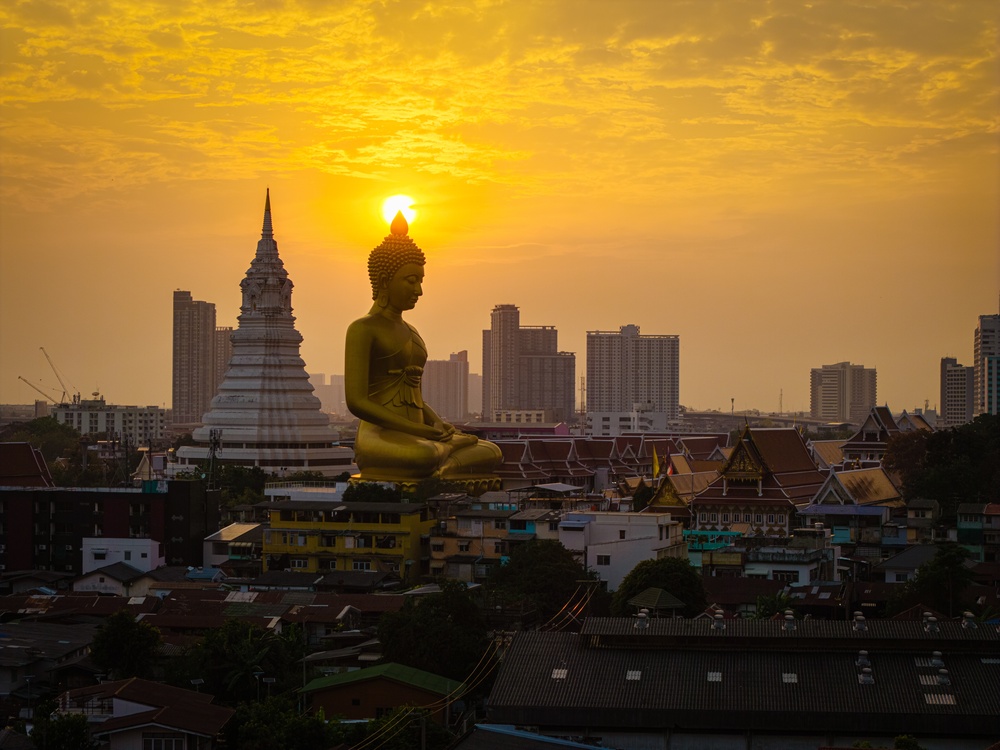
Bangkok
Bangkok, Thailand's vibrant capital, sometimes described as chaotic, is often overlooked by travelers who prefer the northern treks or southern beaches. Yet bypassing Bangkok during your Thailand trip means missing out on incredible Thai cultural diversity.
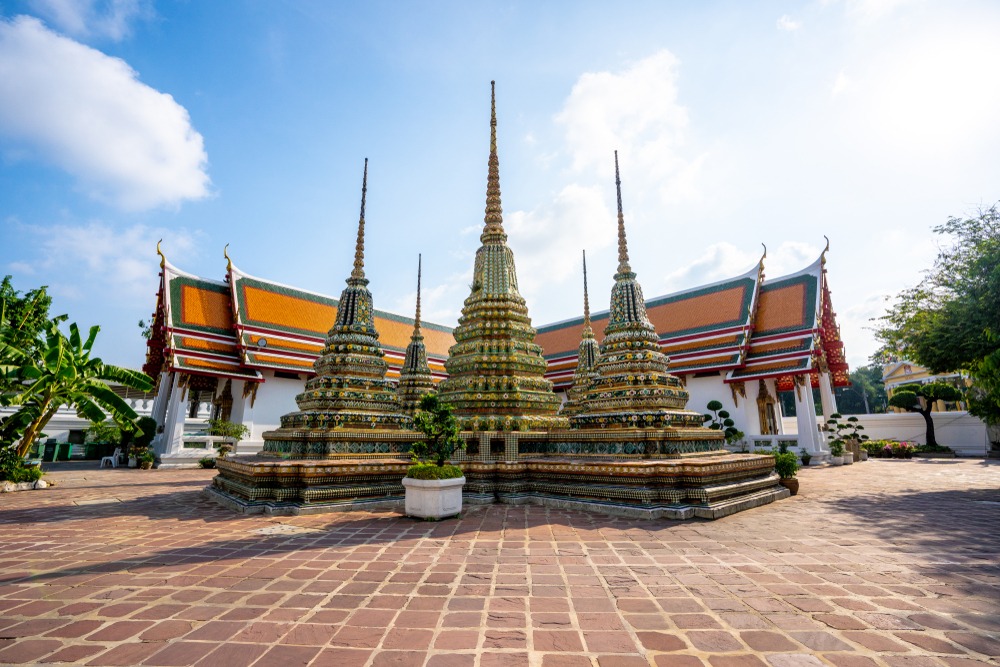
Wat Pho
South of Bangkok's Grand Palace, Wat Pho houses a 46-meter Reclining Buddha, 400 statues, and a UNESCO-recognized Thai massage school.
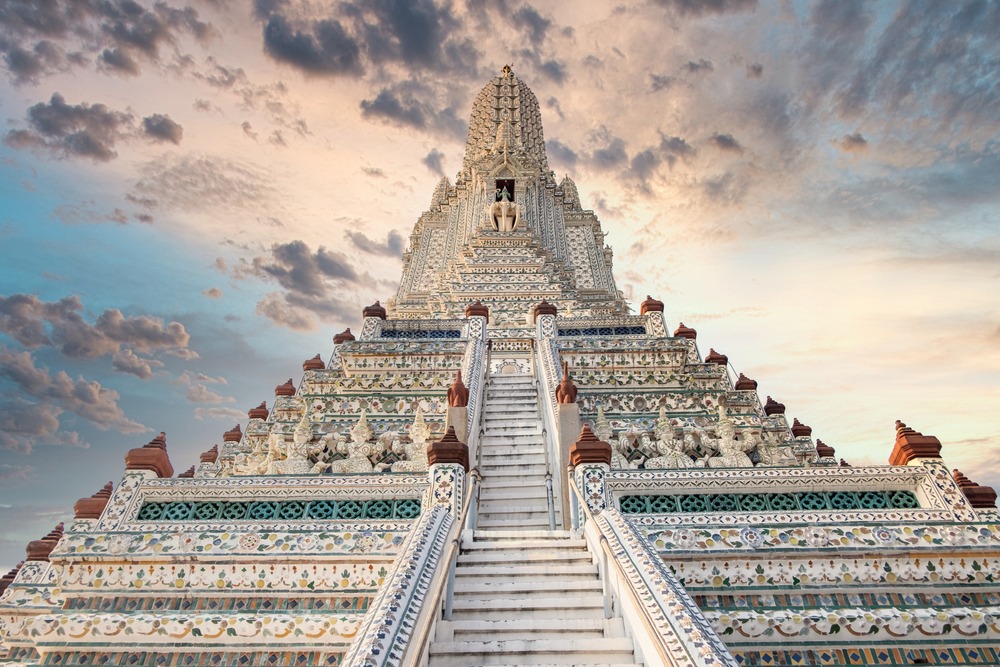
Wat Arun
Wat Arun, or the Temple of Dawn, dominates the western bank of the Chao Phraya in Bangkok with its 70-meter prang covered in porcelain mosaics.
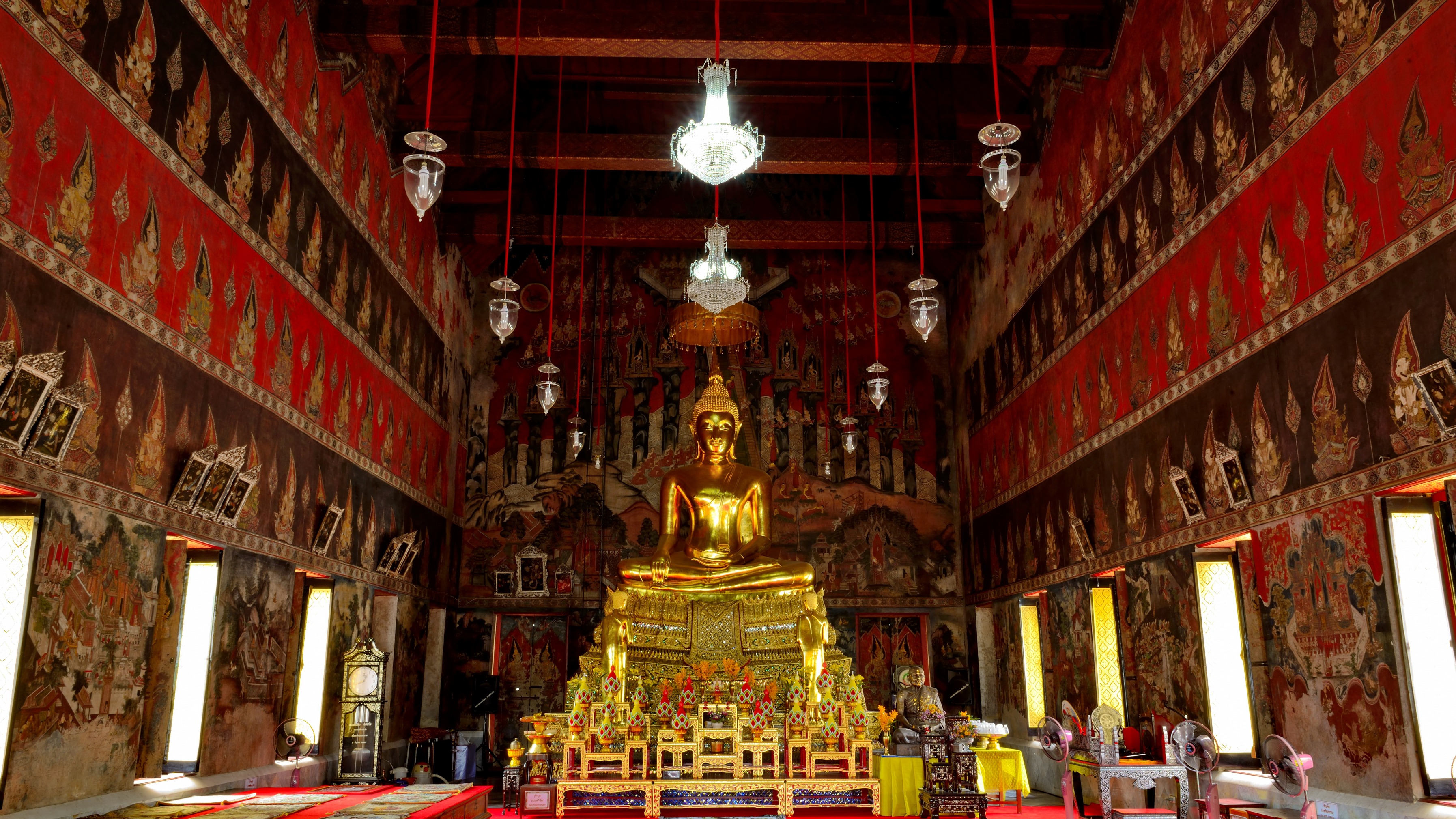
Wat Suwannaram
On the western bank of the Bangkok Noi canal, Wat Suwannaram combines Ayutthaya architecture, Jataka frescoes and the royal history of Siam.
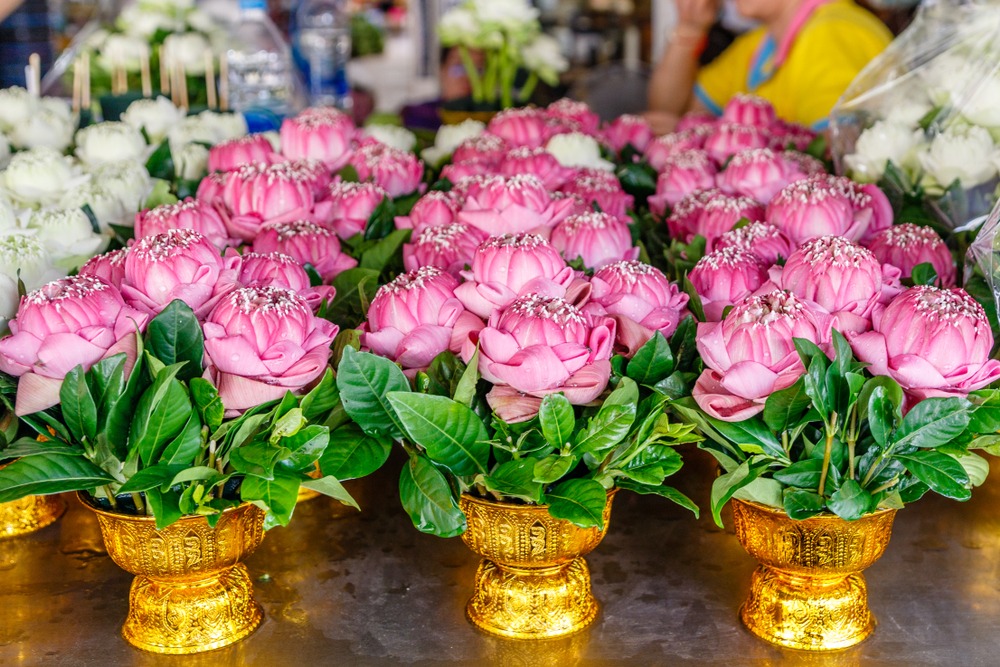
Pak Khlong Talat
Historic flower market in Bangkok, open around the clock near the Chao Phraya, supplying hotels, restaurants and temples in the capital with fresh blooms.
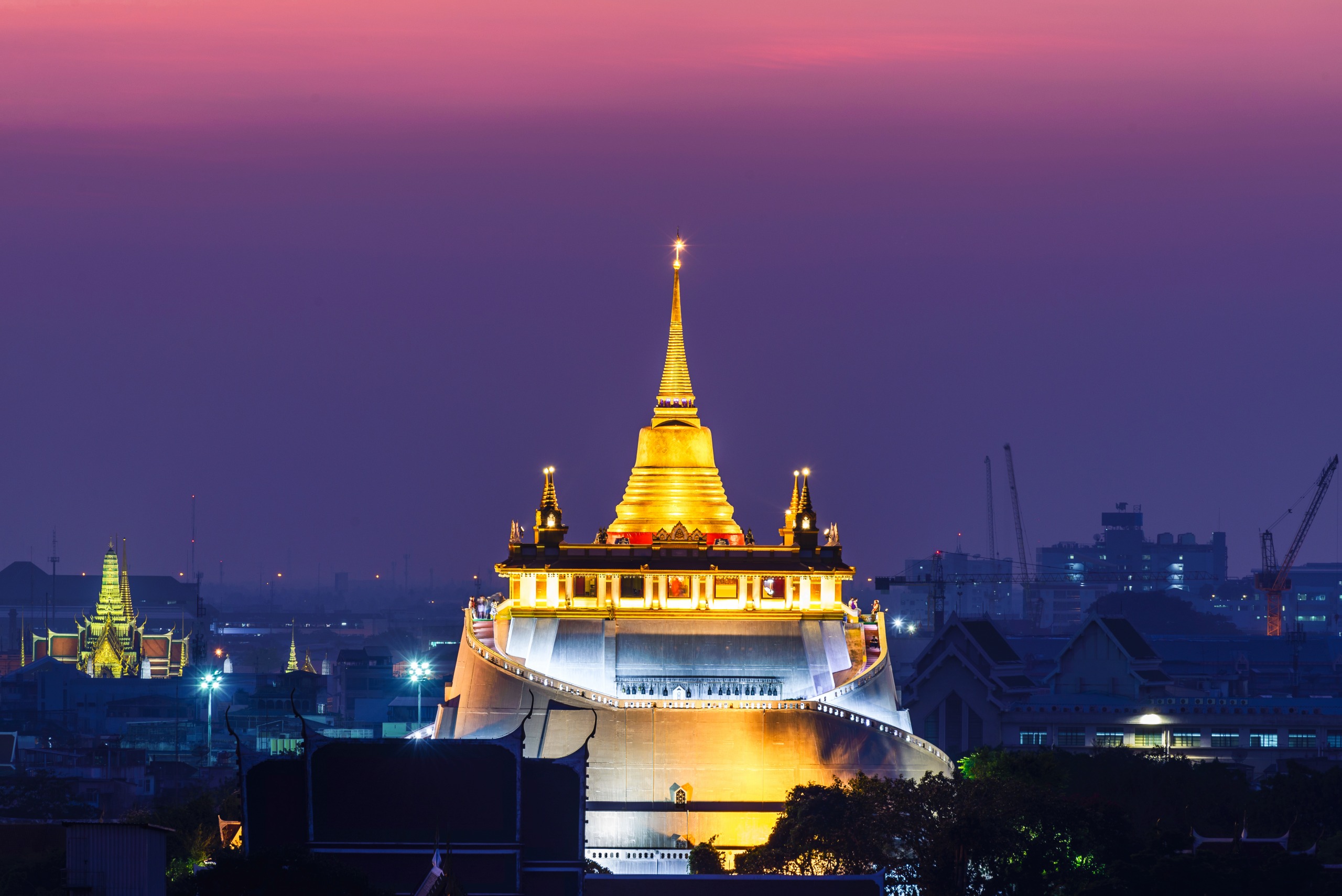
Wat Saket
Wat Saket, or the Golden Mount Temple, dominates Bangkok from its artificial hilltop. History, ascent of the golden chedi and visiting tips.
Interested in this visit?
We can include it in your personalised itinerary.