Ganesha Himal Museum
Ganesha Himal Museum
277 หมู่ที่ 10 Tambon Yang Kram, Amphoe Doi Lo, Chang Wat Chiang Mai 50160, Thaïlande
Founded in 2002 in Doi Lo district, this private museum dedicated to Ganesh combines a teak sanctuary, exhibition halls, and gardens, 35 km south of Chiang Mai.
The Ganesha Himal Museum, founded in 2002 by Pundhorn Teerakanon, is a site dedicated to Ganesh located in Doi Lo district, south of Chiang Mai. The site brings together a teak wood sanctuary, two exhibition halls, and a garden populated with statues, all arranged within an architecture blending Lanna, Balinese, Mongolian, and Islamic influences.
Why visit Ganesha Himal Museum
The site holds interest for several reasons. First, it houses one of Thailand's most extensive private collections of Ganesh representations, assembled by a devotee who dedicated the project to the Hindu deity. Second, it exemplifies an uncommon composite architectural style in the region: Cambodian-inspired wall tiles, Roman-inspired floor mosaics, and Lanna and Balinese structures stand side by side on the same grounds. Finally, visitor numbers remain modest compared to central Chiang Mai temples, making for a peaceful visit.
The origin of Ganesh: the legend of the elephant head
Ganesh is one of the major deities in the Hindu pantheon. According to tradition, the goddess Parvati creates him from the dust of her body to ease the absence of her husband Shiva. Endowed with great strength, the child receives the task of guarding the entrance to his mother's bathroom and allowing no one to enter.
When Shiva returns and is denied entry, he severs the child's head without realizing it is his son. Faced with Parvati's grief, he promises to bring him back to life. Unable to find the original skull, he decides to graft the head of the first living creature he encounters: a young elephant with a broken tusk. This explains Ganesh's iconography—recognizable by his four arms, his elephant head with a broken tusk, and the rats that accompany him as messengers.
What to see on site
The main sanctuary
Built entirely of teak wood, the main sanctuary holds a central place within the grounds. Each brick was consecrated before being laid. The building houses a collection of effigies of Ganesh and his parents, and remains an active place of worship: visitors are expected to observe silence and respect those in prayer. Nearby, beneath vines and shrubs, stands a seated statue of Shiva.
The first exhibition hall
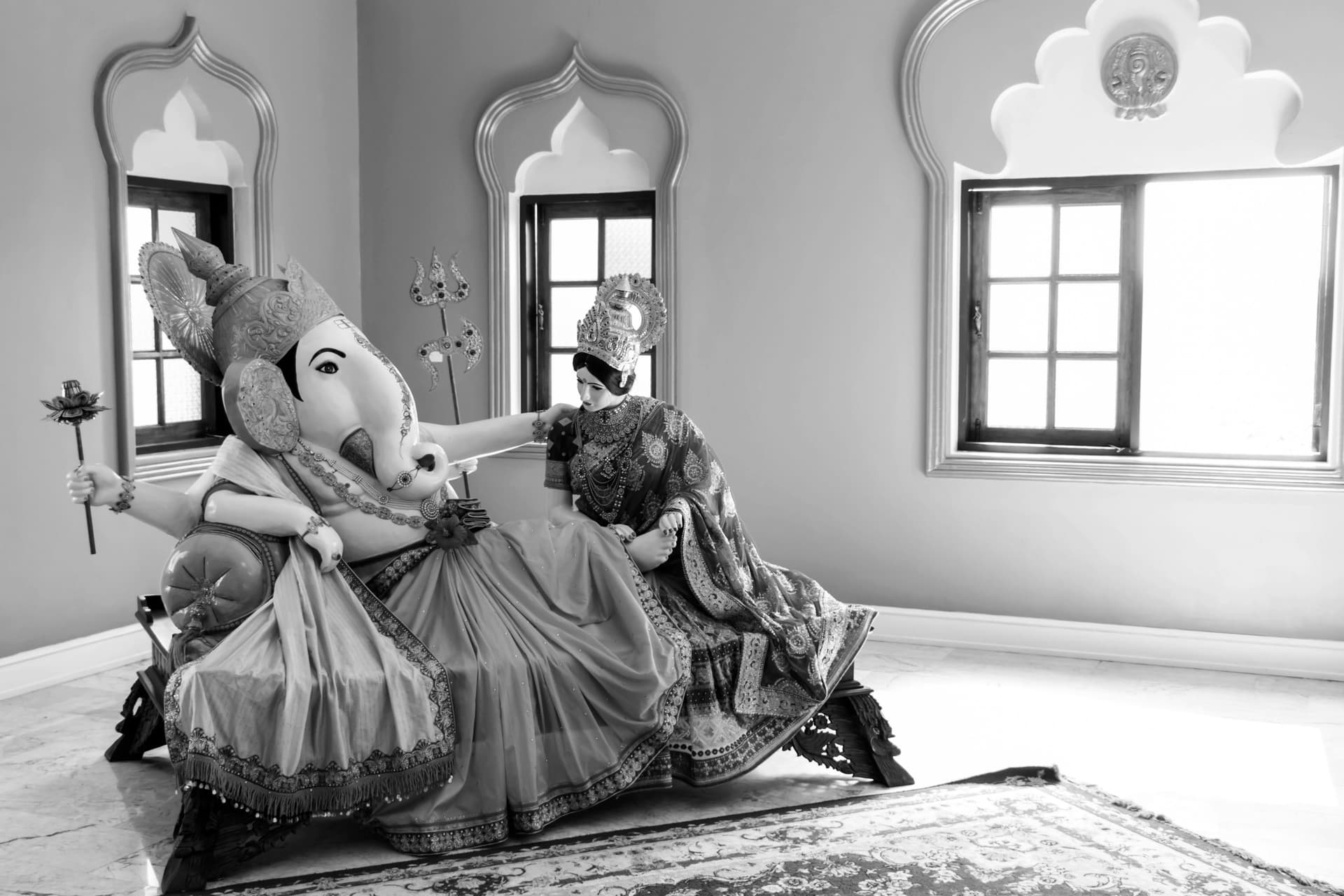
Decorated in soft peach tones, this hall showcases Islamic art applied to a Hindu setting. It presents Ganesh statues brought from several Asian countries, accompanied by captions in English and Thai. Adjacent are a shop and dining area, where a hyperrealistic wax statue depicts a monk in meditation.
The second hall
The second building houses water basins in which colorful Lakshmi effigies are arranged. The central piece is a collection of wax statues depicting the marriage of Ganesh to Ridhhi.
The grounds
The courtyard is scattered with representations of Apsara, fountains, and pools. Photography is permitted in this space and, specifically, within the exhibition hall; it is prohibited elsewhere in the museum. For a modest fee—typically a few dozen baht—visitors may don traditional attire and have their photograph taken by an on-site official photographer.
Practical information
- Address: 277 Moo 10 Yang Kram, Doi Lo, Chiang Mai Province
- Admission: generally free; confirm locally on arrival
- Hours: open during daytime hours daily; check locally before traveling
- Duration of visit: allow 1.5 to 2 hours to explore the sanctuary, both halls, and gardens
- What to bring: clothing covering shoulders and knees for the sanctuary; shoes easy to remove
When to go
The dry season, from November to February, offers the most comfortable conditions for visiting the site, particularly if you plan to travel by motorcycle. Temperatures are mild and rural route 3018 remains easily accessible. The rainy season (June to October) does not prevent a visit but may make the museum grounds slippery. Avoid midday during the hot season (March-May): exterior spaces offer little shade.
How to get there
The museum lies approximately 35 km south of Chiang Mai and a comparable distance from the international airport. From downtown, take route 108 southward, then rural route 3018 to Doi Lo. Allow 45 minutes by car or taxi. Motorcycle rental is possible for experienced riders, though the journey includes a stretch on a major road.
Nearby attractions
Southern Chiang Mai concentrates several sites that combine well with a museum visit:
- Baan Tawai village, the historic center of Lanna woodcarving.
- Mae Wang, a rural valley ideal for trekking and meeting local communities.
- Wat Pha Lat, a forest temple adjacent to Doi Suthep.
- Wat Umong, an ancient monastery with underground galleries.
Frequently asked questions
Frequently asked questions
Access is generally free. As this may change, it is best to confirm with your Chiang Mai accommodation before visiting.
Photography is prohibited in most of the site. It is permitted in the exhibition hall. An on-site official photographer offers portraits in traditional costume for a modest fee.
The site lies approximately 35 km south of the city. Take route 108 and then rural route 3018 to Doi Lo. The journey takes about 45 minutes by car.
A complete visit, including the sanctuary, both exhibition halls, and gardens, takes approximately 1.5 to 2 hours.
Yes. The wax statues, pools, and gardens lend themselves to a family visit. Remind children that the main sanctuary remains an active place of worship.
Plan your trip
Ganesha Himal Museum integrates easily into a northern Thailand itinerary, complementing Chiang Mai temples and the rural valleys of southern Chiang Mai Province. To build a custom itinerary, consult our Thailand journeys.
Photos
Nearby
Also discover
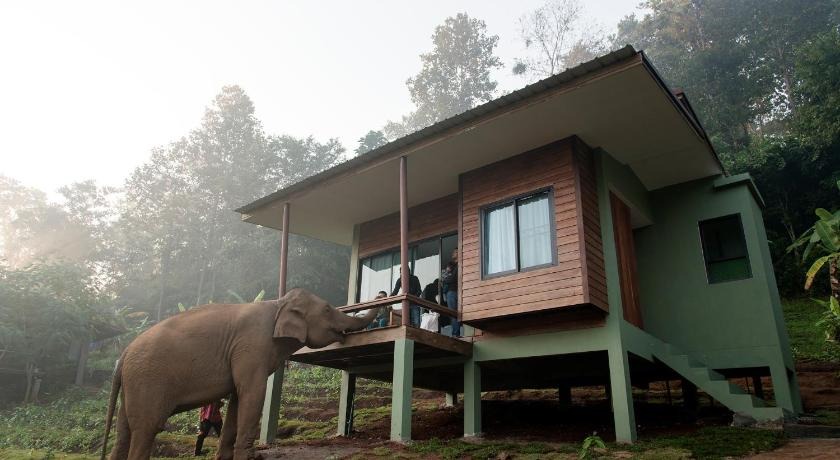
Chiang Mai Elephant Friends
Lodge in bungalows in the Mae Wang valley, 30 minutes from Chiang Mai, dedicated to elephant activities and jungle trekking.
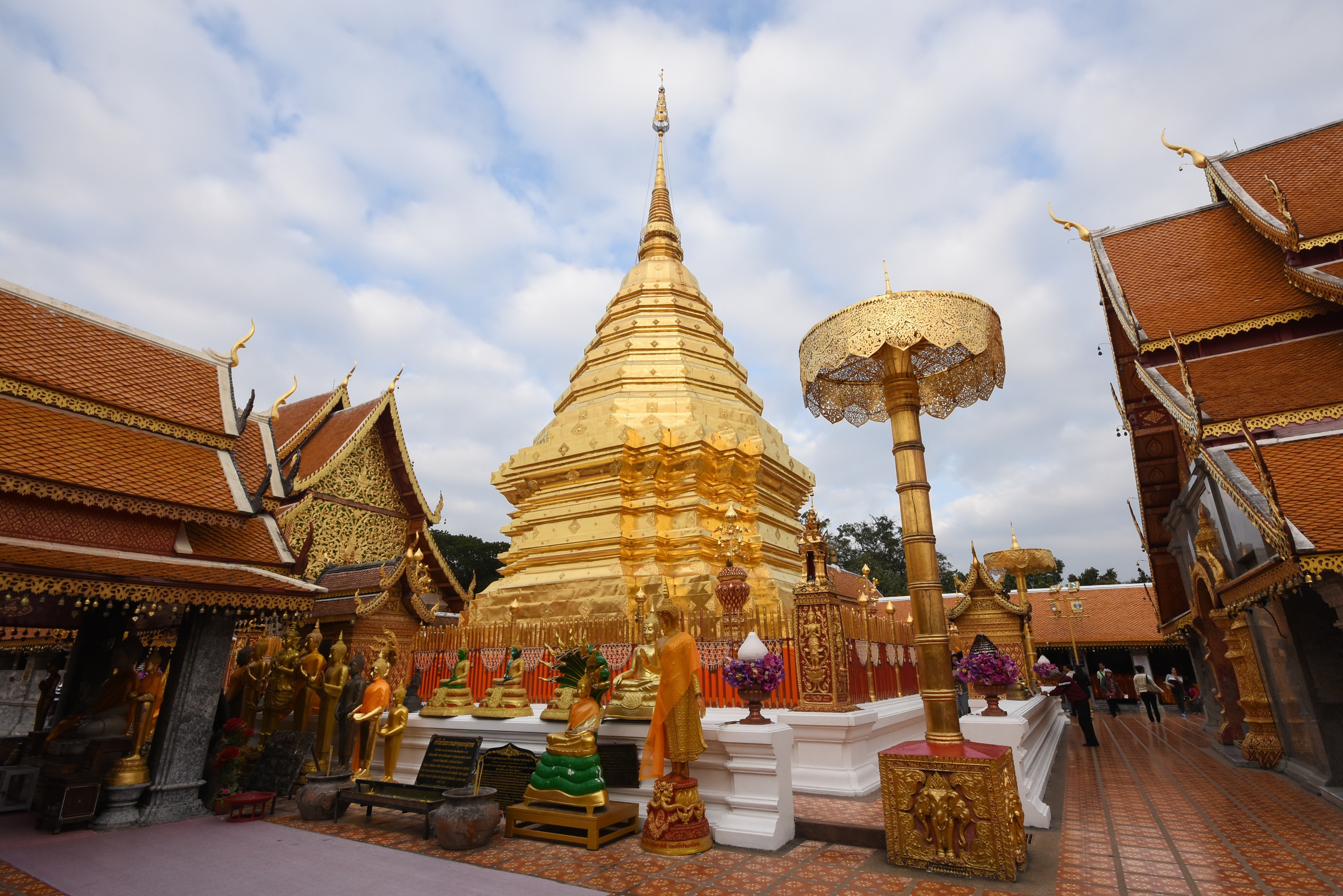
Wat Phra That Doi Suthep
Perched at 1,073 meters above Chiang Mai, Wat Phra That Doi Suthep encompasses six centuries of Lanna art around a golden chedi and a founding legend.
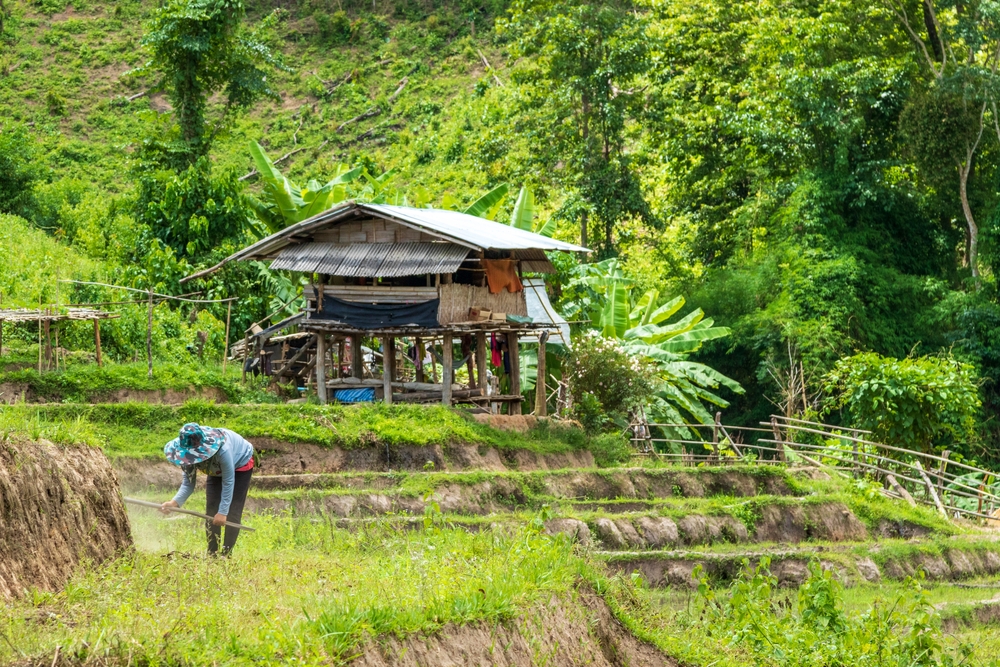
Mae Wang
A rural valley 30 km from Chiang Mai, Mae Wang combines rafting on the Wang River, a national park at the foot of Doi Inthanon, and Karen and Hmong villages.
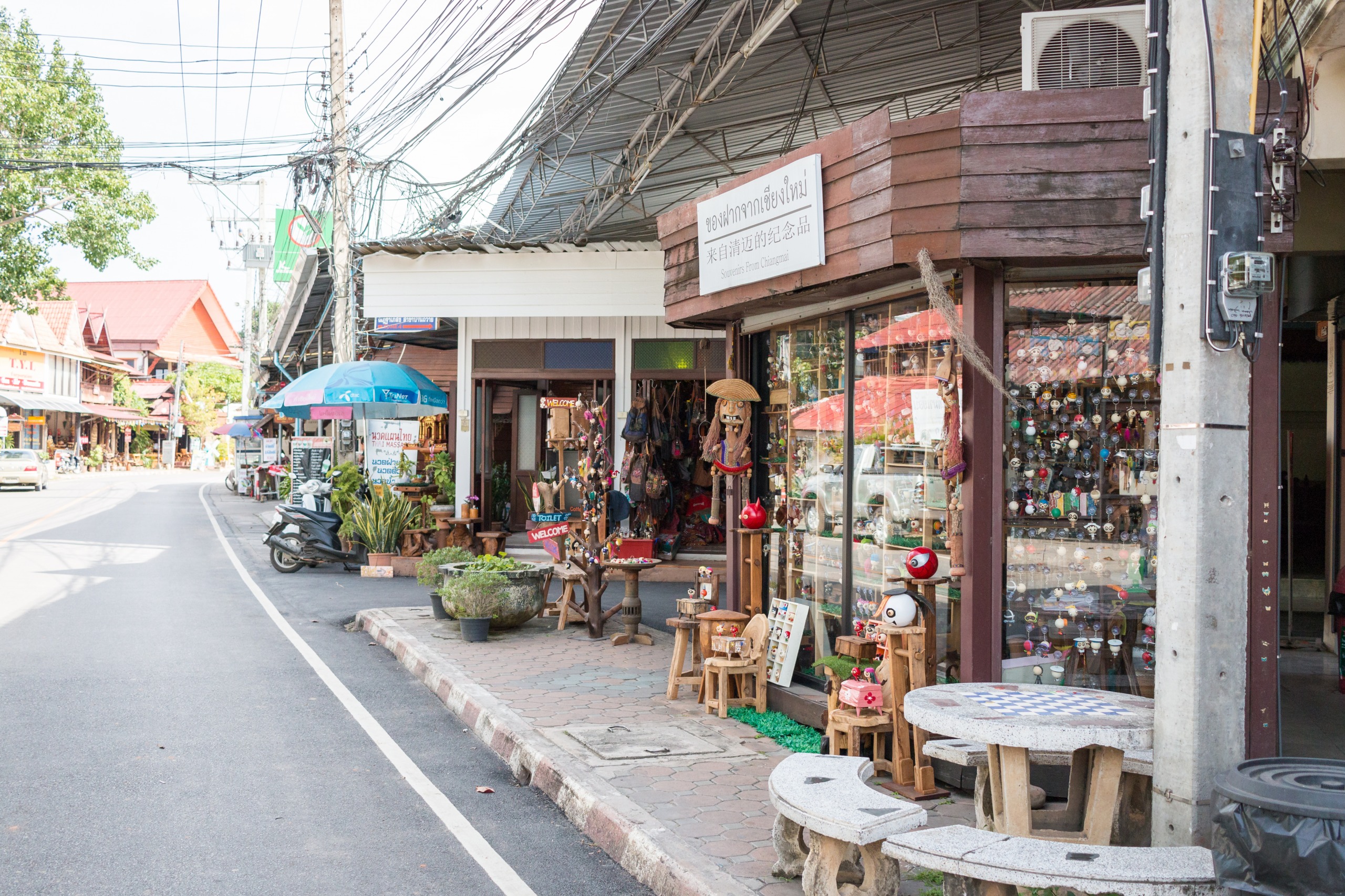
Baan Tawai wood carving village
Just 16 km south of Chiang Mai, Baan Tawai brings together the wood carving workshops of northern Thailand in an open-access artisan village.
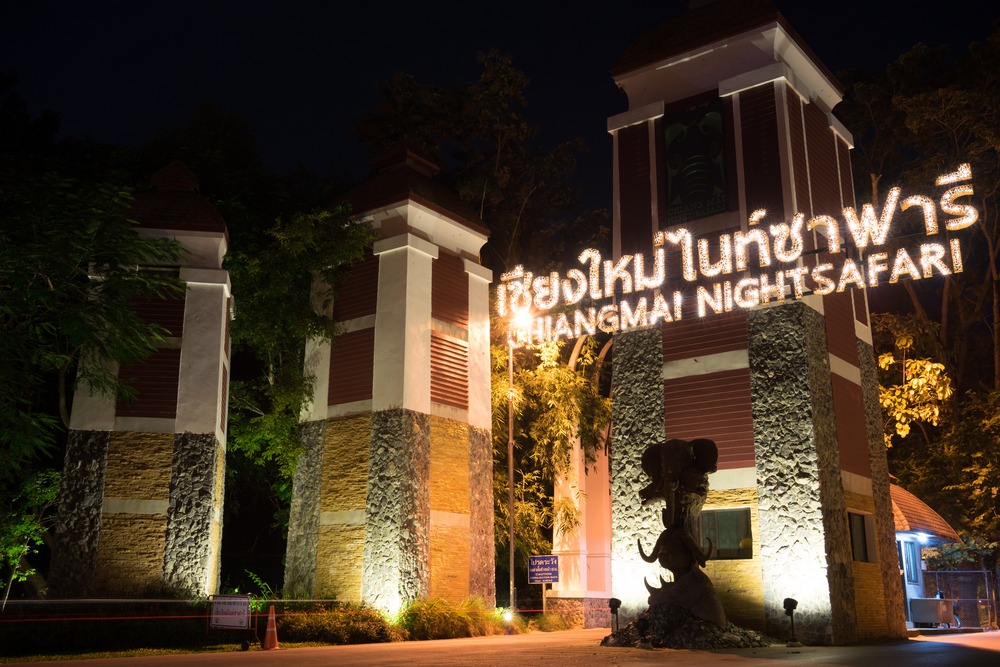
Chiang Mai Night Safari
A 130-hectare nocturnal zoo opened in 2006 just 12 km from Chiang Mai, Night Safari houses nearly 2,000 animals spread across three themed circuits.
Interested in this visit?
We can include it in your personalised itinerary.