Phu Ruea
Phu Ruea, Lat Khang, Phu Ruea District, Loei 42160, Thaïlande
Mountain, national park and district in Loei province, Phu Ruea offers a cool climate, high-altitude trails and temples away from the beaten path.
Phu Ruea refers to both a mountain peaking above 1,300 meters, a national park opened in 1979, and a district in Loei province in northeastern Thailand. The site attracts hiking enthusiasts, those seeking a cool climate and high-altitude scenery, roughly an hour's drive from the provincial capital.
Why visit Phu Ruea
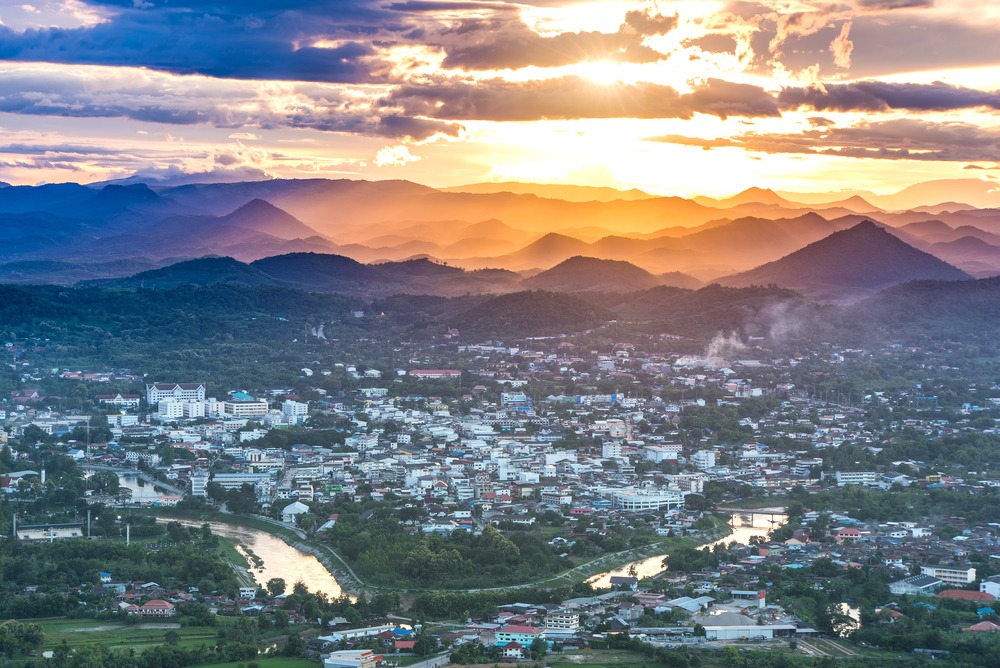
The region offers a rare profile in Thailand: marked altitude, coniferous forests and cool nights, especially between November and March. The national park protects diverse wildlife and several summits accessible by foot, while the district retains a rural character with its 47 villages spread across 6 tambons.
From a distance, Phu Ruea's relief resembles an overturned boat, comparable to the prow of a Chinese junk — hence the mountain's name (ruea means "boat" in Thai). This distinctive silhouette remains one of the visual landmarks of Loei province.
A bit of history
The current district resulted from an administrative reorganization in 1968, which merged portions of the municipalities of Tha Li, Dan Sai and Mueang Loei to create the Phu Ruea entity. The district was officially recognized in 1974.
The opening of Phu Ruea National Park in 1979 marked the beginning of the area's ecotourism shift. The territory is home to approximately 21,000 residents today and remains relatively untouched by international tourism, preserving its atmosphere.
What to see at Phu Ruea
Phu Ruea National Park
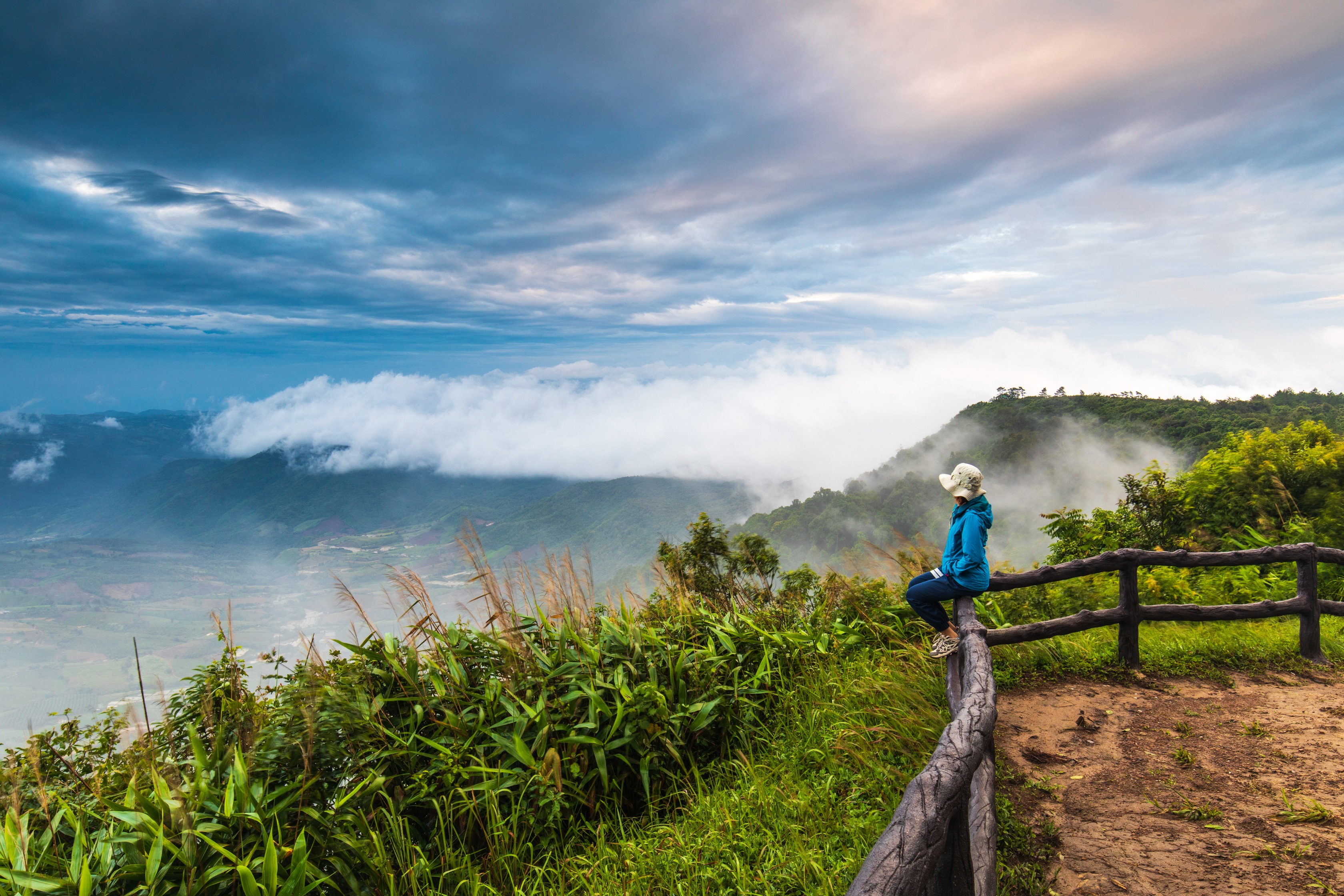
The park centers around several summits: Phu Ruea, the highest point at over 1,300 meters, as well as Phusun (1,035 m) and Phuku (1,000 m). Hiking trails lead to panoramic viewpoints overlooking the valley and, on clear days, toward the border ridges of Laos.
Namtok Huai Phai waterfall, with its vertical drop of roughly thirty meters, constitutes one of the park's most visible water features. The trail network also crosses pine forests and rocky outcrops typical of the northeastern Thai plateaus.
On the wildlife front, the park is home to several remarkable species:
the sun bear, recognizable by the golden patches on its chest,
the barking deer and sambar, present in open areas,
the Burmese hare, more elusive,
the Asian giant tortoise, an endangered species rarely observed.
Wat Pa Huay Lad
Located on the road connecting Loei to Dan Sai, this site is more of a sculpture park than a traditional temple. Here you'll find representations of the goddess of compassion, the god Indra and multi-headed nagas. Modest dress is expected at the entrance.
Wat Somdet Phu Ruea
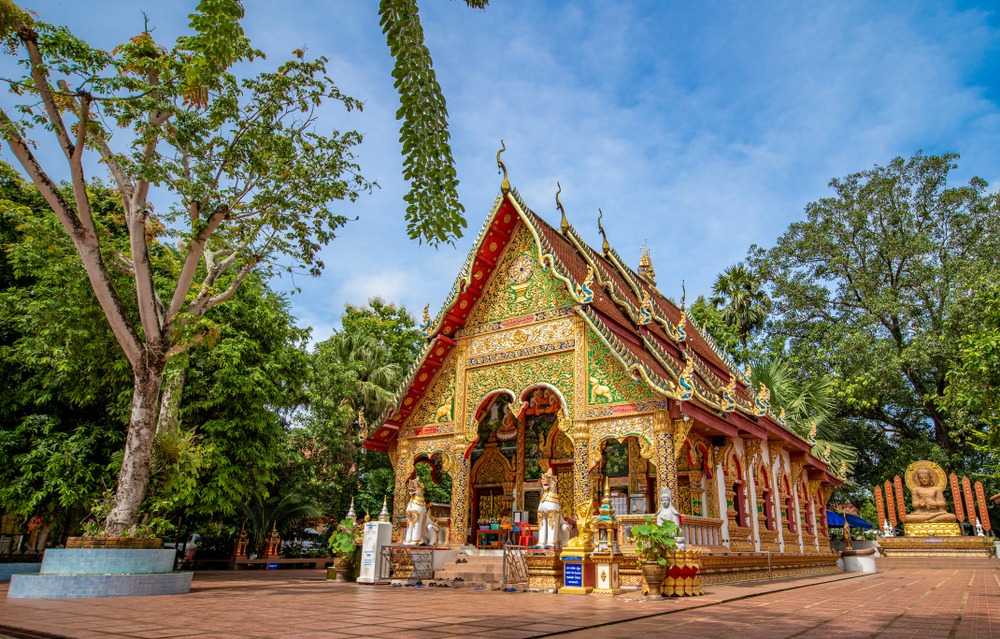
A few kilometers away, this temple is nestled in wooded hills, off the main road. Its teak pavilion combines Thai and Lao influences, with carved bas-reliefs on the doors and pediments. Inside, a larger-than-life golden Buddha occupies the main hall.
The Ban Nong Bong flower market
Located about 47 km from Loei city center via Route 203, this market offers varieties of temperate flowers cultivated locally, benefiting from the cool highland climate. A stop here complements a day trip to Phu Ruea nicely.
When to go
The cool season, from November to March, remains the most favorable period. Daytime temperatures stay mild and nights can become genuinely cold at altitude — it's not uncommon to need a fleece or warm jacket, which is a notable rarity in Thailand.
From May to October, the monsoon makes certain trails slippery and can limit visibility from viewpoints. April, though drier, is warmer and remains passable without being ideal.
Practical information
Visit duration: allow one day for the national park, two days if you want to combine summits and temples.
Accommodation: a few resorts and guesthouses exist around the district, but options are limited — booking advised during peak season.
Equipment: hiking shoes, warm clothing for cool season evenings, water and snacks for hikes.
Rates: paid entry to the national park, at a moderate rate for foreign visitors.
How to get there
Phu Ruea is connected to Loei by Route 203. From Loei's bus station, several daily buses heading to Phitsanulok stop at Phu Ruea — simply signal the driver for your stop. Car rental or a private transfer remain the most flexible options for exploring the national park and surrounding temples, often located off main roads.
The nearest airport is Loei, served from Bangkok by domestic flights. From Bangkok by road, expect a full day of travel.
Things to see in the region
Several temples in northern and northeastern Thailand complement a cultural itinerary around Phu Ruea:
Wat Nong Wang, in Khon Kaen province,
Wat Phra That Cho Hae, in Phrae province,
Wat Chom Sawan, also in Phrae,
Wat Phumin, in Nan.
Frequently asked questions
Phu Ruea is a district in Loei province in northeastern Thailand, approximately one hour's drive west of the provincial capital along Route 203.
The main trails are marked and accessible without a guide. For longer routes or wildlife observation, local accompaniment enhances the experience.
From November to March, during the cool season. Daytime temperatures remain pleasant and evenings can be cold at altitude, which is a rarity in Thailand.
One day is sufficient for a focused visit to the national park. Two days allow you to combine hiking, temples and the Ban Nong Bong flower market.
Yes, several daily buses depart from Loei's bus station heading to Phitsanulok and stop at Phu Ruea on request to the driver.
Planning your trip
Phu Ruea fits naturally into an itinerary focused on northeastern Thailand or the Laotian border. To build an itinerary combining Loei, its national parks and the great temples of the north, consult our guide to planning a trip to Thailand.
Photos
Also discover
Interested in this visit?
We can include it in your personalised itinerary.