
Bo Sang, the Umbrella Village
Bo Sang, the Umbrella Village
Bo Sang, Ton Pao, San Kamphaeng District, Chiang Mai 50130, Thaïlande
Located 10 km from Chiang Mai, Bo Sang has perpetuated for over a century the craft of hand-painted Sa paper umbrellas, with open workshops and a festival in January.
About ten kilometers southeast of Chiang Mai, in San Kamphaeng district, Bo Sang has concentrated for over a century a singular craft: the manufacture of hand-painted Sa paper umbrellas. The main street is lined with family workshops, demonstration centers, and shops where each step of the production process can be observed, from the soaking of mulberry bark to the final hand-painting of floral patterns.
Why visit Bo Sang
Bo Sang is not a frozen museum village: it is a still-active production center where the majority of residents live from handicrafts. A visit allows you to see artisans at work directly, without staging, and to buy straight from the source. Beyond umbrellas, the village brings together several Thai craft trades: Sa paper, silk weaving, woodwork and silverwork, lanterns, pottery, fans, bird cages. It's also an opportunity to have an everyday object personalized—wallet, bag, phone case—by a village painter, for an additional fee.
History and origins of the craft
The tradition of umbrella-making at Bo Sang dates back over a hundred years. According to local legend, it was introduced by the monk Phra Inthaa, whose statue now stands at the village entrance. During a journey, a Burmese benefactor is said to have given him a decorated umbrella to protect him from the sun. Upon examining it, the monk observed that the materials used—bamboo and bark—were abundant in his native village. Upon his return to Bo Sang, he transmitted the technique to his disciples, and the inhabitants, previously focused on agriculture and livestock, gradually made it a secondary activity, then their primary livelihood. The village is today considered the national reference for Sa paper umbrellas.
What to see and do
Bo Sang Umbrella Making Center
The manufacturing center presents the entire process: preparation of Sa paper from mulberry bark, assembly of the bamboo frame, stretching the canvas, varnishing, then hand-painting the patterns (flowers, birds, landscapes). Artisans work in full view and willingly answer questions. Several of them offer to paint a custom motif on items you bring. Count 1 to 2 hours to tour the workshops.
Village workshops and boutiques
Outside the main center, small family workshops are scattered throughout the side streets. Each specializes in a particular technique: Sa paper, silk, carved wood, chased silver, custom umbrellas. Boutiques are concentrated on the main street; it's useful to visit several before buying, as umbrella styles and sizes vary considerably from one workshop to another.
Bo Sang Umbrella Festival
Every year in January, since 1980, the village hosts the Bo Sang Umbrella Festival for three days. Streets and building facades are decorated with colorful umbrellas, processions in traditional costumes traverse the village on foot or by bicycle, and food stalls set up near the school. The festival includes a beauty pageant, with the winner parading on a float adorned with hand-painted umbrellas. It's the best time to see Bo Sang in its entirety, but also the most crowded.
Practical information
Access to the village is free. Workshops and the manufacturing center are open during the day, generally from morning until late afternoon; it's best to avoid lunchtime, when some artisans take a break. A complete visit, including workshops and boutiques, takes about half a day. Bring water and a hat: the village is walked on foot and offers little shade outside the shops.
When to visit
The dry season, from November to February, remains the most pleasant for visiting northern Thailand: moderate temperatures, low humidity, clear skies. January is doubly interesting because of the umbrella festival. The hot season (March-May) makes visiting uncomfortable in the middle of the day, and the rainy season (June-October) can complicate travel by songthaew, though it doesn't prevent visiting the workshops.
How to get there
Bo Sang is located about 10 km southeast of Chiang Mai, on Route 1006 heading toward San Kamphaeng. The simplest and least expensive way is by the white songthaew, which departs from the Warorot Market in the city center. The journey takes about thirty minutes for a modest fare. You can also rent a scooter in Chiang Mai (allow 30 to 40 minutes of riding) or take a Grab. The same route serves San Kamphaeng and several craft villages, allowing you to chain visits together in a single day.
Nearby attractions
- Wat Bo Sang, an ancient temple associated with Phra Inthaa
- Chiang Mai Sudaluck, wood carving workshop
- Ban Ton Pao, a village specializing in Sa paper
- The San Kamphaeng Elephant Museum
- Tube Trek Water Park, a family aquatic park
- San Kamphaeng Saturday Walking Street, the Saturday night market
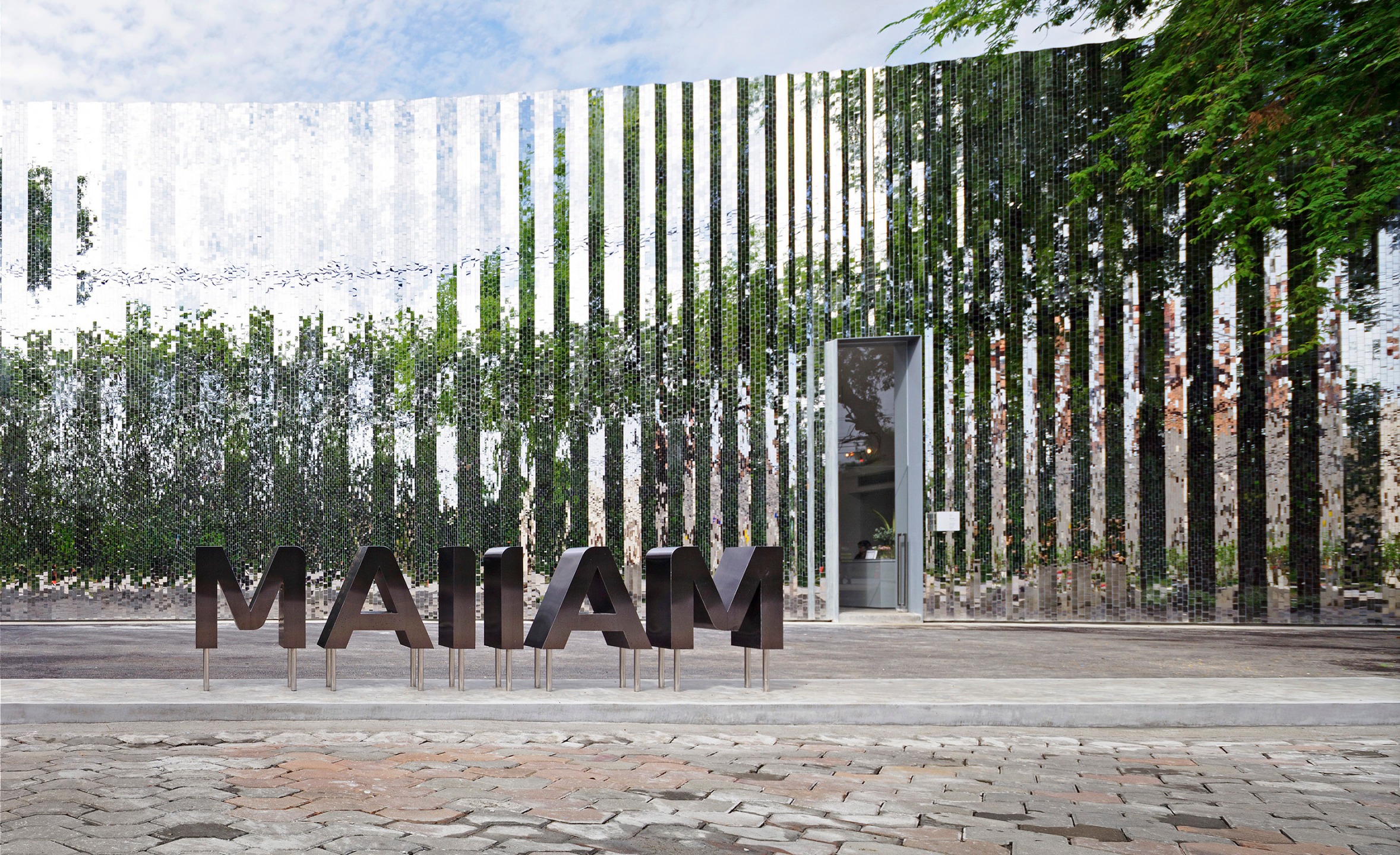
Back in Chiang Mai, extend your day with a visit to Wat Phra Singh or the Maiiam contemporary art museum, located not far from the Bo Sang route.
Frequently asked questions
Frequently asked questions
Half a day is enough to walk through the village, watch the artisans, and make some purchases. Allow a minimum of 2 to 3 hours if you also want to attend a demonstration.
Prices vary greatly depending on size, material, and the complexity of the hand-painted motif. Small decorative umbrellas remain affordable, while large custom pieces can reach several thousand baht. It's best to compare several shops before buying.
Yes, the Bo Sang Umbrella Festival is held every January since 1980, for three consecutive days. Exact dates are announced by the Chiang Mai Tourism Authority at the end of the previous year.
Yes. The manufacturing center and most village workshops operate year-round during the day. Artisans hand-paint the umbrellas and generally accept the presence of visitors.
Several village painters offer to hand-decorate items you bring: wallet, canvas bag, phone case, umbrella. The additional fee depends on the motif and time required.
To incorporate Bo Sang into a complete itinerary in northern Thailand, explore our Thailand travel ideas.
Photos
Nearby


Also discover
Warorot Market
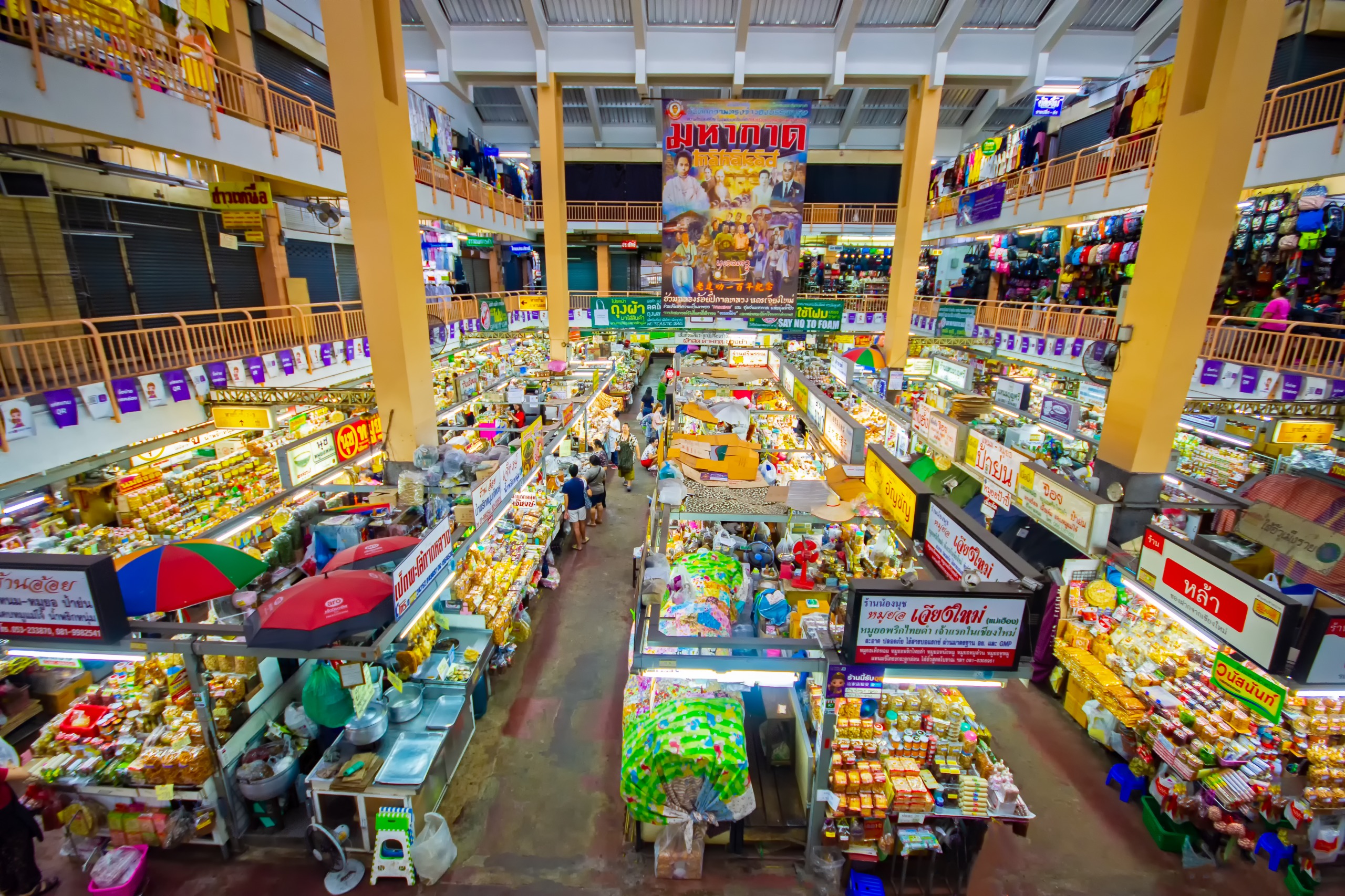
Founded in 1910 by Princess Dara Rasmi, Warorot Market concentrates fresh produce, Lanna specialties and local crafts in Chiang Mai's Chinese quarter.
Chiang Mai
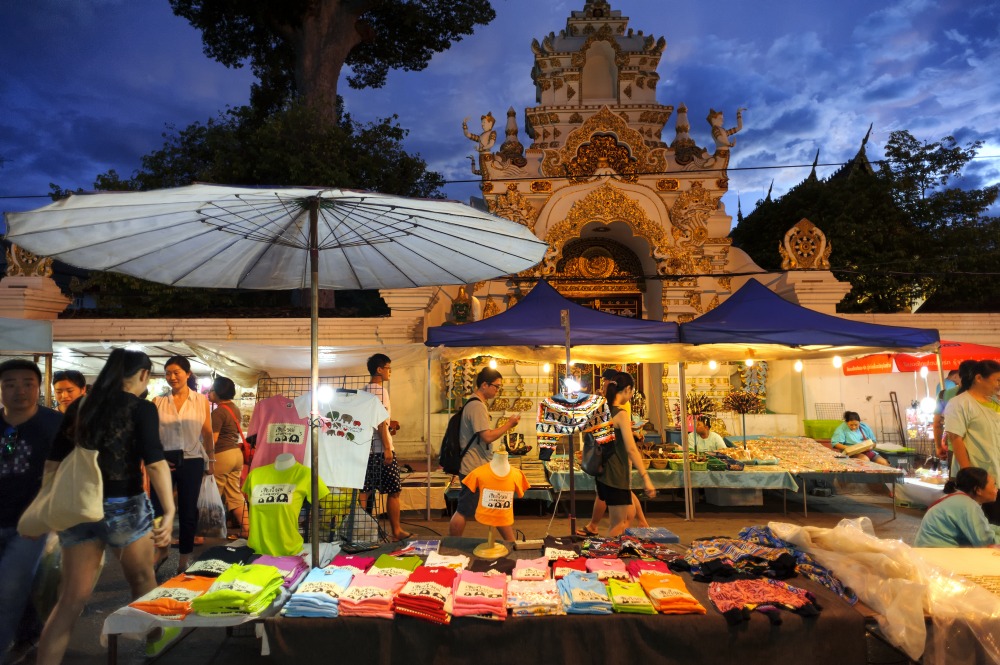
Chiang Mai is an unmissable destination during a Thailand trip. With its historic monuments, rich culture and natural attractions, the Rose of the North will captivate you.
Wat Sri Suphan (Silver Temple)
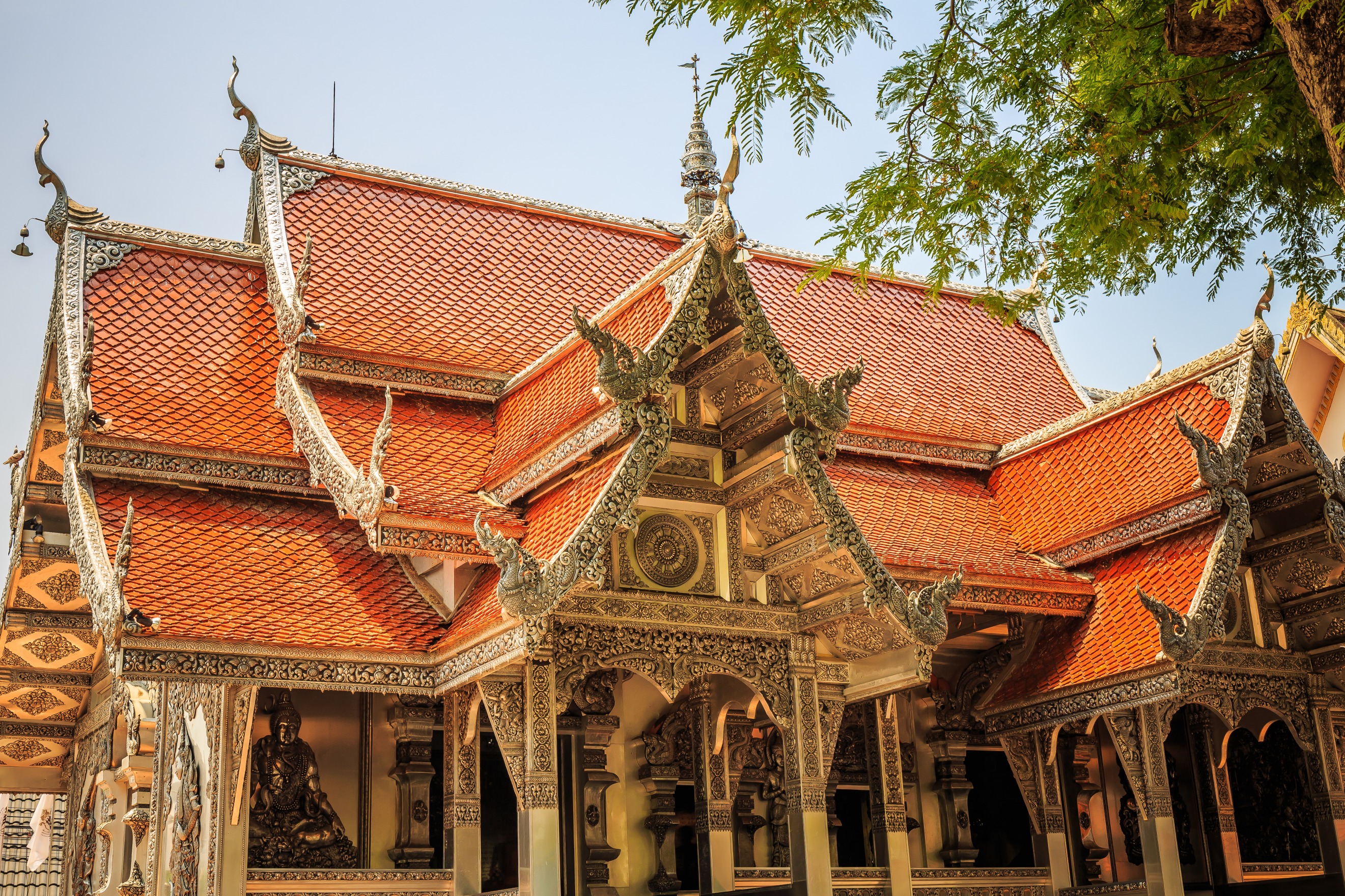
South of Chiang Mai's old city, Wat Sri Suphan stands out for its ubosot covered entirely in silver, a creation of the silversmiths from the Wualai neighborhood.
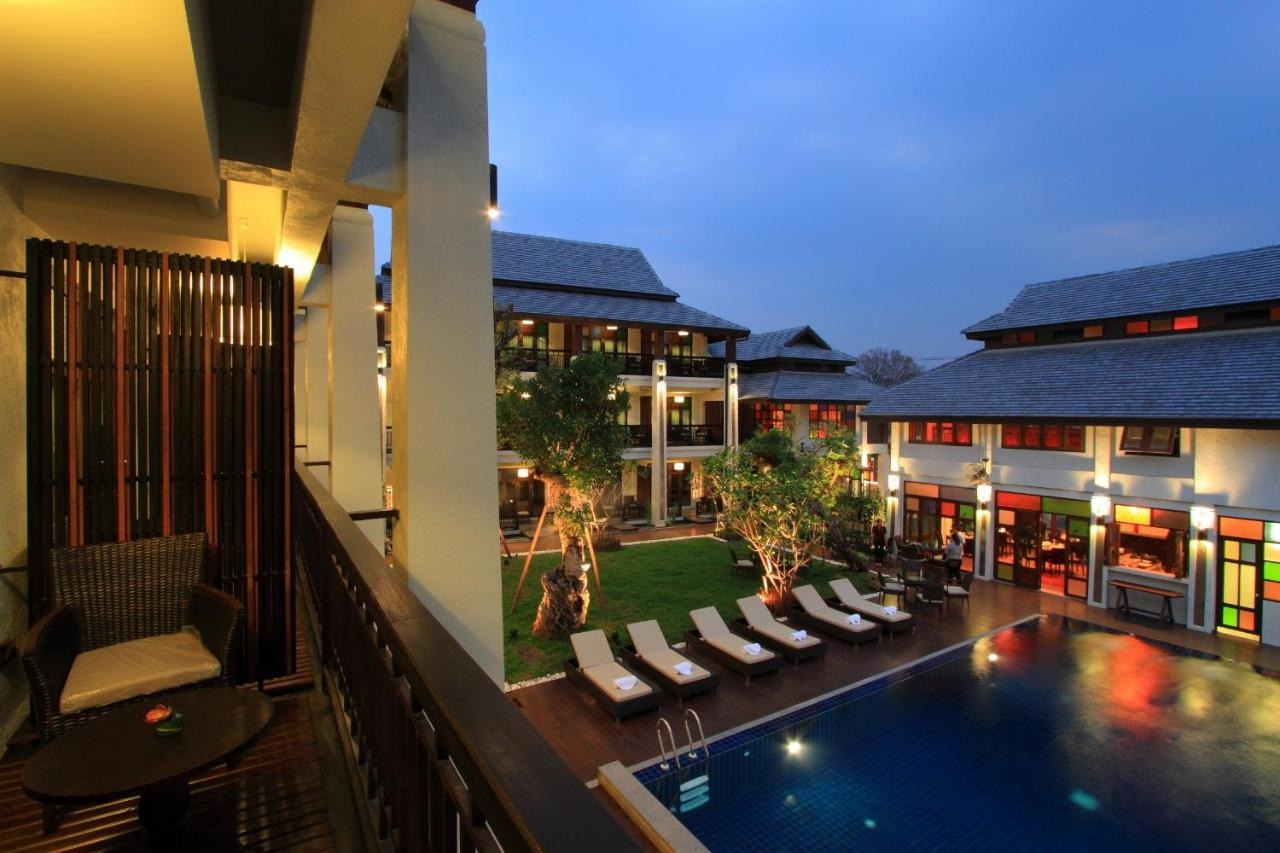
De Lanna Hotel
4-star hotel in the historic Sri Phum district of Chiang Mai, featuring a pool and spa. Walking distance to the main sites of the old town center.
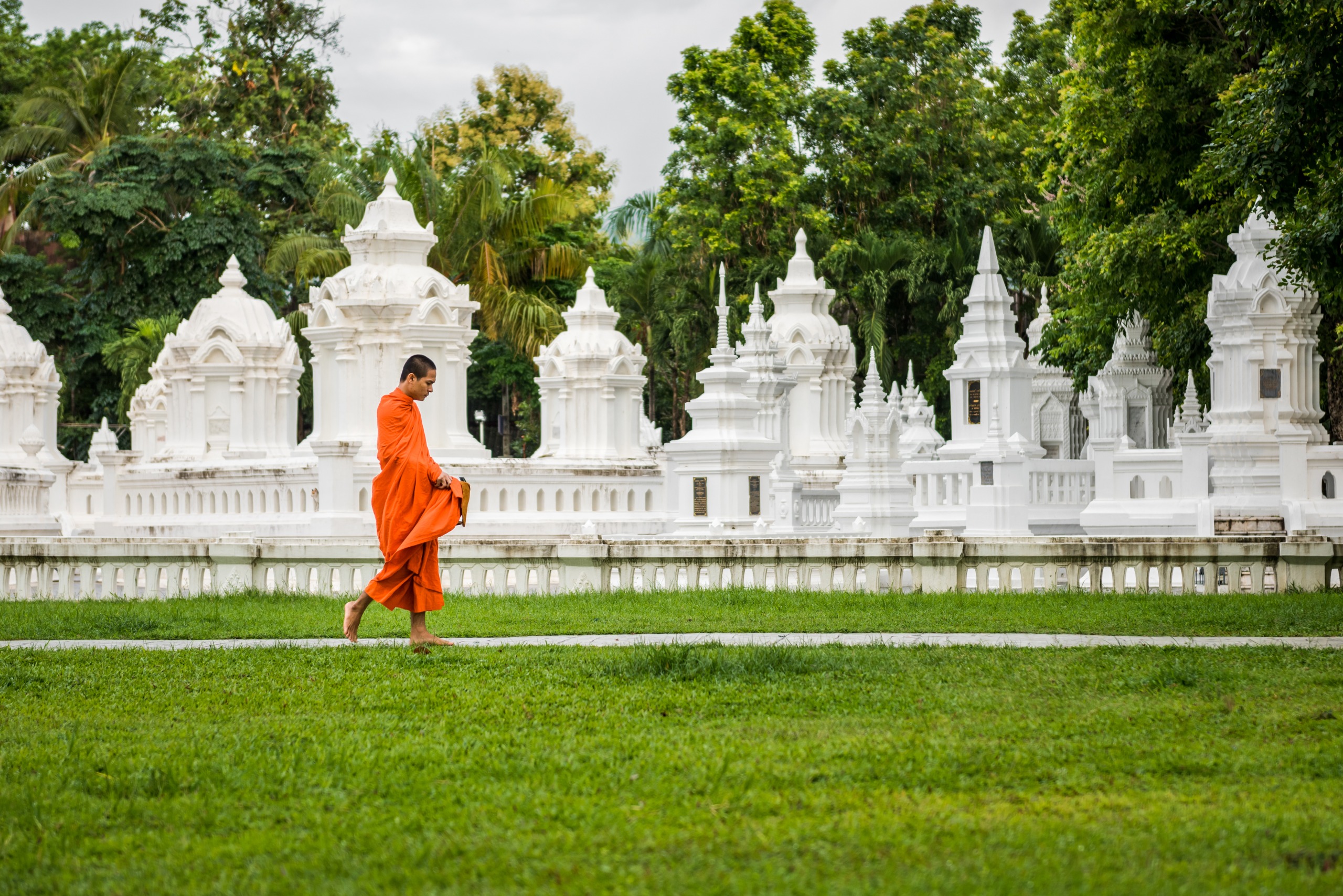
Wat Suan Dok
A 14th-century Lanna temple in Chiang Mai, Wat Suan Dok brings together a Sri Lankan-style chedi, a royal cemetery and an exchange program with monks.
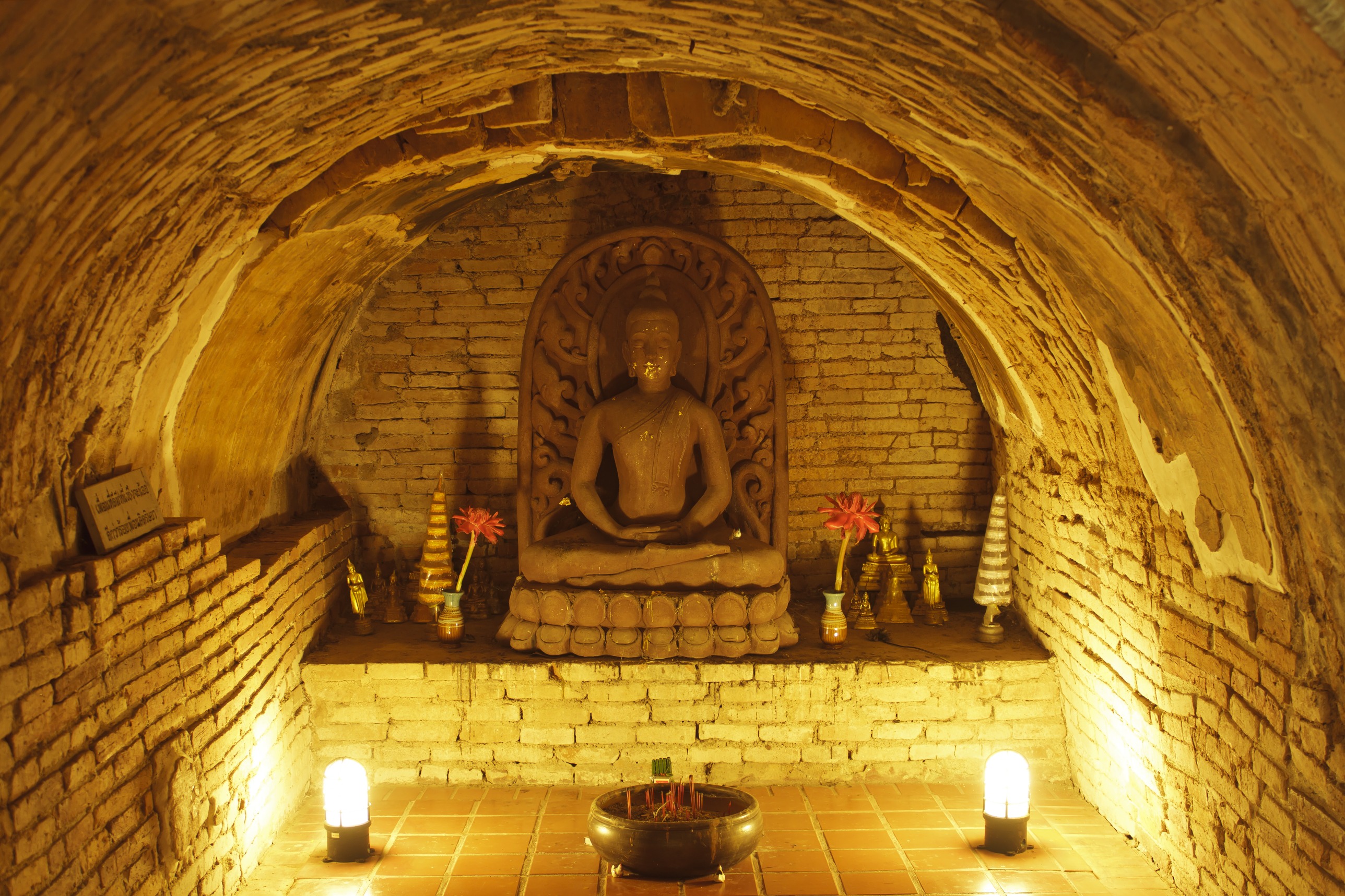
Wat Umong
On the outskirts of Chiang Mai, Wat Umong stands apart with its underground tunnels dating from the 13th century and a forest park dedicated to Buddhist meditation.

Chiang Mai Zoo
At the foot of Doi Suthep, Chiang Mai Zoo brings together 400 species, a Panda House and marine and freshwater tunnel aquariums across 80 hectares.
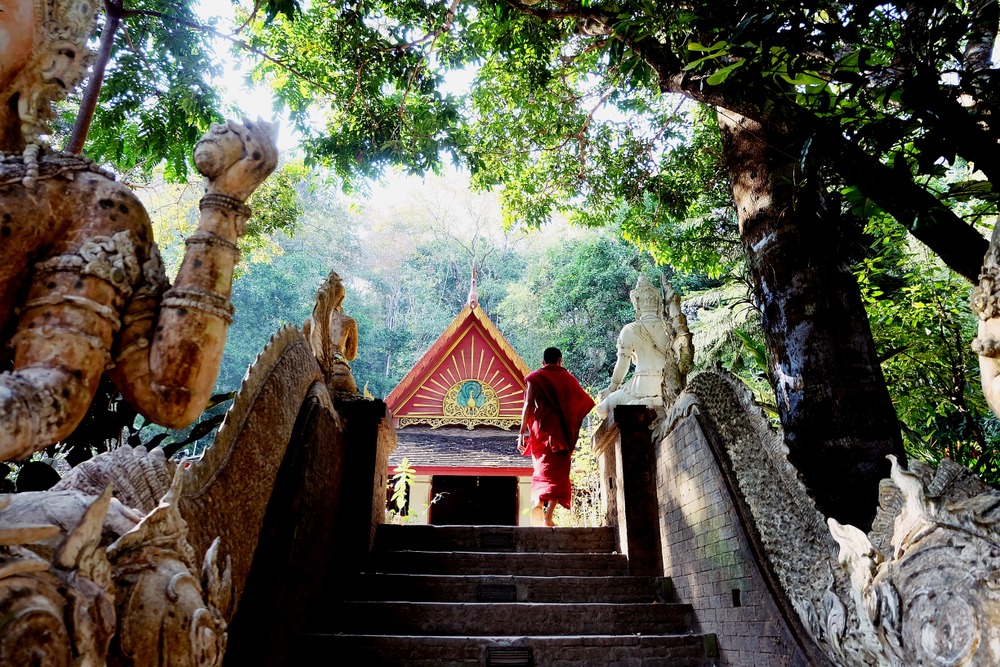
Wat Pha Lat
A forest temple founded in 1386 on the slopes of Doi Suthep, accessible from Chiang Mai via the Monk's Trail. Complete visitor's guide.
Baan Tawai wood carving village
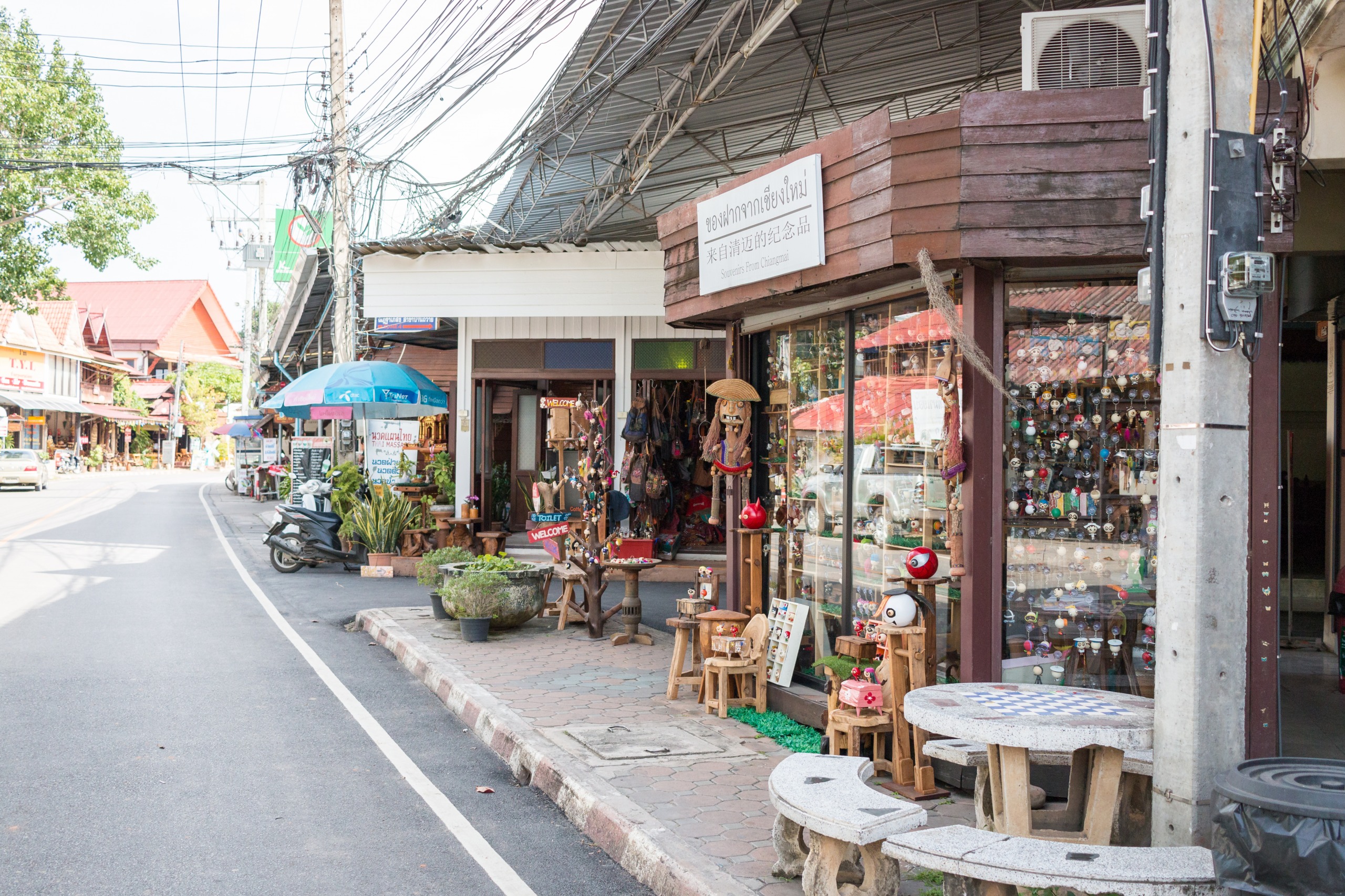
Just 16 km south of Chiang Mai, Baan Tawai brings together the wood carving workshops of northern Thailand in an open-access artisan village.
Chiang Mai Night Safari
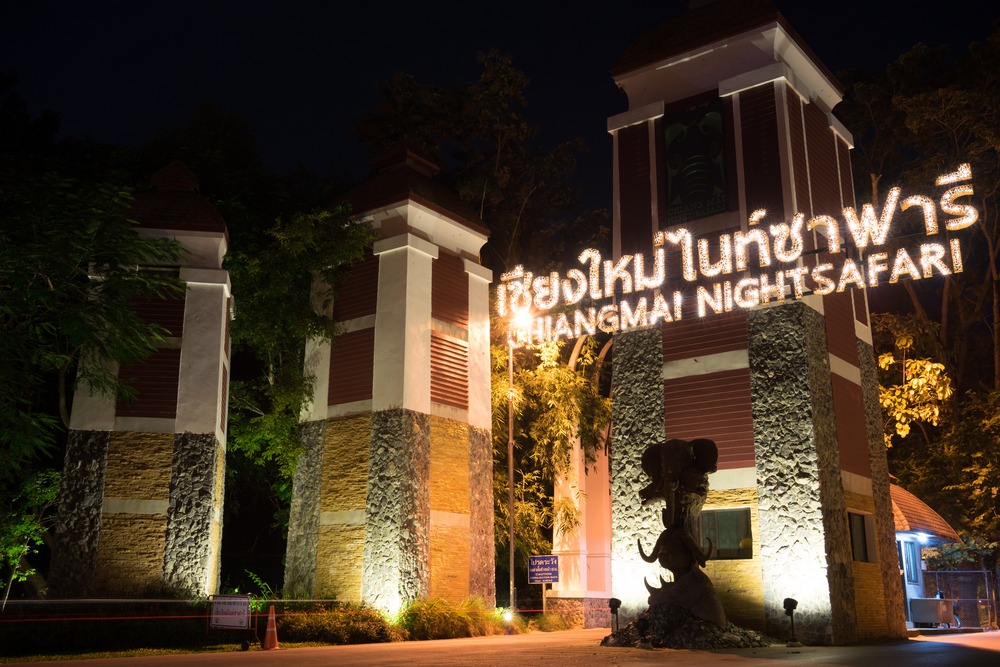
A 130-hectare nocturnal zoo opened in 2006 just 12 km from Chiang Mai, Night Safari houses nearly 2,000 animals spread across three themed circuits.
Interested in this visit?
We can include it in your personalised itinerary.