Ko Ngai
Ko Ngai
An hour's boat ride from Pak Meng, Ko Ngai reveals 8 km² of jungle, white sand, and coral reefs. A refuge for divers and modern-day Robinson Crusoes.

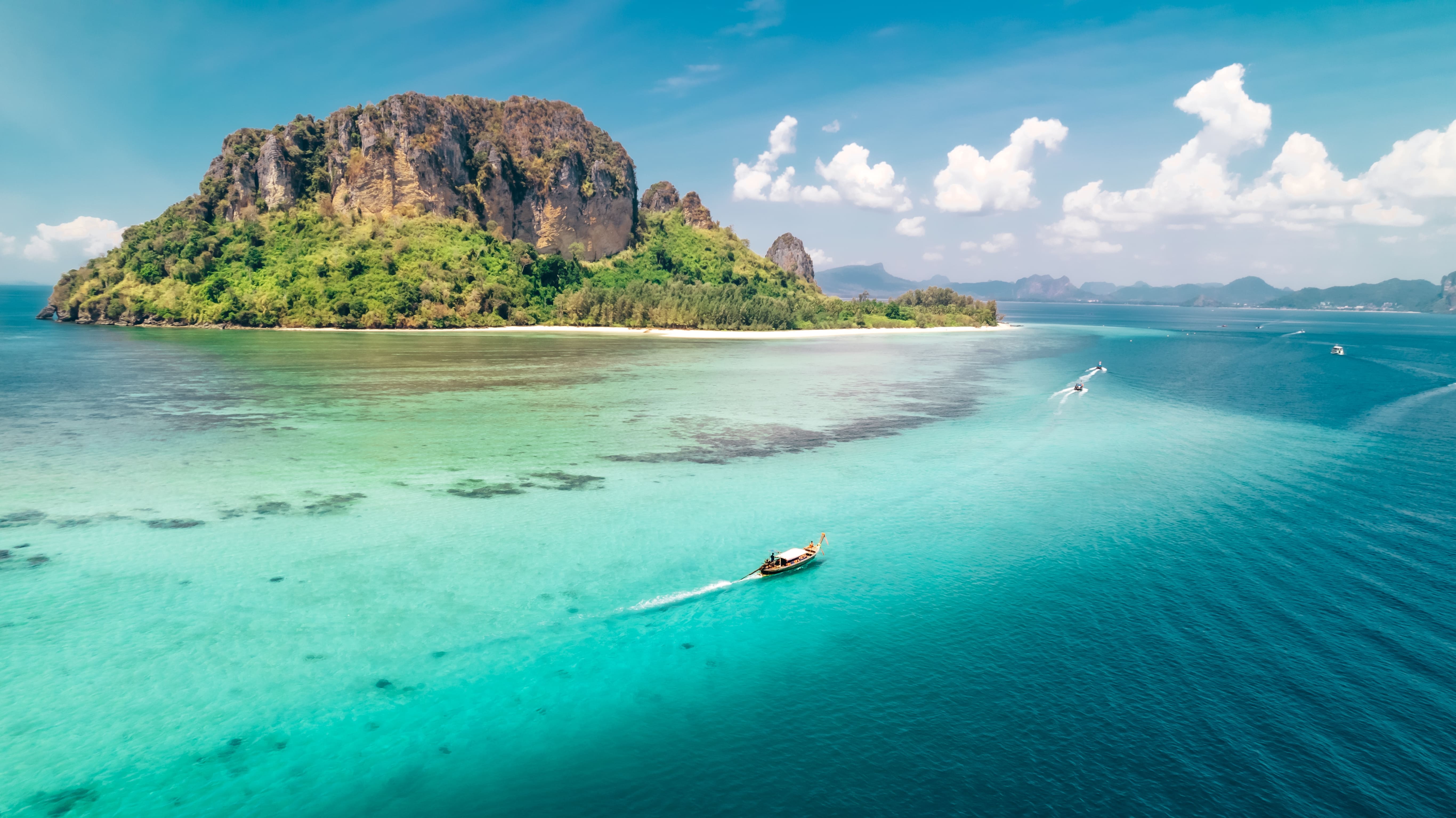
Nestled in the Andaman Sea, an hour's boat ride from Pak Meng, Ko Ngai (or Koh Hai) is a discreet gem of southern Thailand. Ko Ngai's secret island will delight divers and please lovers of jagged, wild coastlines. White sand, palm trees, coves, pristine coral reefs: on just 8 km², it rivals Krabi without apology for the splendor of its shores.
Swallowed by jungle, administratively attached to Koh Lanta, Ko Ngai has escaped tourism on a massive scale. An active dive center, a gateway to Koh Mook's emerald cave, a refuge for modern-day Robinsons: a natural haven that embodies a slice of paradise.
At a Glance
- Location: Andaman Sea, Krabi Province, southern Thailand
- Area: 8 km² (4 km long, 2 km wide)
- Access: Ferry from Pak Meng (Trang), 1 hour by standard ferry or 20 minutes by speedboat
- Best season: November to April (dry season)
- Ideal length of stay: 2 to 4 days
- Highlights: diving, snorkeling, deserted beaches, absolute tranquility
- Best for: couples, families, divers, nature lovers
Geographic Profile
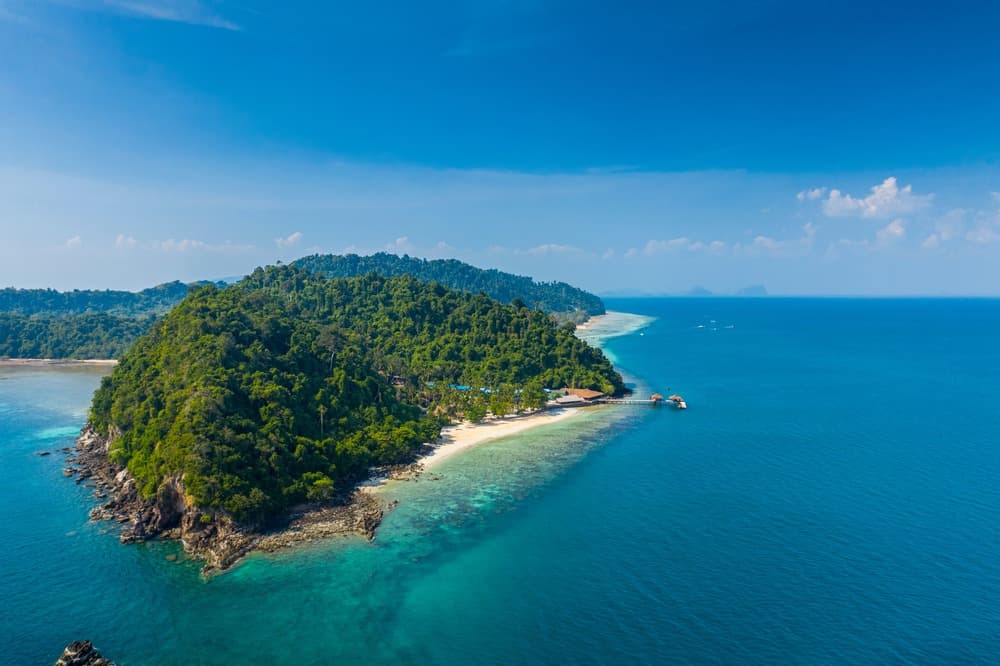
Ko Ngai is a rocky islet 4 km long and 2 km wide. Its coastline is dotted with limestone outcrops and corals, with large mountainous ridges in the background. At first glance, the island resembles no man's land, but this is only partly true. A handful of hotels occupy the east coast, while the western and northern sections are left to seabirds and tropical vegetation.
The island belongs to Hat Chao Mai Marine National Park, which explains its remarkable state of conservation. The turquoise waters surrounding it are home to some of the best-preserved coral reefs in the Andaman Sea.
History and Identity
Long overlooked on tourist maps, Ko Ngai owes its obscurity to its modest size: too small to interest major real estate investors, it has preserved its original character. The first resorts arrived discreetly from the 1990s onward, on the east coast only, in respect of a tacit charter of low density.
Administratively attached to Koh Lanta, the island takes its name from Thai and is thought to mean "island of defense,
Photos
Also discover
Want to discover this destination?
Our local advisors design your tailor-made trip.