Koh Chang
Koh Chang
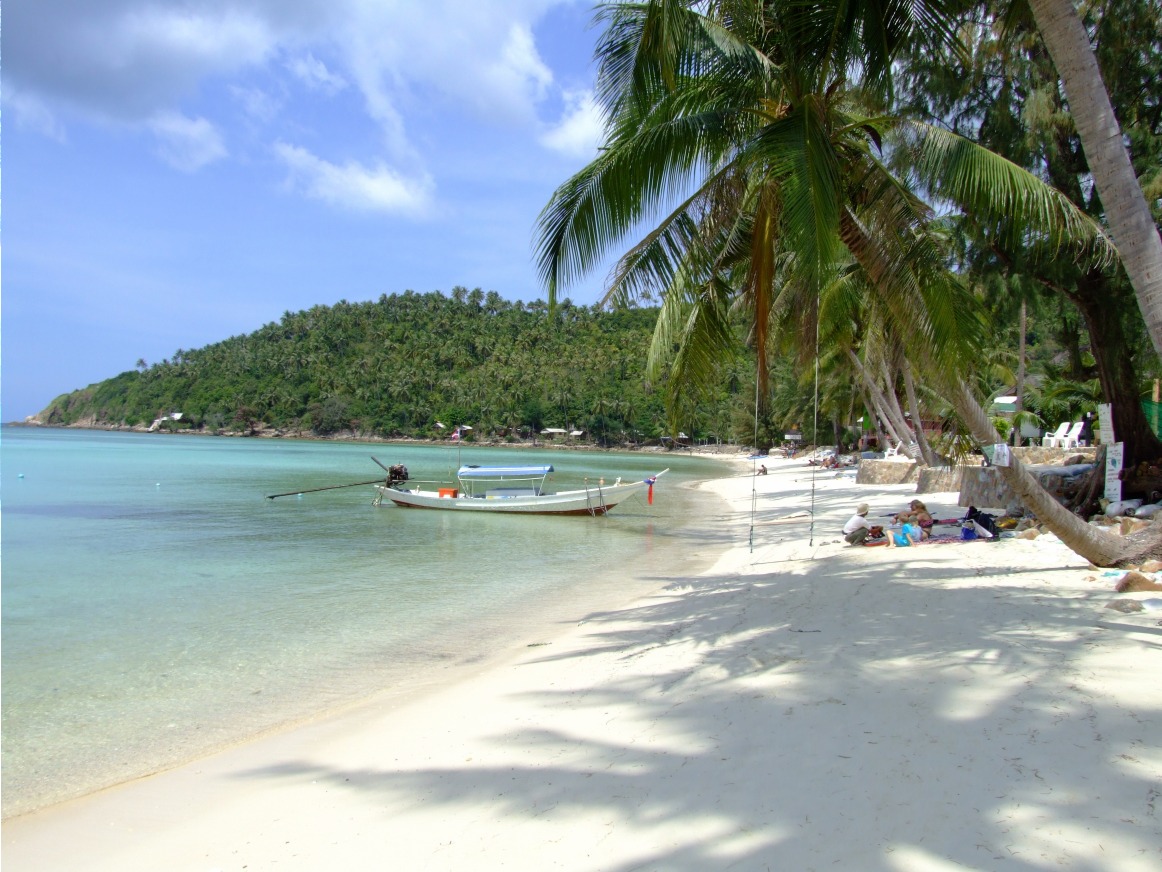
Koh Chang, Thailand's third-largest island, retains an authentic character: dense jungle, pristine beaches, and coral reefs still relatively untouched by mass tourism.
A jewel of Trat Province, Thailand's third-largest island is a haven of dense jungle, secluded beaches, and thriving coral reefs. Encompassed within the Mu Ko Chang National Marine Park, Koh Chang attracts travelers seeking an unspoiled corner of the Gulf of Thailand, far from the bustle of Phuket.
At a Glance
- Location: Trat Province, eastern Thailand, 300 km from Bangkok
- Size: 212 km², the country's third-largest island
- Best time to visit: November to February (dry, 25-28°C, calm seas)
- Recommended duration: 4 to 7 days, longer if combining with the wider archipelago
- Access: Bus from Bangkok (5h) + ferry from Laem Ngop (45 min)
- Ideal for: Couples, families, divers, slow travelers
- Must-see: Ethical elephant sanctuary, Klong Plu waterfall, snorkeling around Koh Wai
History and Identity of the Elephant Island
Koh Chang owes its name to its massive silhouette when viewed from the sea: "chang" means elephant in Thai. The island has never harbored a wild elephant population, yet the nickname has stuck and captures its character perfectly: mountainous, dense, imposing.
For centuries, the island was merely a watering station for fishermen and a strategic refuge. In 1941, its waters became the stage for a naval battle between the Thai Navy and the French Indochinese fleet—an event still commemorated annually on January 17th at Laem Ngop.
Tourism arrived late, in the 1990s, which explains why Koh Chang has retained a village atmosphere. The circular road doesn't complete a full loop: the eastern coast remains isolated, accessible by motorbike via a winding route that deters tour buses.
Known as the Elephant Island, Koh Chang is a sanctuary for elephants rescued and cared for in its sanctuaries. You can encounter them, but avoid riding on their backs—instead choose a refuge that prioritizes their welfare and doesn't perpetuate mistreatment.
What to See on Koh Chang
Beaches, North to South
- White Sand Beach (Hat Sai Khao): The longest and liveliest beach, pale sand, waterfront restaurants
- Klong Prao: Wide bay crossed by an estuary, perfect for families
- Kai Bae: Backpacker vibe, views of islets at sunset
- Lonely Beach: Party hub with fire bars and late-night scenes
- Klong Kloi: Tranquil cove in the south, ideal for unplugging
- Bailan Bay: Small rocky inlet, rarely crowded, snorkeling from the beach
Waterfalls in the Jungle
- Klong Plu: The most accessible, 600 m walk from the parking area, swimming pool at the base
- Than Mayom: Four successive levels, more demanding trail, royal inscriptions carved into the rock
- Klong Neung: The island's highest waterfall, 3 km upriver trek
Ethical Elephant Sanctuaries
Choose facilities that avoid elephant rides and performances. On Koh Chang, certain refuges care for retired working elephants under reasonable conditions: observation from a distance, free bathing in the river, proper feeding. Inquire locally with your accommodation before booking, as practices evolve rapidly.
Bang Bao, the Stilt-House Fishing Village
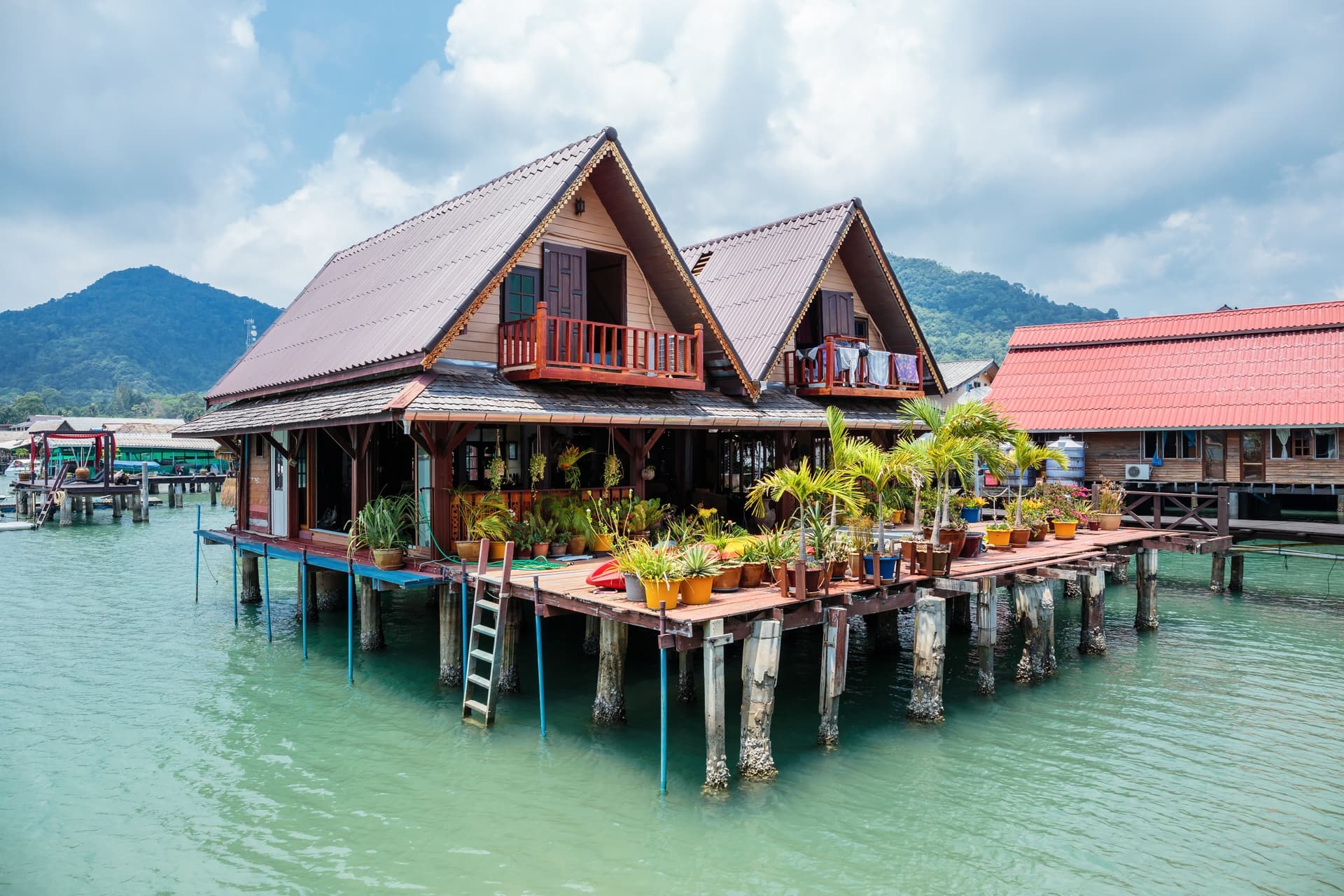
In the southwest, Bang Bao stretches its wooden houses along a long pier extending into the sea. Seafood restaurants, craft shops, diving agencies, and water-taxi stands: this is the departure point for most excursions to the wider archipelago.
What to Do on Koh Chang
Snorkeling and Scuba Diving
The Mu Ko Chang Marine Park harbors accessible reefs from the surface. Day trips from Bang Bao typically combine three or four spots around Koh Rang and Koh Wai: hard corals, schools of butterflyfish, stingrays, and occasional green turtles. Budget 1,000-1,500 THB for a snorkeling day, 3,500 THB for a two-dive day.
Trekking and Jungle Exploration
The mountainous interior peaks at 744 m at Khao Salak Phet. Several trails cross the tropical forest: the classic route connects Klong Plu to a viewpoint on the western coast in 3 hours round-trip. A local guide is advisable for longer routes due to limited trail marking.
Kayaking and Stand-Up Paddling in the Mangroves
The Klong Prao estuary can be paddled between mangrove roots. A roughly 2-hour outing, kayak rental around 300 THB. At sunrise, the water is mirror-like and bird life is abundant.
Archipelago Excursion
Three neighboring islands naturally complement a Koh Chang stay:
- Koh Wai: The smallest and wildest, crystal-clear waters, just two or three bungalow operations
- Koh Mak: White sand, bicycles as the primary transport, slow-travel atmosphere
- Koh Kood: The most remote, pristine jungle and deserted beaches, perfect for disconnecting
Where to Stay on Koh Chang
Guesthouses and Bungalows (15-30 €)
On Lonely Beach and south of Kai Bae, wooden bungalows on stilts remain affordable. Sometimes shared bathrooms, fans, terraces facing the sea or jungle. A good choice for budget travelers and authenticity seekers.
Boutique Hotels (60-120 €)
Klong Prao and White Sand concentrate mid-range hotels: pools, air conditioning, breakfast included. Ideal for comfortable stays without breaking the bank.
Upscale Lodges and Resorts (150 € and above)
A few luxury properties nestle on rocky promontories or in private coves. Villas with pools, spas, direct access to quiet beaches. Perfect for honeymoons or extended family getaways.
Our English-speaking local expert can guide you toward accommodation suited to your pace and budget.
Climate and Best Time to Visit
March to May: Hot Season
Temperatures climb to 32-34°C. This is peak season for Thai vacationers, especially around Songkran (mid-April). The sea is calm, swimming pleasant, but shade is scarce midday.
May to October: Rainy Season
Low tourist season. Showers typically fall late afternoon and at night, leaving mornings clear. The jungle renews itself and waterfalls flow at their fullest. Some hotels and boats close—verify before booking. Rates drop by up to 40%.
November to February: Dry Season
The ideal window to explore the island. Temperatures around 25-28°C, clear skies, flat seas, optimal diving visibility. Book early during year-end holidays; prices rise.
How to Reach Koh Chang from Bangkok
Bus then Ferry (Recommended Option)
From Bangkok's Ekkamai Station, expect 5 to 6 hours by bus to Trat (250-300 THB). The bus drops you at Laem Ngop pier, where ferries depart for Koh Chang. Crossing takes 45 minutes, ferry costs around 80 THB per person, 100 THB for a motorbike, departures hourly from 6 am to 7 pm.
By Air
Bangkok Airways connects Suvarnabhumi to Trat Airport in 1 hour (sole operator, roughly 80-150 € one-way). From Trat, taxi or minibus to the pier (45 min). Faster but significantly pricier.
Private Minibus Door-to-Door
Middle-ground option: 600-800 THB per person, picked up from your Bangkok hotel and dropped at the pier. Allow 5 hours.
Getting Around the Island
Songthaew
Shared pick-ups are the most economical option. Fixed fares by distance, 50-150 THB. They run between western beaches down to Bang Bao.
Motorbike Rental
With an international license and valid passport, you can rent a scooter (200-300 THB daily). It's the only practical way to reach the wilder eastern coast. Watch out for the circular road: steep grades between Kai Bae and Lonely Beach, accidents frequent among inexperienced riders.
Water Taxi
From Bang Bao, long-tail boats serve Koh Wai and Koh Mak on demand. Negotiate on-site.
Who Is Koh Chang Right For?
- Couples: For southern coves, Kai Bae sunsets, and isolated resorts
- Families: For calm beaches at Klong Prao and elephant sanctuaries
- Divers: For marine park sites still relatively uncrowded
- Slow Travelers: For combining Koh Chang, Koh Mak, and Koh Kood over two weeks
- Party Enthusiasts: For Lonely Beach alone; the rest of the island is tranquil
Insider Tips
- Skip elephant rides: No ethical camp offers elephant rides. If offered one, walk away.
- The eastern coast deserves a day: Very few tourists venture there, yet it's the island's most beautiful half. Reserve a day on a scooter.
- Eat where fishermen do: In Salak Phet and Bang Bao, stilt restaurants serve the day's catch at half White Sand prices.
- Koh Chang vs. Koh Samui: Koh Chang is less developed, greener, quieter. Koh Samui is livelier, with better international flight connections. Choose based on your tempo.
- Cash is essential: ATMs cluster around White Sand and Kai Bae; bring cash if staying in the south or east.
- Songkran season: If traveling in April, the island floods with Thai visitors. Book two months ahead.
Also Discover
- Koh Mak, the archipelago's bike island
- Koh Kood, the island for unwinding far from crowds
- Chanthaburi, the city of gemstones
- Koh Samet, a quicker escape from Bangkok
- Angkor Wat, to pair with a crossing into Cambodia
Frequently asked questions
November to February: temperatures around 25-28°C, minimal rain, calm seas, and optimal diving visibility. Year-end holidays are in high demand—reserve well ahead.
Simplest route: bus from Bangkok's Ekkamai Station to Trat (5-6 h, 250-300 THB), then ferry from Laem Ngop (45 min, 80 THB). Flying via Bangkok Airways is possible but costlier.
4 to 7 days to combine beaches, diving, and jungle. Plan 10 to 14 days if extending to Koh Mak and Koh Kood.
Approximately 80 THB per person one-way from Laem Ngop, 100 THB for a motorbike. Hourly departures from 6 am to 7 pm.
Yes. Klong Prao and Kai Bae beaches are calm, shallow, and mid-range hotels offer pools and family-friendly dining. Avoid Lonely Beach with young children.
Yes, the Mu Ko Chang Marine Park offers roughly ten beginner-friendly sites. Dive centers operate from White Sand and Bang Bao; expect around 3,500 THB for a two-dive day.
Koh Chang for peace, jungle, and tighter budgets. Koh Samui for nightlife, direct international flights, and high-end amenities. Both islands offer entirely different vibes.
Photos
Accommodation in Koh Chang
See all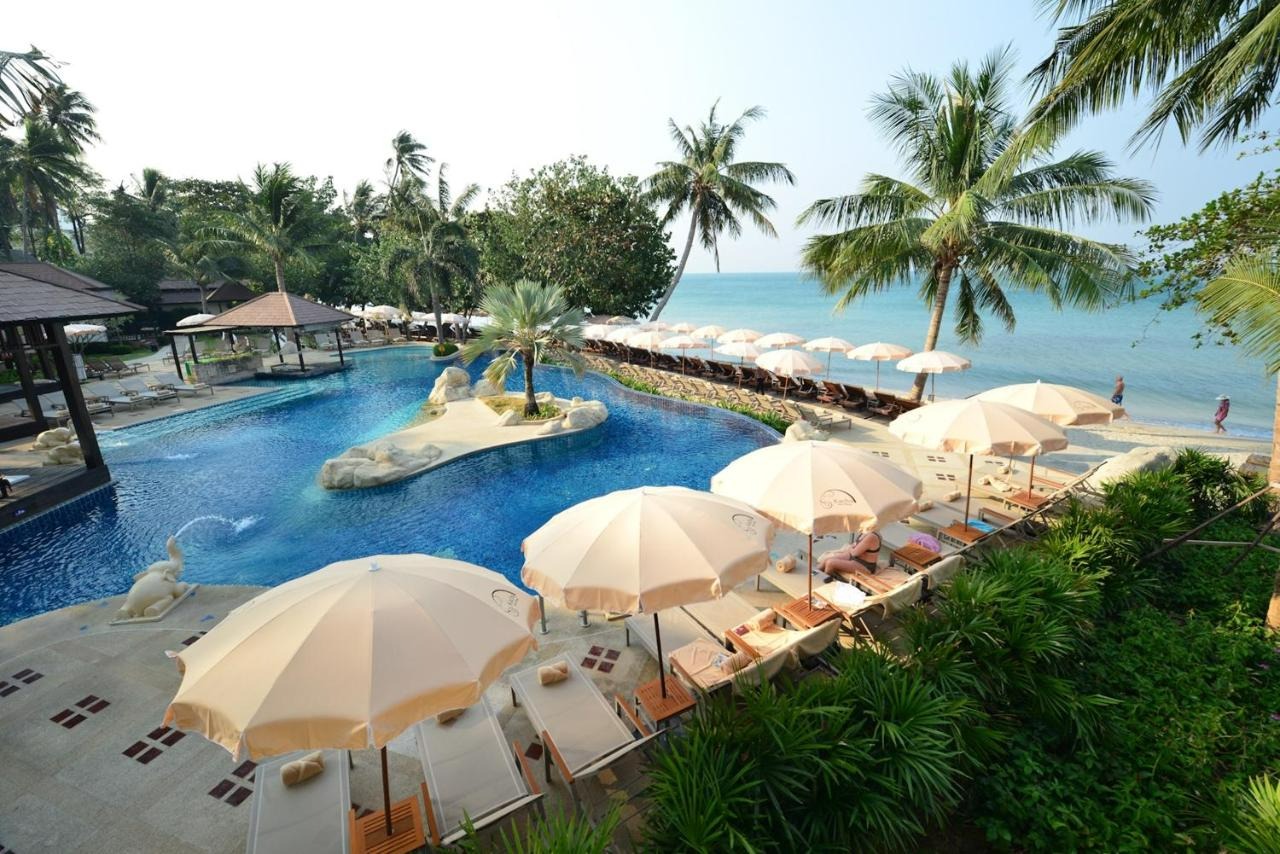
Want to discover this destination?
Our local advisors design your tailor-made trip.