Mae Chaem
Mae Chaem
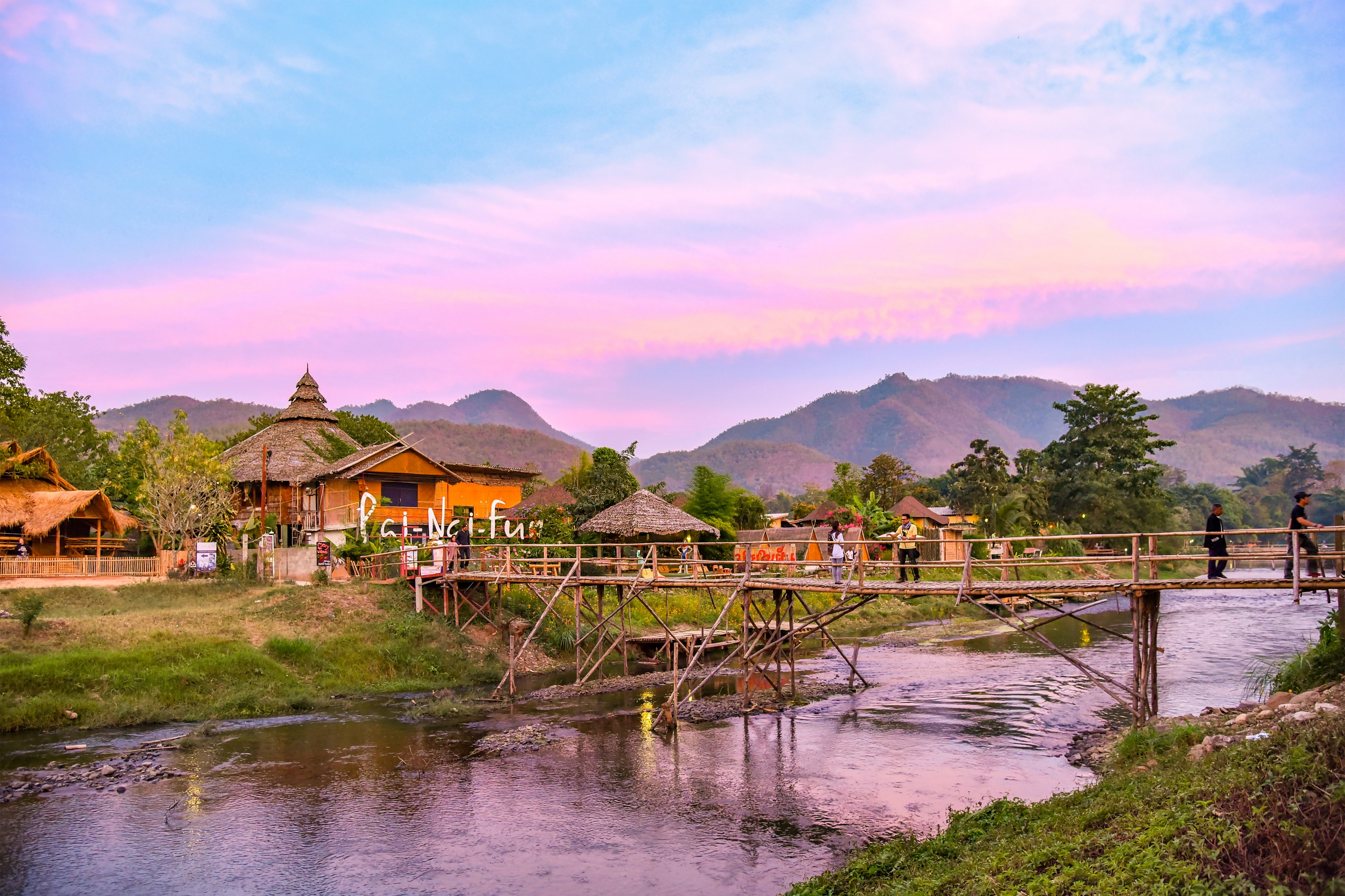
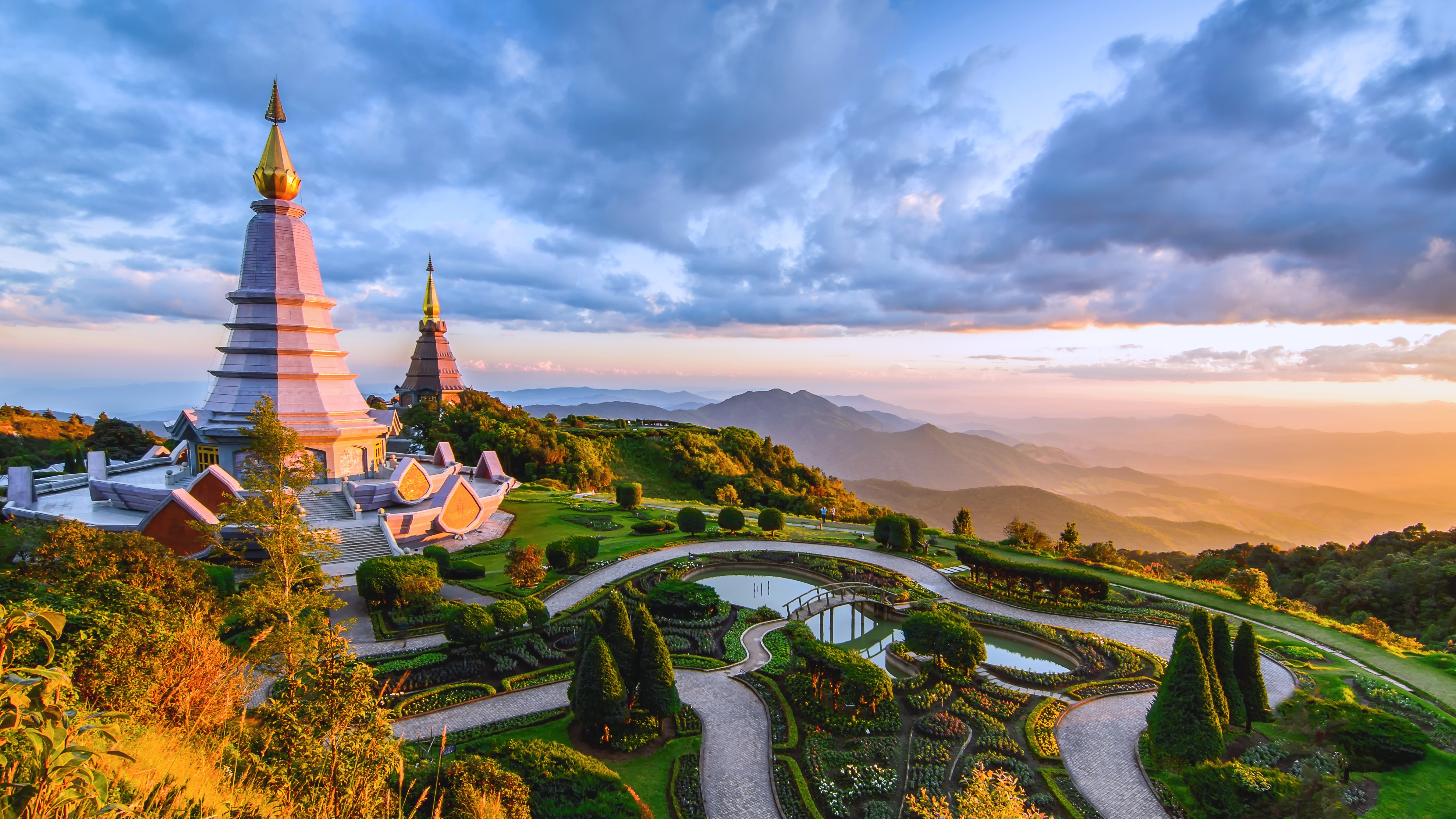
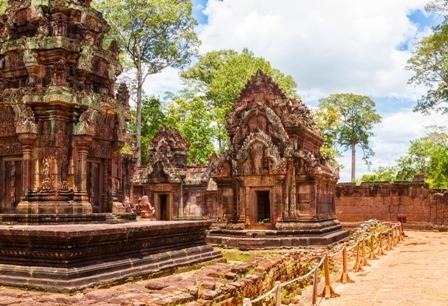
Located 150 km from Chiang Mai, Mae Chaem showcases Lanna temples, terraced rice fields, and Hmong villages. An authentic valley nestled at the foot of Doi Inthanon.
Rolling hills, terraced rice paddies, lush vegetation... Discover Mae Chaem, a charming village 150 km from Chiang Mai.
Mae Chaem, a peaceful village in northern Thailand
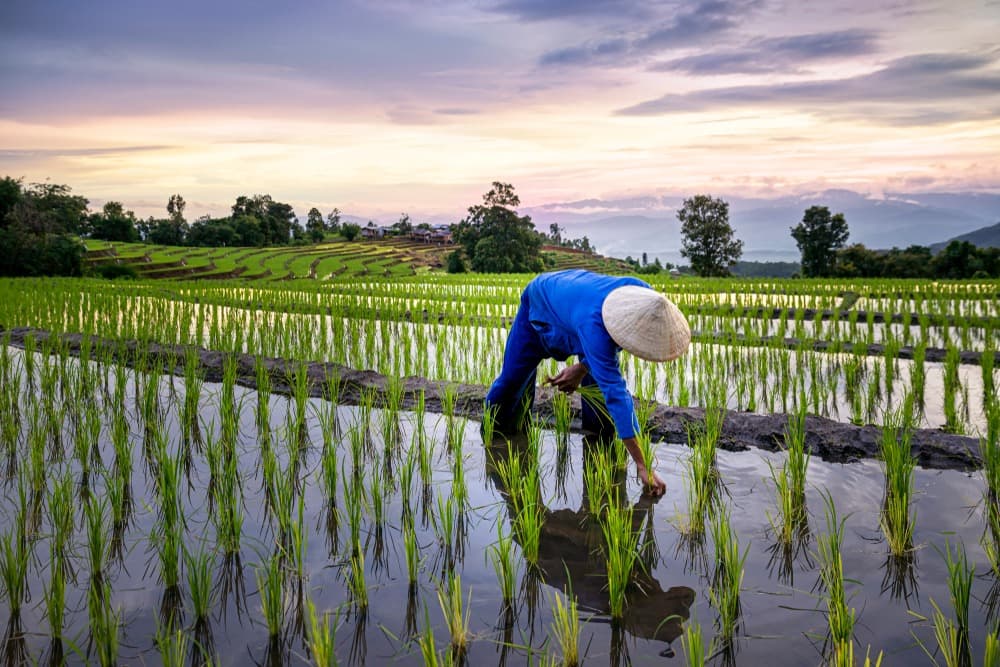
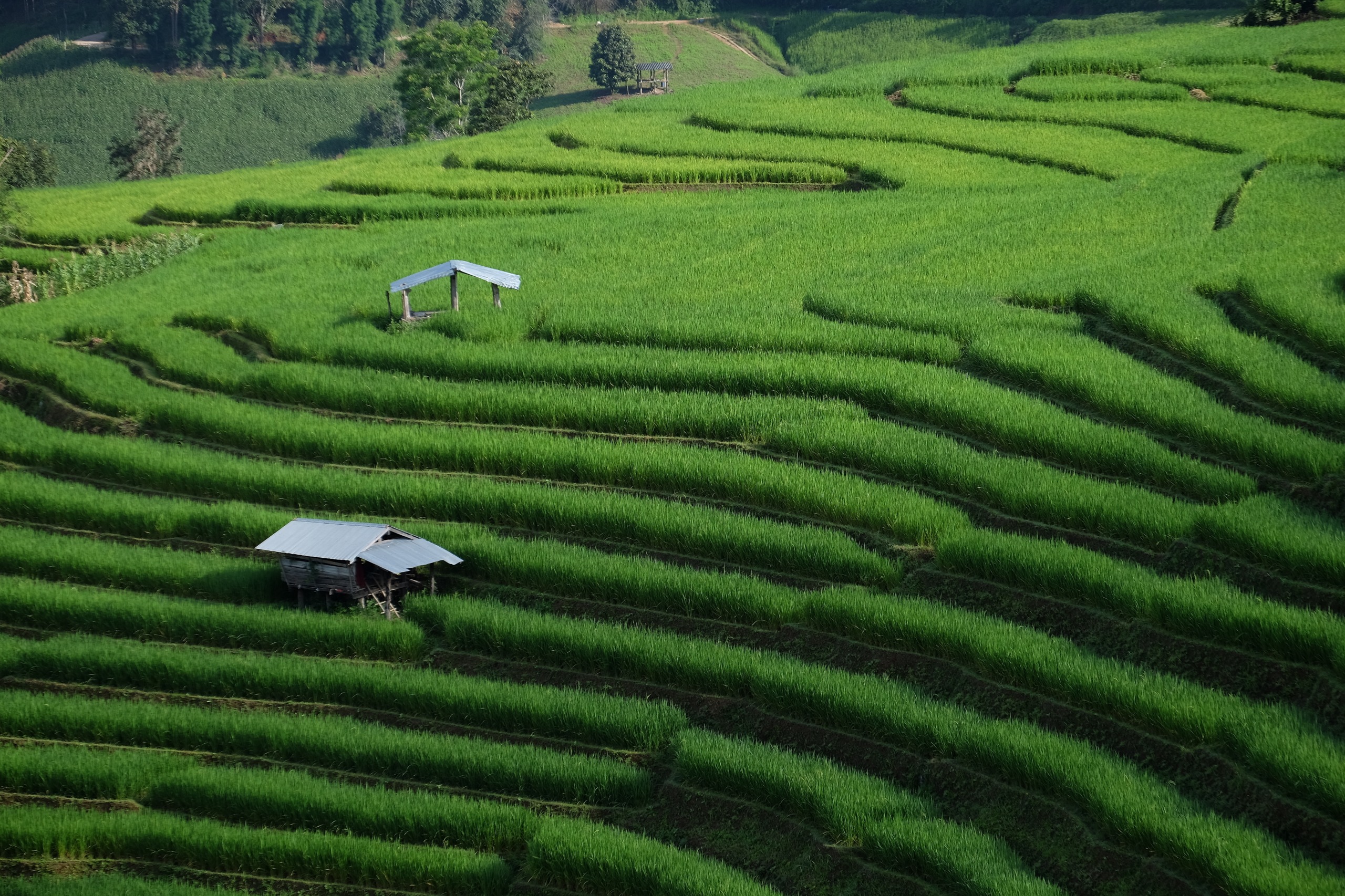
With its verdant forests, the sound of cascading waterfalls, and endless mountain rice terraces, agritourism is thriving in Chiang Mai and its surroundings. During a tailor-made journey through the Rose of the North, consider a detour to Mae Chaem. This rural and pristine territory is home to Thailand's highest peak. Rice and corn fields succeed one another across the hills, interspersed with small natural parks. The joys of trekking combine with community-based tourism. After capturing photos of the stunning rice terraces of Ban Pong Piong, you'll encounter the Lisu and Hmong ethnic groups, who have made their home in these highlands. Far from Chiang Mai's glitter, Mae Chaem has preserved its authenticity and cultural heritage. The warmth of the local people will touch your heart!
A glimpse into the past
The city's founding dates back to 1908, when the governor of Chiang Mai decided to create an independent district from three municipalities that had previously been under the authority of Chom Thong.
Once, the vast majority of inhabitants dedicated themselves to corn cultivation. This resulted in soil degradation and air pollution in Chiang Mai when corn waste was burned in the open air as spring approached. Faced with this problem, agricultural authorities encouraged tree cultivation to reduce erosion effects and transformed corn into green energy for electricity production.
The benefits are clear: watersheds have been restored, hundreds of families now have access to electricity, and hillside reforestation has sparked renewed tourism growth.
The modern town
Mae Chaem is administratively governed by Chiang Mai Province. Nestled at the foot of Doi Inthanon mountain, the district leverages its natural environment to attract visitors. A trip to Mae Chaem on the return route from Chiang Mai is typically followed by an itinerary through neighboring rural towns such as Mae Sariang or Chom Thong. The latest 2013 census reported 53,000 inhabitants spread across 7 subdistricts and 104 villages.
What to see and explore in Mae Chaem
The mountainous terrain invites forest trekking, followed by picnics beside rivers and waterfalls. Beyond its natural beauty, Mae Chaem boasts quality religious and artisanal heritage. We recommend staying two days and one night to experience the best of Mae Chaem.
Exploring temples
The Mae Chaem valley is dotted with charming small temples, each worthy of a visit for both setting and architecture:
Wat Yang Luang
Just steps from Wat Pa Daet, Wat Yang Luang is the most renowned place of worship in Mae Chaem. Among the ordination hall, viharn, and stupa, the first structure is perhaps the most interesting. Though smaller, it faithfully preserves the original Lanna style while the viharn reflects more contemporary aesthetics. Visit to admire beautiful wall frescoes and a wooden Buddha presiding over the altar.
Wat Phrao Num
The gleaming teak wood adorning the façade gives this temple its distinctive character. Inside, you'll discover a Buddha image revered throughout the town.
Wat Pa Daet
A delightful surprise awaits in this nineteenth-century temple, situated along the Ping River. Its ubosot features gilded gables and artfully carved windows, blending late Lanna art with Central Thai aesthetics. The walls narrate Prince Jataka tales from Buddhist literature. South of the monastery, admire the lovely white stupa set against green rice paddies.
Trekking through nature
Ban Pong Piang
The village is renowned for its terraced rice fields, which demand exploration on foot. While spring rains are welcome, they also bring erosion and soil degradation challenges. Terracing has effectively stemmed water runoff. An ingenious agricultural technique that adds to the landscape's allure.
Mae Pan Waterfall
Picnickers never tire of admiring this enormous cascade of milky water plunging over one hundred meters. It's the province's most impressive waterfall.
Huay Sei Lueng Waterfall
Just a stone's throw away, this waterfall tumbles down in two stages.
Meeting the hill tribes
The Hmong and Lisu have settled in Mae Chaem's high hills. Visiting traditional homes, discovering jok-making processes, and watching skilled weavers at work—these are the pursuits awaiting you on this cultural journey. The hill communities' way of life conveys humility. They are poor, often struggling to make ends meet, yet they fiercely preserve their traditions.
Before you go
When to visit?
Altitude explains the region's cool climate. To enjoy stunning rice terrace views, local tourists venture out from July to September despite heavy rainfall. International visitors typically arrive from November to February.
How to get there?
Reaching Mae Chaem by bus, taxi, or car is straightforward. The easiest option is renting a personal vehicle. Buses aren't always air-conditioned.
In the area…
Once you've explored Mae Chaem, continue your journey with a day trip to Doi Inthanon National Park or white-water rafting on Mae Tang River's rapids.
Photos
Also discover
Want to discover this destination?
Our local advisors design your tailor-made trip.