Buriram
Buriram
Deep in Isan's heart, Buriram unveils its ancient Khmer temples, MotoGP circuit, and authentic atmosphere far from tourist crowds.
Nestled in the heart of Isan, in northeastern Thailand, Buriram intrigues with its dual nature. On one side, nine ancient Khmer temples bear witness to an imperial past overlooked by standard tourist circuits. On the other, a gleaming new football stadium and MotoGP circuit attract tens of thousands of fans each year. This 23-district province, still largely spared from mass tourism, deserves a detour for anyone seeking authentic Thailand, between extinct volcanoes, night markets, and mountaintop sanctuaries.
Buriram at a Glance
| Region | Isan (northeastern Thailand) |
|---|---|
| Population | ~28,000 inhabitants (city) |
| Language | Thai, Isan dialect |
| Currency | Thai baht (THB) |
| Best Time | December to February |
| Suggested Duration | 2 to 3 days |
| Must-See | Phanom Rung Historical Park, Chang International Circuit, night market |
Why Visit Buriram?
Buriram escapes the usual tourist itineraries, and that's precisely what makes it charming. The province belonged to the Khmer empire for over four centuries and today preserves nine Hindu temples, some rivalling those of Cambodia without Angkor's crowds. Beyond this heritage, the city has forged a strong sporting identity with its Buriram United football team, one of Thailand's best, and its homologated circuit hosting Thailand's MotoGP. This blend of Khmer heritage, Isan culture, and modern infrastructure makes it a singular stop for those wanting to step off the beaten path.
A Little History
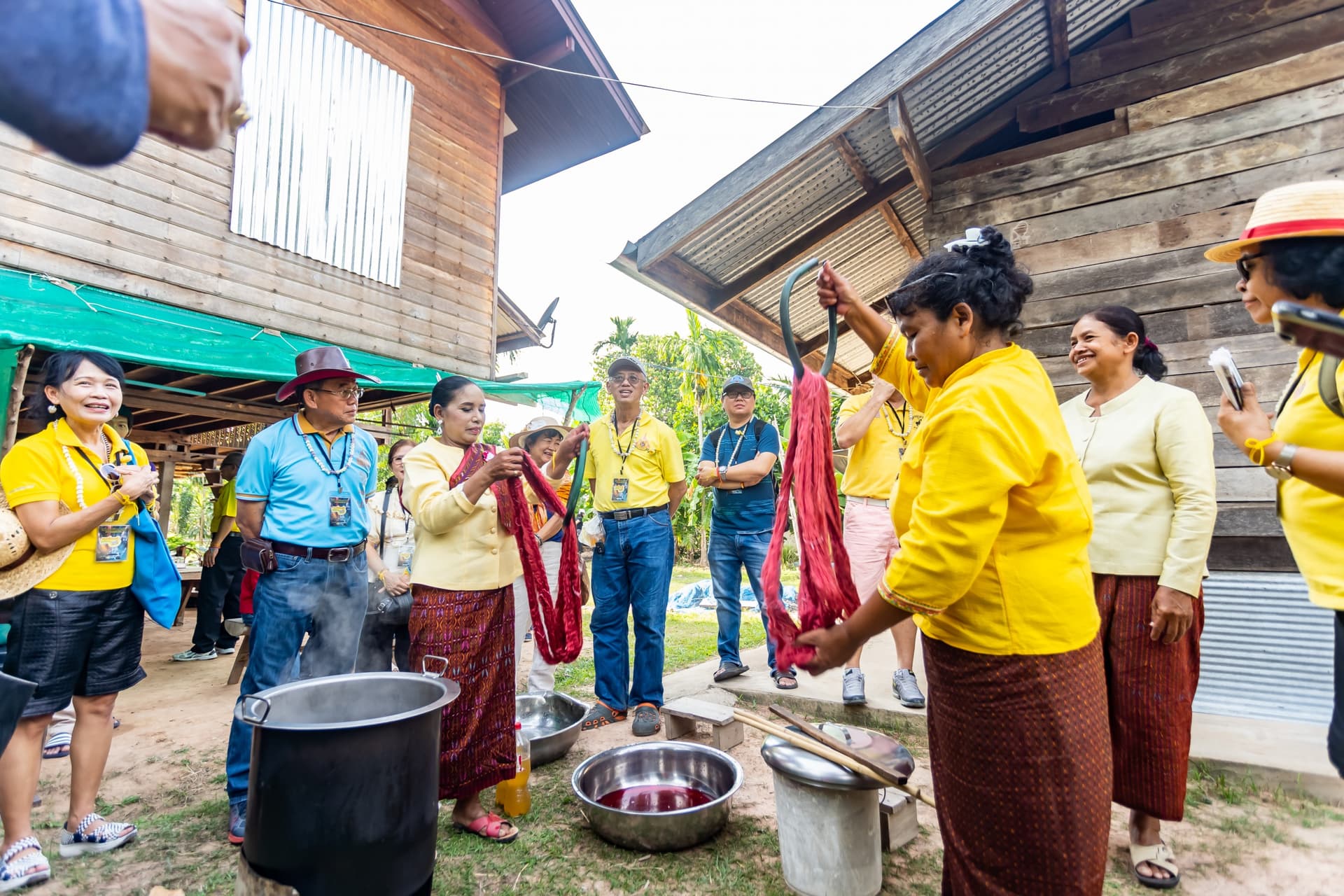
Once named Muang Pae, the city was renamed Buriram at the dawn of the 14th century. Before that, the region was part of the Khmer empire between the 9th and 13th centuries, the period when the Hindu sanctuaries still visible today were erected. After the Khmer decline, the territory fell under Siamese control, then became a province in its own right within the Thai kingdom. Isan's inhabitants have preserved a distinct culture, blending Laotian, Khmer, and Thai influences, perceptible in the cuisine, mor lam music, and local festivals.
What to Do in Buriram: the Essentials
Phanom Rung Historical Park
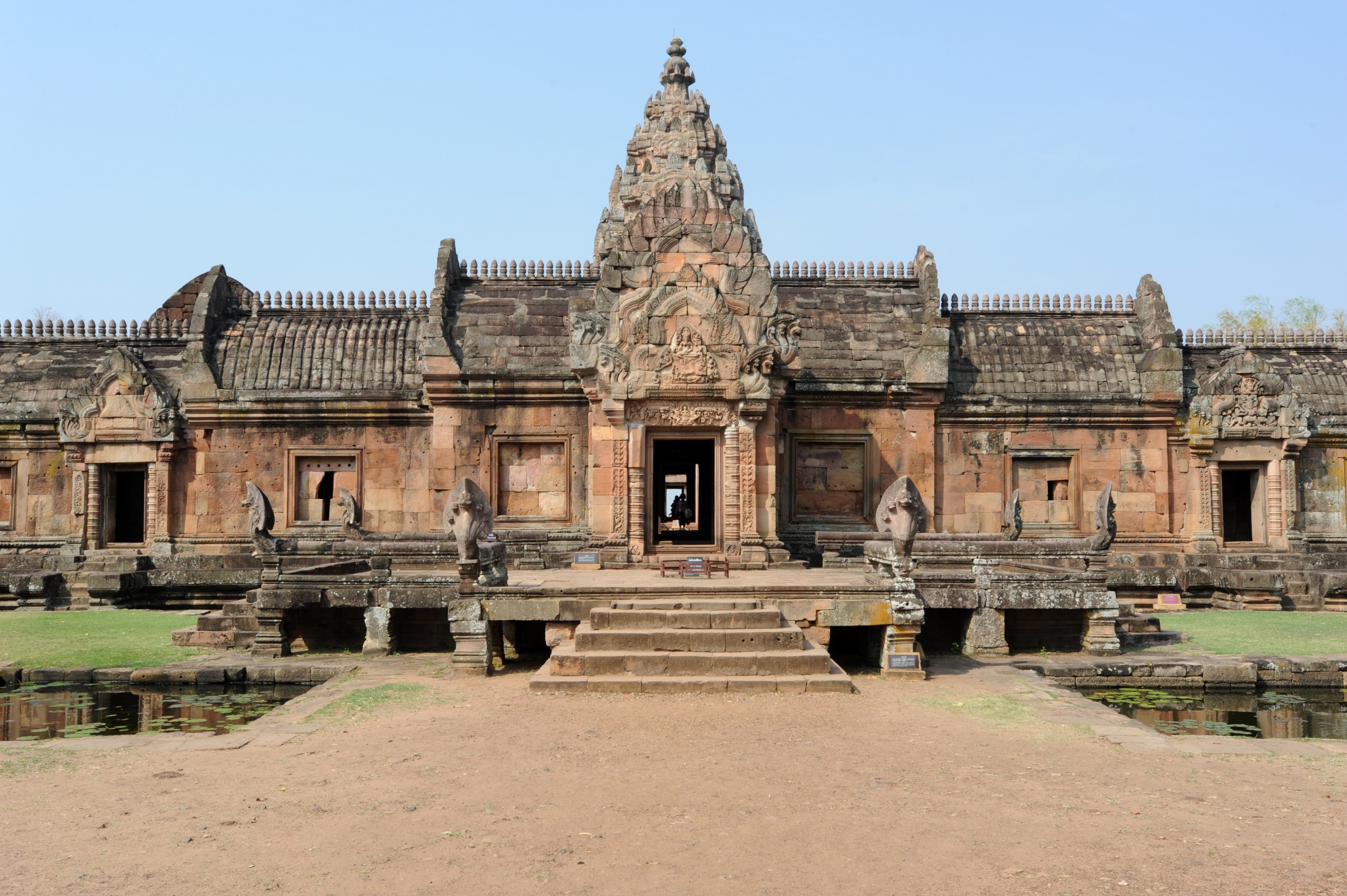
Perched atop an extinct volcano, the Phanom Rung sanctuary is the province's Khmer jewel. Built between the 10th and 13th centuries and dedicated to Shiva, it lines its pink sandstone pavilions along a 160-metre processional avenue. Four times a year, the sun passes through the temple's fifteen aligned doorways, a phenomenon attracting photographers and pilgrims alike. Allow 2 to 3 hours and bring water—shade is sparse.
Prasat Muang Tam
About ten kilometres from Phanom Rung, Prasat Muang Tam is the province's second major Khmer temple, also dedicated to Shiva. More modest yet equally evocative, it's centred around four L-shaped pools bordered by stone nagas. The site sees few visitors, allowing you to fully soak in the atmosphere.
Chang International Circuit and MotoGP
Chang International Circuit, unique in Thailand, hosts a MotoGP championship round each year plus Superbike races. Outside competition, the circuit offers guided tours and track days for riders. Motorsports fans can combine their visit with a Buriram United match at Thunder Castle Stadium if they're playing at home.
Khao Kradong Forest Park
An extinct volcano peaking at 265 metres, Khao Kradong can be climbed in minutes via a staircase of 297 steps. At the summit, a golden Buddha statue offers panoramic views across Buriram's plains. The site is especially pleasant at sunrise or sunset.
Night Market and Walking Street
On weekends, the night market on Rom Buri Road comes alive with Isan cuisine stalls: som tam, larb, grilled chicken, fried insects for the adventurous. Walking Street gathers live music and craft vendors. It's the perfect chance to taste local cooking in a relaxed atmosphere at wallet-friendly prices.
Festivals and Isan Culture
The 5th lunar month festival, celebrated in spring, brings together processions, traditional dances, and offerings. Throughout the year, other festivities mark the calendar, notably around Buddhist temples Wat Klan and Wat Khao Angkhan, the latter renowned for its modern architecture and white pagodas.
Where to Stay in Buriram?
Accommodation options are modest but sufficient for two to three nights. For tight budgets, several family guesthouses offer simple rooms between €15 and €30 a night, often run by locals with basic English. The mid-range includes a few modern boutique hotels (€60 to €120) clustered around the city centre and stadium. For more comfort, lodges and upscale hotels near Chang International Circuit exceed €150 per night, particularly useful during race weekends when demand skyrockets. Book several months ahead if your stay coincides with the MotoGP.
When to Visit Buriram?
Buriram enjoys a tropical hot and humid climate, split between dry and rainy seasons. The most pleasant period runs from December to February: mild temperatures (20 to 30°C), moderate humidity, and clear skies. From March to May, heat becomes scorching, with peaks around 40°C. The rainy season spans May to October, with often brief but intense showers; average annual rainfall is 1228 mm. November marks an ideal transition for photographing rice fields still green before harvest.
How to Get There?
Buriram is reached from Bangkok by three means. By air, expect roughly 1 hour from Don Mueang airport to Buriram airport (BFV), with several daily flights by Nok Air and Thai AirAsia. By train, the journey from Bangkok station lasts 6 to 8 hours and ends at Buriram station, located downtown; second-class berth tickets remain affordable. By bus, regular departures from Mor Chit terminal in Bangkok reach Buriram in 5 to 6 hours. The train remains the most scenic and economical option for those with time.
How to Get Around?
The city centre is easily walkable. For longer distances, the Songthaew System operates two easily recognisable lines marked by their pink colour; the fare is fixed and very low. Car or scooter rental is the best option for reaching Phanom Rung, Prasat Muang Tam, or Khao Kradong, located 30 to 90 minutes from the centre. Full-day private drivers negotiate around €50 to €70 to visit the main Khmer temples.
Insider Tips
- Visit Khmer temples early: Phanom Rung has virtually no shade; set out before 8am to escape the heat and enjoy golden light on the sandstone.
- Check the sports calendar: if Buriram United plays or a race is held at Chang Circuit, the city's atmosphere is unique but hotels book out.
- Try sai krok isan, the fermented sausage typical of the northeast, sold at the night market.
- Learn a few Isan words: a simple « sabaidee » (hello) rather than the Thai « sawasdee » is always appreciated.
- Bring cash: ATMs are rare around Khmer sites and many vendors don't accept cards.
Who Is This For?
Buriram suits several traveller profiles. History and Khmer architecture enthusiasts will find temples comparable to those in Cambodia, without the crowds. Sports fans — football or MotoGP — will time their visit around a sporting event. Family travellers will appreciate the city's calm, parks, and accessible cuisine. Those curious about authenticity seeking to discover Isan away from mass tourism will experience a successful cultural immersion. Conversely, beach lovers, those seeking intense nightlife, or shopping enthusiasts should look elsewhere.
Also Worth Exploring
Buriram fits naturally into a broader itinerary across Isan and beyond. The neighbouring province of Surin shares the same Khmer heritage and its famous elephant festival. Further east, Ubon Ratchathani opens the door to southern Laos and the Mekong. To prepare your arrival, consult our Bangkok guide, the mandatory starting point for reaching Buriram.
Plan Your Buriram Trip
Our local agency Sawa Discovery helps you incorporate Buriram into a bespoke Thailand trip, for example on our itinerary From Northeastern Thailand to Southern Laos (14 days, from €1,490). Our local expert builds a programme with you tailored to your interests — Khmer temples, sports, Isan immersion. Discover the agency.
Frequently asked questions
The best period runs from December to February, during the dry season, with mild temperatures and clear skies. Avoid April and May (extreme heat) and the rainy season from May to October.
Three options: fly from Don Mueang (1 hour, several daily flights), train from Bangkok station to Buriram station (6 to 8 hours), or bus from Mor Chit terminal (5 to 6 hours).
Must-sees are the Khmer temples Phanom Rung and Prasat Muang Tam, Chang International Circuit, Khao Kradong volcano, and the Rom Buri Road night market on weekends.
Two to three days are enough to visit the Khmer temples, the city centre, and enjoy the night market. Add an extra day if you attend a match or race.
Yes. The city is calm, safe, and offers water parks, accessible temples, and varied cuisine. Children enjoy climbing Khao Kradong and the night market atmosphere.
The MotoGP typically runs between September and October at Chang International Circuit. Hotels book out months in advance, so reserve early if you want to watch the race.
Not essential, but an English-speaking guide considerably enriches the visit through explanations of Hindu iconography and Khmer history. Expect €30 to €50 for a half-day.
Photos
Accommodation in Buriram
See all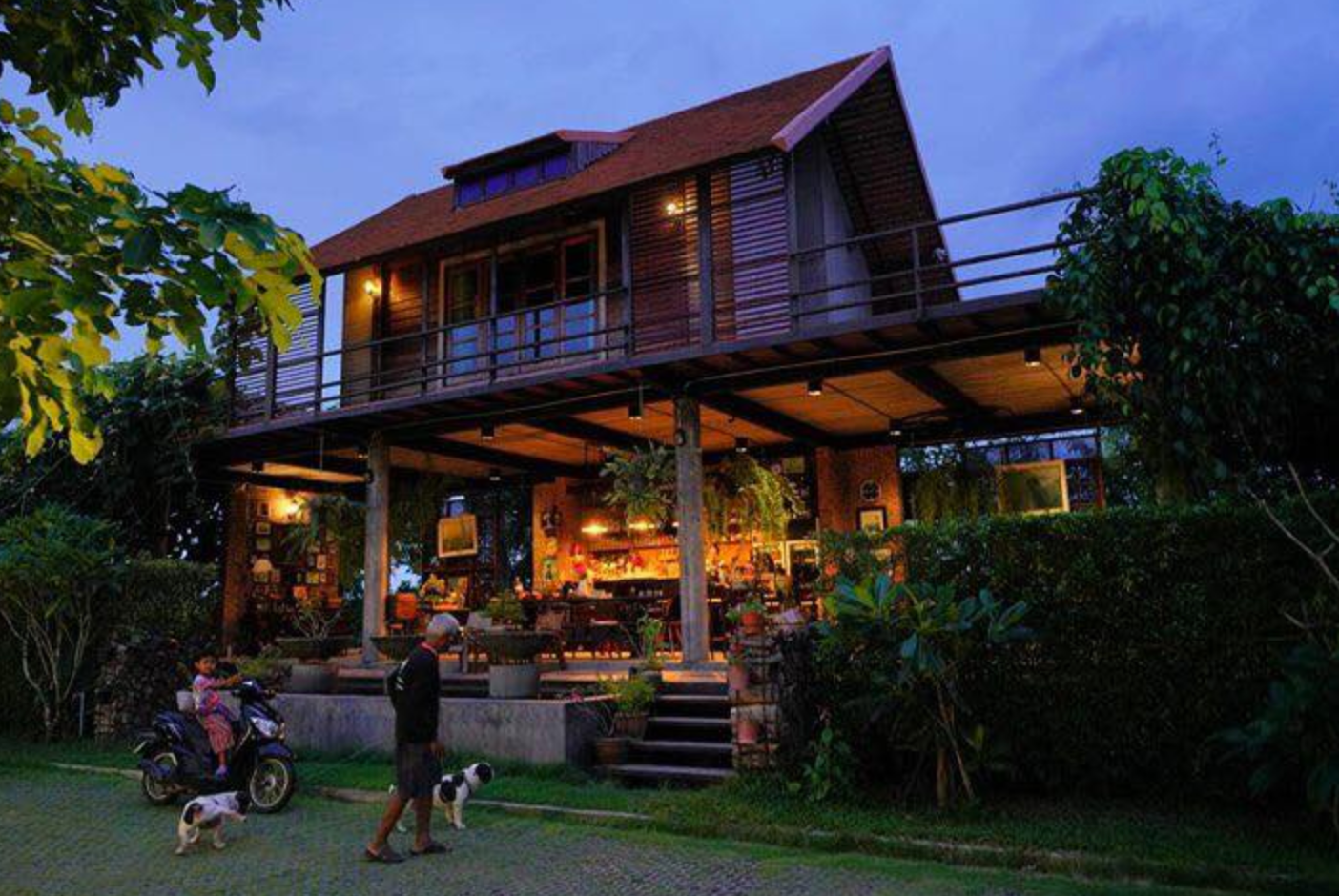
Also discover
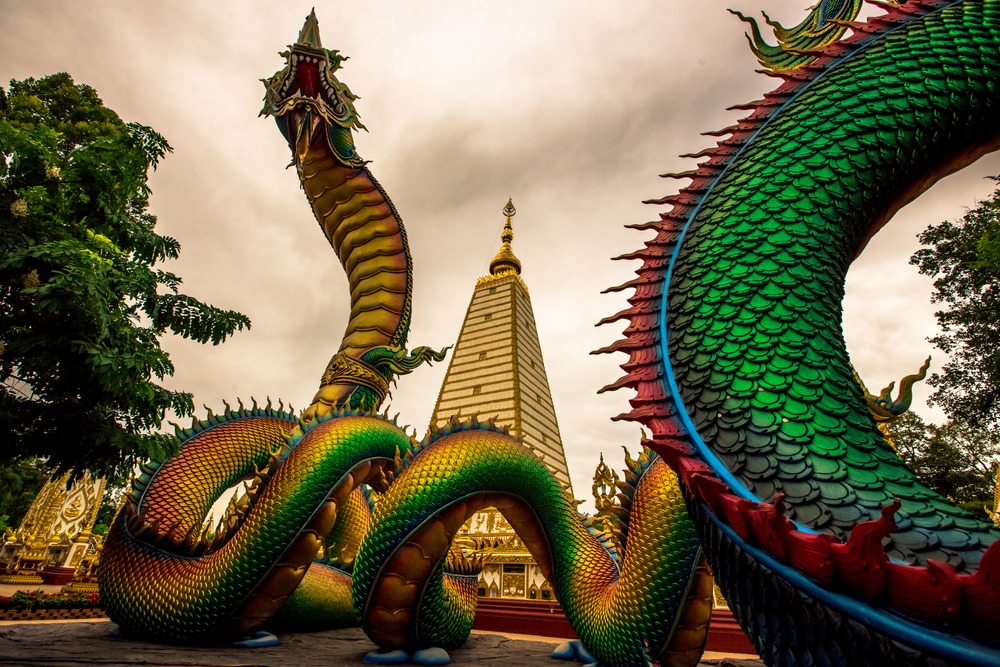
Ubon Ratchathani
At the confluence of the Mekong and Mun rivers, Ubon Ratchathani brings together forest temples, a candle festival and spectacular landscapes of deepest Isan.
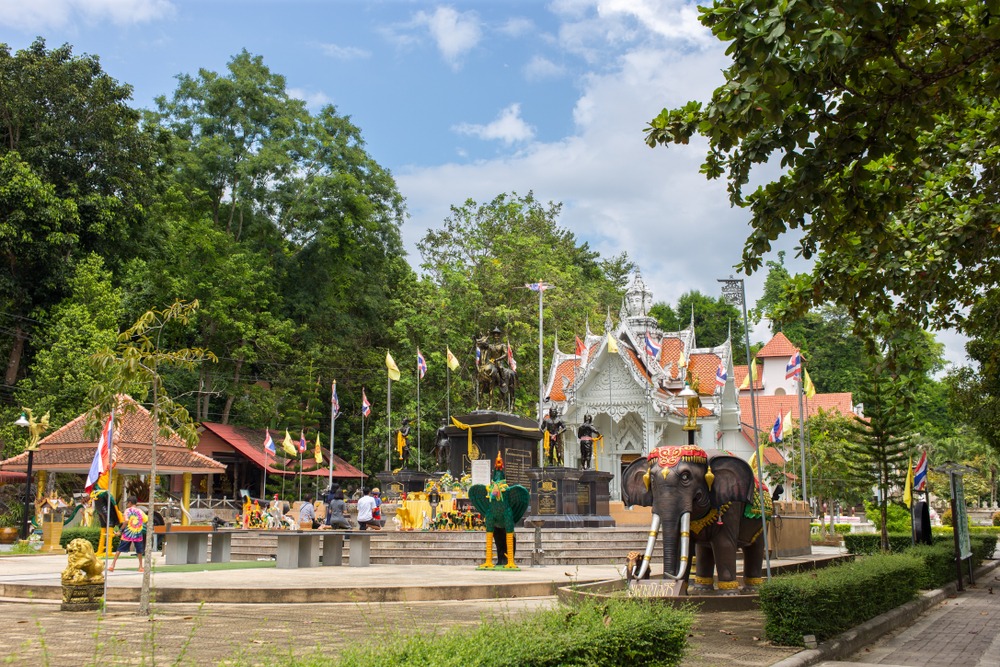
Wat Khao Khun Phanom
Cave temple from the Ayutthaya period north of Nakhon Si Thammarat, linked to the memory of King Taksin the Great and home to around thirty bronze Buddha images.
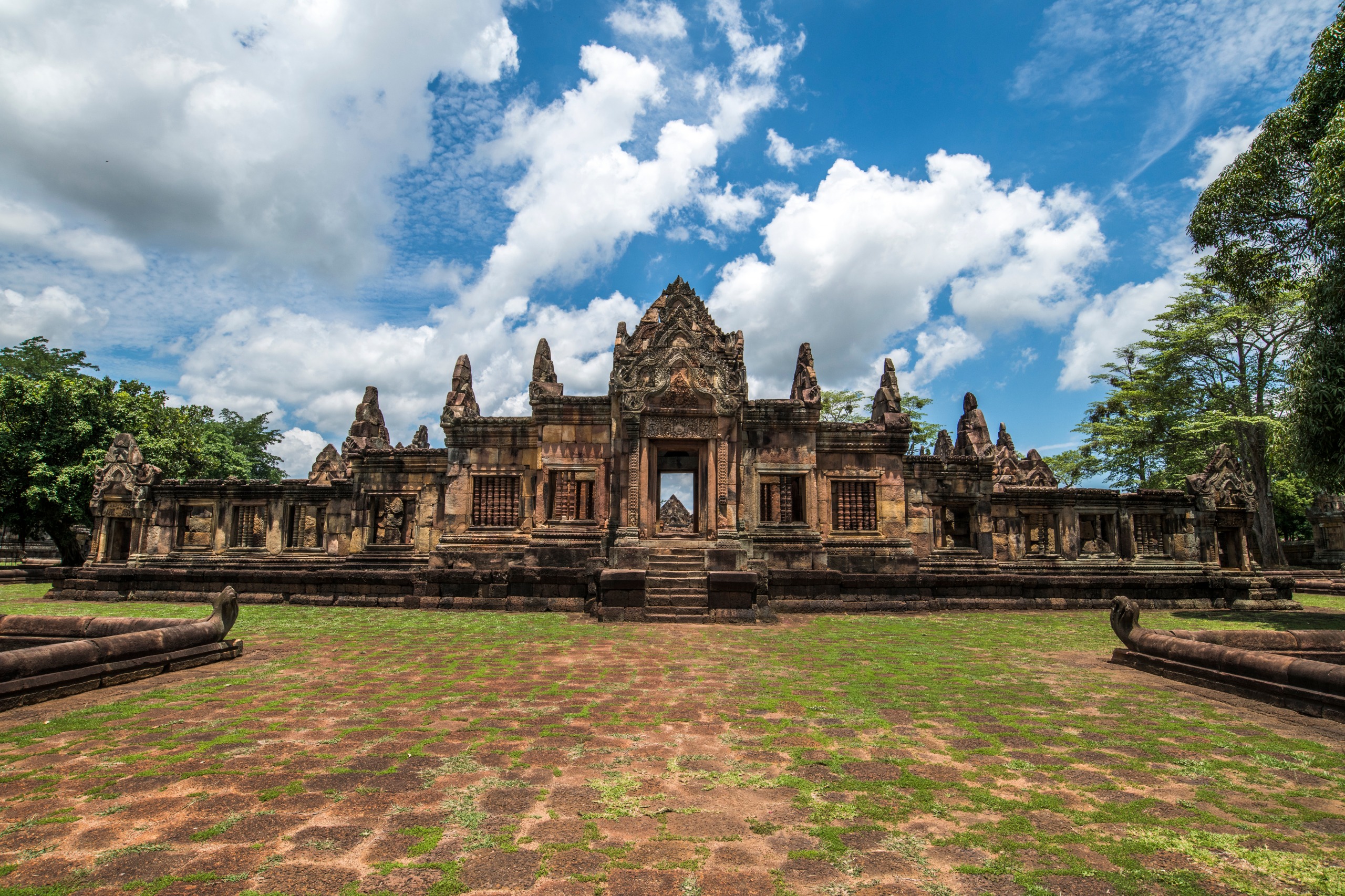
Prasat Muang Tam
Prasat Muang Tam is a Khmer temple located in Thailand in the province of Buriram (Isan), near the Cambodian border. Its architecture is reminiscent of the wonders of the Angkor monumental complex.
Want to discover this destination?
Our local advisors design your tailor-made trip.