Pua
Pua
Pua, one of Nan's primary districts, is a typical northern Thai mountain town.
Pua, one of the principal districts of Nan, is a quintessential northern Thai mountain town. Let's explore the highlights of this compelling destination.
With its solid road network, Pua serves as an excellent base for exploring the Nan region. The town develops around a verdant valley, dominated to the east by the limestone cliffs of Doi Phuka, bordered to the west by Phayao and to the south by the provincial capital, with the wild expanse of Tham Pha Tup in between. An old agricultural landscape where jungle meets settlements, where rice paddies stretch across the horizon, where birdsong mingles with the thunderous roar of waterfalls.
Regarded more as a transit route than a tourist hub, the destination remains largely undiscovered by foreign travelers. A real pity! Strolls through ripening rice and corn fields, picnics in the Doi Phuka forest park, witnessing the intense moments of planting and harvest… The town offers much to trekkers, beyond its quality hotels and restaurants.
Historical Notes
Old manuscripts provide scant information about the origins of this settlement. That said, Pua district's antiquity predates the provincial capital of Nan itself. Pua's founding reaches back several centuries, with the Tai Lue people as the first settlers; their homes and plantations were clustered north of the town center, behind the main avenue. No trace remains of this historical colony, yet travelers searching through old road maps will find proof of its existence.
Pua district's economic growth stems from agricultural products. Rice is cultivated primarily for household consumption, while coffee and corn serve commercial purposes. Mountain rice paddies stretching to the horizon are sown and transplanted at the onset of the rainy season. The electric atmosphere of harvest time also draws visitors. Unfortunately, deforestation and brush fires remain persistent challenges, threatening landscape integrity. The development of responsible tourism is essential to alleviate poverty, sustainably improve incomes, and preserve local natural heritage.
Today
Thanks to its crossroads position, Pua is an obligatory stop for road-trip enthusiasts wishing to explore Nan's points of interest. Three major highways converge here: Route 1081 connecting the valley center to the spectacular Santisuk waterfalls; Route 101 traversing the province north to south, from Thung Chang to Nan; Route 1256, offering the most panoramic landscapes, running from the valley to remote highlands.
Located in central-northern Nan, Pua itself is not particularly touristy, yet the region's finest accommodations concentrate here. Cafés, convenience stores, and shopping centers line the main avenue. Moreover, the town hosts a well-frequented forest park.
What to See and Do
Wander through rice paddies, participate in rice transplanting or threshing, taste local flavors, observe traditional scenes of daily life… These are the pleasures a day trip to Pua offers. Here are the sacred and natural unmissable sites.
Religious Heritage
- Wat Phuket: Perched atop a hilltop, Wat Phuket is a quintessential Buddhist sanctuary. The temple's highlights include the Ubosot and an oversized Buddha statue, serenely seated beneath a tree. On clear days, enjoy sweeping views of rice paddies and thatched-roof dwellings.
- Wat Sri Mongkhon: This temple mirrors the architectural style of its predecessor, though with more refined finishes. Pause before the whisperer statues—a sculptural reproduction of the exceptional frescoes from Wat Phumin in Nan.
- Doi Phuka National Park: Spanning 1,704 km², Doi Phuka National Park is undoubtedly the largest and most popular wildlife park in the province. It's reachable in eight minutes by car from downtown. Venturing into the deciduous dipterocarp forests, hikers encounter remarkable species. Consider the tree fern species thriving on the slopes: Caryota giga, found nowhere else on Earth. Bretschneidera sinensis merits equal attention—once spotted in Vietnam, southern China, and Laos, this pink-flowered shrub survives today only in this remote corner of Thailand. A true symbol and source of pride for Nan.
- Sila Phet Waterfall: Frankly, this cascade pales compared to Thailand's majestic tiered waterfalls. Yet it boasts two strong points: the swimming area is accessible year-round regardless of season; the banks are draped in trees and moss, creating an idyllic setting for hikers and picnickers. Plus, it lies just 15 km from town. Good news: forest rangers impose no entrance fees, though the waterfall falls within Doi Phuka park boundaries.
- Tad Leuang Waterfall: From Sila Phet, head toward the Tad Leuang cascade, awaiting you some ten kilometers away. Quieter due to few visitors, it's abundant with freshwater fish. Take advantage by learning fishing techniques from local villagers.
When to Visit?
Despite intense rains, tourists are encouraged to come during peak rice-growing season, from June to October. Flora flourishes across the hills, and Thais from across the country visit Pua to witness the blooming of the chomphu tree. If you plan to ascend Doi Phuka's summit, consider traveling during cool season, between December and February.
How to Get There?
Transport options are readily available. From Nan, bus lines and songthaews (shared minibuses) can take you to Pua. Generally, a songthaew departs every hour. Buses take longer to fill, but worth the wait if your luggage is substantial.
Photos
Attractions in Pua
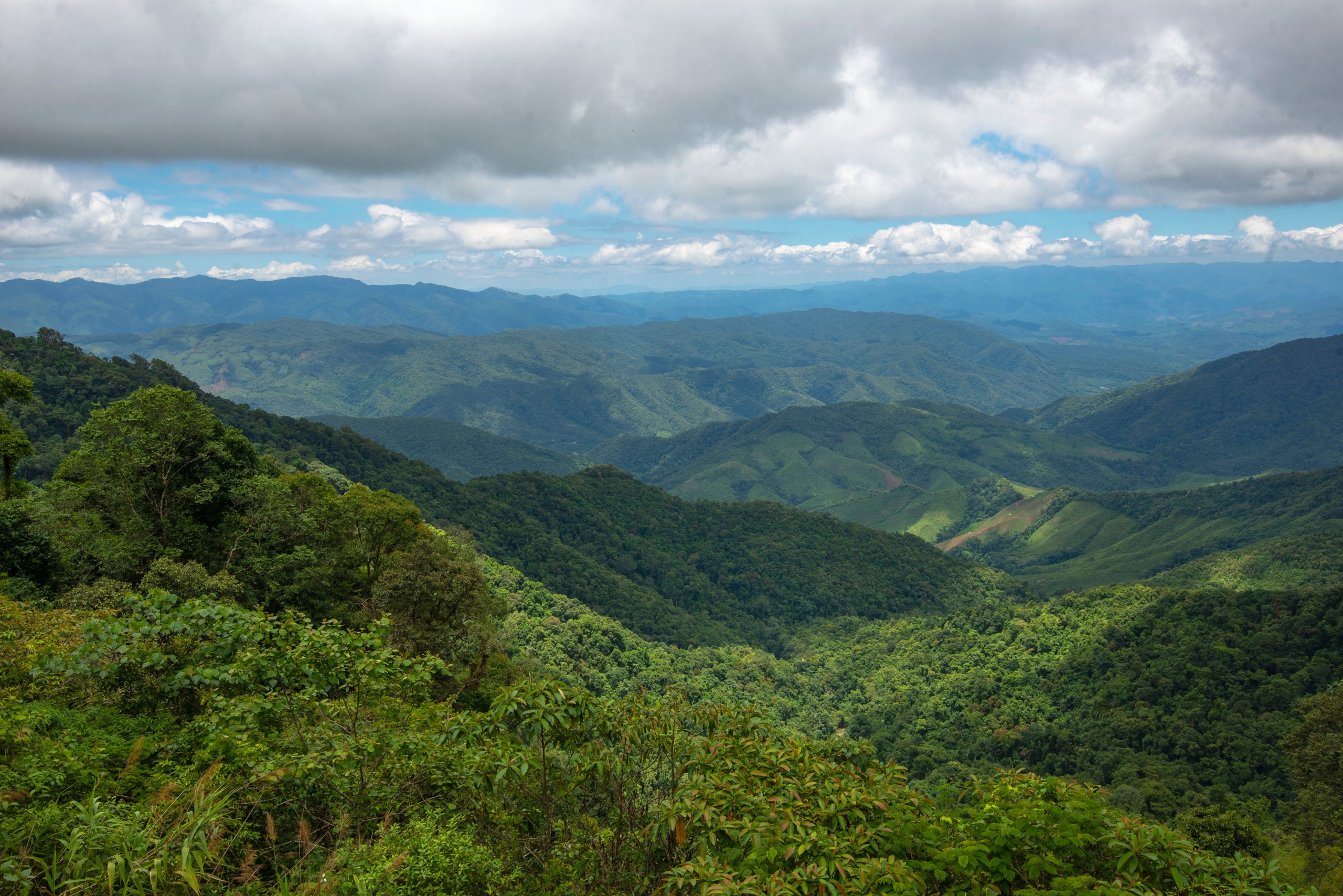
Parc national de Doi Phu Kha
Aire protégée du nord de la Thaïlande, frontalière du Laos, Doi Phu Kha conjugue forêts d'altitude, cascades, grottes calcaires et avifaune remarquable.
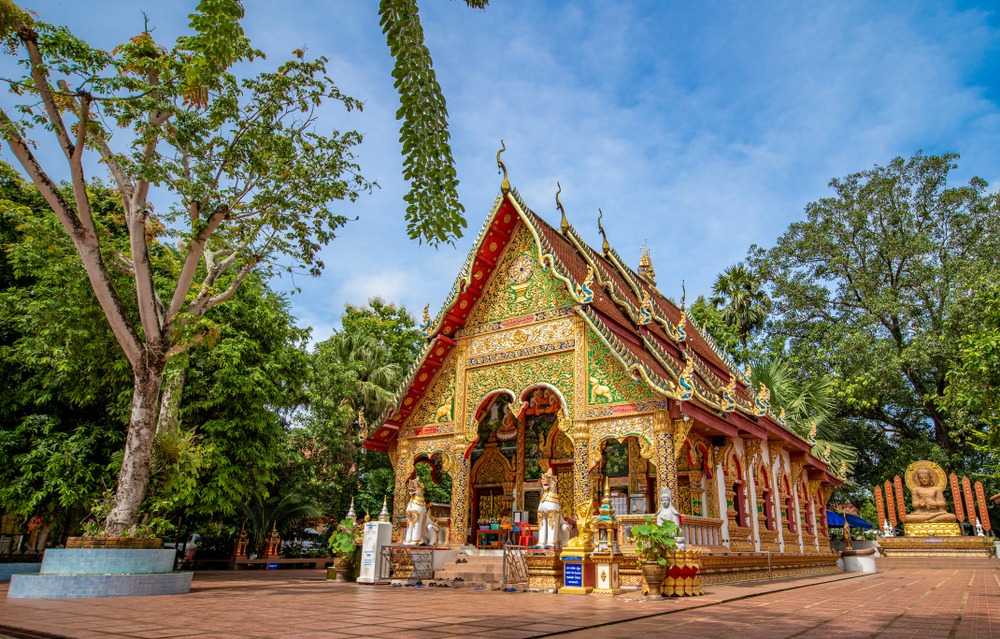
Wat Phuket
Perché sur une colline du district de Pua, près de Nan, le Wat Phuket offre un panorama remarquable sur les rizières et le parc de Doi Phu Ka.
Accommodation in Pua
Want to discover this destination?
Our local advisors design your tailor-made trip.