Surat Thani
Surat Thani
Surat Thani, the provincial capital of southern Thailand, is far more than a gateway to Koh Samui: Srivijaya temples, Bandon Bay and a living Buddhist heritage.

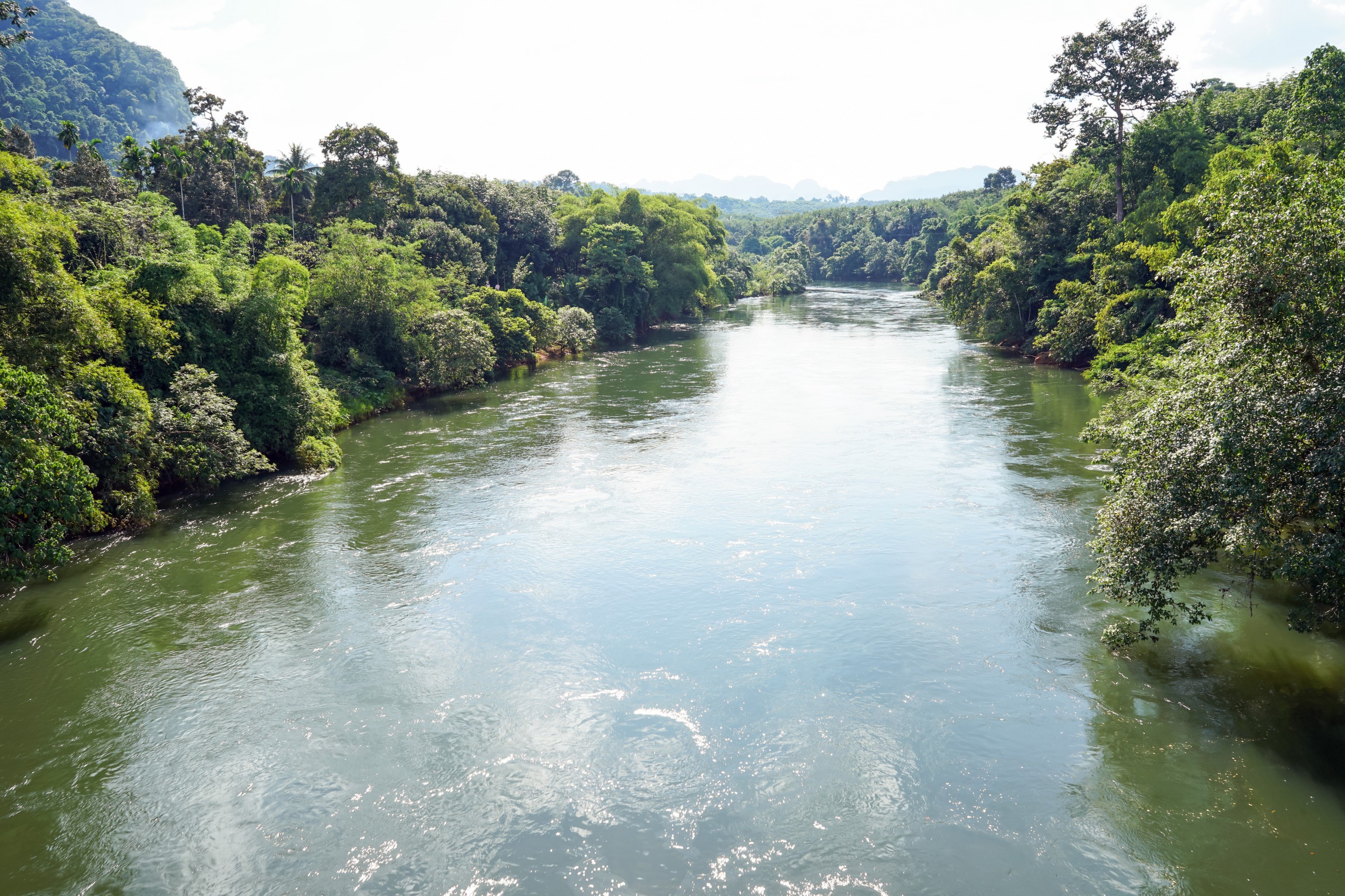
Surat Thani stretches across southern Thailand near the mouth of the Tapi River. A provincial capital and gateway to the south, it serves as a springboard to Koh Samui, Koh Phangan and Koh Tao. Yet reducing this town to a mere transit point would be to miss its Srivijaya heritage, its meditative temples and its Bandon Bay rich in oysters and tropical fruits.
At a glance
- Location: southern Thailand, mouth of the Tapi River, Bandon Bay
- Status: capital of Surat Thani Province, nicknamed the "gateway to the south"
- Area: 69 km² (compared to 2.67 km² at its founding in 1935)
- Climate: tropical savanna, 27°C average annual temperature
- Best season: December, January, February
- Specialties: oysters from Bandon Bay, Surat Thani rambutan
- Access: airport at Phunpin (20 km), railway station 12 km away, buses from Bangkok (600 km)
- Ideal for: island transit, Buddhist retreat, local immersion away from crowds
History of Surat Thani
Long ago, the town was called "Bandon," meaning "the village in the highlands." In 1915, when King Rama VI (Vajiravudh) ascended the throne, he changed the name of the locality and christened it "Surat Thani," which means "the city of good people."
In 1930, Surat Thani became a district, and then on December 7, 1935, the town attained city status. At its inception, it was a small municipality of just 2.67 km², but over time it expanded to reach its current area of approximately 69 km².
Since 1969, Surat Thani has been the seat of the Roman Catholic Diocese of Surat Thani Province, which encompasses some 6,000 faithful—a rare distinction in this predominantly Buddhist region.
The province also preserves the legacy of the Srivijaya Kingdom (8th–13th centuries), whose center was located in Chaiya, 50 km to the north. Local temples still bear the marks of this Indic-Malay influence.
What to do in Surat Thani?
The night market along the Tapi
Though relatively small, the market draws locals and foreign travelers each evening. It sits near the riverbank and stretches only about 150 meters. Here you'll find clothes, bags, hats, but above all generous Thai street food: pad Thai, curry soups, grilled chicken skewers. Expect 60 to 100 baht for a full meal.
If you have time, head to the town's highest point for a panoramic view over the city, Bandon Bay and the Tapi River.
Temples and Srivijaya heritage
The temples of Surat Thani tell a thousand years of Buddhist history and offer a contemplative counterpoint to the bustle of neighboring islands.
- Wat Phra Borommathat Chaiya: its white stupa, among the oldest in southern Thailand, is an important pilgrimage site. Srivijaya style, 50 km north of the city.
- Wat Suan Mokkh: forest monastery founded in 1932, famous for its ten-day Vipassana meditation retreats, open to foreigners.
- Wat Phra Boromathat Chaiya Ratcha Worawihan: houses a massive white chedi in Srivijaya style, designated a national monument.
- Wat Phra That Sathon Wararam: known for its golden chedi containing a Buddha relic.
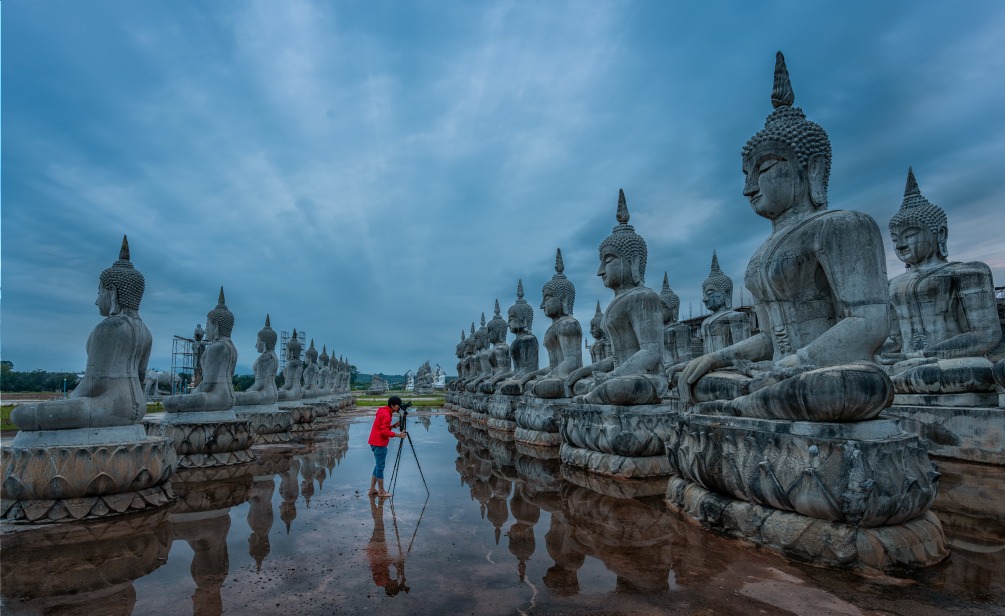
- Wat Lampraya: near the city center, renowned for its large seated Buddha statue.
Bandon Bay and its flavors
Bandon Bay is renowned for its oyster farms, considered among Thailand's finest. The province's orchards also produce particularly fragrant rambutan, celebrated each August during a local festival. A boat excursion into the bay allows you to encounter the stilt-built oyster farms.
Beaches accessible from Surat Thani
Surat Thani serves as a springboard to several coastlines. Here are the most accessible beaches:
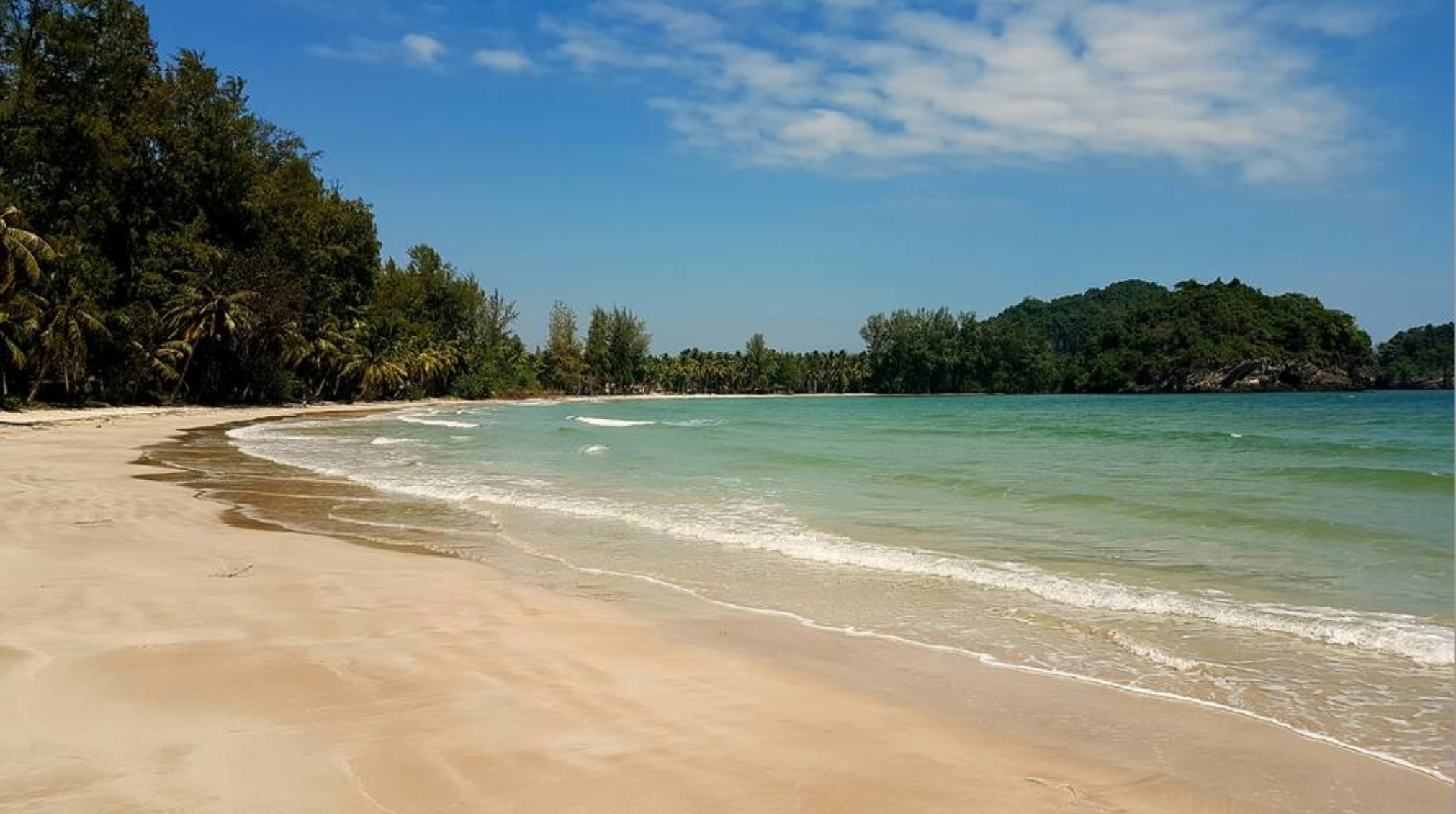
- Khanom Beach (mainland, 1h30 drive): long, peaceful beach, rarely crowded, pink dolphins sometimes visible
- Chaweng Beach (Koh Samui, ferry from Donsak): the liveliest, white sand and nightlife
- Lamai Beach (Koh Samui): quieter vibe than Chaweng
- Haad Rin Beach (Koh Phangan): famous for the Full Moon Party
- Thong Nai Pan Beach (Koh Phangan): pristine cove, bordered by jungle
Festivals and local celebrations
Chak Phra (October)
The city's most emblematic festival. It marks the end of the Buddhist Lent and celebrates Buddha's return to Earth. Floats of temple boats on the Tapi and longboat races punctuate several days of festivities.
Surat Food Fair
Southern Thailand's most important gastronomic festival. Held each year along the Tapi River, it brings together regional producers and chefs around oysters, rambutans and fish-based specialties.
Vegetarian Festival (October)
Tied to the Sino-Thai community, it invites Chinese restaurants and temples to serve meat-free cuisine for nine days. Food is even offered free in some temples.
Songkran (April)
The Buddhist New Year features water battles throughout the city in mid-April.
Climate and best season
Surat Thani enjoys a tropical savanna climate with a dry season and a marked wet season. Average annual temperature hovers around 27°C, with little variation between months.
- December to February: the best period. Clear skies, 25-30°C, light rainfall.
- March to May: hot and humid, up to 35°C. Acceptable for visiting temples early morning.
- June to September: onset of monsoon, short but intense downpours, rough seas toward the islands.
- October-November: peak monsoon on the east coast. Ferries sometimes suspended, Chak Phra festival as compensation.
To combine Surat Thani with Koh Samui or Koh Phangan, favor January-March: it's also high season on the islands.
How to reach Surat Thani?
By air from Bangkok
The city has its own airport, located some twenty kilometers west of the center, in Phunpin District. Several carriers (Nok Air, Thai AirAsia, Thai Lion Air) operate from Bangkok's two airports, Don Mueang and Suvarnabhumi. Flight time approximately 1h15. Upon arrival, buses, taxis or car rentals allow you to reach the city center.
By overnight train from Bangkok
The overnight train remains the most picturesque option. You disembark at Surat Thani station, located 12 km from the center, in Phunpin District. Departure in the evening from Krung Thep Aphiwat station, arrival early morning. A bus serves the city center in 20 minutes.
By bus from Bangkok
From Bangkok, the bus departs from the Southern Bus Terminal (Sai Tai Mai). The most economical, but also the longest: 600 km are typically covered in 10 hours. VIP buses with reclining seats available for overnight journeys.
Ferry to Koh Samui, Koh Phangan, Koh Tao
Surat Thani is above all known as the gateway to the Gulf islands. Ferries depart from Donsak Pier, about 1 hour's drive southeast of the city. Several companies (Raja Ferry, Seatran, Lomprayah) operate services to Koh Samui (1h30 by speedboat), Koh Phangan (2h30) and Koh Tao (3h30 to 4h). Combined bus + ferry tickets from the city center simplify the journey.
Where to stay in Surat Thani?
Surat Thani town mainly offers functional hotels (3-4*) near the station or night market, ideal for a transit night. For a genuine beach stay, many travelers continue to Koh Samui where the offering is far broader.
- High-end resorts on Koh Samui: The Lamai Samui Resort (5*) on Lamai Beach, Bo Phut Resort & Spa (4*) on the island's north side, Banana Fan Sea Resort (4*) on Chaweng. All accessible in 2-3 hours from Surat Thani via Donsak ferry.
- Guesthouses and city hotels: expect 600 to 1,500 baht per night around Talat Mai and the Tapi River.
- Buddhist retreat: Wat Suan Mokkh offers very spartan monastic accommodation as part of 10-day Vipassana retreats.
Insider tips
A few practical recommendations from our local expert at the English-speaking agency Sawa Discovery to make the most of the city:
- Buy combined ferry tickets in town rather than at Donsak Pier: often 20-30% cheaper and includes transfer.
- Taste oysters from Bandon Bay at the night market or riverside restaurants: a dish almost impossible to find elsewhere in Thailand at this price.
- Plan an overnight stay in town if arriving by overnight train: morning ferries depart early and the bus-boat pace can be exhausting after a sleeper night.
- Visit Chaiya as a half-day trip: the Srivijaya site is 50 km away but accessible by local train or shared taxi. Far more authentic than downtown temples.
- Avoid private transfers advertised at the station: public buses and official minibuses connect the city center for 20-50 baht.
- Rambutan season: in July-August, the province's orchards offer tastings directly at the producer.
Who is Surat Thani for?
- Transit travelers to Koh Samui, Koh Phangan or Koh Tao: an ideal logistical stopover, especially if arriving by overnight train.
- Meditation enthusiasts: Wat Suan Mokkh ranks among Southeast Asia's most respected centers for Vipassana practice.
- Buddhist history buffs: Chaiya and the Srivijaya legacy remain little-frequented by mass tourism.
- Foodies: oysters, rambutan, and an annual gastronomic festival make it a savory stop.
- Slow travelers seeking Thailand away from crowded beaches.
Conversely, if you seek beaches and coconut palms, head straight to the islands or Khao Lak.
Also discover
- Khao Sok National Park (42 km): ancient jungle, Cheow Lan Lake and floating bungalows.
- Nakhon Si Thammarat (88 km): former southern capital, Wat Mahathat temple and traditional shadow theater.
- Khao Lak (86 km): long Andaman Sea beach, departure point for the Similan Islands.
- Phang Nga Bay (88 km): limestone peaks rising from the sea, iconic southern landscapes.
- Koh Yao Noi Island (99 km): pristine island between Phuket and Krabi, authentic village life.
- Khura Buri District (72 km): gateway to the Surin Islands.
Planning your trip
Surat Thani naturally integrates into several Sawa Discovery itineraries in Thailand, such as Thai Pleasures (10 days, from €1390), A Summer in Thailand (14 days, from €1590) or Thailand with Family (15 days, from €1890).
Our local English-speaking agency Sawa Discovery helps you integrate Surat Thani into a custom trip, combining cultural stopover, Buddhist retreat and Gulf islands. Discover the agency.
Frequently asked questions
Allow 2h30 by speedboat from Donsak Pier, 3 to 4 hours by combined bus + ferry from the city center, or 30 minutes by flight from Surat Thani airport (excluding transfers).
December through February: clear skies, light rainfall and calm seas for reaching the Gulf islands. Avoid October-November, peak monsoon on the east coast.
A 1 to 2-day stopover lets you discover the night market, the Srivijaya temples of Chaiya and Bandon Bay. For a Vipassana retreat at Wat Suan Mokkh, plan 10 days.
Ferry from Donsak Pier takes about 2h30. Multiple companies (Raja Ferry, Lomprayah, Seatran) offer combined bus + ferry tickets from Surat Thani city center.
Oysters from Bandon Bay, local rambutan in season (July-August), and southern curry soups, spicier than Bangkok versions. The night market remains the best starting point.
Yes, Wat Suan Mokkh monastery organizes monthly 10-day silent Vipassana retreats, open to foreigners. Very simple monastic lodging, donation-based.
The city covers 69 km² around the Tapi River. The province also includes Chaiya (Srivijaya heritage), nearby Khao Sok Park and all the Gulf islands: Koh Samui, Koh Phangan, Koh Tao.
Photos
Want to discover this destination?
Our local advisors design your tailor-made trip.