Ban Bang Pat
Ban Bang Pat
9H7G+2F2, Bang Toei, Subdistrict, Mueang Phangnga District, Phang Nga 82000, Thaïlande
A coastal stilt village in Phang Nga province, Ban Bang Pat combines preserved mangrove, sustainable fishing and a welcoming Muslim community.
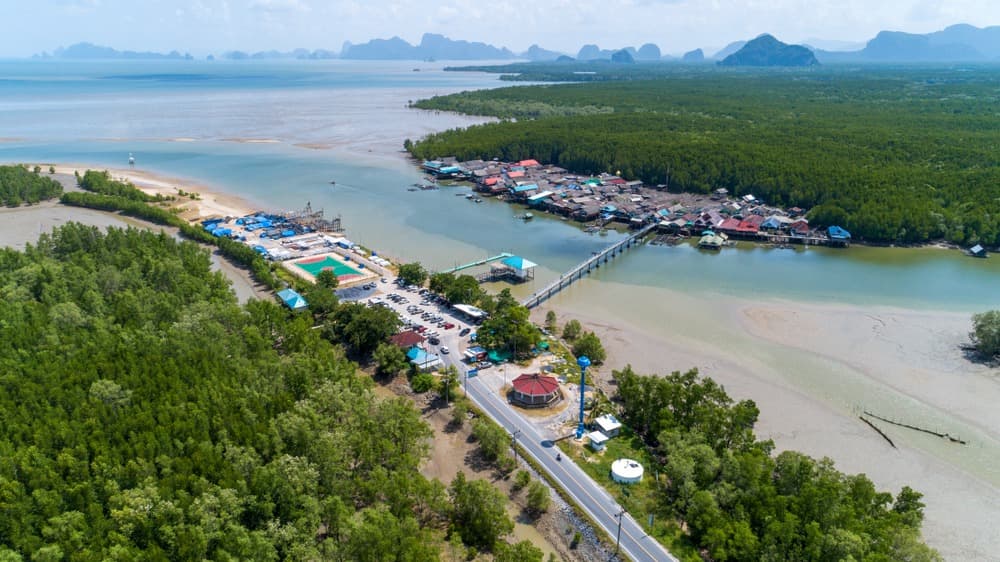
Ban Bang Pat is a coastal village in Bang Toei subdistrict, Phang Nga province, on the Andaman coast. Built on stilts and accessible by a concrete bridge spanning the sea, it thrives on fishing, shellfish harvesting and low-key community ecotourism. Its predominantly Muslim population has chosen to preserve the mangrove rather than exploit it for timber.
Why visit Ban Bang Pat
Ban Bang Pat stands apart from neighbouring coastal hamlets through a clear commitment: mangrove charcoal production has no place here, unlike many Phang Nga villages. Instead, residents replant young mangrove trees and apply concrete sustainable fishing practices, such as releasing female crabs during breeding season.
For visitors, the appeal is twofold: observing an intact mangrove ecosystem on foot from the stilt-house alleyways, and engaging with a Muslim fishing community whose economic organisation revolves around the sea. It's a tranquil stop, a valuable complement to exploring the Phang Nga Bay, far removed from classic long-tail boat circuits.
A glimpse of history
The village was formerly known as Ban Bang Ling, named after the monkey population that inhabited the mangrove surroundings. Today's families largely descend from fishermen who settled along the bay, drawn by the rich muddy depths and estuaries. Fishing, shellfish harvesting and seafood trade have structured the local economy for generations.
More recently, the Thai government has supported the development of community tourism at Ban Bang Pat, in partnership with private actors: homestays, seafood product valorisation and local dining. The stated goal is to generate supplementary income without departing from the artisanal model.
What to see and do
The mangrove and the sea bridge
Access to the village is via a concrete bridge crossing an arm of sea bordered by mangrove trees. It offers one of the most direct observation points for the province's mangrove ecosystem. Residents guide visitors by boat at high tide, explaining replantation efforts and the life cycle of crabs and shrimp.
The stilt-house alleyways
The village heart is a network of wooden and corrugated iron houses connected by pedestrian walkways wide enough for walkers, bicycles and scooters. It's the best way to understand the domestic organisation of families: fish-drying workshops, market stalls, neighbourhood mosque, net-repair zones.
Seafood products
Stalls offer blue crabs, squid, scallops, lobsters, as well as dried-salted fish and shrimp sold in sachets. These keep well and make authentic culinary souvenirs. Small village restaurants prepare the day's catch with local sauces at moderate prices.
Possible activities
Kayaking or canoeing through mangrove channels
Fishing trips aboard traditional vessels
Overnight stays with local families to experience a fisherman's daily rhythm
Seafood tasting at village stalls
When to visit
The most comfortable period runs from November to March: the Andaman coast monsoon has ended, skies remain mostly clear and sea outings proceed without constraint. Between May and October, the west coast experiences the rainy season, with frequent showers and rougher seas; visits remain possible but boat trips may be cancelled. Plan a half-day to a full day on site depending on chosen activities.
How to get there
The nearest international airport is Phuket, approximately ninety minutes' drive away. From Bangkok, minibuses and long-distance buses serve Phang Nga town.
From Muang Phang Nga district, take the road towards Ban Toei. The visual marker is the concrete bridge spanning the sea: parking is on the opposite shore, then the village is reached on foot via the bridge.
Practical information
Getting around: walking, bicycle or scooter—the stilt-house alleyways don't accommodate cars
Accommodation: several families offer rooms through homestay programmes, best reserved in advance via local operators
Respecting customs: Muslim population, modest dress recommended away from the beach, and discretion appreciated during prayer times
Money: bring cash, few shops accept cards
In the vicinity
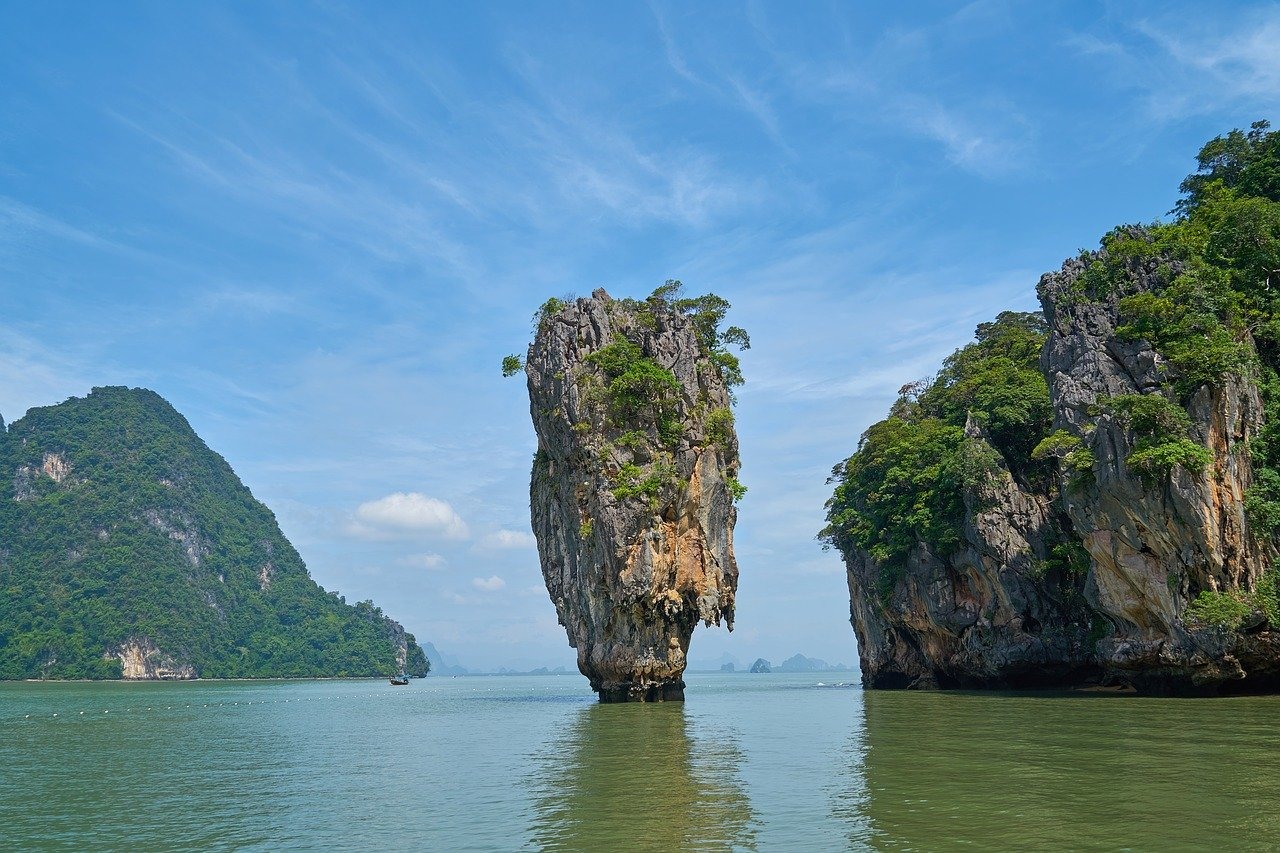
Ban Bang Pat fits within a collection of Andaman coast natural attractions. Ao Phang Nga National Park, Koh Panyi (the floating village), Koh Tapu (the so-called James Bond island) and Khao Phing Kan are accessible as day excursions. Further south towards Krabi, Ao Thalane offers another mangrove kayaking setting, while Koh Hong and Ao Nang complete a two to three-day coastal loop. Ko Klang, a Muslim island with comparable organisation, provides an interesting point of comparison.
Frequently asked questions
Frequently asked questions
From Phuket airport, head to Phang Nga by car or minibus (around 1.5 hours), then follow the road towards Ban Toei until you reach the concrete bridge spanning the sea.
The dry season, from November to March, is most favourable on the Andaman coast. May to October corresponds to the monsoon, with a risk of sea trips being cancelled.
Yes, several families offer rooms through the community tourism programme. Booking is done via local operators or agencies specialising in Phang Nga.
Kayaking or boat trips through the mangrove, fishing initiation, seafood tasting, buying dried-salted fish and shrimp, immersion in the life of a Muslim fishing village.
Yes, the site is safe and movement takes place on foot across walkways. Boat trips suit children provided boatmen's safety instructions are followed.
For further inspiration
Ban Bang Pat integrates seamlessly into an itinerary combining Phang Nga Bay, Phuket and Krabi. To build your bespoke travel plan, consult our Thailand travel suggestions.
Photos
Also discover
Interested in this visit?
We can include it in your personalised itinerary.